
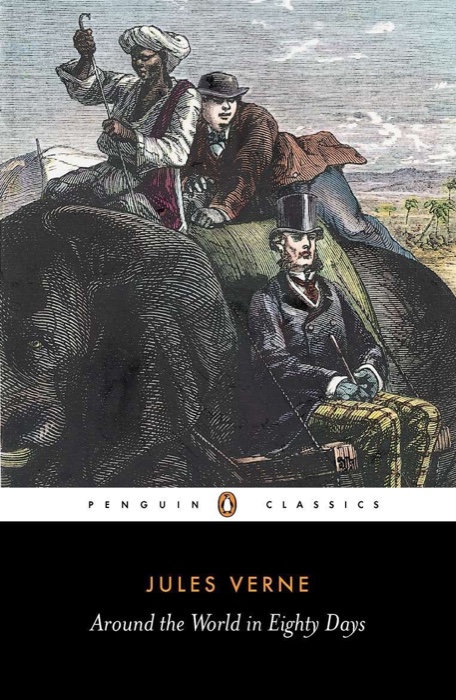
 Around the World in Eighty Days
Quotes from the Book
We are of opinion that instead of letting books grow moldy behind an iron grating, far from the vulgar gaze, it is better to let them wear out by being read.
Science, my boy, is made up of mistakes, but they are mistakes which it is useful to make, because they lead little by little to the truth.
While there is life there is hope. I beg to assert...that as long as a man's heart beats, as long as a man's flesh quivers, I do not allow that a being gifted with thought and will can allow himself to despair.
I looked on, I thought, I reflected, I admired, in a state of stupefaction not altogether unmingled with fear!
Is the Master out of his mind?' she asked me. I nodded. 'And he's taking you with him?' I nodded again. 'Where?' she asked. I pointed towards the centre of the earth. 'Into the cellar?' exclaimed the old servant. 'No,' I said, 'farther down than that.
There is no more sagacious animal than the Icelandic horse. He is stopped by neither snow, nor storm, nor impassable roads, nor rocks, glaciers, or anything. He is courageous, sober, and surefooted. He never makes a false step, never shies. If there is a river or fjord to cross (and we shall meet with many) you will see him plunge in at once, just as if he were amphibious, and gain the opposite bank.
Science, my lad, has been built upon many errors; but they are errors which it was good to fall into, for they led to the truth.
I dream with my eyes open.
When I returned to partial life my face was wet with tears. How long that state of insensibility had lasted I cannot say. I had no means now of taking account of time. Never was solitude equal to this, never had any living being been so utterly forsaken.
Wherever he saw a hole he always wanted to know the depth of it. To him this was important.
If at every instant we may perish, so at every instant we may be saved.
As long as the heart beats, as long as body and soul keep together, I cannot admit that any creature endowed with a will has need to despair of life.
Ah!" I cried, springing up. "But no! no! My uncle shall never know it. He would insist upon doing it too. He would want to know all about it. Ropes could not hold him, such a determined geologist as he is! He would start, he would, in spite of everything and everybody, and he would take me with him, and we should never get back. No, never! never!" My over-excitement was beyond all description.
What darkness to you is light to me
It is certain," exclaimed my uncle in a tone of triumph. "But silence, do you hear me? silence upon the whole subject; and let no one get before us in this design of discovering the centre of the earth.
It is only when you suffer that you really understand.
Until I dicover the meaning of this sentence, I will neither eat nor sleep. "My dear uncle-" I began. "Nor you either," he added.
At Kiel, as elsewhere, a day goes by somehow or other.
Dinner was ready. Professor Lidenbrock did full justice to it, for his compulsory fast on board had turned his stomach into an unfathomable gulf.
Ah! Women and young girls, how incomprehensible are your feminine hearts! When you are not the timidest, you are the bravest of creatures
While there is life there is hope. I beg to assert, Henry, that as long as a man's heart beats, as long as a man's flesh quivers, I do not allow that a being gifted with thought and will can allow himself to despair.
Science, my boy, is made up of mistakes; but of mistakes which lead to the discovery of truth.
Oh, how hard it is to understand the hearts of girls and women. When they are not the most timid of creatures, they are the bravest. Reason has no part in their lives.
It is only when you suffer that you truly understand.
When I saw myself thus wholly cut off from human succour, incapable of attempting anything for my deliverance, I thought of heavenly succour. Memories of my childhood, of my mother...came back to me. I began to pray, little as I deserved that God should know me when I had forgotten Him so long; and I prayed fervently.
This lucid explanation of the phenomena we had witnessed appeared to me quite satisfactory. However great and mighty the marvels of nature may seem to us, they are always to be explained by physical reasons. Everything is subordinate to some great law of nature.
To look at the height of Snäfell it seemed impossible to reach the summit. But after an hours' fatigue and athletic exercise, a sort of staircase suddenly appeared in the midst of the vast carpet of snow lying on the croup of the volcano, and this greatly simplified our ascent. (p. 73)
But you perceive, my boy, that it is not so, and that facts, as usual, are very stubborn things, overruling all theories.
As I lay on my back, I chanced to open my eyes and perceived a bright spot at the extremity of the tube, 3,000 feet long, transformed now into a gigantic telescope. (p. 83)
Did you know?
- The novel was originally published in French in 1864 as Voyage au centre de la Terre and revised and expanded in 1867.
- It first appeared in English translation in 1871.
- The explorers enter the Earth through the real Icelandic volcano Snaefellsjokull and are expelled through Stromboli in Sicily.
- The subterranean passage is said to have been discovered by a fictional sixteenth-century Icelandic alchemist named Arne Saknussemm.
- Verne was sued for alleged plagiarism over the book in 1877 but won the case.
- Rick Wakeman adapted the novel into a 1974 concept album.
About Jules Verne
Jules Verne (1828-1905) was a French novelist, poet, and playwright, best known as a pioneer of the science-fiction genre. Through his long-running Voyages Extraordinaires series, published with Pierre-Jules Hetzel, he became one of the most translated authors in the world.
More about the author →More by Jules Verne
Around the World in Eighty Days
 The Mysterious Island
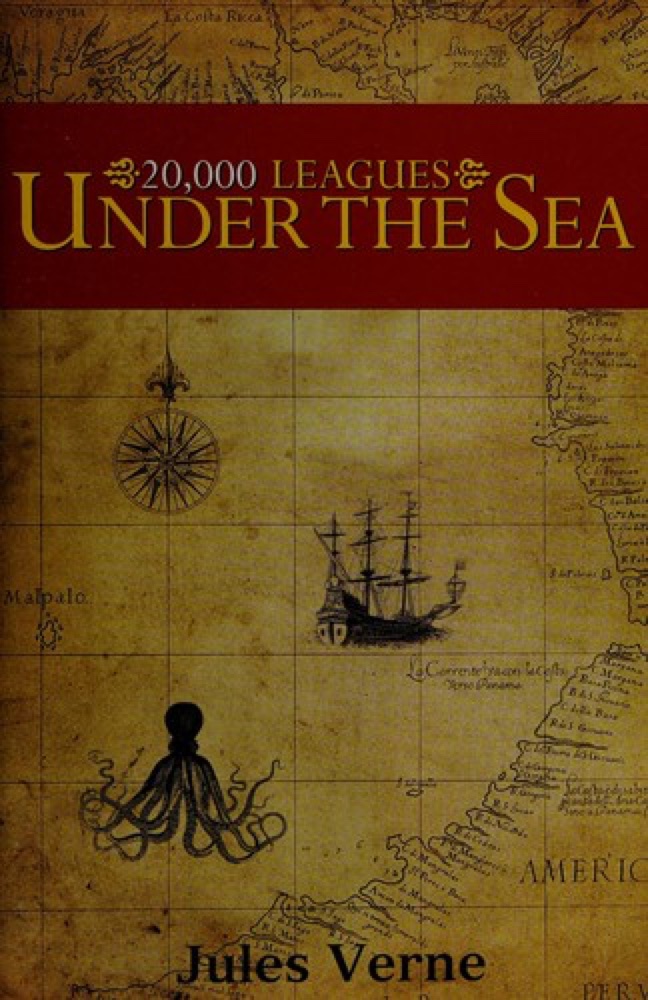 Twenty Thousand Leagues Under the Sea
 From the Earth to the Moon
About the book
Journey to the Center of the Earth is a science-fiction adventure novel by the French writer Jules Verne, first published in French as Voyage au centre de la Terre in 1864 and reissued in a revised, expanded edition in 1867. It follows the eccentric German geologist Professor Otto Lidenbrock, who deciphers a coded runic message left by the sixteenth-century Icelandic alchemist Arne Saknussemm claiming that a passage to the Earth's interior lies within the Snaefellsjokull volcano in Iceland. With his reluctant nephew Axel and the steadfast Icelandic guide Hans, the professor descends into the volcano and journeys through a vast subterranean world.
Along the way the travelers face cave-ins, a labyrinth of tunnels, dwindling water, and a great underground ocean, encountering prehistoric plants, giant creatures, and geological wonders before an eruption of the Italian volcano Stromboli finally casts them back to the surface. The novel blends meticulous scientific detail with imaginative spectacle, dramatizing themes of curiosity, human daring, and the confrontation between reason and the unknown as its narrator, Axel, grows from timid skeptic to seasoned explorer.
One of the earliest works in Verne's celebrated Voyages Extraordinaires series, published in collaboration with Pierre-Jules Hetzel, the book helped shape the emerging genre of science fiction and has remained continuously in print. Its vision of a hidden world beneath our feet has inspired countless adaptations across film, television, radio, and music, cementing Verne's reputation as one of the founding figures of speculative adventure fiction.
Key characters
- Professor Otto LidenbrockEccentric German geologist who leads the expedition
- AxelLidenbrock's reluctant young nephew and the novel's narrator
- Hans BjelkeResourceful Icelandic guide who accompanies them
- GraubenLidenbrock's goddaughter and Axel's love interest
- Arne SaknussemmSixteenth-century alchemist whose coded message sparks the journey
Book details
- First published
- 1864
- Author
- Jules Verne
- Genre
- Classics
- Goodreads rating
- 3.85 (231k ratings) →
- First line
- “Looking back to all that has occurred to me since that eventful day, I am scarcely able to believe in the reality of my adventures.”
Movie & TV adaptations
- IMDb
- IMDb
If you liked this, read…
- 1Twenty Thousand Leagues Under the SeaAnother Verne Voyage Extraordinaire pairing science with epic exploration
- 2The Lost WorldArthur Conan Doyle adventure featuring an expedition into a hidden prehistoric realm
- 3Around the World in Eighty DaysVerne's globe-spanning adventure driven by daring travel and ingenuity
Keep reading
 The Hour I First Believed
 The Illustrated Man
 To The Bright Edge of the World
 Report to Greco
 Absalom, Absalom!
 Humboldt's Gift
 Out of the Silent Planet
 Dracula
 Year of Wonders
 The Star Rover
 Moby-Dick
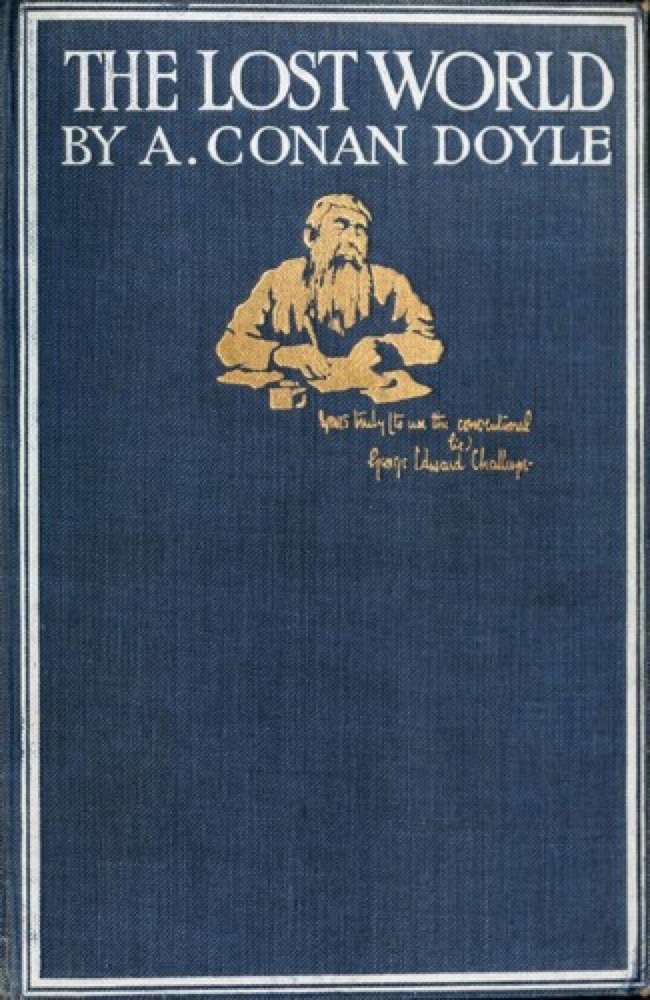 The Lost World
 The Magic Mountain
 My Friends
 March
March
 Peace Like a River
 Washington Black
 The Time Machine
 The Worst Journey in the World
 That Hideous Strength
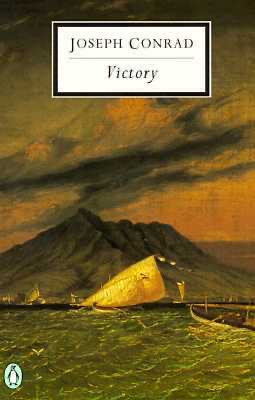 Victory
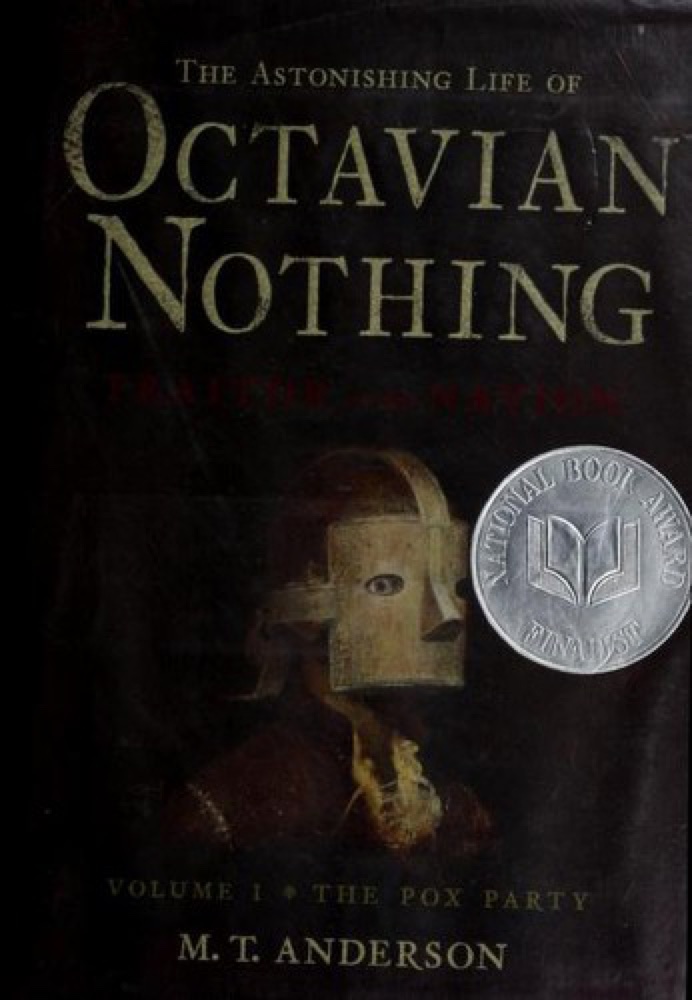 The Pox Party
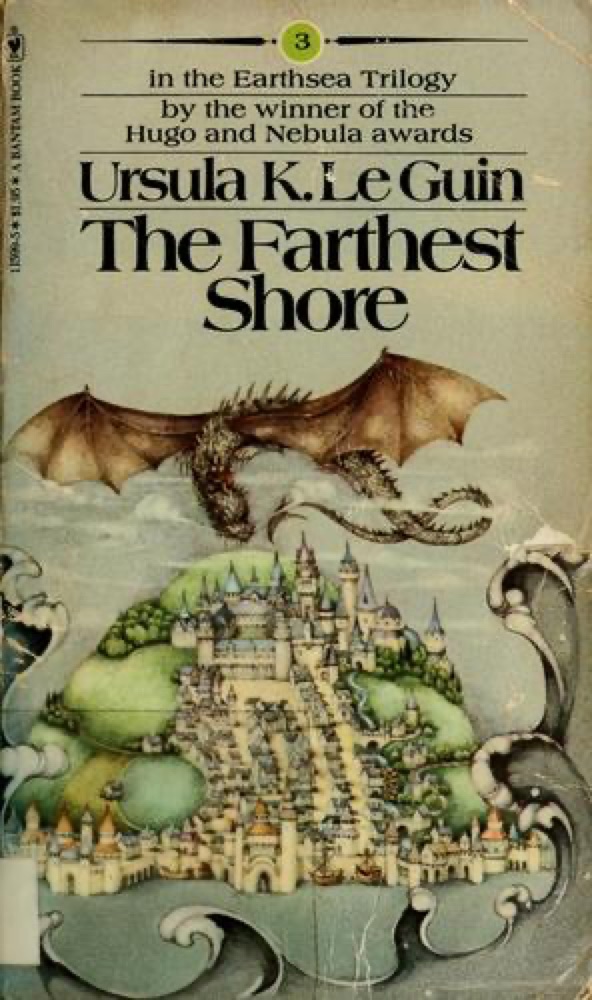 The Farthest Shore
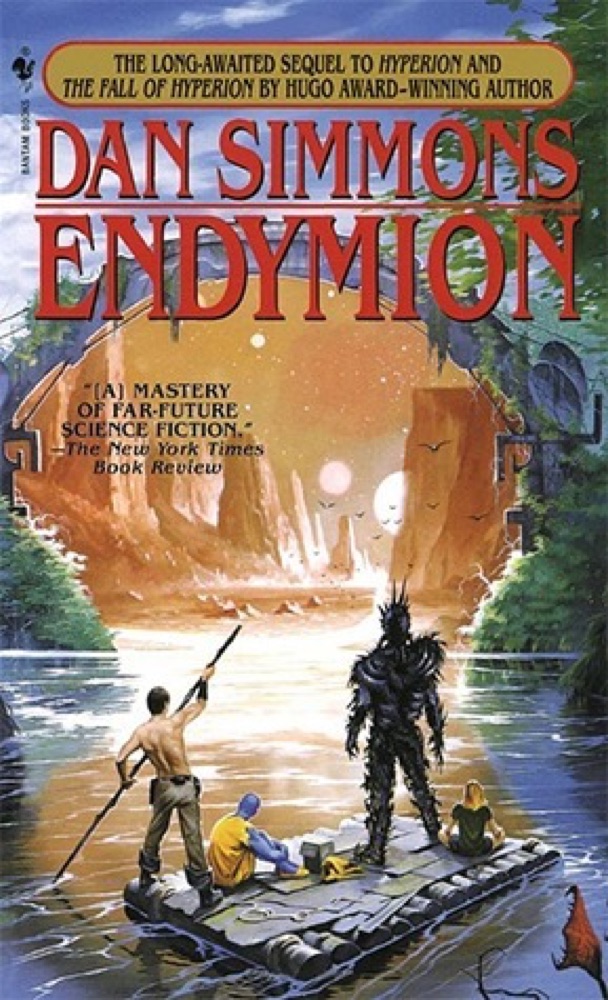 Endymion
 The Third Policeman
 The Sea, the Sea
 West with the Night
The Mysterious Island
West with the Night
The Mysterious Island
 The Wolf Gift
 Wind, Sand and Stars
 The Map of the Sky
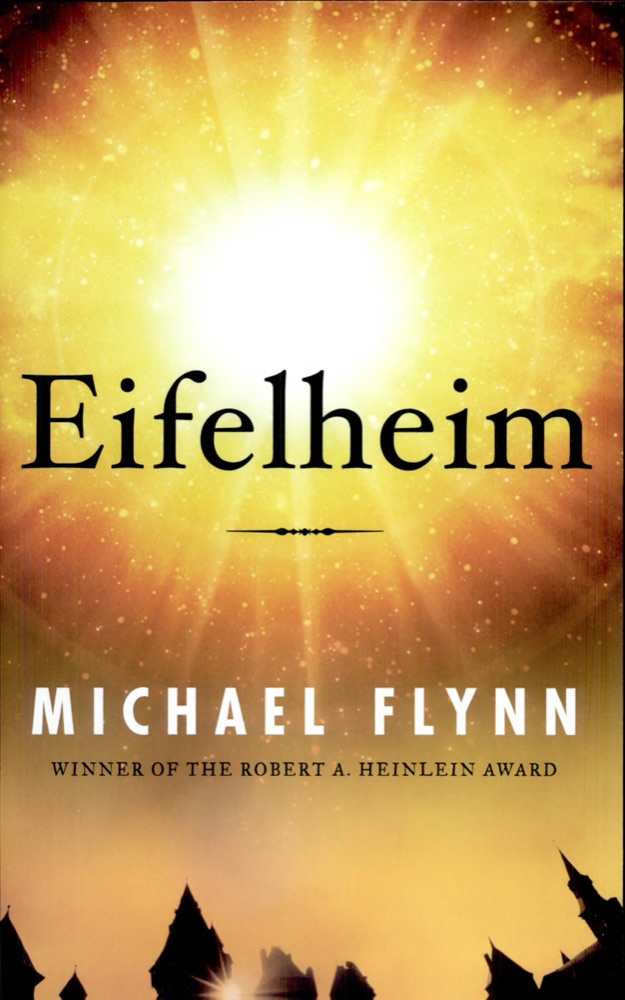 Eifelheim
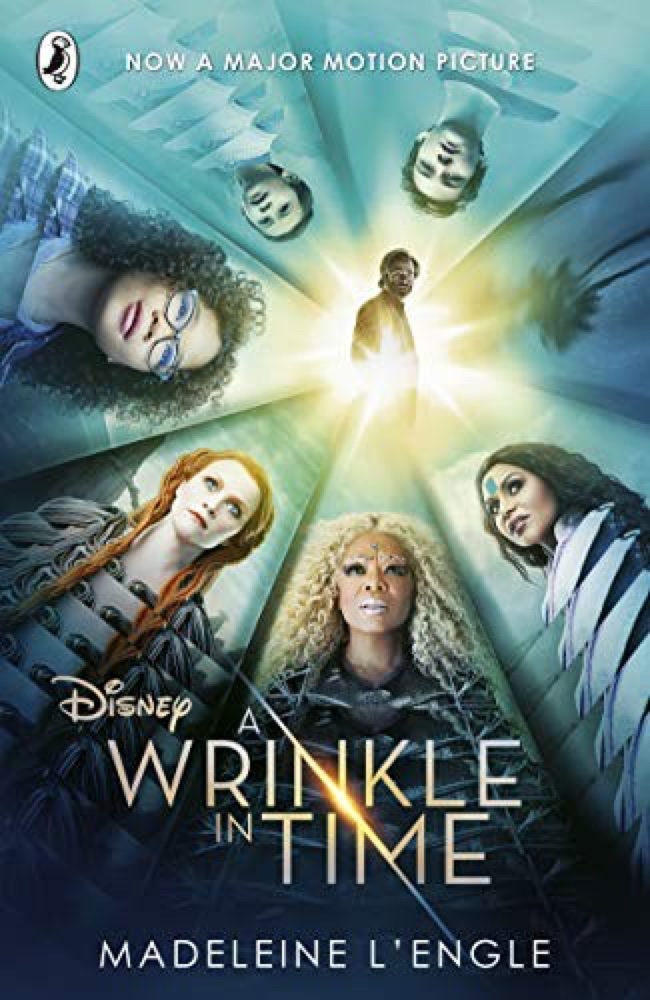 A Wrinkle in Time
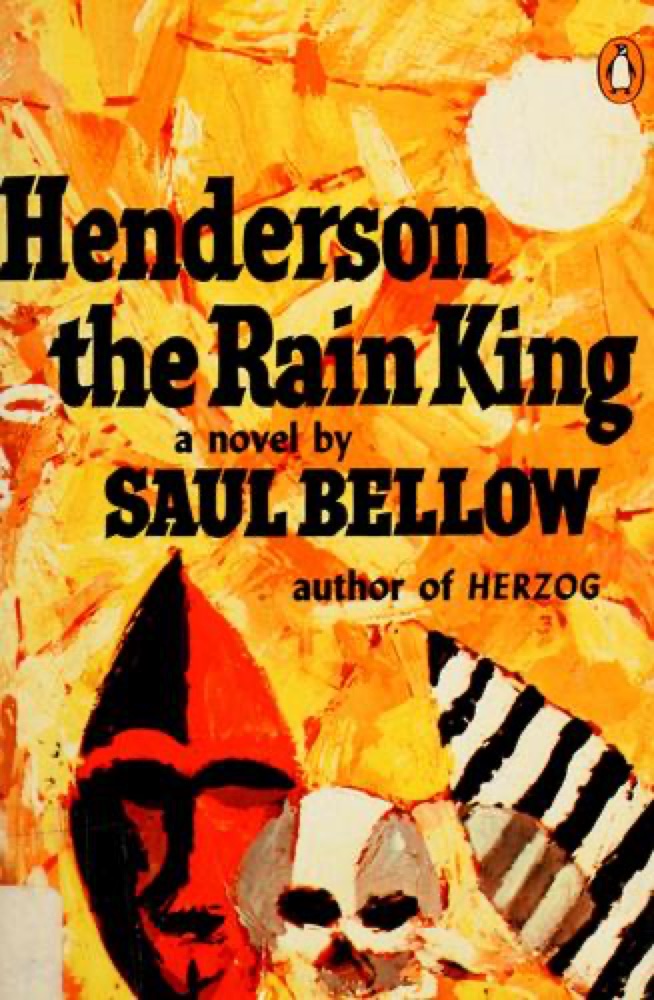 Henderson the Rain King
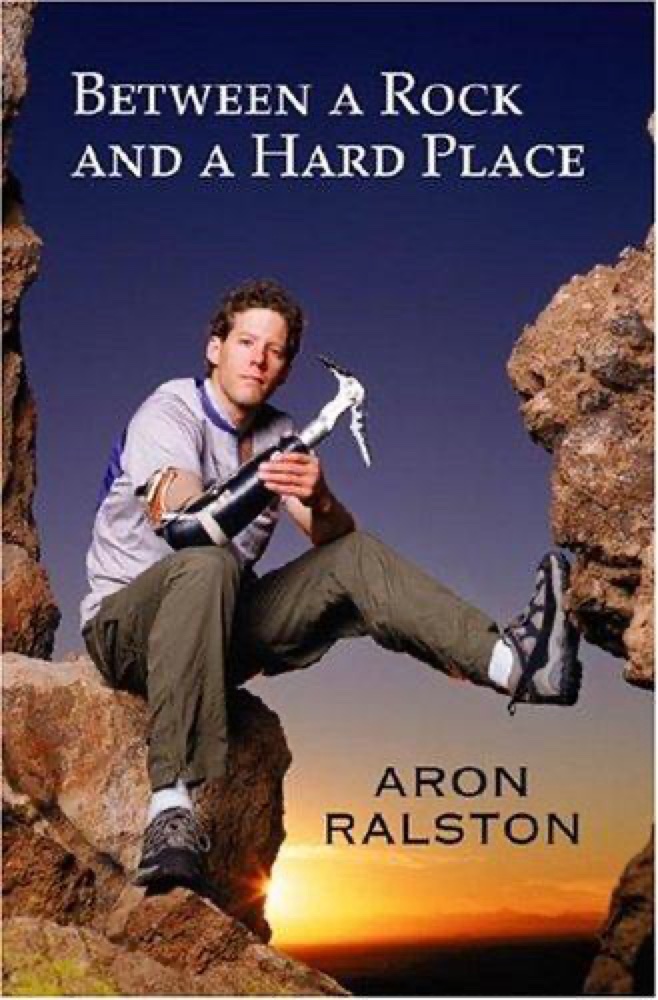 Between a Rock and a Hard Place
 A Soldier of the Great War
 Shadow Scale
 The Man in the High Castle
 The Jewel of Seven Stars
 Sometimes a Great Notion
 The Pillars of the Earth
 She
She
 Tropic of Capricorn
 Light in August
 My Early Life, 1874-1904
 Nation
 Brave Story
 Agnes Grey
 Small Wonder
 Perelandra
 Lord Jim
 Winter's Tale
 Embers
 King Solomon's Mines
 Ulysses
 The Story of My Life
 Uncle Tom's Cabin
 A Sudden Light
 A Passage to India
 The Divine Comedy