 The Invisible Man
Quotes from the Book
Nature never appeals to intelligence until habit and instinct are useless. There is no intelligence where there is no need of change.
We should strive to welcome change and challenges, because they are what help us grow. With out them we grow weak like the Eloi in comfort and security. We need to constantly be challenging ourselves in order to strengthen our character and increase our intelligence.
It sounds plausible enough tonight, but wait until tomorrow. Wait for the common sense of the morning.
Looking at these stars suddenly dwarfed my own troubles and all the gravities of terrestrial life.
It is a law of nature we overlook, that intellectual versatility is the compensation for change, danger, and trouble. An animal perfectly in harmony with its environment is a perfect mechanism. Nature never appeals to intelligence until habit and instinct are useless. There is no intelligence where there is no change and no need of change. Only those animals partake of intelligence that have a huge variety of needs and dangers.
And I have by me, for my comfort, two strange white flowers - shriveled now, and brown and flat and brittle - to witness that even when mind and strength had gone, gratitude and a mutual tenderness still lived on in the heart of men.
Very simple was my explanation, and plausible enough---as most wrong theories are!
Face this world. Learn its ways, watch it, be careful of too hasty guesses at its meaning. In the end you will find clues to it all.
We are kept keen on the grindstone of pain and necessity.
For after the Battle comes quiet.
We are always getting away from the present moment. Our mental existence, which are immaterial and have no dimensions, are passing along the Time-Dimension with a uniform velocity from the cradle to the grave.
The fact is, the Time Traveller was one of those men who are too clever to be believed: you never felt that you saw all round him; you always suspected some subtle reserve, some ingenuity in ambush, behind his lucid frankness.
Things that would have made fame of a less clever man seemed tricks in his hands. It is a mistake to do things too easily.
Looking at these stars suddenly dwarfed my own troubles and all the gravities of terrestrial life. I thought of their unfathomable distance, and the slow inevitable drift of their movements out of the unknown past into the unknown future.
I grieved to think how brief the dream of the human intellect had been. It had committed suicide.
To sit among all those unknown things before a puzzle like that is hopeless. That way lies monomania. Face this world. Learn its ways, watch it, be careful of too hasty guesses at its meaning. In the end you will find clues to it all.
There are really four dimensions, three which we call the three planes of Space, and a fourth, Time.
When she was fifteen if you'd told her that when she was twenty she'd be going to bed with bald-headed men and liking it, she would have thought you very abstract.
If only I had thought of a Kodak! I could have flashed that glimpse of the Under-world in a second, and examined it at leisure.
What, unless biological science is a mass of errors, is the cause of human intelligence and vigour? Hardship and freedom: conditions under which the active, strong, and subtle survive and the weaker go to the wall; conditions that put a premium upon the loyal alliance of capable men, upon self-restraint, patience, and decision. And the institution of the family, and the emotions that arise therein, the fierce jealousy, the tenderness for offspring, parental self-devotion, all found their justification and support in the imminent dangers of the young.
You must follow me carefully. I shall have to controvert one or two ideas that are almost universally accepted. The geometry, for instance, they taught you at school is founded on a misconception.
Strength is the outcome of need; security sets a premium on feebleness. The work of ameliorating the conditions of life -- the true civilizing process that makes life more and more secure -- had gone steadily on to a climax... And the harvest was what I saw.
This has ever been the fate of energy in security; it takes to art and to eroticism, and then comes languor and decay.
That is the germ of my great discovery. But you are wrong to say that we cannot move about in Time. For instance, if I am recalling an incident very vividly I go back to the instant of its occurrence: I become absent-minded, as you say. I jump back for a moment. Of course we have no means of staying back for any length of Time, any more than a savage or an animal has of staying six feet above the ground. But a civilized man is better off than the savage in this respect. He can go up against gravitation in a balloon, and why should he not hope that ultimately he may be able to stop or accelerate his drift along the Time-Dimension, or even turn about and travel the other way?
No. I cannot expect you to believe it. Take it as a lie--or a prophecy. Say I dreamed it in the workshop. Consider I have been speculating upon the destinies of our race until I have hatched this fiction. Treat my assertion of its truth as a mere stroke of art to enhance its interest. And taking it as a story, what do you think of it?
I saw huge buildings rise up faint and fair, and pass like dreams.
So, in the end, above ground you must have the Haves, pursuing pleasure and comfort and beauty, and below ground the Have-nots, the Workers getting continually adapted to the conditions of their labour. Once they were there, they would no doubt have to pay rent, and not a little of it, for the ventilation of their caverns; and if they refused, they would starve or be suffocated for arrears. Such of them as were so constituted as to be miserable and rebellious would die; and, in the end, the balance being permanent, the survivors would become as well adapted to the conditions of underground life, and as happy in their way, as the Upper-world people were to theirs.
The time traveller proceeded, "any real body must have extension in four directions: it must have Length, Breadth, Thicknessa and Duration. But through a natural infirmity of the flesh, which I will explain to you in a moment, we incline to overlook this fact. There are really four dimentions, three which we call the three planes of Space, and a fourth, Time.
They were put into my pockets by Weena, when I traveled into Time.
It's against reason," said Filby. "What reason?" said the Time Traveller.
Did you know?
- The Time Machine was first published in book form in 1895, by Henry Holt in the US (May) and William Heinemann in the UK (May 29).
- The novel is generally credited with popularizing the concept of time travel by means of a vehicle or device.
- The Time Traveller's name is never revealed in the story.
- The Eloi and Morlocks are presented as distant descendants of the contemporary upper and lower classes.
- The novella grew out of Wells's earlier 1888 short story 'The Chronic Argonauts.'
- The Traveller rescues and befriends an Eloi woman named Weena.
About H.G. Wells
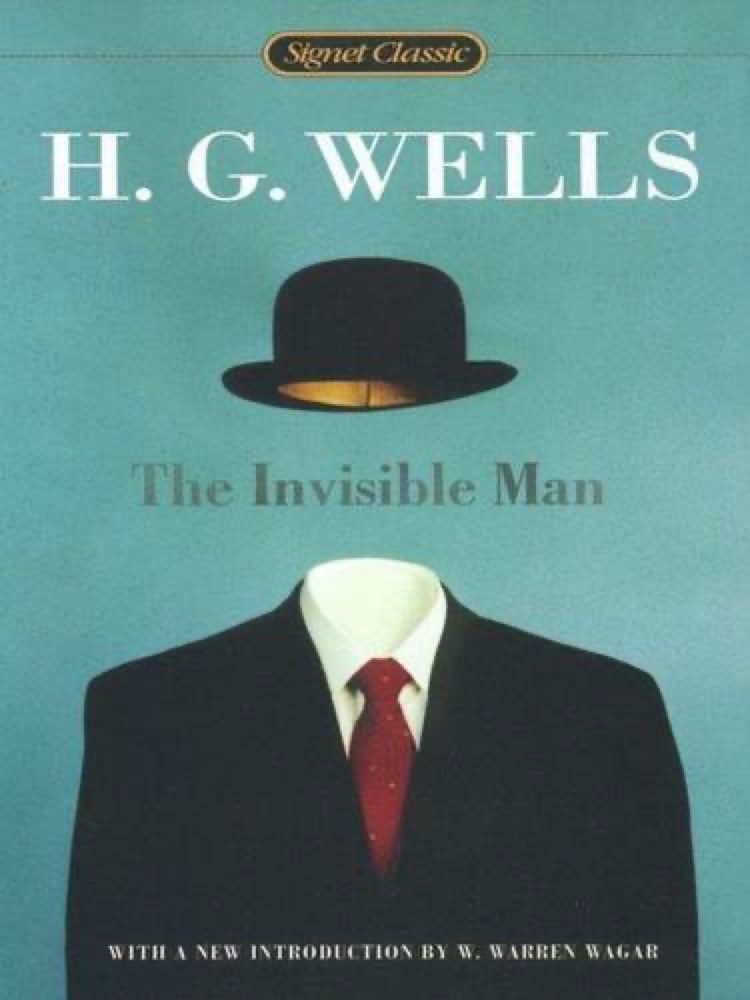
H.G. Wells (1866-1946) was an English writer often called a father of science fiction, whose early scientific romances include The War of the Worlds, The Invisible Man, and The Island of Doctor Moreau. He was also a prolific novelist, historian, and social commentator.
More about the author →More by H.G. Wells
All books by H.G. Wells →
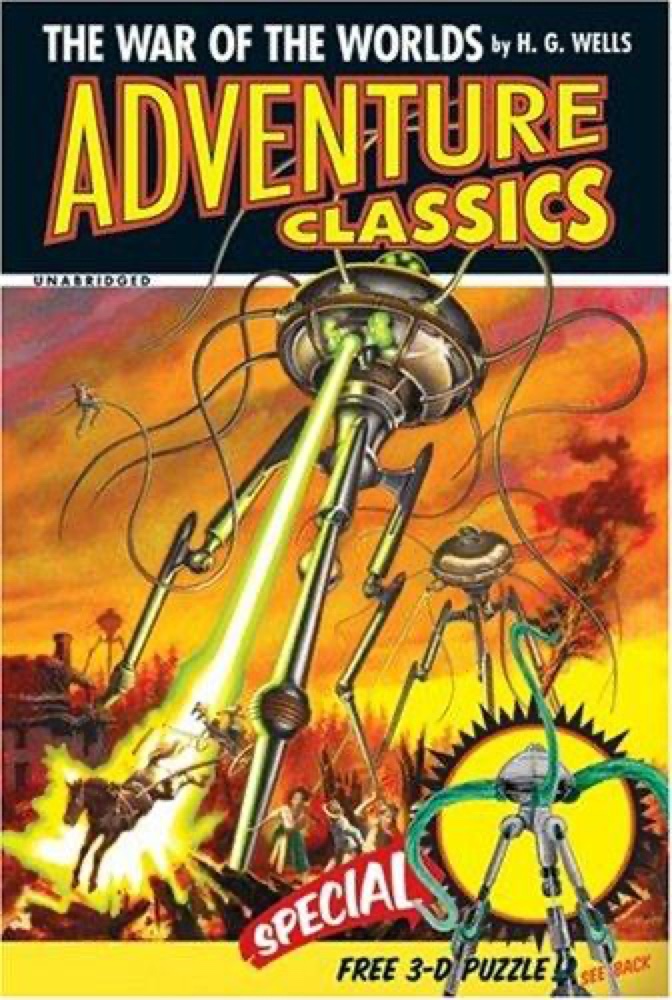

About the book
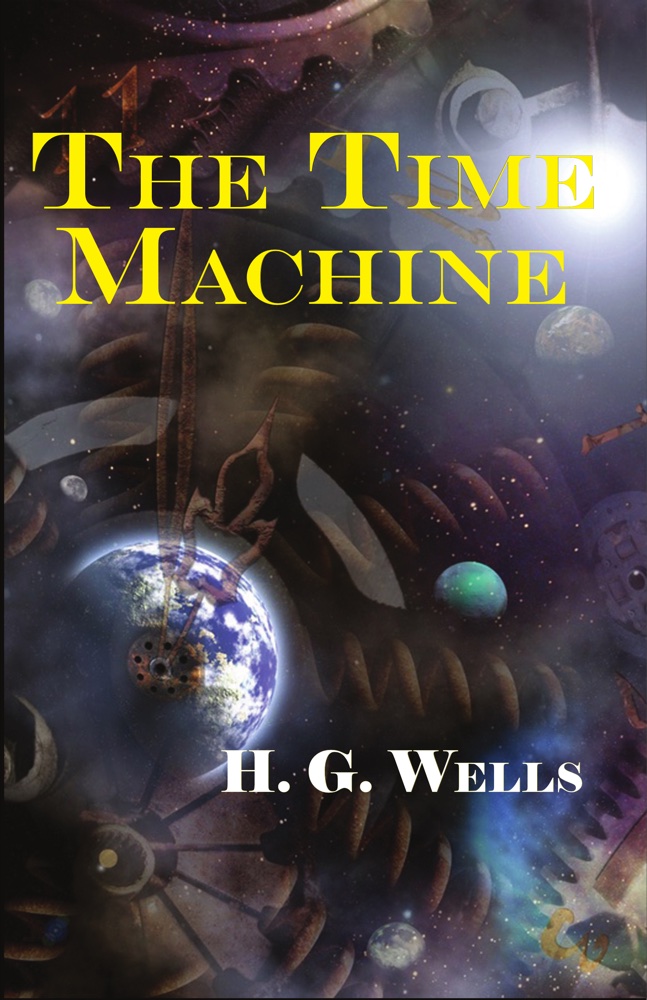
"The Time Machine" is H.G. Wells's 1895 scientific romance in which an unnamed Victorian inventor, known only as the Time Traveller, builds a machine that carries him purposely through time to the year 802,701. There he finds humanity has split into two species: the fair, childlike Eloi who live in idle abundance above ground, and the savage, ape-like Morlocks who dwell below and, he discovers, sustain the Eloi's world only to prey upon them. The novella is framed as the Traveller's own account, recounted to skeptical dinner guests back in present-day England.
Beneath its adventure, the book is a Darwinian fable about class. Wells projected the industrial inequalities of his own era into the far future, imagining the leisured upper class and the toiling underclass evolving into two distinct and mutually dependent breeds. The Eloi and Morlocks dramatize a warning that comfort and exploitation, carried to their evolutionary extremes, could hollow out humanity entirely, and the Traveller's later journey to a dying Earth extends this pessimism to the fate of life itself.
The Time Machine is widely credited with popularizing the idea of travelling through time by means of a vehicle or device, and it helped establish the conventions of modern science fiction. It has remained continuously in print, inspired numerous film, television, and comic adaptations, and shaped countless later works that borrow its device and its bleak evolutionary imagination.
Key characters
- The Time TravellerVictorian inventor who builds the machine and narrates his journey
- WeenaAn Eloi woman the Traveller rescues and befriends in the future
- The EloiFair, childlike future people living in idle abundance above ground
- The MorlocksSavage, ape-like underground dwellers who sustain and prey on the Eloi
Book details
- First published
- 1895
- Length
- 84 pages
- Reading time
- 1 hour
- Author
- H.G. Wells
- Genre
- Classics
- Goodreads rating
- 3.89 (576k ratings) →
- First line
- “The Time Traveller (for so it will be convenient to speak of him) was expounding a recondite matter to us.”
Movie & TV adaptations
- IMDb
- IMDb
If you liked this, read…
- 1The War of the WorldsWells's own alien-invasion romance with the same social and evolutionary anxieties
- 2The First Men in the MoonAnother Wells scientific romance whose lunar society mirrors human class division
- 3Brave New WorldHuxley's dystopia extends the idea of humanity engineered into stratified castes
Keep reading
 West with the Night
 Revelation Space
 Death's End
 Thief of Time
 That Hideous Strength
 Point Omega
 Life, the Universe and Everything
 Blue Remembered Earth
 The Magic Mountain
 Angle of Repose
 Endymion
 The Dark Forest
 Libra
Libra
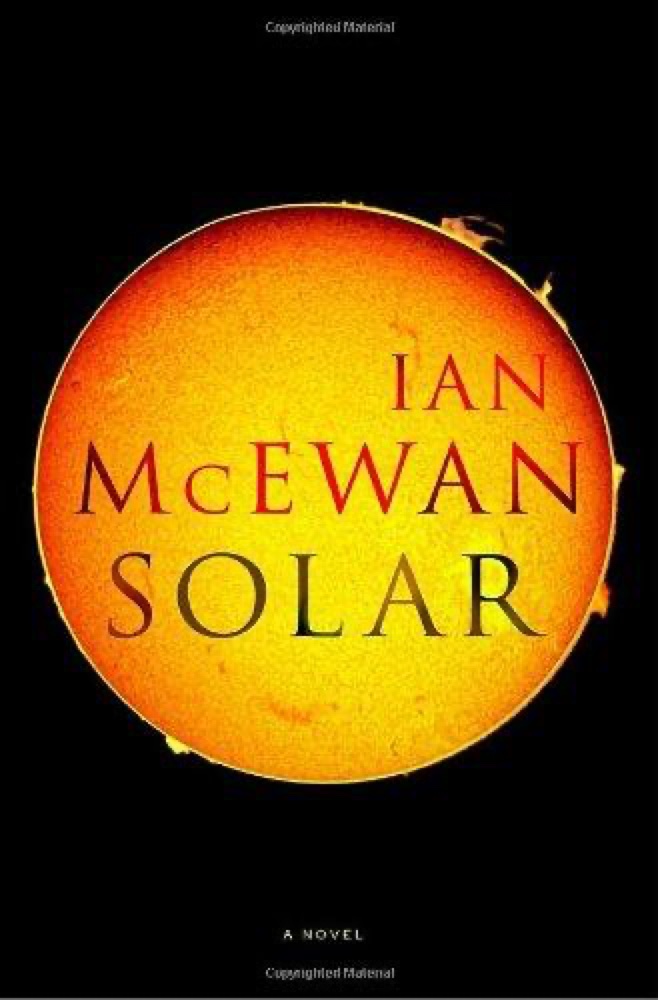 Solar
Solar
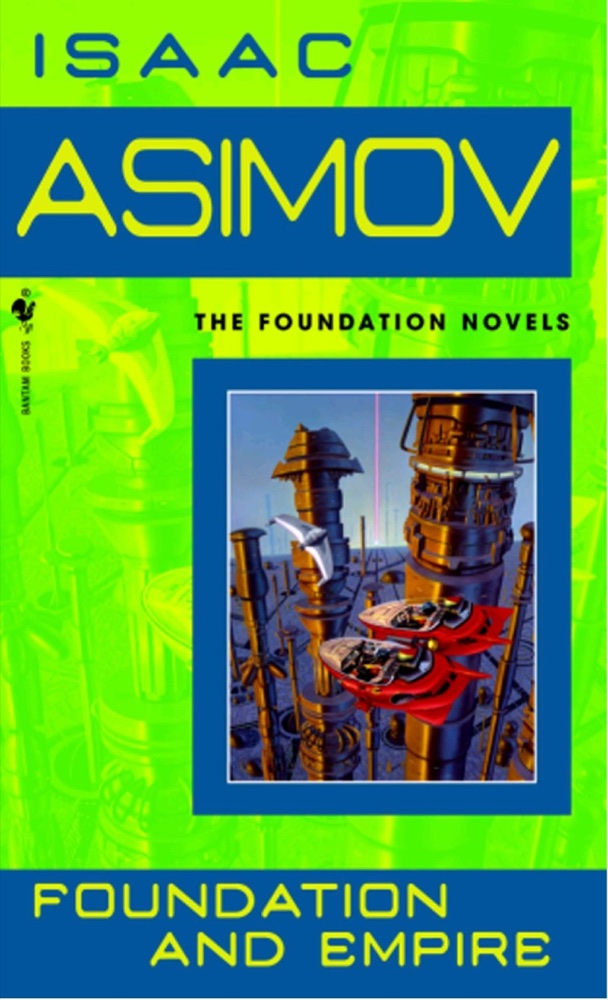 Foundation and Empire
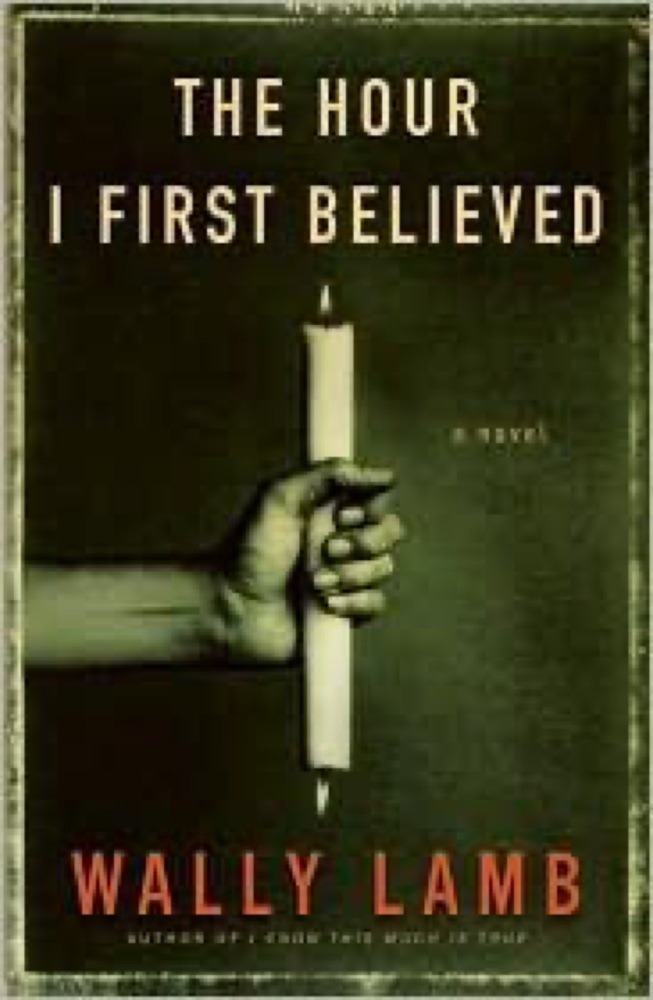 The Hour I First Believed
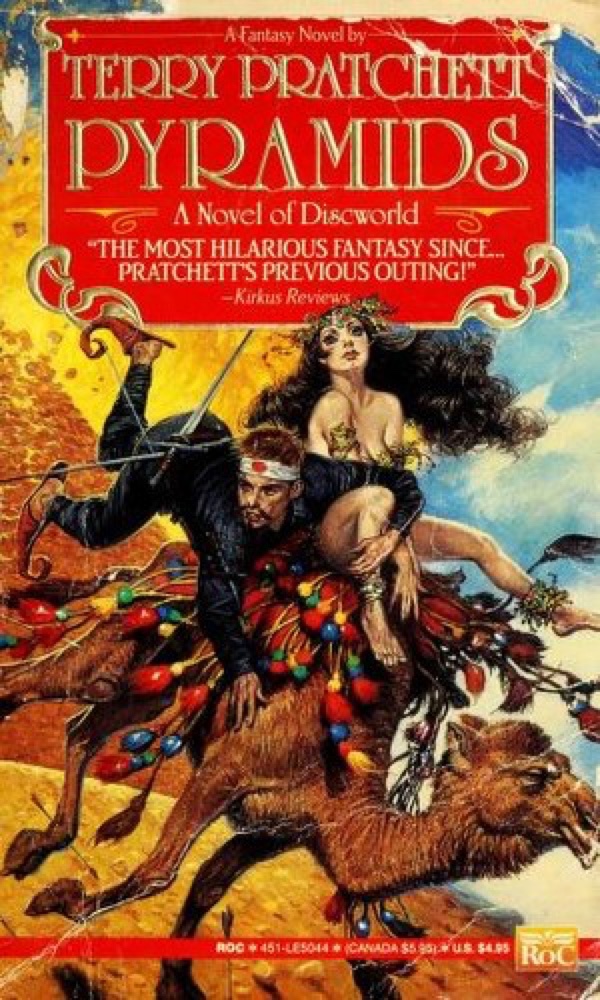 Pyramids
 The Man in the High Castle
 Foucault's Pendulum
 The Last Continent
 The Stone Gods
 Influx
 Songs of Distant Earth
 Year of the Monkey
 The Age of Miracles
 The Three-Body Problem
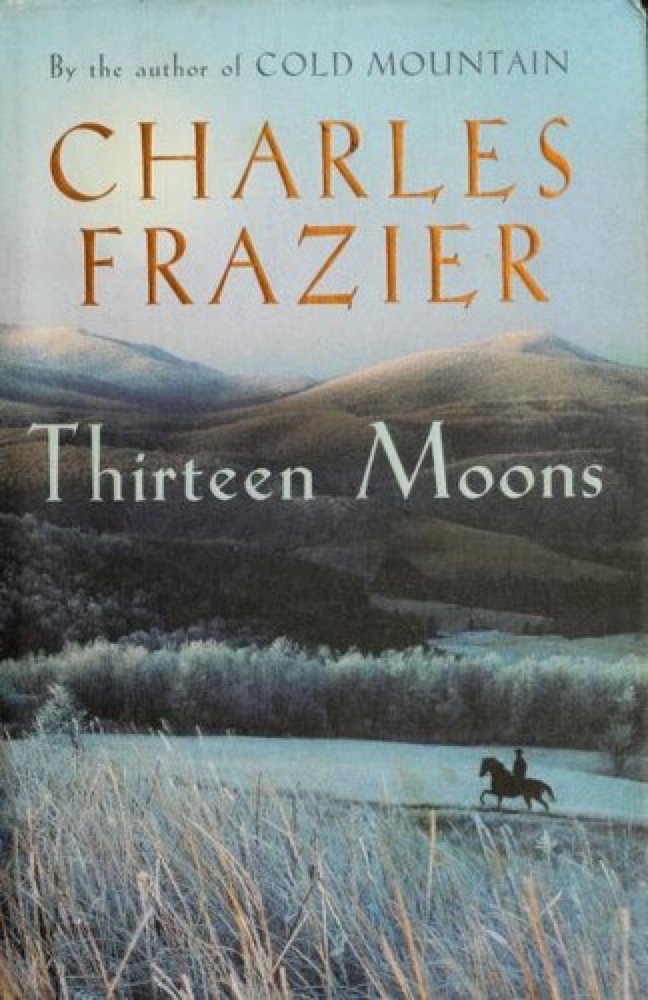 Thirteen Moons
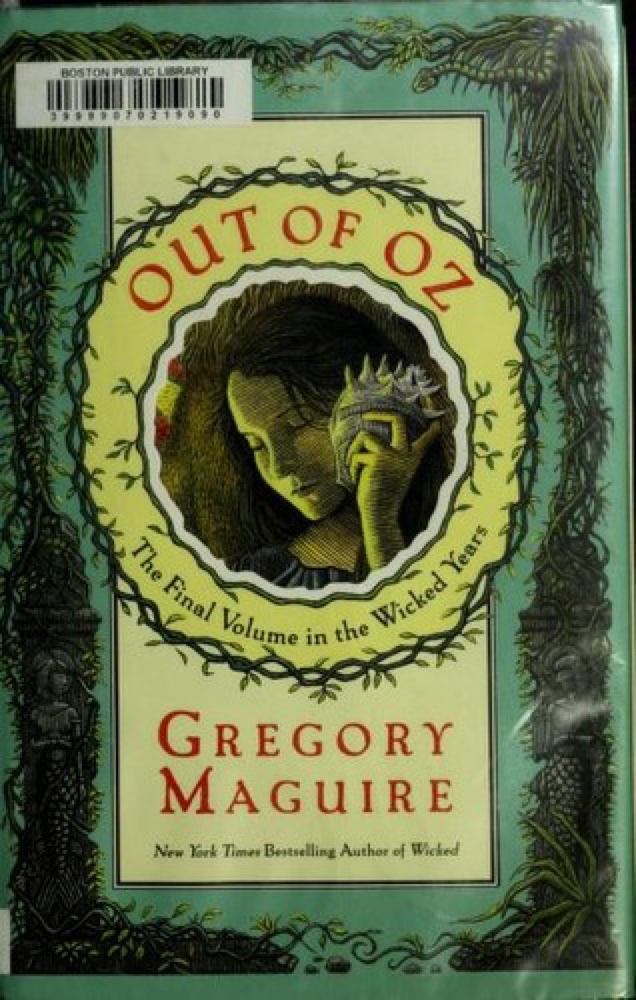 Out of Oz
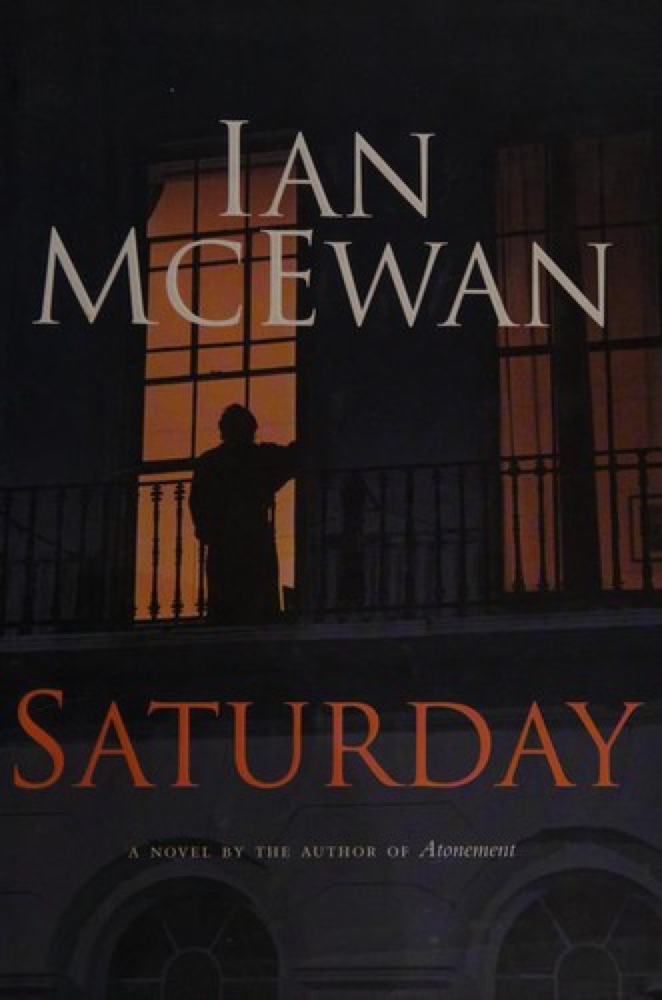 Saturday
 Solaris
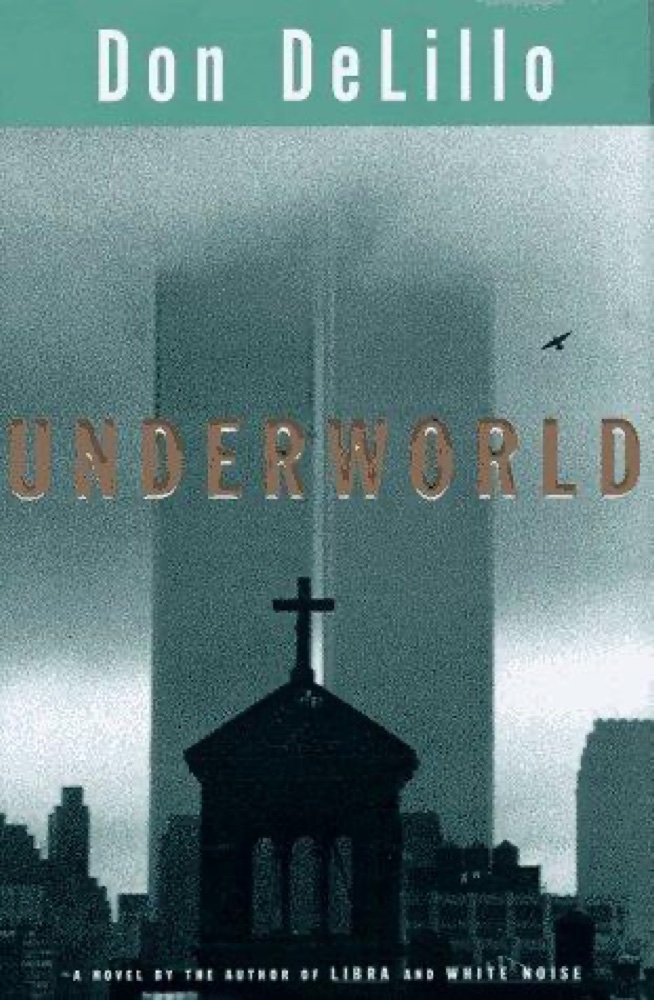 Underworld
 Hard-Boiled Wonderland and the End of the World
 Consider Phlebas
 Quicksilver
 Blindsight
 The Rule of Four
 The Star Diaries
 Exhalation
 The Star Rover
 Stories of Your Life and Others
 Bend Sinister
 The Illustrated Man
 The Long Dark Tea-Time of the Soul
 Lost Horizon
 Flatland: A Romance of Many Dimensions
 The Fifth Science
 Shadow & Claw
 The Ultimate Hitchhiker's Guide
 The Shockwave Rider
 Sexing the Cherry
 V.
V.
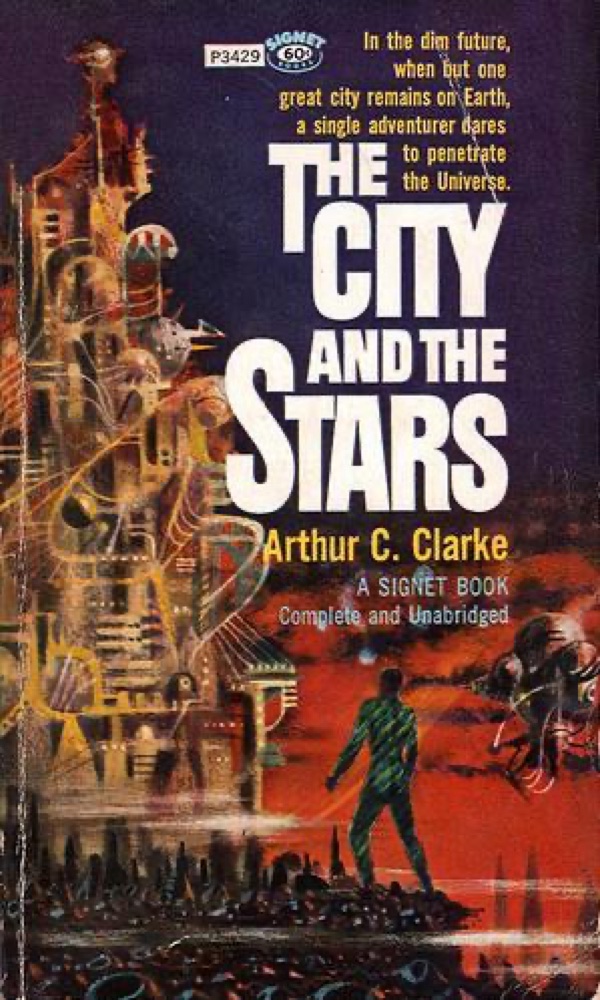 The City and the Stars
 The Gone-Away World
 Red Mars
 The Quiet Game
 Moon Palace
 The Stone Diaries
 M Train
 Perfect