
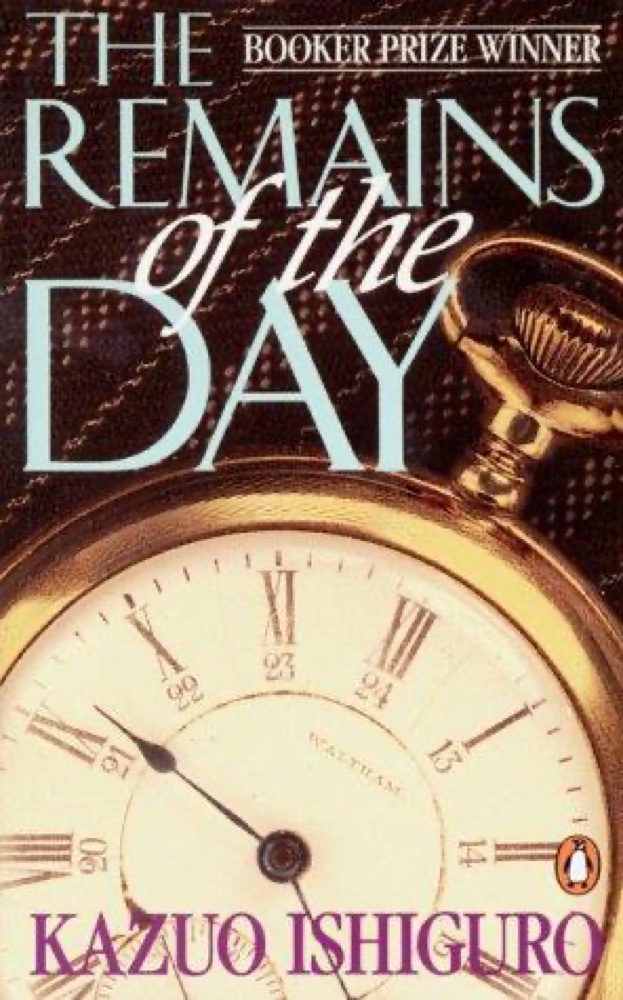
 The Remains of the Day
Quotes from the Book
There was something very special, but it wasn't inside Josie. It was inside those who loved her.
248
Until recently, I didn’t think that humans could choose loneliness. That there were sometimes forces more powerful than the wish to avoid loneliness.
172
Hope,’ he said. ‘Damn thing never leaves you alone.
133
Sometimes,’ she said, ‘at special moments like that, people feel a pain alongside their happiness. I’m glad you watch everything so carefully, Klara.
99
But then suppose you stepped into one of those rooms,’ he said, ‘and discovered another room within it. And inside that room, another room still. Rooms within rooms within rooms. Isn’t that how it might be, trying to learn Josie’s heart? No matter how long you wandered through those rooms, wouldn’t there always be others you’d not yet entered?
98
Perhaps all humans are lonely. At least potentially.
87
Mr Capaldi believed there was nothing special inside Josie that couldn’t be continued. He told the Mother he’d searched and searched and found nothing like that. But I believe now he was searching in the wrong place. There was something very special, but it wasn’t inside Josie. It was inside those who loved her.
85
They fought as though the most important thing was to damage each other as much as possible.
60
Our generation still carry the old feelings. A part of us refuses to let go. The part that wants to keep believing there’s something unreachable inside each of us. Something that’s unique and won’t transfer. But there’s nothing like that, we know that now. You know that. For people our age it’s a hard one to let go.
38
people often felt the need to prepare a side of themselves to display to passers-by – as they might in a store window – and that such a display needn’t be taken so seriously
35
At the same time, what was becoming clear to me was the extent to which humans, in their wish to escape loneliness, made maneuvers that were very complex and hard to fathom, and I saw it was possible that the consequences of Morgan’s Falls had at no stage been within my control.
34
I think I hate Capaldi because deep down I suspect he may be right. That what he claims is true. That science has now proved beyond doubt there’s nothing so unique about my daughter, nothing there our modern tools can’t excavate, copy, transfer. That people have been living with one another all this time, centuries, loving and hating each other, and all on a mistaken premise. A kind of superstition we kept going while we didn’t know better.
31
In the morning when the Sun returns. It’s possible for us to hope.
30
As I say, these were helpful lessons for me. Not only had I learnt that changes were a part of Josie, and that I should be ready to accommodate them, I'd begun to understand also, that this wasn't a trait peculiar just to Josie, that people often felt the need to prepare a side of themselves to display to passersby - as they might in a store window, and that such display needn't be taken so seriously once the moment had passed.
30
The heart you speak of,’ I said. ‘It might indeed be the hardest part of Josie to learn. It might be like a house with many rooms. Even so, a devoted AF, given time, could walk through each of those rooms, studying them carefully in turn, until they became like her own home.
26
It must be nice sometimes to have no feelings. I envy you.’ I considered this, then said: ‘I believe I have many feelings. The more I observe, the more feelings become available to me.’ She laughed unexpectedly, making me start. ‘In that case,’ she said, ‘maybe you shouldn’t be so keen to observe.
19
I suppose I’m saying Josie and I will always be together at some level, some deeper one, even if we go out there and don’t see each other any more. I can’t speak for her. But once I’m out there, I know I’ll always keep searching for someone just like her. At least like the Josie I once knew. So it wasn’t ever a deception, Klara. Whoever that was you were dealing with back then, if they could see right into my heart, and right into Josie’s, they’d know you weren’t trying to pull some fast one.
19
Perhaps they hadn’t met for a long time. A long, long time. Perhaps when they last held each other like that, they were still young.’ ‘Do you mean, Manager, that they lost each other?’ She was quiet for another moment. ‘Yes,’ she said, eventually. ‘That must be it. They lost each other. And perhaps just now, just by chance, they found each other again.
18
Yes. Until recently, I didn’t think that humans could choose loneliness. That there were sometimes forces more powerful than the wish to avoid loneliness.
18
So I know just how much it matters to you that people who love one another are brought together, even after many years.
17
Then let me ask you something else. Let me ask you this. Do you believe in the human heart? I don’t mean simply the organ, obviously. I’m speaking in the poetic sense. The human heart. Do you think there is such a thing? Something that makes each of us special and individual? And if we just suppose that there is. Then don’t you think, in order to truly learn Josie, you’d have to learn not just her mannerisms but what’s deeply inside her? Wouldn’t you have to learn her heart?
16
Of course, a human heart is bound to be complex. But it must be limited.
16
Josie and I really loved each other, that was the truth at the time. No one can claim you misled or tricked them. But now we’re no longer kids, we have to wish each other the best and go our different ways. It couldn’t have worked out, me going to college, trying to compete with all those lifted kids. I’ve got my own plans now, and that’s how it should be. But that was no lie, Klara. And in a funny way, it still isn’t a lie now.
14
But then I behaved badly towards myself, towards everybody. You mustn’t feel singled out. My awfulness was universally distributed.
13
It’s not faith you need. Only rationality.
12
I wish I could go out and walk and run and skateboard and swim in lakes. But I can’t because my mother has Courage. So instead I get to stay in bed and be sick. I’m glad about this. I really am.
12
that people often felt the need to prepare a side of themselves to display to passers-by – as they might in a store window – and that such a display needn’t be taken so seriously once the moment had passed.
10
But who says I’m lonely? I’m not lonely.’ ‘Perhaps all humans are lonely. At least potentially.
10
Did you know?
- It was Kazuo Ishiguro's first novel published after he won the 2017 Nobel Prize in Literature.
- The book was published on 2 March 2021 by Faber and Faber in the UK and Alfred A. Knopf in the US.
- It was selected for The Washington Post's "10 Best Books of 2021" and appeared on Barack Obama's summer reading list.
- The novel debuted at number six on The New York Times fiction bestseller list.
- BBC Radio 4 broadcast a dramatization of the novel in March 2021.
About Kazuo Ishiguro
Kazuo Ishiguro is a British novelist born in Nagasaki, Japan, in 1954, who moved to England as a child. He was awarded the Nobel Prize in Literature in 2017 and is known for novels including "The Remains of the Day" and "Never Let Me Go."
More about the author →More by Kazuo Ishiguro
All books by Kazuo Ishiguro →
About the book
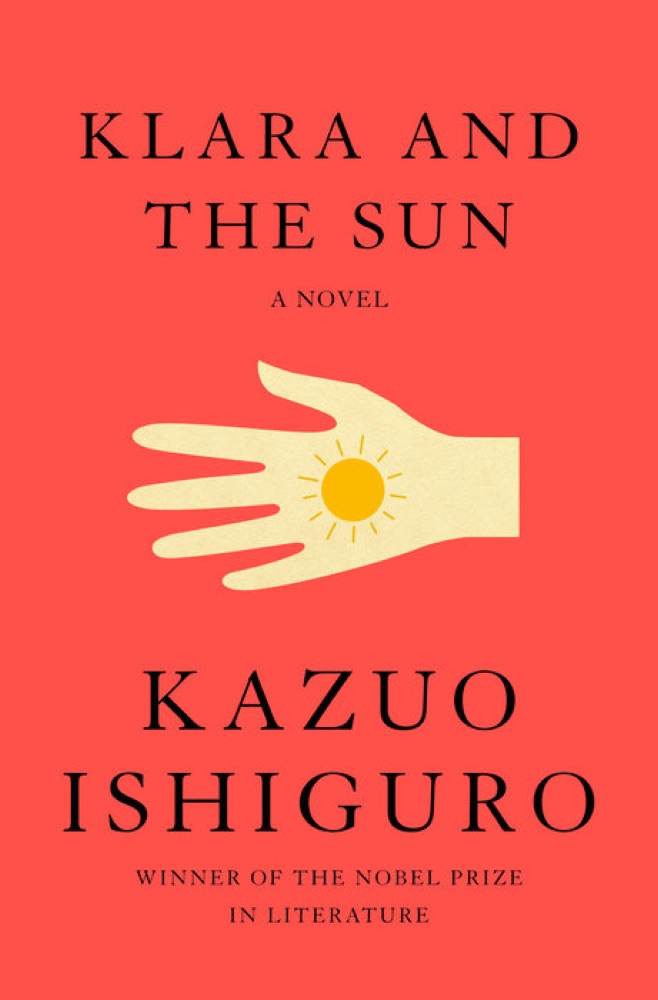
"Klara and the Sun" is narrated by Klara, an "Artificial Friend" (AF)—a solar-powered android companion designed to ease the loneliness of children. After observing the world from a store window, Klara is purchased to be a companion for Josie, a teenage girl who suffers from a serious illness linked to the genetic enhancement ("lifting") that the society's children undergo. As Josie's health falters, Klara, who reveres the Sun as a living, nourishing force, becomes determined to find a way to help her.
Through Klara's limited yet acutely observant perspective, the novel examines what it means to be human, the nature of love and devotion, and whether a person's essence can be replicated. It probes loneliness, faith, sacrifice, and the social stratification produced by genetic enhancement, while Klara's near-religious belief in the Sun gives the story the texture of a fable.
Published in 2021 as Ishiguro's first novel after he won the 2017 Nobel Prize in Literature, the book was a critical and commercial success, debuting on bestseller lists and earning a Booker Prize longlisting. Reviewers praised its restrained, melancholic voice and its meditation on humanity, with many drawing comparisons to Ishiguro's earlier work such as "Never Let Me Go."
Key characters
- KlaraThe narrator, a solar-powered Artificial Friend with keen powers of observation
- JosieThe ailing teenage girl who becomes Klara's owner and companion
- RickJosie's unlifted neighbor and childhood friend who faces social disadvantage
- Chrissie (the Mother)Josie's mother, who is anxious about her daughter's fragile health
Book details
- First published
- 2021
- Length
- 303 pages
- Reading time
- 6 hours
- Author
- Kazuo Ishiguro
- Genre
- Fiction
- Goodreads rating
- 3.74 (457k ratings)
Critical reception
- Kirkus Reviews called it a "haunting fable."
- Publishers Weekly praised Klara's "quiet but astute observations."
- Writing in The Guardian, Anne Enright noted the novel explores what it is to be human.
- It was longlisted for the 2021 Booker Prize.
Movie & TV adaptations
- IMDb
Keep reading
 Panenka
 Summer Days and Summer Nights: Twelve Love Stories
 What I Loved
 Say Goodbye for Now
 Second Glance
 Men Without Women
 Someday
 The Very Secret Society of Irregular Witches
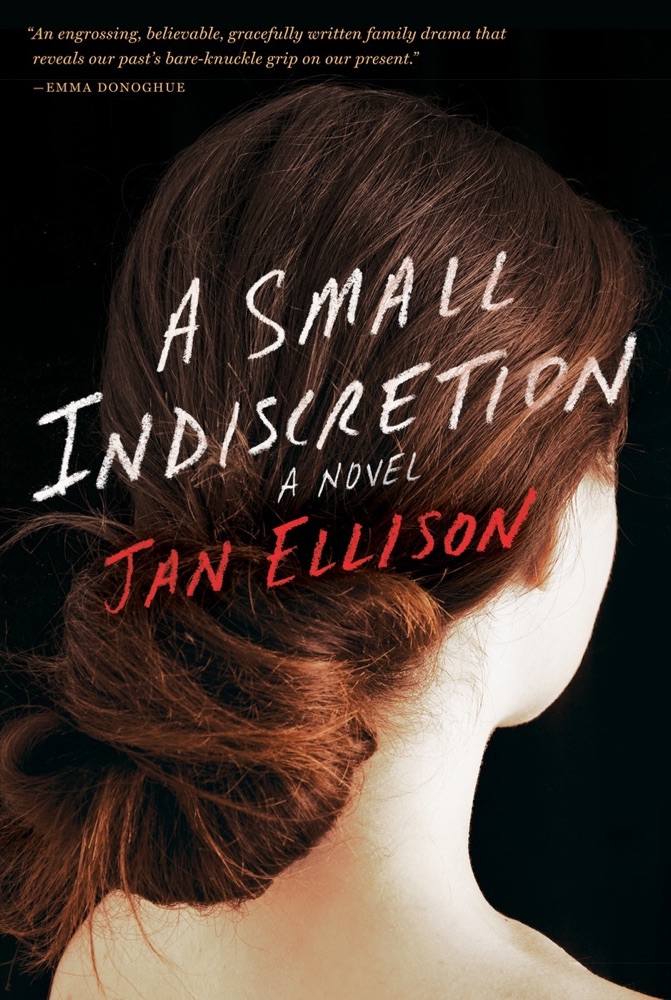 A Small Indiscretion
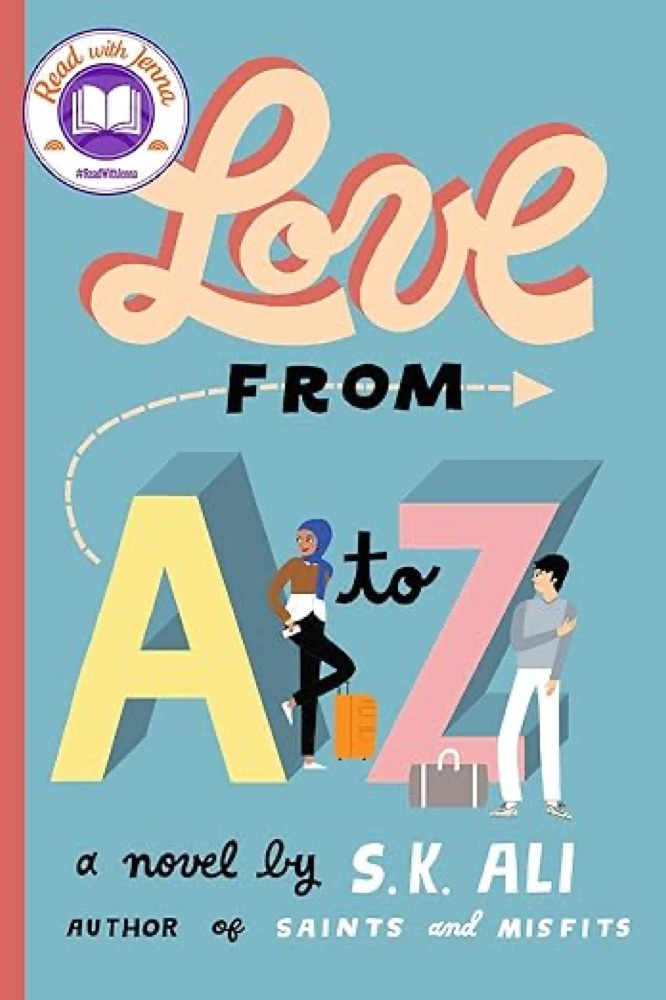 Love from A to Z
 The Story of Beautiful Girl
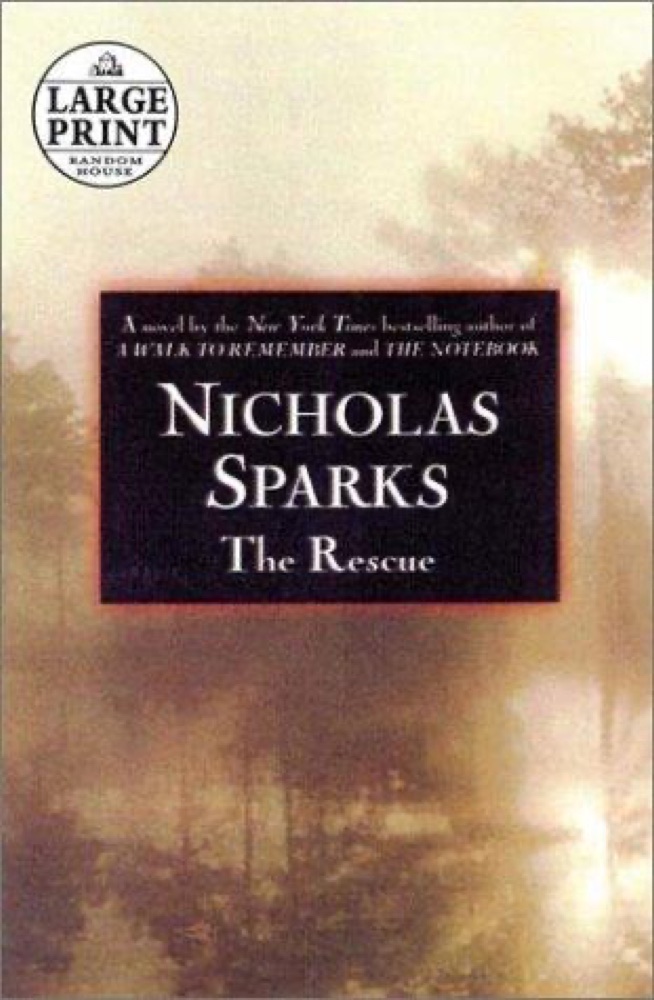 The Rescue
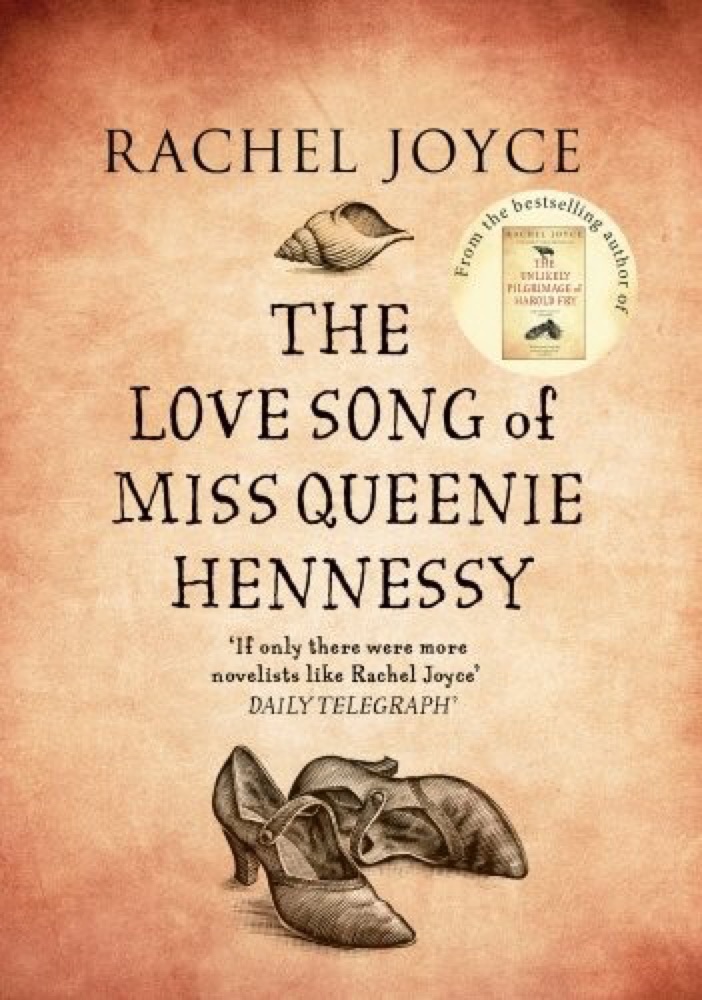 The Love Song of Miss Queenie Hennessy
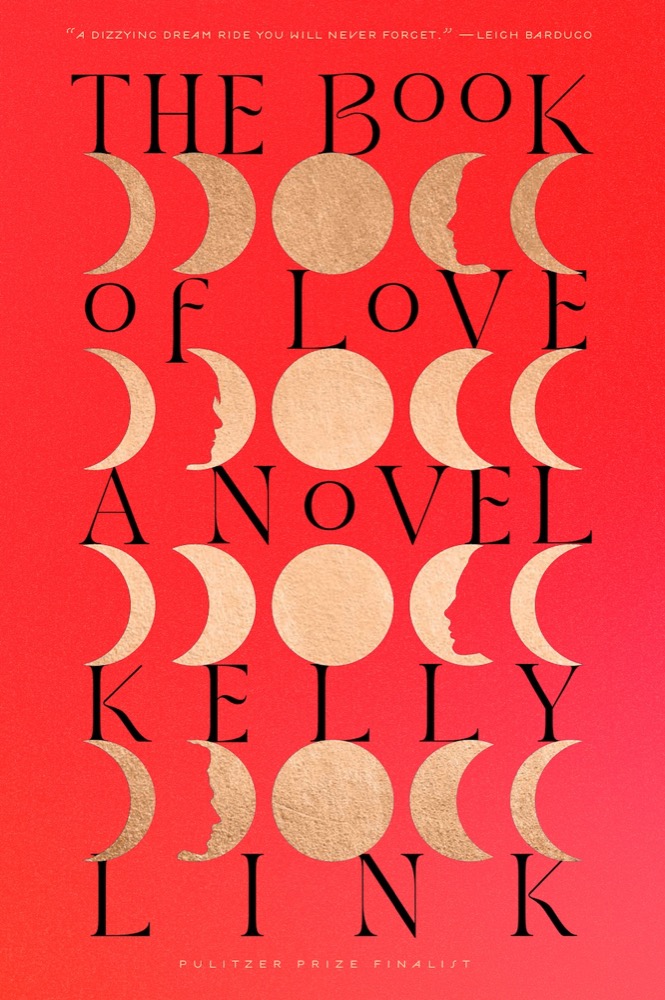 The Book of Love
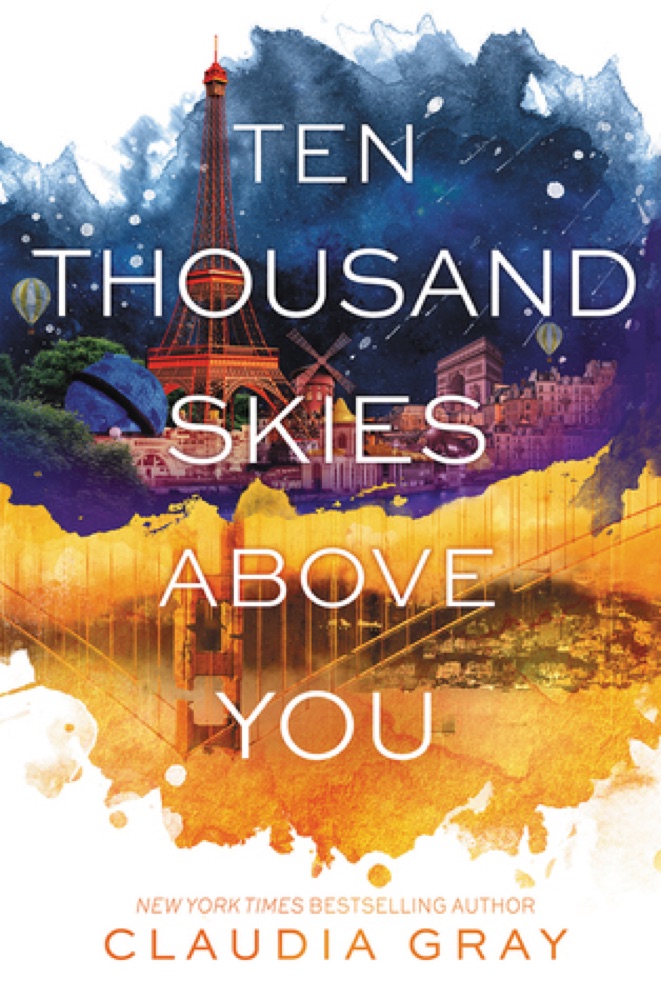 Ten Thousand Skies Above You
 Mr. Fox
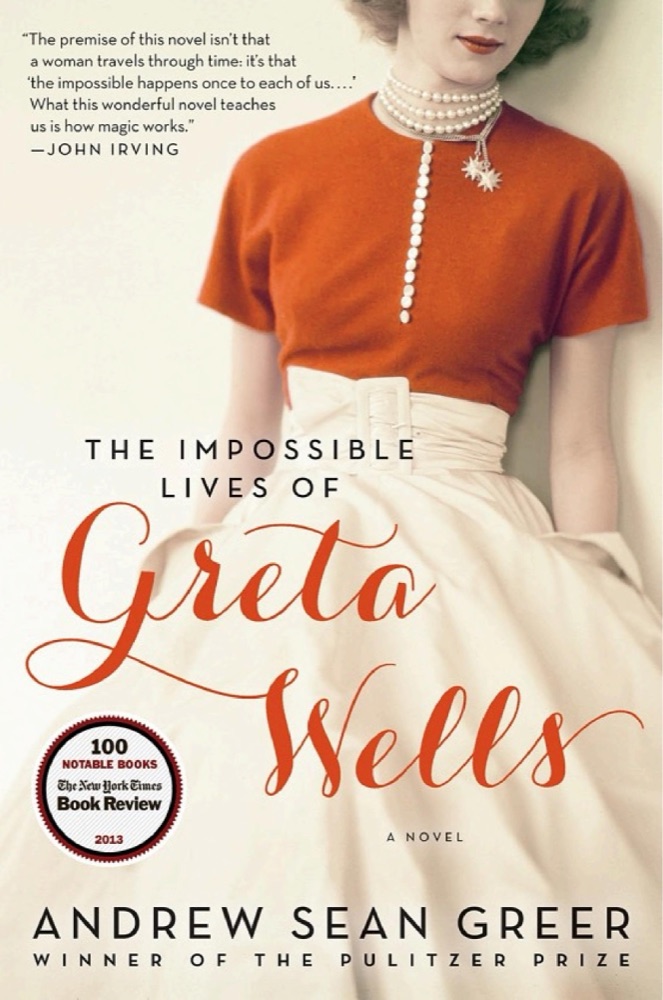 The Impossible Lives of Greta Wells
 Now Is the Time to Open Your Heart
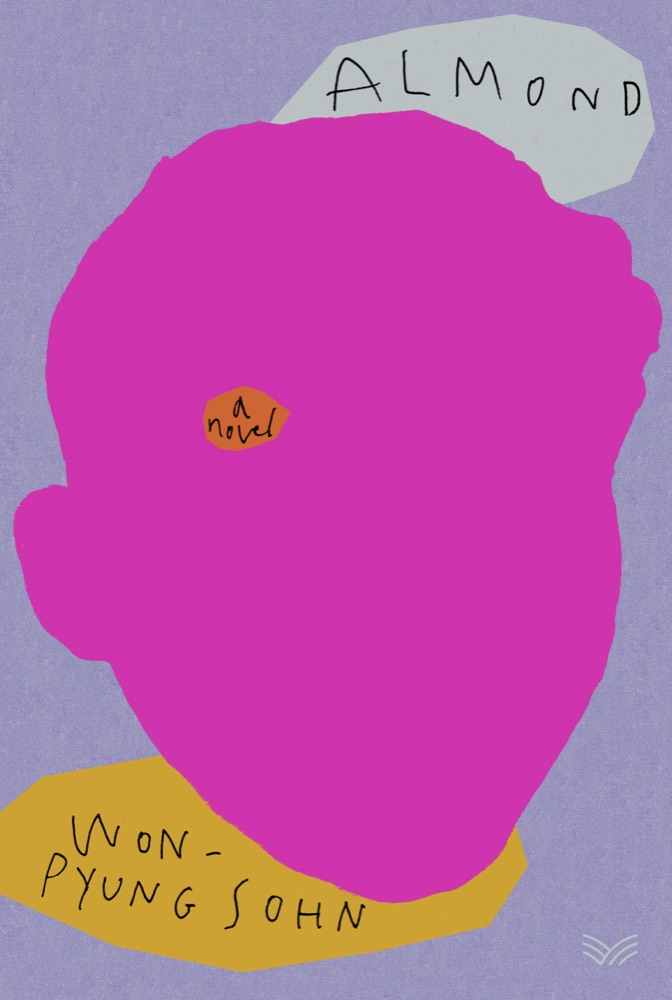 Almond
 The Night We Met
 On the Other Side
 Leonard and Hungry Paul
 The Sisterhood of the Traveling Pants
 Simply Love
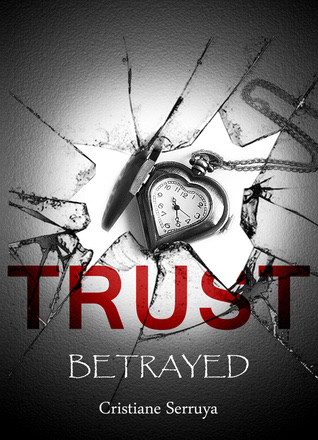 Trust: Betrayed
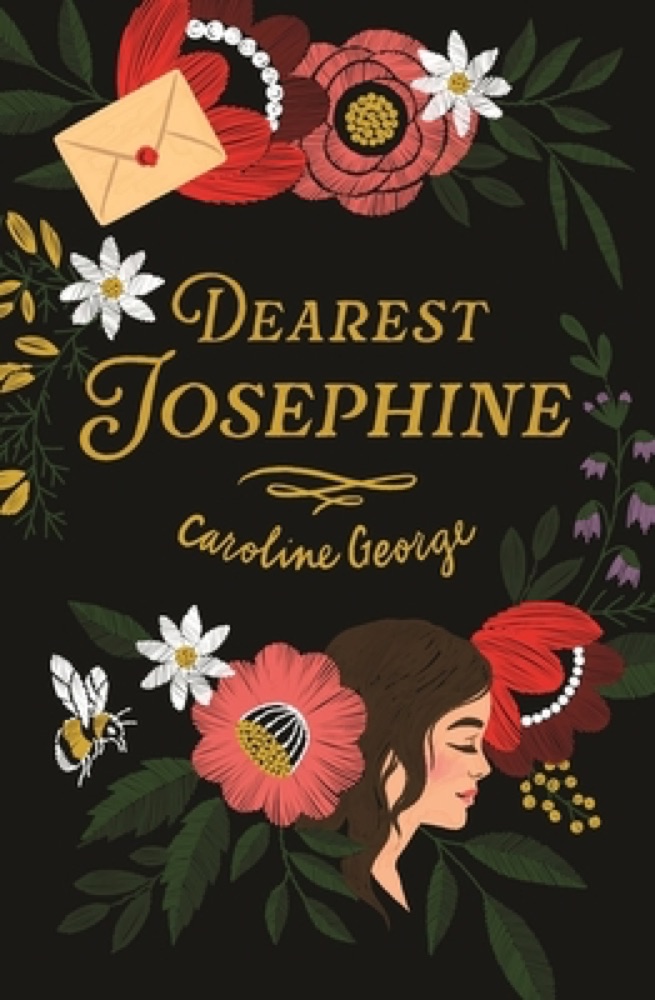 Dearest Josephine
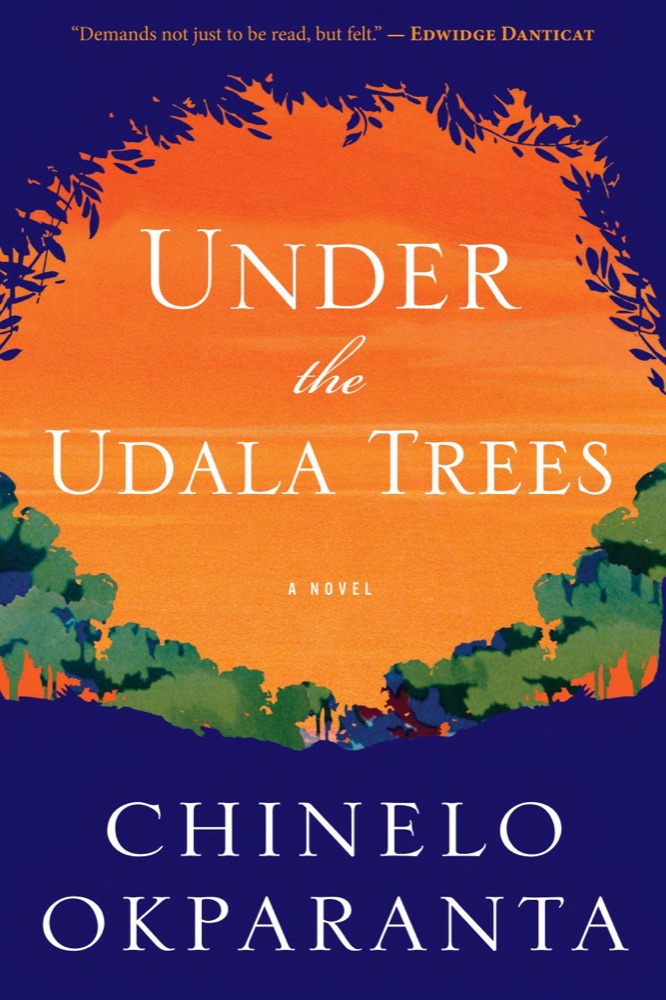 Under the Udala Trees
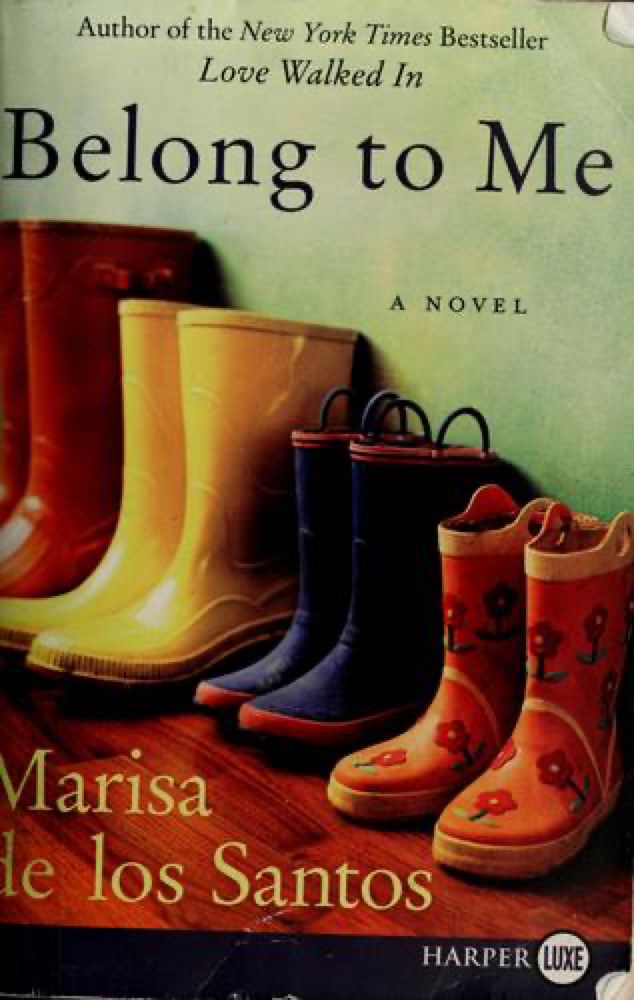 Belong to Me
 Enduring Love
 Intermezzo
 The Choice
 On Beauty
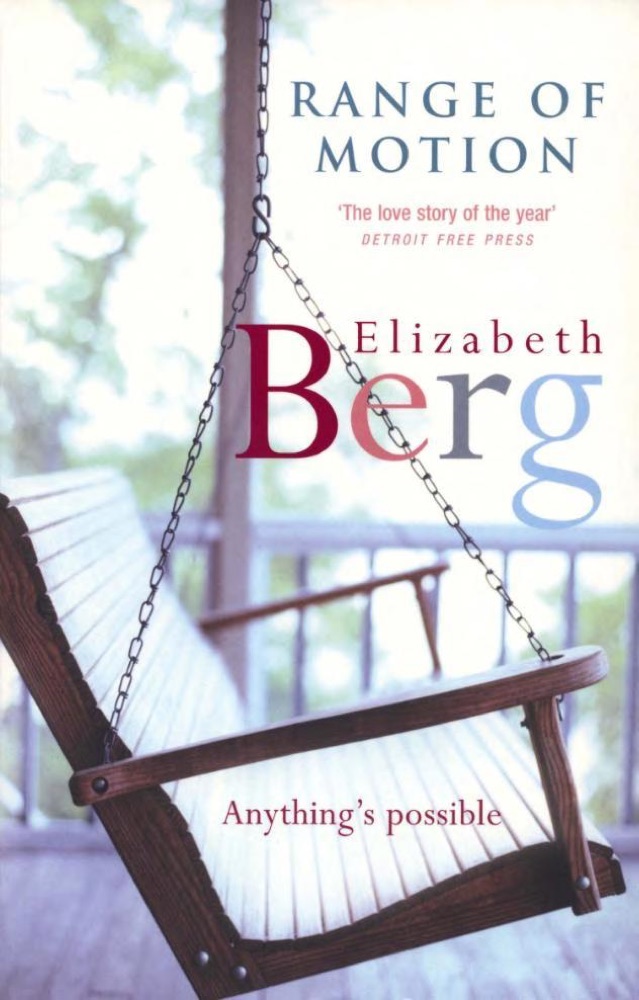 Range of Motion
 A Well-Tempered Heart
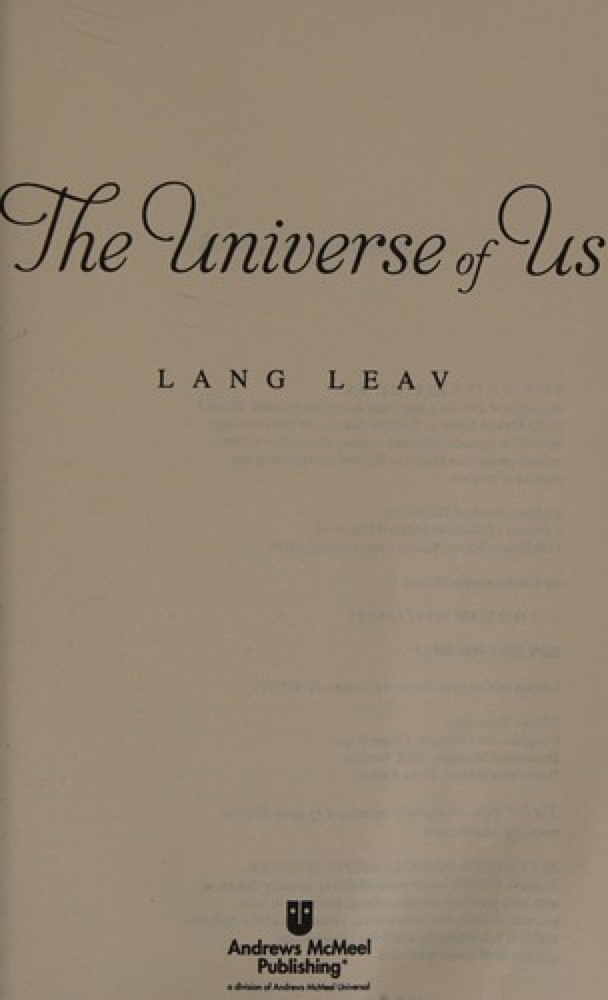 The Universe of Us
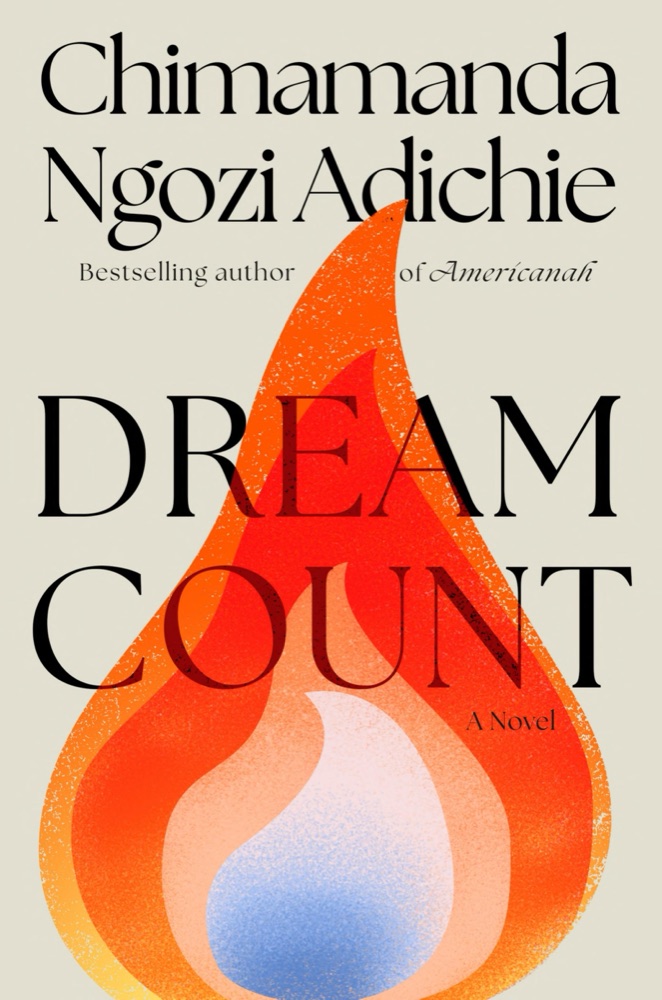 Dream Count
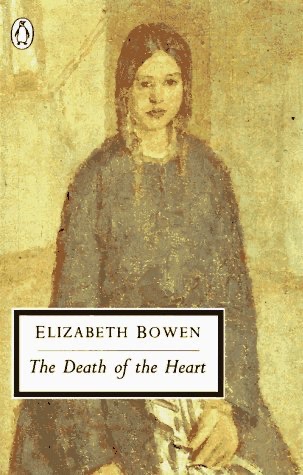 The Death of the Heart
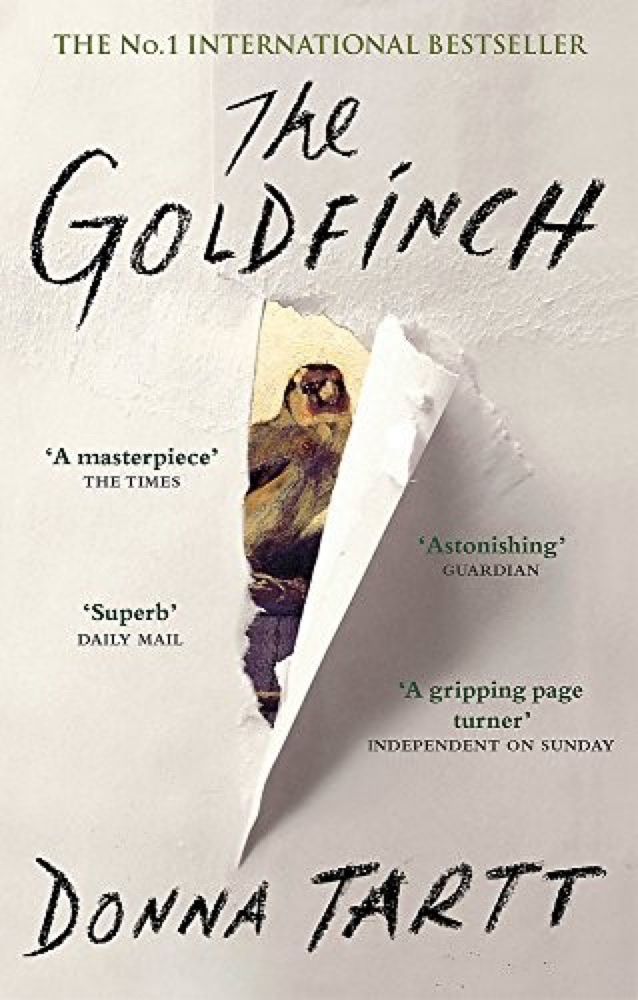 The Goldfinch
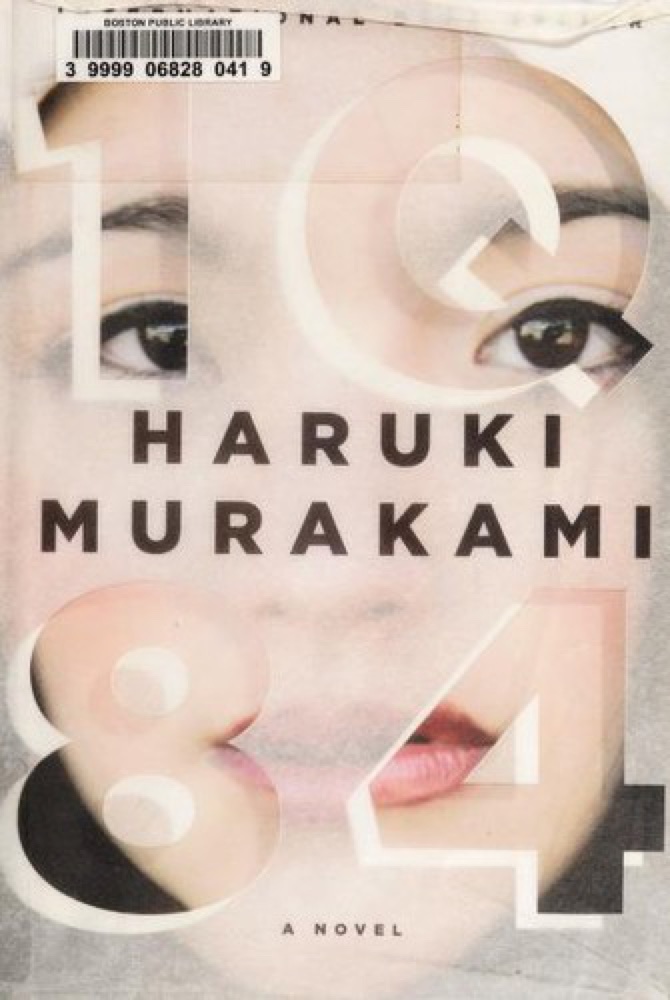 1Q84
1Q84
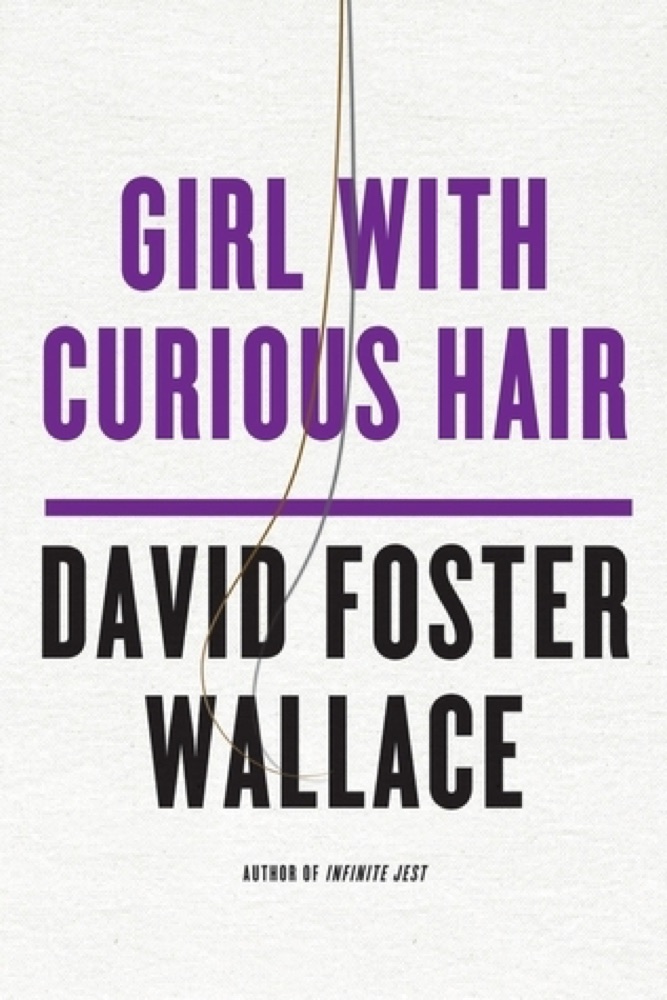 Girl with Curious Hair
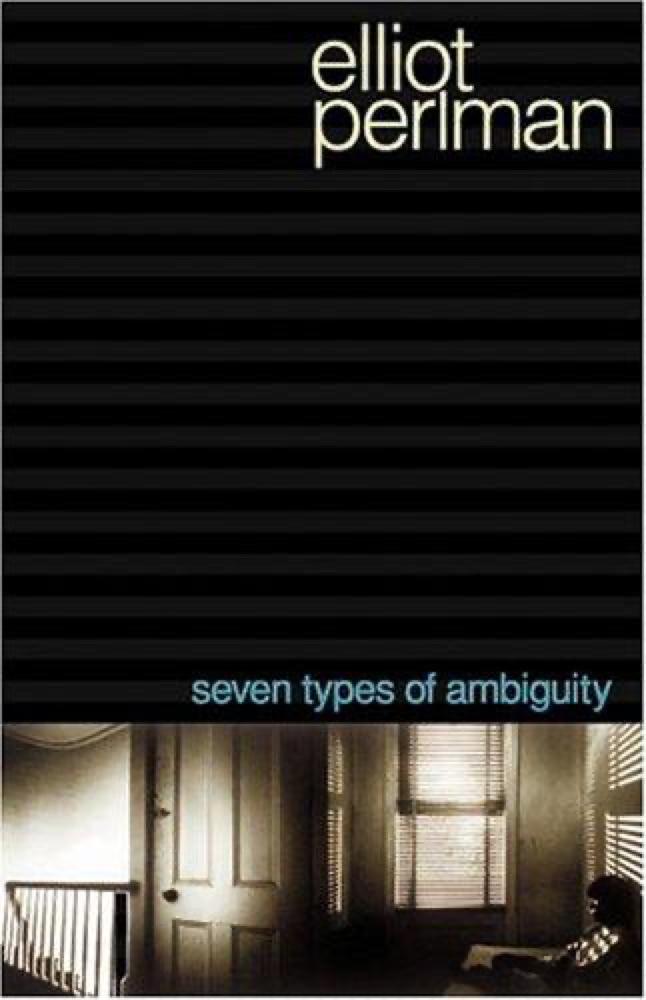 Seven Types of Ambiguity
 The Last Song
 Oranges Are Not the Only Fruit
 If You Could See Me Now
 The Peach Keeper
 Stay
Stay
 So Much More
 Children of the Mind
 One Day in December
 The Valley of Amazement
 The Friend
 The Reader
 The Silent Patient
 The History of Love
 Make It Scream, Make It Burn
 Dreams of Falling
 Sign Here
 Simply Magic
 The Wish Collector
 The Smallest Part