
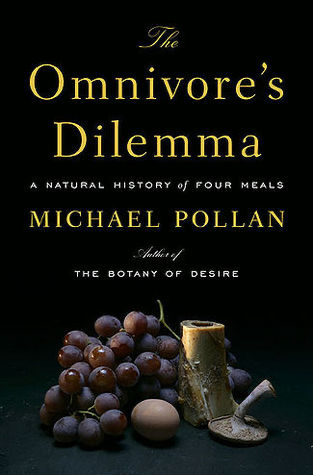
 The Omnivore's Dilemma: A Natural History of Four Meals
Quotes from the Book
Daydreaming does not enjoy tremendous prestige in our culture, which tends to regard it as unproductive thought. Writers perhaps appreciate its importance better than most, since a fair amount of what they call work consists of little more than daydreaming edited. Yet anyone who reads for pleasure should prize it too, for what is reading a good book but a daydream at second hand? Unlike any other form of thought, daydreaming is its own reward.
23
Unlike any other form of thought, daydreaming is its own reward.
14
People have traditionally turned to ritual to help them frame and acknowledge and ultimately even find joy in just such a paradox of being human - in the fact that so much of what we desire for our happiness and need for our survival comes at a heavy cost. We kill to eat, we cut down trees to build our homes, we exploit other people and the earth. Sacrifice - of nature, of the interests of others, even of our earlier selves - appears to be an inescapable part of our condition, the unavoidable price of all our achievements. A successful ritual is one that addresses both aspects of our predicament, recalling us to the shamefulness of our deeds at the same time it celebrates what the poet Frederick Turner calls "the beauty we have paid for with our shame." Without the double awareness pricked by such rituals, people are liable to find themselves either plundering the earth without restraint or descending into self-loathing and misanthropy. Perhaps it's not surprising that most of us today bring one of those attitudes or the other to our conduct in nature.
12
In the modern view, the pitched roof was itself a “dead concept,” but equally unhealthy were all those other dead concepts that got stored underneath the gable, in the attic. For there is where the ghosts of our past reside: the bric-abrac and mementos that a lifetime collects; the love letters, photographs, and memories that clutter an attic and threaten to bear us back in time.
4
The reason I didn’t have a normal, dad-built tree house is that, as I’ve indicated, I didn’t have anything even approaching that kind of dad. He was, and remains, one of the world’s great indoorsmen, a delegator of all conceivable outdoor tasks—lawn mowing, car washing, gutter cleaning, and tree-house building. By the time I was ten, which was when I’d kicked off my campaign for a tree house in the woods behind our ranch, he didn’t even own the tools needed to build one, having “accidentally” nailed his tool chest behind the walls of a cedar closet he’d tried to build for my mother in the basement. Whether consciously or not, my father had clearly wanted to make sure the cedar closet would be his last do-it-yourself project, and it was.
1
Undivided plates of glass often wear a glazed expression, look blind. Muntins wink.
Lewis Mumford once wrote that somewhere in the nineteenth century it became necessary to know how to read before one could truly see a building.
To trim, I decided, is human, which probably explains the modernists’ contempt for it. Because if we’re not using trim to hide our poor craftsmanship, we’re using it to proclaim our fine craftsmanship—either way, sloth or pride, trim embodies the most human of failings and thereby spoils the supreme objectivity that modernists strove for.
Watch on YouTube
About Michael Pollan
We have collected 182 quotes from 7 books by Michael Pollan on BookQuoters.
More about the author →More by Michael Pollan
The Omnivore's Dilemma: A Natural History of Four Meals
 The Botany of Desire: A Plant's-Eye View of the World
 In Defense of Food: An Eater's Manifesto
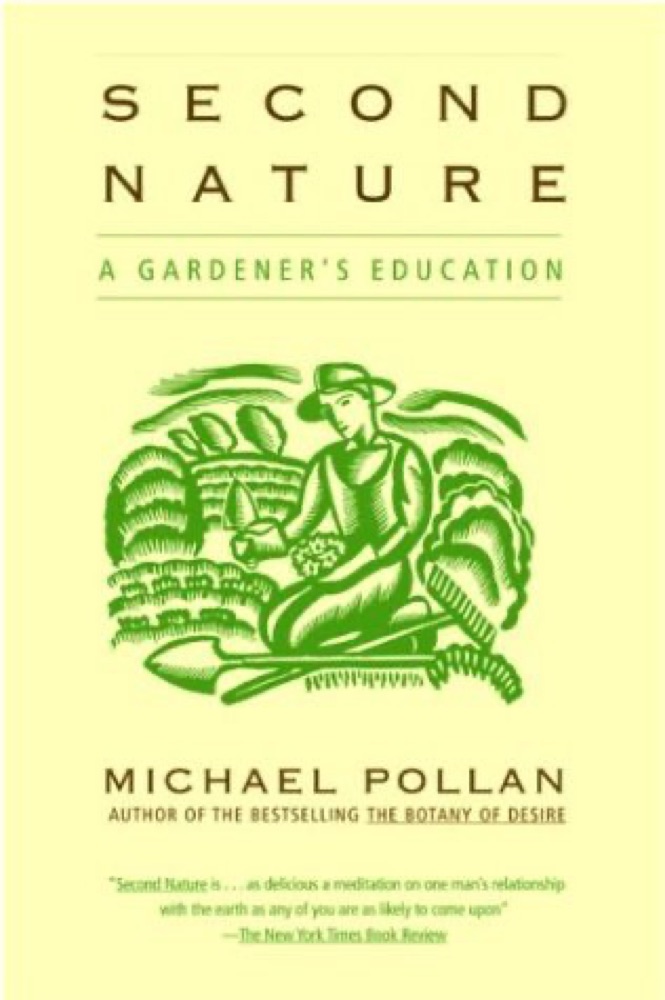 Second Nature: A Gardener's Education
About the book
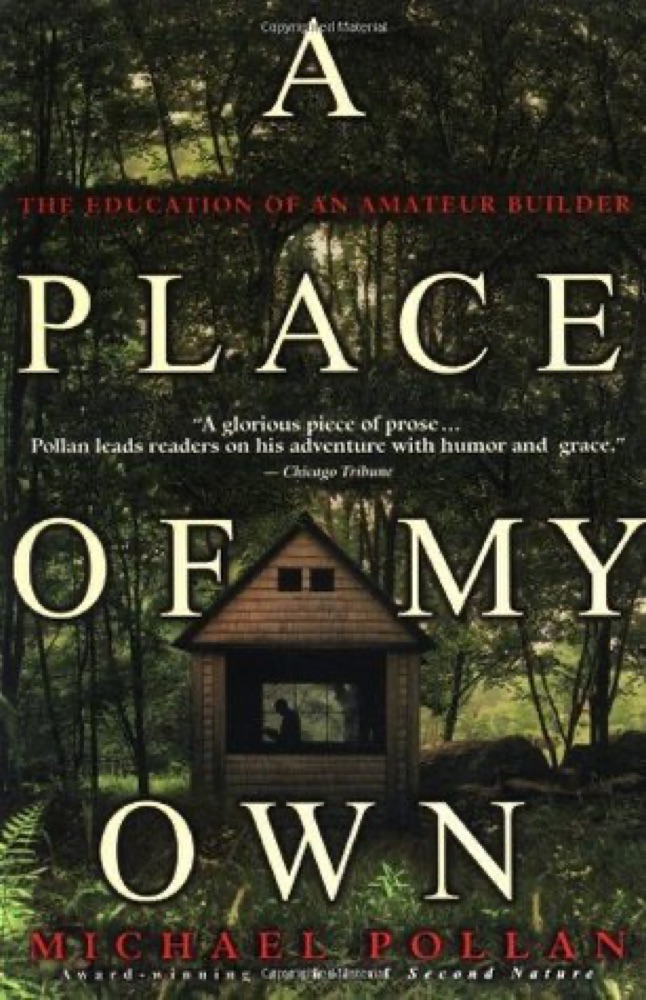
A room of one's own: is there anybody who hasn't at one time or another wished for such a place, hasn't turned those soft words over until they'd assumed a habitable shape?
When writer Michael Pollan decided to plant a garden, the result was an award-winning treatise on the borders between nature and contemporary life, the acclaimed bestseller Second Nature. Now Pollan turns his sharp insight to the craft of building, as he recounts the process of designing and constructing a small one-room structure on his rural Connecticut property--a place in which he hoped to read, write and daydream, built with his two own unhandy hands.
Invoking the titans of architecture, literature and philosophy, from Vitrivius to Thoreau, from the Chinese masters of feng shui to the revolutionary Frank Lloyd Wright, Pollan brilliantly chronicles a realm of blueprints, joints and trusses as he peers into t
Book details
- First published
- 1997
- Author
- Michael Pollan
- Genre
- Nonfiction
- Goodreads rating
- 3.86 (6k ratings)
Keep reading
 Villa Incognito
 The Abundance
 Wild Ducks Flying Backward
 Skinny Legs and All
 Walden and other writings
 One Man's Meat
 The Pleasures and Sorrows of Work
 Stories of Your Life and Others
 Swann's Way
 The Poetics of Space
 The Magic Mountain
 One Way Street And Other Writings
 Flaubert's Parrot
 Sometimes a Great Notion
 The Fifth Science
 Monday or Tuesday
 Asymmetry
 A Language Older Than Words
 Drive Your Plow Over the Bones of the Dead
 West with the Night
 Why Fish Don’t Exist: A Story of Loss, Love, and the Hidden Order of Life
 The Wave in the Mind: Talks and Essays on the Writer, the Reader and the Imagination
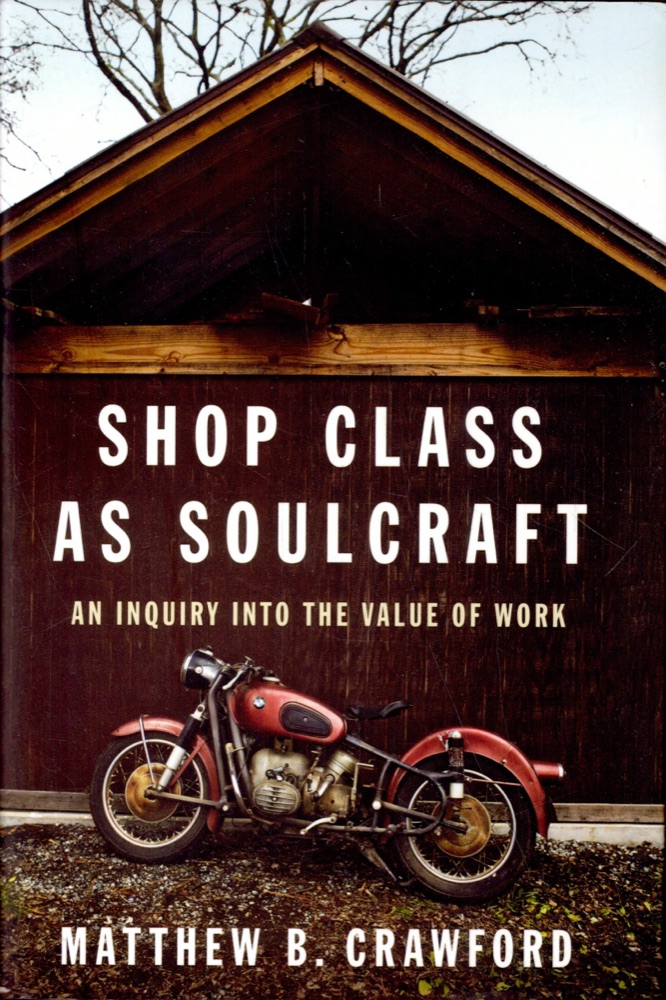 Shop Class as Soulcraft: An Inquiry Into the Value of Work
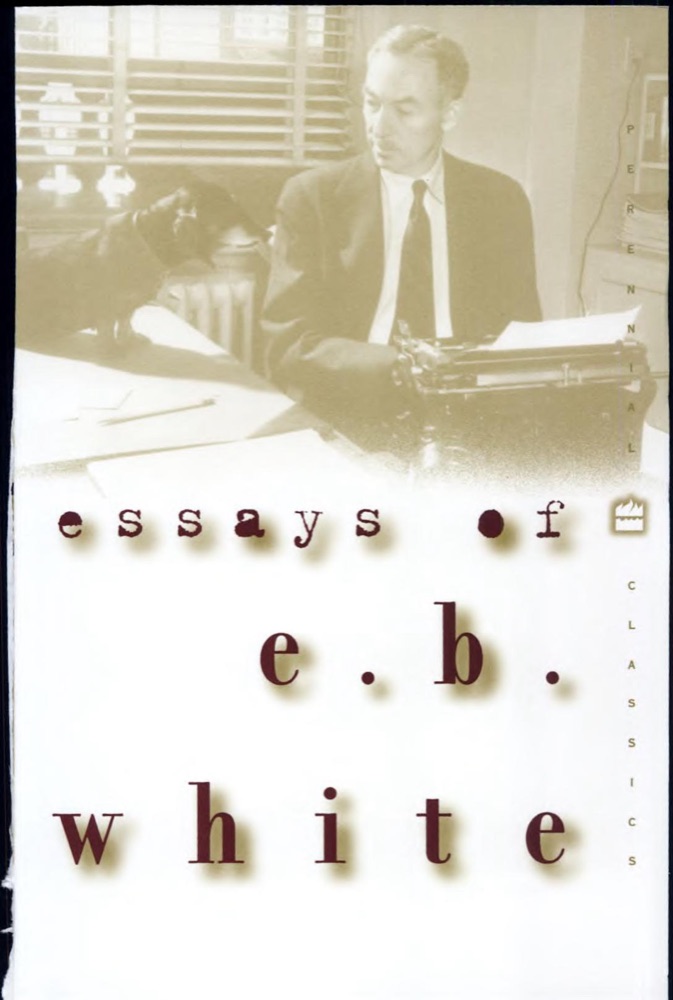 Essays of E.B. White
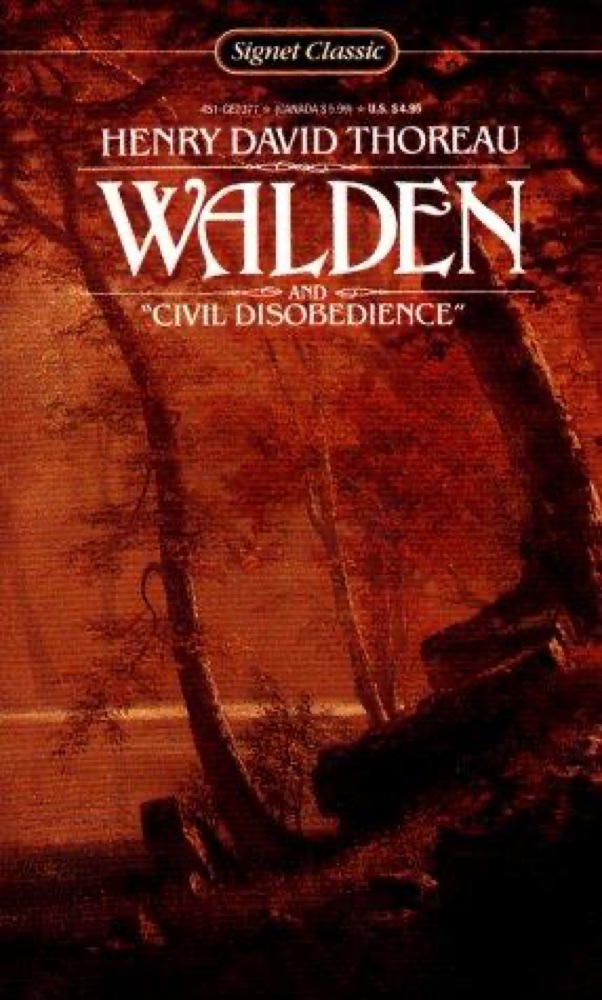 Walden & Civil Disobedience
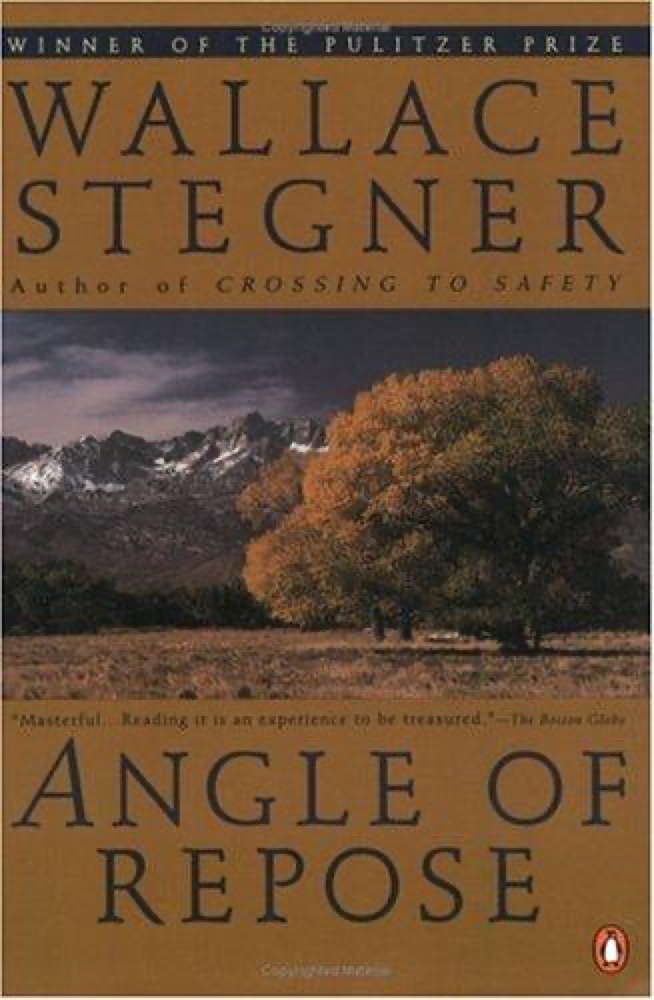 Angle of Repose
 The Empusium
 The Gone-Away World
 Time Regained
 The Notebooks of Malte Laurids Brigge
 The Selected Works of T.S. Spivet
 The Recognitions
 An Unnecessary Woman
 In the Heart of the Heart of the Country and Other Stories
 The Fall of Babel
 A Sand County Almanac and Sketches Here and There
 The Giant's House
 Speak, Memory
 The Etched City
 How to Be Alone
 Lanark
 From Dawn to Decadence: 500 Years of Western Cultural Life, 1500 to the Present
 Winter
 V.
V.
 I. Asimov: A Memoir
 Zen and the Art of Motorcycle Maintenance
 The Elegance of the Hedgehog
 No Time To Spare: Thinking About What Matters
 Illuminations: Essays and Reflections
 The Secret History
 The Last American Man
 Real Estate
 How Proust Can Change Your Life
 Human, All Too Human
 The Enchanted
 Girl with Curious Hair
 The House at Riverton
 What If This Were Enough?: Essays
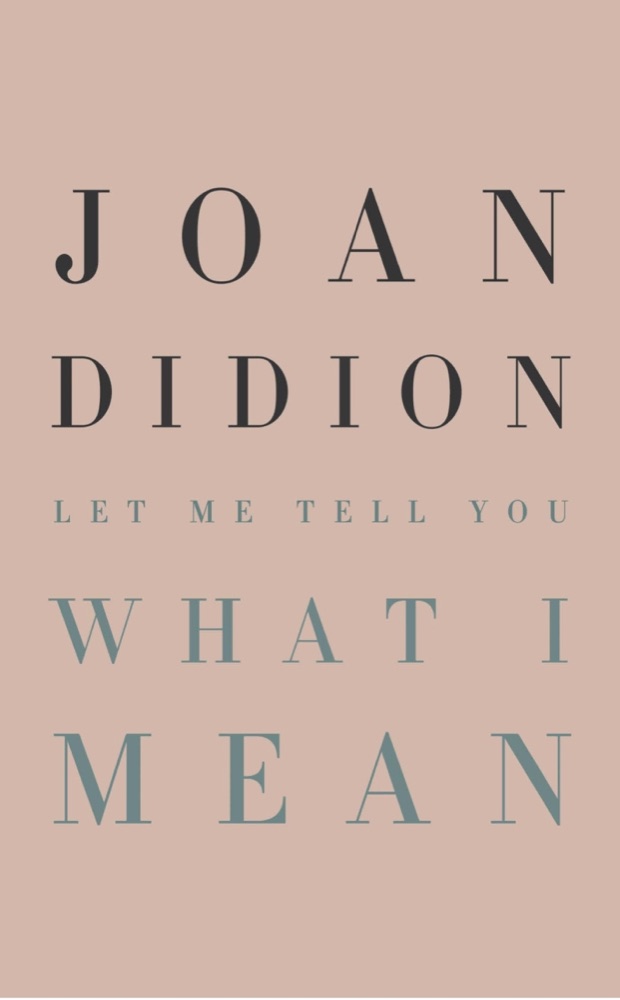 Let Me Tell You What I Mean
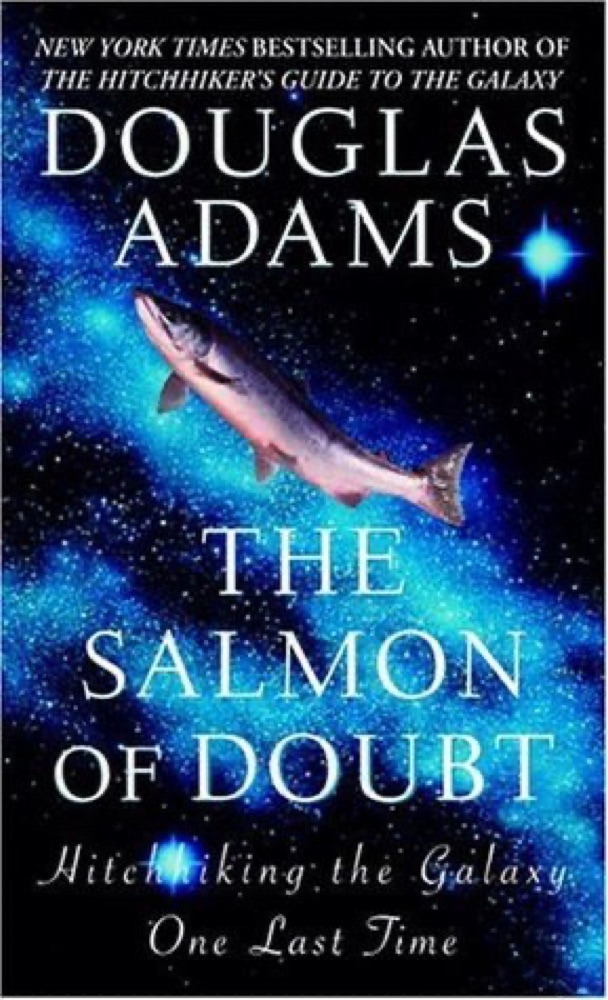 The Salmon of Doubt