

 Girl in the Woods: A Memoir
Quotes from the Book
The only comfort I found was in planning to disappear.
10
That evening after dinner, I picked lemons from the tree in the backyard, the fruits golden bulbs under the rising moon.
7
The block of sky in our twin high windows became a nectarine, amber and rose pink, and we lay in silence as white sunlight broke.
5
Smiling at an echo of his voice on my mind’s stage, I felt the void of all I hadn’t said.
5
We were in the woods, and not a parent or a friend on earth knew where. At this moment, we were untraceable, this notion an odd pleasure. A patch of fallen leaves glowed in a pool of golden sun, and the dim forest air smelled sweet, of young lilac, invisible sage.
4
The true answer held my chest like an unwanted hand’s sudden touch, uncomfortable and unfeeling.
3
He stared at me. “Every person exists in their own shallow bowl, and they can’t see over the rim,” he explained. “But they think that their world is the world—the truth. When in reality, no two bowls are identical, and all people are stuck trapped in their own.” Listening to my love, I felt as if we were transported back to the trail, staring at the inky field of ghostly stars. My hair dangling off our bed and onto the hardwood floor, almost upside down, I challenged him, intoxicated. “No that’s silly. We see the color of the walls, the same.” “There is no way to prove that your blue is my blue,” he said. And sobering, I began seeing how my love’s allegory was a hard truth, very dark—how our shallow bowls, differences of perspective, account for all declarations of others’ “wrongness” (one’s own rightness), and the sense of being wronged.
3
Jiddu Krishnamurti observed, “It is no measure of health to be well adjusted to a profoundly sick society.
3
Bright yellow lemons twinkled in the twilight sun on a terrace tree, and far beyond my window, San Francisco lay, flat like a pastel toy.
3
We spent June and July in the Rockies, growing stronger, feeling feral in the untamed range of mountains.
3
Because—as I’d discovered—loneliness is not a function of company, but rather it is a consequence: an unpleasant symptom of a needy state of mind that desperately seeks to extract happiness from a source outside itself.
2
Trails enabled me to better see the world, to notice fine aspects invisible from an airplane, the most basic things we miss. Seeing life at a pace at which you can actually observe nuance, the speed of stepping, the beautiful inspiring texture of “plain” reality becomes visible—God smiling in the detail.
2
Day vivified the city, and we found a rogue path through the dunes down to the beach, the foam edge of teal sea. The whole sky celestial sapphire.
2
I could not deny that in this attractive city, without compelling assignments or any deadlines to reach for, all painful catalysts for growth had been eliminated, erased from my existence like the rogue lines in a sketch—the unexpected marks that make the picture’s expression passionate and real, gone now. Living here, I was growing complacent again, seduced by a stagnant state of mind I hated to indulge—
2
Seamless like a fall leaf changing color, my will switched powerfully.
2
But in creative fields, a degree is a prerequisite for nothing.
2
Spirit dancing, I envisioned a place inside this energetic city, ours: a classic townhouse on a steep street with expansive views of the Pacific, the magenta siding sun-faded—a third-story perch, thick platinum haze embracing our new home.
2
When tomorrow broke, our hillside home filled up with honeyed light, a fish tank.
2
Swallowed up in the belly of the whale of infatuation, I now needed to distract myself in order to stay happy. Because our unknowable future shadowed the countenance of my soul.
2
Every person exists in their own shallow bowl, and they can’t see over the rim,” he explained. “But they think that their world is the world—the truth. When in reality, no two bowls are identical, and all people are stuck trapped in their own.
1
In grief, we find a new view—a fresh perspective, which organically generates fresh expansion: personal revolution. Because in the wake of devastation, growth becomes the only survival option. In this way, loss is the shocking catalyst of transformation.
1
When you believe you know everything, you can unearth nothing—
1
I began a new project: a photo-essay about the Occupy Wall Street movement that was overtaking Manhattan. Inspired, I snapped hundreds of photographs, wanting to document this singular moment in New York’s pulsing body, watching people flooding the sidewalks like human rivers, converging at the green park as one ocean. I took shots of the sharpest signs and strangest masks; the angry bankers in their crisp blue button-downs; the lines of bored-faced cops, slouching with thick arms crossed. And peering through my viewfinder, I learned the skill of noticing more deeply; I felt a thrill—a new civil affinity budding in my dreams and in the brick-and-mortar city, simultaneously: that we, the people, were awakening to the truth that a bundle of twigs is inconceivably strong.
1
Walking back home that afternoon, I felt more aware of the poverty and opulence on every sidewalk—we brushed past a raven-haired lady with a thousand-dollar handbag and a skinny child with toeless shoes begging for change.
1
This protest spoke to me—the humanist principles felt connected to the minimalist essence of long-distance hiking, the desire to transcend the smoke and mirrors of our country’s established society, revealing what remains in all its splendor: the magnificent, resilient human soul.
1
This sudden sweet loot appearing, I felt like we were tricking the world—living in urban loopholes.
1
We had good reason to be anxious, beginning anew without a clue or map, but on our backs in that unnatural whiteness, we lay peaceful as waterfront sunbathers. Our plan was loose and as undefined as the path across a beach—any route seemed possible, all effective in crossing. And a calm energy lit my heart, perceptible in my movements, which seemed slower. Justin switched off the light; momentarily spooked, I wanted to hear his voice. I spoke into dim space: “I bet you’ll do big things here too—” “I never want to work again,” he cut me off, his unexpected decree like stardust in the darkness. For a moment, the blankness of New York’s canvas took on an energetic tone of backstage butterflies.
1
The New York sidewalk led us along a little corner park rimmed with yellow-orange and violet pansies that seemed to be smiling, their faces upturned, and past a bagel shop that smelled of sesame and salt, delicious warm air. We passed an empty wine bar with a pink chandelier, whimsical and dim inside, and a neighborhood diner with its blue neon sign huge and lit up, little white line-cook hats—the city seemed in my vision like a multifaceted gem, spectacular. I wished I could keep everything I witnessed like a photograph, to forever hold this electric aliveness. The colors of the flowers and the clothing were crisp and rosy, hyper-bright against the subdued sun-drenched pigments of the streets and the brick buildings, all seeming faded, softer than real. Pops of coral and red—a scarf, a lady’s lips—were pops of life.
1
Thus we joined spirit with Joan Didion and Patti Smith and about a million other dreamers who, against all odds, had landed here, moving on fumes of reveries, to New York City.
1
Exiting a bus, déjà vu overwhelmed me, that ephemeral phenomena of alignment so perfect it is eerie.
1
Watch on YouTube
About Aspen Matis
We have collected 59 quotes from 2 books by Aspen Matis on BookQuoters.
More about the author →More by Aspen Matis
Girl in the Woods: A Memoir
About the book
From Aspen Matis, author of the acclaimed true story Girl in the Woods, comes a bold and atmospheric memoir of a woman who—in searching for her vanished husband—discovers deeper purpose.
Aspen’s and Justin’s paths serendipitously aligned on the Pacific Crest Trail when both were walking from Mexico to Canada, separately and alone—both using thru-hiking in hopes of escaping their pasts. Both sought to redefine themselves beneath the stars. By the time they made it to the snowy Cascade Range of British Columbia—the trail’s end—Aspen and Justin were in love.
Embarking on a new pilgrimage the next summer, they returned to those same mossy mountains where they’d met, and they married. They built a world together, three years of a happy marriage. Until a cold November morning, when, after kissing Aspen goodbye, Justin left to attend the funeral of a close friend.
He never came back. As days
Book details
- First published
- 2020
- Author
- Aspen Matis
- Genre
- Biography
- Goodreads rating
- 3.57 (7k ratings)
Keep reading
 The People in the Trees
 Poems, 1962-2012
 On the Road
 Killing Commendatore
 The City and Its Uncertain Walls
 South of the Border, West of the Sun
 Swann's Way
 Netherland
 Johnny Panic and the Bible of Dreams: Short Stories, Prose and Diary Excerpts
 Lunar Park
 Station Eleven
 N.P
N.P
 Ghost Music
 The Sea
 A Home at the End of the World
 Catherine House
 In the Woods
 To The Bright Edge of the World
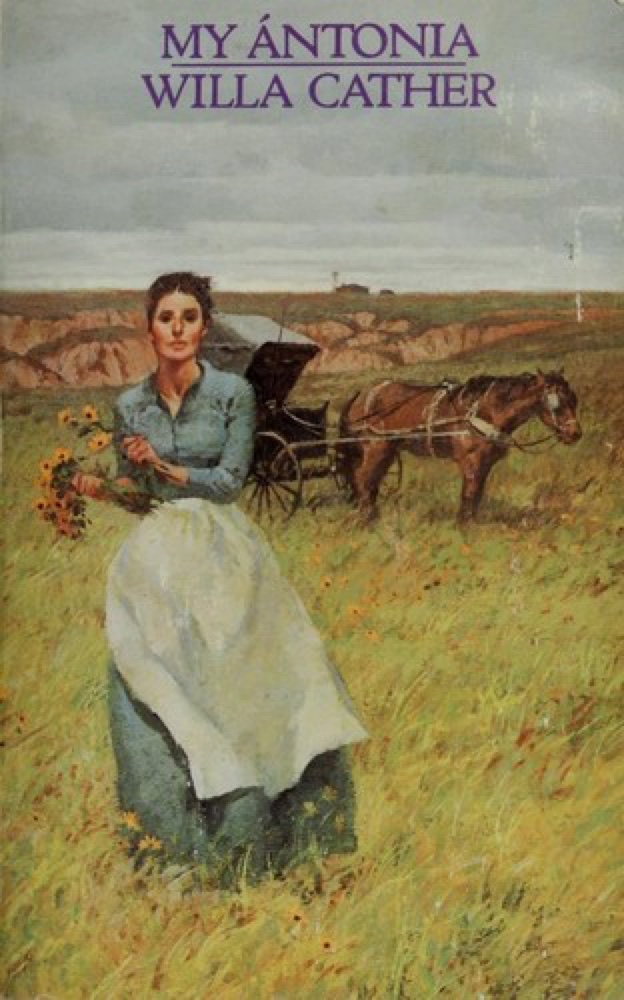 My Ántonia
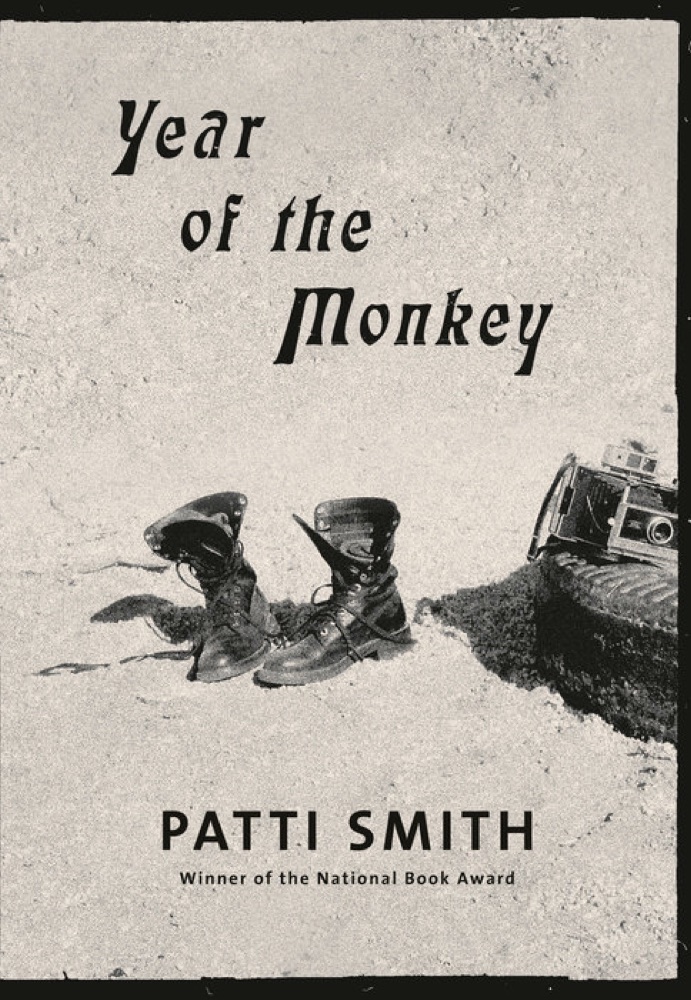 Year of the Monkey
 The Shell Collector
 A Room Made of Leaves
 Severance
 Look at Me
 A Thousand Acres
 Moon Palace
 World's Fair
 Cold Enough for Snow
 Prime of Life
 Asleep
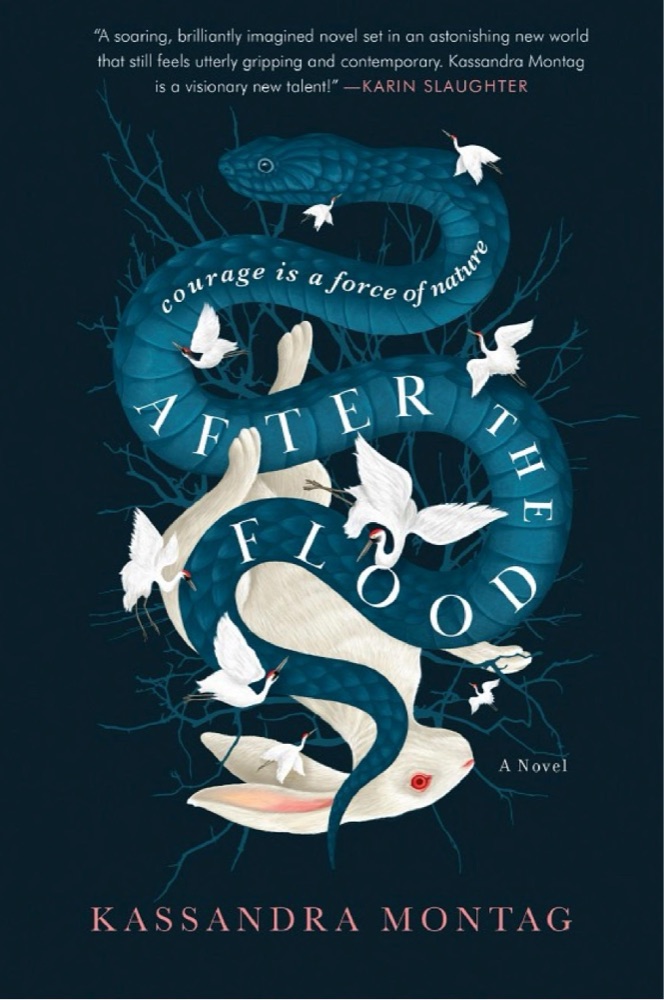 After the Flood
 The Lake
 The Ministry of Utmost Happiness
 Pilgrim at Tinker Creek
 Swimming in the Dark
 Whereabouts
 Life Knocks
 The Mermaid Chair
 A House in the Sky
 Great House
 The House of Doors
 Love in the Big City
 The Dharma Bums
 And the Mountains Echoed
 We Are Okay
 The Salt Path
 Hothouse Flower and the Nine Plants of Desire
 The Chosen and the Beautiful
 The Likeness
 Devotion
 Fugitive Pieces
 Bittersweet
 All But My Life: A Memoir
 What Belongs to You
 Outline
 Dreamland
 The Sky Is Everywhere
 Hunger
 The Particular Sadness of Lemon Cake
 Cosmicomics