
 Sea of Tranquility
Quotes from the Book
Hell is the absence of the people you long for.
A fragment for my friend-- If your soul left this earth I would follow and find you Silent, my starship suspended in night
What I mean to say is, the more you remember, the more you’ve lost.
First we only want to be seen, but once we’re seen, that’s not enough anymore. After that, we want to be remembered.
No one ever thinks they’re awful, even people who really actually are. It’s some sort of survival mechanism.
No more Internet. No more social media, no more scrolling through litanies of dreams and nervous hopes and photographs of lunches, cries for help and expressions of contentment and relationship-status updates with heart icons whole or broken, plans to meet up later, pleas, complaints, desires, pictures of babies dressed as bears or peppers for Halloween. No more reading and commenting on the lives of others, and in so doing, feeling slightly less alone in the room. No more avatars.
It was gorgeous and claustrophobic. I loved it and I always wanted to escape.
She had never entirely let go of the notion that if she reached far enough with her thoughts she might find someone waiting, that if two people were to cast their thoughts outward at the same moment they might somehow meet in the middle.
They spend all their lives waiting for their lives to begin.
I stood looking over my damaged home and tried to forget the sweetness of life on Earth.
The beauty of this world where almost everyone was gone. If hell is other people, what is a world with almost no people in it?
But anyway, I look around sometimes and I think - this will maybe sound weird - it's like the corporate world's full of ghosts. And actually, let me revise that, my parents are in academia so I've had front row seats for that horror show, I know academia's no different, so maybe a fairer way of putting this would be to say that adulthood's full of ghosts." "I'm sorry, I'm not sure I quite --" "I'm talking about these people who've ended up in one life instead of another and they are just so disappointed. Do you know what I mean? They've done what's expected of them. They want to do something different but it's impossible now, there's a mortgage, kids, whatever, they're trapped. Dan's like that." "You don't think he likes his job, then." "Correct," she said, "but I don't think he even realises it. You probably encounter people like him all the time. High-functioning sleepwalkers, essentially.
I've been thinking lately about immortality. What it means to be remembered, what I want to be remembered for, certain questions concerning memory and fame. I love watching old movies. I watch the faces of long-dead actors on the screen, and I think about how they'll never truly die. I know that's a cliché but it happens to be true. Not just the famous ones who everyone knows, the Clark Gables, the Ava Gardners, but the bit players, the maid carrying the tray, the butler, the cowboys in the bar, the third girl from the left in the nightclub. They're all immortal to me. First we only want to be seen, but once we're seen, that's not enough anymore. After that, we want to be remembered.
Dr. Eleven: What was it like for you, at the end? Captain Lonagan: It was exactly like waking up from a dream.
She was thinking about the way she’d always taken for granted that the world had certain people in it, either central to her days or unseen and infrequently thought of. How without any one of these people the world is a subtly but unmistakably altered place, the dial turned just one or two degrees.
Jeevan found himself thinking about how human the city is, how human everything is. We bemoaned the impersonality of the modern world, but that was a lie, it seemed to him; it had never been impersonal at all. There had always been a massive delicate infrastructure of people, all of them working unnoticed around us, and when people stop going to work, the entire operation grinds to a halt. No one delivers fuel to the gas stations or the airports. Cars are stranded. Airplanes cannot fly. Trucks remain at their points of origin. Food never reaches the cities; grocery stores close. Businesses are locked and then looted. No one comes to work at the power plants or the substations, no one removes fallen trees from electrical lines. Jeevan was standing by the window when the lights went out.
But these thoughts broke apart in his head and were replaced by strange fragments: This is my soul and the world unwinding, this is my heart in the still winter air.
He found he was a man who repented almost everything, regrets crowding in around him like moths to a light. This was actually the main difference between twenty-one and fifty-one, he decided, the sheer volume of regret.
An incomplete list: No more diving into pools of chlorinated water lit green from below. No more ball games played out under floodlights. No more porch lights with moths fluttering on summer nights. No more trains running under the surface of cities on the dazzling power of the electric third rail. No more cities. No more films, except rarely, except with a generator drowning out half the dialogue, and only then for the first little while until the fuel for the generators ran out, because automobile gas goes stale after two or three years. Aviation gas lasts longer, but it was difficult to come by. No more screens shining in the half-light as people raise their phones above the crowd to take pictures of concert states. No more concert stages lit by candy-colored halogens, no more electronica, punk, electric guitars. No more pharmaceuticals. No more certainty of surviving a scratch on one's hand, a cut on a finger while chopping vegetables for dinner, a dog bite. No more flight. No more towns glimpsed from the sky through airplane windows, points of glimmering light; no more looking down from thirty thousand feet and imagining the lives lit up by those lights at that moment. No more airplanes, no more requests to put your tray table in its upright and locked position – but no, this wasn't true, there were still airplanes here and there. They stood dormant on runways and in hangars. They collected snow on their wings. In the cold months, they were ideal for food storage. In summer the ones near orchards were filled with trays of fruit that dehydrated in the heat. Teenagers snuck into them to have sex. Rust blossomed and streaked. No more countries, all borders unmanned. No more fire departments, no more police. No more road maintenance or garbage pickup. No more spacecraft rising up from Cape Canaveral, from the Baikonur Cosmodrome, from Vandenburg, Plesetsk, Tanegashima, burning paths through the atmosphere into space. No more Internet. No more social media, no more scrolling through litanies of dreams and nervous hopes and photographs of lunches, cries for help and expressions of contentment and relationship-status updates with heart icons whole or broken, plans to meet up later, pleas, complaints, desires, pictures of babies dressed as bears or peppers for Halloween. No more reading and commenting on the lives of others, and in so doing, feeling slightly less alone in the room. No more avatars.
If you are the light, if your enemies are darkness, then there’s nothing that you cannot justify. There’s nothing you can’t survive, because there’s nothing that you will not do.
We traveled so far and your friendship meant everything. It was very difficult, but there were moments of beauty. Everything ends. I am not afraid.
The house is silent now and she feels like a stranger here. “This life was never ours,” she whispers to the dog, who has been following her from room to room, and Luli wags her tail and stares at Miranda with wet brown eyes. “We were only ever borrowing it.
All three caravans of the Traveling Symphony are labeled as such, THE TRAVELING SYMPHONY lettered in white on both sides, but the lead caravan carries an additional line of text: Because survival is insufficient.
The thing with the new world,” the tuba had said once, “is it’s just horrifically short on elegance.
What’s the point of doing all that work,” Tesch asks, “if no one sees it?” “It makes me happy. It’s peaceful, spending hours working on it. It doesn’t really matter to me if anyone else sees it.
If there are again towns with streetlights, if there are symphonies and newspapers, then what else might this awakening world contain? Perhaps vessels are setting out even now, traveling toward or away from him, steered by sailors armed with maps and knowledge of the stars, driven by need or perhaps simply by curiosity: whatever became of the countries on the other side?
I'm just curious, how'd you get into this line of work?" "Gradually, and then suddenly
There are certain qualities of light that blur the years.
A life, remembered, is a series of photographs and disconnected short films.
Did you know?
- The novel was a finalist for the National Book Award, the PEN/Faulkner Award, and the Baileys Women's Prize for Fiction.
- It won the 2015 Arthur C. Clarke Award for science fiction.
- The Traveling Symphony's guiding motto, 'Survival is insufficient,' is a line borrowed from Star Trek: Voyager.
- The pandemic in the novel is called the Georgia Flu.
- It was adapted into an HBO Max miniseries that premiered in December 2021.
- The story opens during a production of Shakespeare's King Lear at the Elgin Theatre in Toronto.
About Emily St. John Mandel
Emily St. John Mandel is a Canadian novelist born in 1979. Her works include Station Eleven (2014), The Glass Hotel (2020), and Sea of Tranquility (2022).
More about the author →More by Emily St. John Mandel
About the book
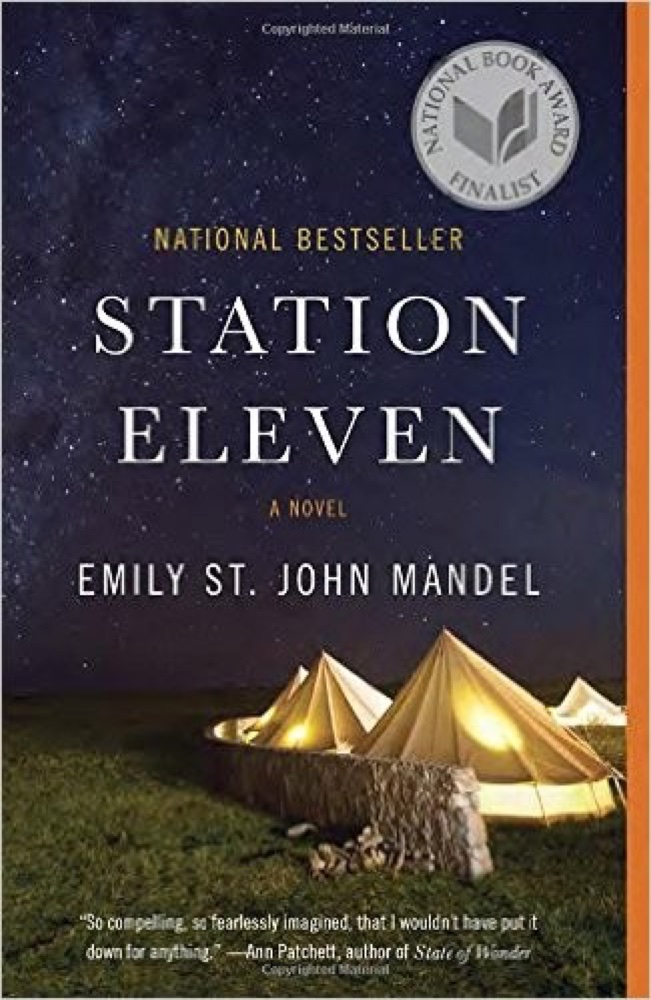
Station Eleven is a post-apocalyptic novel that opens on the night a famous actor, Arthur Leander, collapses of a heart attack while playing King Lear at a Toronto theater. That same night a devastating pandemic known as the Georgia Flu reaches the city, and within weeks the collapse of civilization is complete. The story then moves back and forth across time, tracing a web of interconnected lives before and after the outbreak, centered on Kirsten Raymonde, a child actor in that final performance who, twenty years later, travels the Great Lakes region with a nomadic band of musicians and actors called the Traveling Symphony.
At its heart the book is less about the catastrophe itself than about what endures afterward. The Traveling Symphony's motto, borrowed from Star Trek, insists that "survival is insufficient," and the novel dwells on how art, memory, and human connection persist when the infrastructure of modern life is gone. Recurring objects and works of art, including a self-published graphic novel also titled Station Eleven, thread the characters' fates together and give the fractured timeline its quiet coherence.
Published in 2014, the novel became a critical and commercial success, winning the Arthur C. Clarke Award and reaching the finalist rounds of the National Book Award and the PEN/Faulkner Award. Praised for its lyrical restraint and its focus on beauty rather than horror, it was later adapted into an HBO Max miniseries and helped bring literary attention to the post-apocalyptic form.
Key characters
- Kirsten RaymondeChild actor who survives the pandemic and travels with the Traveling Symphony as an adult
- Arthur LeanderFamous actor who dies onstage during King Lear on the night the pandemic arrives
- Jeevan ChaudharyAspiring paramedic who tries to save Arthur and later survives the collapse
- Clark ThompsonArthur's longtime friend who becomes curator of a post-collapse Museum of Civilization
- Miranda CarrollArthur's first wife and creator of the Station Eleven graphic novel
- Tyler LeanderArthur's son who becomes a dangerous cult leader known as the Prophet
Book details
- First published
- 2014
- Length
- 333 pages
- Reading time
- 6 hours
- Author
- Emily St. John Mandel
- Genre
- Fiction
- Goodreads rating
- 4.06 (637k ratings) →
- First line
- “The king stood in a pool of blue light, unmoored.”
Movie & TV adaptations
- IMDb
If you liked this, read…
- 1The RoadAnother spare, literary post-apocalyptic journey across a ruined landscape
- 2The Dog StarsElegiac survival story that prizes beauty and human connection after collapse
- 3SeveranceLiterary pandemic novel weaving pre- and post-outbreak lives together
Keep reading
 The Lazarus Project
 The City and Its Uncertain Walls
 Moon Palace
 Killing Commendatore
 Housekeeping
 M Train
 After Dark
 Severance
 The Passage
 Wayward
 Poems, 1962-2012
 The Emperor of Gladness
 The Glass Hotel
 The Elsewhere Express
 Stay Awake
 How High We Go in the Dark
 Aquarium
 Acceptance
 Night Train to Lisbon
 The Illustrated Man
 Flights
 The Lake
 The Illusion of Separateness
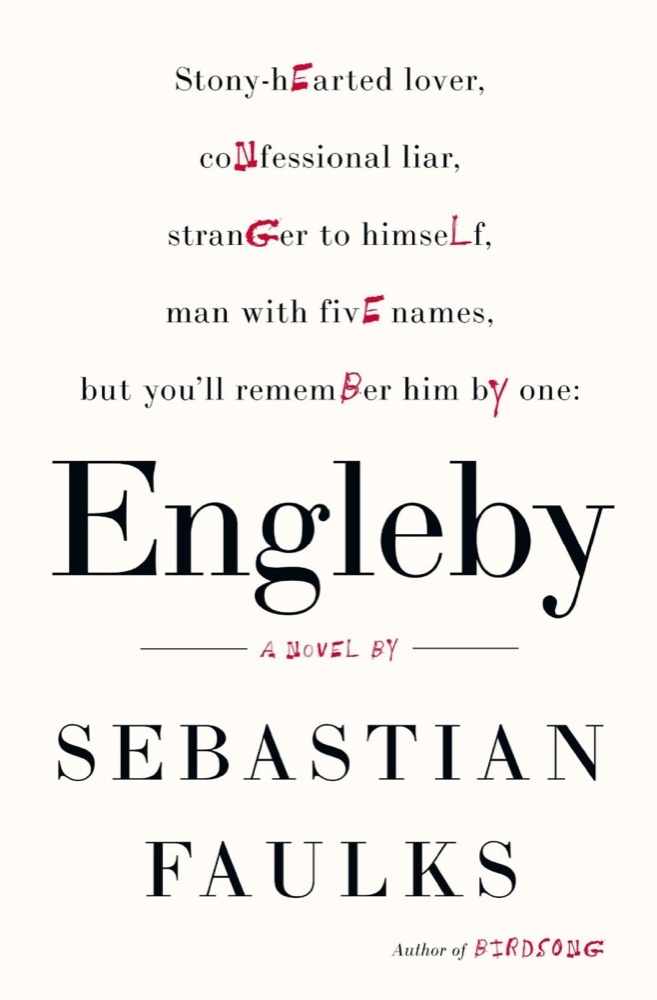 Engleby
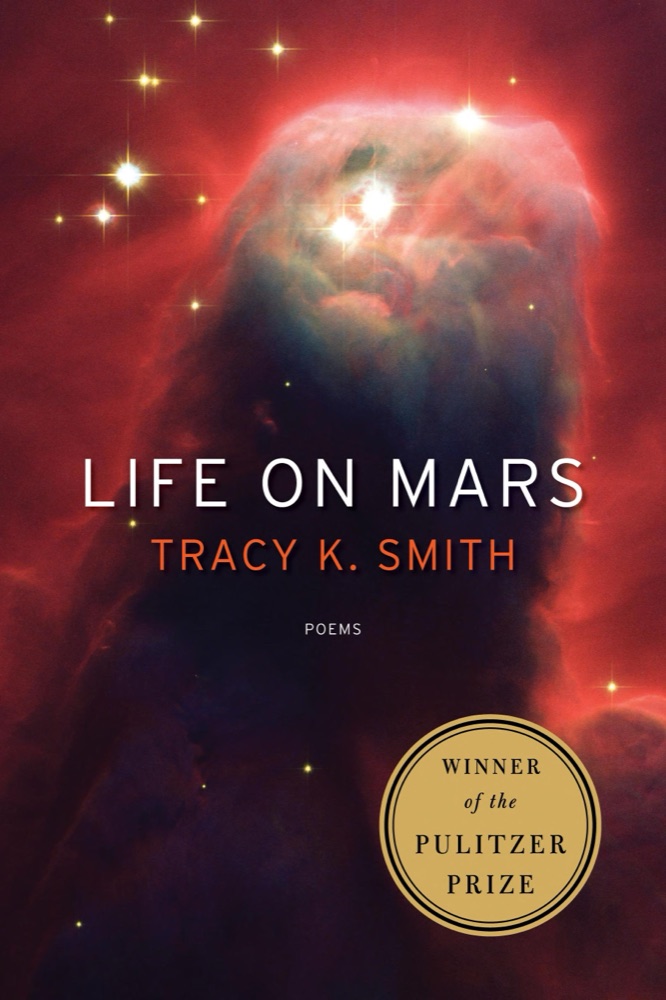 Life on Mars: Poems
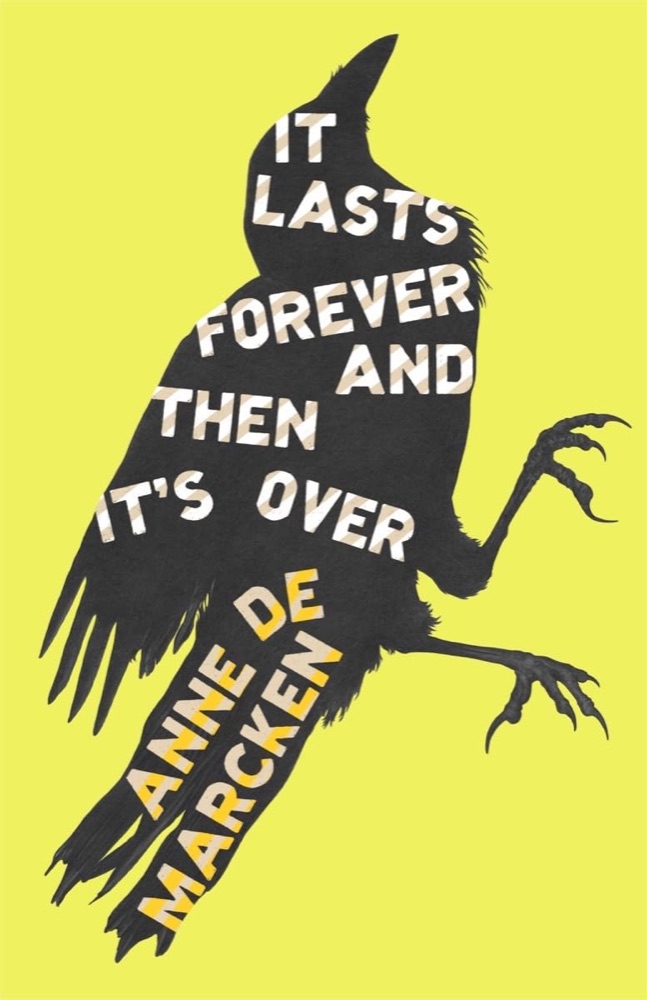 It Lasts Forever and Then It's Over
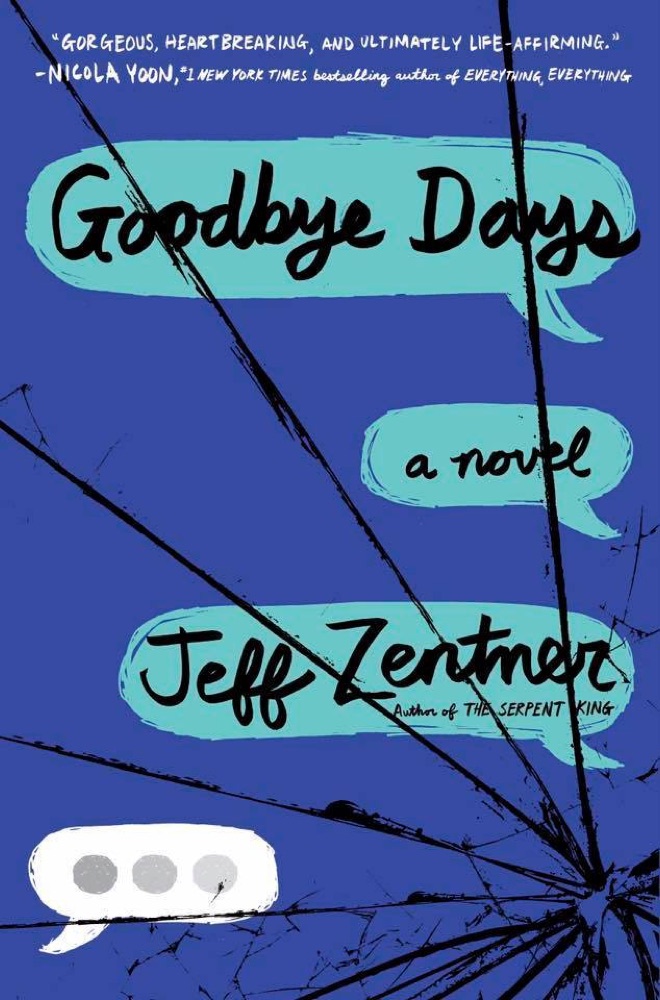 Goodbye Days
 I Cheerfully Refuse
 House of Leaves
 Out of Oz
 Brideshead Revisited: The Sacred and Profane Memories of Captain Charles Ryder
 The People in the Trees
 Pandemonium
 Underworld
 Light Years
 Dearly
 Hollow City
 The Dream of Perpetual Motion
 Year of the Monkey
 Warlight
 City on Fire
 Dream Count
 The Angel Esmeralda
 The Likeness
 This Is Happiness
 Paper Towns
 Lunar Park
 Vanishing Girls
 The Beginning of Everything
 The Voyage Out
 Swann's Way
 Middlesex
 Canada
 Three Comrades
 A Home at the End of the World
 The Dead-Tossed Waves
 West with the Night
 What Matters Most is How Well You Walk Through the Fire
 The Void
 20th Century Ghosts