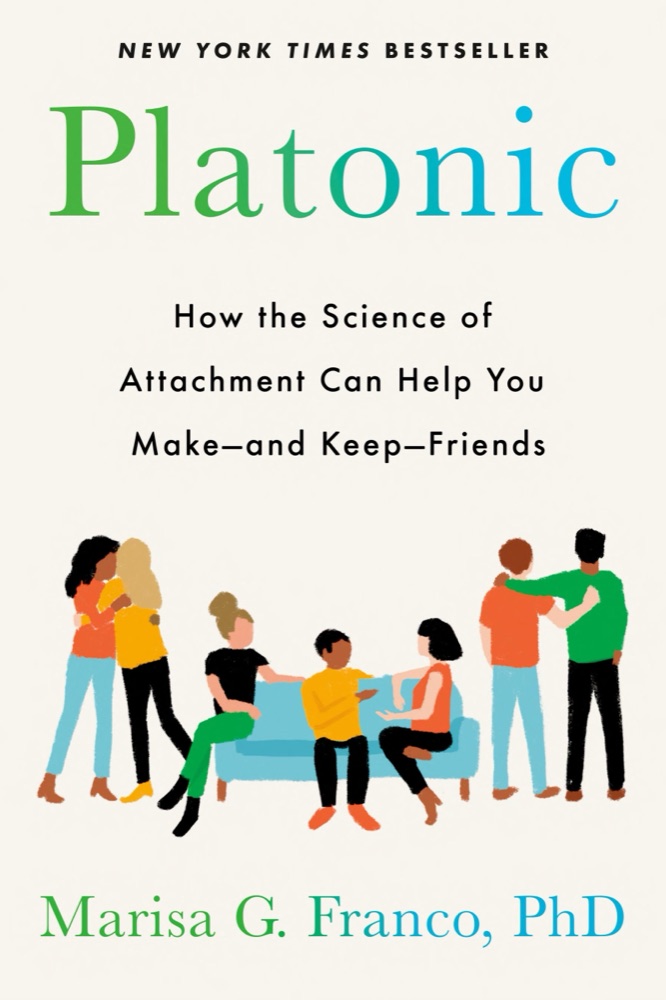
 Platonic: How the Science of Attachment Can Help You Make—and Keep—Friends
Quotes from the Book
Because sometimes people come into our lives just to show us what we don’t want, and those people have given us the gift of being a mirror. And that mirror shows us who we really are and all that we’ve buried, all the needs we’ve pushed underground because they seemed unsightly. And if we’re lucky, another friend comes into the picture soon after, to confirm that the needs we’ve buried can be met, can rise from the earth like buds, to be watered, and nurtured by the people around us, until we see that our needs were not burdens, not unsightly flaws to be worked on, but instead, vital parts of us that deserve to bloom.
5
you’re allowed to want a friendship to be able to give you everything you need, even if they don’t understand those needs because their needs are different. You’re allowed to hold out for someone who can meet you where you’re at.
3
You don’t want too many things. You want what you damn well want, which everyone is allowed. There is so much rhetoric I see, saying that you shouldn’t “expect you from other people.” That people are limited, and they can’t be expected to give you as much as you give them. But it is so important to remember that you are very much allowed to require you from other people if that’s what you need. If you give a lot emotionally, you are absolutely allowed to hold out for someone who can give the same amount of emotional resonance, the same amount of compassion, when they are able. And if someone sees those needs and knows they can’t provide them, that’s OK, too, but you’re allowed to have them just the same.
3
And not because surviving trauma makes you better or worse, but because trauma can make you feel like you’re weird, unlike anyone else, and no one could possibly relate to you or see you and give you what you need.
3
the kinds of connections that are just close enough to what you want, while also being exactly what you currently need.
3
That time in my life was so full of horrible people and just the worst luck, it was nearly impossible for me to trust anyone. I kept worrying, What if I’m making the wrong decisions again? But sometimes life allows you to form
3
We spend so much time in our childhoods learning about practicing fairness, but the world itself is not fair, as much as we’d like it to be. We’re not all walking the same path, with the same resources and the exact same timing. Ideally, we’d all get the support systems we were promised, but then some of us don’t, and no one taught us how to fill in those cracks. No one teaches us how to find power in vulnerability, how to build intimacy, how to grow as a person, or how to grieve when you’ve outgrown the people you once loved. Or when they outgrow you.
2
The whole point here is you have to do what’s right for you. Just as they are doing what is right for them. Everyone’s allowed to change and grow, absolutely. In the same vein, you’re allowed to say, or simply feel, “What you can give me is less than what I need from you right now, so let’s change how we interact, and here’s how I need to do that in a way that feels right to me.” Being a good friend doesn’t mean simply going along for the ride while the other person guides the friendship wherever they want to take it. You are allowed to say that you’d like this person to be X type of friend, and if they see it differently, they are allowed to say so as well. And then it is absolutely within your rights, and theirs, to either be OK with that difference or to part ways, no harm, no foul. The most important thing to remember is that you were not made to endure your friendships. You were made to enjoy them. Adjust the levels as necessary.
2
So often it can seem like life would be so much easier if people didn’t need each other, or if everyone could just ask for what they need in a way we can hear, or if everyone could just intuit what we need so we don’t have to say it. It’s so easy to think people are islands, and anyone who gets stranded on another island did something wrong, or they should reach out to the other support systems they may or may not have, because we “shouldn’t have to” take care of them. And that is all the more reason we should choose the friendships we cultivate carefully, so that if someone we’ve chosen, someone we love, is more isolated than we knew and doesn’t have anyone but us, we will see this as a gift, an opportunity to be the person who finally shows up. To see their SOS and finally answer the call, ideally, before they even have to make it.
2
Empathy is the currency of people who’ve been there, and wish things had gone differently. And yet many times, there are people who’ve been to hell and back and have somehow returned with very little empathy for others who struggle in that way or, in Seth’s case, they have actively developed it because they cared enough to do so.
2
We talk so openly, so freely, about body shame, as we rightly should, but we don’t talk about the shame that comes from constantly seeing other people having loving, consistent, reliable friendships as though everyone has that and if you don’t, that’s super weird, what’s wrong with you? That relational shame. What does it say about you that you couldn’t easily find four to five people who all understand you constantly, make you feel seen, anticipate every possible need, and try at all costs to protect you from experiencing pain? And if someone caused you to feel pain, why didn’t they swoop in and hold you while you cried for days, which is always what happens to everyone of course. Why couldn’t you find that, so easily, at the local corner store, like everyone else on earth did, you genuine freak?
1
You deserve people who check all your boxes, just as much as you check all of theirs.
It's so easy to become obsessed with how other people are being hurtful that sometimes we don't think about how we can be better to our friends as well.
But the trouble is, this is one part of life we can’t simply fix by going out and choosing to, because finding friends—real, true friends—takes extreme luck and privilege, it just does. And I use the word privilege because it’s something a lot of people just aren’t lucky enough to come by, but we talk about it like everyone gets this. And the truth is, you’re more likely to get it if you had a great childhood and loving parents. And separating it from those facts and putting it squarely on the shoulders of worthiness, renders it an indictment of your character.
In a new friendship it can be so important to know what someone else has experienced before you assume that your experience is monolithic
At some point in my interactions with new age hippies who may or may not be toxic (the good ones are so good, but the bad ones are a nightmare in yoga pants), a nightmare-in-yoga-pants person told me that we choose everything that will happen to us, before we are born, as part of our reincarnation journey. If you just said, “Wait, what?” so did I when I heard it. There’s this idea that we chose all our traumas, heartache, and struggles, because this was our best path to enlightenment in this life. This is an idea I find to be deeply flawed in so many ways, since it’s far too easy to hear this and slide into a pit called “I deserved [insert painful traumas],” that is never, ever true.
Watch on YouTube
About Lane Moore
We have collected 16 quotes from 1 book by Lane Moore on BookQuoters.
More about the author →About the book
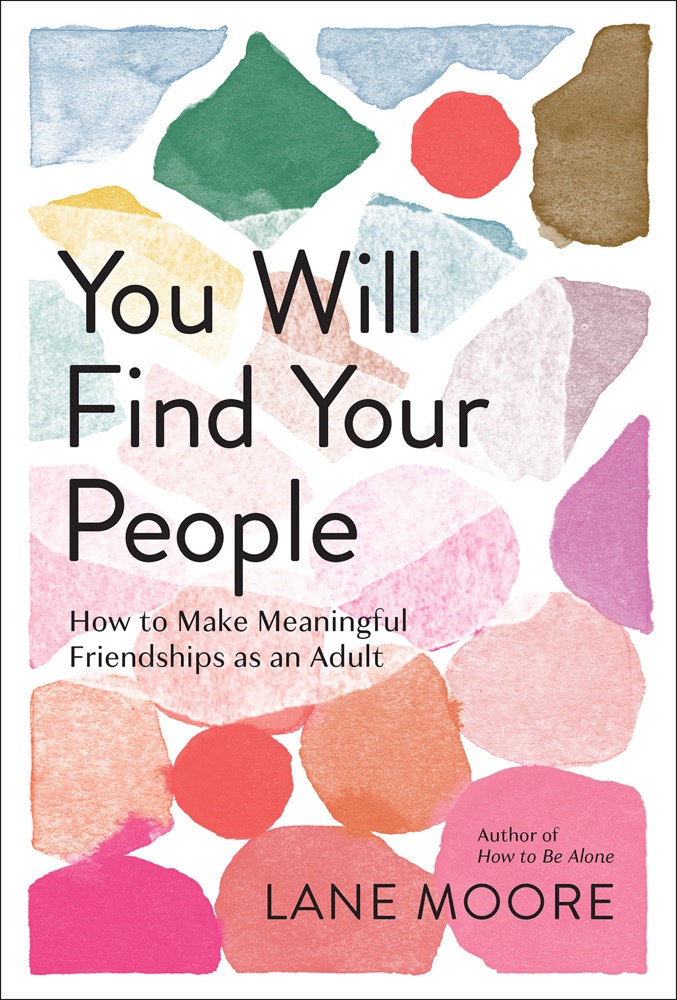
From Lane Moore, the critically acclaimed author of How to Be Alone, comes a searingly intimate, yet wildly funny exploration of the frustrating, messy, and, at times, deeply joyful experience of learning how to make meaningful friendships as an adult.
Part memoir, part self-help, You Will Find Your People uncovers the complex, frightening, and often vulnerable process of building real, healthy friendships and finally creating your chosen family. Moore takes readers on a journey that examines and challenges the ideas of friendship we’ve seen in pop culture, answers every question you’ve ever had about friend breakups, and teaches us how to fearlessly ask for what we want in friendships once and for all.
Full of Moore’s hilarious personal anecdotes, advice on how to identify your attachment style, and real tools to create better communication and boundaries, this book is your pers
Book details
- First published
- 2023
- Author
- Lane Moore
- Genre
- Nonfiction
- Goodreads rating
- 3.25 (3k ratings)
Keep reading
Platonic: How the Science of Attachment Can Help You Make—and Keep—Friends
 Nobody's Cuter than You: A Memoir about the Beauty of Friendship
 The Light We Carry: Overcoming in Uncertain Times
 101 Essays That Will Change The Way You Think
 Everyone You Hate is Going to Die: And Other Comforting Thoughts on Family, Friends, Sex, Love, and More Things That Ruin Your Life
 Every Exquisite Thing
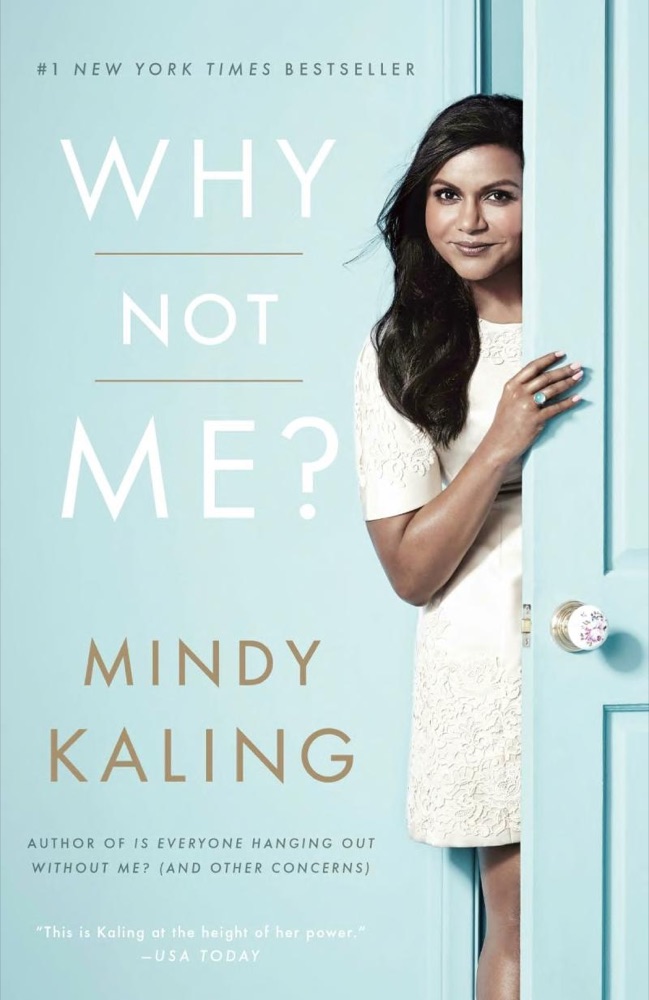 Why Not Me?
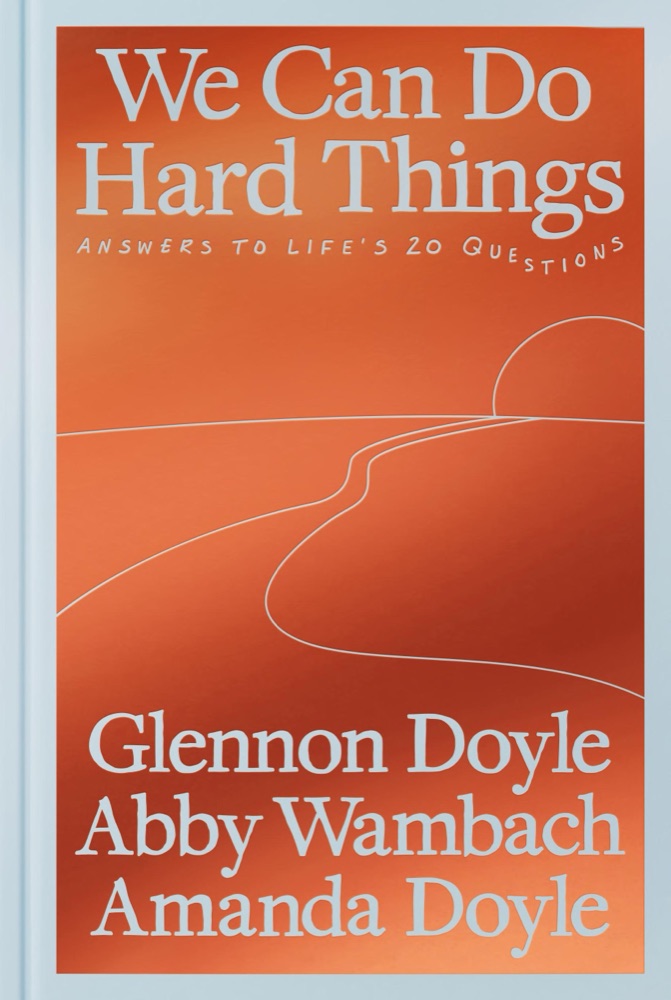 We Can Do Hard Things: Answers to Life's 20 Questions
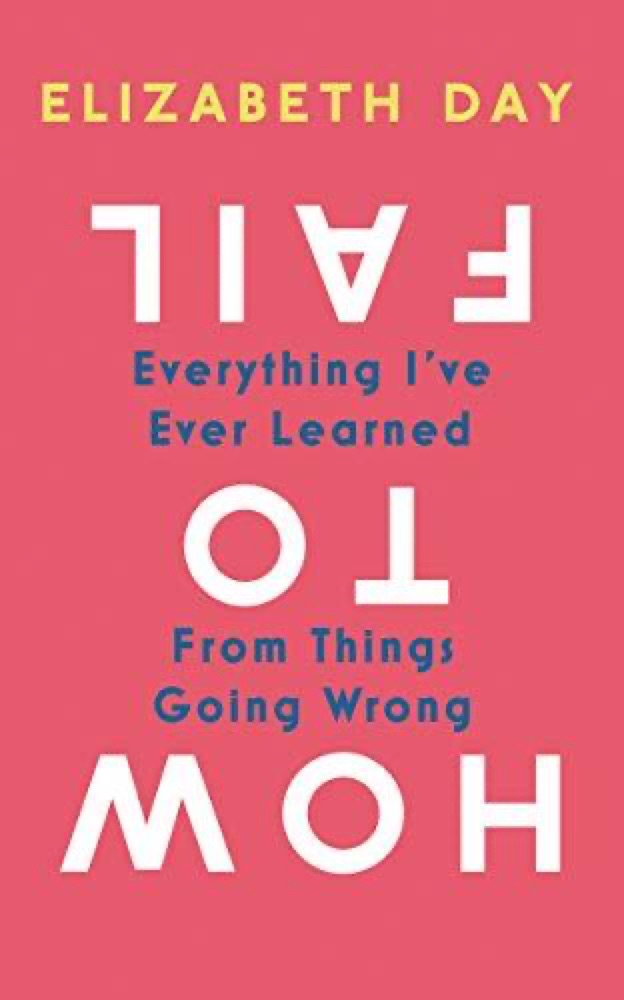 How to Fail
 Paris: A Memoir for Young Women in the Age of Influencers
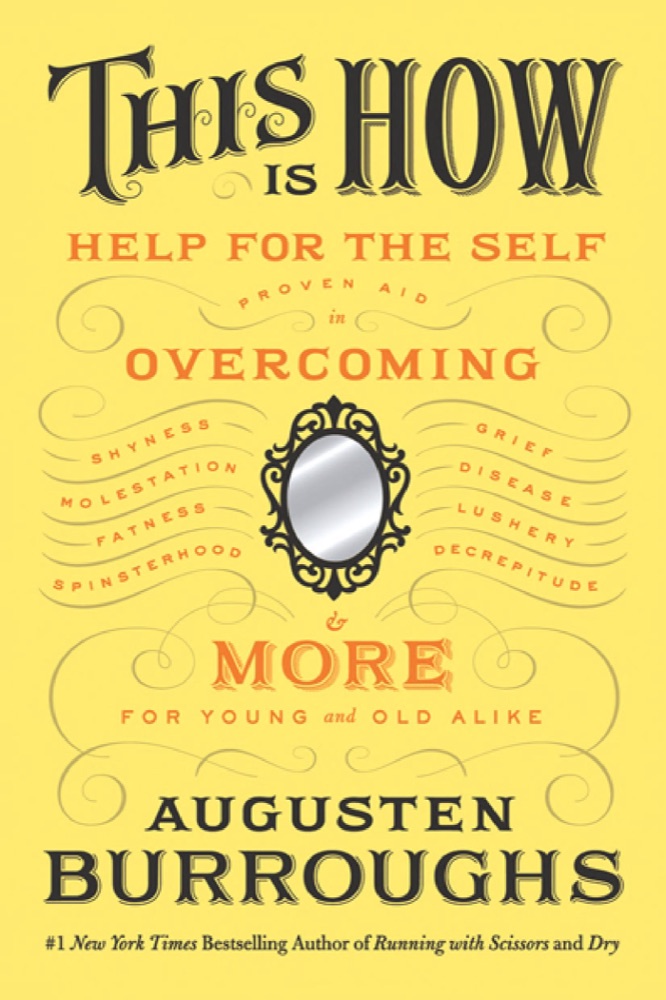 This Is How: Proven Aid in Overcoming Shyness, Molestation, Fatness, Spinsterhood, Grief, Disease, Lushery, Decrepitude & More. For Young and Old Alike.
 The World According to Mister Rogers: Important Things to Remember
 Carry On, Warrior: Thoughts on Life Unarmed
 Life Will Be the Death of Me: . . . and you too!
 We Learn Nothing
 Buy Yourself the Damn Flowers: The Self-Love Guide to Growing, Healing and Learning to Put Yourself First
 Maybe You Should Talk to Someone: A Therapist, Her Therapist, and Our Lives Revealed
 Almost Everything: Notes on Hope
 Conversations on Love
 Atlas of the Heart: Mapping Meaningful Connection and the Language of Human Experience
 Radical Love: Learning to Accept Yourself and Others
 The Truth: An Uncomfortable Book About Relationships
 Welcome Home: A Guide to Building a Home for Your Soul
 Dear Dolly
 Of Mess and Moxie: Wrangling Delight Out of This Wild and Glorious Life
 Buy Yourself the F*cking Lilies: And Other Rituals to Fix Your Life, from Someone Who's Been There
 Tuesdays with Morrie
 The 7 Habits Of Highly Effective Teens
 Have You Seen Luis Velez?
 Sorry I'm Late, I Didn't Want to Come: An Introvert's Year of Living Dangerously
 The Art of Asking; or, How I Learned to Stop Worrying and Let People Help
 Mind Platter
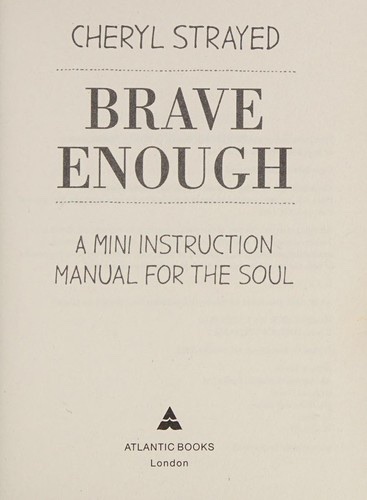 Brave Enough
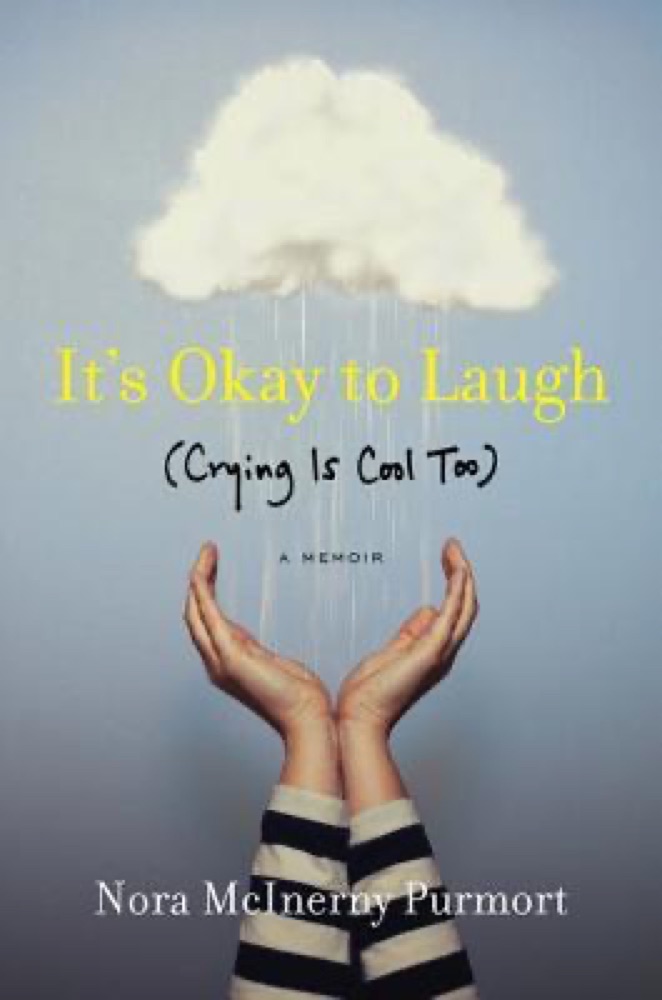 It's Okay to Laugh
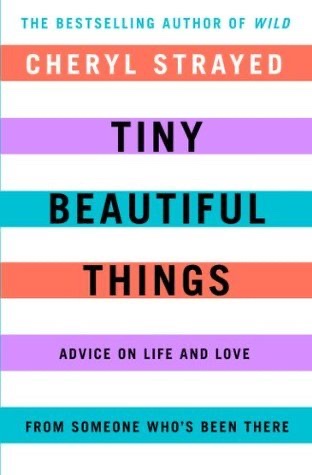 Tiny Beautiful Things: Advice on Love and Life from Dear Sugar
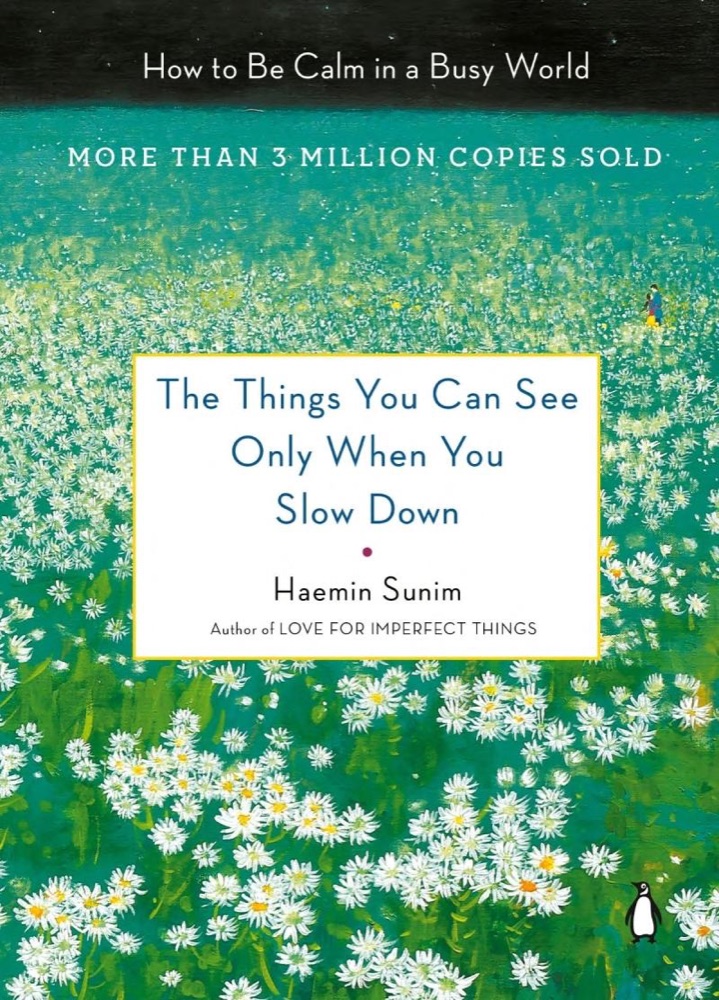 The Things You Can See Only When You Slow Down: How to Be Calm in a Busy World
 Mending the Mind
 Braving the Wilderness
 Family for Beginners
 Into the Magic Shop: A Neurosurgeon's Quest to Discover the Mysteries of the Brain and the Secrets of the Heart
 How to Be a Person in the World: Ask Polly's Guide Through the Paradoxes of Modern Life
 Changes That Heal: How to Understand the Past to Ensure a Healthier Future
 How to Know a Person: The Art of Seeing Others Deeply and Being Deeply Seen
 The Bodyguard
 Feeding the Soul (Because It's My Business): Finding Our Way to Joy, Love, and Freedom
 Dusk, Night, Dawn: On Revival and Courage
 Drama Free: A Guide to Managing Unhealthy Family Relationships
 Love for Imperfect Things: How to Accept Yourself in a World Striving for Perfection
 Any Ordinary Day
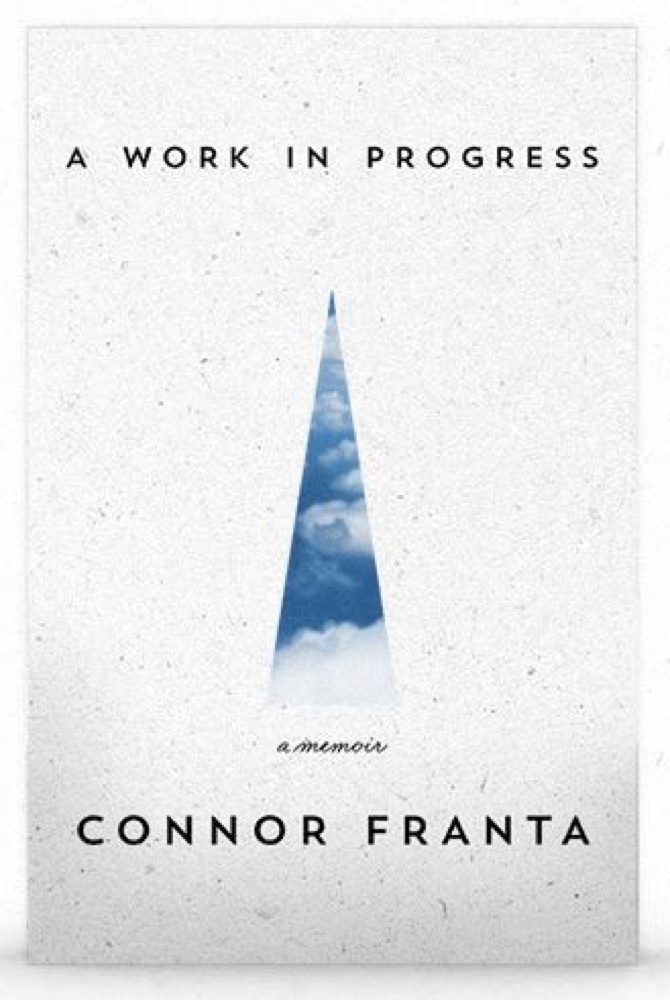 A Work in Progress
 I Take My Coffee Black: Reflections on Tupac, Musical Theater, Faith, and Being Black in America
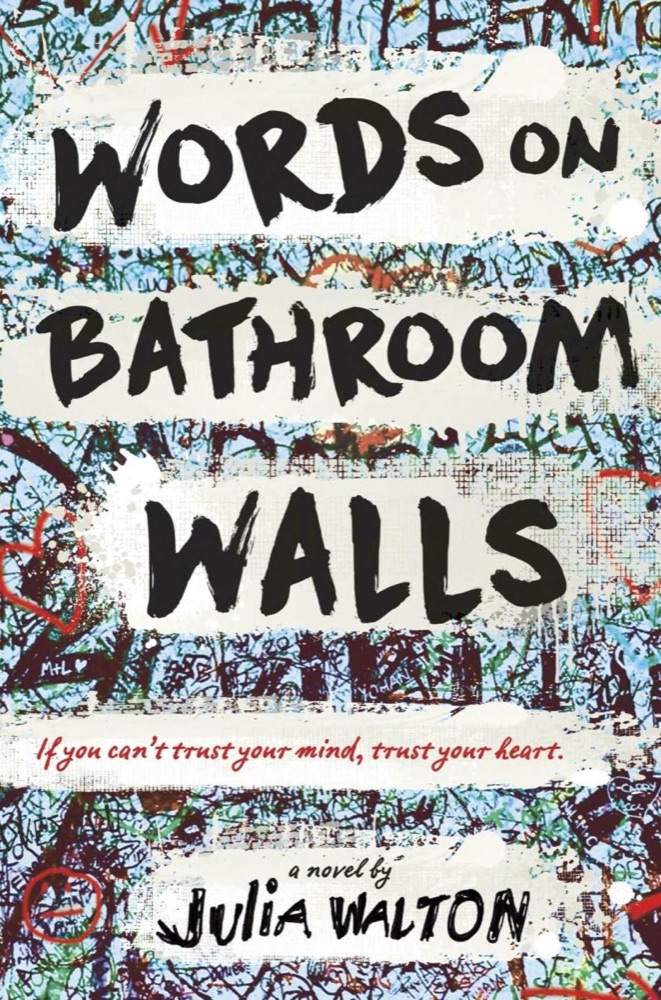 Words on Bathroom Walls
 Attempting Normal
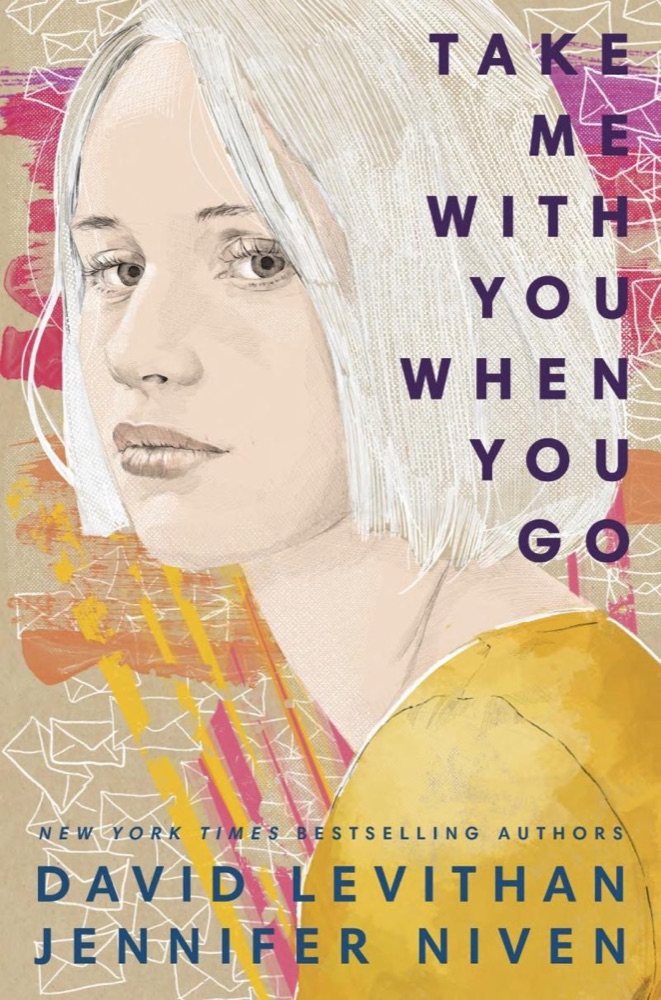 Take Me With You When You Go
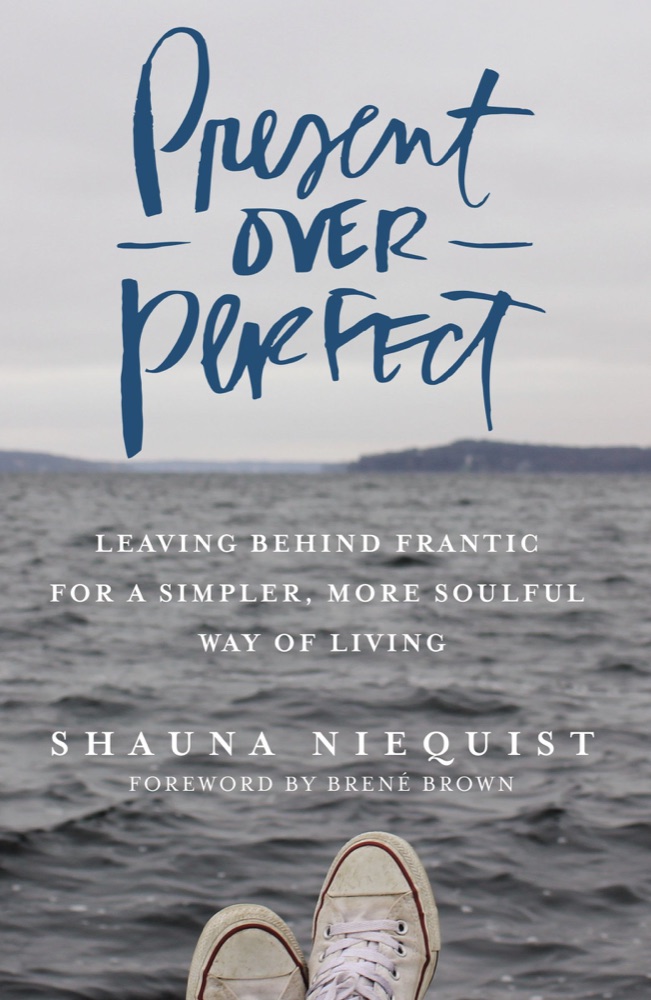 Present Over Perfect: Leaving Behind Frantic for a Simpler, More Soulful Way of Living
 Stitches: A Handbook on Meaning, Hope, and Repair
 I Really Didn't Think This Through: Tales from My So-Called Adult Life
 Women Don't Owe You Pretty
 Drinking and Tweeting and Other Brandi Blunders