
 Number the Stars
Quotes from the Book
The worst part of holding the memories is not the pain. It's the loneliness of it. Memories need to be shared.
We gained control of many things. But we had to let go of others.
If you were to be lost in the river, Jonas, your memories would not be lost with you. Memories are forever.
For the first time, he heard something that he knew to be music. He heard people singing. Behind him, across vast distances of space and time, from the place he had left, he thought he heard music too. But perhaps, it was only an echo.
It's the choosing that's important, isn't it?
Of course they needed to care. It was the meaning of everything.
I liked the feeling of love,' [Jonas] confessed. He glanced nervously at the speaker on the wall, reassuring himself that no one was listening. 'I wish we still had that,' he whispered. 'Of course,' he added quickly, 'I do understand that it wouldn't work very well. And that it's much better to be organized the way we are now. I can see that it was a dangerous way to live.' ...'Still,' he said slowly, almost to himself, 'I did like the light they made. And the warmth.
I feel sorry for anyone who is in a place where he feels strange and stupid.
The life where nothing was ever unexpected. Or inconvenient. Or unusual. The life without colour, pain or past.
They were satisfied with their lives which had none of the vibrance his own was taking on. And he was angry at himself, that he could not change that for them.
Even trained for years as they all had been in precision of language, what words could you use which would give another the experience of sunshine?
I knew that there had been times in the past-terrible times-when people had destroyed others in haste,in fear, and had brought about their own destruction
Gabe?" The newchild stirred slightly in his sleep. Jonas looked over at him. "There could be love", Jonas whispered.
Things could change, Gabe," Jonas went on. "Things could be different. I don't know how, but there must be some way for things to be different. There could be colors. And grandparents," he added, staring through the dimness toward the ceiling of his sleepingroom. "And everybody would have the memories." "You know the memories," he whispered, turning toward the crib. Garbriel's breathing was even and deep. Jonas liked having him there, though he felt guilty about the secret. Each night he gave memories to Gabriel: memories of boat rides and picnics in the sun; memories of soft rainfall against windowpanes; memories of dancing barefoot on a damp lawn. "Gabe?" The newchild stirred slightly in his sleep. Jonas looked over at him. "There could be love," Jonas whispered.
...now he saw the familiar wide river beside the path differently. He saw all of the light and color and history it contained and carried in its slow - moving water; and he knew that there was an Elsewhere from which it came, and an Elsewhere to which it was going
If everything's the same, then there aren't any choices! I want to wake up in the morning and decide things!
Behind him,across vast distances of space and time, from the place he had left, he thought he heard music too. But perhaps it was only an echo.
He knew that there was no quick comfort for emotions like those. They were deeper and they did not need to be told. They were felt.
I don't know what you mean when you say 'the whole world' or 'generations before him.'I thought there was only us. I thought there was only now.
He hunched his shoulders and tried to make himself smaller in the seat. He wanted to disappear, to fade away, not to exist.
What if they were allowed to choose their own mate? And chose wrong?
It's just that... without the memories it's all meaningless.
There's much more. There's all that goes beyond – all ... that is Elsewhere – and all that goes back, and back, and back. I received all of those, when I was selected. And here in this room, all alone, I re-experience them again and again. It is how wisdom comes. And how we shape our future.
He wept because he was afraid now that he could not save Gabriel. He no longer cared about himself
And here in this room, I re-experience the memories again and again it is how wisdom comes and how we shape our future.
It was almost December, and Jonas was beginning to be frightened.
His mind reeled. Now, empowered to ask questions of utmost rudeness-and promised answers-he could, conceivably (though it was almost unimaginable), ask someone, some adult, his father perhaps: "Do you lie?" But he would have no way of knowing if the answer he received was true.
- My instructors in science and technology have taught us about how the brain works. It's full of electrical impulses. It's like a computer. If you stimulate one part of the brain with an electrode, it... - They know nothing.
Did you know?
- The Giver won the 1994 Newbery Medal, Lowry's second Newbery after Number the Stars.
- Lowry has said the novel was partly inspired by her father's memory loss in old age.
- The book is the first in a four-book cycle called The Giver Quartet.
- It has frequently appeared on lists of challenged and banned books in American schools.
- A 2014 film adaptation starred Jeff Bridges and Meryl Streep.
About Lois Lowry
Lois Lowry is an American author of children's and young-adult fiction, born in 1937, known for exploring difficult themes for young readers. She has twice won the Newbery Medal, for "Number the Stars" (1990) and "The Giver" (1994).
More about the author →
About the book
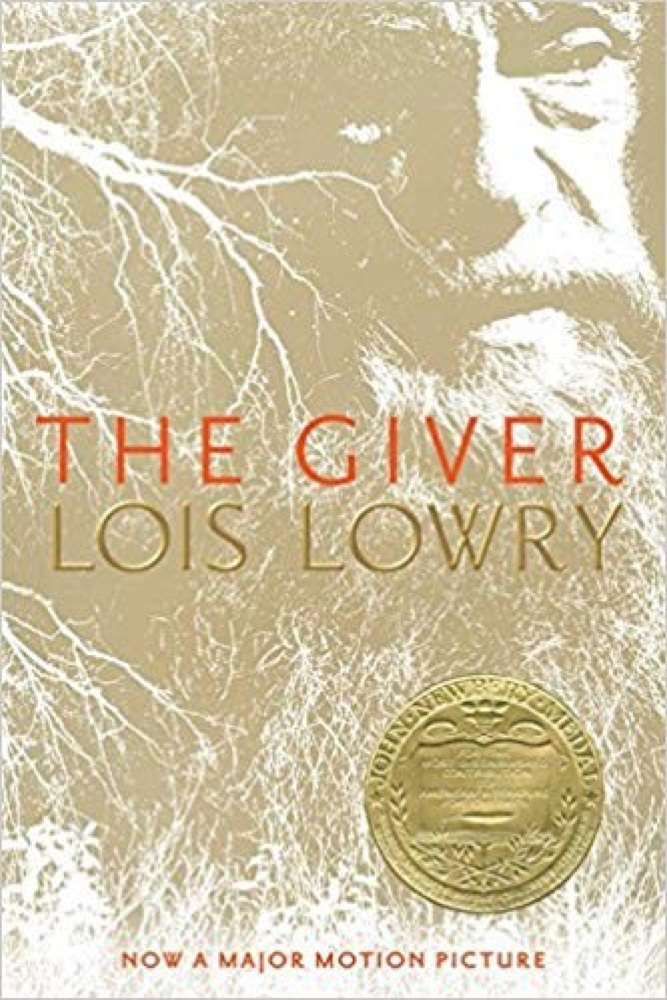
"The Giver" is Lois Lowry's 1993 dystopian novel set in a seemingly utopian community that has eliminated pain, conflict, and difference through a state of engineered "Sameness." Twelve-year-old Jonas is singled out at the Ceremony of Twelve to become the community's new Receiver of Memory, an isolated role in which he alone will carry the collective memories of humanity. Under the guidance of the elderly current Receiver, whom Jonas comes to call the Giver, he begins to experience color, love, music, and suffering that the rest of his community has traded away for safety and order.
As Jonas absorbs these memories, he awakens to the cost of his community's control and discovers unsettling truths hidden beneath its calm surface. The novel explores memory and its necessity, the tension between individuality and conformity, the value of emotional depth, and the moral price of a society that removes choice in exchange for stability. Lowry has said the story grew in part from her thinking about memory, an aging father, and the fragility of the freedoms people take for granted.
Widely taught in schools, "The Giver" won the 1994 Newbery Medal and became a cornerstone of young-adult dystopian fiction, later expanding into a four-book cycle known as The Giver Quartet. Its deliberately spare, ambiguous ending has made it a durable subject of classroom discussion, while its themes of surveillance, sameness, and the suppression of memory have kept it relevant to successive generations of readers.
Key characters
- JonasTwelve-year-old protagonist chosen as the new Receiver of Memory
- The GiverElderly current Receiver who transmits memories to Jonas
- GabrielAn infant Jonas grows attached to and tries to protect
- Chief ElderLeader who presides over the community's Ceremony of Twelve
- Jonas's FatherA Nurturer who cares for the community's newborns
Book details
- First published
- 1993
- Length
- 179 pages
- Reading time
- 3 hours
- Author
- Lois Lowry
- Genre
- Classics
- Goodreads rating
- 4.12 (2.9M ratings) →
- First line
- “It was almost December, and Jonas was beginning to be frightened.”
Series & reading order
- 1 The Giver
- 2 Gathering Blue
- 3 Messenger
- 4 Son
Movie & TV adaptations
- IMDb
If you liked this, read…
- 1The City of EmberAnother middle-grade dystopia where a young protagonist uncovers the truth about a controlled community
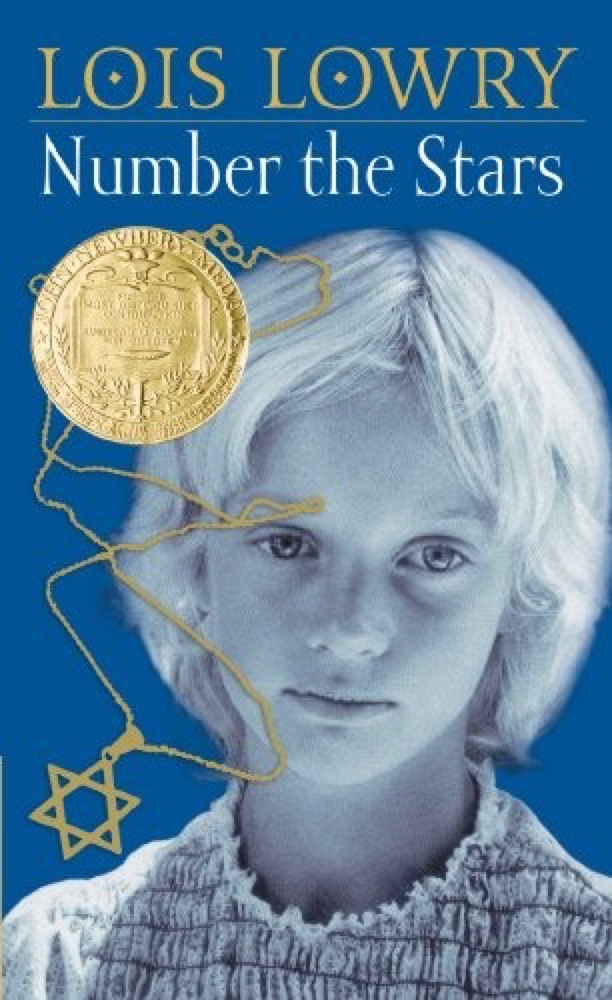
- 2Number the StarsLois Lowry's Newbery-winning novel about courage and moral choice under an oppressive order
- 3Fahrenheit 451A society that suppresses memory and difference, seen through an awakening individual
Keep reading
 Messenger
 So Long, See You Tomorrow
 Another Country
 The Twelve
 The Brutal Telling
 The Clockmaker's Daughter
 The Midnight Train
 To Paradise
 Where Things Come Back
 The Story of a New Name
 Wayward
 The Measure of the Magic
 The Whisper Man
 The Gift of Rain
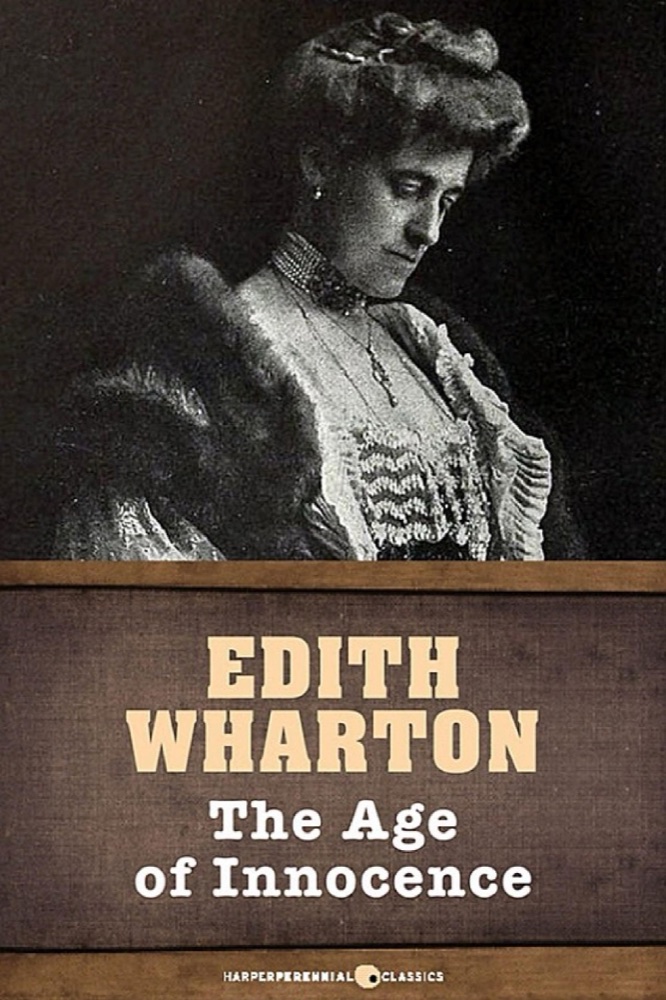 The Age of Innocence
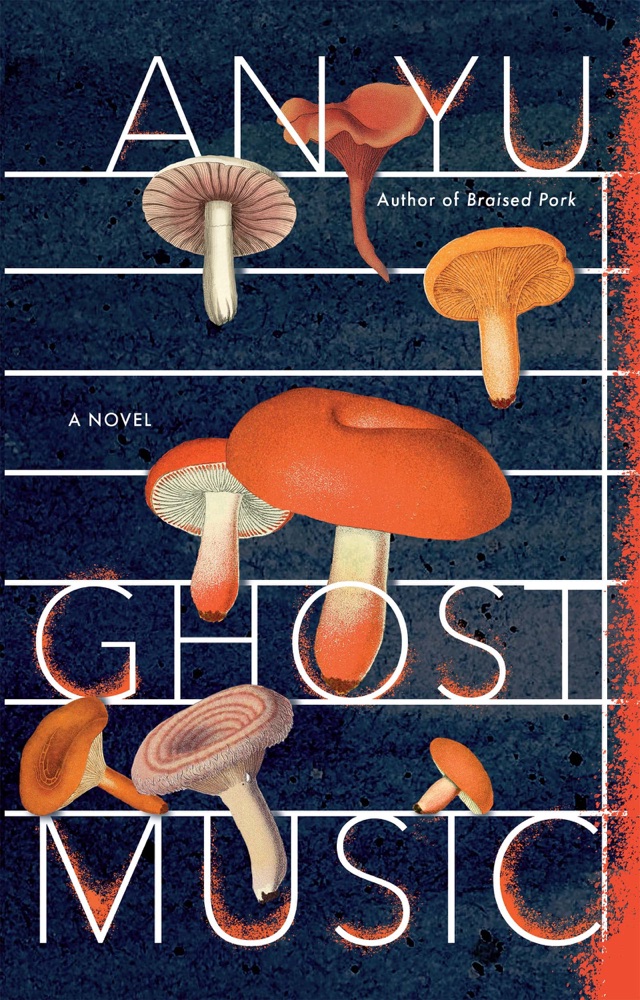 Ghost Music
 Giovanni's Room
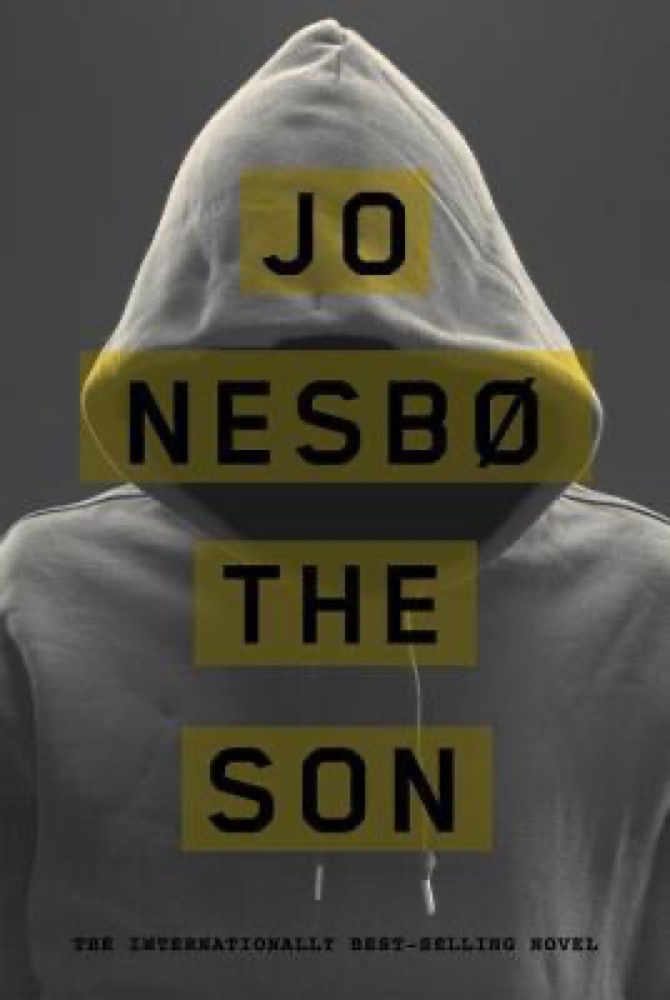 The Son
 Mayflies
 The Luminaries
 The Illustrated Man
 The Corrections
 Tenth of December
 Harvesting the Heart
 The Night in Question
 S.
S.
 When God Was a Rabbit
 The Likeness
 The Master
 The Passage
 Hush
Hush
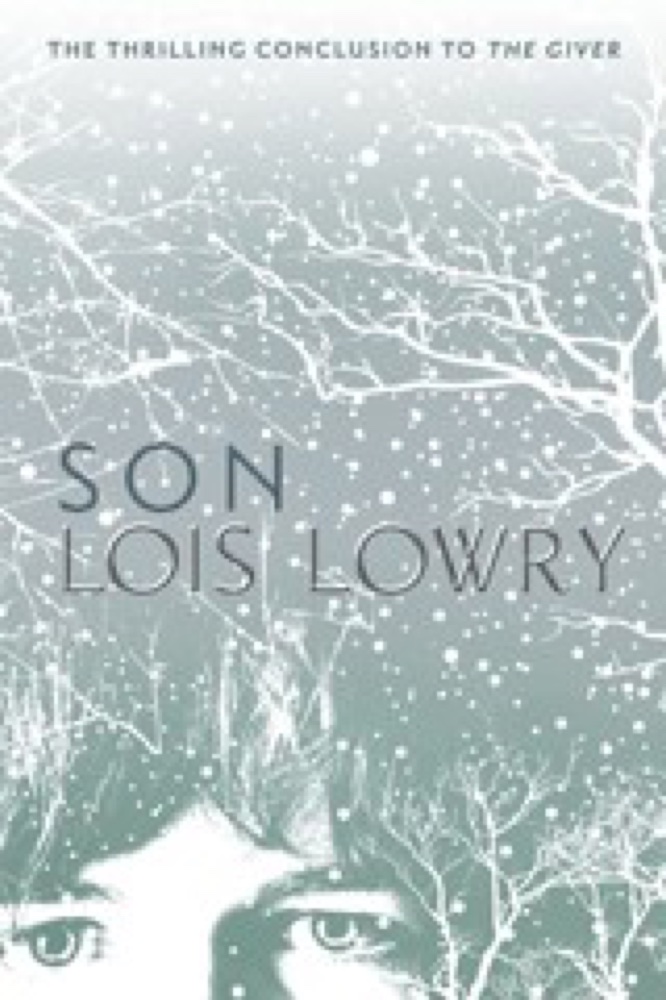 Son
Son
 Chances Are...
 The Inheritance of Loss
 The Soulkeepers
 And the Mountains Echoed
 Pew
Pew
 The Long Way Home
 Out of the Silent Planet
 The Professor's House
 Cold Mountain
 Mister Pip
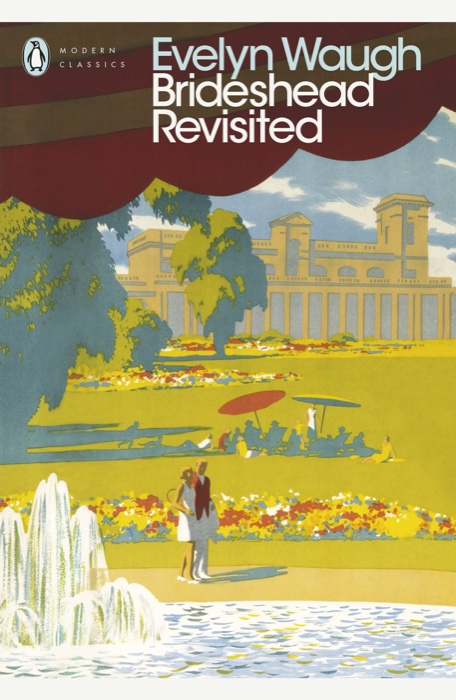 Brideshead Revisited: The Sacred and Profane Memories of Captain Charles Ryder
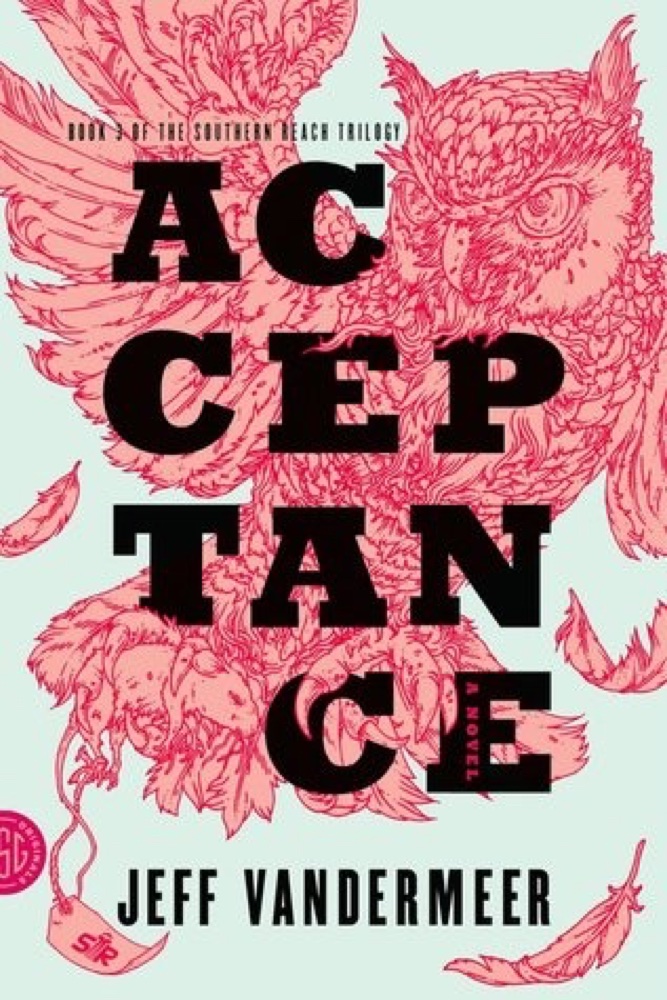 Acceptance
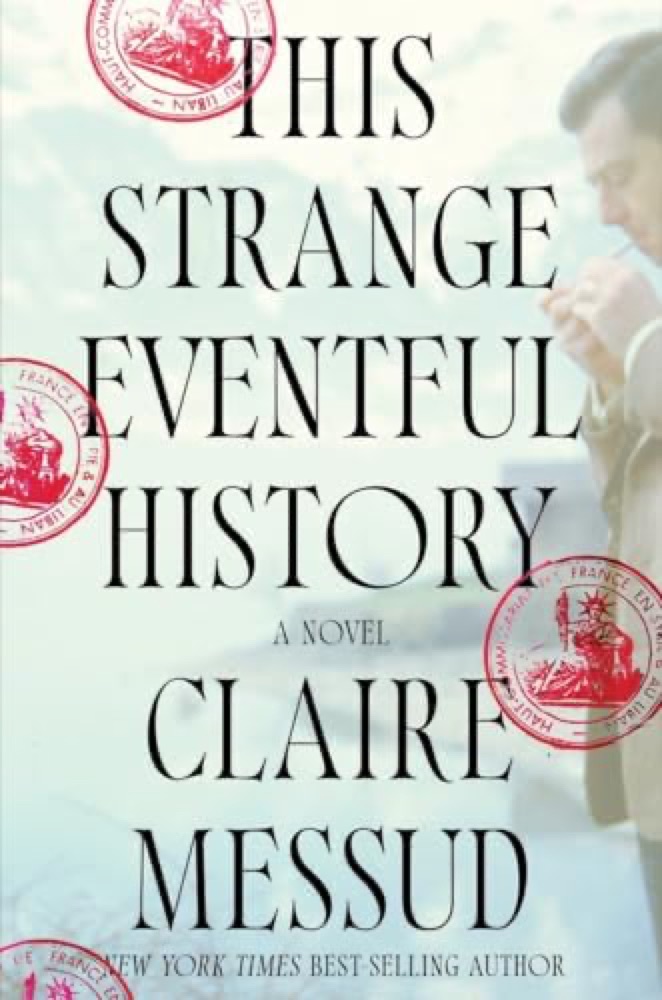 This Strange Eventful History
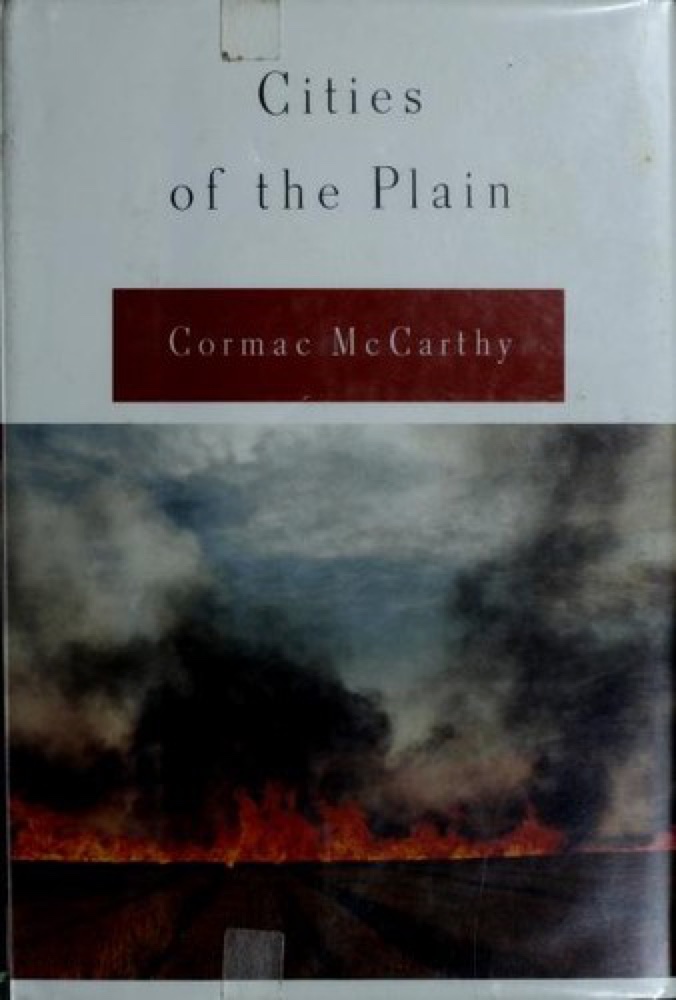 Cities of the Plain
 Perfect
 The Void
 What I Loved
 Stoner
 The God of Small Things
 The Lies About Truth
 The Wolf Gift
 The Illusion of Separateness
 Requiem for a Dream
 The Mandarins
 Atonement
 The Choice
 The Proposal