
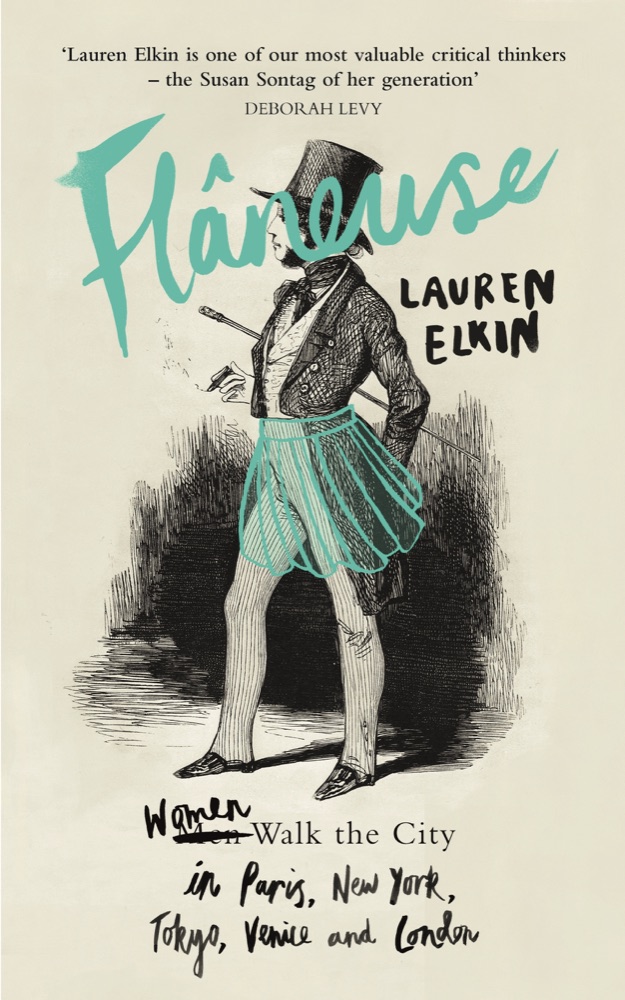
 Flâneuse: Women Walk the City in Paris, New York, Tokyo, Venice and London
Quotes from the Book
What could I do to feel happier living here? … 1. Walk more. 2. Buy local. 3. Get to know my neighbors. 4. Do fun stuff. 5. Explore nature. 6. Volunteer. 7. Eat local. 8. Become more political. 9. Create something new. 10. Stay loyal through hard times.
7
We speak of searching for happiness, of finding contentment, as if these were locations on an atlas, actual places that we could visit if only we had the proper map and the right navigational skills.
4
If you want to love where you live, act like someone who loves where they live.
1
In a hypermobile society, uniformity passes for familiarity.
1
…believing that your town offers opportunities for enjoyable social interactions beyond your living room is key to how much you feel attached to it, and a good way to pinpoint your own perceptions about the stuff there is to do in your town is by asking yourself, ‘What would I show off to visitors?
1
For Don, changing underserved communities by choosing to live there is the ultimate expression of loving where you live. “Lots of people would like to see neighborhoods change,” he says, “but they don’t want to have to change their own life to modify them.
1
Faced with developing a brand-new social network [after having moved cross-country to a new city], her approach was: Show up to everything; talk to everyone.
1
Was it possible to pine for a place I’d been perfectly happy to leave? For a long time while I worked on my ‘love where you live’ experiments, I had thought of place attachment as an either-or proposition: either you adored your city and stayed there forever in connubial bliss, or you didn’t. Moving was a failure of commitment and love.
Our experience of the place where we live depends entirely on who we are, how we interact with it, and how we interpret what’s happening around us. We create our places every day by how we choose to view them…we must forcefully insist on seeing a place’s charms.
A one hour drive each way to work diminished life satisfaction so drastically that commuters would have to make 40% more money at their job to be happy as non-commuters.
In his book, Who’s Your City, the demographic Richard Florida divides people into three categories: the mobile, the stuck, and the rooted. We tend to focus on the first two—the mobile, who can pick up and move to opportunity—and the stuck, who lack the resources to leave where they are…but we cannot forget about the rooted: those who have the means and opportunity to move, but choose to stay…because they’re content where they are.
Yet there was something noble in the way Gertie presided over her home town, surrounded by people to whom she’d made herself useful, like the now-grown children who once rode her school bus, or the neighbor woman she took to Walmart every other week for quilt fabric.
He swiped my credit card, dropped my shirt into a plastic bag, and said, “Thanks for coming in tonight. It’s awesome what you’re doing. We really appreciate it.
The more uprooted I felt, the more I longed to be moored in place. In a world that’s supposedly flat, loving where we live still matters, even when we move a lot. Maybe especially when we move a lot.
Watch on YouTube
About Melody Warnick
We have collected 14 quotes from 1 book by Melody Warnick on BookQuoters.
More about the author →About the book
A journalist embarks on a project to discover what it takes to love where you live.
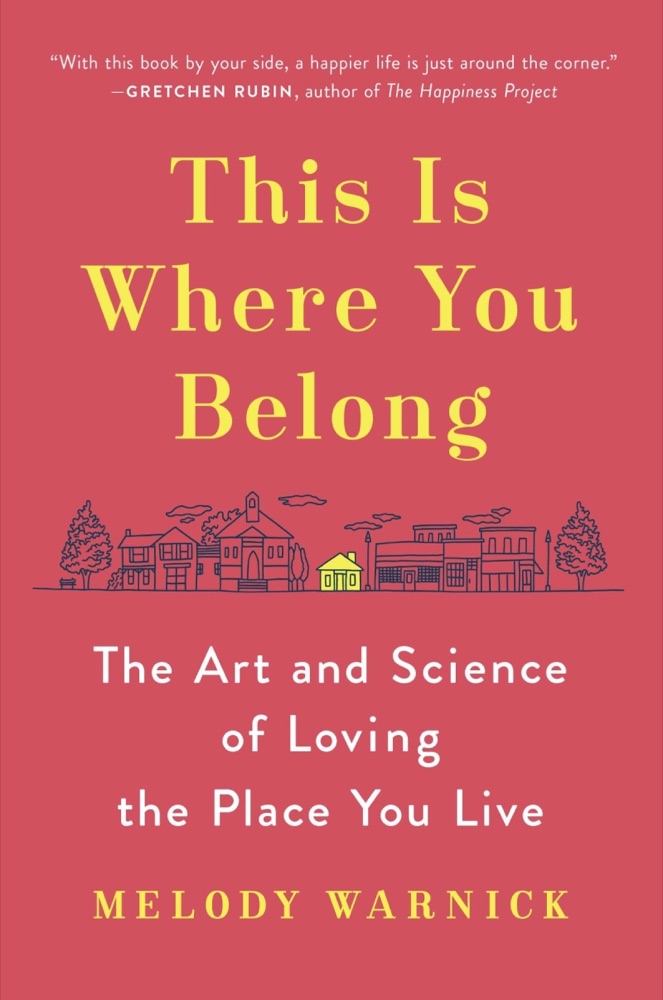
The average restless American will move 11.7 times in a lifetime. For Melody Warnick, it was move #6, from Austin, Texas, to Blacksburg, Virginia, that threatened to unhinge her. In the lonely aftermath of unpacking, she wondered: Aren't we supposed to put down roots at some point? How does the place we live become the place we want to stay? This time, she had an epiphany. Rather than hold her breath and hope this new town would be her family's perfect fit, she would figure out how to fall in love with it--no matter what. How we come to feel at home in our towns and cities is what Warnick sets out to discover in This Is Where You Belong. She dives into the body of research around place attachment--the deep sense of connection that binds some of us to our cities and increases our physical and emotional
Book details
- First published
- 2016
- Author
- Melody Warnick
- Genre
- Nonfiction
- Goodreads rating
- 3.70 (6k ratings)
Keep reading
Flâneuse: Women Walk the City in Paris, New York, Tokyo, Venice and London
 At Home in the World: Reflections on Belonging While Wandering the Globe
 Happy City: Transforming Our Lives Through Urban Design
 Pride
Pride
 The Good Girl's Guide to Getting Lost: A Memoir of Three Continents, Two Friends, and One Unexpected Adventure
 Goodbye to All That: Writers on Loving and Leaving New York
 The Geography of Bliss: One Grump's Search for the Happiest Places in the World
 The Vacation
 Happier at Home: Kiss More, Jump More, Abandon a Project, Read Samuel Johnson, and My Other Experiments in the Practice of Everyday Life
 Daytripper
 To Shake the Sleeping Self: A Journey from Oregon to Patagonia, and a Quest for a Life with No Regret
 Behold the Dreamers
 Lillian Boxfish Takes a Walk
 We Have Always Been Here: A Queer Muslim Memoir
 Where the Bluebird Sings to the Lemonade Springs: Living and Writing in the West
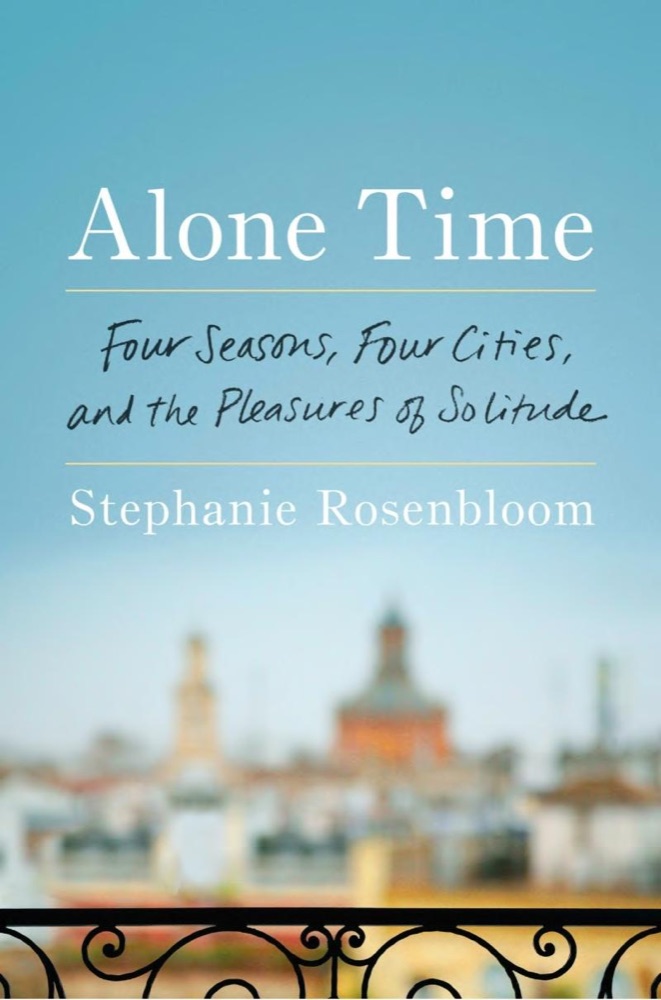 Alone Time: Four Seasons, Four Cities, and the Pleasures of Solitude
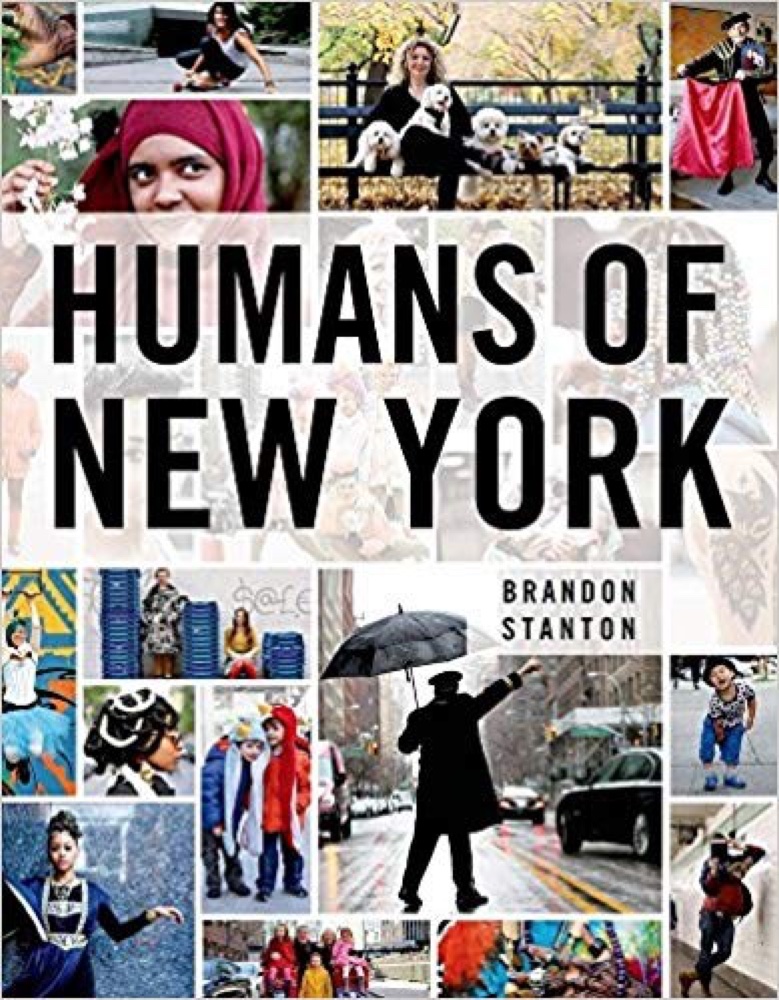 Humans of New York
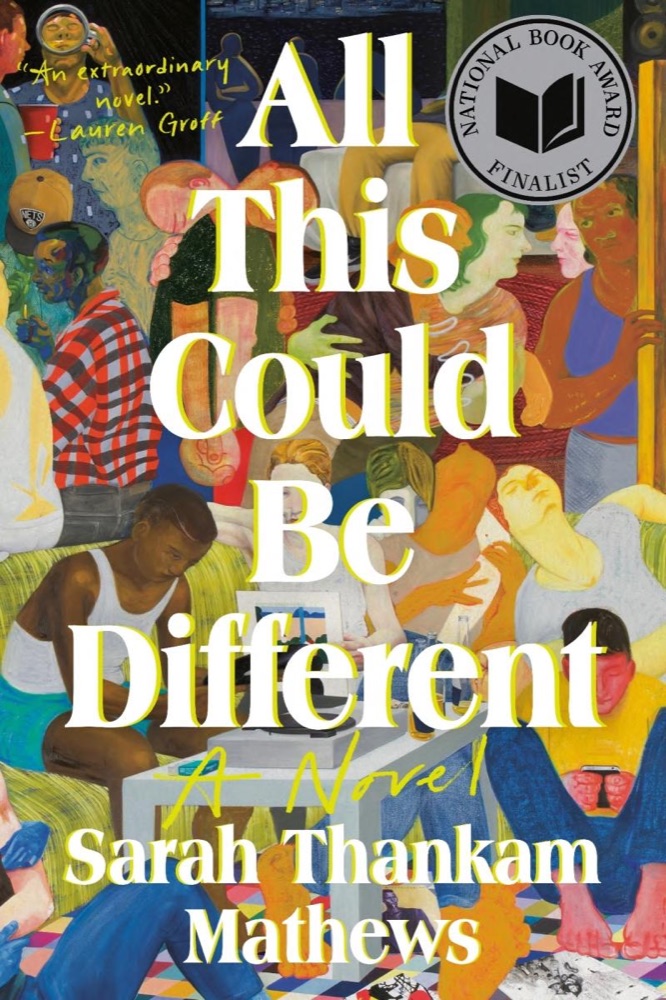 All This Could Be Different
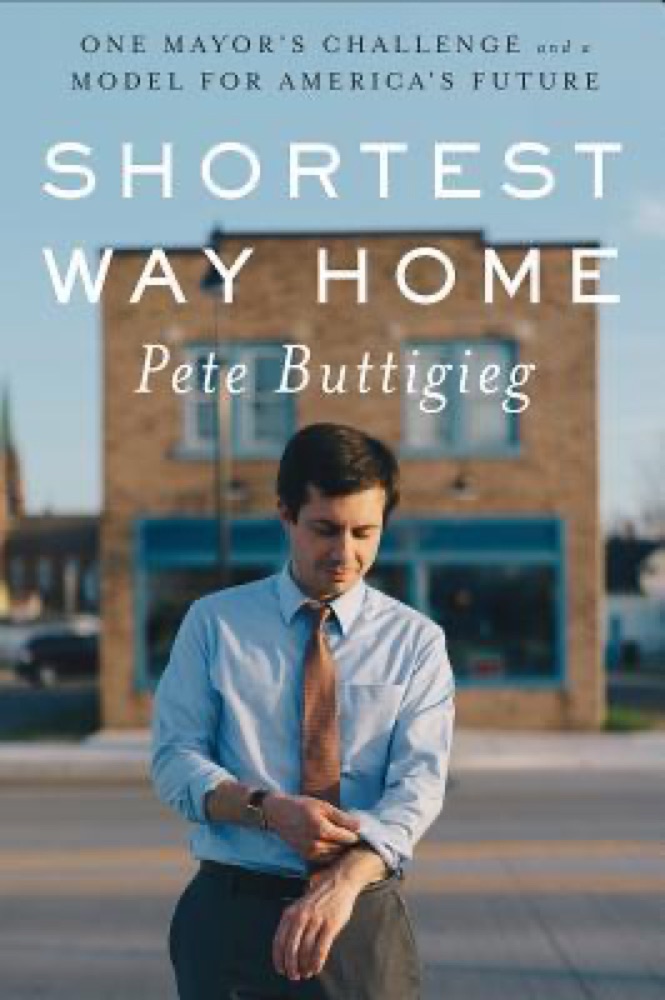 Shortest Way Home: One Mayor's Challenge and a Model for America's Future
 We Live in Water
 Congratulations, the Best is Over!
 Graduates in Wonderland: The International Misadventures of Two (Almost) Adults
 What If This Were Enough?: Essays
 Finding My Way: A Memoir
 Severance
 One Italian Summer
 The Blue Sweater: Bridging the Gap Between Rich and Poor in an Interconnected World
 The Rural Diaries: Love, Livestock, and Big Life Lessons Down on Mischief Farm
 Becoming Better Grownups: Rediscovering What Matters and Remembering How to Fly
 I'm a Stranger Here Myself: Notes on Returning to America after Twenty Years Away
 Wanderlove
 Love from A to Z
 Britt-Marie Was Here
 Stuffocation: Living More with Less
 A Work in Progress
 The House of Hidden Meanings
 Open City
 A Home at the End of the World
 The Downstairs Girl
 Wide Awake
 Like Streams to the Ocean: Notes on Ego, Love, and the Things That Make Us Who We Are
 The Algebra of Happiness: Notes on the Pursuit of Success, Love, and Meaning
 Yeonnam-dong's Smiley Laundromat
 North of Beautiful
 Am I There Yet? The Loop-de-Loop, Zigzagging Journey to Adulthood
 Encyclopedia of an Ordinary Life
 A Long Way Home
 Little Victories: Perfect Rules for Imperfect Living
 Crossing to Safety
 Universal Harvester
 State of Paradise
 Goodbye, Again: Essays, Reflections, and Illustrations
 Hattie Big Sky
 One Day We'll All Be Dead and None of This Will Matter
 Still Me
 The Death and Life of Great American Cities
 Travels with Charley: In Search of America
 O Pioneers!
 Letter to My Daughter
 Without Reservations: The Travels of an Independent Woman