
 Severance
Quotes from the Book
Sometimes pain is the call of a wound that needs tending, and sometimes it is the sting of its healing.
12
The city had seemed like a great place to discover who you are. It just seemed that there was a lot to experience here, as if all you had to do was show up and the city would take care of the rest, making sure you got the education, the maturing, the wising-up you needed. Its crowds, the noise, the endlessness of it all, the perpetual motion, felt exciting then—revealing—just the deep end I needed to jump into. There is something unique about New York, some quality, some matchless, pertinent combination of promise and despair, wizardry and counterfeit, abundance and depletion, that stimulates and allows for a reckoning to occur—maybe even forces it. The city pulls back the curtain on who you are; it tests you and shows you what you are made of in a way that has become iconic in our popular culture, and with good reason.
12
Leaving home does something to your sense of identity. Either you become more of that place than you ever were while you lived there, or your identity calcifies around the rejection of this place. It is challenging to inhabit the space between these two positions.
8
I’d entered the city the way one enters any grand love affair: with no exit plan.
8
You don't leave out of anger or from coming to your senses, but because your love is not as strong as your reasons for going.
7
I had come to New York when I was seventeen because—and maybe I was not fully conscious of this then—the city had seemed like a great place to discover who you are. It just seemed that there was a lot to experience here, as if all you had to do was show up and the city would take care of the rest, making sure you got the education, the maturing, the wising-up you needed. Its crowds, the noise, the endlessness of it all, the perpetual motion, felt exciting then—revealing—just the deep end I needed to jump into. There is something unique about New York, some quality, some matchless, pertinent combination of promise and despair, wizardry and counterfeit, abundance and depletion, that stimulates and allows for a reckoning to occur—maybe even forces it. The city pulls back the curtain on who you are; it tests you and shows you what you are made of in a way that has become iconic in our popular culture, and with good reason. In thirteen years, the city has kicked my ass and made me strong and served me well.
6
I feel New York inside me when I talk too loudly, when I'm in line for coffee and feel rageful and restless, when I ask inappropriate and personal questions of strangers. When I say, 'Oh, I walked,' and people look at me quizzically and say, 'That's a long walk.
6
New York is the place I am from, even though I was never from there to begin with.
3
If we are transplants, we say we came to New York for its "energy," but the truth is, that energy doesn't come from the streets or the stores or the buzzy power-lunch restaurants. It's not here because of the subways or the block parties or the Puerto Rican Day Parade. We brought it here. It's just the collective energy of us—the by-product and the fumes of the ambition we lugged with us when we came. Ambition: our bright bird-dream and our heavy load.
3
The uncertainty of moving forward jostles the sleeping lions of childhood fears: that I am alone, that I am not seen or seen wrongly. That I have made some terrible mistake. That the loneliness will last forever. "I want to go home," I whispered, not sure what that meant.
2
I used to think that every eventful thing that happened in my life would feel as good as moving to New York City did, that my life would be like moving to New York, over and over and over again. I know now that as with falling in love, you’re lucky if it happens to you even once.
2
But it’s a class-divided society. It’s a rich cultural environment, full of galleries and incredible restaurants and museums and shows. But unless you’re wealthy, the city requires sacrifice to enjoy those things. Unless you are rich, you struggle every day. You grind. You ride the subway for two hours just to work at Starbucks. But there’s also nowhere else to be for professional networking. You can access the movers and shakers. You can be a mover and a shaker if you work hard enough. Just plug yourself into the scene, whatever your scene is. But what ends up happening— or what ended up happening to me— is an unplugging form family life, an unplugging from the things that make you feel whole and rooted. While living in New York, I eventually came to realize that for every good thing about the city, there was also a dark side. We go to New York to make our careers, but we end up stepping over homeless people on the sidewalk on our way to work. Successful New Yorkers can ignore those dark sides, but I could not.
2
Neighborhoods one can walk in are important, of course, but you need a way to get from one to the other without putting yourself outside space and time, without detaching yourself completely from the communities through which you move. What makes a city a real city? Number one, in my opinion, is a subway system.
2
At some point, New York stopped being the city of my dreams because it stopped being merely an idea to be a part of. New York was very real and very complicated.
2
Seeing the East River beside us, so gorgeous and contaminated, was like bumping into an ex you’re still in love with. The city wasn’t mine anymore, and it hurt to see it looking so beautiful and so familiar.
2
I have not been completely happy anywhere. At least not yet.
2
When you tell people you’re going to leave New York, they like to tell you, “New York will always be here.” But it won’t always be there. My insides ache when I think, “I will never be twenty again and moving to Williamsburg with the sun on my face.” So I don’t let myself think it.
2
New York City gave me everything it had, and greedy as I was for experience, I took and took. I carry with me every day the gift of the lessons New York taught me.
2
Here are some of the things I learned while living in New York: That you shouldn’t interpret direct and efficient communication as rudeness. That a sidewalk operates by the same rules as a highway: if you walk slow, walk in the right lane, and if you have to stop, pull over. I learned that once the late June sunshine hits the streets, pretty girls in summer dresses come out of the woodwork. I also learned that summer brings with it the inescapable smell of marinating garbage and human urine. In the city, you can get weed delivered to your front door by a hipster on a bicycle or pick up a screwdriver in the dead of the night at a twenty-four-hour hardware store. I learned that the city has resilience like no other city during natural (or man-made) disasters, and that the people of New York generally coexist peacefully, which is impressive, considering there are 27,352 people per square mile.
2
I was terrified by the prospect of mediocrity in myself or my surroundings, and whatever happened, whatever I did, if it happened in New York, my thinking went, it would not be mediocre.
2
People who don’t love the city talk about the freedom of the country and its wide open spaces; they marvel at how one could live in so cramped and crowded a space. But I always felt free in Brooklyn. I found safety in its enclosures. The city let me relax into being myself. Being who I am in New York didn’t feel like an action I took—it just felt like living.
2
Leaving things you love is easier when you’re younger. You make stupid decisions about the wrong people. You slam the apartment door, throw your lover’s clothes out the window onto the sidewalk. Leaving gets harder as you age. You don’t leave out of anger or from coming to your senses, but because your love is not as strong as your reasons for going.
2
The city was haunted in a way I hated and cherished at the same time.
2
Sure, I might leave the city someday, the same way I might become an astronaut or a lion tamer.
2
Back then a subtle but persistent guilt settled over me whenever things were going too well. It was a bland, uninteresting sort of Protestant guilt. Not as dark as Catholic guilt, not as entertaining as the Jewish variety. It was more like a sense that I shouldn't be having too much fun or feel too self-satisfied, because there were others out there who weren't feeling as good.
2
Some people need to be in the presence of truth, I think, others beauty, and we were each discovering on which side the other one fell.
2
My first trip to New York City, when I was seven, was a whirlwind of Macy's, the Empire State building, and club sandwiches at a diner. On a whim, my parents took us there for the day, and my strongest memory is a revolving doors. It seemed to me than that to enter anywhere in Manhattan, you had to step into one and spin.
2
Change is seen as something evil only by those who have lost their youth or sense of humor.” That was Cookie Mueller on the East Village, 1985. The
2
We were all just looking for footing in the city, trying to find some square of land— some sense of purpose, vocation, belonging— to call our own. It was part of why people were so obsessed with real estate: Where is your apartment? How did you find your apartment? How much does your apartment cost? And always, but usually unspoken: how do you pay for it? All of these were ways of asking: What feels like home to you in this infinite city?
1
I left New York because I wanted more. I wanted space and silence, mountains and sky—the calm to appreciate my life, a life that, I now knew, had already begun and didn’t need to “get started.
1
Watch on YouTube
About Sari Botton
We have collected 30 quotes from 1 book by Sari Botton on BookQuoters.
More about the author →About the book
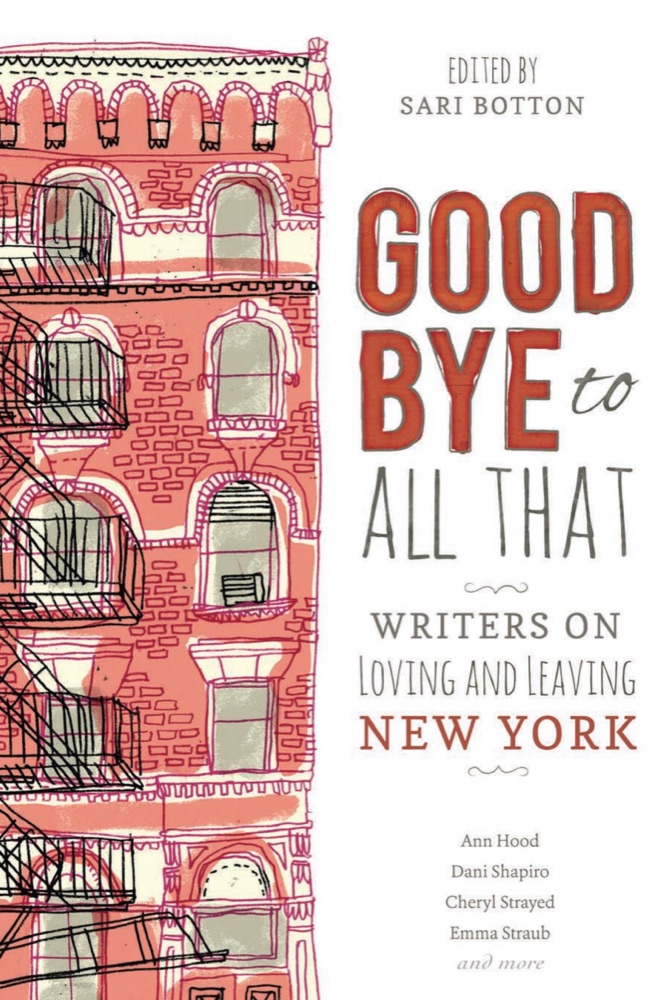
In 1967, Joan Didion wrote an essay called Goodbye to All That , a work of such candid and penetrating prose that it soon became the gold standard for personal essays. Like no other story before it, Didion’s tale of loving and leaving New York captured the mesmerizing allure Manhattan has always had for writers, poets, and wandering spirits.
In this captivating collection, 28 writers take up Didion’s literary legacy by sharing their own New York stories. Their essays often begin as love stories do, with the passion of something newly discovered—the crush of subway crowds, the streets filled with manic energy, and the certainty that this is the only place on Earth where one can become exactly who she is meant to be.
They also share the grief that comes when the metropolis loses its magic and the pressures of New York’s frenetic life wear thin on even the most fervent dwellers. As fr
Book details
- First published
- 2013
- Author
- Sari Botton
- Genre
- Nonfiction
- Goodreads rating
- 3.74 (4k ratings)
Keep reading
Severance
 The Colossus of New York
 I Heart New York
 To Shake the Sleeping Self: A Journey from Oregon to Patagonia, and a Quest for a Life with No Regret
 Flâneuse: Women Walk the City in Paris, New York, Tokyo, Venice and London
 The Good Girl's Guide to Getting Lost: A Memoir of Three Continents, Two Friends, and One Unexpected Adventure
 Open City
 Slouching Towards Bethlehem
 All This Could Be Different
 Sweetbitter
 What We All Long For
 Whereabouts
 Graduates in Wonderland: The International Misadventures of Two (Almost) Adults
 Humans of New York
 Without Reservations: The Travels of an Independent Woman
 The House of Hidden Meanings
 The City We Became
 Close to the Knives: A Memoir of Disintegration
 Anthropology of an American Girl
 Born to Run
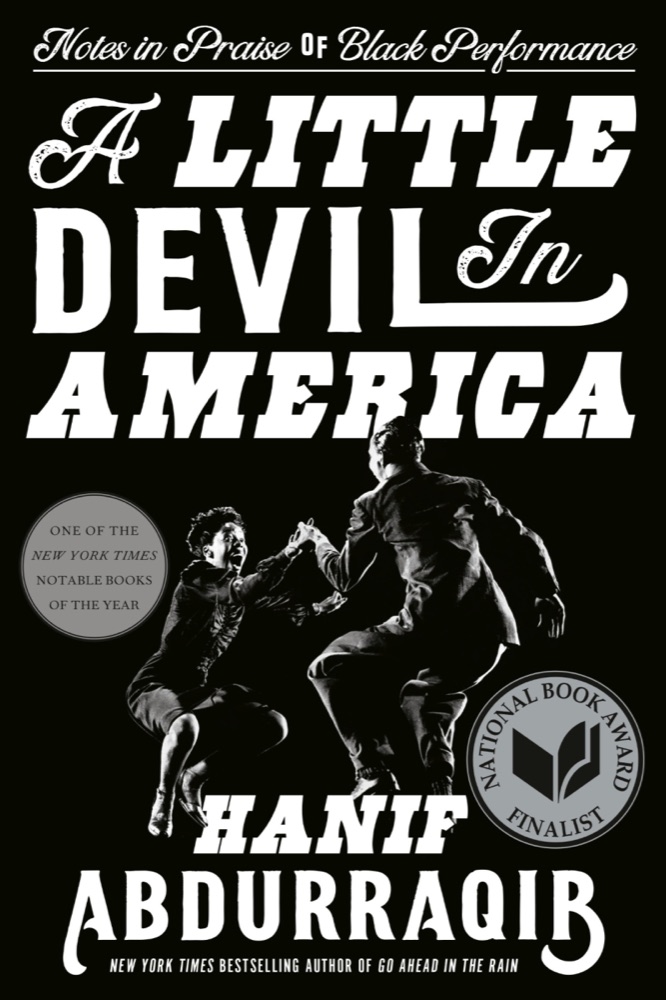 A Little Devil in America: Notes in Praise of Black Performance
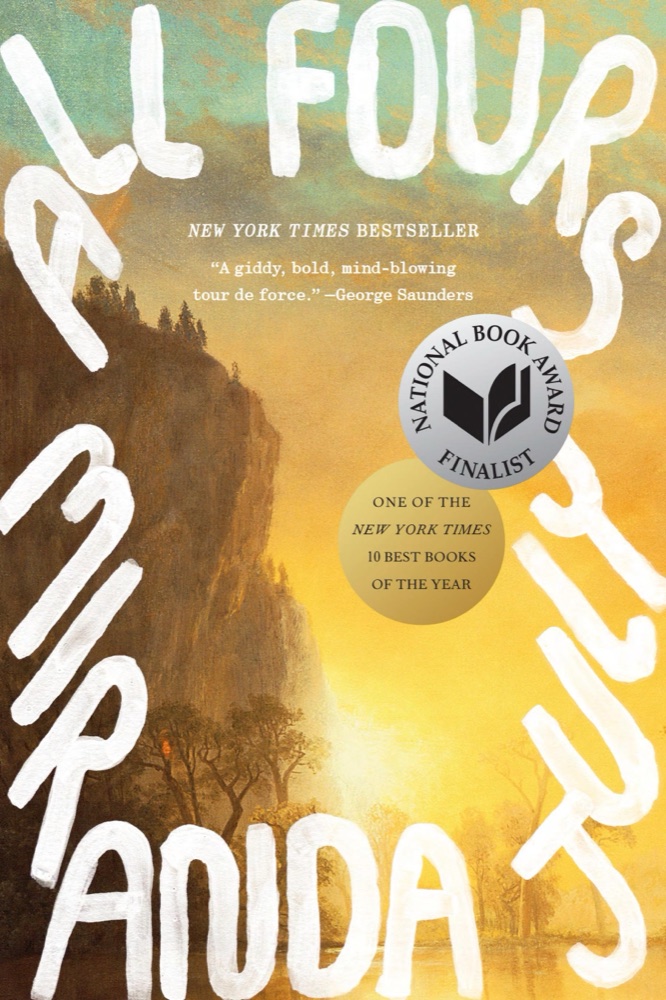 All Fours
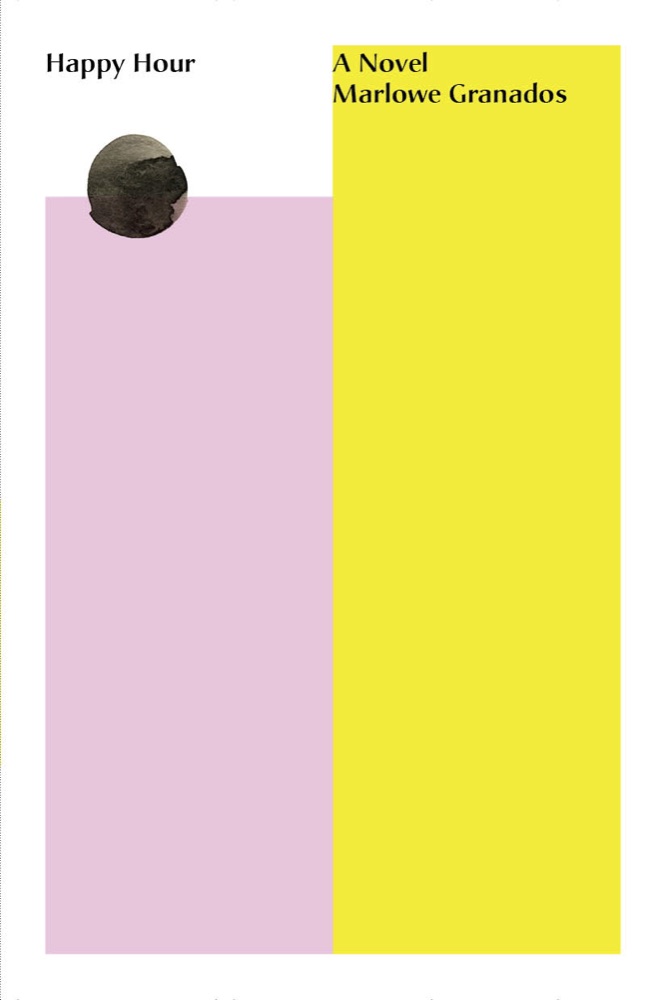 Happy Hour
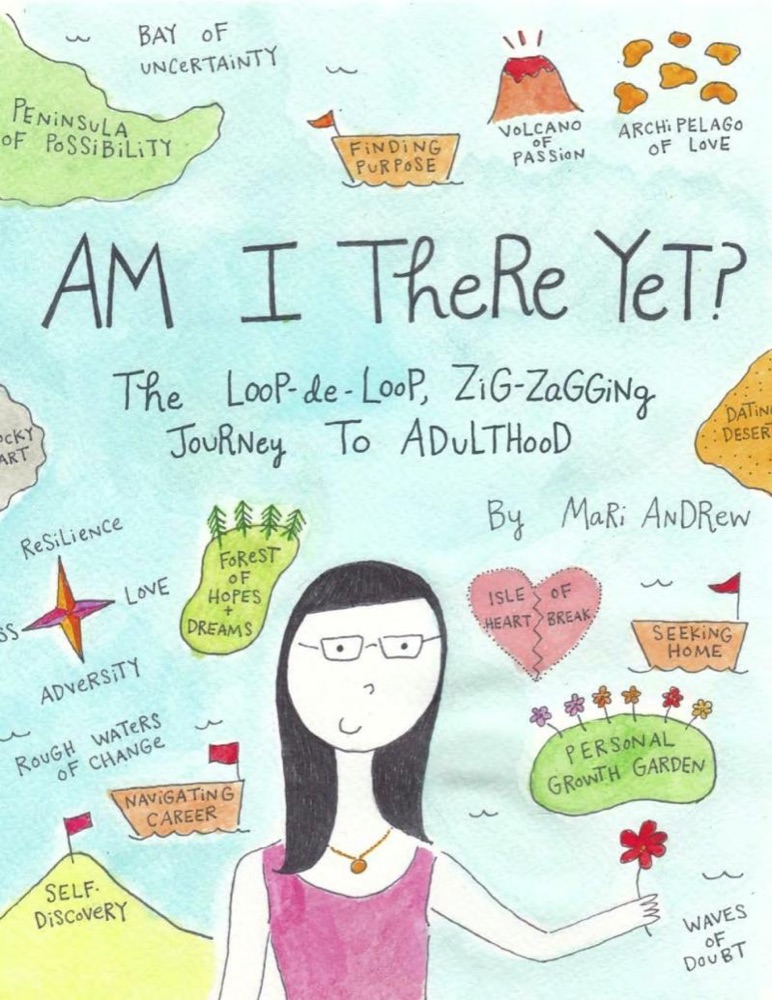 Am I There Yet? The Loop-de-Loop, Zigzagging Journey to Adulthood
 All the Lovers in the Night
 Congratulations, the Best is Over!
 Middlesex
 Just Above My Head
 My Government Means to Kill Me
 Dreams of Falling
 Still Me
 Breaking Night: A Memoir of Forgiveness, Survival, and My Journey from Homeless to Harvard
 They're Going to Love You
 Netherland
 The Buddha of Suburbia
 Little Failure: A Memoir
 We Have Always Been Here: A Queer Muslim Memoir
 The Opposite of Loneliness: Essays and Stories
 I Feel Bad about My Neck: And Other Thoughts on Being a Woman
 A House in the Sky
 Bright Lights, Big City
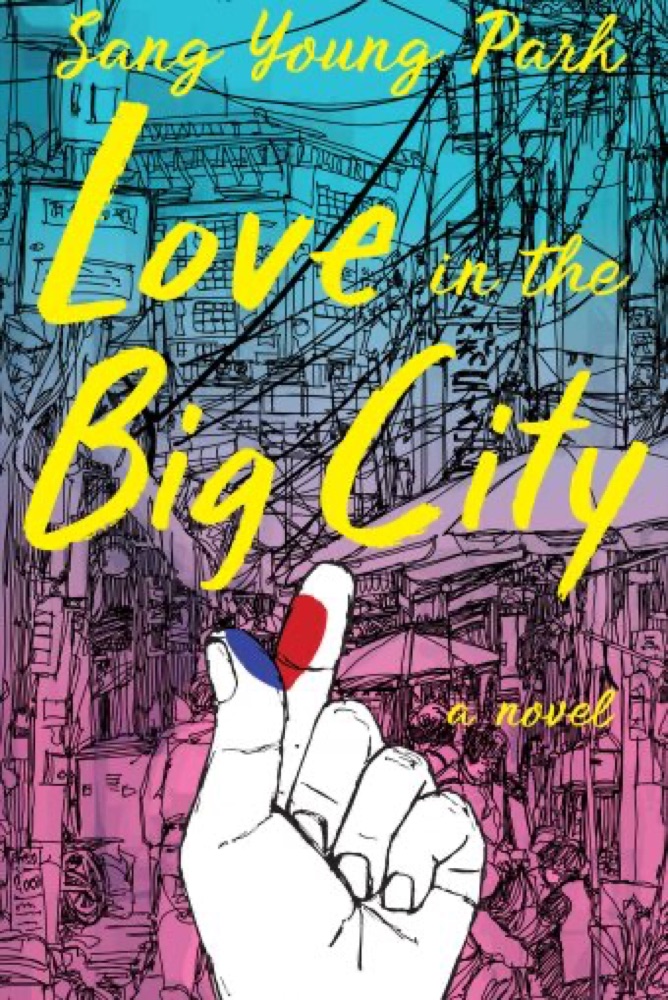 Love in the Big City
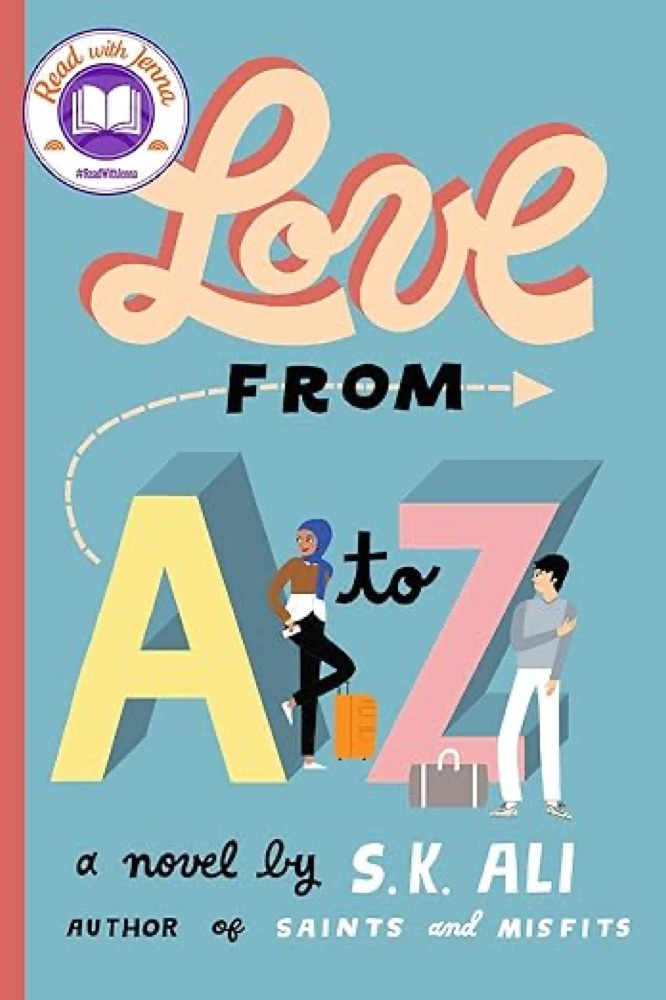 Love from A to Z
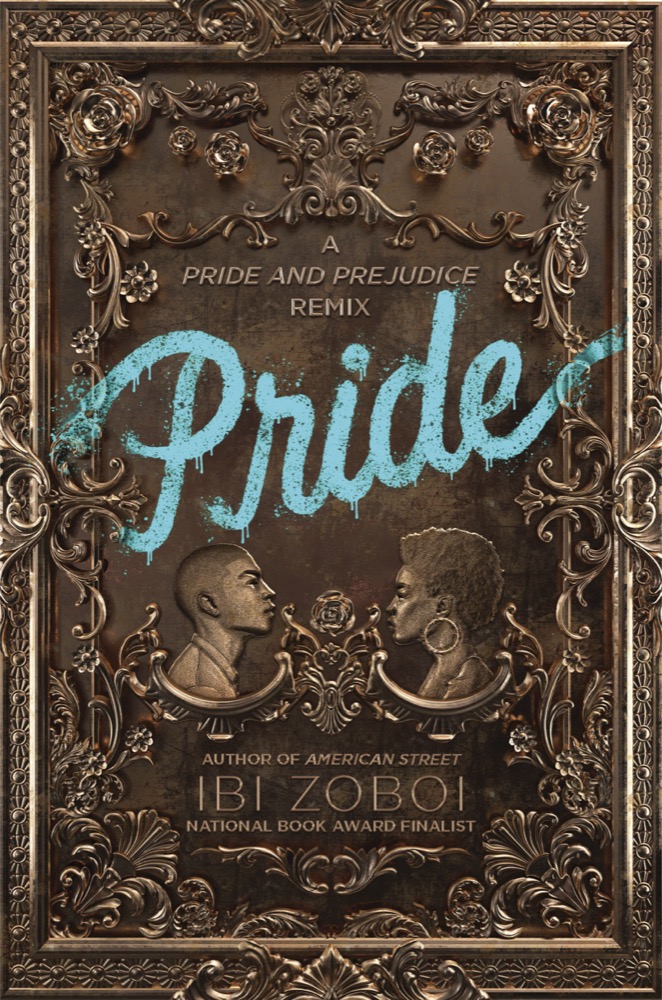 Pride
Pride
 Wanderlust
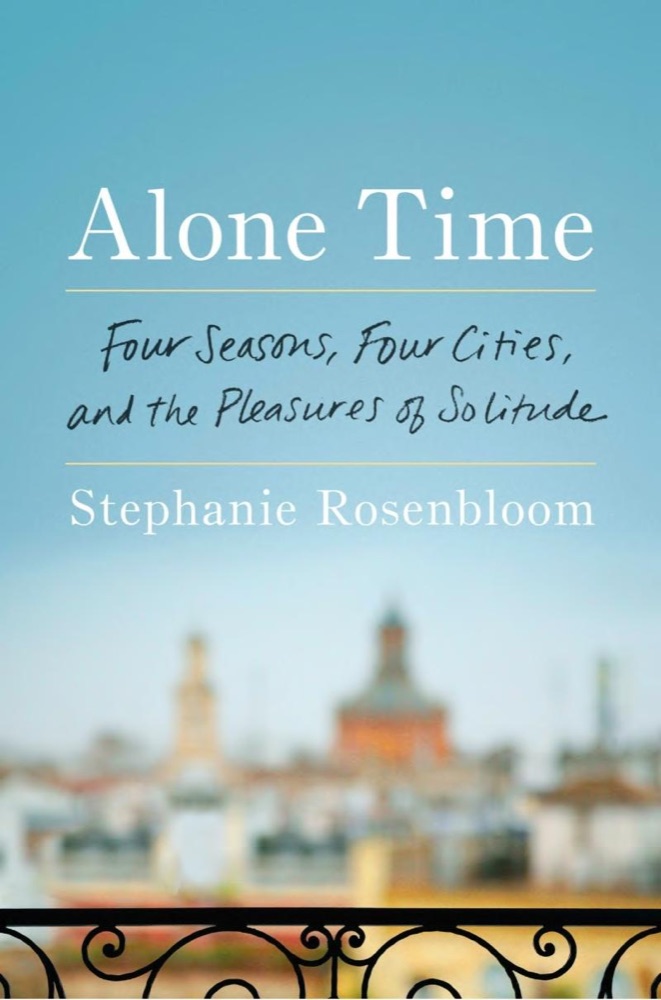 Alone Time: Four Seasons, Four Cities, and the Pleasures of Solitude
 Bittersweet
 One's Company
 Managing Expectations: A Memoir in Essays – A Poignant Collection of Personal Stories on Acting, Failure, and Motherhood's Joy
 To Paradise
 A Home at the End of the World
 The Cloisters
 This Is Where You Belong: The Art and Science of Loving the Place You Live
 Lillian Boxfish Takes a Walk
 At Home in the World: Reflections on Belonging While Wandering the Globe
 The Rachel Incident
 Dream Count
 What I Loved
 Em and The Big Hoom
 The New Couple in 5B