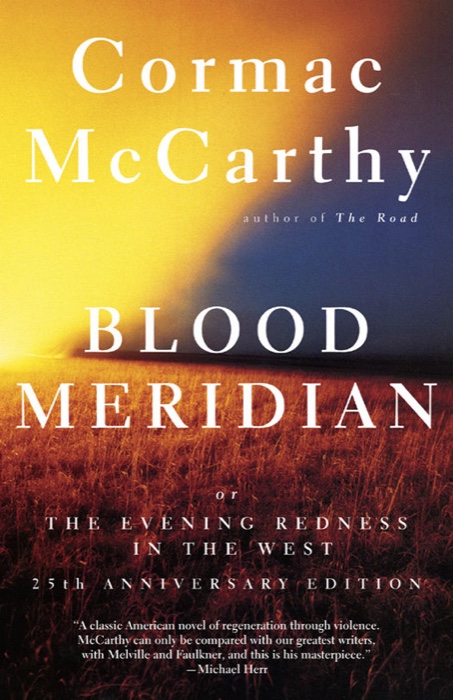
 Blood Meridian: Or the Evening Redness in the West
Quotes from the Book
You forget what you want to remember, and you remember what you want to forget.
Nobody wants to be here and nobody wants to leave.
People were always getting ready for tomorrow. I didn't believe in that. Tomorrow wasn't getting ready for them. It didn't even know they were there.
Once there were brook trout in the streams in the mountains. You could see them standing in the amber current where the white edges of their fins wimpled softly in the flow. They smelled of moss in your hand. Polished and muscular and torsional. On their backs were vermiculate patterns that were maps of the world in its becoming. Maps and mazes. Of a thing which could not be put back. Not be made right again. In the deep glens where they lived all things were older than man and they hummed of mystery.
Just remember that the things you put into your head are there forever, he said. You might want to think about that. You forget some things, dont you? Yes. You forget what you want to remember and you remember what you want to forget.
He walked out in the gray light and stood and he saw for a brief moment the absolute truth of the world. The cold relentless circling of the intestate earth. Darkness implacable. The blind dogs of the sun in their running. The crushing black vacuum of the universe. And somewhere two hunted animals trembling like ground-foxes in their cover. Borrowed time and borrowed world and borrowed eyes with which to sorrow it.
What's the bravest thing you ever did? He spat in the road a bloody phlegm. Getting up this morning, he said.
You have my whole heart. You always did.
If trouble comes when you least expect it then maybe the thing to do is to always expect it.
He knew only that his child was his warrant. He said: If he is not the word of God God never spoke.
You have to carry the fire." I don't know how to." Yes, you do." Is the fire real? The fire?" Yes it is." Where is it? I don't know where it is." Yes you do. It's inside you. It always was there. I can see it.
Borrowed time and borrowed world and borrowed eyes with which to sorrow it.
When you die it's the same as if everybody else did too.
If only my heart were stone.
Listen to me, he said, when your dreams are of some world that never was or some world that never will be, and you're happy again, then you'll have given up. Do you understand? And you can't give up, I won't let you.
Then they set out along the blacktop in the gunmetal light, shuffling through the ash, each the other's world entire.
No lists of things to be done. The day providential to itself. The hour. There is no later. This is later. All things of grace and beauty such that one holds them to one's heart have a common provenance in pain. Their birth in grief and ashes.
If you break little promises, you'll break big ones.
Query: How does the never to be differ from what never was?
What would you do if I died? If you died I would want to die too. So you could be with me? Yes. So I could be with you. Okay.
By day the banished sun circles the earth like a grieving mother with a lamp.
When one has nothing left make ceremonies out of the air and breathe upon them.
The frailty of everything revealed at last. Old and troubling issues resolved into nothingness and night. The last instance of a thing takes the class with it. Turns out the light and is gone. Look around you. Ever is a long time. But the boy knew what he knew. That ever is no time at all.
Perhaps in the world's destruction it would be possible at last to see how it was made. Oceans, mountains. The ponderous counterspectacle of things ceasing to be. The sweeping waste, hydroptic and coldly secular. The silence.
When he went back to the fire he knelt and smoothed her hair as she slept and he said if he were God he would have made the world just so and no different.
How would you know if you were the last man on Earth? He said. I don't guess you would know it. You'd just be it. Nobody would know it. It wouldn't make any difference. When you die it's the same as if everybody else died too.
Did you know?
- The Road won the 2007 Pulitzer Prize for Fiction.
- McCarthy conceived the story during a 2003 visit to El Paso, Texas, with his young son.
- He wrote the novel in about six weeks while staying in Ireland.
- The book is dedicated to his son, John Francis McCarthy.
- It ranked #13 on The New York Times' list of the 100 Best Books of the 21st Century in 2024.
- A graphic novel adaptation illustrated by Manu Larcenet was published in 2024.
About Cormac McCarthy
Cormac McCarthy (1933-2023) was an American novelist and playwright known for his violent, spare, and philosophically searching fiction, including Blood Meridian, All the Pretty Horses, and No Country for Old Men.
More about the author →More by Cormac McCarthy
Blood Meridian: Or the Evening Redness in the West
 Blood Meridian, or the Evening Redness in the West
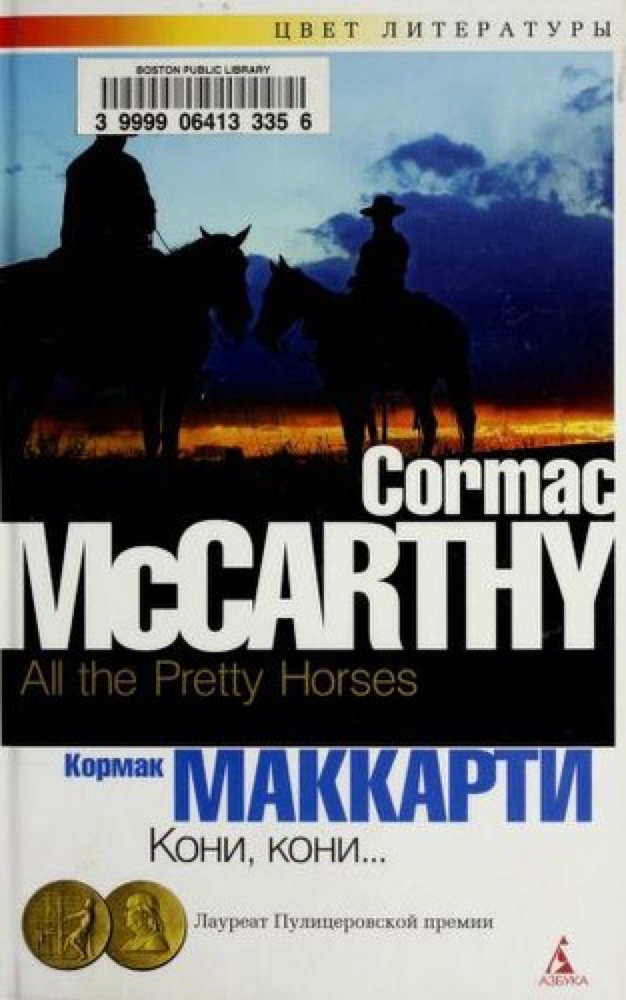 All the Pretty Horses
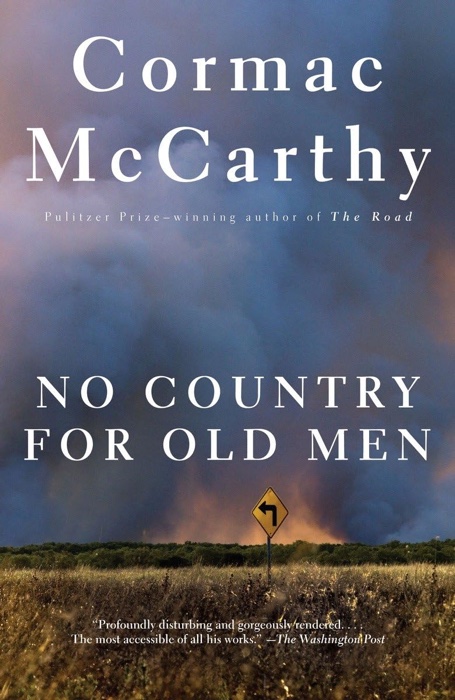 No Country for Old Men
About the book
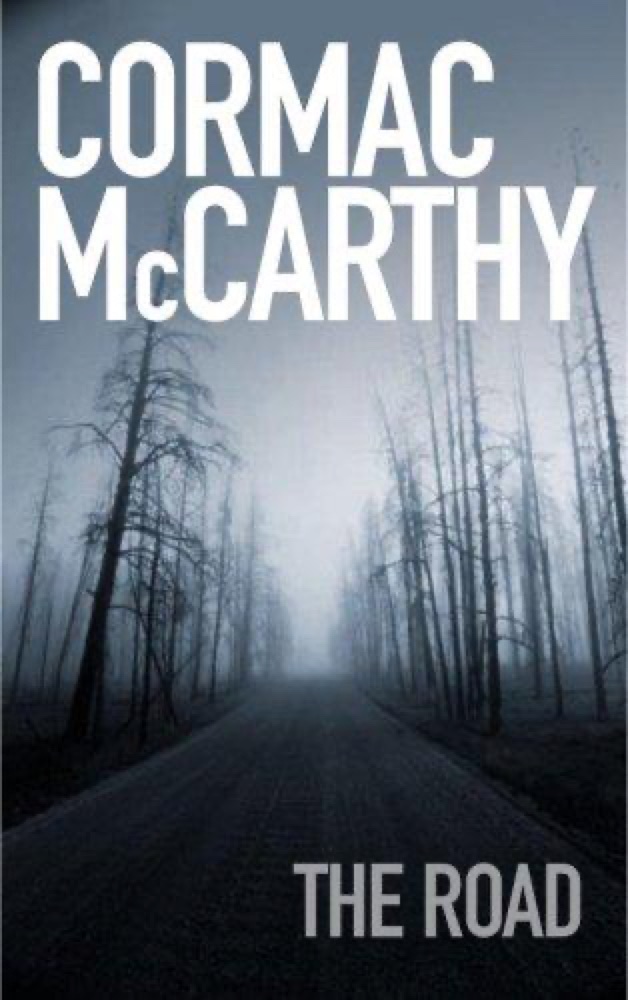
The Road is Cormac McCarthy's 2006 post-apocalyptic novel following an unnamed father and his young son as they journey south across an ash-covered, devastated America in the wake of an unspecified extinction event. Pushing a shopping cart of meager supplies along ruined roads, the two struggle to survive cold, starvation, and the ever-present threat of roving bands of cannibals, clinging to their belief that they are among the last of the 'good guys' who 'carry the fire.'
At its heart the book is a spare meditation on love, survival, and moral endurance in a world stripped of civilization. McCarthy renders the boy's mother, who died by suicide after his birth, and the father's ferocious devotion to his son as the last anchors of meaning; the father's fading health shadows the journey, and the novel weighs how one keeps a child both alive and human when the world offers little reason for hope.
Written in McCarthy's stark, largely unpunctuated prose and dedicated to his own young son, The Road won the 2007 Pulitzer Prize for Fiction and the James Tait Black Memorial Prize. Widely regarded as one of the most acclaimed novels of the early twenty-first century, it was adapted into a 2009 film and remains a defining work of contemporary apocalyptic literature.
Key characters
- The Father (the man)Unnamed protagonist determined to keep his son alive and 'carrying the fire'
- The Son (the boy)The father's young son, born after the catastrophe, moral center of the story
- The MotherThe boy's mother, who died by suicide after his birth
- The Veteran (the stranger)A man who finds the boy at the end, claiming to be 'one of the good guys'
Book details
- First published
- 2006
- Length
- 287 pages
- Reading time
- 5 hours
- Author
- Cormac McCarthy
- Genre
- Fiction
- Goodreads rating
- 4.00 (1.1M ratings) →
- First line
- “When he woke in the woods in the dark and the cold of the night he'd reach out to touch the child sleeping beside him.”
Movie & TV adaptations
- IMDb
- IMDb
If you liked this, read…
- 1Blood MeridianAnother McCarthy novel exploring violence and survival in a harsh landscape
- 2Station ElevenA literary post-apocalyptic novel about survival and holding onto humanity
- 3No Country for Old MenMcCarthy's spare, morally charged prose in a violent modern setting
Keep reading
 The Graveyard Book
 House of Leaves
 The Passage
 Doctor Sleep
 Requiem
 Wayward
 Dust
Dust
 All the King's Men
 Fool's Errand
 Cold Mountain
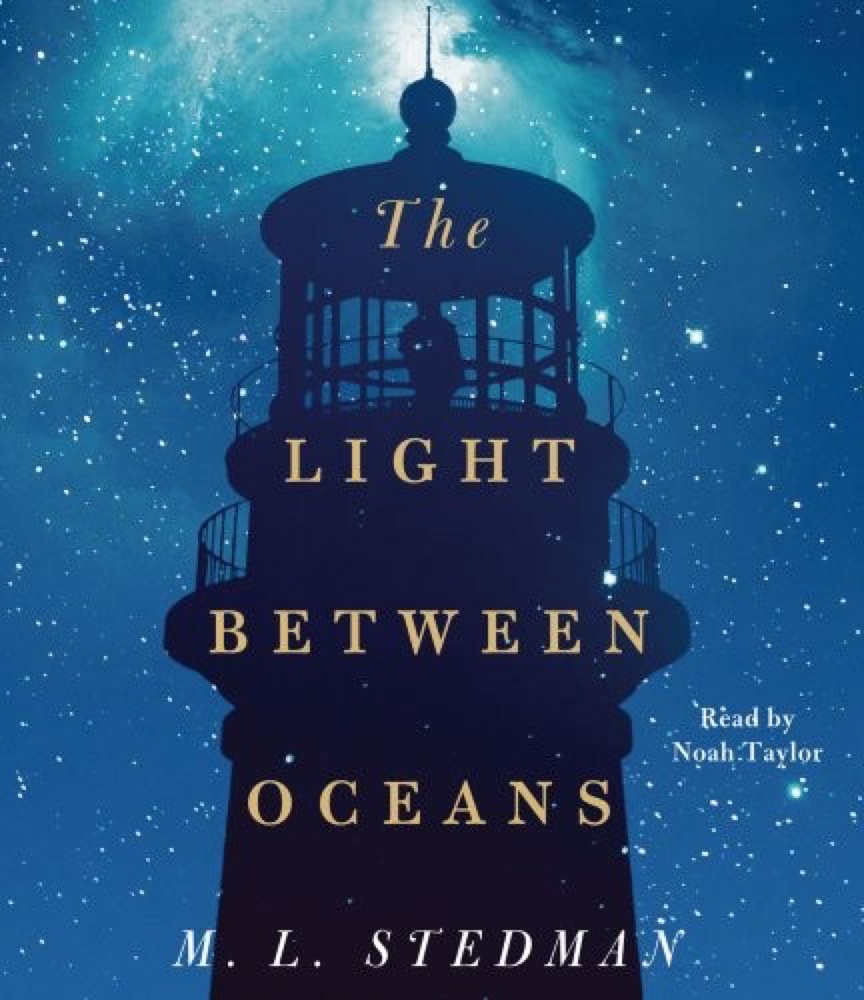 The Light Between Oceans
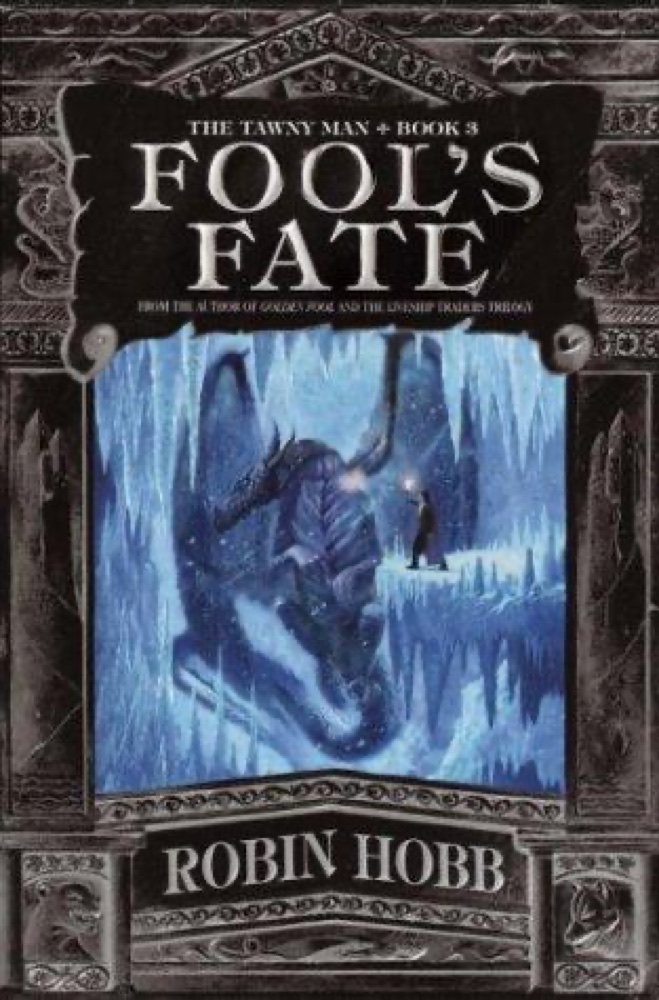 Fool's Fate
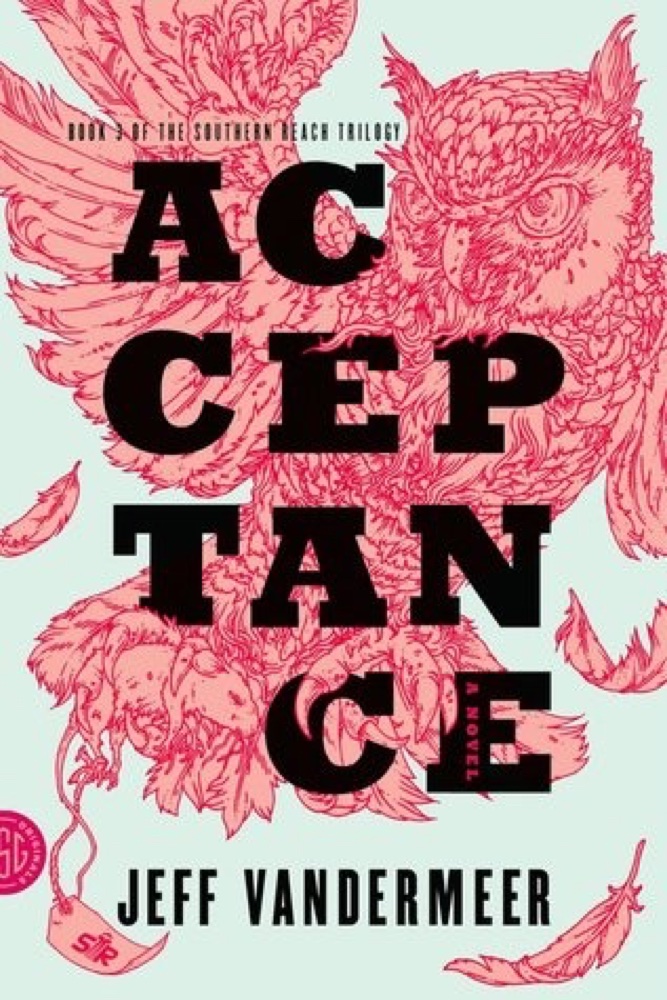 Acceptance
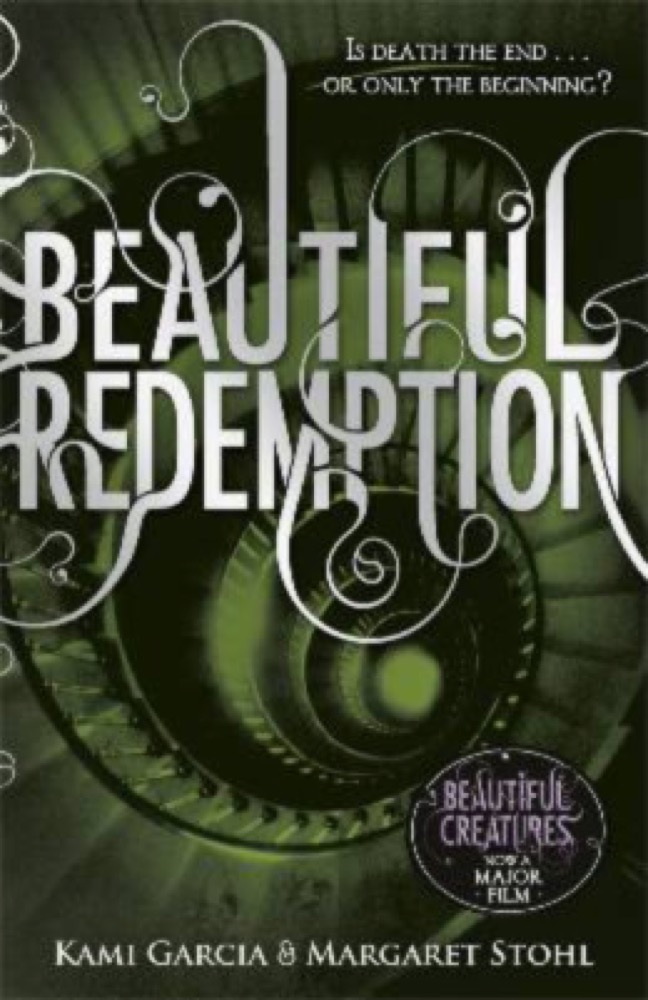 Beautiful Redemption
 Light in August
 The Illustrated Man
 Here on Earth
 1Q84
1Q84
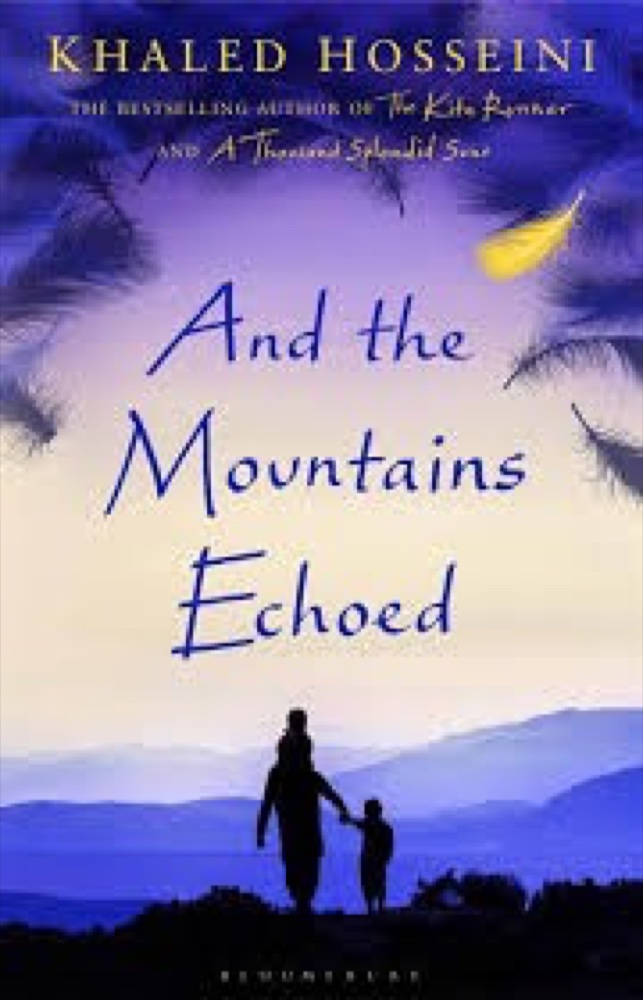 And the Mountains Echoed
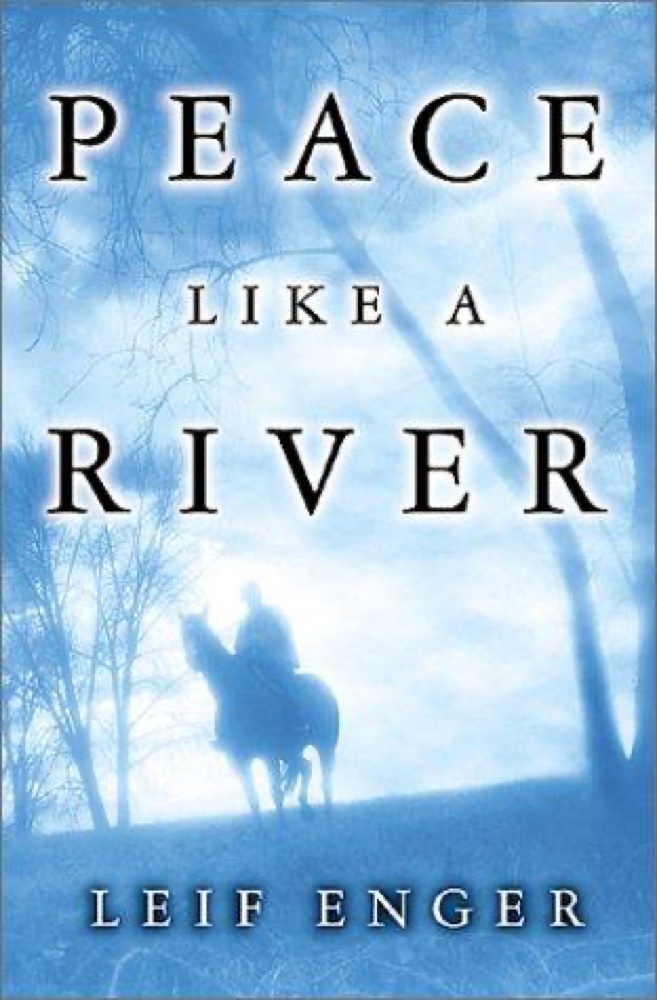 Peace Like a River
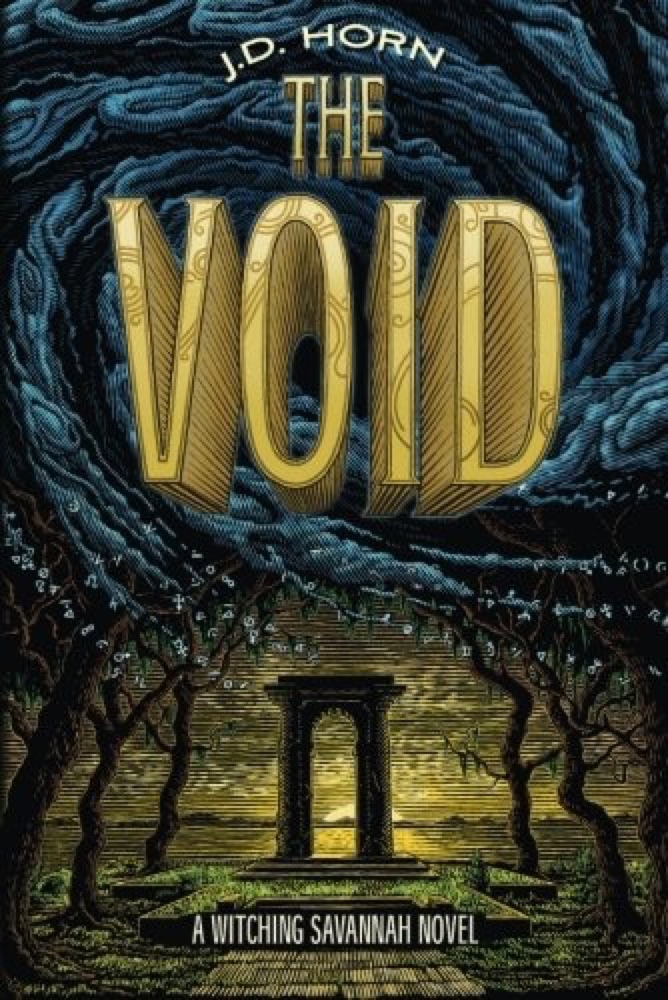 The Void
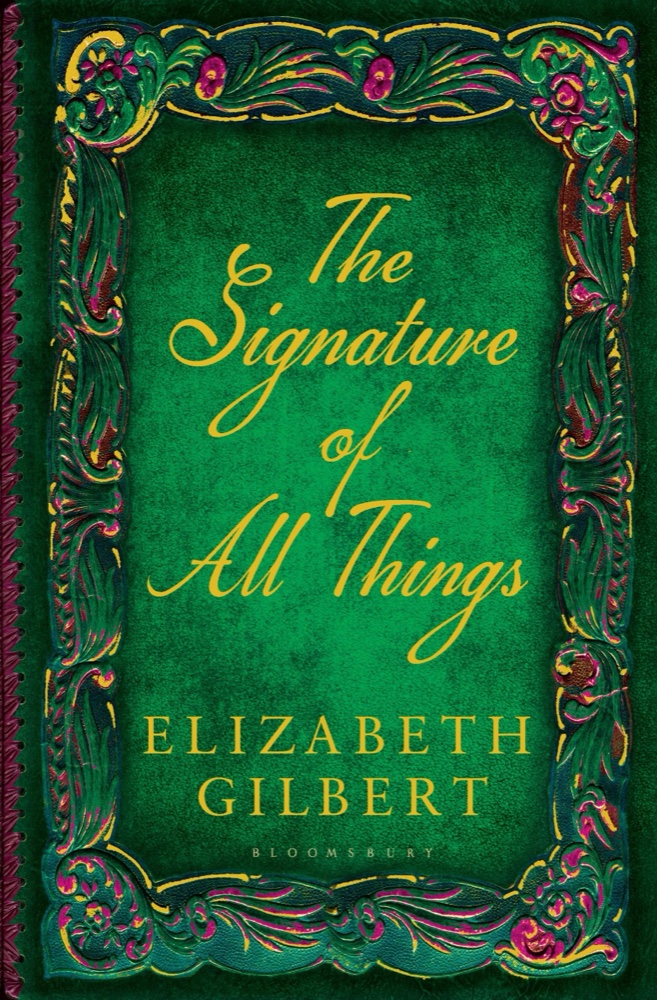 The Signature of All Things
 The Narrow Road to the Deep North
 S.
S.
 Pandemonium
 All the Light We Cannot See
 Weaveworld
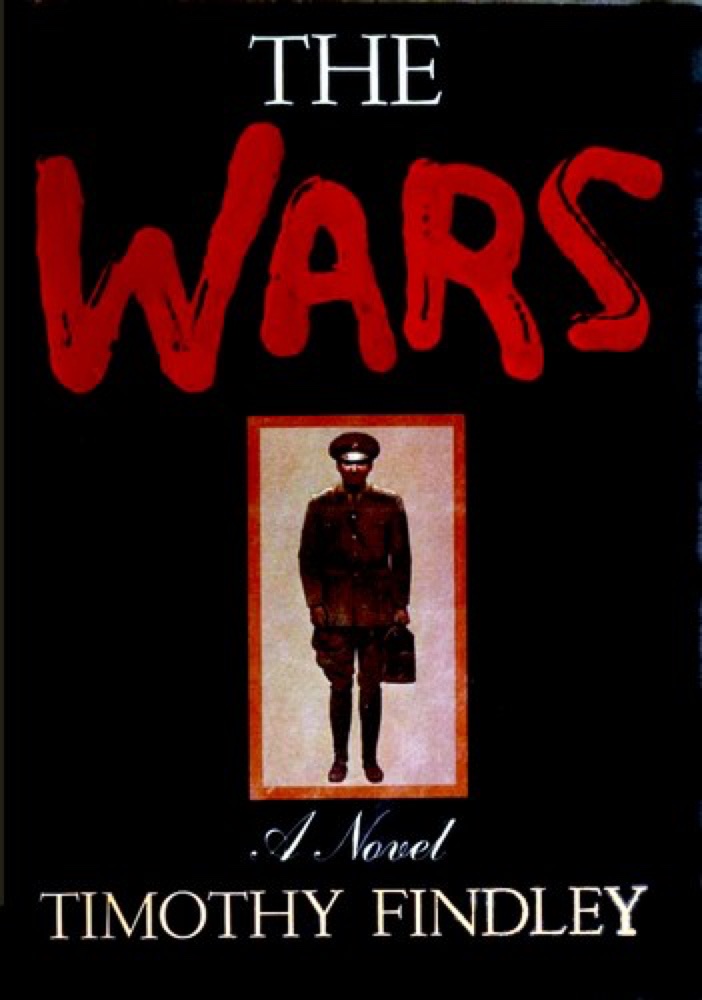 The Wars
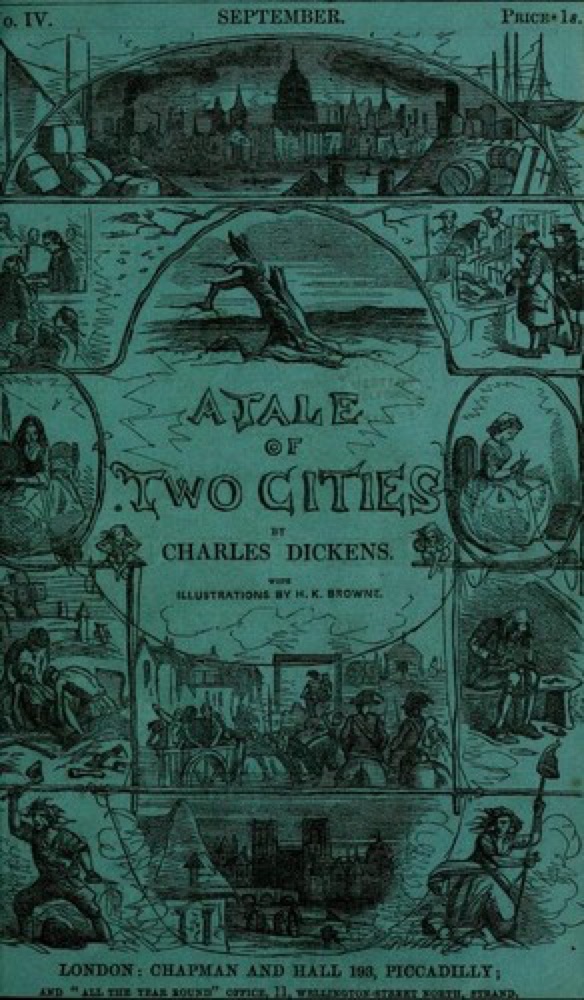 A Tale of Two Cities
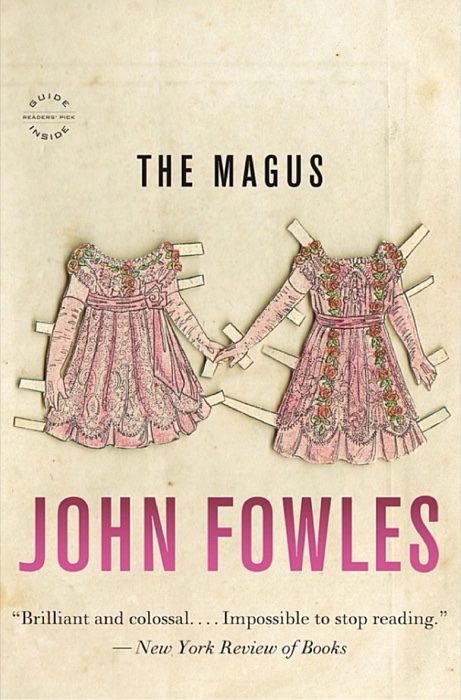 The Magus
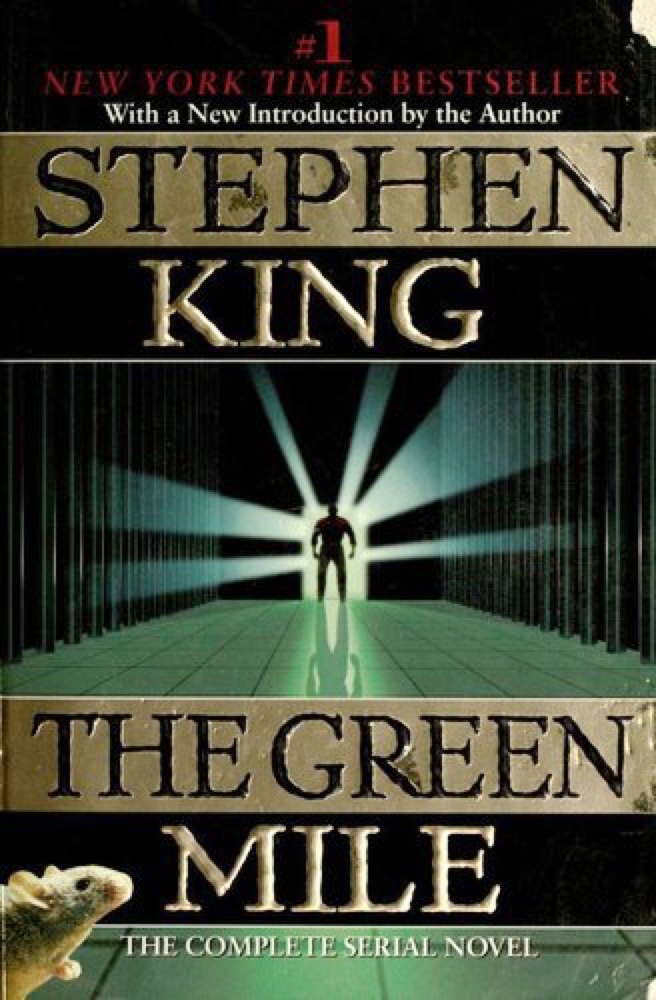 The Green Mile
 Cities of the Plain
 Wizard and Glass
 The Black Obelisk
 Before Ever After
 Fragments
 After the Quake
 The Dog Stars
 Little Bee
 The Dead-Tossed Waves
 Night Sky with Exit Wounds
 Light Years
 Under the Whispering Door
 The Wake
 Crossed
 Hard-Boiled Wonderland and the End of the World
 Absalom, Absalom!
 Lighthousekeeping
 The Crossing
 Station Eleven
 For Whom the Bell Tolls
 The Dark and Hollow Places
 What Matters Most is How Well You Walk Through the Fire
 Something Wicked This Way Comes
 Beautiful Chaos
 The Mime Order
 A Death in the Family
 The Lazarus Project
 Housekeeping
 The Tent