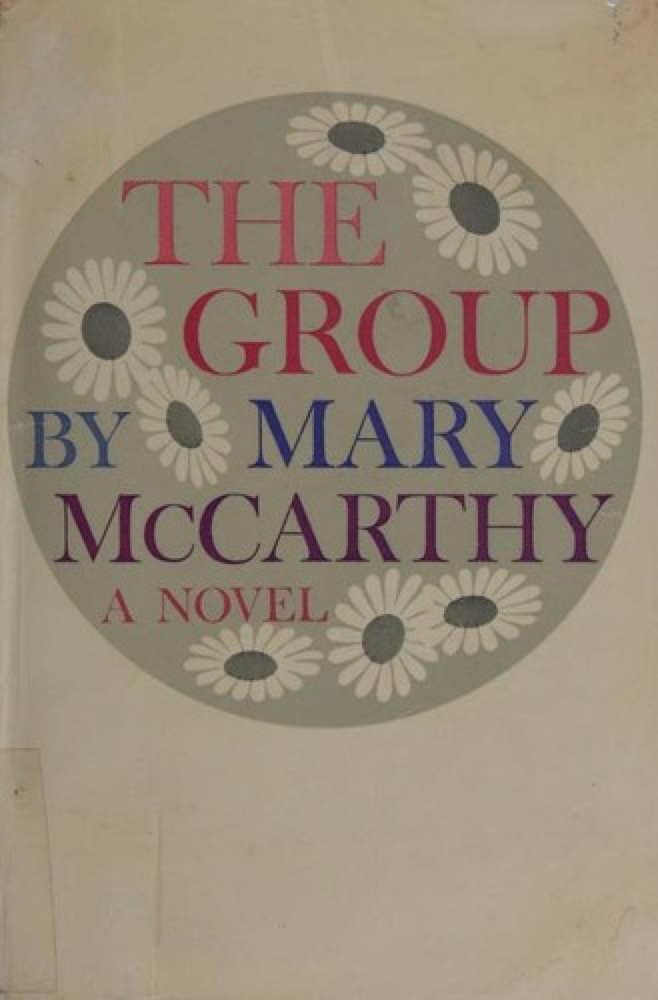

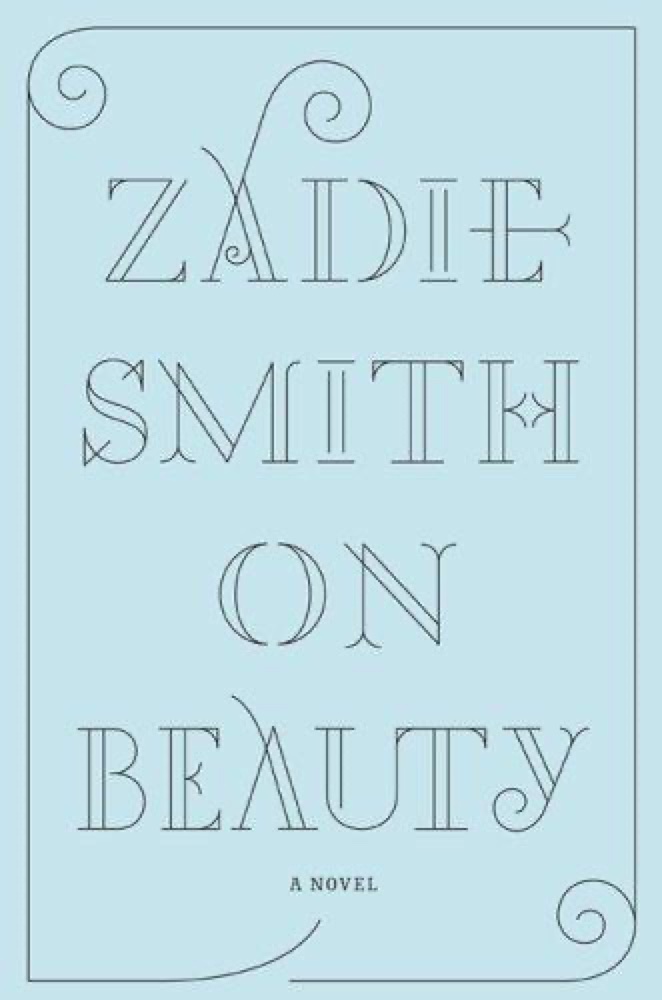
 On Beauty
Quotes from the Book
One of the big features of living alone was that you could talk to yourself all you wanted and address imaginary audiences, running the gamut of emotion.
If [she] had come to prefer the company of odd ducks, it was possibly because they had no conception of oddity, or rather, they thought you were odd if you weren't.
I understand what you are feeling,” he said. “As Socrates showed, love cannot be anything else but the love of the good. But to find the good is very rare. That is why love is rare, in spite of what people think. It happens to one in a thousand, and to that one it is a revelation. No wonder he cannot communicate with the other nine hundred and ninety-nine.
Love had done this to her, for the second time. Love was bad for her. There must be certain people who were allergic to love, and she was one of them. Not only was it bad for her; it made her bad; it poisoned her. Before she knew him, not only had she been far, far happier but she had been nicer. Loving him was turning her into an awful person, a person she hated.
You mustn’t force sex to do the work of love or love to do the work of sex—that’s quite a thought, isn’t it?
She decided she wanted a cool, starchy independent life, with ruffles of humor like window curtains.
He was a thoroughly bad hat, then, but that was the kind, of course, that nice women broke their hearts over.
He would have been far more attractive to her if she could have trusted him. You could not love a man who was always playing hide-and-seek with you; that was the lesson she had learned.
All I knew that night was that I believed in something and couldn’t express it, while your team believed in nothing but knew how to say it—in other men’s words.
Elinor was always firmly convinced of other people’s hypocrisy since she could not believe that they noticed less than she did.
It came to her that he was going to leave without making love to her. This would mean they had made love for the last time this morning. But that did not count: this morning they did not know it was for the last time. When the door shut behind him, she still could not believe it. "It can't end like this," she said to herself over and over, drumming with her knuckles on her mouth to keep from screaming.
I mean exactly that,” Mr. Davison retorted. “You’ve hit the nail smack on the head. We pay a price for having money. People in my position”—he turned to Kay—“have ‘privilege.’ That’s what I read in the Nation and the New Republic.” Mrs. Davison nodded. “Good,” said Mr. Davison. “Now listen. The fellow who’s got privilege gives up some rights or ought to.
The group was not afraid of being radical either; they could see the good Roosevelt was doing, despite what Mother and Dad said; they were not taken in by party labels and thought the Democrats should be given a chance to show what they had up their sleeve.
It was the cocktail hour in Priss’s room at New York Hospital—terribly gay.
But this poor chap is a dangerous neurotic.” Polly laughed. “So you saw that, Father. I never could. He always seemed so normal.” “It’s the same thing,” said her father, putting the groceries away. “All neurotics are petty bourgeois. And vice versa. Madness is too revolutionary for them. They can’t go the whole hog. We madmen are the aristocrats of mental illness. You could never marry that fellow, my dear.
You have to live without love, learn not to need it in order to live with it.
Watch on YouTube
About Mary McCarthy
We have collected 16 quotes from 1 book by Mary McCarthy on BookQuoters.
More about the author →Book details
- Author
- Mary McCarthy
- Genre
- Classics
- Goodreads rating
- 3.68 (18k ratings) →
Keep reading
On Beauty
 The Love Affairs of Nathaniel P.
 Laughable Loves
 The Marriage Plot
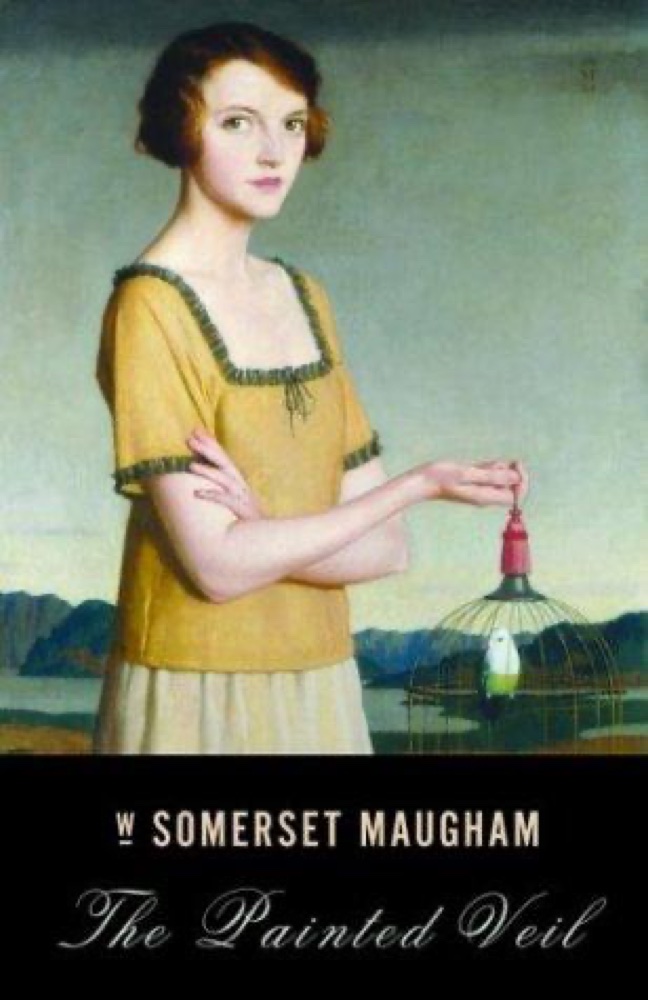 The Painted Veil
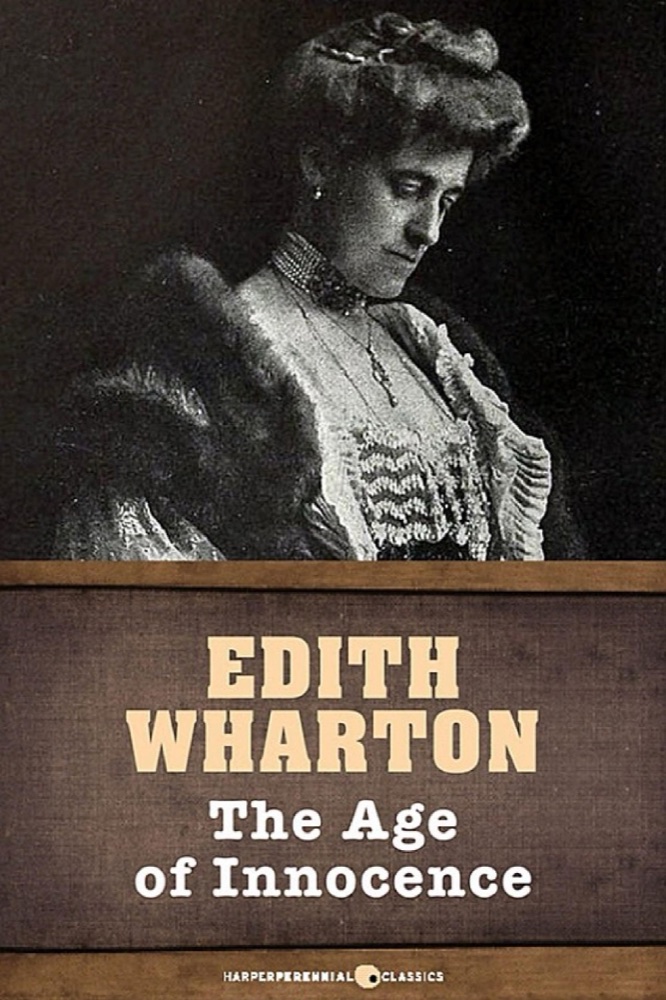 The Age of Innocence
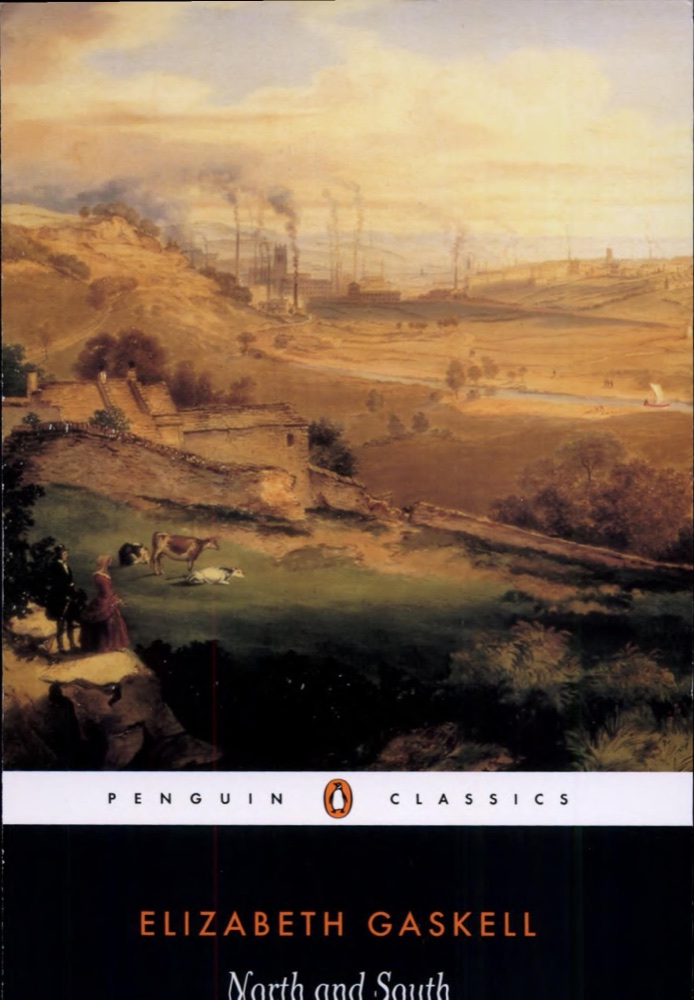 North and South
 Hateship, Friendship, Courtship, Loveship, Marriage: Stories
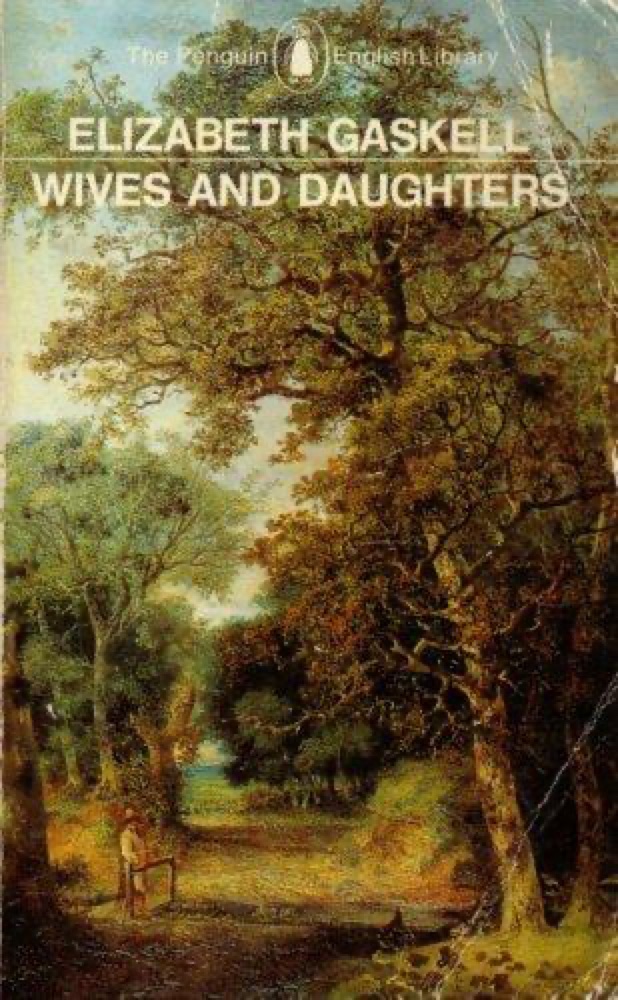 Wives and Daughters
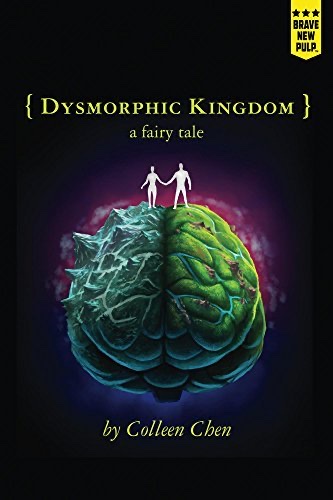 Dysmorphic Kingdom
 Far from the Madding Crowd
 Freedom
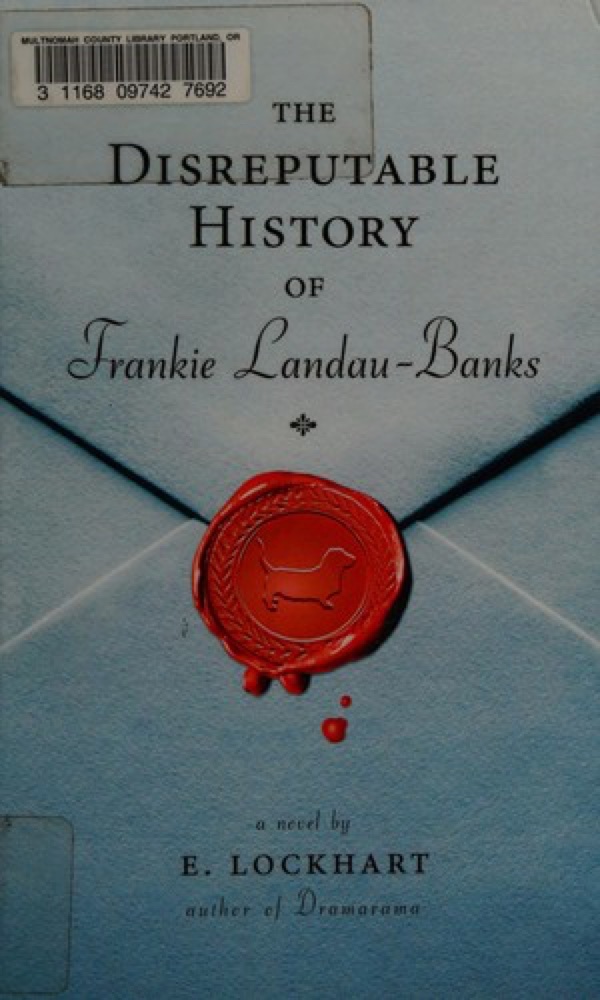 The Disreputable History of Frankie Landau-Banks
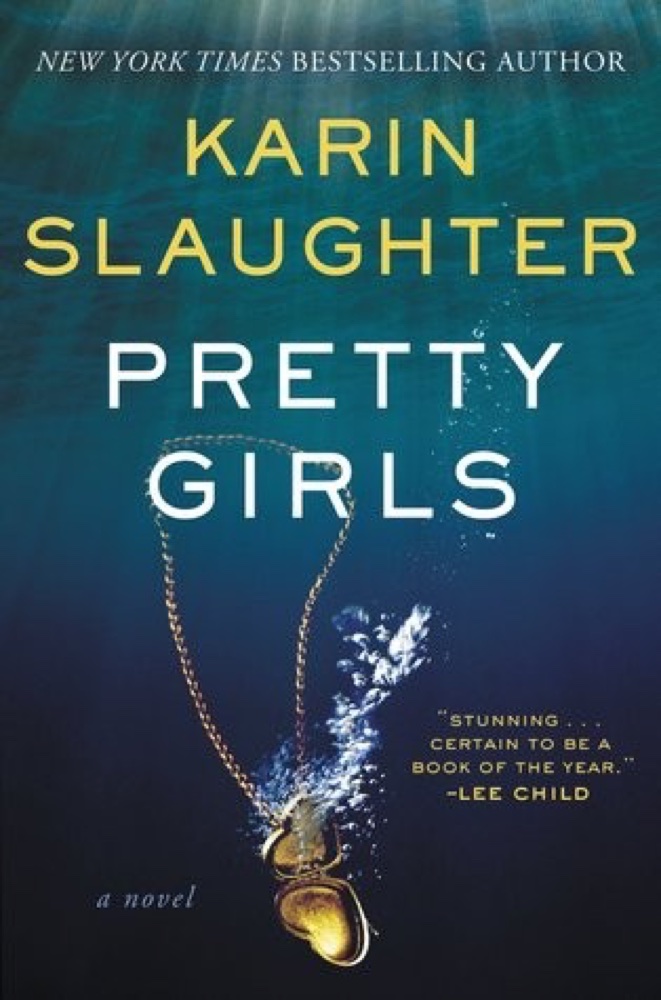 Pretty Girls
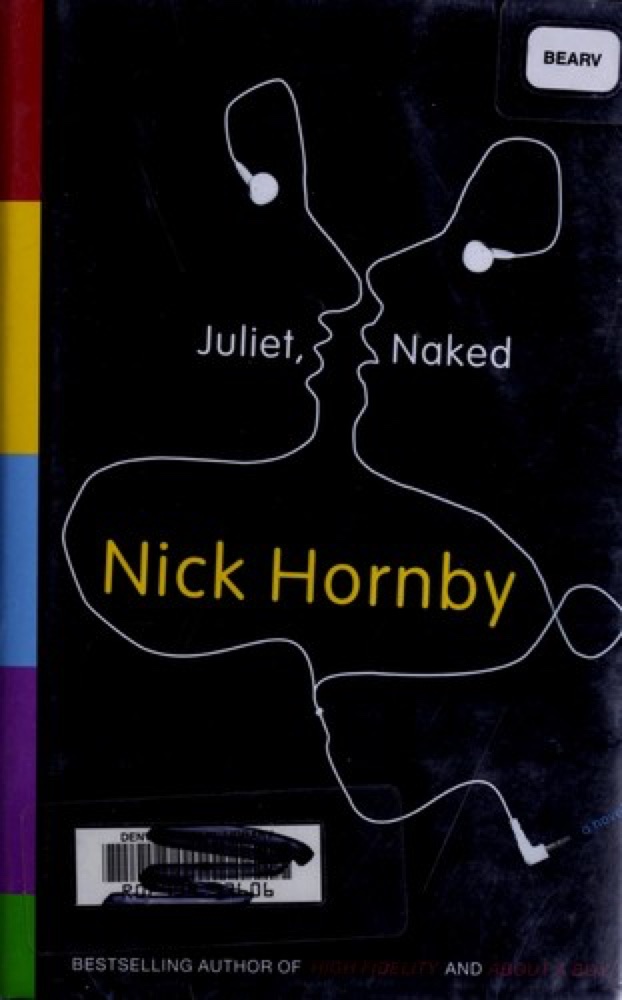 Juliet, Naked
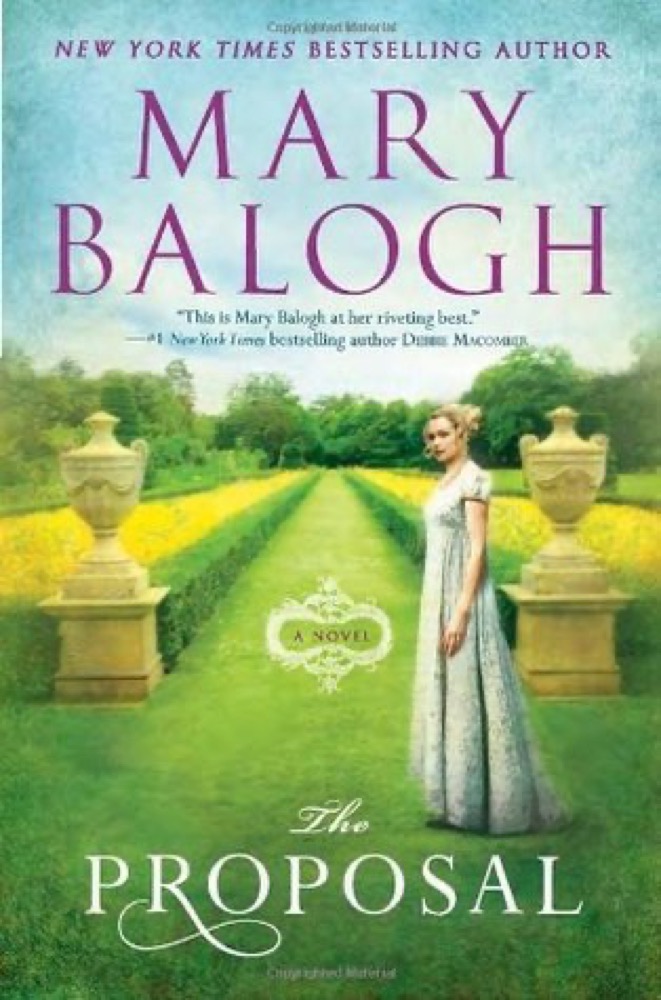 The Proposal
 The Transit of Venus
 Ravelstein
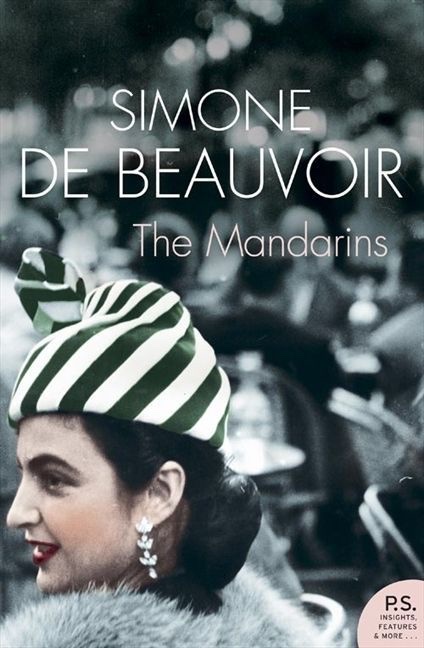 The Mandarins
 The Post-Birthday World
 Mr. Fox
 Like Life: Stories
 The Story of a New Name
 The First Bad Man
 Gaudy Night
 Of Human Bondage
 Women in Love
 Wicked Becomes You
 The Nest
 Women
Women
 Brief Interviews with Hideous Men
 The Sleepwalker's Guide to Dancing
 Jude the Obscure
 The House of Mirth
 Her Fearful Symmetry
 The Husband's Secret
 The Corrections
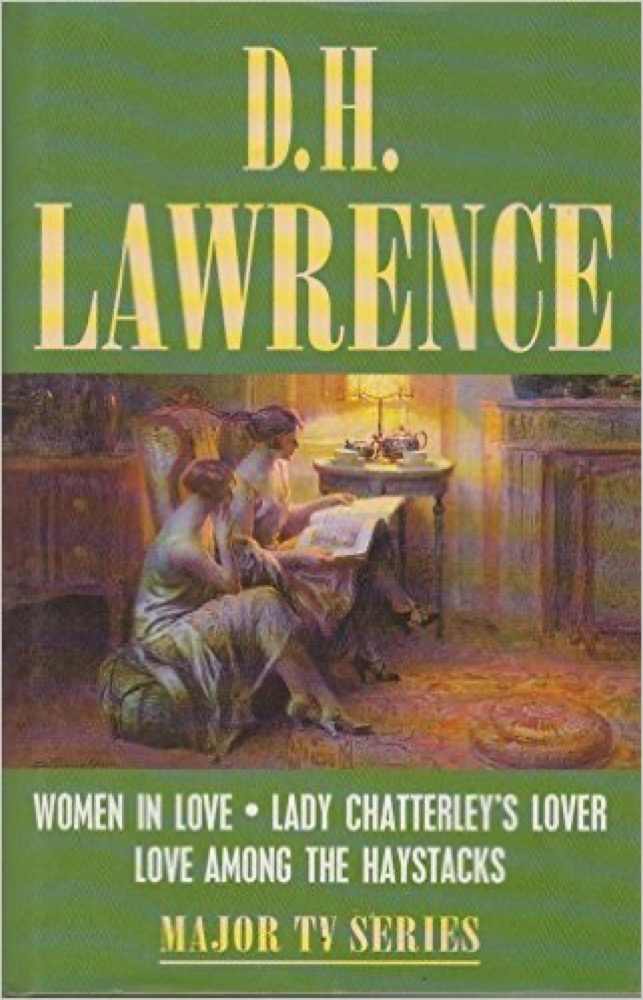 Lady Chatterley's Lover
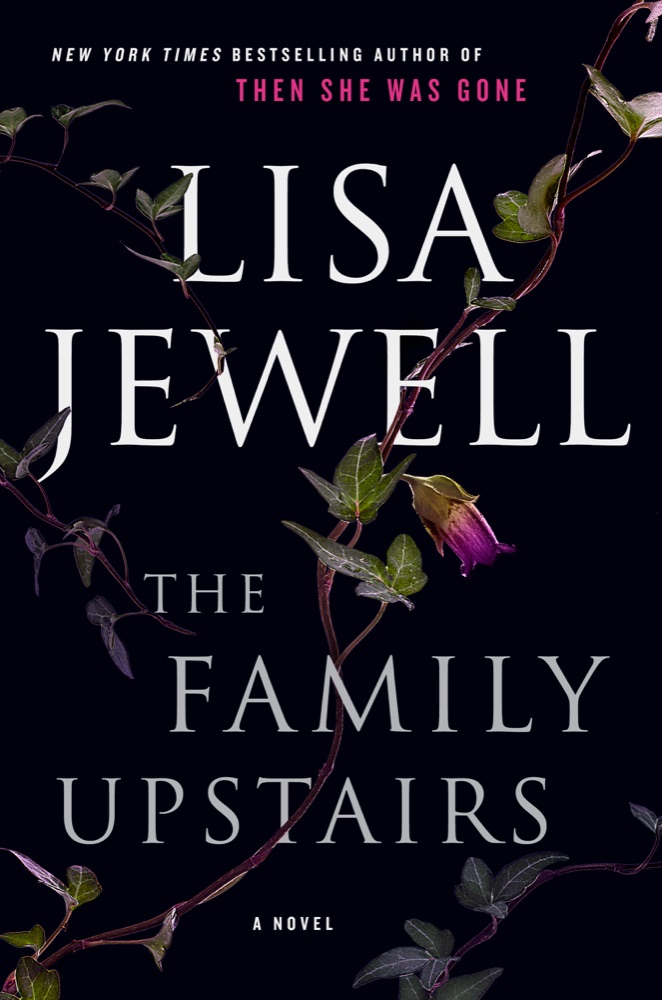 The Family Upstairs
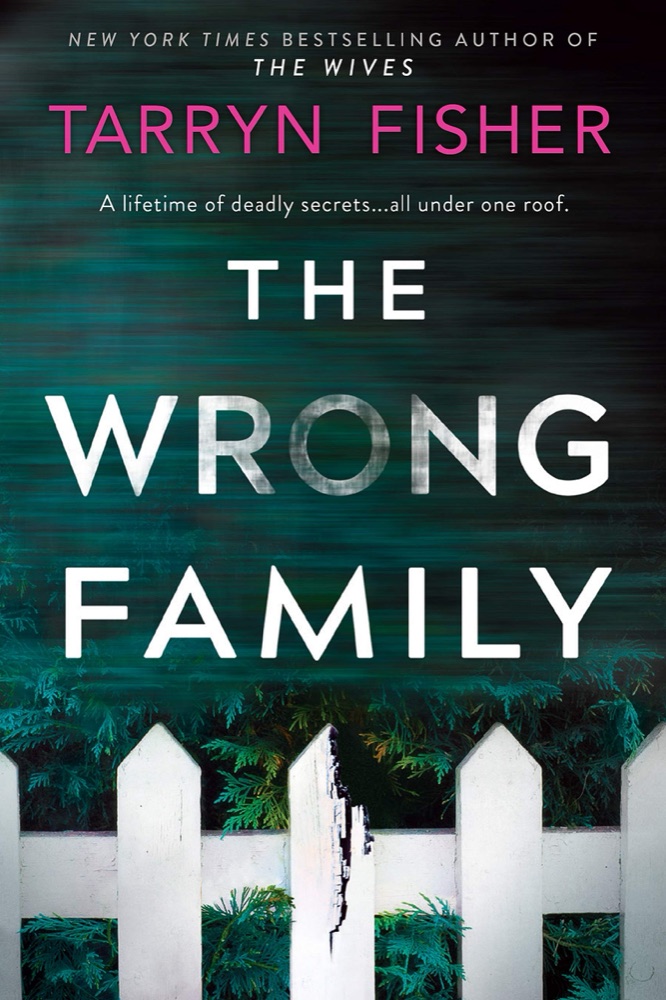 The Wrong Family
 Bel Canto
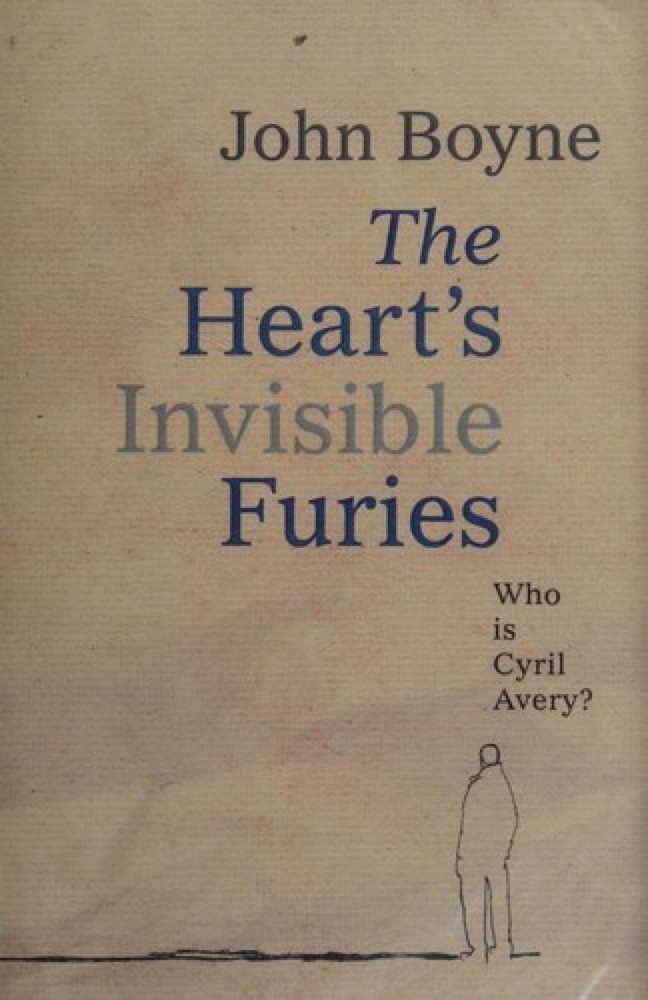 The Heart's Invisible Furies
 The Peach Keeper
 A Reliable Wife
 Mislaid
 A Widow for One Year
 The Enchanted April
 Those Who Leave and Those Who Stay
 Too Much Happiness: Stories
 Trust: Betrayed
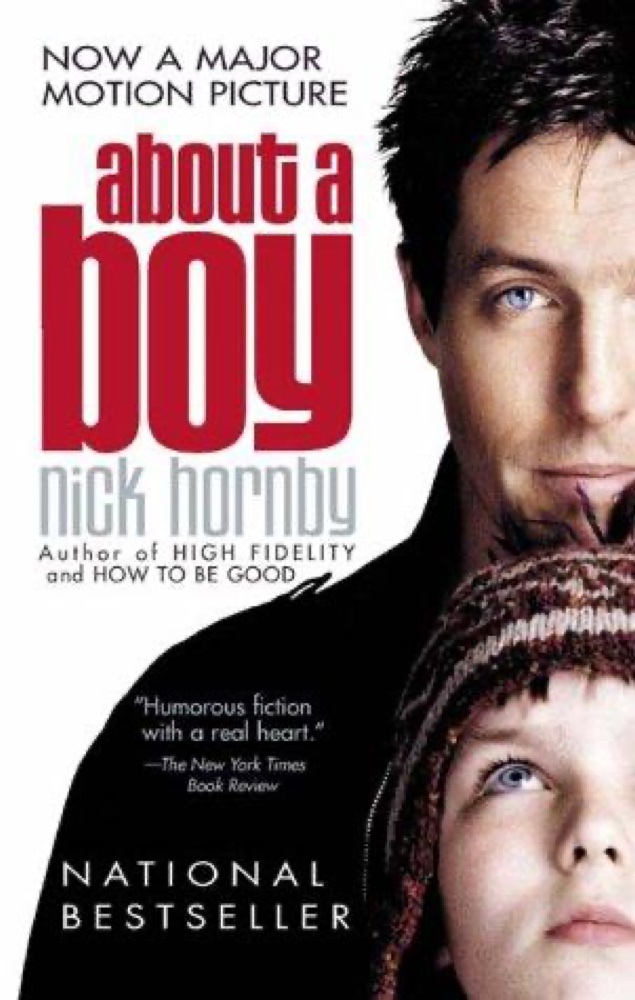 About a Boy
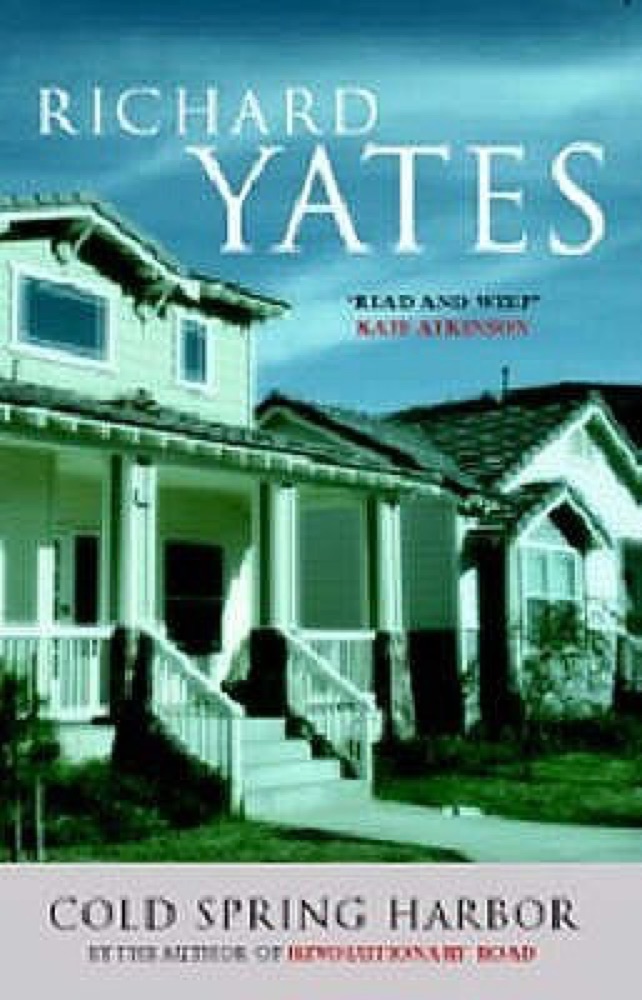 Cold Spring Harbor
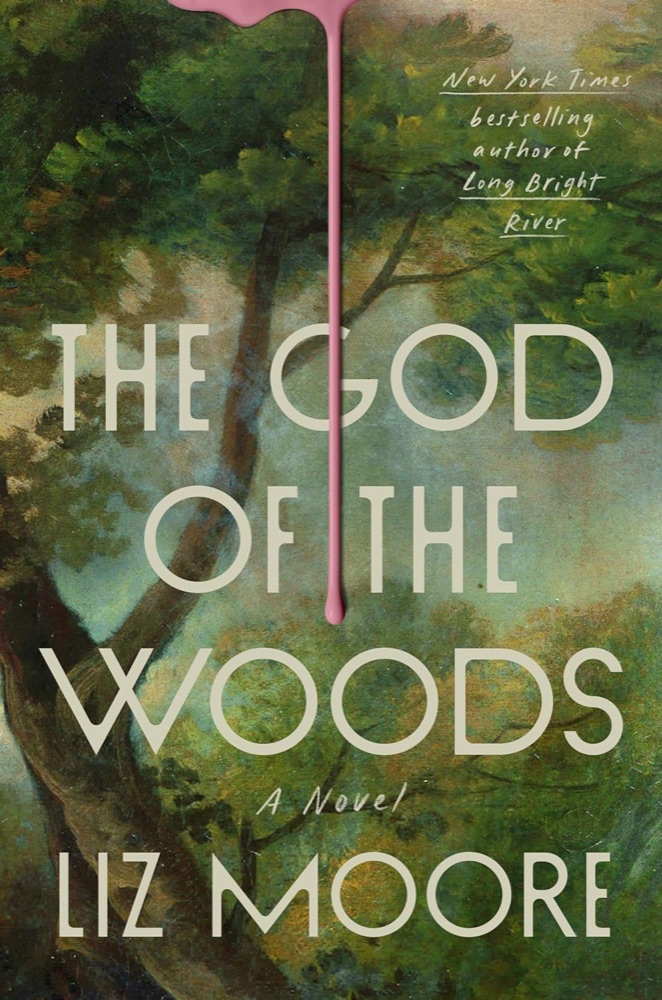 The God of the Woods
 Sons and Lovers
 Revolutionary Road
 Giovanni's Room
 Lethal White
 The Moon and Sixpence
 Empire Falls
 The Viscount Who Loved Me