
 Sweet Thursday
Quotes from the Book
Maybe ever’body in the whole damn world is scared of each other.
I got you to look after me, and you got me to look after you, and that's why.
As happens sometimes, a moment settled and hovered and remained for much more than a moment. And sound stopped and movement stopped for much, much more than a moment.
A guy needs somebody―to be near him. A guy goes nuts if he ain't got nobody. Don't make no difference who the guy is, long's he's with you. I tell ya, I tell ya a guy gets too lonely an' he gets sick.
Guy don't need no sense to be a nice fella. Seems to me sometimes it jus' works the other way around. Take a real smart guy and he ain't hardly ever a nice fella.
His ear heard more than what was said to him, and his slow speech had overtones not of thought, but of understanding beyond thought.
Trouble with mice is you always kill 'em.
Just like heaven. Ever’body wants a little piece of lan’. I read plenty of books out here. Nobody never gets to heaven, and nobody gets no land. It’s just in their head. They’re all the time talkin’ about it, but it’s jus’ in their head.
We know what we got, and we don't care whether you know it or not.
I can still tend the rabbits, George? I didn't mean no harm, George.
We could live offa the fatta the lan'.
In every bit of honest writing in the world, there is a base theme. Try to understand men, if you understand each other you will be kind to each other. KNOWING A MAN WELL NEVER LEADS TO HATE and nearly always leads to love. There are shorter means, many of them. There is writing promoting social change, writing punishing injustice, writing in celebration of heroism, but always that base theme. TRY TO UNDERSTAND EACH OTHER!
Ain’t many guys travel around together,” he mused. “I don’t know why. Maybe ever’body in the whole damn world is scared of each other.
George's voice became deeper. He repeated his words rhythmically as though he had said them many times before. 'Guys like us, that work on ranches, are the loneliest guys in the world. They got no family. They don't belong no place. They come to a ranch an' work up a stake, and the first thing you know they're poundin' their tail on some other ranch. They ain't got nothing to look ahead to.
Lennie begged, "Le's do it now. Le's get that place now." "Sure right now. I gotta. We gotta.
Guys like us got nothing to look ahead to.
I ought to of shot that dog myself, George. I shouldn't ought to of let no stranger shoot my dog.
I ain't got no people. I seen the guys that go around on the ranches alone. That ain't no good. They don't have no fun. After a long time they get mean. They get wantin' to fight all the time. . . 'Course Lennie's a God damn nuisance most of the time, but you get used to goin' around with a guy an' you can't get rid of him.
At about 10 o'clock in the morning the sun threw a bright dust-laden bar through one of the side windows and in and out of the beam flies shot like rushing stars.
Says he foun' he jus' got a little piece of a great big soul. Says a wilderness ain't no good, 'cause his little piece of a soul wasn't no good 'less it was with the rest, an' was whole.
Well, I never seen one guy take so much trouble for another guy. I just like to know what your interest is.
Crooks stood up from his bunk and faced her. "I had enough," he said coldly. "You got no rights comin' in a colored man's room. You got no rights messing around in here at all. Now you jus' get out, an' get out quick. If you don't, I'm gonna ast the boss not to ever let you come in the barn no more." She turned on him in scorn. "Listen, Nigger," she said. "You know what I can do to you if you open your trap?" Crooks stared helplessly at her, and then he sat down on his bunk and drew into himself. She closed on him. "You know what I could do?" Crooks seemed to grow smaller, and he pressed himself against the wall. "Yes, ma'am." "Well, you keep your place then, Nigger. I could get you strung up on a tree so easy it ain't even funny." Crooks had reduced himself to nothing. There was no personality, no ego--nothing to arouse either like or dislike. He said, "Yes, ma'am," and his voice was toneless. For a moment she stood over him as though waiting for him to move so that she could whip at him again; but Crooks sat perfectly still, his eyes averted, everything that might be hurt drawn in. She turned at last to the other two.
A water snake glided smoothly up the pool, twisting its periscope head from side to side; and it swam the length of the pool and came to the legs of a motionless heron that stood in the shadows. A silent head and beak lanced down and plucked it out by the head, and the beak swallowed the little snake while its tail waved frantically.
Evening of a hot day started the little wind to moving among the leaves. The shade climbed up the hills toward the top. On the sand banks the rabbits sat as quietly as little gray, sculptured stones.
Lennie said quietly, "It ain't no lie. We're gonna do it. Gonna get a little place an' live on the fatta the lan'.
I see hundreds of men come by on the road an’ on the ranches with their bindles on their back an’ that same damn thing in their heads. Hundreds of them. They come, an’ they quit an’ go on; an’ every damn one of ‘em’s got a little piece of land in his head. An’ never a God damn one of ‘em ever gets it. Just like heaven. Ever’body wants a little piece of lan’. I read plenty of books out there. Nobody never gets to heaven, and nobody never gets no land. It’s just in their head.
As happens sometimes, a moment settled and hovered and remained for much more than a moment. And sound stopped and movement stopped for much, much more than a moment. Then gradually time awakened again and moved sluggishly on.
They come, an' they quit an' go on; an' every damn one of 'em's got a little piece of land in his head. An' never a God damn one of 'em ever gets it.
I seen it over an' over—a guy talkin' to another guy and it don't make no difference if he don't hear or understand. The thing is, they're talkin', or they're settin' still not talkin'. It don't make no difference, no difference. [...] George can tell you screwy things, and it don't matter. It's just the talking. It's just bein' with another guy. That's all.
Lennie rolled off the bunk and stood up, and the two of them started for the door. Just as they reached it, Curley bounced in. "You seen a girl around here?" he demanded angrily. George said coldly, "'Bout half an hour ago maybe." "Well, what the hell was she doin'?" George stood still, watching the angry little man. He said insultingly, "She said--she was lookin' for you." Curley seemed really to see George for the first time. His eyes flashed over George, took in his height, measured his reach, looked at his trim middle. "Well, which way'd she go?" he demanded at last. "I dunno," said George. "I didn't watch her go." Curley scowled at him, and turning, hurried out the door. George said, "Ya know, Lennie, I'm scared I'm gonna tangle with that bastard myself. I hate his guts. Jesus Christ! Come on. There won't be a damn thing left to eat.
Did you know?
- The title comes from Robert Burns's poem 'To a Mouse,' which observes that the best-laid plans of mice and men often go awry.
- Steinbeck's dog reportedly destroyed an early portion of the manuscript, forcing him to rewrite it.
- Steinbeck conceived the book as a 'play-novelette,' a form designed to work equally well as prose fiction and as a stage script.
- The town name Soledad in the opening line means 'loneliness' in Spanish, foreshadowing a central theme.
- A Broadway stage adaptation opened in 1937, the same year the novella was published.
About John Steinbeck
John Steinbeck (1902–1968) was an American novelist known for his portraits of working-class and Depression-era life. He won the Pulitzer Prize for The Grapes of Wrath and the 1962 Nobel Prize in Literature.
More about the author →More by John Steinbeck
All books by John Steinbeck →
About the book
Set in California's Salinas Valley during the Great Depression, Of Mice and Men follows two migrant ranch workers, George Milton and Lennie Small, as they chase the modest dream of owning a small farm of their own. George is small, sharp, and protective; Lennie is enormously strong but intellectually disabled and dependent on George's guidance. Having fled trouble at their previous job, the pair take work bucking barley on a ranch, where their shared dream briefly seems within reach before circumstances turn tragic.
At its heart the novella is a meditation on loneliness, friendship, and the fragility of hope among the powerless. Steinbeck surrounds George and Lennie with other isolated figures—the aging Candy, the segregated stable hand Crooks, and Curley's unnamed wife—each cut off from meaningful connection. The title, drawn from Robert Burns's line that the best-laid plans of mice and men often go awry, signals the book's central concern with dreams undone by forces beyond an individual's control.
Written as a compact "play-novelette" meant to read easily and adapt readily to the stage, Of Mice and Men became one of Steinbeck's most enduring works and a staple of school curricula worldwide. Its spare, dialogue-driven form and its unflinching portrait of Depression-era labor helped cement Steinbeck's reputation as a chronicler of America's working class, a body of work later honored with the Nobel Prize in Literature.
Key characters
- George MiltonSmall, quick-witted migrant worker who looks after Lennie
- Lennie SmallPhysically powerful but intellectually disabled companion who depends on George
- SlimRespected, dignified ranch hand who serves as the story's moral center
- CandyAging one-handed ranch worker who joins George and Lennie's dream
- CrooksIsolated Black stable hand kept apart from the other men
- CurleyAggressive, insecure son of the ranch owner
- Curley's wifeLonely young woman on the ranch, unnamed throughout
Book details
- First published
- 1937
- Length
- 107 pages
- Reading time
- 2 hours
- Author
- John Steinbeck
- Genre
- Classics
- Goodreads rating
- 3.90 (2.9M ratings) →
- First line
- “A few miles south of Soledad, the Salinas River drops in close to the hillside bank and runs deep and green.”
Movie & TV adaptations
- IMDb
- IMDb
If you liked this, read…
- 1The Grapes of WrathSteinbeck's own epic of Depression-era migrant workers and dispossession
- 2The PearlAnother short, parable-like Steinbeck novella about hope and its costs
- 3Cannery RowSteinbeck's affectionate portrait of struggling working-class outsiders
Keep reading
 Lonesome Dove
 To Have and Have Not
 The Affair
 Different Seasons
 A Single Man
 The Naked and the Dead
 The Virginian
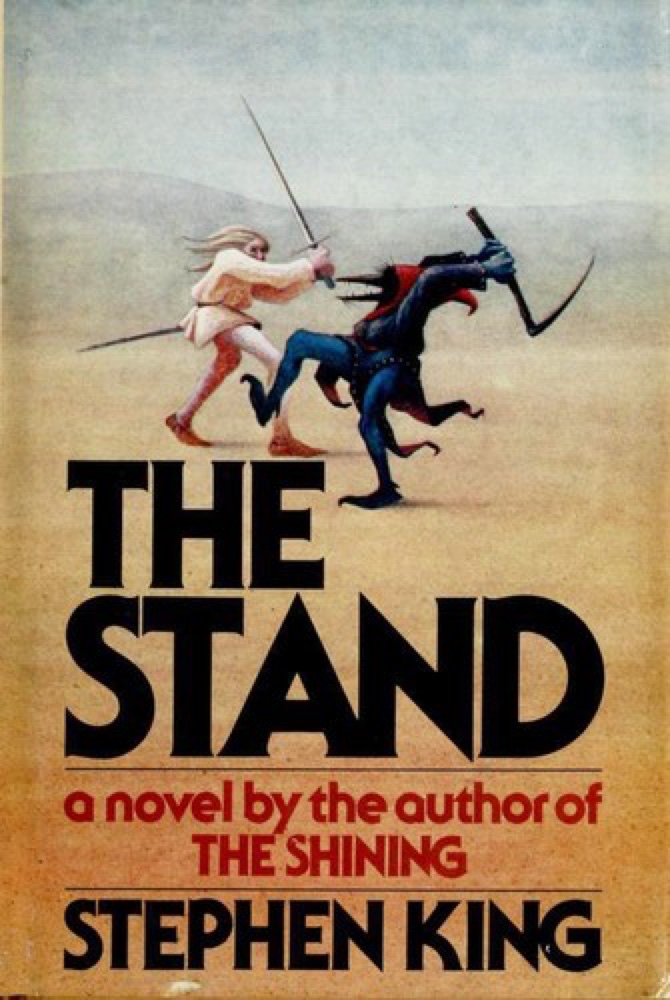 The Stand
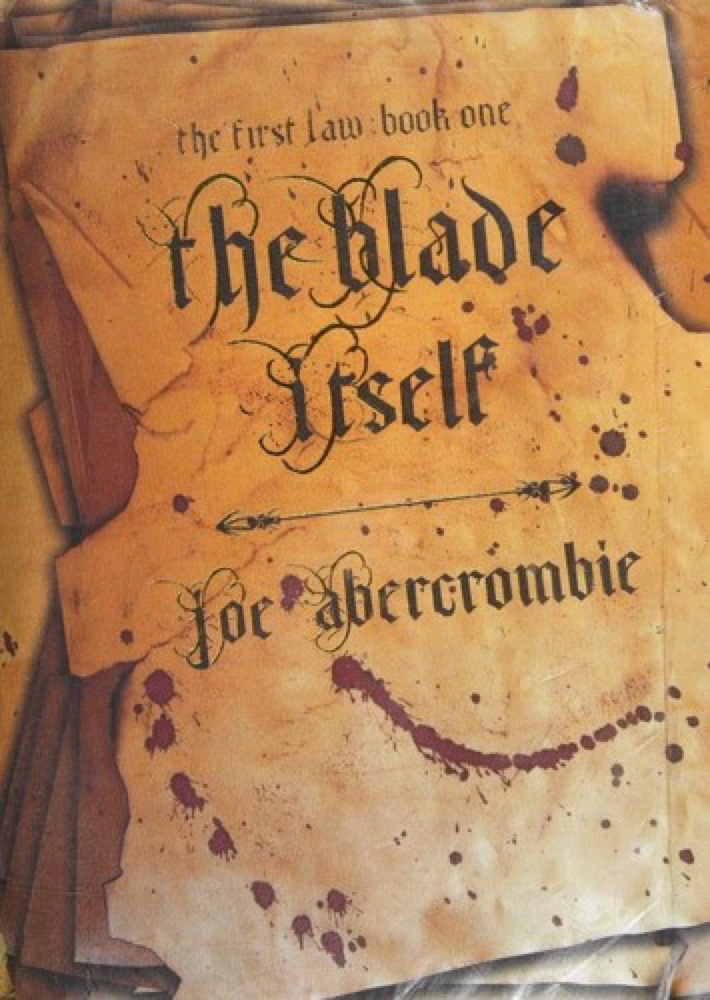 The Blade Itself
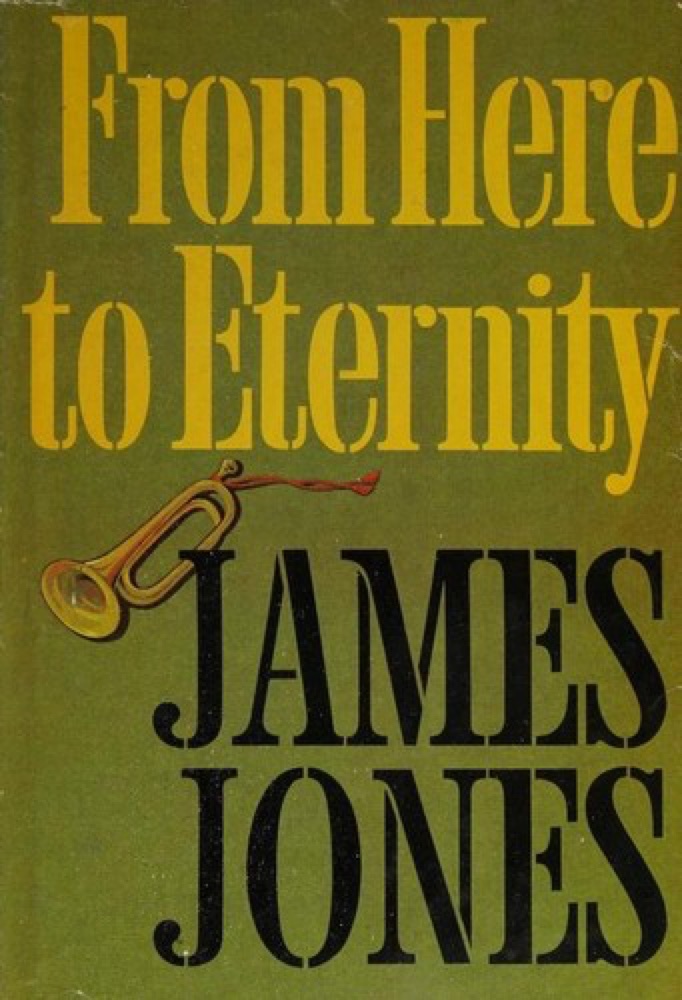 From Here to Eternity
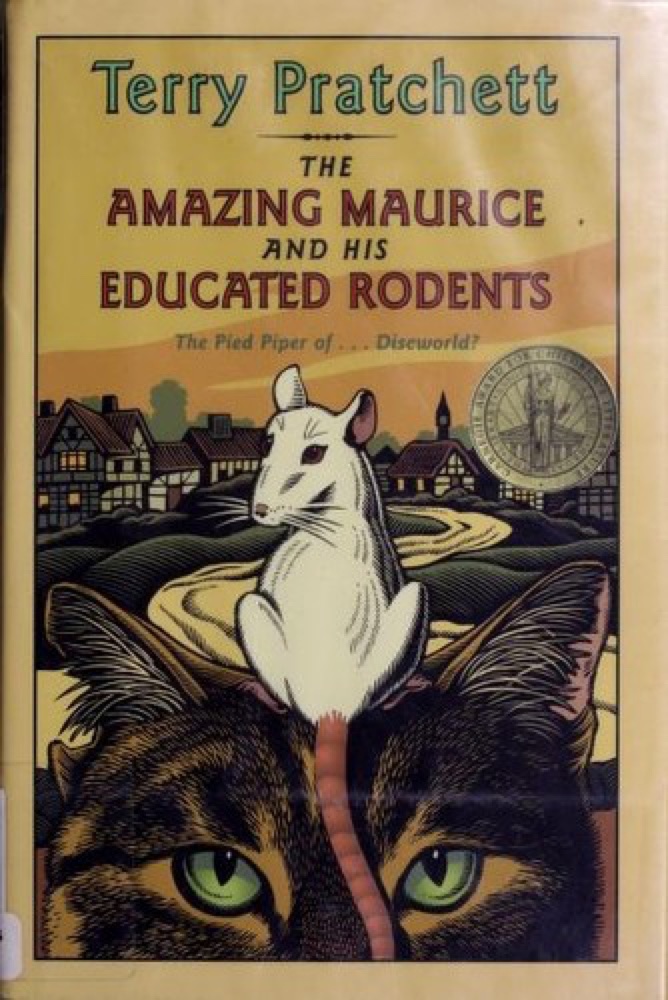 The Amazing Maurice and His Educated Rodents
 Rabbit Redux
 Nothing to Lose
 Nightlife
 Use of Weapons
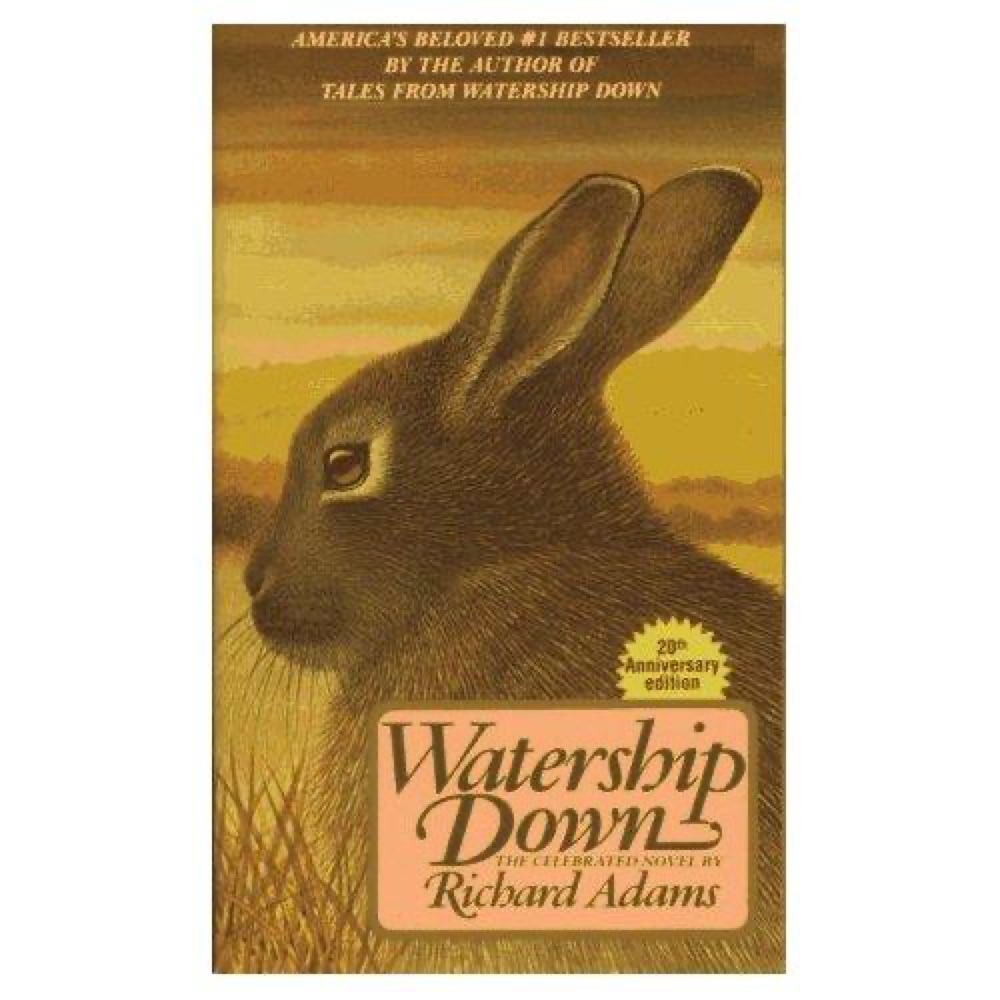 Watership Down
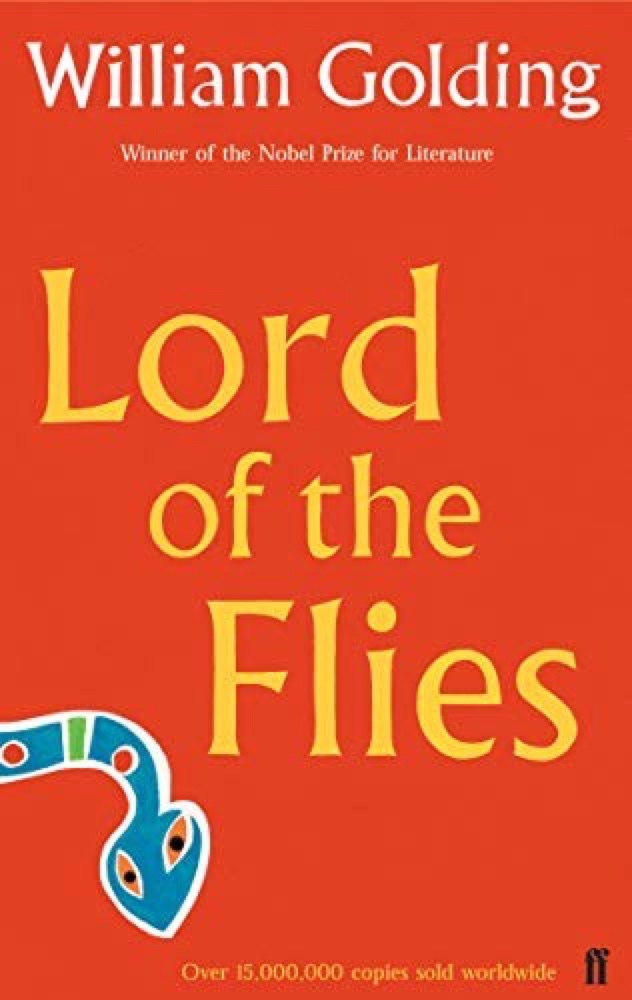 Lord of the Flies
 Gone
Gone
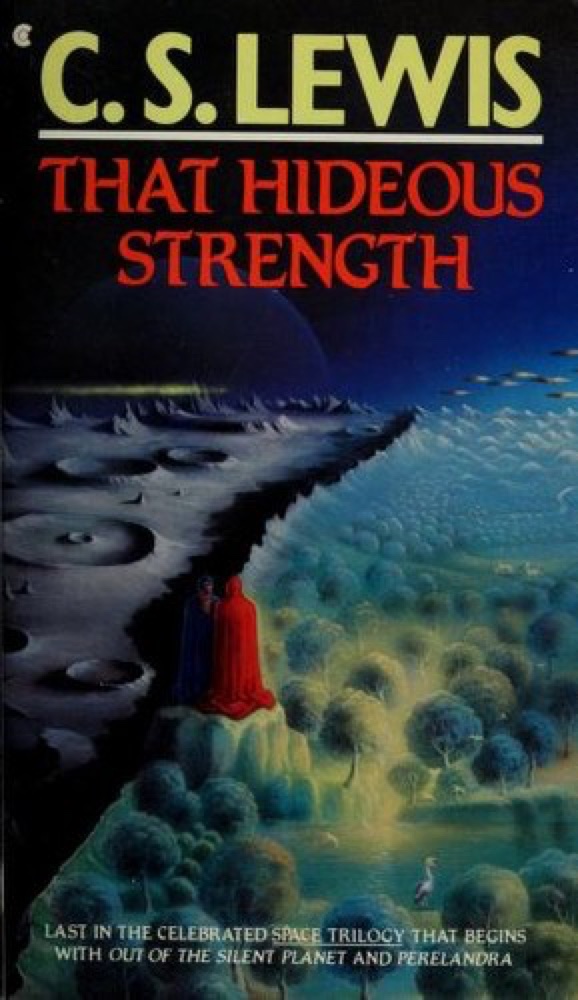 That Hideous Strength
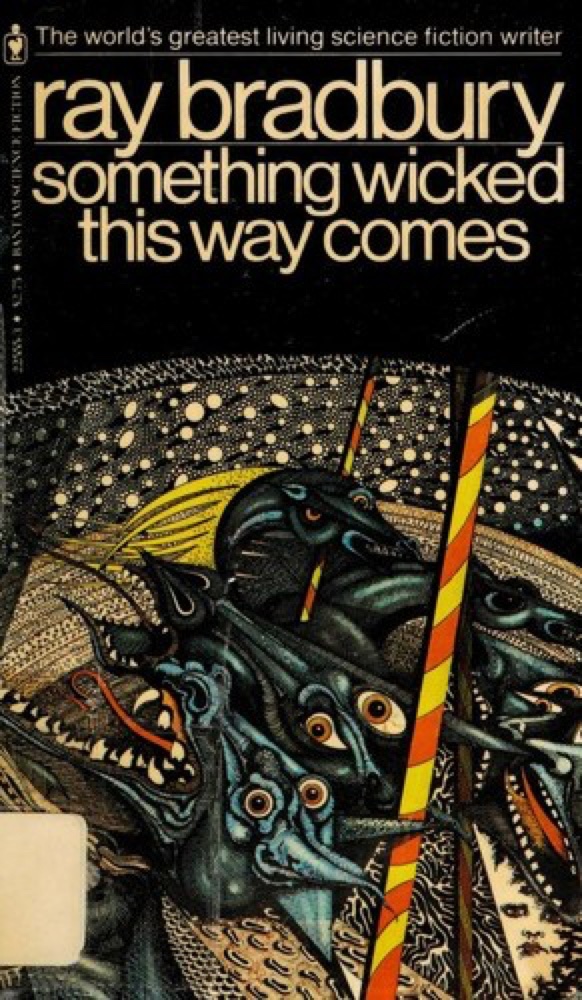 Something Wicked This Way Comes
 The Scorpion Rules
 The Ox-Bow Incident
 White Night
 Shadow Country
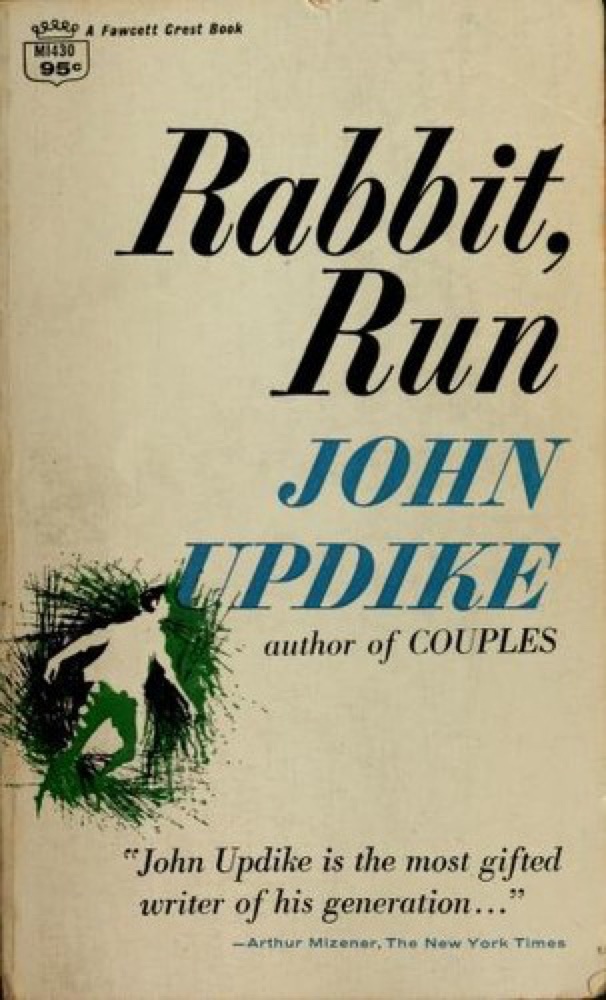 Rabbit, Run
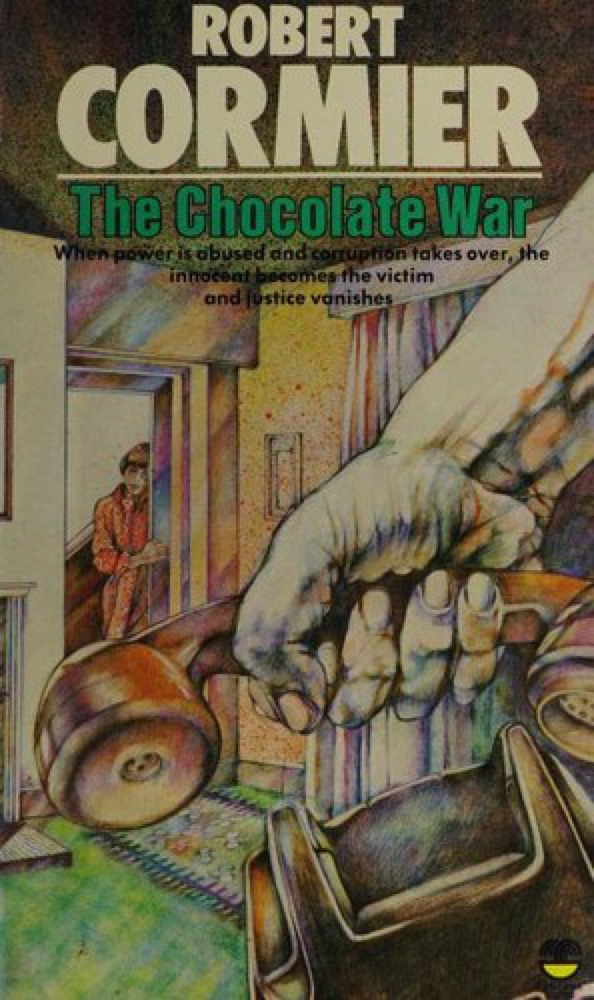 The Chocolate War
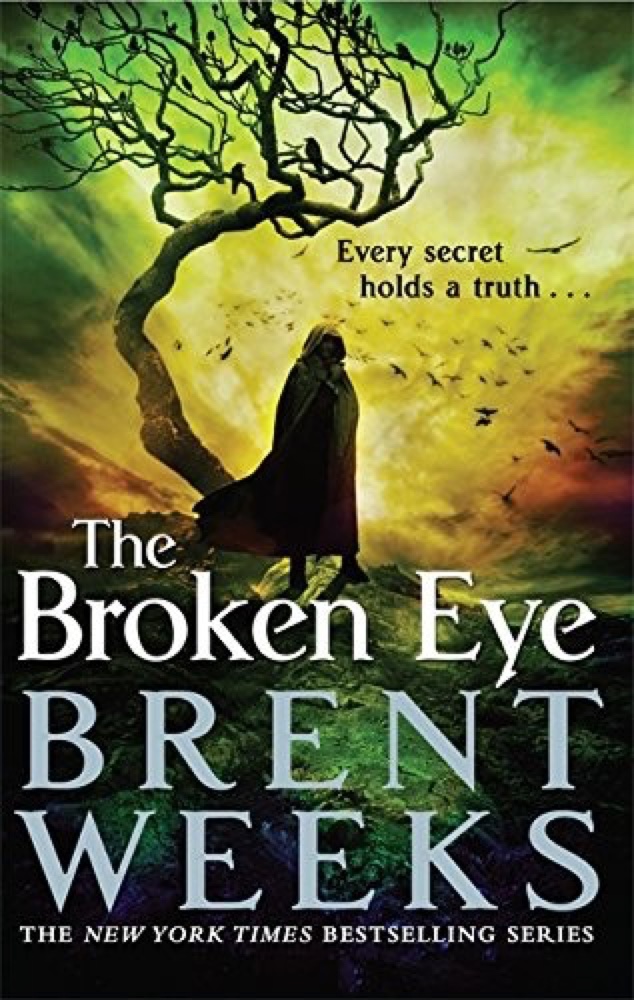 The Broken Eye
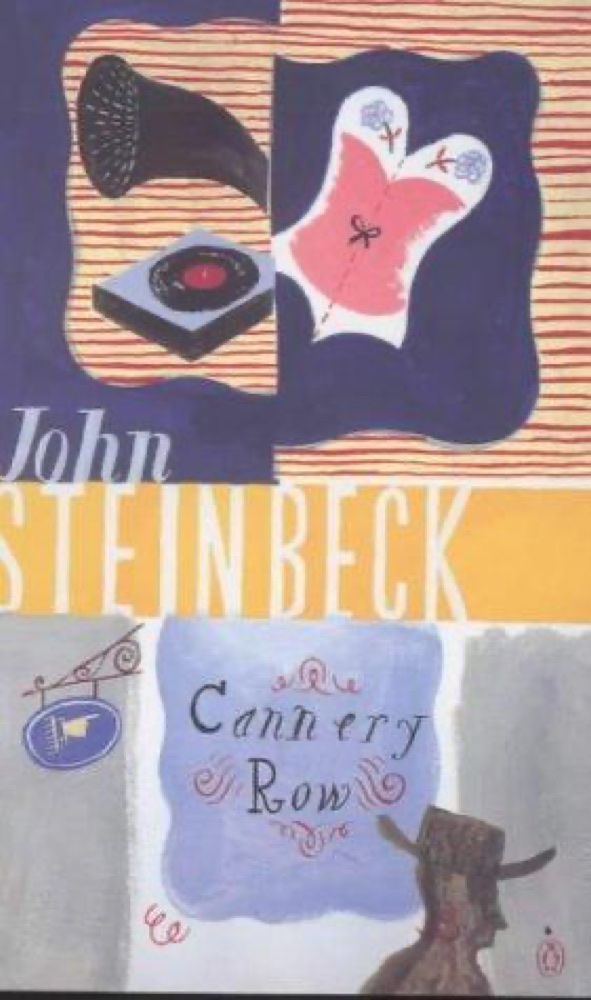 Cannery Row
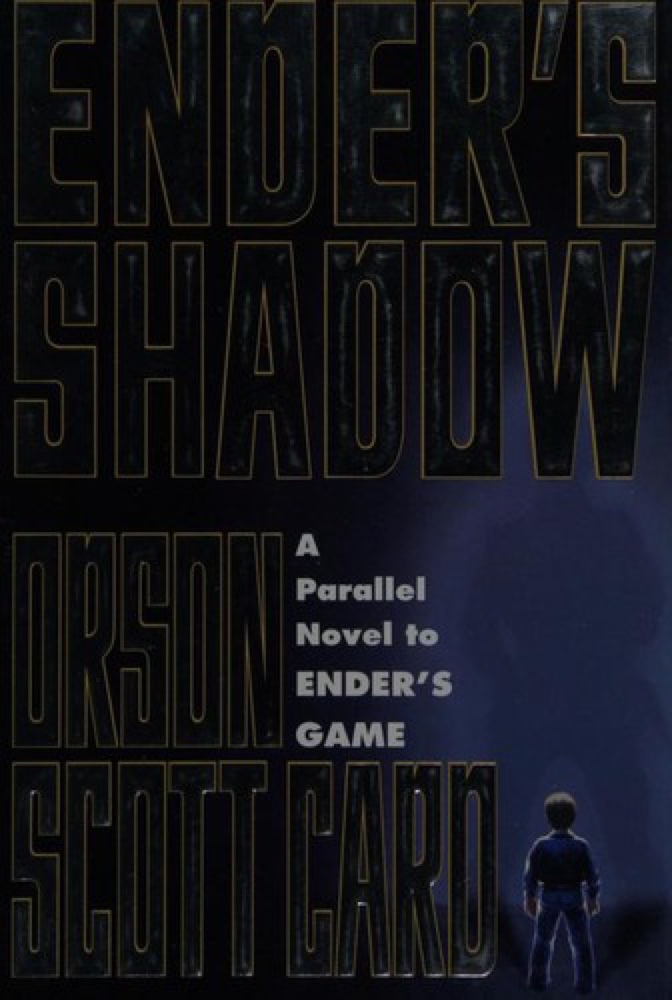 Ender's Shadow
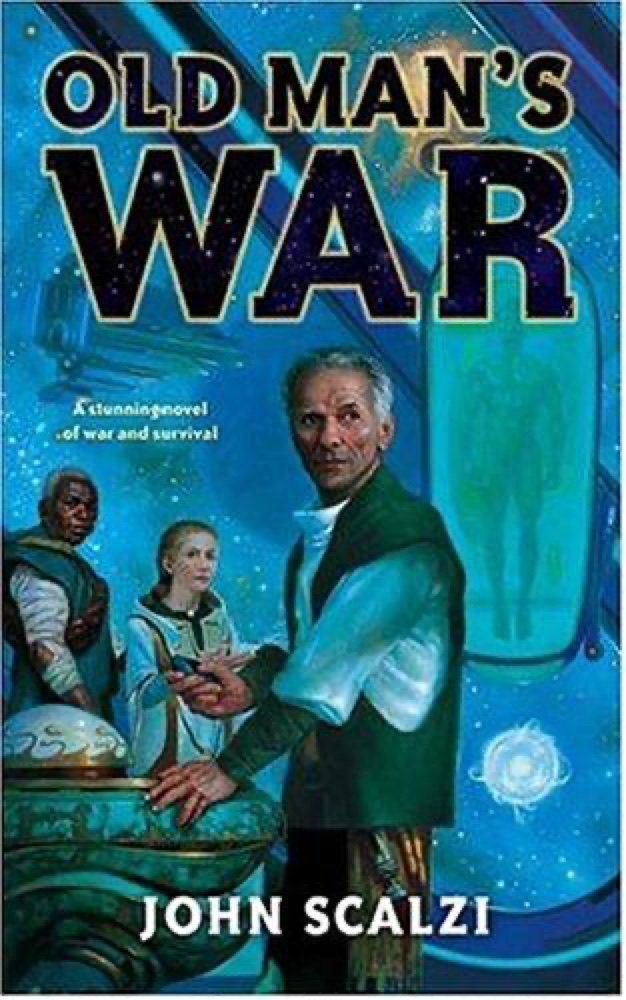 Old Man's War
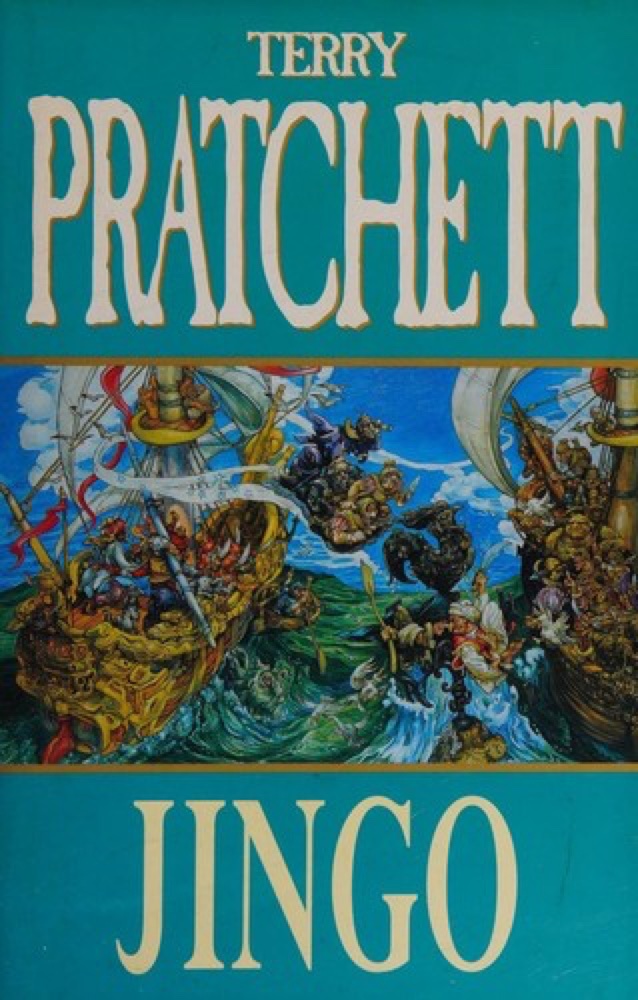 Jingo
Jingo
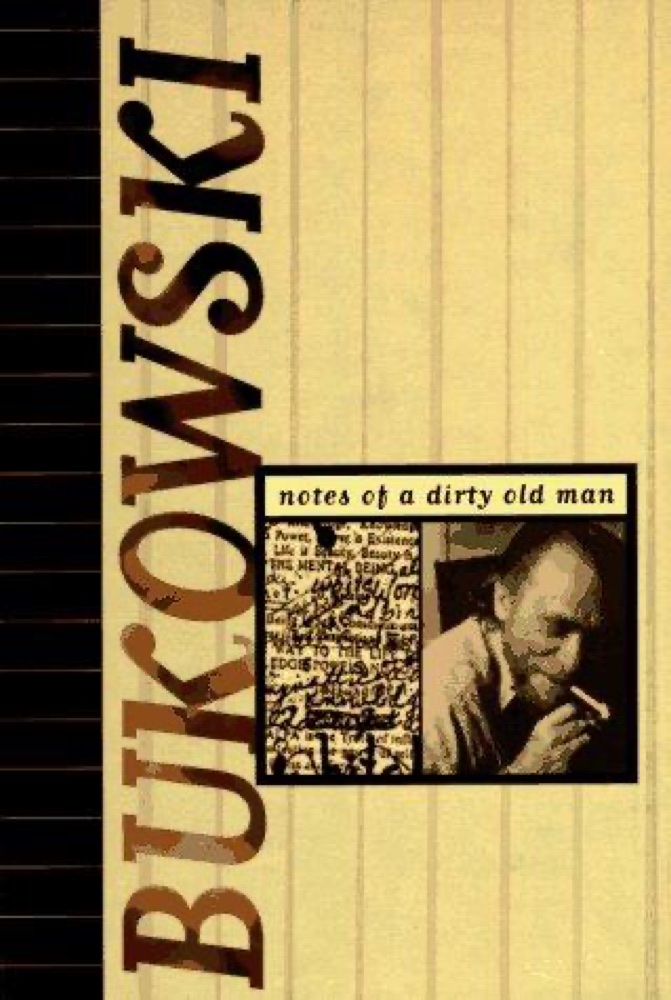 Notes of a Dirty Old Man
 The Given Day
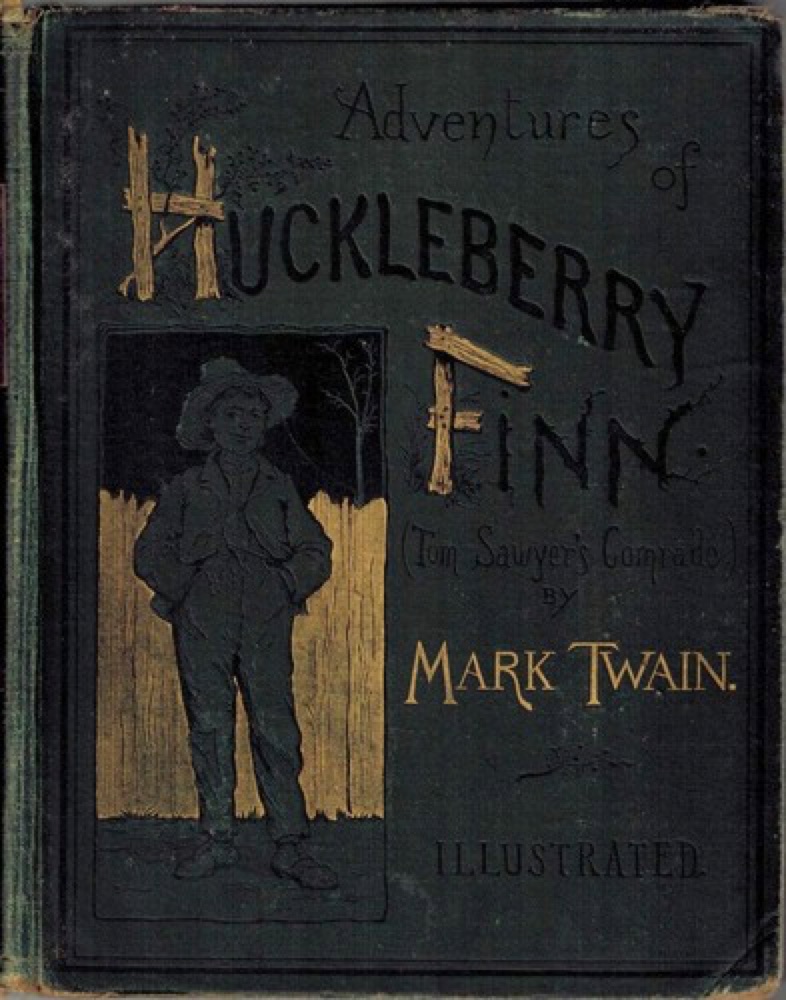 Adventures of Huckleberry Finn
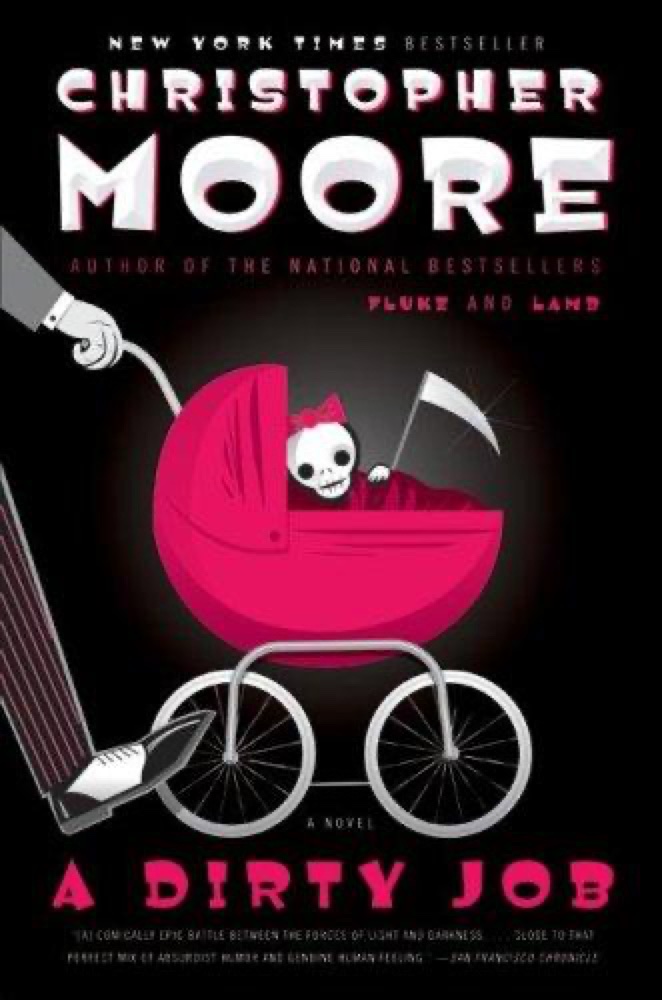 A Dirty Job
 The Blood Mirror
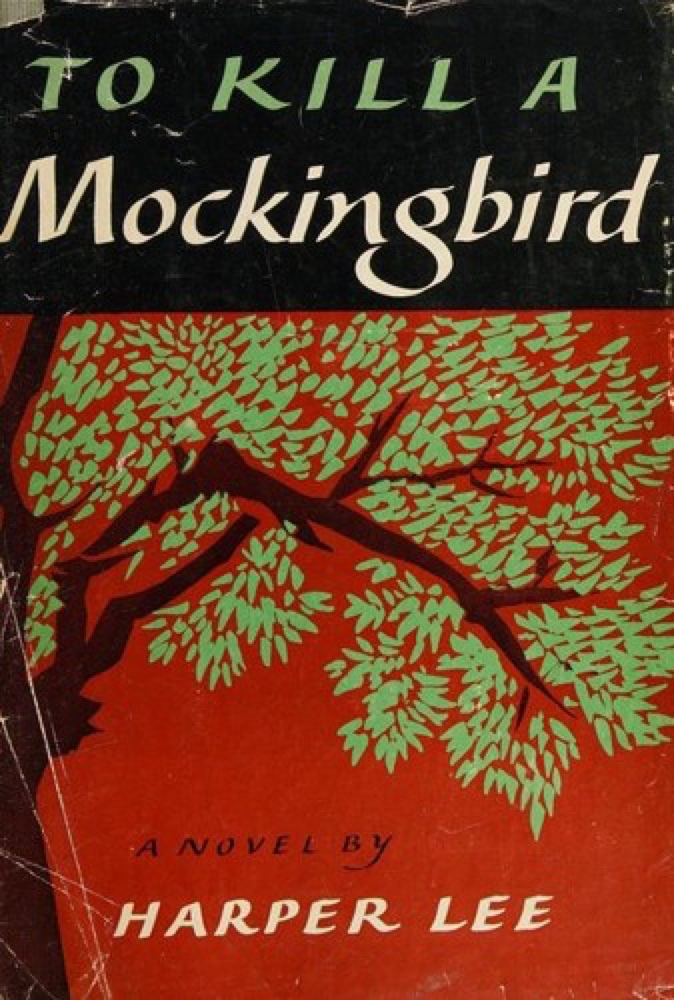 To Kill a Mockingbird
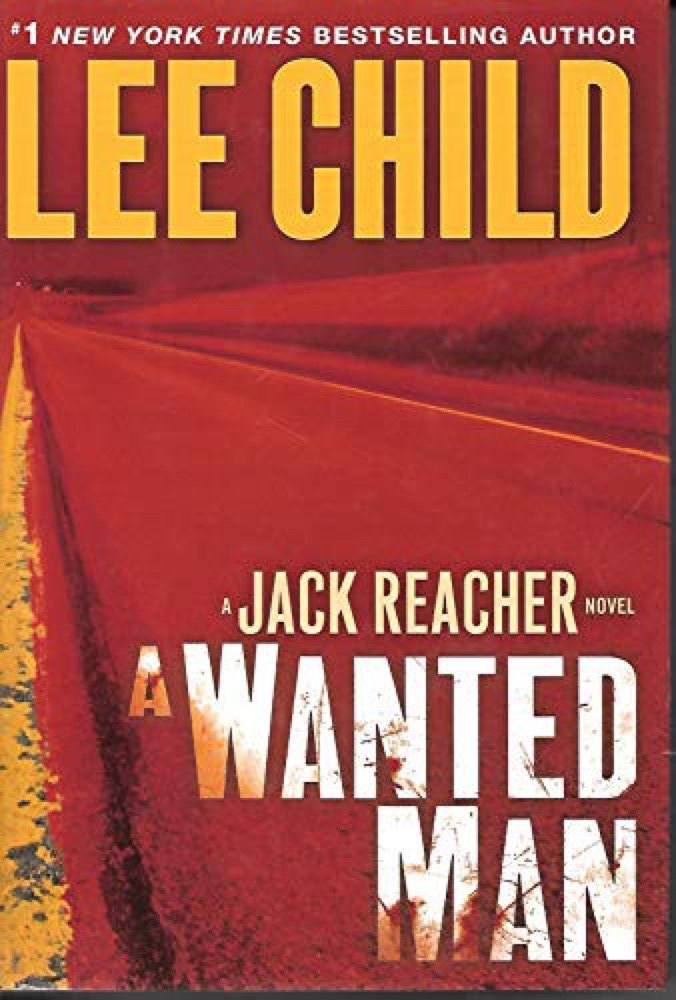 A Wanted Man
 The Wars
 Alas, Babylon
 The Last Hero
 Red Country
 Roughing It
 Familiaris
 King of Thorns
 Sweep in Peace
 Turn Coat
 Go Set a Watchman
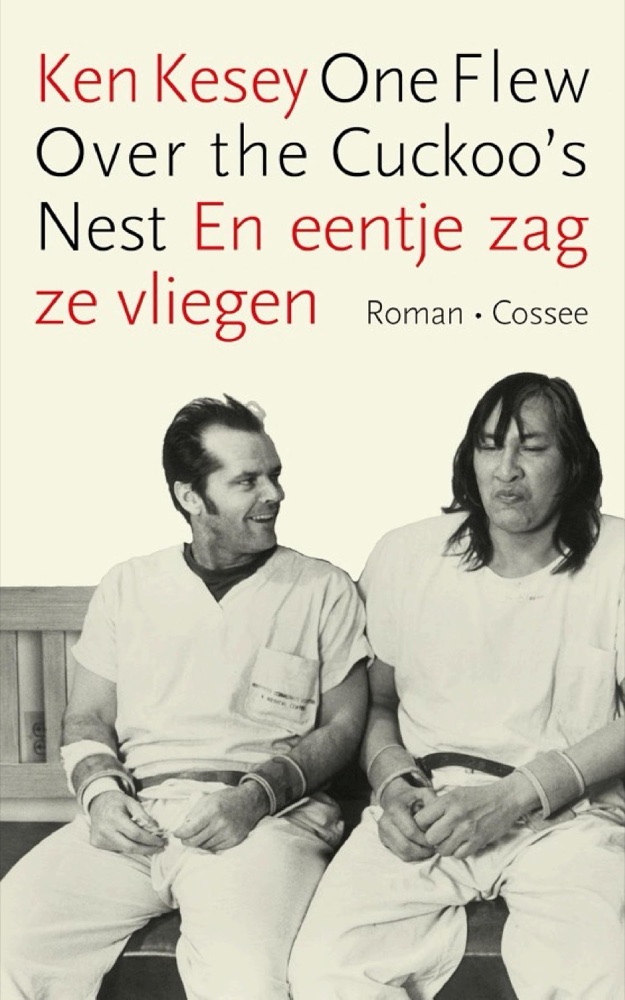 One Flew Over the Cuckoo's Nest
 No Country for Old Men
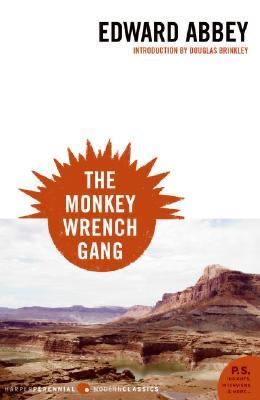 The Monkey Wrench Gang
 True Grit
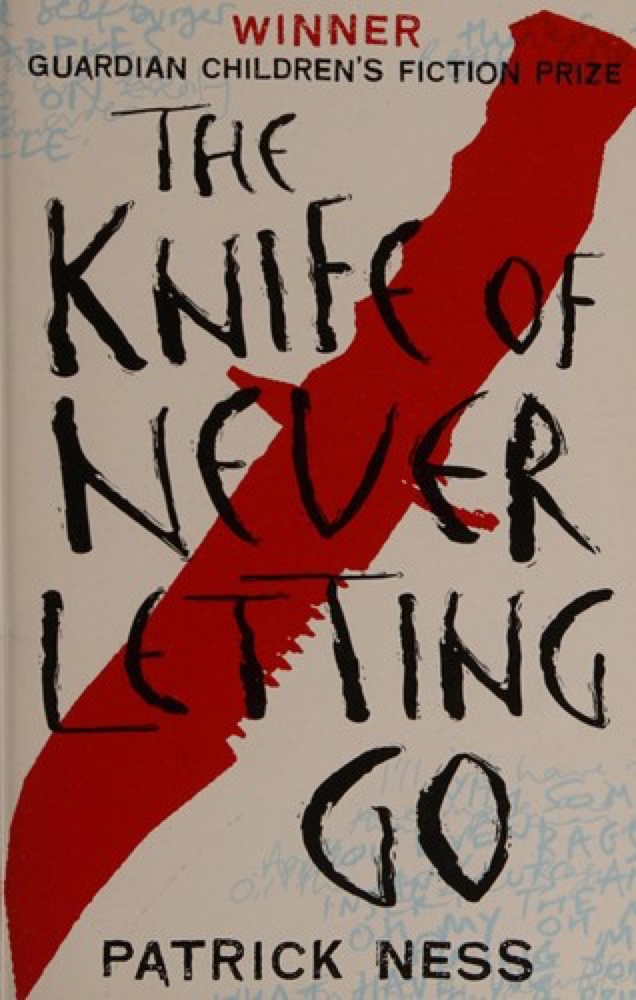 The Knife of Never Letting Go
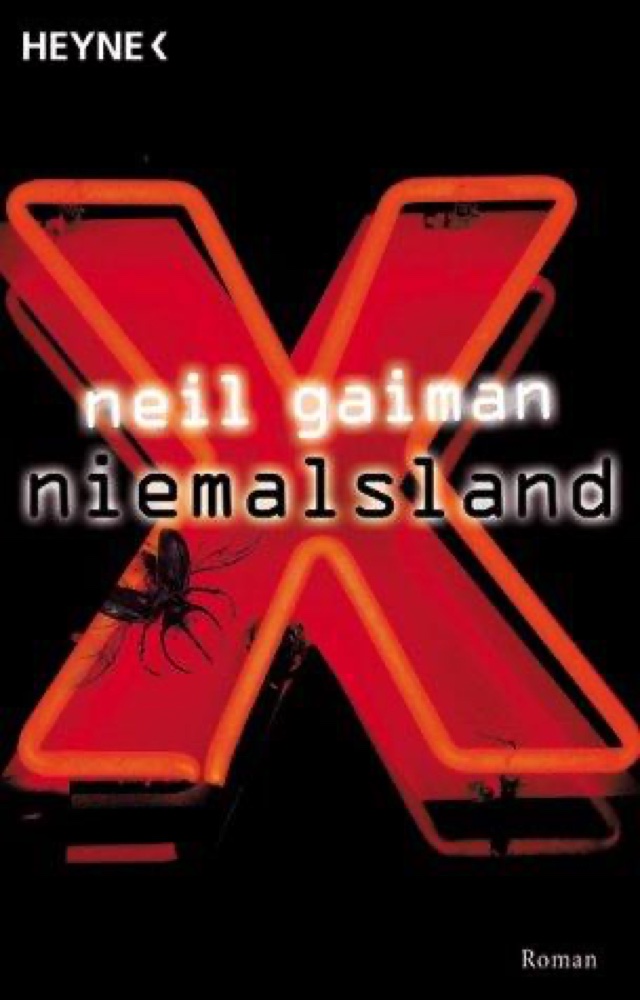 Neverwhere
 Calamity
 All the King's Men
 Freddy and Fredericka
 Peter and the Starcatchers
 Wayward