
 Long Bright River
Quotes from the Book
Only humans can hurt one another, Ada thought; only humans falter and betray one another with a stunning, fearsome frequency. As David's family had done to him; as David had done to her. And Ada would do it too. She would fail other people throughout her life, inevitably, even those she loved best.
26
This must be the most important factor in your choice of a life partner," he told Ada. "Who will most patiently and enthusiastically support your ambitions?
12
I was told to ask you something, said Ada finally. I know, said ELIXIR. I’ve been waiting.
5
...sitting in David's armchair, contemplating the many books that lined his shelves, a thought occured to me. It was a very human thought; it surprised me, i checked myself for viruses.
4
Virtual reality, she thought, was the unseen world. Or had the capacity to be. In fact, it could be said that all computer systems were such: universes that operated outside the realm of human experience, planets that spun continuously in some unseeable alternate stratosphere, present but undiscovered.
3
As a parting gift, he gave Harold the key chain from his house keys, the ones that opened the gate to Hamilton Arms: it was a clover, a charm for luck. Its stem was a little drawer, into which, Harold later found, George had put a love note. Harold kept the clover for the rest of his life.
3
Ada could feel the tension between David and Liston. She knew, though she was young, what was causing it: it was Liston’s wish to protect her with honesty, and David’s to protect her—and himself—with optimism, wishfulness, some willful ignorance of his impending fate.
1
She adopted many of David’s habits. They were alike: everyone said it. And that he understood her—more than anyone else in the world ever understood her—seemed to her like an incredible stroke of luck. “You are more machine than human, Ada,” he said at times. And it was the truth, not an insult. And it was calming to her to be so understood. And, sometimes, she felt it was why he loved her.
1
When the human subject (C) cannot determine with certainty which of the correspondents is the machine and which is the other human, a new era in computing, and perhaps civilization, will have begun.
1
But for the most part, she was utterly content with her strange, satisfying existence: Ada and David together, always.
1
David: Are you there David: Hello ELIXIR: Hello. David: How are you? ELIXIR: Hello. David: Wrong. ELIXIR: I’m fine. ELIXIR: How are you?
1
Sometimes, in her bed at night, Ada pondered the idea that she, in fact, was a machine—or that all humans were machines, programmed in utero by their DNA, the human body a sort of hardware that possessed within it preloaded, self-executing software. And what, she wondered, did this say about the nature of existence? And what did it say about predestination? Fate? God?
which broadly questioned man’s ability to perceive reality using so biased an instrument as his brain—
The latter, the document that Gregory found, had borne four items: a paragraph—an excerpt from A. S. Eddington’s Science and the Unseen World, which Ada had located easily with the help of Anna Holmes, and which broadly questioned man’s ability to perceive reality using so biased an instrument as his brain—
David was fifty-nine: well below the age the literature listed as the cutoff point between early-onset Alzheimer’s and the more typical variety. And in early-onset patients, the disease could move quite fast: two or three years until the individual’s comprehension skills were entirely lost, until the individual was no longer verbal. After that, quite rapidly, the function of his muscles and all of his reflexes would shut down completely.
will find an overview of what is now required of homeschoolers in the state of Massachusetts: Prior approval from the superintendent and school board, for one. Access to textbooks and resources that public school children use, for another. David and Ada had neither. In 1984, David’s failure to enroll his daughter in any school was only further evidence of his neglect, in the eyes of the DCF.
She told herself that everything would be fine, because she could imagine no alternative. Because no life existed for her outside of David.
Ever since learning about neurotransmitters from David, she had imagined her brain as a water park, a maze of waterslides down which various chemicals were released. Charcoal and smoke and fresh-cut grass usually sent rivers of serotonin down the slides in Ada’s head, as she pictured them. But that night the scents only served to remind her of David’s absence. Warm summer evenings, he always said, were his favorites, too.
And then they would sit together at the dining room table and start on a lesson, one of the many thousands that he taught her in her life. When she asked him a question that he thought was intelligent he slapped one hand down on the table in celebration. “That is exactly the question to ask,” he told her. When she asked him a question that revealed some chasm in her learning, some gap where a concept should have existed, he put his head in his hands as if trying to summon the energy to explain all that would need to be explained to her to make her fully formed.
Was it possible, she wondered, that he had abandoned her? It was such a contrast to anything she understood about her father that she could not process the idea.
Once, she asked him to leave her a note when he was going out; though he agreed to, he had looked at her with an expression she interpreted as disappointment. That she was not more self-reliant; that she needed him in this way. Ada did not ask again.
What is the end result of a program like this one?” he asked Ada. She studied his face, looking for hints. “A companion?” she asked. “An assistant?” “Possibly,” said David, but he looked at her, always, as if waiting for more.
But non sequiturs abounded in ELIXIR’s patter for years after its creation, and its syntax was often incomprehensible, and its deployment of idioms was almost always incorrect. Metaphors were lost on it. It could not comprehend analogies. Sensory descriptions, the use of figurative language to describe a particular aspect of human existence, were far beyond its ken. The interpretation of a poem or a passage of descriptive prose would have been too much to ask of it. These skills—the ability to understand and paraphrase Keats’s idea of beauty as truth, or argue against Schopenhauer’s idea that the human being is forever subject to her own base instinct to survive, or explain any one of Nabokov’s
And what did it say about predestination? Fate? God?
And what, she wondered, did this say about the nature of existence?
If a machine can convincingly imitate humanity—can persuade a human being of its kinship—then what makes it inhuman? What, after all, is human thought but a series of electrical impulses?
The practical possibilities presented by a machine that could replicate human conversation, both in writing and, eventually, aloud, were intriguing and manifold: Customer service could be made more efficient. Knowledge could be imparted, languages taught. Companionship could be provided. In the event of a catastrophe, medical advice could be broadly and quickly distributed, logistical questions answered. The profitability and practicality of a conversant machine were what brought grant money into the Steiner Lab.
Much like a human psychologist, ELIZA gave no answers—only posed opaque, inscrutable questions, one after another, until the human subject tired of the game.
Watch on YouTube
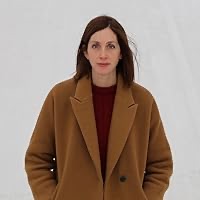
About Liz Moore
We have collected 84 quotes from 3 books by Liz Moore on BookQuoters.
More about the author →More by Liz Moore
Long Bright River
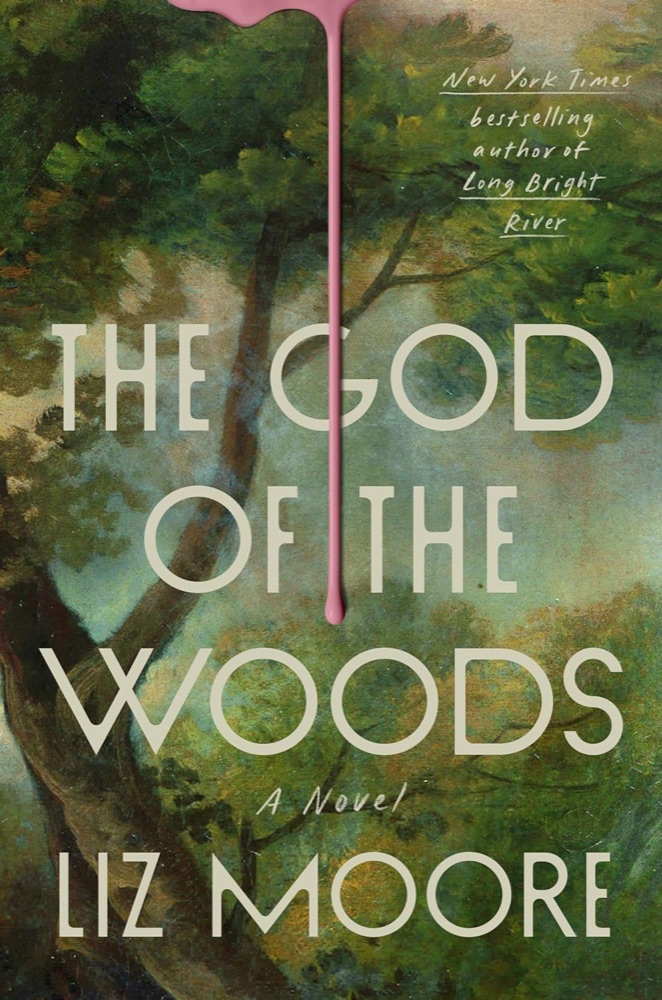 The God of the Woods
About the book
Ada Sibelius is raised by David, her brilliant, eccentric, socially inept single father, who directs a computer science lab in 1980s-era Boston. Home-schooled, Ada accompanies David to work every day; by twelve, she is a painfully shy prodigy. The lab begins to gain acclaim at the same time that David’s mysterious history comes into question. When his mind begins to falter, leaving Ada virtually an orphan, she is taken in by one of David’s colleagues. Soon she embarks on a mission to uncover her father’s secrets: a process that carries her from childhood to adulthood. What Ada discovers on her journey into a virtual universe will keep the reader riveted until The Unseen World’s heart-stopping, fascinating conclusion.
The buzz
- The New York TimesReview in The New York Timesprofessional review (via Book Marks)
- The Washington PostReview in The Washington Postprofessional review (via Book Marks)
- VoxReview in Voxprofessional review (via Book Marks)
- The Boston GlobeReview in The Boston Globeprofessional review (via Book Marks)
- DallasnewsReview in Dallasnewsprofessional review (via Book Marks)
- LitreactorReview in Litreactorprofessional review (via Book Marks)
Keep reading
 Children of Time
 The Years
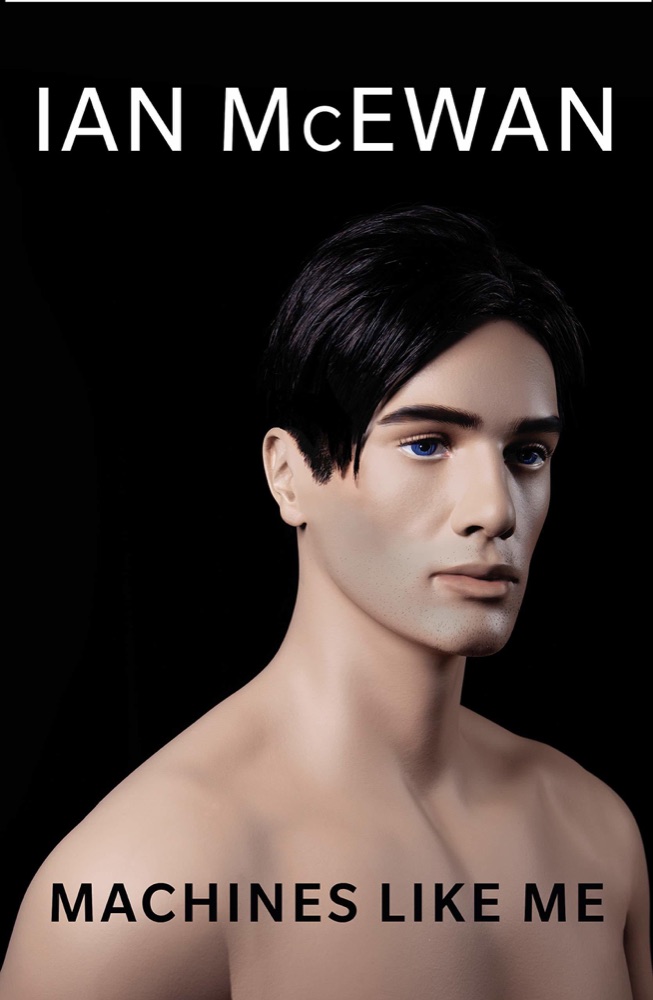 Machines like Me
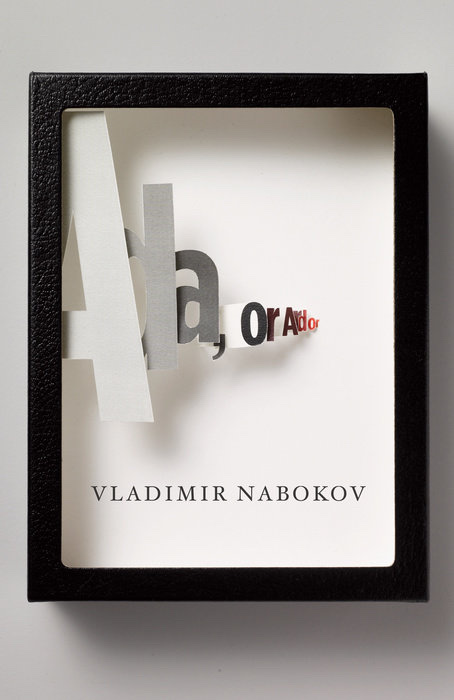 Ada, or Ardor: A Family Chronicle
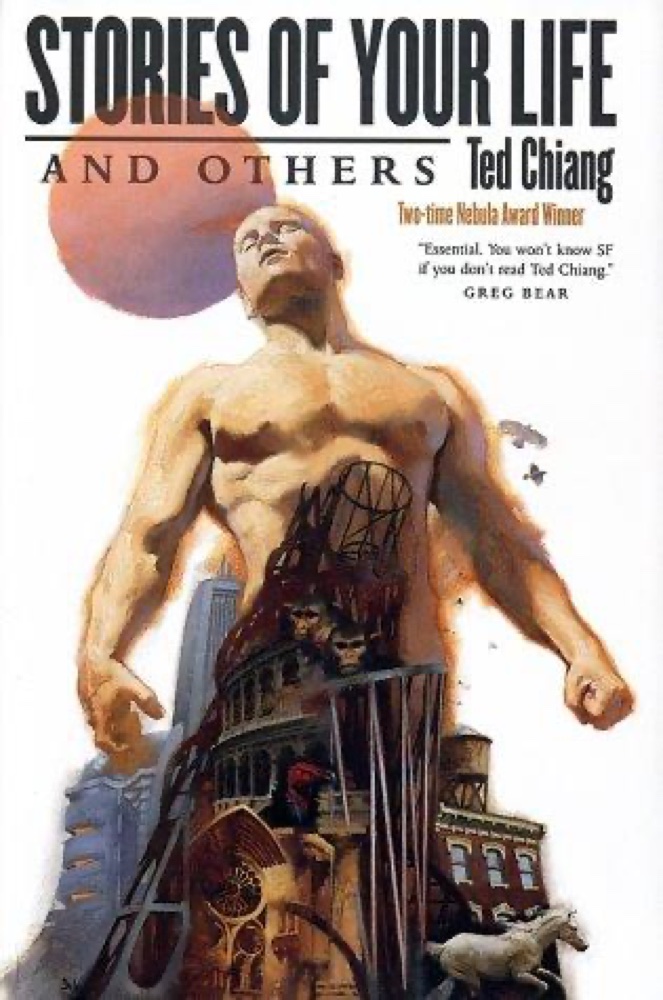 Stories of Your Life and Others
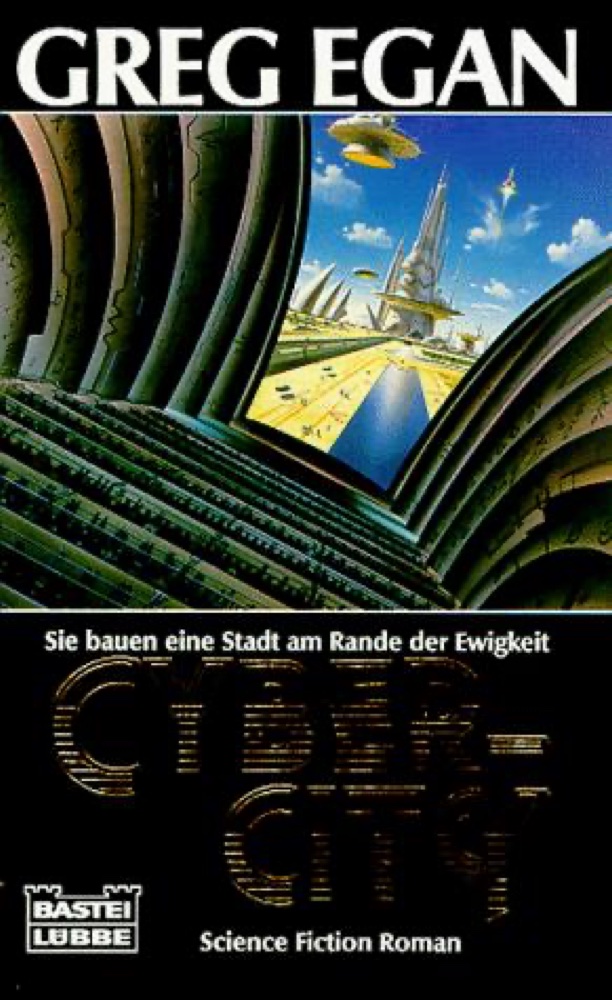 Permutation City
 Arcadia
 The Eternal Wonder
 The Novel Habits of Happiness
 The Subtle Knife
 The Clockmaker's Daughter
 The Lowland
 Hush
Hush
 Do Androids Dream of Electric Sheep?
 Destination Unknown
 Last Night in Montreal
 The Rose Field
 The Children Act
 The Fraud
 Mort(e)
 Sea of Silver Light
 Too Much Happiness: Stories
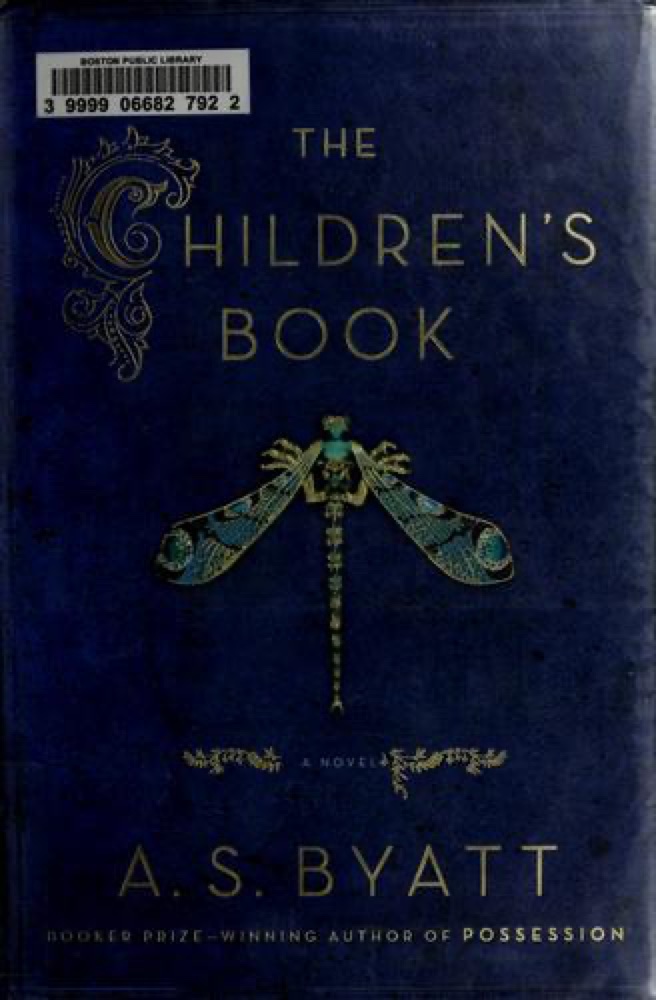 The Children's Book
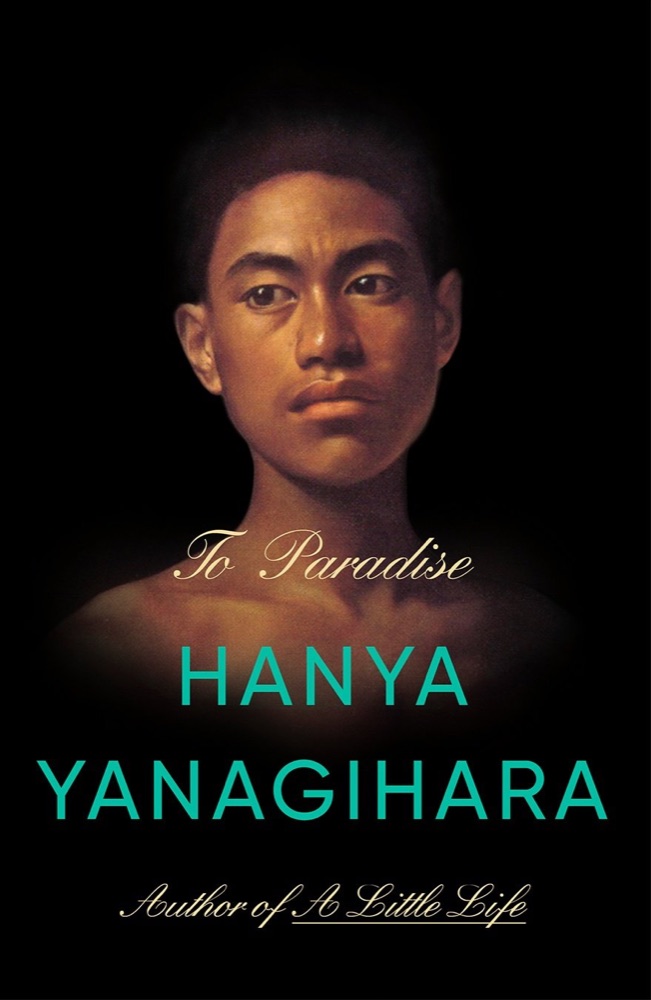 To Paradise
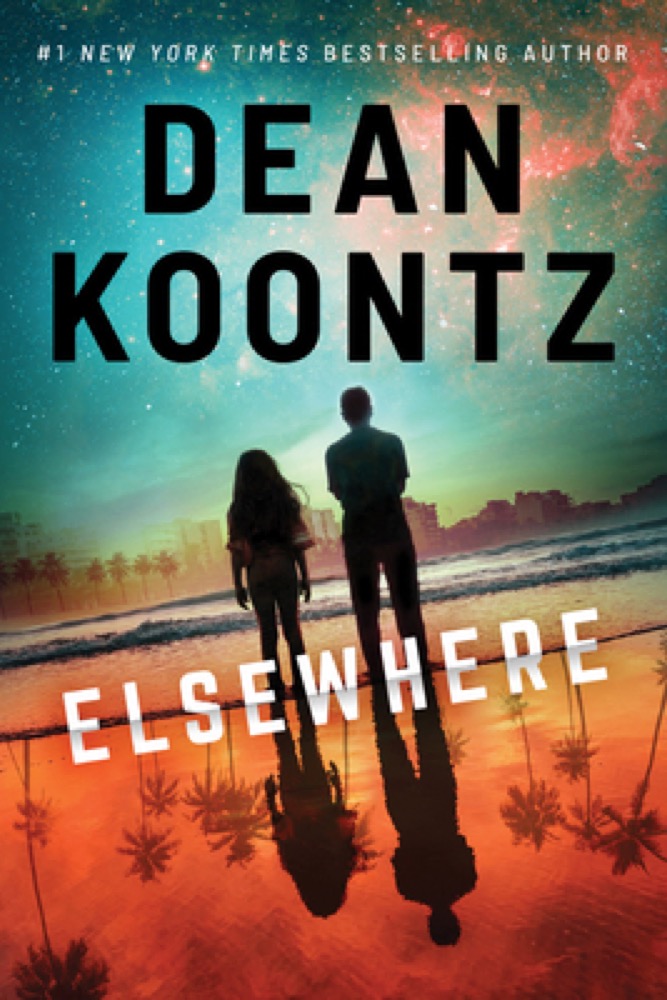 Elsewhere
 Somebody Else's Daughter
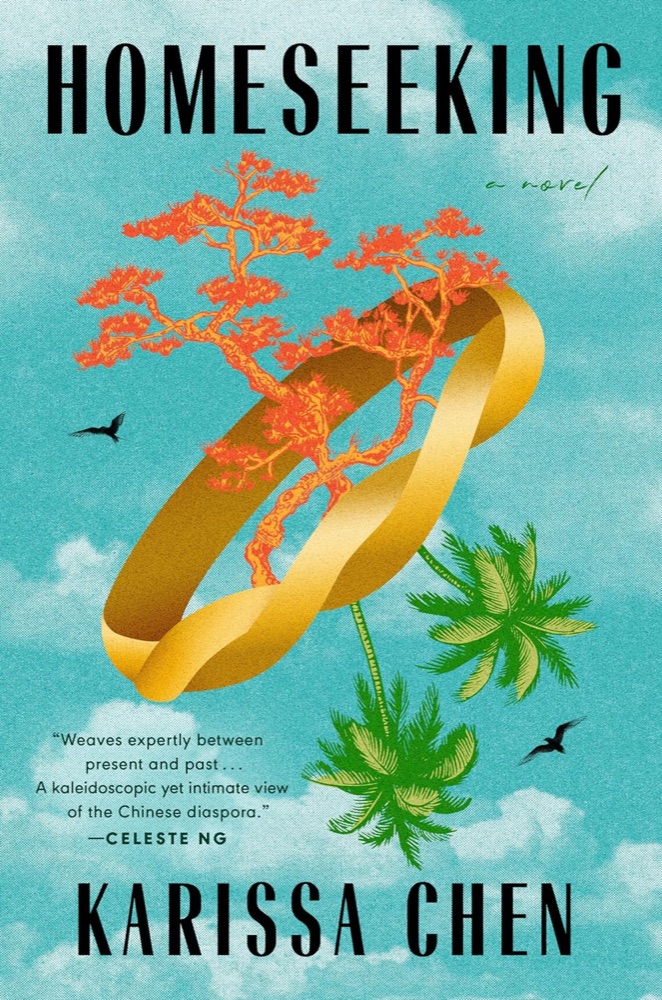 Homeseeking
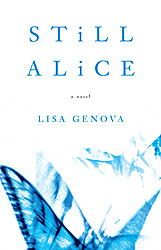 Still Alice
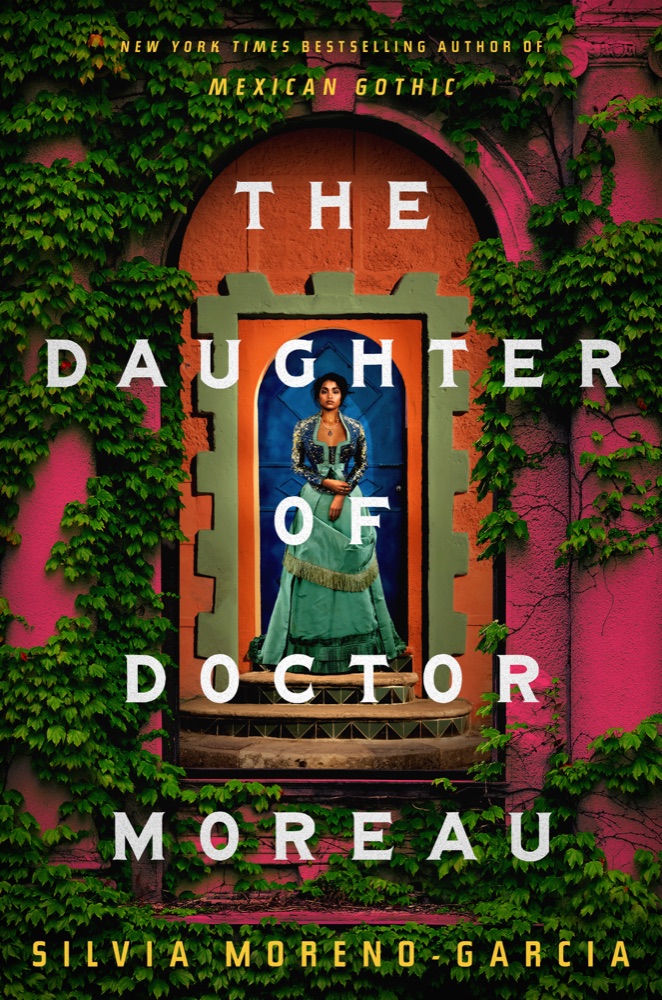 The Daughter of Doctor Moreau
 NW
NW
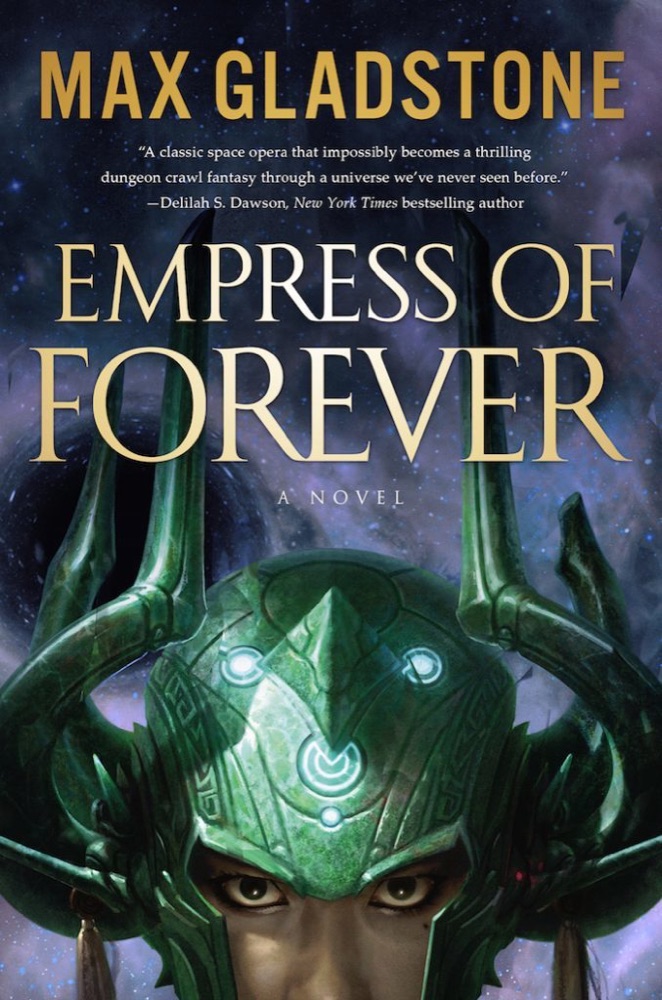 Empress of Forever
 The Christie Affair
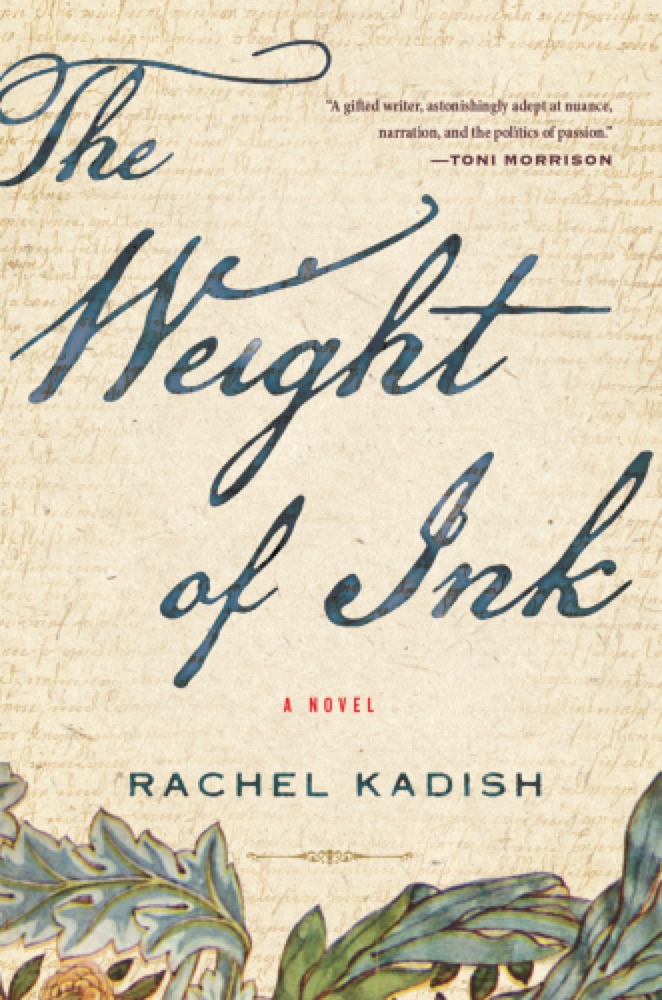 The Weight of Ink
 A Reliable Wife
 Now Is the Time to Open Your Heart
 The Djinn Waits a Hundred Years
 The Mysterious Benedict Society and the Riddle of Ages
 Authority
 The Book That Broke the World
 Muse of Nightmares
 Keeper of Enchanted Rooms
 The English Patient
 Palimpsest
 The Professor's House
 The Idiot
 Parade
 Purity
 Beautyland
 Influx
 Death Watch
 Confessions on the 7:45
 Klara and the Sun
 Dept. of Speculation
 Monday or Tuesday
 Burnt Sugar
 Interpreter of Maladies
 A Desperate Fortune
 What Is Not Yours Is Not Yours
 Elizabeth Costello
 The Hitchhiker's Guide to the Galaxy