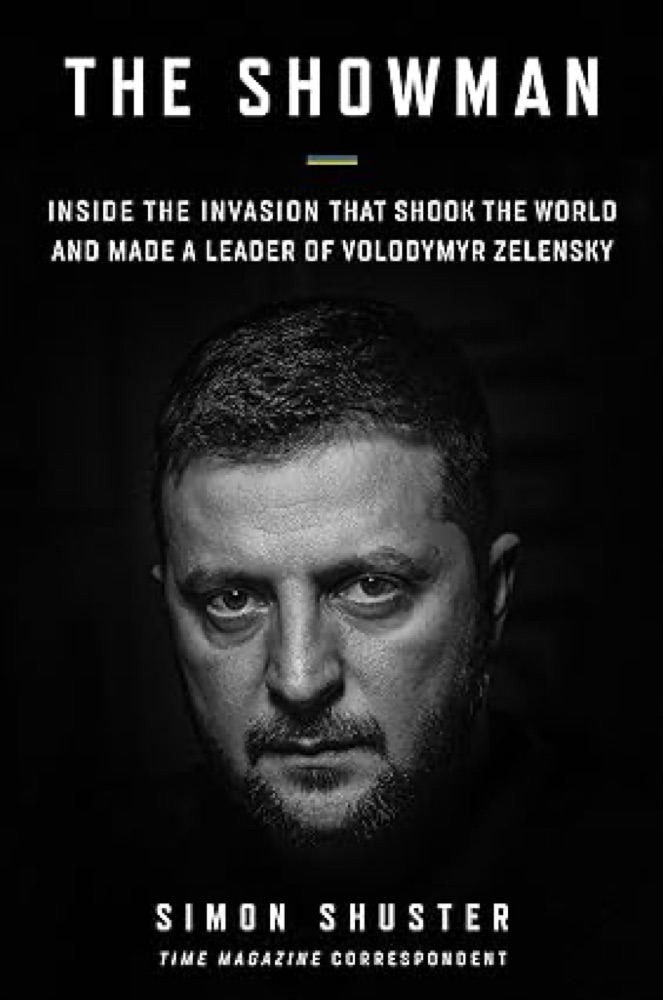
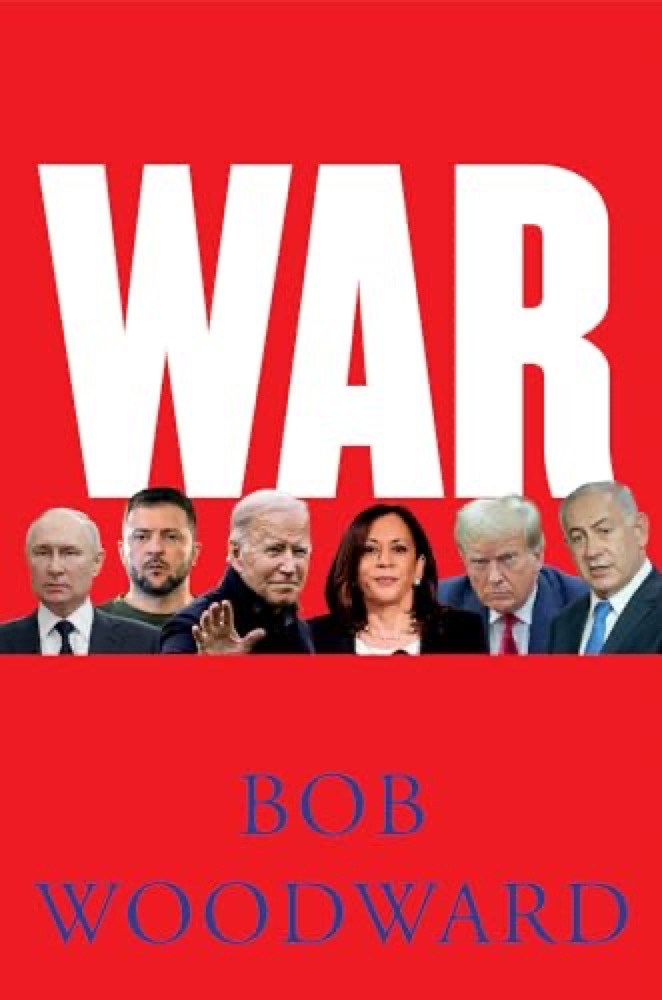
 War
War
Quotes from the Book
His aim, as he saw it, was to keep them engaged, to pry open their eyes and point them toward the picture of the war he wanted them to see. My work was useful to him as a means to that end. He took a pause and cleared his throat, realizing he may have crossed a line in telling me how to do my job. Then he continued to do exactly that. "Forgive me for saying this, but I think the aim of journalism, of the media, is to keep people from getting sick of this," he said, referring to the story of the war. "When they do get sick of it, that brings about fatigue, and fatigue causes a loss of interest. For our country, that leads to the loss of support.
1
He warned them again and again in his speeches that the loss of freedom in one nation erodes the freedom in all the rest.
In the closet, he kept several changes of clothes from local military outfitters, who gave him an ample supply of the T-shirts and fleeces that turned Zelensky into an unlikely fashion icon. “I had to tell them to stop,” he said. “They all wanted me to wear their T-shirts.” Hanging next to them in his closet he kept a single business suit, pressed and ready, he said, for the day when the war would end in victory for Ukraine.
Wars are fought in the minds of men and women long before the shooting starts, and Zelensky, the showman turned president, operated on that plane.
The president asked his staff to prepare a bed for him in a little room behind his office on the fourth floor. It was a single, about the same size as his bed in the bunker, with a wooden headboard and a TV suspended on the wall above his feet. In the closet, he kept several changes of clothes from local military outfitters, who gave him an ample supply of the T-shirts and fleeces that turned Zelensky into an unlikely fashion icon. "I had to tell them to stop," he said. "They all wanted me to wear their T-shirts." Hanging next to them in his closet he kept a single business suit, pressed and ready, he said, for the day when the war would end in victory for Ukraine.
Now, when he was truly vulnerable, one Russia missile strike away from death, the president carried an air of invincibility, as though the war had made him grow some stubborn armor that no weapon in the world could break. If this was an act, it looked convincing right down to the details, the way he settled into the seat across from me like a sovereign into a hereditary throne. The presence of all these aides, all these bodyguards, no longer made him feel self-conscious. He saw no need to maintain an ironic distance between himself and the symbols of power around him. The role was his now.
President Zelensky visited Bucha a few days after the Russian retreat, and he would long remember it as the most terrifying moment of that tragic year of war, another turning point for him and his country. It showed him, as he later put it, that the devil is not far away, not a feature of our myths and nightmares. "He's here on this earth," Zelensky said.
My life today is beautiful," he said at the end of the press conference, when a reporter asked how he was holding up. "I feel that I'm needed." The previous week, as horrifying and tragic as it had been for him and his country, was also among the most exciting and fulfilling of his life. He would not trade it for any of the comfort and security he knew in his old life as a movie star. "I think the main purpose in life is to be needed, not just to be a blank space that breathes, walks, and eats. But to live, to know that certain things depend on you being alive, and to feel that your life matters to others.
Still, in those early hours of war, when Ukraine's survival as a country was at stake, Zelensky had no time to weigh risks and analyze data, and he did not need much prompting to fire off instructions to his staff, routinely flavored with profanities.
He remembers giving himself a pep talk that would play in his mind throughout the day. "They're watching," he told himself. "You're a symbol. You need to act the way a head of state must act." As the day wore on, his aides could see Zelensky's posture stiffen. His tone became clipped, and he began to issue a stream of orders from the bunker and from his office on the fourth floor. Most of his decisions had no real basis in experience or planning. Zelensky had neither of these things to guide him at the time, but he didn't seem to mind. His assent to the presidency from the world of comedy would not have been possible without a knack for projecting confidence even when he lacked it. Now that skill went into overdrive, and Zelensky became what one of his aides described as a "decision generator.
We’re all inclined to project our own qualities onto other people. But some people are different. There are those with whom it’s just not possible to make a connection.
I think the main purpose in life is to be needed, not just to be a blank space that breathes, walks, and eats. But to live, to know that certain things depend on your being alive, and to feel that your life matters to others.
Did you know?
- Author Simon Shuster first profiled Volodymyr Zelensky in 2019, while Zelensky was campaigning for the presidency.
- The book draws on roughly four years of reporting and direct access to Zelensky, his wife, advisers, and military commanders.
- The Wall Street Journal called it the standard by which other works on Zelensky and Ukraine's wartime politics would be judged.
- The book was banned in Russia.
- The New York Times Book Review named it an Editors' Choice selection.
About Simon Shuster
About the book
"The Showman: Inside the Invasion That Shook the World and Made a Leader of Volodymyr Zelensky" is a work of narrative nonfiction by Time correspondent Simon Shuster, drawing on years of reporting and unusual access to Volodymyr Zelensky and his inner circle. It traces Zelensky's path from television comedian and political outsider to the elected president of Ukraine, and then to the wartime leader who chose to remain in Kyiv as Russian forces closed in during the full-scale invasion of February 2022.
The book's central theme is transformation: how a performer's instincts for communication and image became tools of statecraft under existential pressure. Shuster examines the role of media, morale, and personal conviction in sustaining a nation at war, while also probing the strains of governing in crisis, Zelensky's relationships with his cabinet and military commanders, and his impatience with political rivalry.
On release in January 2024 the book became a bestseller and was widely reviewed in the international press. The Wall Street Journal called it the standard by which other works on Zelensky and Ukraine's wartime politics would be judged, and outlets including The Guardian, the New York Times Book Review, and Foreign Affairs praised its intimacy and reporting, while some Ukrainian reviewers pushed back on aspects of its framing. The book was also banned in Russia.
Book details
- First published
- 2024
- Length
- 384 pages
- Reading time
- 9 hours
- Author
- Simon Shuster
- Genre
- Nonfiction
- Goodreads rating
- 4.22 (3k ratings)
Critical reception
- Became a bestseller upon its January 2024 release.
- Praised by The Guardian as a definitive, thoroughly researched, and deeply insightful biography.
- The New York Times Book Review described it as an intimate account capturing Zelensky's transformation from funnyman to war hero.
- Some Ukrainian reviewers, including The Kyiv Independent, criticized passages as leaning toward sensationalism.
The buzz
- KQEDNew Biography 'The Showman' Follows Zelensky Inside the War Room2024Reviewer Sasha Vasilyuk on Shuster's clear-eyed insider look at the war
- Democracy ParadoxSimon Shuster on Zelensky in War and Peace2024Long-form author interview on Zelensky's transformation and command tensions
Keep reading
War
 Executive Orders
 The Splendid and the Vile: A Saga of Churchill, Family, and Defiance During the Blitz
 Reamde
 The Russia House
 Call for the Dead
 Tigerman
 The Winds of War
 The Proud Tower: A Portrait of the World Before the War, 1890-1914
 Dead Fall
 The Hunt for Red October
 Our Country Friends
 Clear and Present Danger
 A Russian Journal
 Winter of the World
 Closing the Ring
 The Spy Who Came In from the Cold
 Slough House
 A Promised Land
 Precipice
 Killing Kennedy: The End of Camelot
 Truman
 The Final Days
 The Defector
 The Man Without a Face: The Unlikely Rise of Vladimir Putin
 The Monuments Men: Allied Heroes, Nazi Thieves, and the Greatest Treasure Hunt in History
 Unthinkable: Trauma, Truth, and the Trials of American Democracy
 The Coldest Winter: America and the Korean War
 A Full Life: Reflections at Ninety
 The World As It Is: Inside the Obama White House
 One Year After
 The Last Lion: Winston Spencer Churchill: Alone, 1932-40
 Catch-22
 Decision Points
 The Young Lions
 Zinky Boys: Soviet Voices from the Afghanistan War
 Billy Lynn's Long Halftime Walk
 Red Notice: A True Story of High Finance, Murder, and One Man's Fight for Justice
 From Here to Eternity
 Essays of E.B. White
 Radio Free Albemuth
 The Girl Who Saved the King of Sweden
 The Enemy
 The Invisible Bridge: The Fall of Nixon and the Rise of Reagan
 Black Hawk Down
 First Person
 An Involuntary Spy
 Fall of Giants
 The Affair
 The Plot Against America
 The Black Wolf
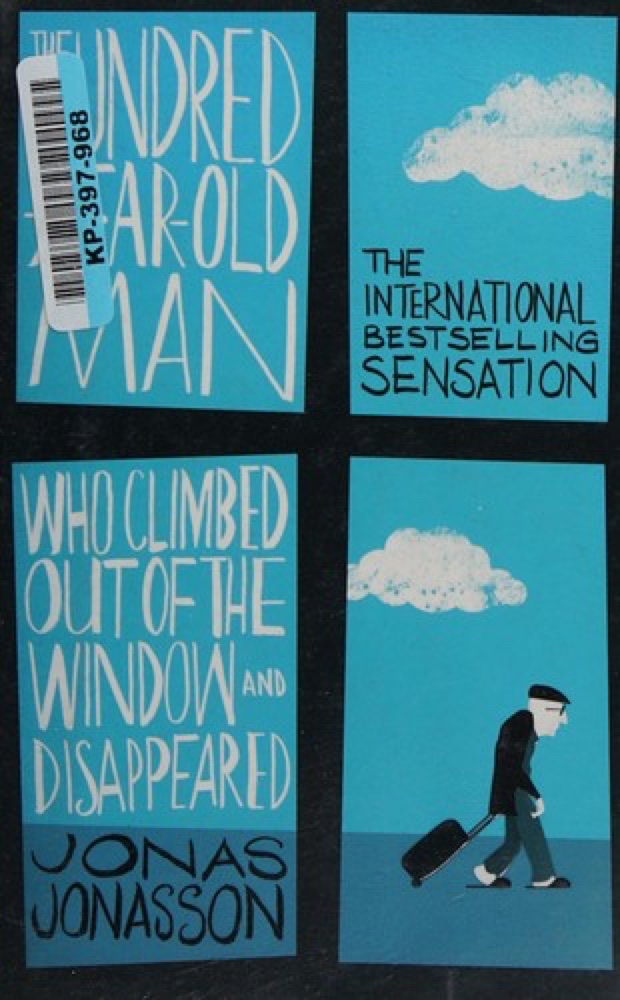 The Hundred-Year-Old Man Who Climbed Out of the Window and Disappeared
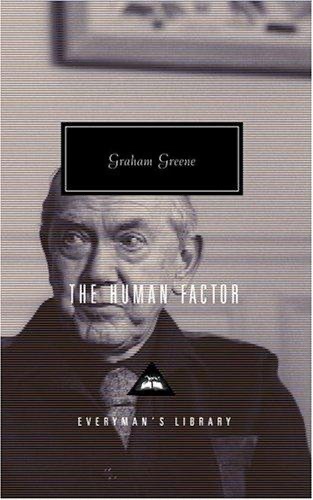 The Human Factor
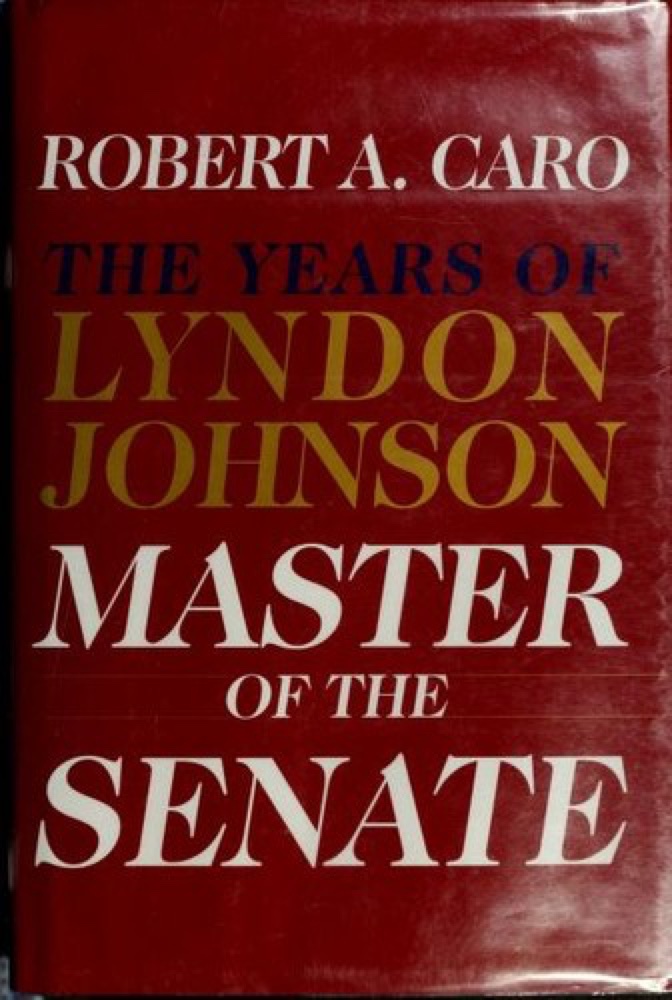 Master of the Senate
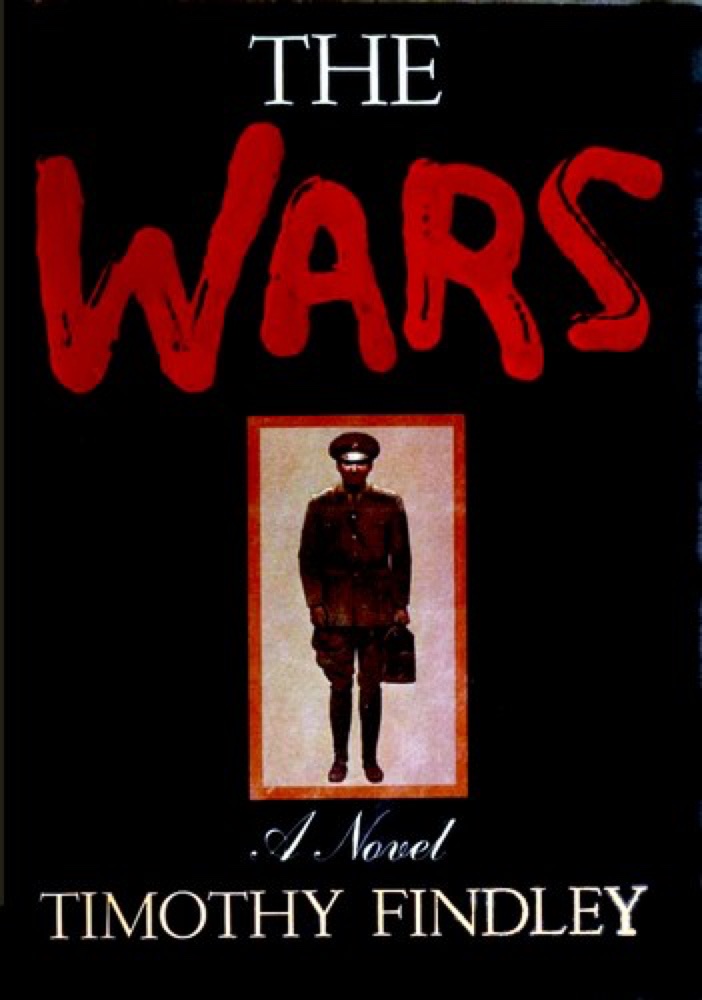 The Wars
 A Better World
 Glass Houses
 Use of Weapons
 Zero History
 Hell and Other Destinations: A 21st-Century Memoir