
 Something Happened
Quotes from the Book
He was going to live forever, or die in the attempt.
Just because you're paranoid doesn't mean they aren't after you.
There was only one catch and that was Catch-22, which specified that a concern for one's safety in the face of dangers that were real and immediate was the process of a rational mind. Orr was crazy and could be grounded. All he had to do was ask; and as soon as he did, he would no longer be crazy and would have to fly more missions. Orr would be crazy to fly more missions and sane if he didn't, but if he was sane he had to fly them. If he flew them he was crazy and didn't have to; but if he didn't want to he was sane and had to. Yossarian was moved very deeply by the absolute simplicity of this clause of Catch-22 and let out a respectful whistle. "That's some catch, that Catch-22," he observed. "It's the best there is," Doc Daneeka agreed.
...[A]nything worth dying for ... is certainly worth living for.
They're trying to kill me," Yossarian told him calmly. No one's trying to kill you," Clevinger cried. Then why are they shooting at me?" Yossarian asked. They're shooting at everyone," Clevinger answered. "They're trying to kill everyone." And what difference does that make?
The enemy is anybody who's going to get you killed, no matter which side he is on.
He knew everything there was to know about literature, except how to enjoy it
[They] agreed that it was neither possible nor necessary to educate people who never questioned anything.
What is a country? A country is a piece of land surrounded on all sides by boundaries, usually unnatural. Englishmen are dying for England, Americans are dying for America, Germans are dying for Germany, Russians are dying for Russia. There are now fifty or sixty countries fighting in this war. Surely so many countries can't all be worth dying for.
It was miraculous. It was almost no trick at all, he saw, to turn vice into virtue and slander into truth, impotence into abstinence, arrogance into humility, plunder into philanthropy, thievery into honor, blasphemy into wisdom, brutality into patriotism, and sadism into justice. Anybody could do it; it required no brains at all. It merely required no character.
What a lousy earth! He wondered how many people were destitute that same night even in his own prosperous country, how many homes were shanties, how many husbands were drunk and wives socked, and how many children were bullied, abused, or abandoned. How many families hungered for food they could not afford to buy? How many hearts were broken? How many suicides would take place that same night, how many people would go insane? How many cockroaches and landlords would triumph? How many winners were losers, successes failures, and rich men poor men? How many wise guys were stupid? How many happy endings were unhappy endings? How many honest men were liars, brave men cowards, loyal men traitors, how many sainted men were corrupt, how many people in positions of trust had sold their souls to bodyguards, how many had never had souls? How many straight-and-narrow paths were crooked paths? How many best families were worst families and how many good people were bad people? When you added them all up and then subtracted, you might be left with only the children, and perhaps with Albert Einstein and an old violinist or sculptor somewhere.
Why are they going to disappear him?' I don't know.' It doesn't make sense. It isn't even good grammar.
The country was in peril; he was jeopardizing his traditional rights of freedom and independence by daring to exercise them.
Man was matter, that was Snowden's secret. Drop him out a window, and he'll fall. Set fire to him and he'll burn. Bury him and he'll rot, like other kinds of garbage. The spirit gone, man is garbage. That was Snowden's secret. Ripeness was all.
You have a morbid aversion to dying. You probably resent the fact that you're at war and might get your head blown off any second." "I more than resent it, sir. I'm absolutely incensed." "You have deep-seated survival anxieties. And you don't like bigots, bullies, snobs, or hypocrites. Subconsciously there are many people you hate." "Consciously, sir, consciously," Yossarian corrected in an effort to help. "I hate them consciously." "You're antagonistic to the idea of being robbed, exploited, degraded, humiliated, or deceived. Misery depresses you. Ignorance depresses you. Persecution depresses you. Violence depresses you. Corruption depresses you. You know, it wouldn't surprise me if you're a manic-depressive!" "Yes, sir. Perhaps I am." "Don't try to deny it." "I'm not denying it, sir," said Yossarian, pleased with the miraculous rapport that finally existed between them. "I agree with all you've said.
The Texan turned out to be good-natured, generous and likable. In three days no one could stand him.
Be glad you're even alive.' Be furious you're going to die.
Some men are born mediocre, some men achieve mediocrity, and some men have mediocrity thrust upon them. With Major Major it had been all three. Even among men lacking all distinction he inevitably stood out as a man lacking more distinction than all the rest, and people who met him were always impressed by how unimpressive he was.
From now on I'm thinking only of me." Major Danby replied indulgently with a superior smile: "But, Yossarian, suppose everyone felt that way." "Then," said Yossarian, "I'd certainly be a damned fool to feel any other way, wouldn't I?
Do you know how long a year takes when it's going away?' Dunbar repeated to Clevinger. 'This long.' He snapped his fingers. 'A second ago you were stepping into college with your lungs full of fresh air. Today you're an old man.' 'Old?' asked Clevinger with surprise. 'What are you talking about?' 'Old.' 'I'm not old.' 'You're inches away from death every time you go on a mission. How much older can you be at your age? A half minute before that you were stepping into high school, and an unhooked brassiere was as close as you ever hoped to get to Paradise. Only a fifth of a second before that you were a small kid with a ten-week summer vacation that lasted a hundred thousand years and still ended too soon. Zip! They go rocketing by so fast. How the hell else are you ever going to slow down?' Dunbar was almost angry when he finished. 'Well, maybe it is true,' Clevinger conceded unwillingly in a subdued tone. 'Maybe a long life does have to be filled with many unpleasant conditions if it's to seem long. But in that event, who wants one?' 'I do,' Dunbar told him. 'Why?' Clevinger asked. 'What else is there?
When I look up, I see people cashing in. I don't see heaven or saints or angels. I see people cashing in on every decent impulse and every human tragedy.
Well, he died. You don't get any older than that.
He was a self-made man who owed his lack of success to nobody.
Morale was deteriorating and it was all Yossarian's fault. The country was in peril; he was jeopardizing his traditional rights of freedom and independence by daring to exercise them.
What do you do when it rains?" The captain answered frankly. "I get wet.
You have deep-seated survival anxieties. And you don't like bigots, bullies, snobs or hypocrites. Subconsciously there are many people you hate." "Consciously, sir, consciously," Yossarian corrected in an effort to help. "I hate them consciously.
You know, that might be the answer – to act boastfully about something we ought to be ashamed of. That’s a trick that never seems to fail.
Did you know?
- The novel was originally titled Catch-18, but was changed to avoid confusion with Leon Uris's recently published novel Mila 18.
- The phrase "catch-22" entered common English usage to describe a paradoxical, no-win situation.
- Heller drew directly on his own experience flying combat missions as a B-25 bombardier in World War II.
- The novel won no awards on release and received mixed reviews, yet went on to sell more than ten million copies.
- It was adapted into a 1970 film directed by Mike Nichols and a 2019 miniseries.
About Joseph Heller
Joseph Heller (1923-1999) was an American novelist, short-story writer, and playwright who served as a B-25 bombardier in the Mediterranean during World War II. His wartime service directly inspired his debut novel, Catch-22, which became his most celebrated work.
More about the author →More by Joseph Heller
Something Happened
 God Knows
About the book
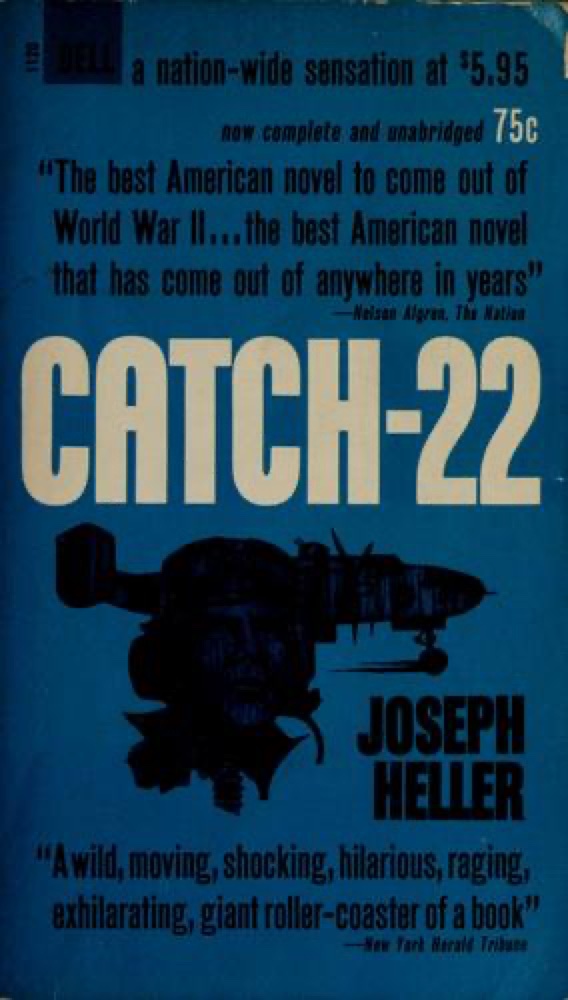
Catch-22 is Joseph Heller's satirical war novel, first published in 1961, following Captain John Yossarian, a U.S. Army Air Forces B-25 bombardier stationed on the Mediterranean island of Pianosa during World War II. Desperate to survive, Yossarian tries to be grounded from flying dangerous combat missions, only to be defeated by the novel's title paradox: a man is considered insane if he willingly keeps flying combat missions, but the moment he formally asks to be relieved on grounds of insanity, that rational act of self-preservation proves him sane and therefore fit to fly. As his commander repeatedly raises the number of required missions, escape becomes impossible.
The book is built on paradox and circular logic, using dark comedy to expose the absurdity of war, the irrationality of bureaucracy, and the way institutional systems trample the individual. Around Yossarian, Heller assembles a sprawling cast of caricatures, from the profiteering mess officer Milo Minderbinder to the bewildered Chaplain Tappman, telling their stories in a deliberately non-chronological structure that gradually circles back to reveal the war's true horrors. Themes of survival, self-interest, sanity, and the profit-driven machinery of violence run throughout.
Drawing on Heller's own experience as a wartime bombardier, Catch-22 became one of the most influential American anti-war satires, and its title entered the English language as shorthand for any no-win situation governed by self-contradictory rules. Initially published to mixed reviews and no major awards, it grew into a modern classic, selling many millions of copies and inspiring both a 1970 film and a 2019 television miniseries.
Key characters
- John YossarianB-25 bombardier and protagonist desperate to avoid combat missions
- Milo MinderbinderMess officer running a profit-seeking black-market syndicate
- Colonel CathcartAmbitious commanding officer who keeps raising the required mission count
- Major Major Major MajorAwkward squadron officer saddled with an absurd name
- Doc DaneekaSelf-pitying flight surgeon who explains the Catch-22 rule
- Chaplain TappmanBewildered, gentle chaplain befriended by Yossarian
Book details
- First published
- 1961
- Length
- 453 pages
- Reading time
- 27 hours
- Author
- Joseph Heller
- Genre
- Classics
- Goodreads rating
- 3.99 (899k ratings) →
- First line
- “It was love at first sight.”
Movie & TV adaptations
- IMDb
- IMDb
If you liked this, read…
- 1Slaughterhouse-FiveAnother absurdist, darkly comic World War II anti-war novel
- 2The Good Soldier SvejkClassic satire of military bureaucracy and absurdity
- 3Gravity's RainbowSprawling, chaotic postmodern wartime satire
Keep reading
 Bluebeard
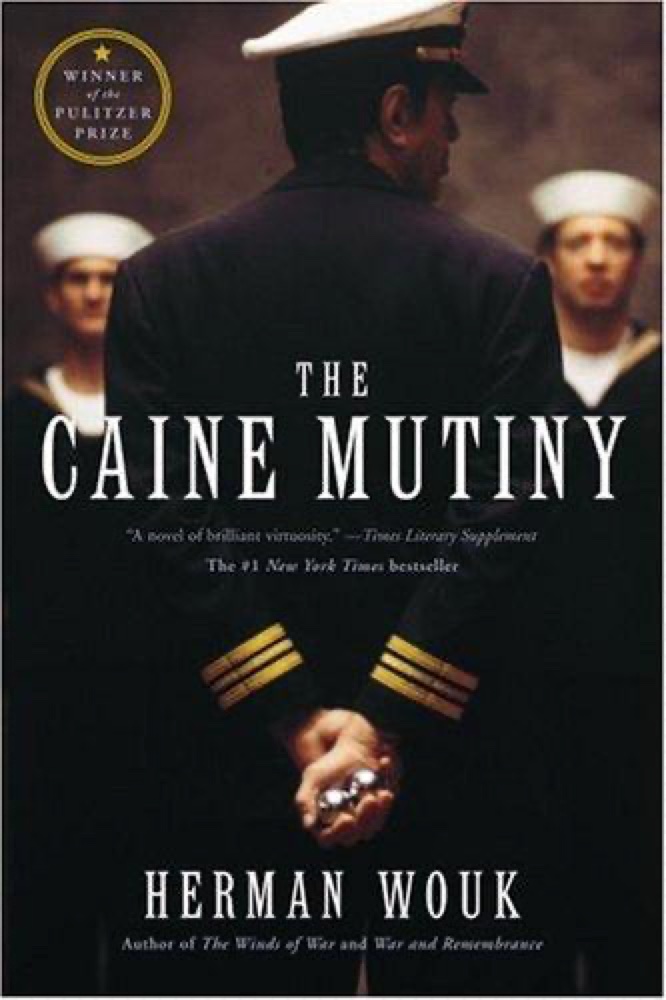 The Caine Mutiny
 The Affair
 The Naked and the Dead
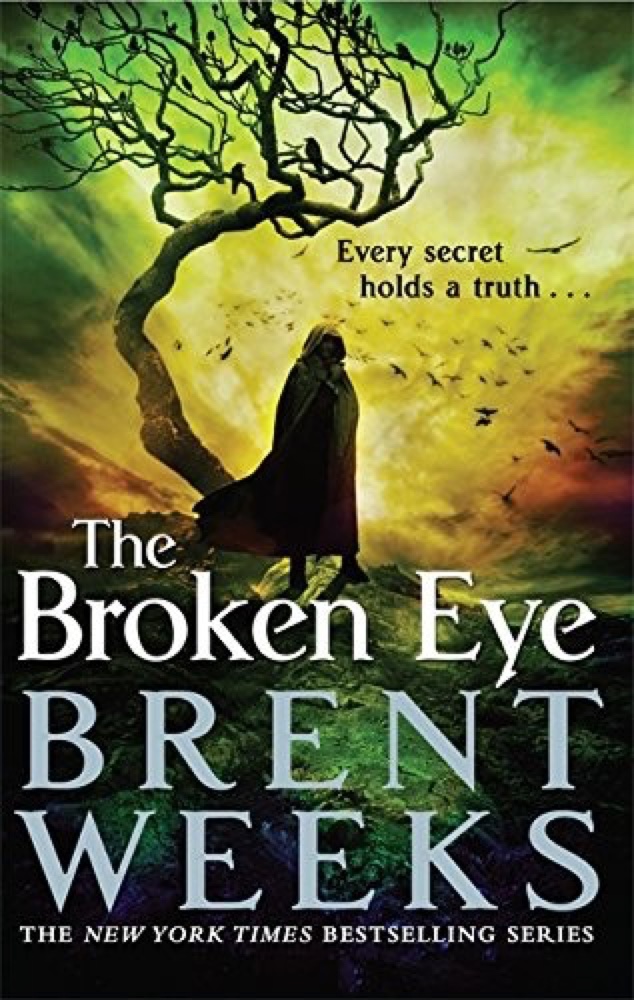 The Broken Eye
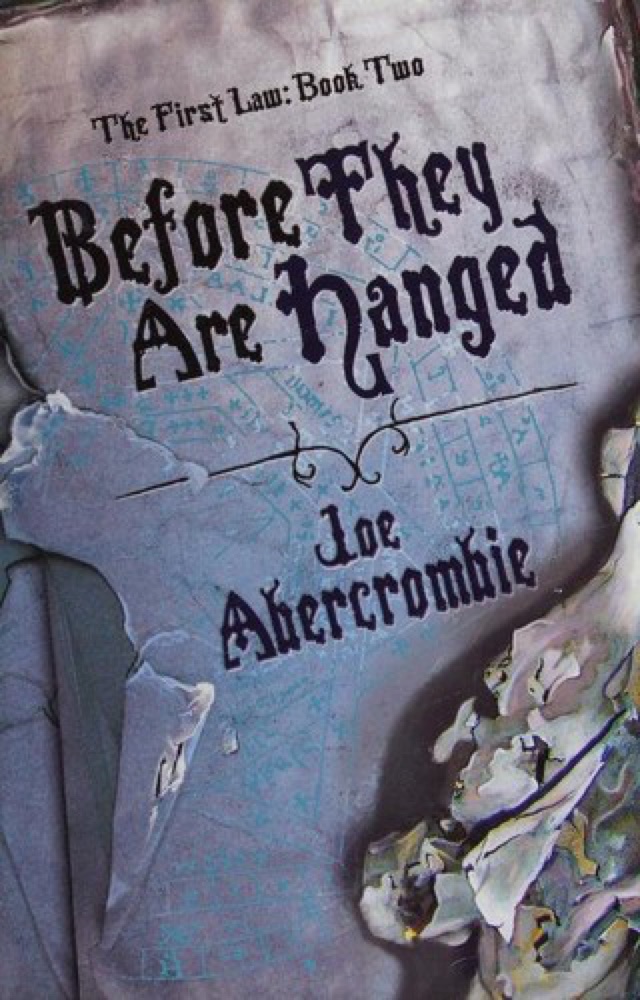 Before They Are Hanged
 Crime and Punishment
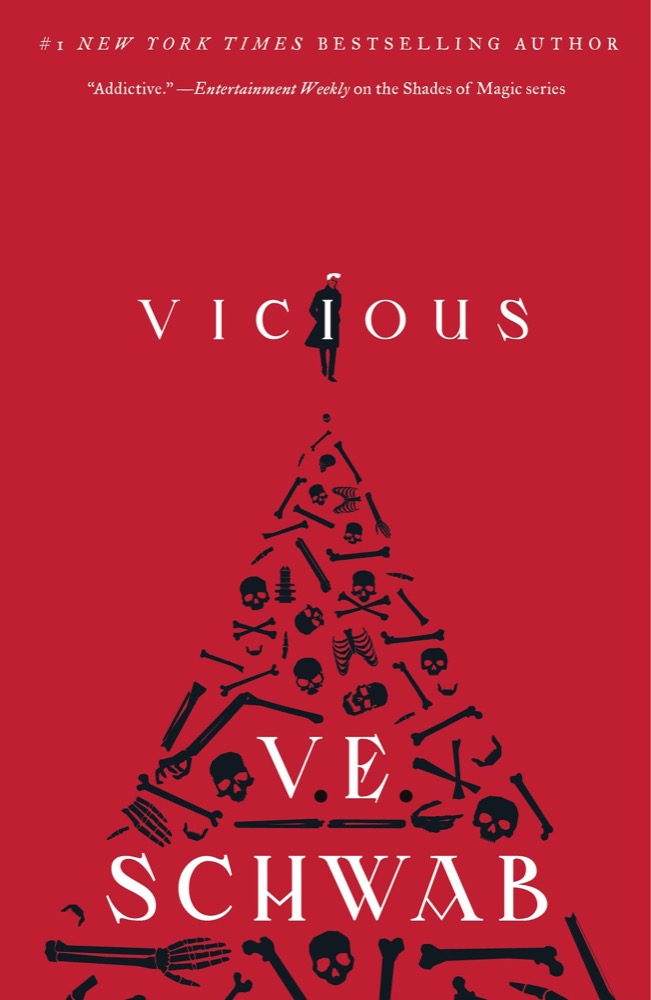 Vicious
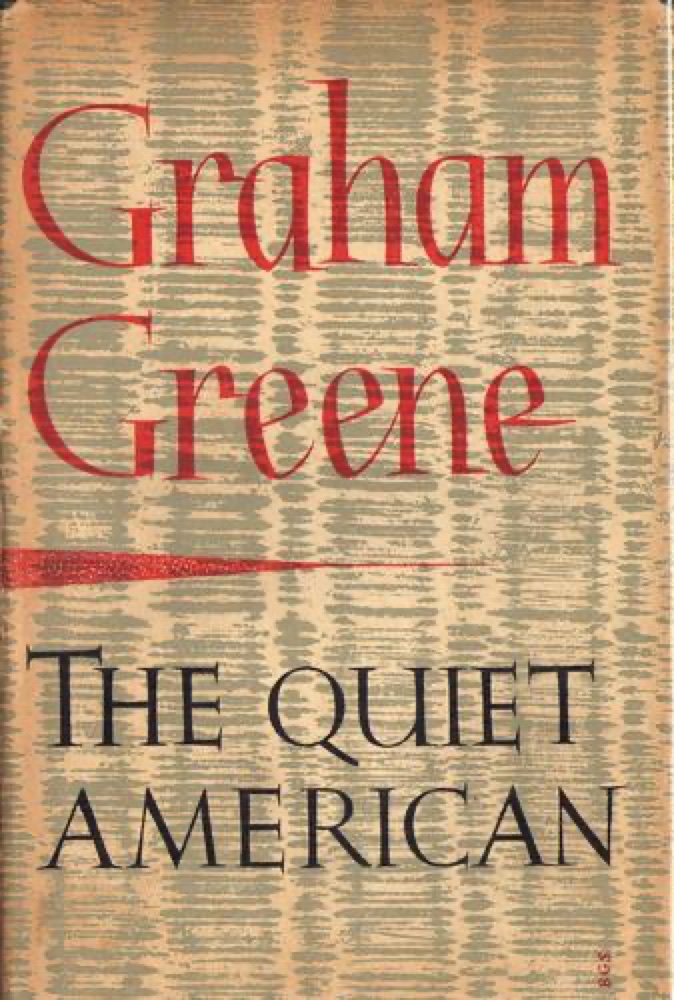 The Quiet American
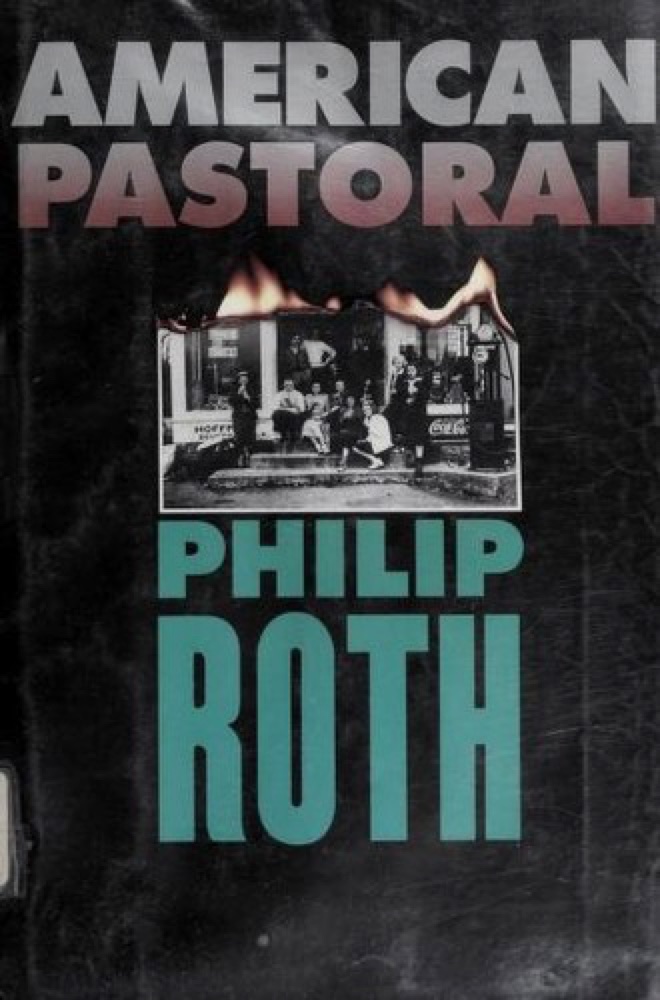 American Pastoral
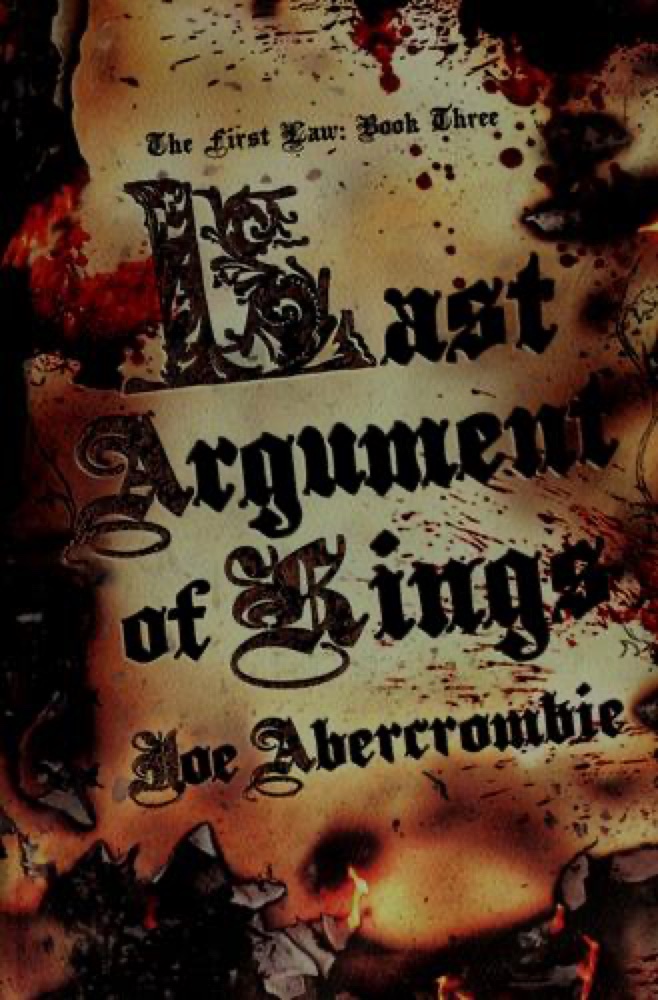 Last Argument of Kings
 Proces
 In Cold Blood
 The Given Day
 Alas, Babylon
 I Am Pilgrim
 Child 44
 From Here to Eternity
 The Hundred-Year-Old Man Who Climbed Out of the Window and Disappeared
 Without Remorse
 Caliban’s War
 The Blinding Knife
 Pathfinder
 The Man Who Was Thursday
 Revolutionary Road
 Scaramouche
 Use of Weapons
 The Son
 Point Counter Point
 The Magus
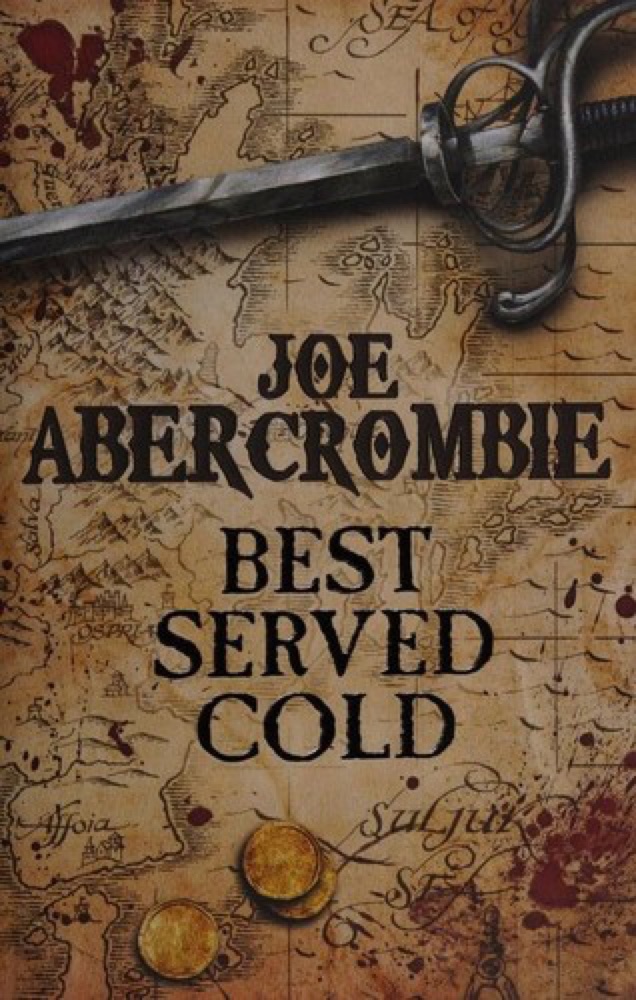 Best Served Cold
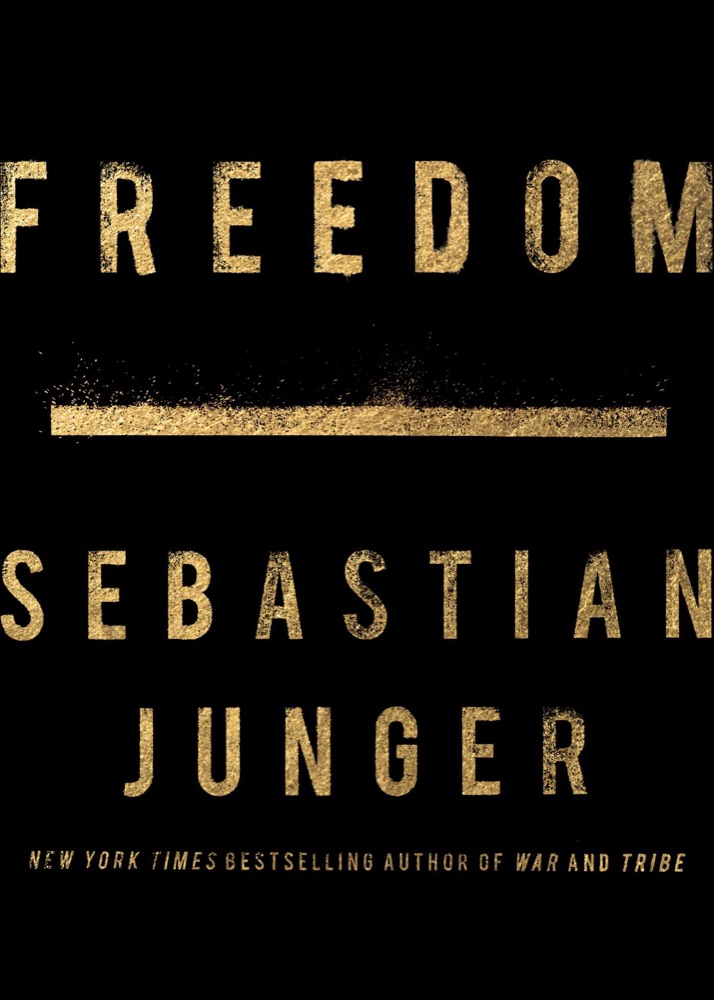 Freedom
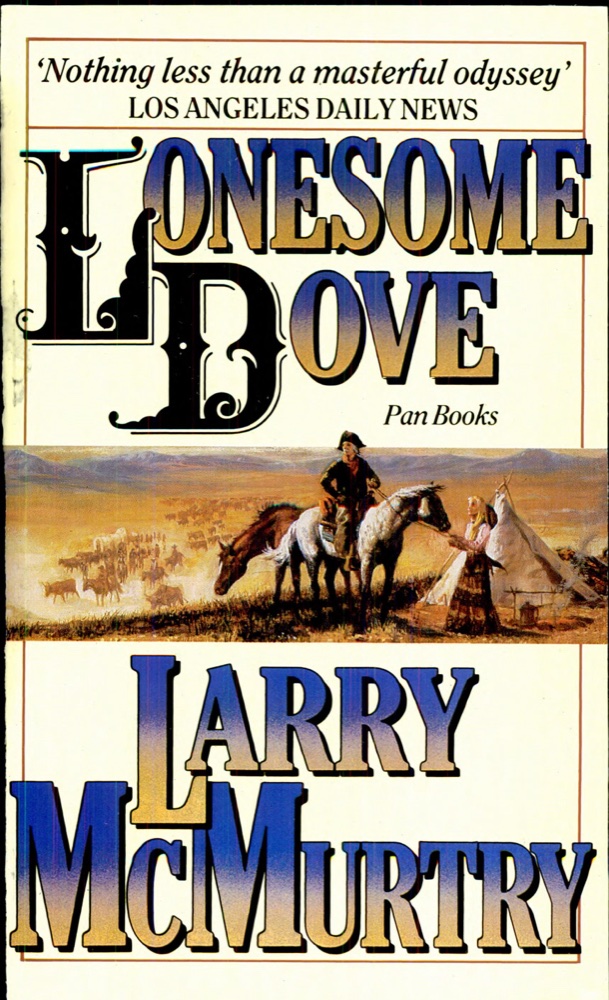 Lonesome Dove
 The Victim
 A Fatal Inversion
 The Idiot
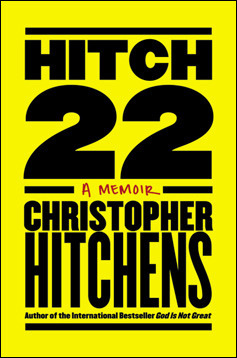 Hitch-22: A Memoir
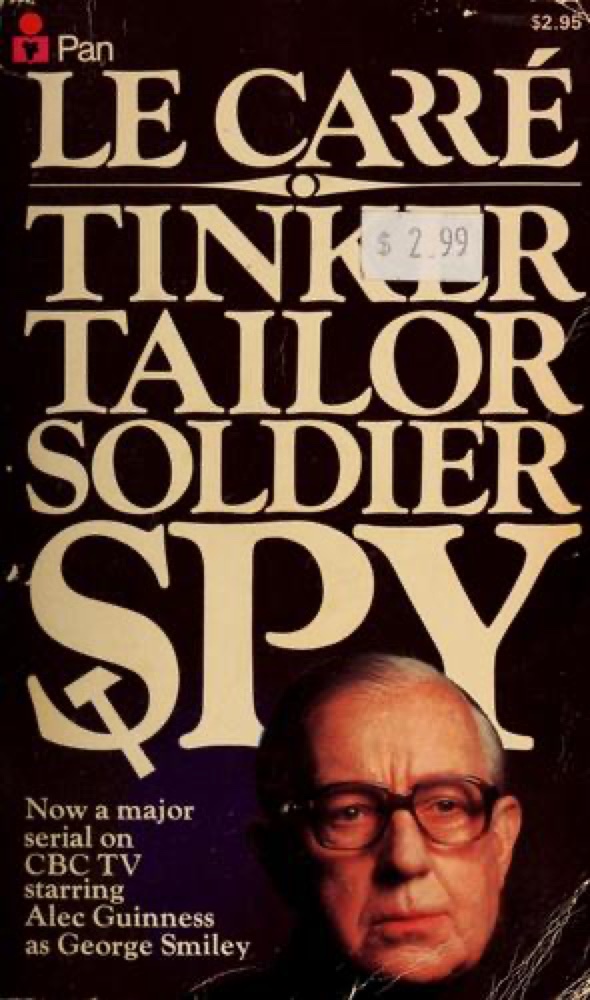 Tinker Tailor Soldier Spy
 Everyman
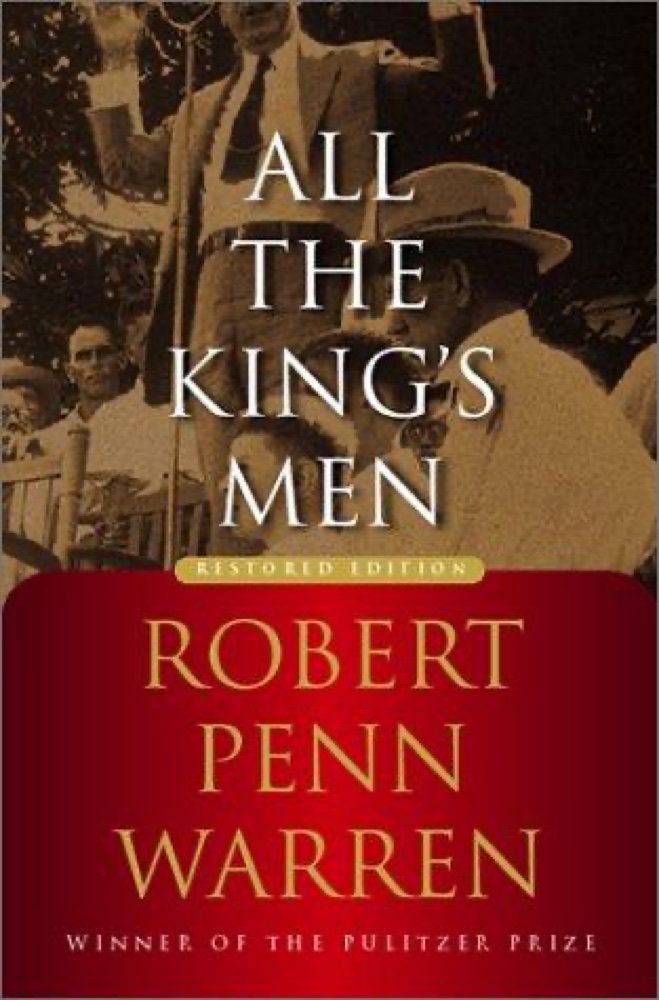 All the King's Men
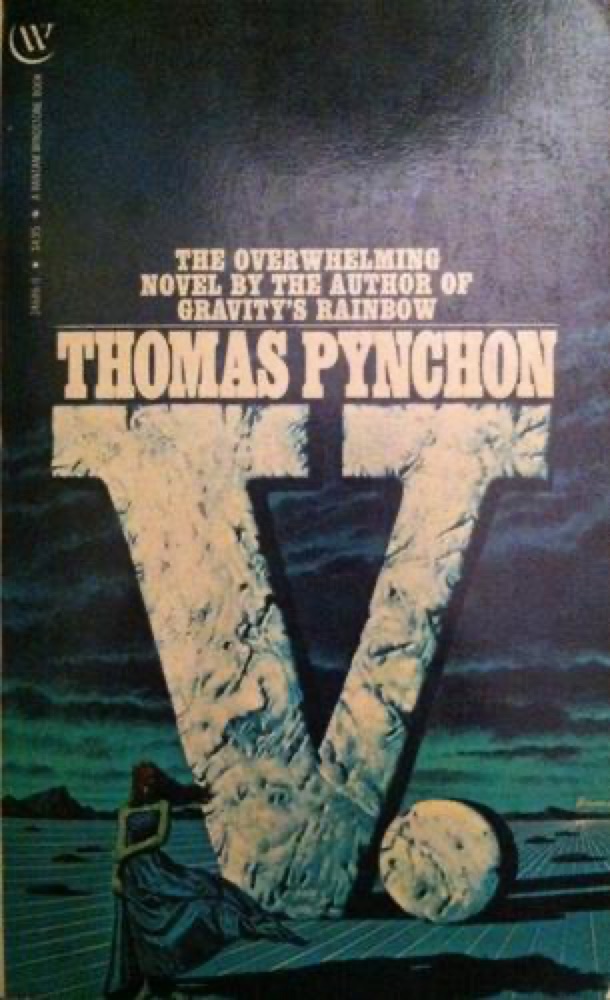 V.
V.
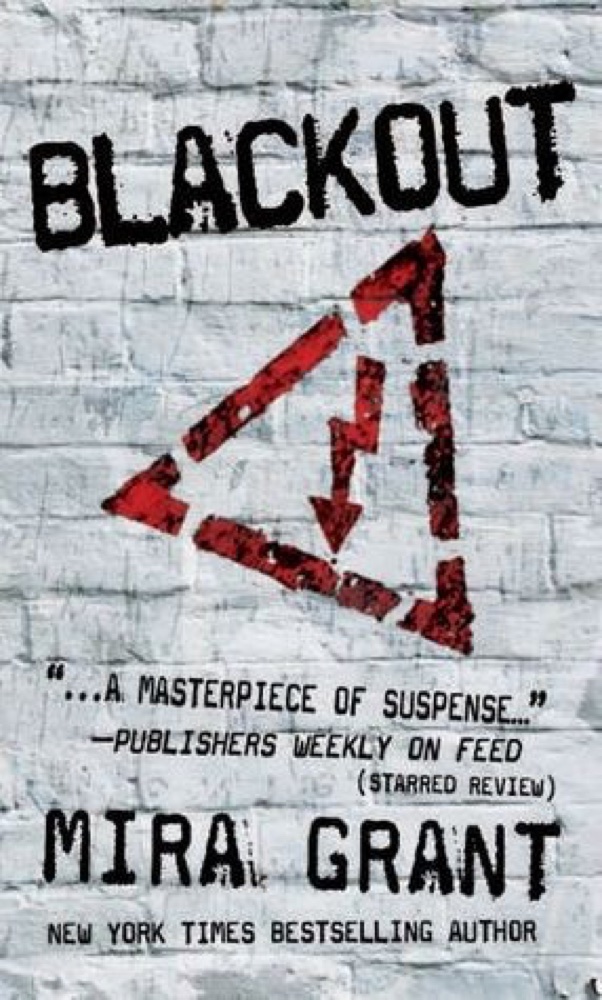 Blackout
 Ender's Shadow
 A Scanner Darkly
 Beyond the Shadows
 The Kite Runner
 The Chocolate War
 Demons
 Babylon's Ashes
 The Spy Who Came In from the Cold
 The Mysterious Mr. Quin
 Mother Night
 The Sympathizer
 That Hideous Strength
 Life for Sale
 True Grit
 Pachinko
 Look at the Birdie: Unpublished Short Fiction
 Dead Souls
 City of Thieves