
 The Mortification of Sin
Quotes from the Book
Either sin must drown in the tears of repentance—or the soul must burn in hell.
6
Upon our turning to God, we have more restored to us in Christ—than ever was lost in Adam. God says to the repenting soul, “I will clothe you with the robe of righteousness; I will enrich you with the jewels and graces of my Spirit. I will bestow my love upon you! I will give you a kingdom! Son, all I have is yours!
4
Hence I infer that where there is no sight of sin, there can be no repentance. Many who can spy faults in others see none in themselves. They cry that they have good hearts. Is it not strange that two should live together, and eat and drink together, yet not know each other? Such is the case of a sinner. His body and soul live together, work together, yet he is unacquainted with himself. He knows not his own heart, nor what a hell he carries about him. Under a veil, a deformed face is hid. Persons are veiled over with ignorance and self-love; therefore they see not what deformed souls they have.
3
Let it not be said that repentance is difficult. Things that are excellent deserve labour. Will not a man dig for gold in the ore though it makes him sweat? It is better to go with difficulty to heaven, than with ease to hell.
2
The Nature of True Repentance, Part 1 I shall next show what Gospel repentance is. Repentance is a grace of God’s Spirit whereby a sinner is inwardly humbled and visibly reformed. For a further amplification, know that repentance is a spiritual medicine made up of six special ingredients: 1. Sight of sin 2. Sorrow for sin 3. Confession of sin 4. Shame for sin 5. Hatred for sin 6. Turning from sin If any one is left out, it loses its virtue.
2
Christ is never loved—until sin is loathed.
1
Compare sin with hell, and you shall see that sin is worse. Torment has it emphasis in hell, yet nothing there is as bad as sin. Hell is of God's making, but sin is none of His making. Sin is the devil's creature. The torments of hell are a burden only to the sinner, but sin is a burden to God: (Amos 2:13) In the torments of hell there is something that is good, namely, the execution of divine justice. There is justice to be found in hell, but sin is a piece of the highest injustice. It would rob God of His glory, Christ of His purchase, the soul of its happiness.
1
We are never more precious in gods eyes than when we are lepers in our own.
1
It is in fashion nowadays to go to hell.
1
It is better that men should reproach you for repenting than that God should damn you for not repenting.
1
Carnal Protestants, who are strangers to godly sorrow. They cannot endure a serious thought, nor do they love to trouble their heads about sin. Paracelsus[34] spoke of a frenzy some have which will make them die dancing. Likewise, sinners spend their days in mirth; they fling away sorrow and go dancing to damnation. Some have lived many years, yet never put a drop in God’s bottle, nor do they know what a broken heart means. They weep and wring their hands as if they were undone when their estates are gone, but have no agony of soul for sin.
1
As our sin is ever before us, so God’s promise must be ever before us. As we much feel our sting, so we must look up to Christ, our “brazen serpent” (Num 21:8-9).
1
Godly sorrow goes deep, like a vein which bleeds inwardly. The heart bleeds for sin: “they were pricked in their heart” (Act 2:37). As the heart bears a chief part in sinning, so it must in sorrowing.
1
Ingredient 2: Sorrow for Sin “I will be sorry for my sin” (Psa 38:18). Ambrose calls sorrow the embittering of the soul. The Hebrew word “to be sorrowful” signifies “to have the soul, as it were, crucified.” This must be in true repentance: “They shall look upon me whom they have pierced, and they shall mourn” (Zec 12:10), as if they did feel the nails of the cross sticking in their sides. A woman may as well expect to have a child without pangs as one can have repentance without sorrow. He that can believe without doubting, suspect his faith; and he that can repent without sorrowing, suspect his repentance. Martyrs shed blood for Christ, and penitents shed tears for sin: “she…stood at his [Jesus’] feet…weeping” (Luk 7:38). See how this limbeck[19] dropped. The sorrow of her heart ran out at her eye…
1
What is the reason the word works so differently? It is because the Spirit of God carries the word to the conscience of one and not another. One has receive the divine unction and not the other.
So dear is sin to a man that he will rather part with a child than with a lust
The eye is for both seeing and weeping. Sin must first be seen before it can be wept for.
How welcome is a surgeon to a man who is bleeding from his wounds!
What a vast difference is there between the first covenant and the second! In the first covenant it was, if you commit sin you die; in the second it is, if you confess sin you shall have mercy.
Our sins are worser than the sins of the devils: the lapsed angels never sinned against Christ's blood. Chris died not for them.The medicine of his merit was never intended to heal them. But we have affronted and disparaged his blood by unbelief.
Affliction only reaches the body, but sin goes further: it poisons the fancy, disorders the affections. Affliction is but corrective; sin is destructive. Affliction can but take away the life; sin takes away the soul.
Men begin by sinning against the light of conscience, and proceed gradually to despiting the Spirit of grace.
The more work we do for God, the more willing we shall be to die, and the sweater death will be.
Conscience is a bosom-preacher. Sometimes it convinces, sometimes it reproves.. But men imprison this preacher, and God says to conscience, Preach no more: "he which is filthy, let him be filthy still!" (Rev 22:11). This is a fatal sign that a man's day of grace has past.
Morality shoots short of heaven. It is only nature refined. A moral man is but old Adam dressed in fine clothes. The king's image counterfeited and stamped upon brass will not go current.
It was a witty fiction of the poets, that when Mercury had cast Argus into a sleep and with an enchanted wand closed his eyes, he then killed him. When Satan has by his witcheries lulled men asleep in sloth, then he destroys them. Some report that while the crocodile sleeps with its mouth open, the Indian rat gets into its belly and eats up its entrails. So while men sleep in security they are devoured.
When men have hearts of stone and foreheads of brass—it is a sign that the devil has taken full possession of them.
Self-love raises a sickbed vow, and love of sin will prevail against it. Trust not to a passionate resolution; it is raised in a storm and will die in a calm.
Watch on YouTube
About Thomas Watson
We have collected 28 quotes from 1 book by Thomas Watson on BookQuoters.
More about the author →About the book
‘ The Doctrine of Repentance is probably one of the most needed books, not only for us as ministers, but for our people, because repentance is so trivialized today. [This book] stresses the need for ongoing repentance, a daily repentance, a lifestyle of repentance. Like Luther said, “God will have his people repenting all life long.” Watson shows you how to do that.’ — JOEL BEEKE A good case could be made out for believing that ‘repentance’ is one of the least used words in the Christian church today. Few better guides have existed in this or any other area of spiritual experience than Thomas Watson. He was a master of both Scripture and the human heart, and wrote with a simplicity and directness that keeps his work fresh and powerful for the twenty-first century.
Book details
- First published
- 1688
- Author
- Thomas Watson
- Genre
- Nonfiction
- Goodreads rating
- 4.53 (2k ratings)
Keep reading
The Mortification of Sin
 The Cross of Christ
 Life of Christ
 The Name of God is Mercy
 A Church in the House: Restoring Daily Worship to the Christian Household
 All of Grace
 The Holiness of God
 The Bruised Reed
 Gentle and Lowly: The Heart of Christ for Sinners and Sufferers
 Sinners in the Hands of a Loving God: The Scandalous Truth of the Very Good News
 Studies in the Sermon on the Mount
 The Prodigal Prophet: Jonah and the Mystery of God's Mercy
 Thoughts for Young Men
 Life Together: The Classic Exploration of Christian Community
 The Mystery of Providence
 City of God
 The Pursuit of Holiness
 He Chose the Nails: What God Did to Win Your Heart
 The Prodigal God: Recovering the Heart of the Christian Faith
 The Cost of Discipleship
 A Little Book on the Christian Life
 The Ragamuffin Gospel
 The Seven Sayings of the Saviour on the Cross
 Discipline: The Glad Surrender
 The Case for Faith: A Journalist Investigates the Toughest Objections to Christianity
 Institutes of the Christian Religion, 2 Vols
 King's Cross: The Story of the World in the Life of Jesus
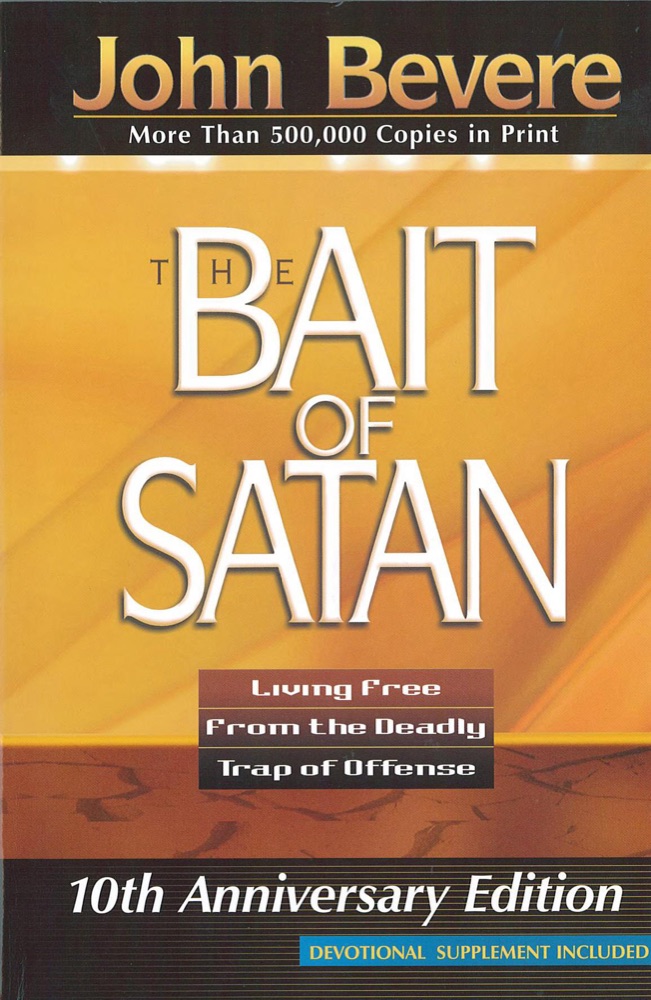 The Bait Of Satan: Living Free from the Deadly Trap of Offense
 To Draw Closer To God: A Collection Of Discourses
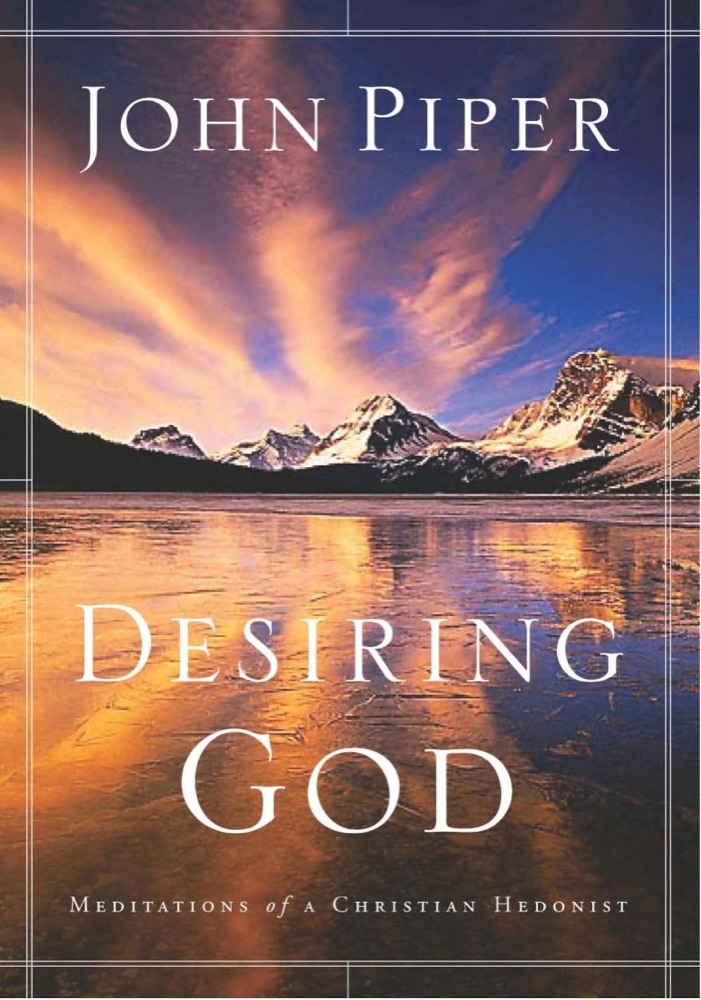 Desiring God: Meditations of a Christian Hedonist
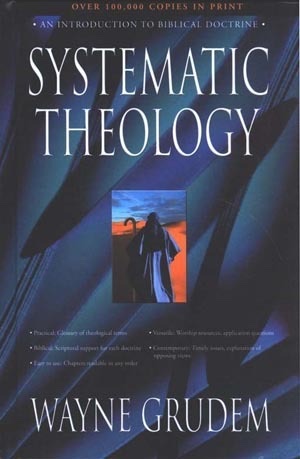 Systematic Theology: An Introduction to Biblical Doctrine
 Grace for the Moment: Inspirational Thoughts for Each Day of the Year, Volume 1
 Pastrix: The Cranky, Beautiful Faith of a Sinner & Saint
 In His Image: 10 Ways God Calls Us to Reflect His Character
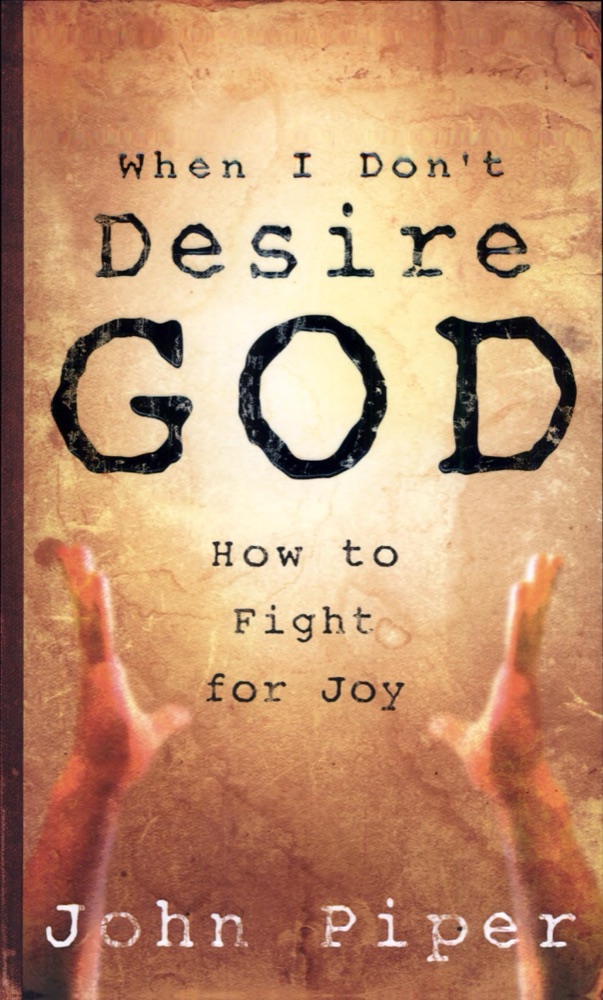 When I Don't Desire God: How to Fight For Joy
 My Utmost for His Highest
 Saint Francis
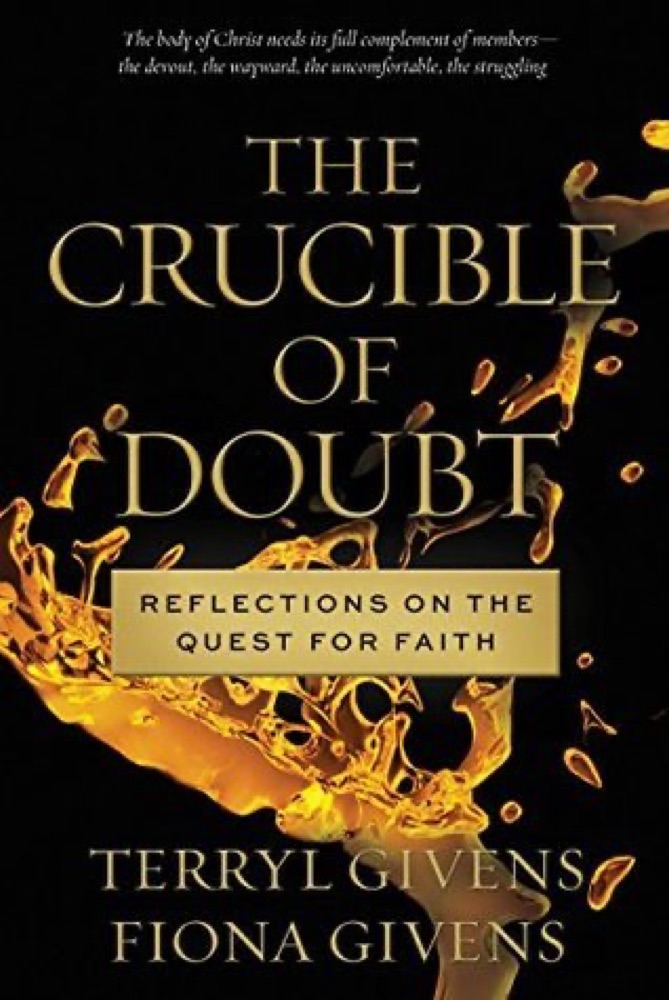 The Crucible of Doubt: Reflections On the Quest for Faith
 The Orthodox Study Bible
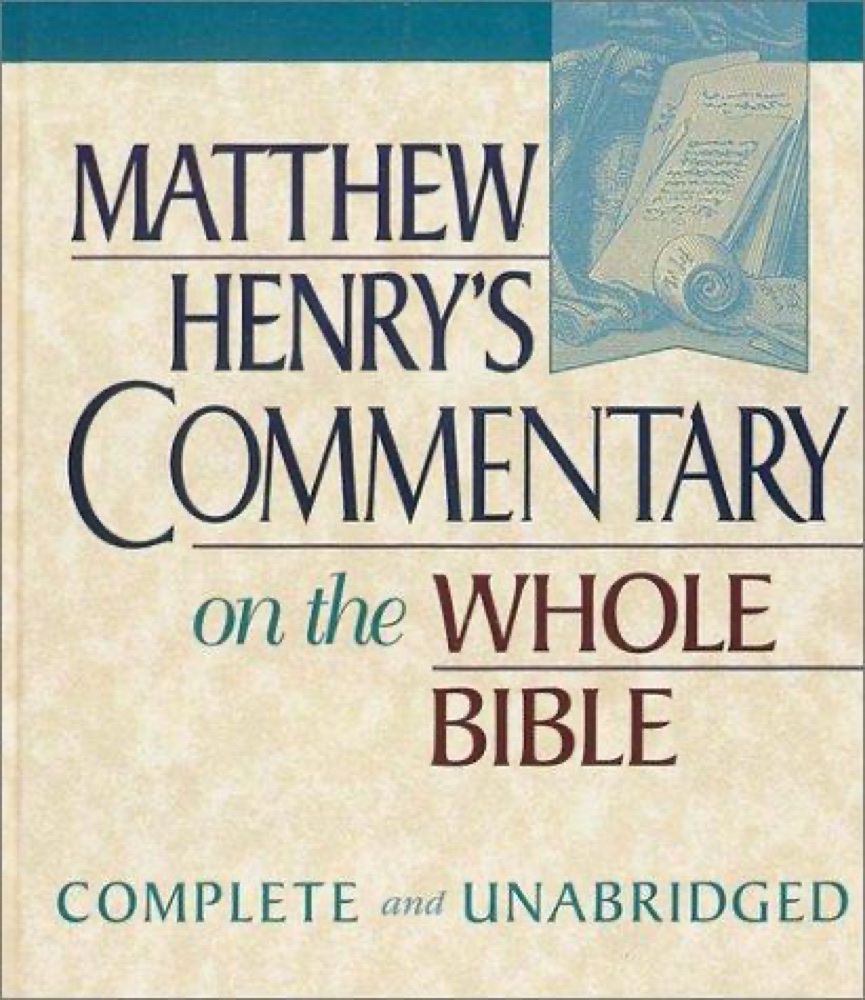 Matthew Henry's Commentary on the Whole Bible
 3:16: The Numbers of Hope
 Tortured for Christ
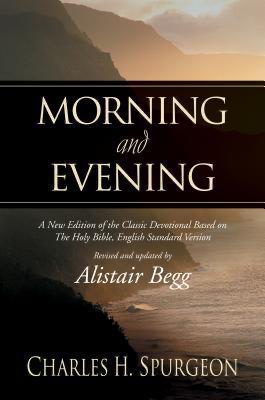 Morning and Evening, Based on the English Standard Version
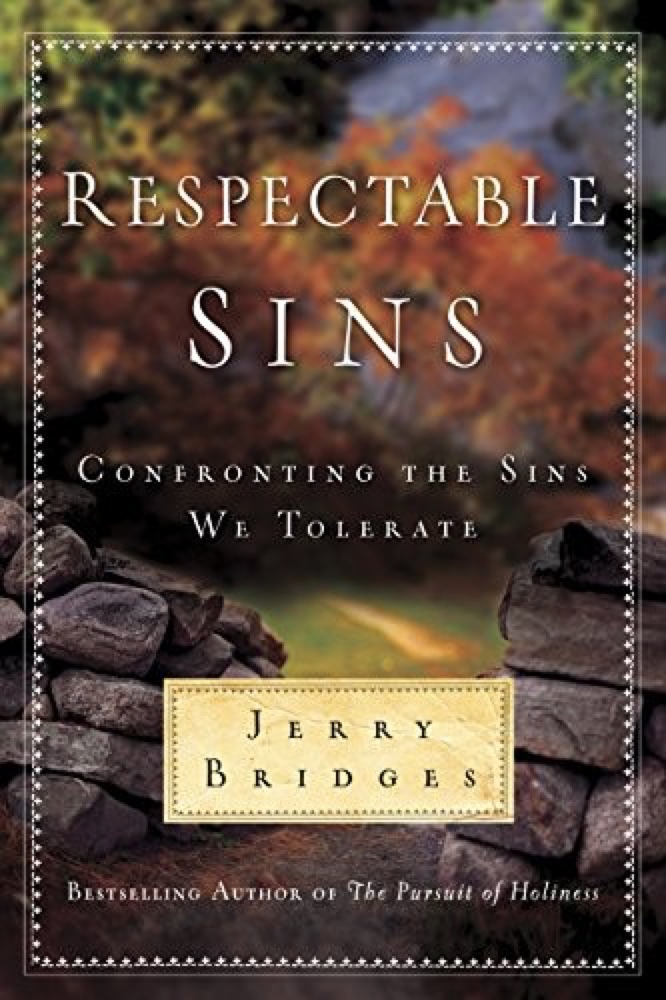 Respectable Sins: Confronting the Sins We Tolerate
 That All Shall Be Saved: Heaven, Hell, and Universal Salvation
 The Normal Christian Life
 Mere Christianity
 Steps to Christ
 The New Oxford Annotated Bible: New Revised Standard Version
 The Good Man Jesus and the Scoundrel Christ
 The Explicit Gospel
 Erasing Hell: What God Said About Eternity, and the Things We've Made Up
 Introduction to the Devout Life
 How People Change
 The Kingdom of God Is Within You
 The Problem of Pain
 40 Days of Decrease: A Different Kind of Hunger. A Different Kind of Fast.
 The Sovereignty of God
 The Devil's Advocate