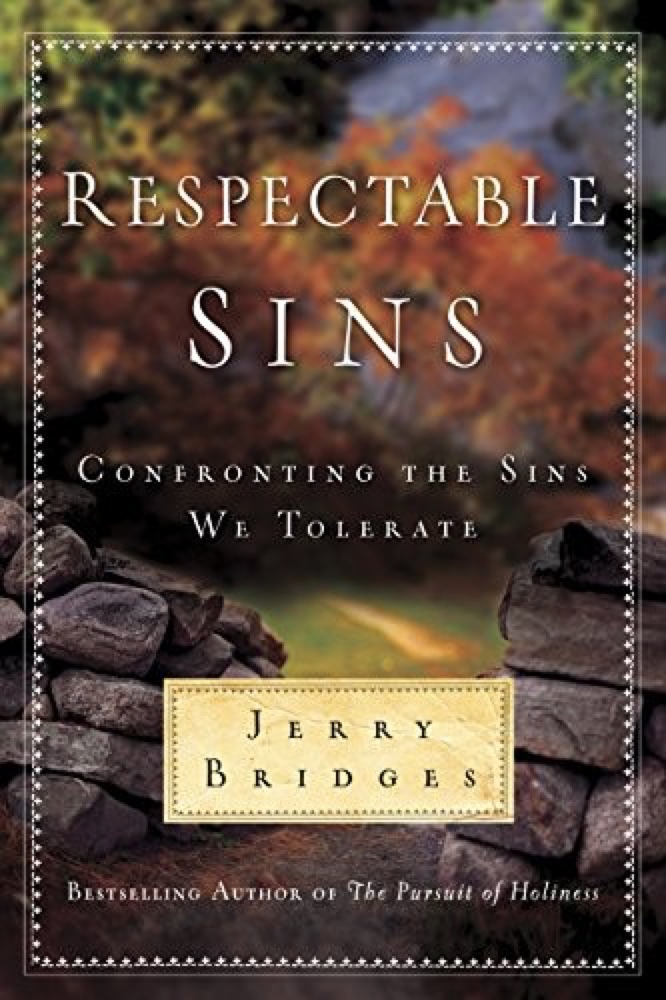
 Respectable Sins: Confronting the Sins We Tolerate
Quotes from the Book
In the deceitfulness of our hearts, we sometimes play with temptation by entertaining the thought that we can always confess and later ask forgiveness. Such thinking is exceedingly dangerous. God’s judgement is without partiality. He never overlooks our sin. He never decides not to bother, since the sin is only a small one. No, God hates sin intensely whenever and wherever He finds it.
Too often, we say we are defeated by this or that sin. No, we are not defeated. We are simply disobedient. It might be good if we stop using the terms victory and defeat to describe our progress in holiness. Rather, we should use the terms obedience and disobedience. When I say I am defeated by some sin, I am unconsciously slipping out from under my responsibility. I am saying something outside of me has defeated me. But when I say I am disobedient, that places the responsibility for my sin squarely on me. We may in fact be defeated, but the reason we are defeated is because we have chosen to disobey. We need to brace ourselves up and to realize that we are responsible for thoughts, attitudes, and actions. We need to reckon on the fact that we died to sin's reign, that it no longer has any dominion over us, that God has united us with the risen Christ in all His power and has given us the Holy Spirit to work in us. Only as we accept our responsibility and appropriate God's provisions will we make any progress in our pursuit of holiness.
We're more concerned about our own "victory" over sin than we are about the fact that our sins grieve God's heart.
Even our tears of repentance need to be washed in the blood of the Lamb.
As we grow in holiness, we grow in hatred of sin; and God, being infinitely holy, has an infinite hatred of sin.
One of the most difficult defilements of the spirit to deal with is the critical spirit. A critical spirit has its root in pride. Because of the 'plank' of pride in our own eye we are not capable of dealing with the 'speck' of need in someone else. We are often like the Pharisee who, completely unconscious of his own need prayed "God, I thank you that I am not like other men" (Luke 18:11). We are quick to see - and to speak of - the faults of others, but slow to see our own needs. How sweetly we relish the opportunity to speak critically of someone else - even when we are unsure of the facts. We forge that "a man who stirs up dissension among brothers" by criticizing one to another is one of the "six thing which the Lord hates" (Proverbs 6:16-19)
As we become soft and lazy in our bodies, we tend to become soft and lazy spiritually.
The Holy Spirit makes us aware of our lack of holiness to stimulate us to deeper yearning and striving for holiness. But Satan will attempt to use the Holy Spirit’s work to discourage us.
We must be careful to let the Holy Spirit do this searching. If we try to search our own hearts, we are apt to fall into one or both of two traps. The first is the trap of morbid introspection. Introspection can easily become the tool of Satan, who is called the "accuser" (Revelation 12:10). One of his chief weapons is discouragement. He knows that if he can make us discouraged and dispirited, we will not fight the battle for holiness. The second trap is that of missing the real issues in our lives.
But we need to pray daily for humility and honesty to see these sinful attitudes for that they really are, and then for grace and discipline to root them out of our minds and replace them with thoughts pleasing to God.
The Christian living in disobedience also lives devoid of joy and hope. But when he begins to understand that Christ has delivered him from the reign of sin, when he begins to see that he is united to Him who has all power and authority and that it is possible to walk in obedience, he begins to have hope, and as he hopes in Christ, he begins to have joy. In the strength of this joy, he begins to overcome the sins that have so easily entangle him. He then finds that the joy of a holy walk is infinitely more satisfying than the fleeting pleasures of sin. But to experience this joy, we must make some choices. We must choose to forsake sin, not only because it is defeating to us but because it grieves the heart of God.
We become so accustomed to our sins we sometimes lapse into a state of peaceful coexistence with them, but God never ceases to hate them.
We are to come to the Word in a spirit of humility and contrition because we recognize that we are sinful, that we are often blind to our sinfulness, and that we need the enlightening power of the Holy Spirit in our hearts.
God wants us to walk in obedience—not victory. Obedience is oriented toward God; victory is oriented toward self.
W. S. Plumer said, “We never see sin aright until we see it as against God...All sin is against God in this sense: that it is His law that is broken, His authority that is despised, His government that is set at naught...Pharaoh and Balaam, Saul and Judas each said, ‘I have sinned’; but the returning prodigal said, ‘I have sinned against heaven and before thee’; and David said, ‘Against Thee, Thee only have I sinned.
We need to cultivate in our own hearts the same hatred of sin God has. Hatred of sin as sin, not just as something disquieting or defeating to ourselves, but as displeasing to God, lies at the root of all true holiness.
The Holy Spirit opens the inner recesses of our hearts and enables us to see the moral cesspools hidden there.
But God has not called us to be like those around us. He has called us to be like Himself. Holiness is nothing less than conformity to the character of God.
So we see that God has made provision for our holiness. Through Christ He has delivered us from sin's reign so that we now can resist sin. But the responsibility for resisting is ours. God does not do that for us. To confuse the potential for resisting (which God provided) with the responsibility for resisting (which is ours) is to court disaster in our pursuit of holiness.
Holiness begins in our minds and works out to our actions. This being true, what we allow to enter our minds is critically important. The television programs we watch, the movies we may attend, the books and magazines we read, the music we listen to, and the conversations we have all affect our minds.
We may feel that a particular habit 'isn't too bad,'but continually giving in to that habit weakens our wills against the onslaughts of temptation from other directions.
It is clear from our Lord's prayer that He does not intend for us to withdraw from contact with the world of non-Christians (John 17:15). Instead, He said we are to be 'the salt of the earth' and 'the light of the world' (Matthew 5:13-14).
But the guarding of our desires is more than fighting a rear-guard defensive action against temptations from the world, the flesh, and the devil. We must take the offensive. Paul directs us to set our hearts on things above, that is, on spiritual values (Colossians 3:1).
Years ago a friend gave me what he called his 'Formula: How to Know Right from Wrong.' The formula asks four questions based on three verses in 1 Corinthians: 1. '"Everything is permissible for me"--but not everything is beneficial' (1 Corinthians 6:12). Question 1: Is it helpful--physically, spiritually, and mentally? 2. '"Everything is permissible for me"--but I will not be mastered by anything' (1 Corinthians 6:12). Question 2: Does it bring me under its power? 3. 'Therefore, if what I eat causes my brother to fall into sin, I will never eat meat again, so that I will not cause him to fall' (1 Corinthians 8:13). Question 3: Does it hurt others? 4. 'So whether you eat or drink or whatever you do, do it all for the glory of God' (1 Corinthians 10:31). Question 4: Does it glorify God?
The same grace that brings salvation teaches us to renounce ungodly living.
We need to ask God daily to search our hearts for sin that we cannot or will not see.
Holiness has to do with more than mere acts. Our motives must be holy, that is, arising from a desire to do something simply because it is the will of God. Our thoughts should be holy, since they are known to God even before they are formed in our minds.
But the holiness of Jesus was more than simply the absence of actual sin. It was also a perfect conformity to the will of His Father.
Tenemos que aprender a seguir el ejemplo de Cristo, que fue movido a compasión por los pecadores y que podía orar por ellos incluso cuando lo estaban clavando a la cruz en el Calvario.
Holiness and usefulness are linked together.
Watch on YouTube
About Jerry Bridges
We have collected 106 quotes from 5 books by Jerry Bridges on BookQuoters.
More about the author →More by Jerry Bridges
Respectable Sins: Confronting the Sins We Tolerate
 The Joy of Fearing God
 Trusting God: Even When Life Hurts
Book details
- Author
- Jerry Bridges
- Genre
- Nonfiction
- Goodreads rating
- 4.35 (26k ratings) →
Keep reading
 The Holiness of God
 In His Image: 10 Ways God Calls Us to Reflect His Character
 The Pursuit of God: The Human Thirst for the Divine
 A Little Book on the Christian Life
 The Normal Christian Life
 A Long Obedience in the Same Direction: Discipleship in an Instant Society
Respectable Sins: Confronting the Sins We Tolerate
A Long Obedience in the Same Direction: Discipleship in an Instant Society
Respectable Sins: Confronting the Sins We Tolerate
 When I Don't Desire God: How to Fight For Joy
 The Cross of Christ
 Breaking Free: Discover the Victory of Total Surrender
 Life Together: The Classic Exploration of Christian Community
 Abandonment to Divine Providence: The Classic Text with a Spiritual Commentary
 Institutes of the Christian Religion, 2 Vols
 The Explicit Gospel
 The Mortification of Sin
 Desiring God: Meditations of a Christian Hedonist
 My Utmost for His Highest
 Disciplines of a Godly Man
 Because He Loves Me: How Christ Transforms Our Daily Life
 Jesus Is: Find a New Way to Be Human
 Gentle and Lowly: The Heart of Christ for Sinners and Sufferers
 To Live Is Christ: Joining Paul's Journey of Faith
 Discipline: The Glad Surrender
 The Cost of Discipleship
 Pastrix: The Cranky, Beautiful Faith of a Sinner & Saint
 The Prodigal God: Recovering the Heart of the Christian Faith
 The Holy Longing: The Search for a Christian Spirituality
 Shameless: A Case for Not Feeling Bad About Feeling Good
 Celebration of Discipline: The Path to Spiritual Growth
 Morning and Evening, Based on the English Standard Version
 The Life You've Always Wanted: Spiritual Disciplines for Ordinary People
 Praying Like Monks, Living Like Fools: An Invitation to the Wonder and Mystery of Prayer
 The Rare Jewel of Christian Contentment
 Studies in the Sermon on the Mount
 The Name of God is Mercy
 The Bruised Reed
 Anything: The Prayer That Unlocked My God and My Soul
 The Prodigal Prophet: Jonah and the Mystery of God's Mercy
 Having a Mary Heart in a Martha World: Finding Intimacy with God in the Busyness of Life
 Erasing Hell: What God Said About Eternity, and the Things We've Made Up
 The Doctrine of Repentance
 The Practice of the Presence of God
 The Great Omission: Reclaiming Jesus's Essential Teachings on Discipleship
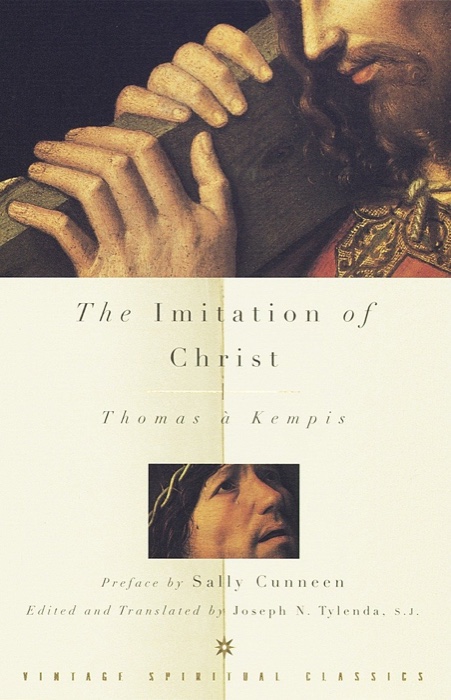 The Imitation of Christ
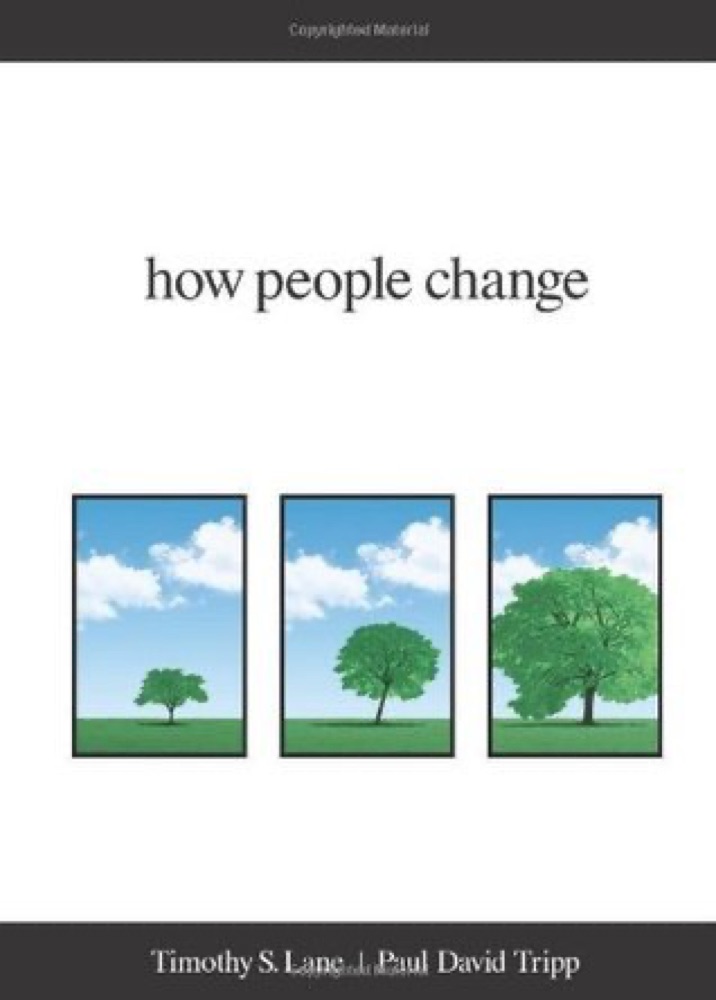 How People Change
 The Mystery of Providence
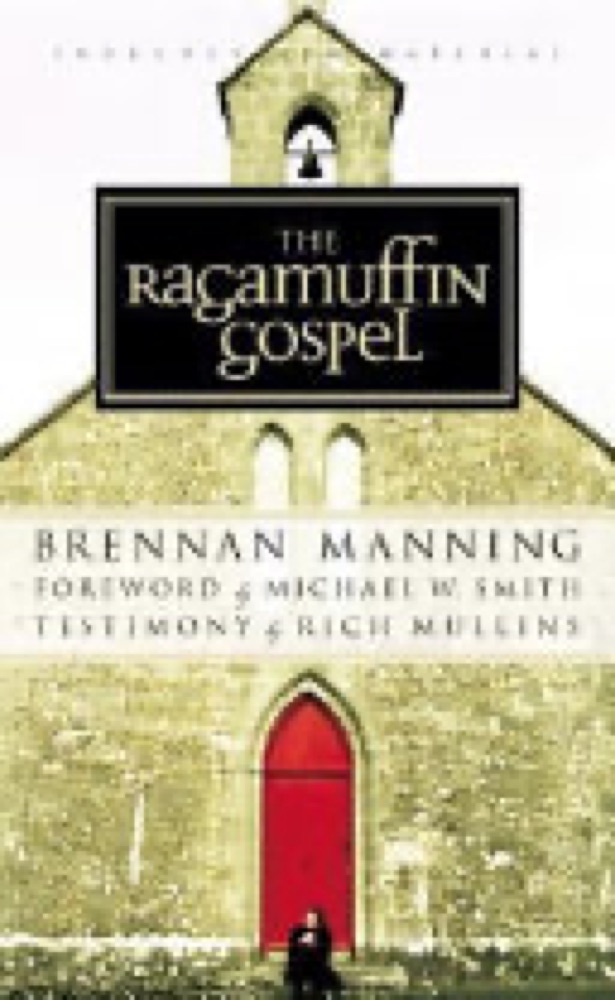 The Ragamuffin Gospel
 Renovation of the Heart: Putting On the Character of Christ
 A Hunger for God
 The Secret Thoughts of an Unlikely Convert: An English Professor's Journey Into Christian Faith
 Gospel: Recovering the Power that Made Christianity Revolutionary
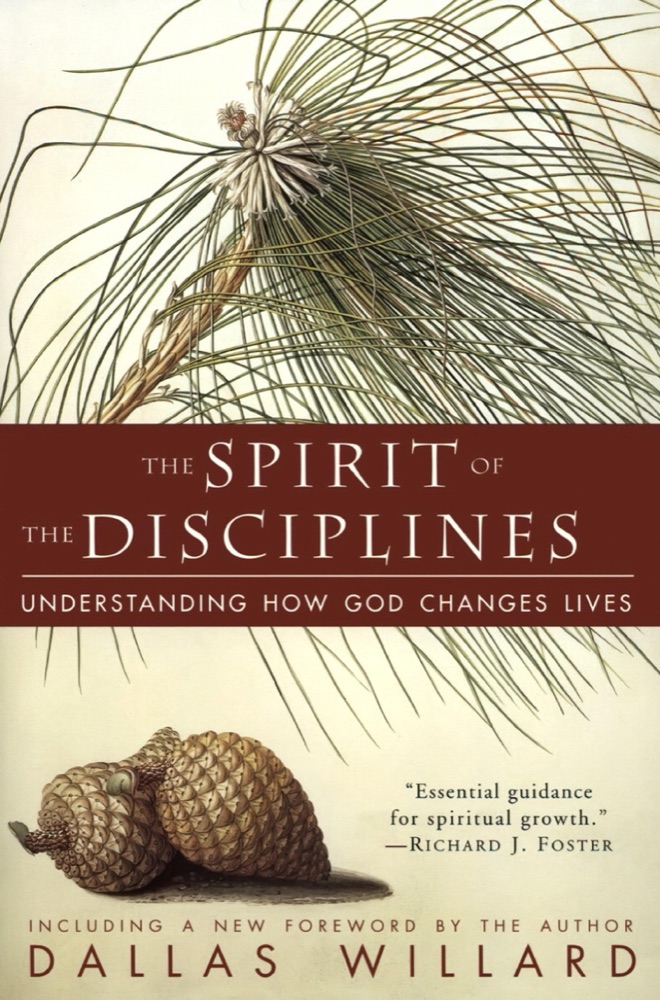 The Spirit of the Disciplines: Understanding How God Changes Lives
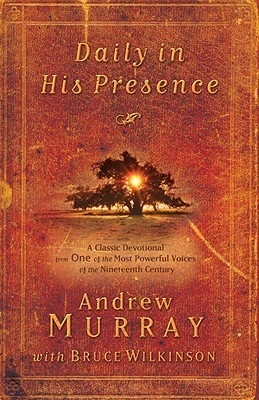 Daily in His Presence: A Classic Devotional from One of the Most Powerful Voices of the Nineteenth Century
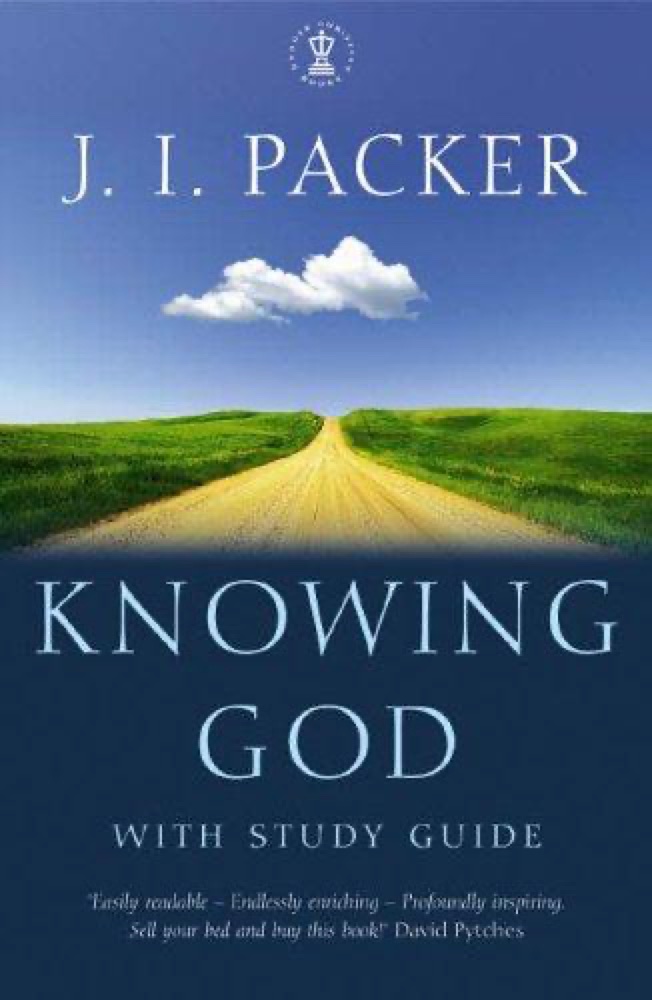 Knowing God
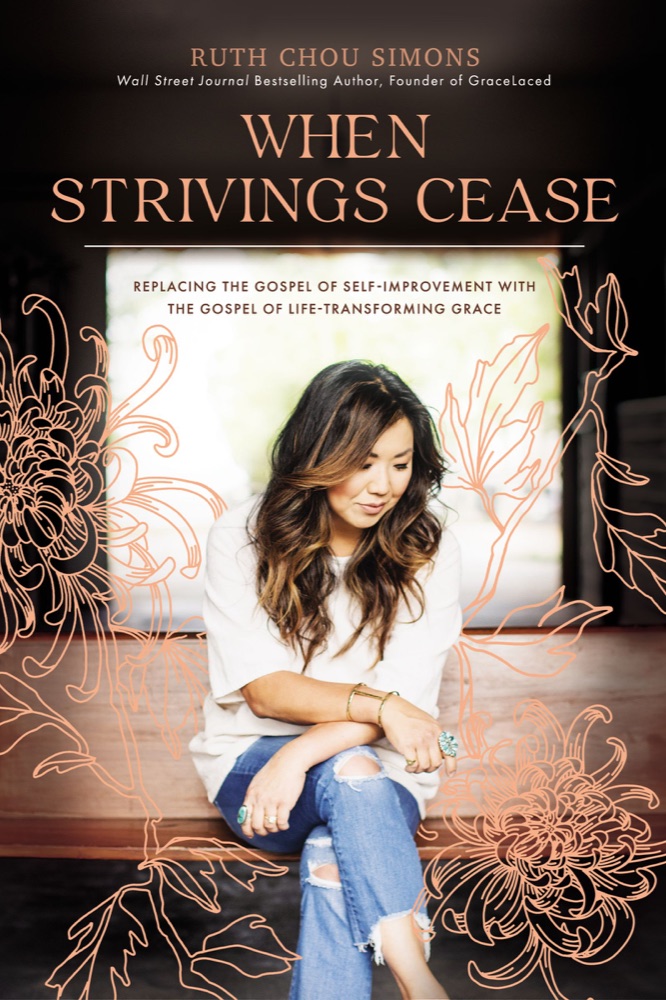 When Strivings Cease: Replacing the Gospel of Self-Improvement with the Gospel of Life-Transforming Grace
 The Jesus I Never Knew
 Introduction to the Devout Life
 Absolute Surrender