
 The Housekeeper and the Professor
Quotes from the Book
Still, being alone doesn't mean you have to be miserable. In that sense it's different from losing something. You've still got yourself, even if you lose everything else. You've got to have faith in yourself and not get down just because you're on your own.
When we grow up, we find ways to hide our anxieties, our loneliness, our fear and sorrow. But children hide nothing, putting everything into their tears, which they spread liberally about for the whole world to see.
I was always watching you." This could have been a breathless declaration of love or a final farewell.
I'm sure it must have been even more wonderful then, when we were young and knew nothing about the pain of growing up.
I knew immediately that it was different from other photographs. The night sky in the background was pure and black, so dark it made you dizzy if you stared at it too long. The rain drifted through the frame like a gentle mist, but right in the middle was a hollow area in the shape of a lima been.
I couldn't reach him from here even if I tried.
Disappeared' is the only way to describe it-it was as if he dissolved into thin air without so much as a whimper. I wouldn't have believed that a human being with a brain, a heart, with arms and legs and the power of speech could have simple vanished like that. There was nothing about him that suggested he would disappear.
Your body falling through space touches the deepest part of me.
Sometimes I wish I could describe how wonderful I feel in those few seconds from the time he spreads his arms above his head, as if trying to grab hold of something, to the instant he vanishes into the water. But I can never find the right words. Perhaps it’s because he’s falling through time, to a place where words can never reach.
Since that time, I've had many similar moments, and I can never hear the words "family" and "home" without feeling that they sound strange, never simply hear them and let them go. When I stop to examine them, though, the words seem hollow, seem to rattle at my feet like empty cans.
Watch on YouTube
About Yōko Ogawa
We have collected 99 quotes from 6 books by Yōko Ogawa on BookQuoters.
More about the author →More by Yōko Ogawa
All books by Yōko Ogawa →

Book details
- Author
- Yōko Ogawa
- Genre
- Fiction
- Goodreads rating
- 3.66 (10k ratings) →
Keep reading
 Ghost Music
 The Death of Vivek Oji
 Swimming in the Dark
 The City and Its Uncertain Walls
 N.P
N.P
 Fracture
 Twenty Boy Summer
 What I Loved
 Great House
 South of the Border, West of the Sun
 The Mermaid Chair
 The Inexplicable Logic of My Life
 The Siren
 The Lake
 Never Let Me Go
 Asleep
 We Are Okay
 Stag's Leap: Poems
 The Likeness
 The Wind-Up Bird Chronicle
 The First Time She Drowned
 The Silent Waters
 Memoirs of a Teenage Amnesiac
 Perfect Ruin
 Dreamland
 Mister Pip
 Linger
 Extremely Loud and Incredibly Close
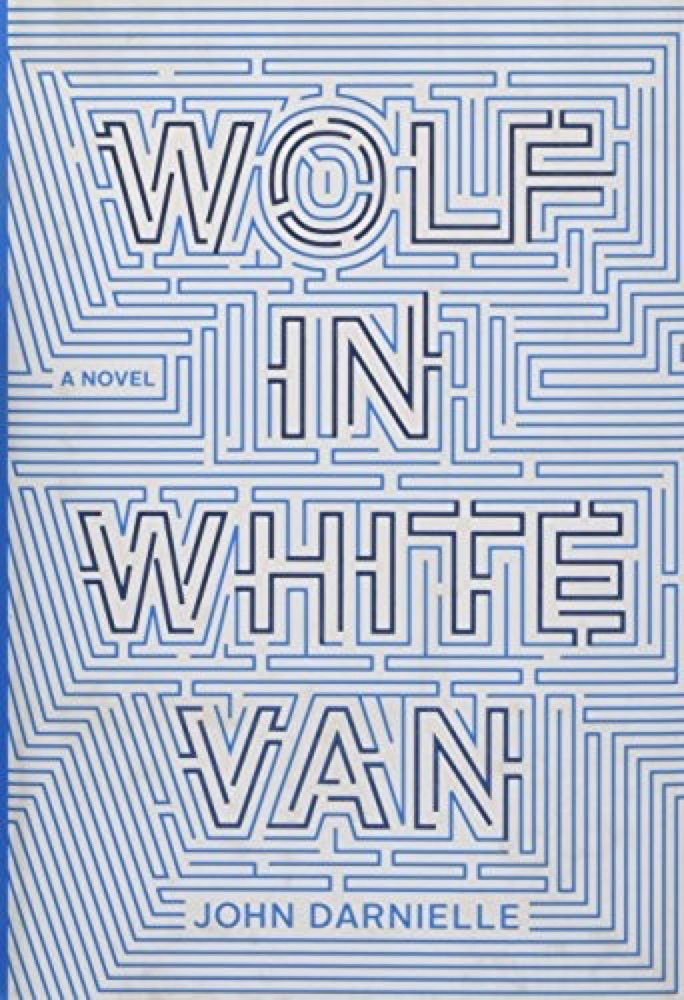 Wolf in White Van
 The Secret Lives of People in Love
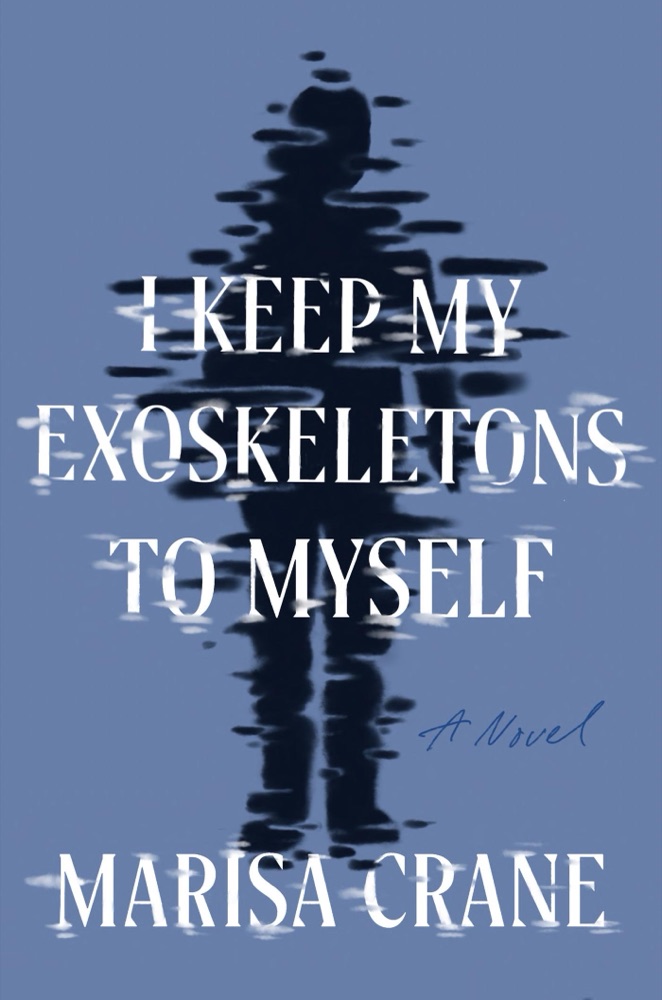 I Keep My Exoskeletons to Myself
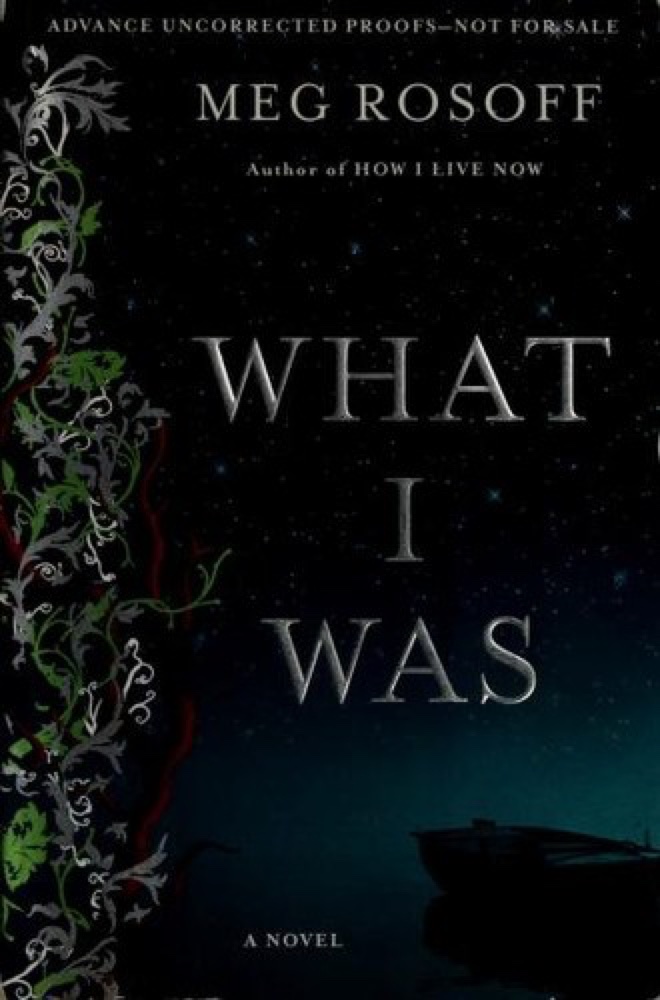 What I Was
 The Forest of Hands and Teeth
 Beautiful Redemption
 What Belongs to You
 Aristotle and Dante Discover the Secrets of the Universe
 Imagine Me Gone
 Goodbye Days
 Fall for Anything
 The Lovely Bones
 Edinburgh
 Running Barefoot
 Pew
Pew
 No One Belongs Here More Than You
 Moon Palace
 The Summer of Chasing Mermaids
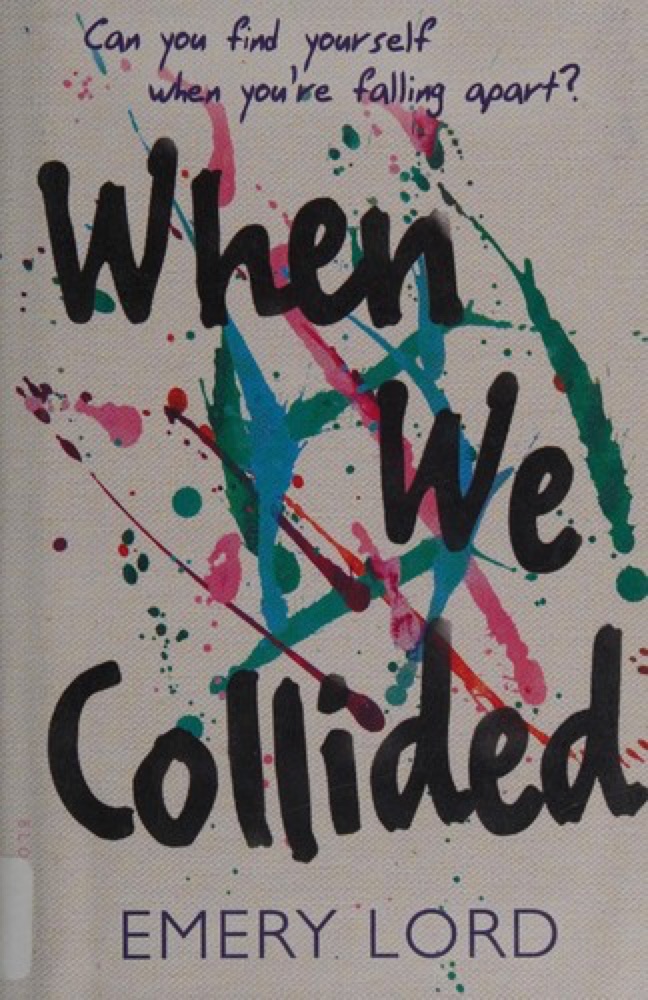 When We Collided
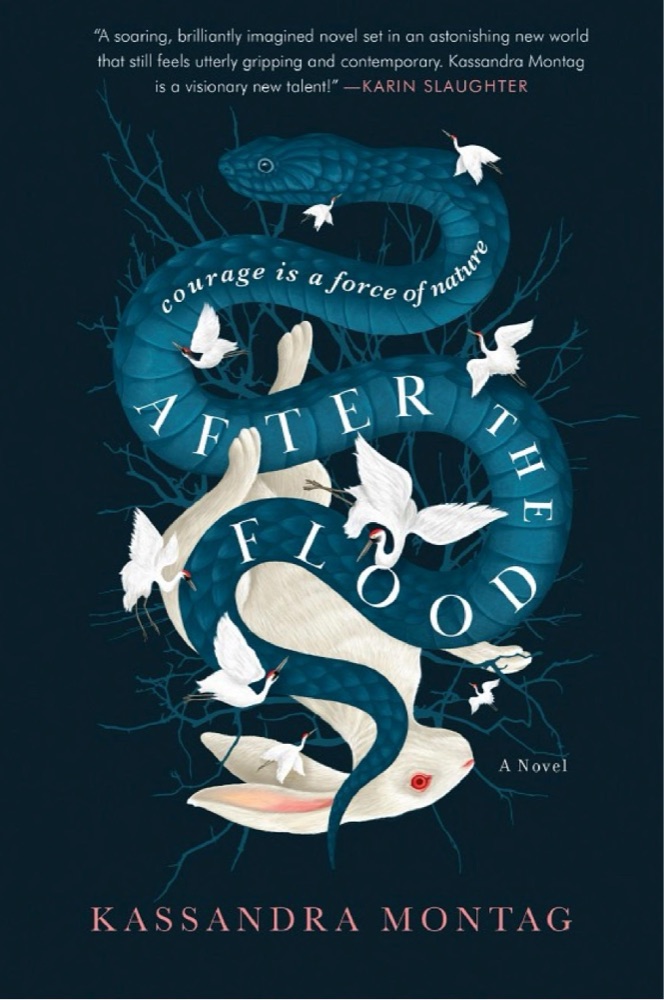 After the Flood
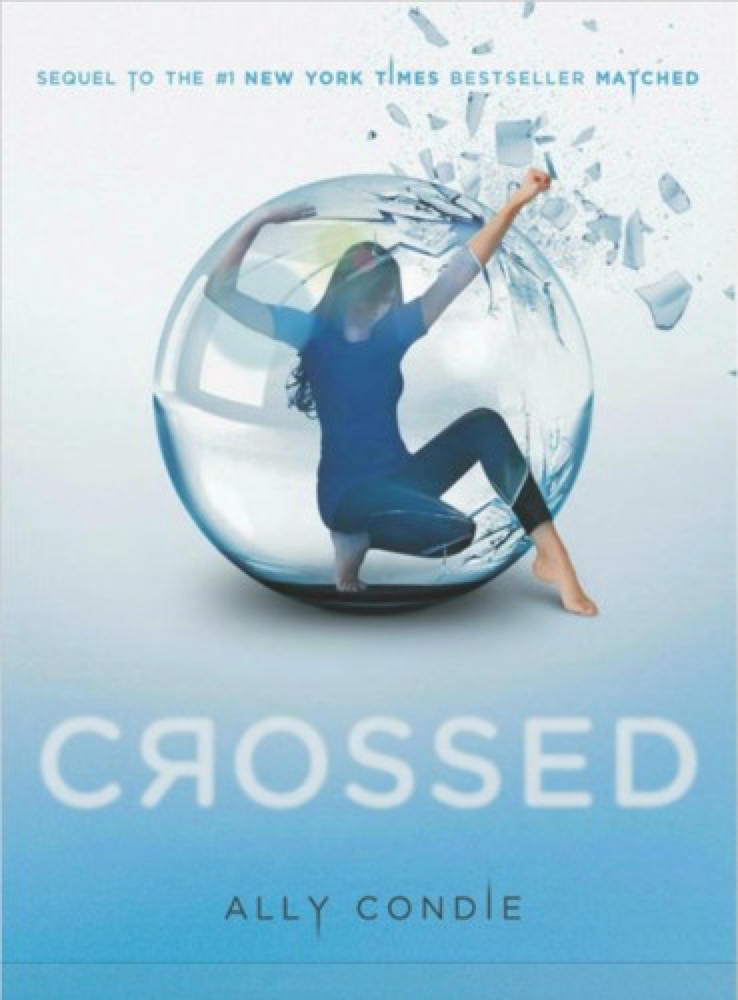 Crossed
 Undone
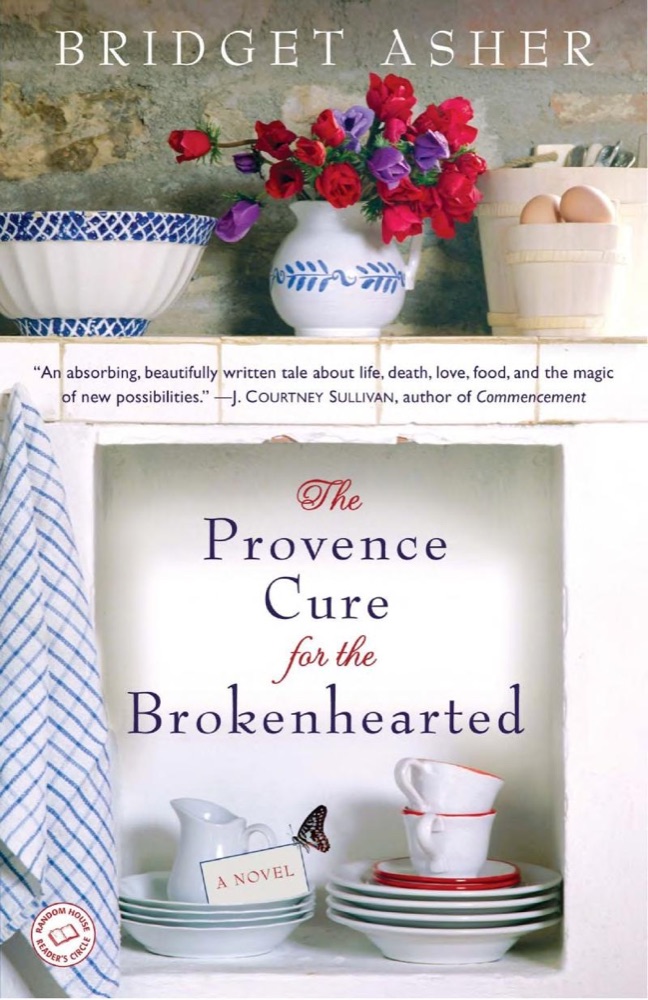 The Provence Cure for the Brokenhearted
 The People in the Trees
 Leviathan
 The Lies About Truth
 The Shock of the Fall
 Underdog
 Stolen
 What Is the What
 Memorizing You