

 Revenge
Quotes from the Book
Solving a problem for which you know there’s an answer is like climbing a mountain with a guide, along a trail someone else has laid. In mathematics, the truth is somewhere out there in a place no one knows, beyond all the beaten paths. And it’s not always at the top of the mountain. It might be in a crack on the smoothest cliff or somewhere deep in the valley.
He treated Root exactly as he treated prime numbers. For him, primes were the base on which all other natural numbers relied; and children were the foundation of everything worthwhile in the adult world
A problem isn't finished just because you've found the right answer.
The Professor never really seemed to care whether we figured out the right answer to a problem. He preferred our wild, desperate guesses to silence, and he was even more delighted when those guesses led to new problems that took us beyond the original one. He had a special feeling for what he called the "correct miscalculation," for he believed that mistakes were often as revealing as the right answers.
Soon after I began working for the Professor, I realized that he talked about numbers whenever he was unsure of what to say or do. Numbers were also his way of reaching out to the world. They were safe, a source of comfort.
...The pages and pages of complex, impenetrable calculations might have contained the secrets of the universe, copied out of God's notebook. In my imagination, I saw the creator of the universe sitting in some distant corner of the sky, weaving a pattern of delicate lace so fine that that even the faintest light would shine through it. The lace stretches out infinitely in every direction, billowing gently in the cosmic breeze. You want desperately to touch it, hold it up to the light, rub it against your cheek. And all we ask is to be able to re-create the pattern, weave it again with numbers, somehow, in our own language; to make the tiniest fragment our own, to bring it back to eart.
He preferred smart questions to smart answers.
Among the many things that made the Professor an excellent teacher was the fact that he wasn't afraid to say 'we don't know.' For the Professor, there was no shame in admitting you didn't have the answer, it was a necessary step toward the truth. It was as important to teach us about the unknown or the unknowable as it was to teach us what had already been safely proven.
The room was filled with a kind of stillness. Not simply an absence of noise, but an accumulation of layers of silence...
Solving a problem for which you know there's an answer is like climbing a mountain with a guide, along a trail someone else has laid.
It was clear that he didn't remember me from one day to the next. The note clipped to his sleeve simply informed him that it was not our first meeting, but it could not bring back the memory of the time we had spent together.
The truly correct proof is one that strikes a harmonious balance between strength and flexibility. There are plenty of proofs that are technically correct but are messy and inelegant or counterintuitive. But it's not something you can put into words — explaining why a formula is beautiful is like trying to explain why the stars are beautiful.
Because he had been- and in many ways still was- such a brilliant man, he no doubt understood the nature of his memory problem. It wasn't pride that prevented him from asking for help but a deep aversion to causing more trouble than necessary for those of us who lived in the normal world.
Math has proven the existence of God, because it is absolute and without contradiction; but the devil must exist as well, because we cannot prove it
So you think that zero was there waiting for us when humans came into being,like the flowers and the stars? You should have more respect for human progress. We made the zero, through great pain and struggle.
Are all things quantifiable, and all numbers fraught with poetic possibility?
Root always showed amazing insight when it came to the Professor.
I was impressed by the delicate weaving of the numbers. No matter how carefully you unraveled a thread, a single moment of inattention could leave you stranded, with no clue what to do next. In all his years of study, the Professor had managed to glimpse several pieces of the lace. I could only hope that some part of him remembered the exquisite pattern.
He discounted the value of his own efforts, and seemed to feel that anyone would have done the same.
Are you just going to stand there frying hamburgers while your child could be dying in a fire?
I needed this eternal truth [...] I needed the sense that this invisible world was somehow propping up the visible one, that this one, true line extended infinitely, without width or area, confidently piercing through the shadows. Somehow, this line would help me find peace.
The ancient Greeks thought there was no need to count something that was nothing. And since it was nothing, they held that it was impossible to express it as a figure. So someone had to overcome this reasonable assumption, someone had to figure out how to express nothing as a number. This unknown man from India made nonexistence exist.
It seemed as though the secret of the universe had miraculously appeared right here at our feet, as though God’s notebook had opened under our bench.
The Professor never really seemed to care whether we figured out the right answer to a problem. He preferred our wild, desperate guesses to silence, and he was even more delighted when those guesses led to new problems that took us beyond the original one.
He had a special feeling for what he called the “correct miscalculation,” for he believed that mistakes were often as revealing as the right answers. This gave us confidence even when our best efforts came to nothing.
The mathematics stacks were as silent and empty as ever—apparently no one suspected the riches hidden there.
he seemed convinced that children’s questions were much more important than those of an adult. He preferred smart questions to smart answers.
They say it'll be even hotter tomorrow. that's how we spend the summer. complaining about the heat.
Watch on YouTube
About Yōko Ogawa
We have collected 99 quotes from 6 books by Yōko Ogawa on BookQuoters.
More about the author →More by Yōko Ogawa
All books by Yōko Ogawa →


Book details
- Author
- Yōko Ogawa
- Genre
- Fiction
Keep reading
 Dirk Gently's Holistic Detective Agency
 The Devotion of Suspect X
 Songs of Distant Earth
 The Professor's House
 A Study in Scarlet
 Truly, Devious
 Perfect
 The Long Dark Tea-Time of the Soul
 Authority
 In the Light of What We Know
 Flight Behavior
 Sometimes a Great Notion
 Rama II
 Sophie's World
 Shades of Grey
 A Beautiful Mind
 Influx
 A Midsummer's Equation
 Beneath the Wheel
 An Instance of the Fingerpost
 The Great Mistake
 Thief of Time
 The Golden Tresses of the Dead
 Anathem
 Foucault's Pendulum
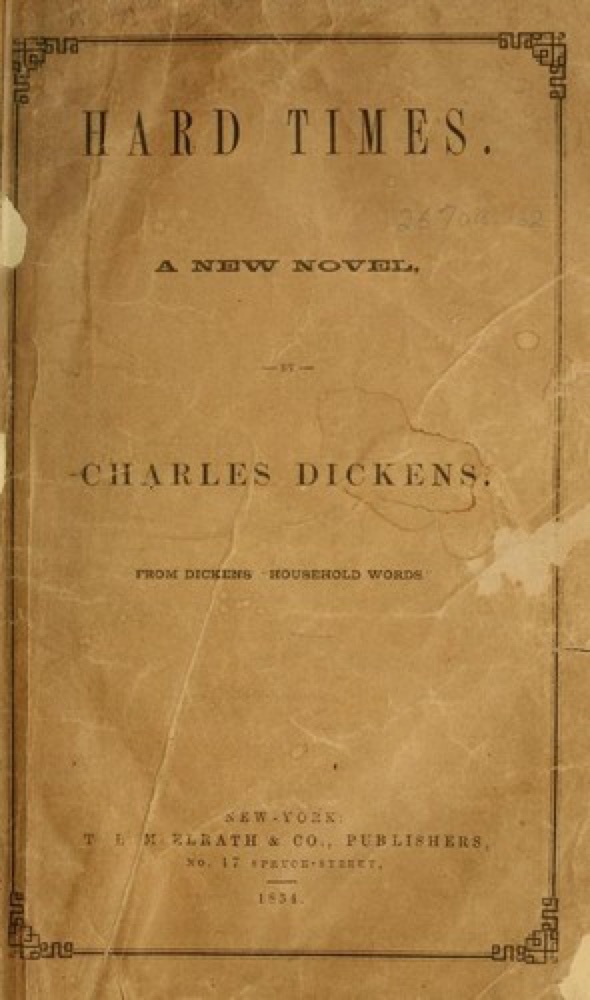 Hard Times
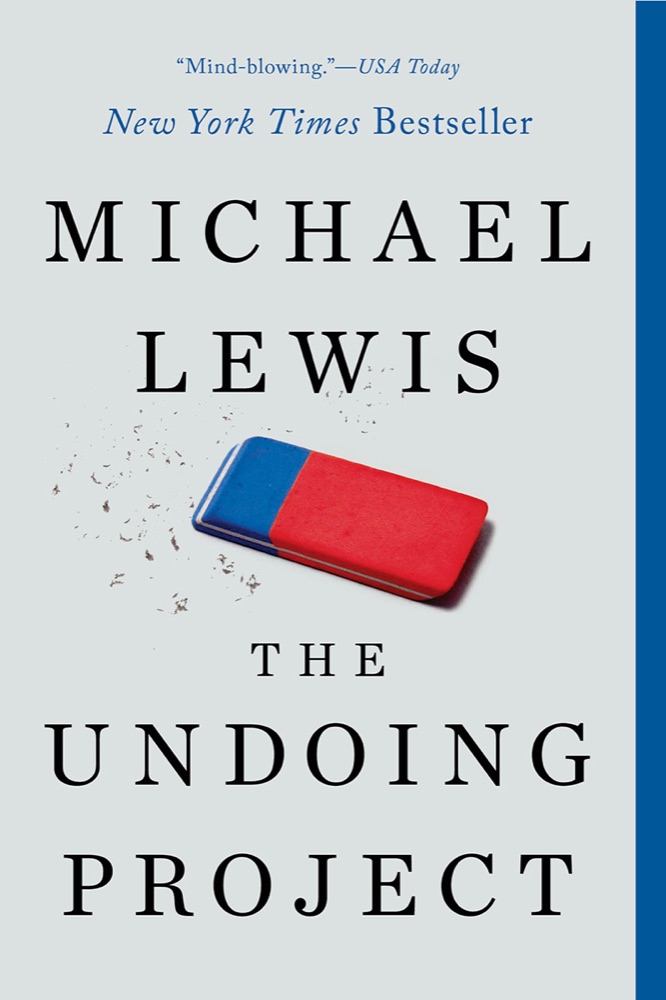 The Undoing Project: A Friendship That Changed Our Minds
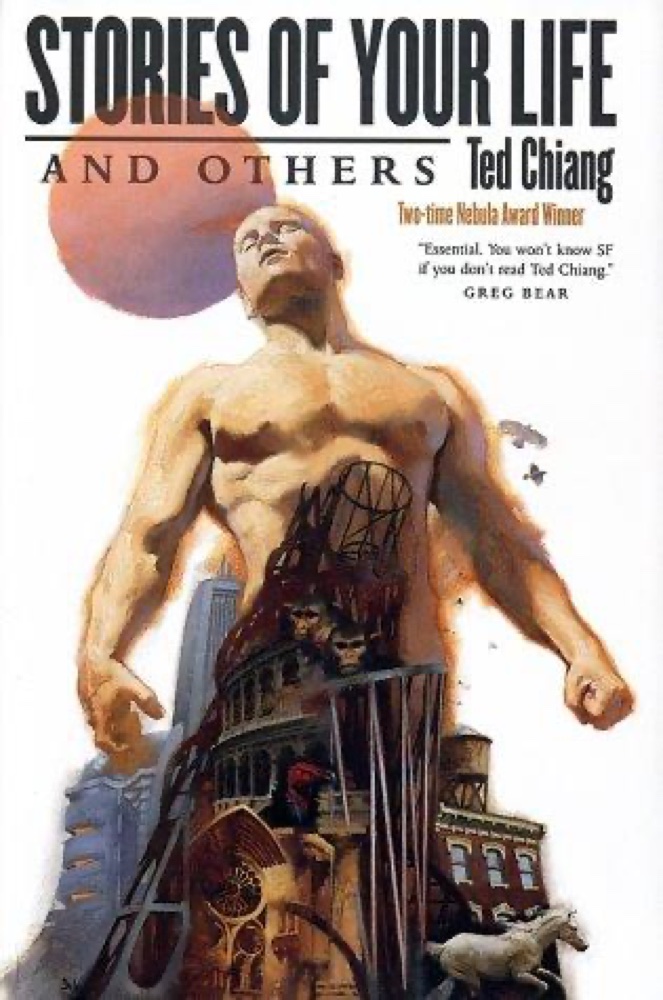 Stories of Your Life and Others
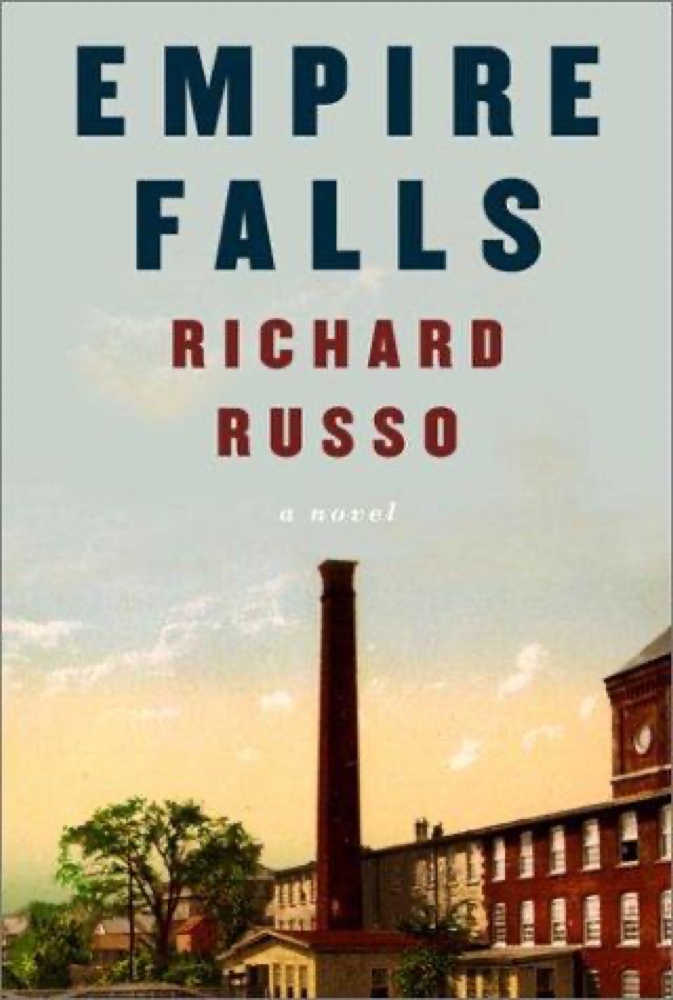 Empire Falls
 Cryptonomicon
 Libra
Libra
 The Meaning of It All: Thoughts of a Citizen-Scientist
 Sourcery
 The Probability of Miracles
 Quicksilver
 That Hideous Strength
 Eifelheim
 Sherlock Holmes
 The Subtle Knife
 The Madness of Crowds
 The Mysterious Mr. Quin
 Senlin Ascends
 State of Wonder
 The Man Who Counted: A Collection of Mathematical Adventures
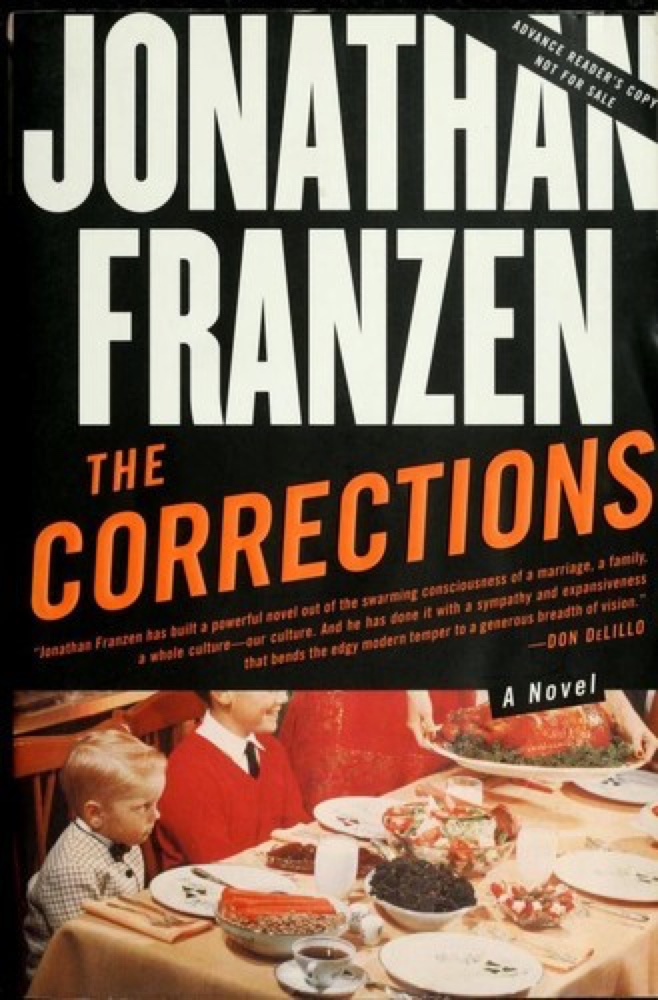 The Corrections
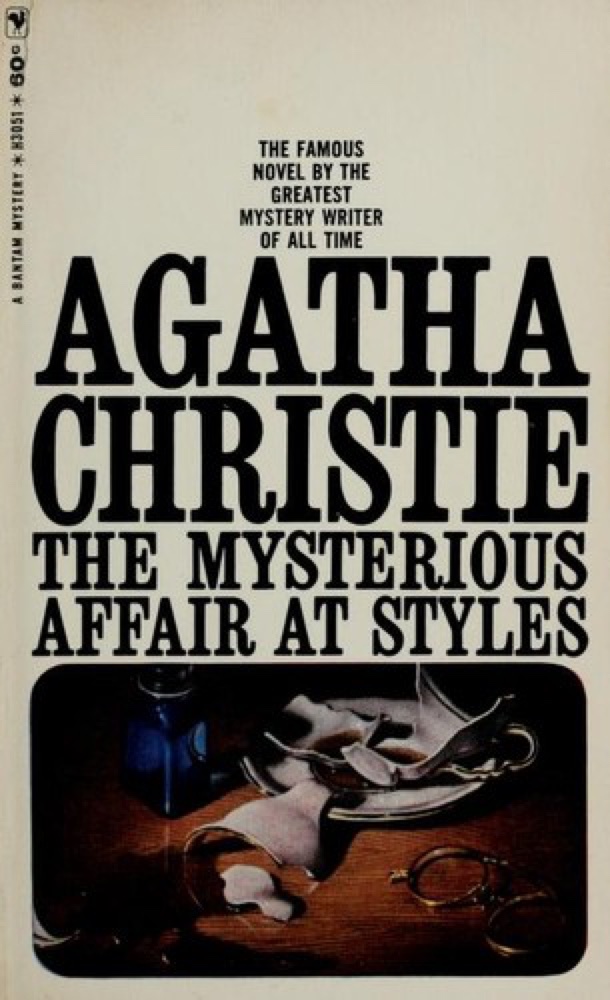 The Mysterious Affair at Styles
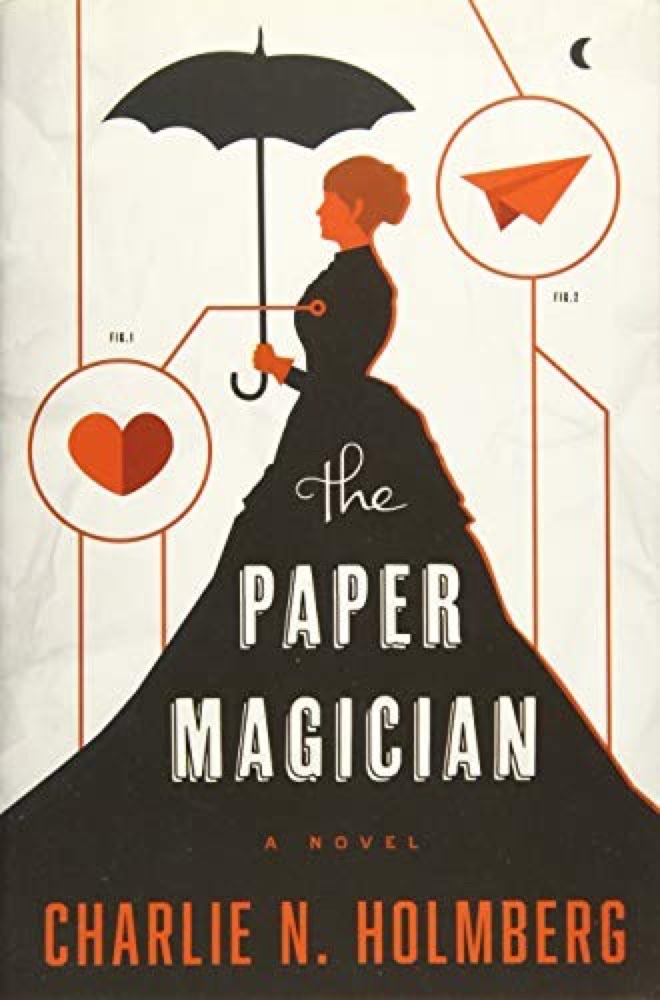 The Paper Magician
 The Book That Broke the World
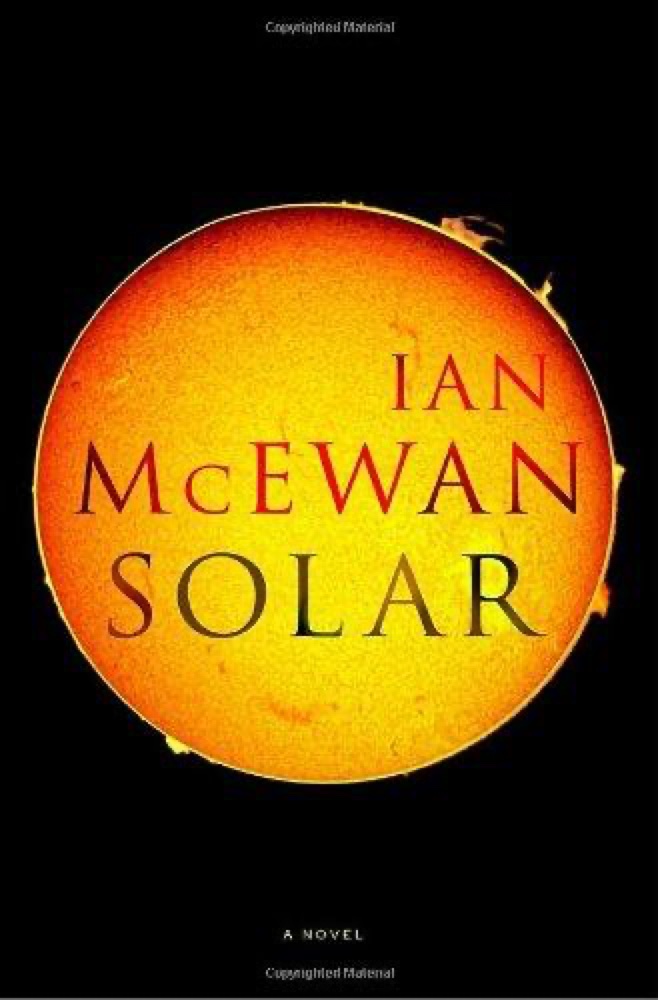 Solar
Solar
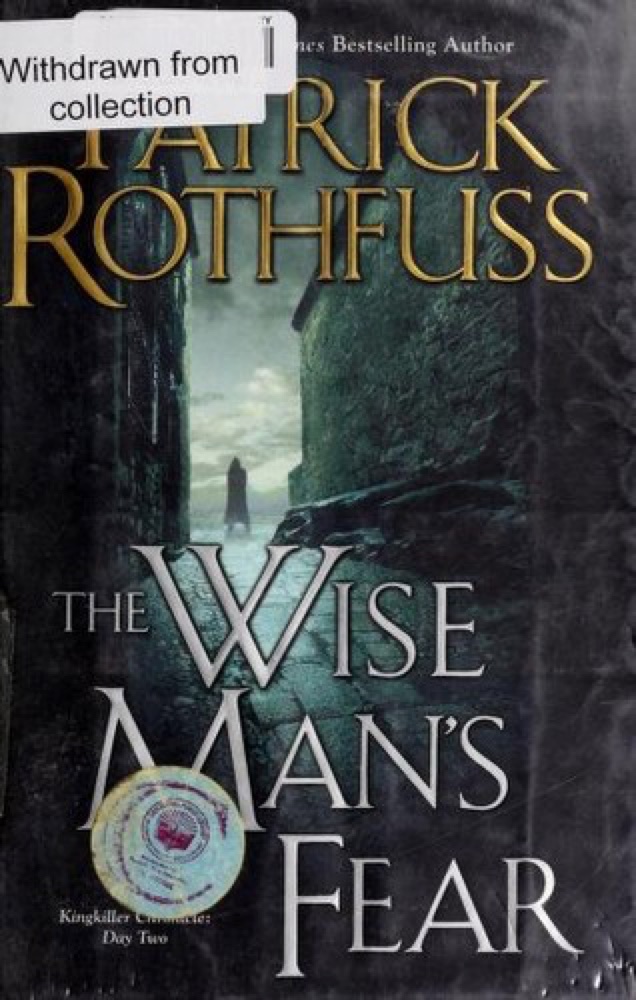 The Wise Man's Fear
 The Spinoza Problem
 Prelude to Foundation
 Familiaris
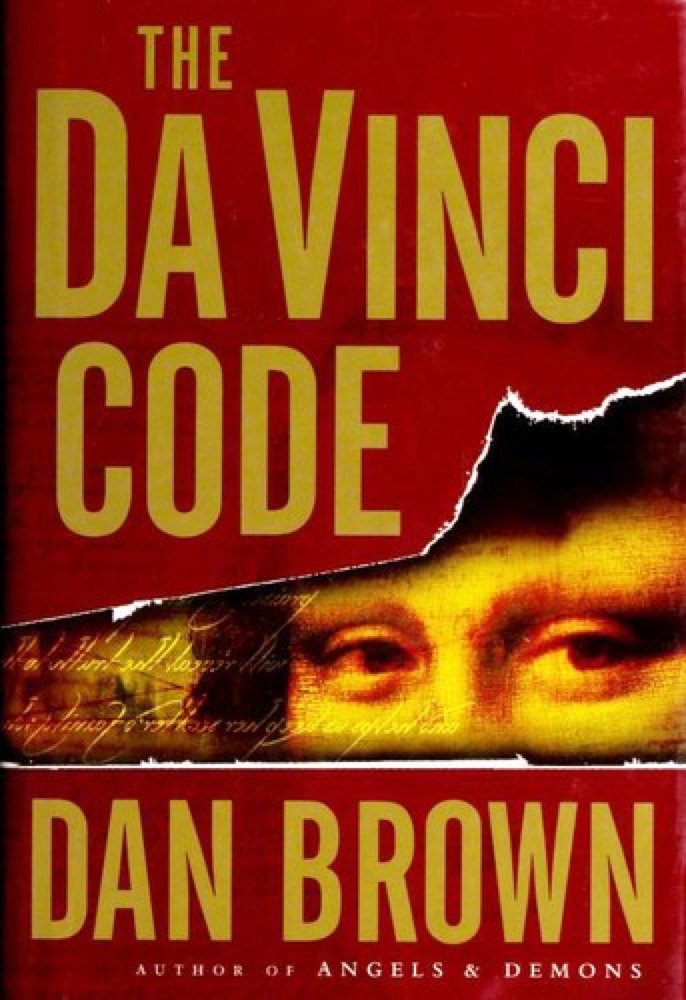 The Da Vinci Code
 The Shape of Mercy
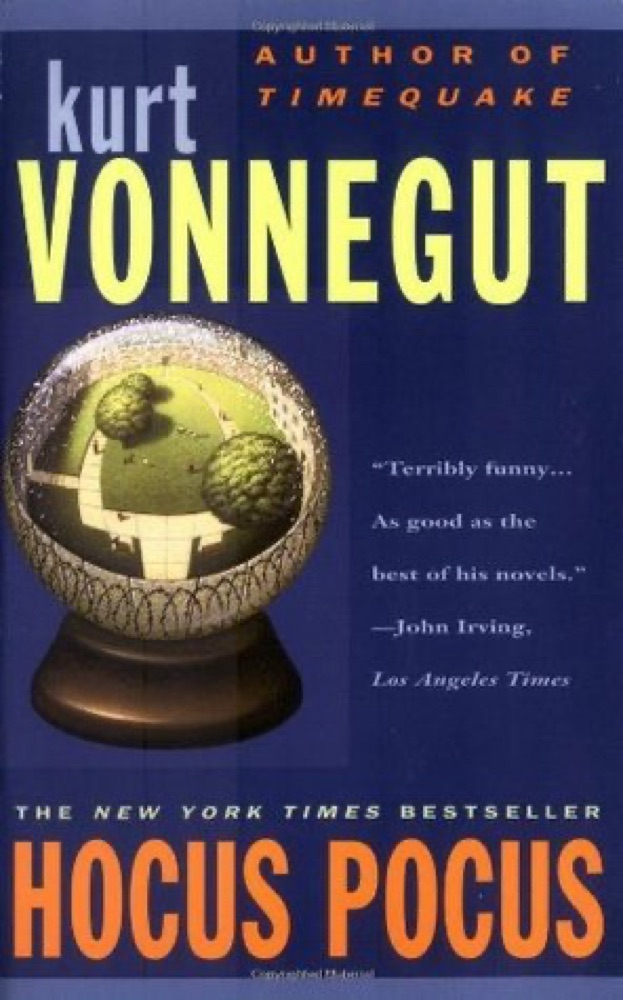 Hocus Pocus
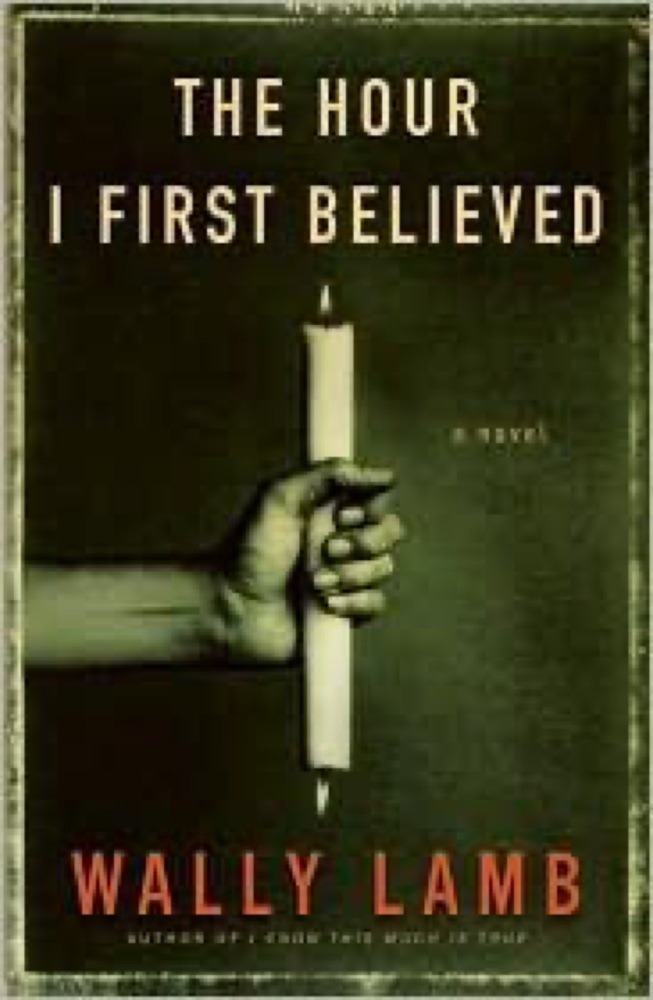 The Hour I First Believed
 Equal Rites
 The Wolf Gift
 Fifth Business