
 A Thousand Acres
Quotes from the Book
My mind is like a room where the door swings free in the breeze, and many visitors come and go and stay and vanish as they will.
10
And she had gone off from her husband to live by herself with the priests, had she not? Does a man, seeing a trinket lying before him in the grass, fail to pick it up?
9
It was always and ever hard to tell with women why they chose one way and not another.
6
Some folk learned the nature of God, that He was merciful, having spared a husband or some cattle, that He was strict, having meted out hard punishment for small sins, that He was attentive, having sent signs of the hunger beforehand, that He was just, having sent the hunger in the first place, or having sent the whales and the teeming reindeer in the end. Some folk learned that He was to be found in the world-in the richness of the grass and the pearly beauty of the Heavens, and others learned that He could not be found in the world, for the world is always wanting, and God is completion.
6
Some days they would talk all morning about exactly how warm Heaven might be. It could not be warm enough so that souls went naked, or could it? If souls went naked, then why all the weaving, and if there was no weaving then how did souls occupy themselves?
5
This is true, at the least, that no veil of beauty hides the evils from our sight.
5
Margret saw that this is how it is that folk are made to desire what they know they should not have, they are made to wait for it, so that when it comes, no matter how dark and full of sin and repellent it is, they are glad enough to welcome it.
4
This is my thought, that for every soul, something must come to pass, and for everything that does come to pass, every soul can imagine many things that might have come to pass, all of them less evil than what actually fell out. Folk must have something to think on, or they would be unable to hope for Heaven or remember Paradise.
4
that there is such pleasure in enmity that after a while it cannot be left off even if one would will it. Another thing is also true, that when a quarrel is new, one’s friends hold one back, and give cool advice, but when it is long-standing, folk put off its end and goad the rivals.
4
And then he saw what he was, an old man, ready to die, pressed against the Greenland earth, as small as an ash berry on the face of a mountain, and he did the only thing that men can do when they know themselves, which was to weep and weep and weep.
3
Still others reflected on how quickly the food could be snatched from a man's table, or the child from a woman's breast, or the wife from a man's bedcloset, that no strength of grasp could hold these goods in place. And others remarked to themselves how sweet these goods were, in spite of that, and saw that pleasure lost in every moment is pleasure lost forever.
3
To bring him into such agonies as a man should never know, to deny him shrift, to tear his flesh shred from shred. And how will I ever be forgiven for such a lust as this?
2
So it was with Vigdis’ neighbors. Folk recalled how fat she was, how proud, though only the daughter of a cowman, and how niggardly. Serving boys had been beaten for taking a bit of honey, and neighbors had been summoned before the Thing on suspicion of hay stealing or sheep stealing, when anyone could see that the hay had only been used up, and the sheep had only been lost in the hills above the steading.
1
About Jane Smiley
We have collected 58 quotes from 4 books by Jane Smiley on BookQuoters.
More about the author →More by Jane Smiley

About the book
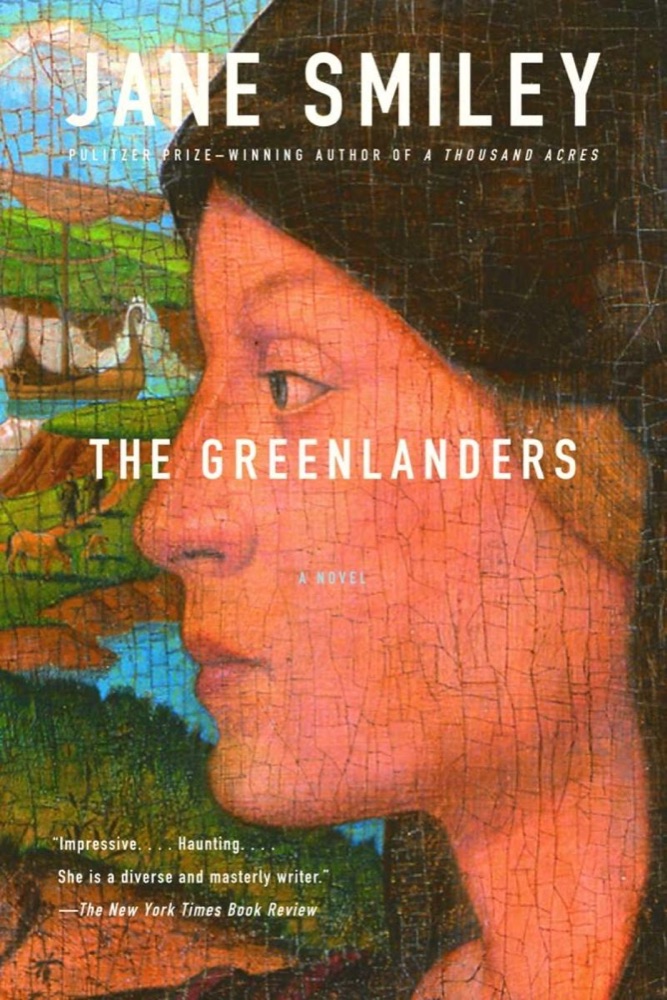
Pulitzer Prize winner and bestselling author Jane Smiley’s The Greenlanders is an enthralling novel in the epic tradition of the old Norse sagas. Set in the fourteenth century in Europe’s most far-flung outpost, a land of glittering fjords, blasting winds, sun-warmed meadows, and high, dark mountains, The Greenlanders is the story of one family–proud landowner Asgeir Gunnarsson; his daughter Margret, whose willful independence leads her into passionate adultery and exile; and his son Gunnar, whose quest for knowledge is at the compelling center of this unforgettable book. Jane Smiley takes us into this world of farmers, priests, and lawspeakers, of hunts and feasts and long-standing feuds, and by an act of literary magic, makes a remote time, place, and people not only real but dear to us.
Book details
- First published
- 1988
- Author
- Jane Smiley
- Genre
- Historical
- Goodreads rating
- 3.93 (3k ratings)
Keep reading
 Independent People
 At the Back of the North Wind
 The Well of Loneliness
 The Prophets
 Mythology
 Mary Barton
 Toll the Hounds
 The Vaster Wilds
 The Mill on the Floss
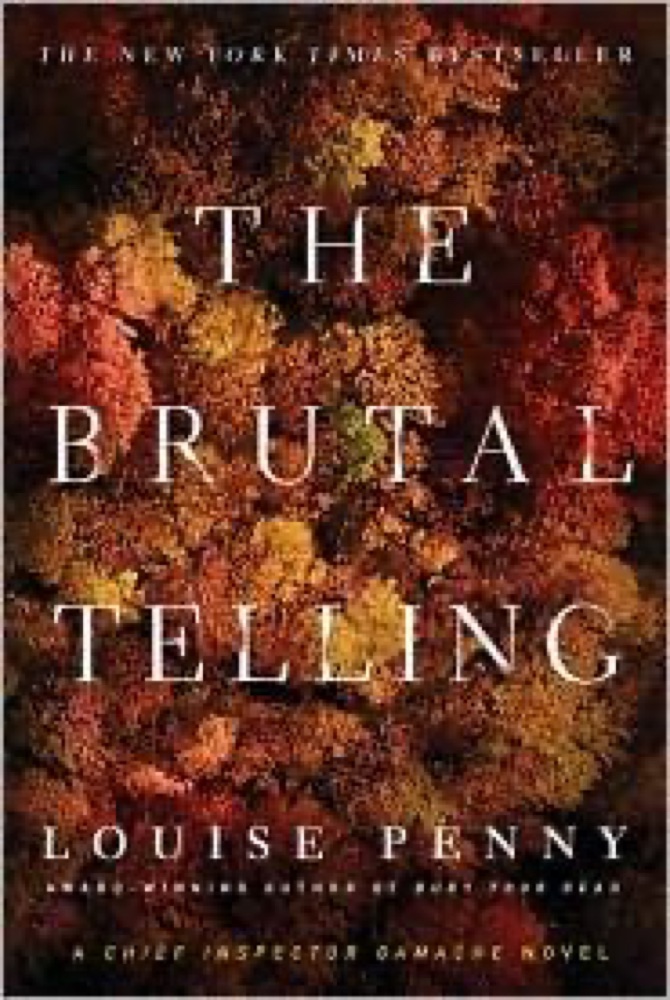 The Brutal Telling
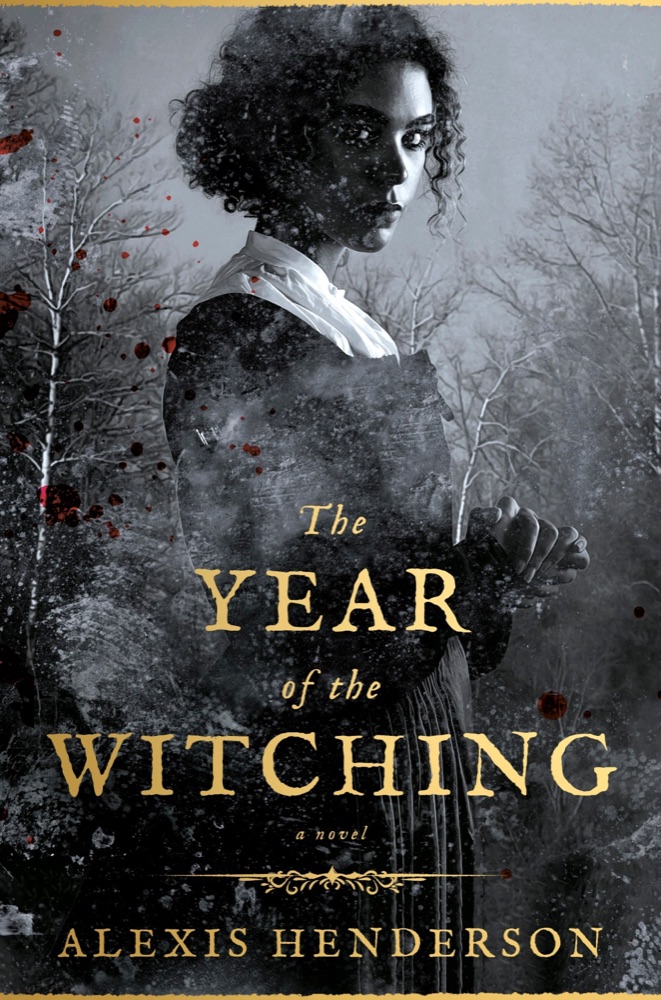 The Year of the Witching
 Green Dolphin Street
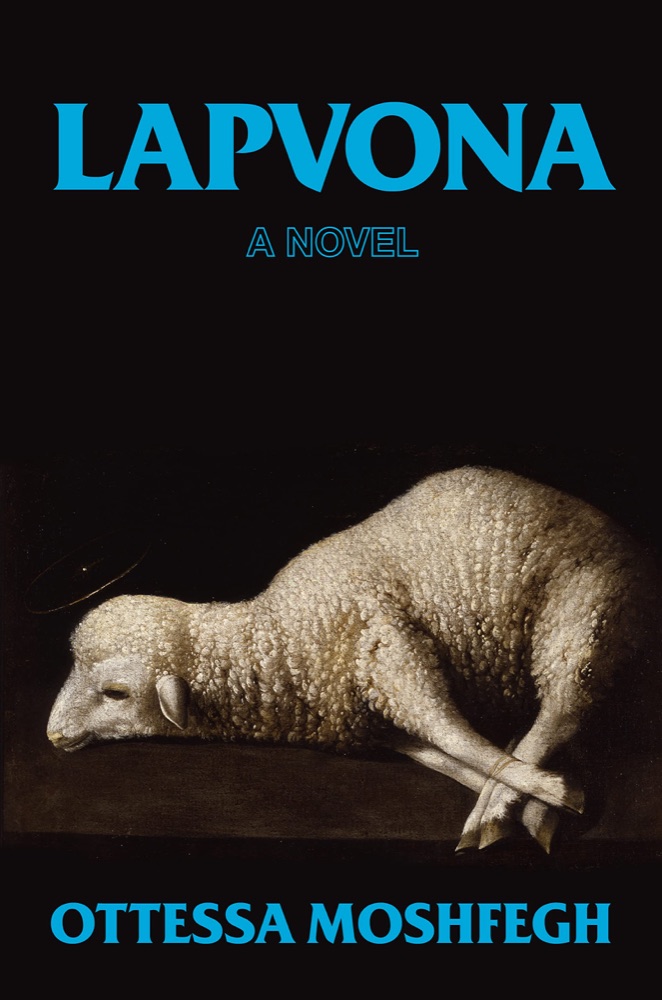 Lapvona
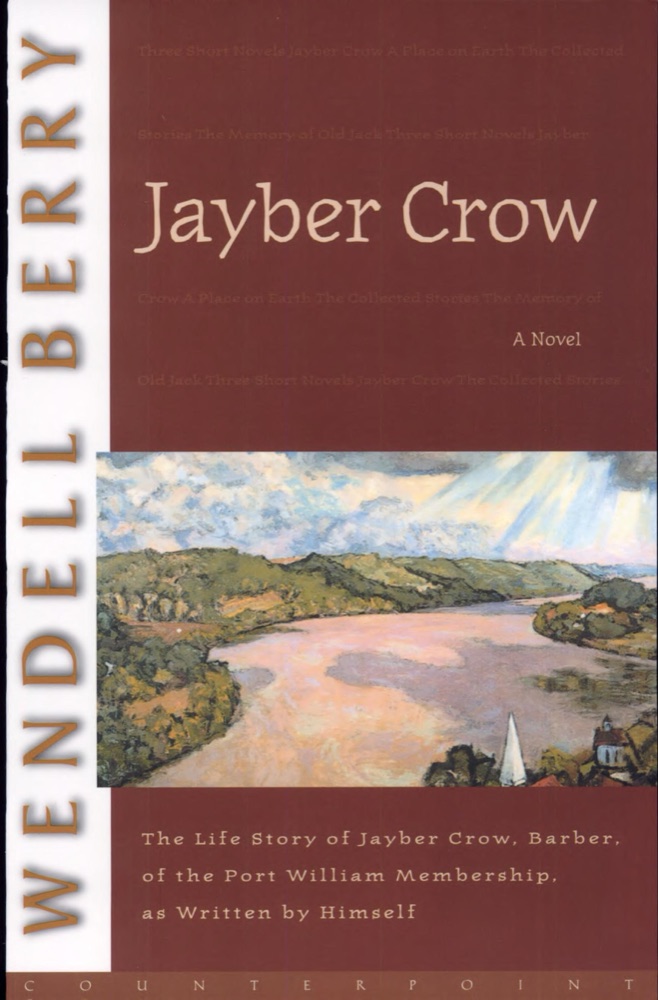 Jayber Crow
 Persian Letters
 She
She
 Armadale
 Black Lamb and Grey Falcon
 The Heretic's Daughter
 Forge of Darkness
 Alias Grace
 The Fall of Babel
 Lorna Doone
 The Eyes of the Dragon
 Uncle Tom's Cabin
 All the Pretty Horses
 The Burning Soul
 One of Ours
 Egg & Spoon
 The Jewel in the Crown
 The Left Hand of God
 The Damnation Game
 Morality Play
 Pavilion of Women: A Novel of Life in the Women's Quarters
 The Round House
 Uncle Silas
 The Grace of Kings
 The Bonehunters
 The Poet Empress
 The Golem and the Jinni
 The Way We Live Now
 Melmoth the Wanderer
 Sword & Citadel
 House Made of Dawn
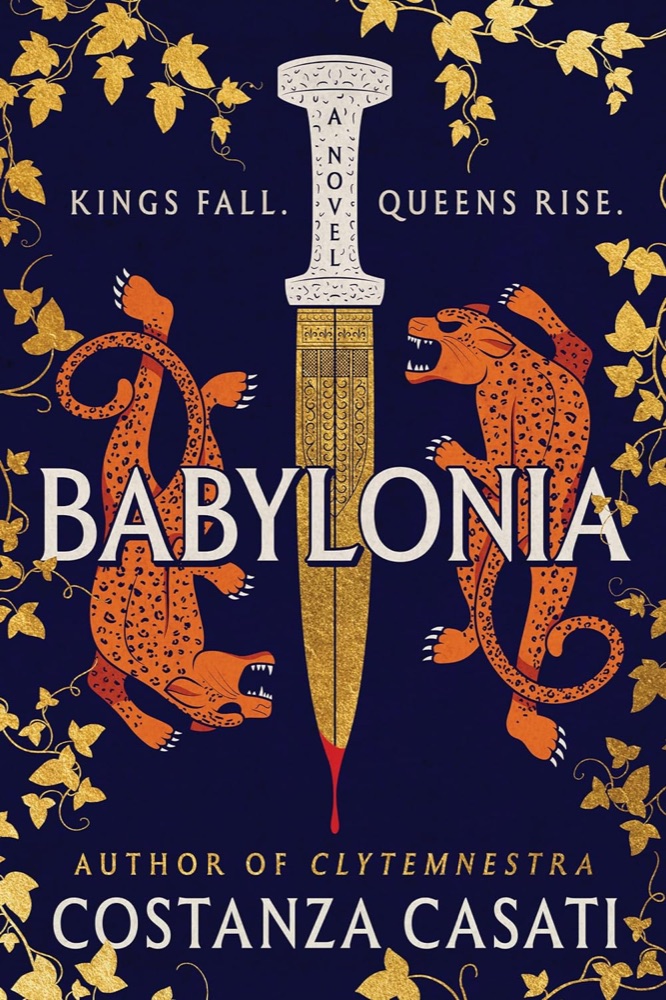 Babylonia
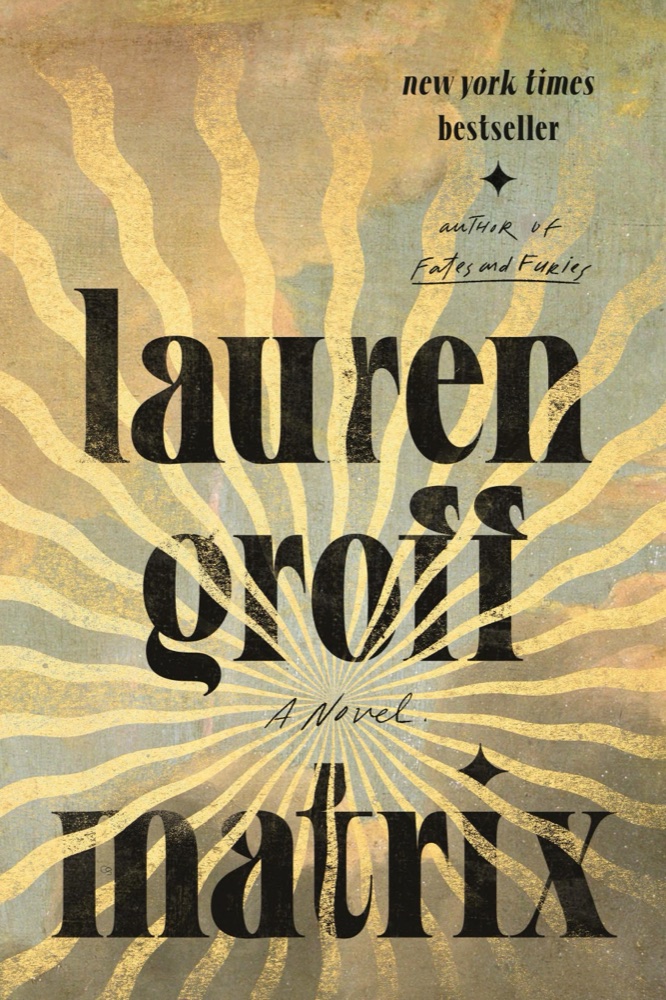 Matrix
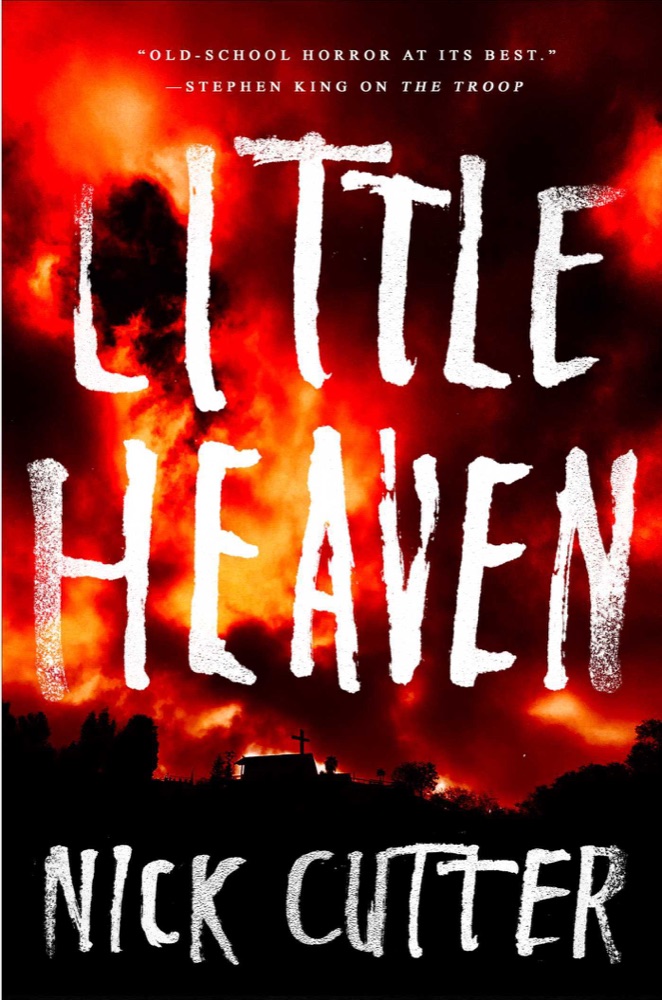 Little Heaven
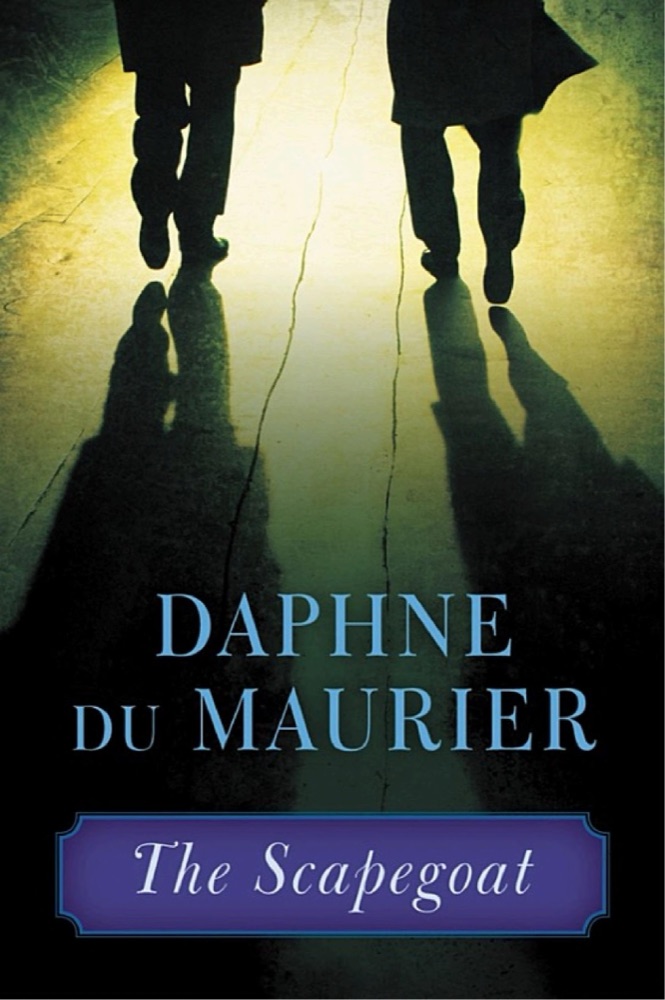 The Scapegoat
 Eifelheim
 Oliver Twist
 Brideshead Revisited: The Sacred and Profane Memories of Captain Charles Ryder
 Barnaby Rudge
 The White Luck Warrior
 The Good People
 Lincoln in the Bardo
 The Old Curiosity Shop
 The Power and the Glory
 The Bluest Eye
 The Penelopiad
 The Weight of Ink