
 Ficciones
Quotes from the Book
We are as ignorant of the meaning of the dragon as we are of the meaning of the universe.
49
Chang Tzu tells us of a persevering man who after three laborious years mastered the art of dragon-slaying. For the rest of his days, he had not a single opportunity to test his skills.
30
We are ignorant of the meaning of the dragon in the same way that we are ignorant of the meaning of the universe; but there is something in the dragon’s image that fits man’s imagination, and this accounts for the dragon’s appearance in different places and periods.
20
The famed author Robert Lewis Stevenson declared that he'd trained his Brownies to be writers. As he slept, they would whisper fantastic plots in his ear -- for example, the strange case of Dr. Jekyll and the diabolical Mr. Hyde, and that episode in "Olalla" when a young man from an old Spanish family bites his sister's hand.
6
As we all know, there is a kind of lazy pleasure in useless and out-of-the-way erudition.
4
En algún tomo de las Cartas Edificantes y Curiosas que aparecieron en París durante la primera mitad del siglo XVIII, el P. Zallinger, de la Compañía de Jesús, proyectó un examen de las ilusiones y errores del vulgo de Cantón; en un censo preliminar anotó que el pez era un ser fugitivo y resplandeciente que nadie había tocado, pero que muchos pretendían haber visto en el fondo de los espejos. El P. Zallinger murió en 1736 y el trabajo iniciado por su pluma quedó inconcluso; ciento cincuenta años después, Herbert Allen Giles tomó la tarea interrumpida. Según Giles, la creencia del pez es parte de un mito más amplio, que se refiere a la época legendaria del Emperador Amarillo. En aquel tiempo, el mundo de los espejos y el mundo de los hombres no estaban, como ahora, incomunicados. Eran, además, muy diversos; no coincidían ni los seres ni los colores ni las formas. Ambos reinos, el especular y el humano, vivían en paz; se entraba y se salía por los espejos. Una noche, la gente del espejo invadió la Tierra. Su fuerza era grande, pero al cabo de sangrientas batallas las artes mágicas del Emperador Amarillo prevalecieron. Éste rechazó a los invasores, los encarceló en los espejos y les impuso la tarea de repetir, como en una especie de sueño, todos los actos de los hombres. Los privó de su fuerza y de su figura y los redujo a simples reflejos serviles. Un día, sin embargo, sacudirán ese letargo mágico. El primero que despertará será el pez. En el fondo del espejo percibiremos una línea muy tenue y el color de esa línea será un color no parecido a ningún otro. Después, irán despertando las otras formas. Gradualmente diferirán de nosotros, gradualmente no nos imitarán. Romperán las barreras de vidrio o de metal y esta vez no serán vencidas. Junto a las criaturas de los espejos combatirán las criaturas del agua. En el Yunnan no se habla del pez sino del tigre del espejo. Otros entienden que antes de la invasión oiremos desde el fondo de los espejos el rumor de las armas.
1
belief in the Fish is part of a larger myth that goes back to the legendary times of the Yellow Emperor. In those days the world of mirrors and the world of men were not, as they are now, cut off from each other. They were, besides, quite different; neither beings nor colors nor shapes were the same. Both kingdoms, the specular and the human, lived in harmony; you could come and go through mirrors. One night the mirror people invaded the earth. Their power was great, but at the end of bloody warfare the magic arts of the Yellow Emperor prevailed. He repulsed the invaders, imprisoned them in their mirrors, and forced on them the task of repeating, as though in a kind of dream, all the actions of men. He stripped them of their power and of their forms and reduced them to mere slavish reflections. Nonetheless, a day will come when the magic spell will be shaken off. The first to awaken will be the Fish. Deep in the mirror we will perceive a very faint line and the color of this line will be like no other color. Later on, other shapes will begin to stir. Little by little they will differ from us; little by little they will not imitate us. They will break through the barriers of glass or metal and this time will not be defeated. Side by side with these mirror creatures, the creatures of water will join the battle. In Yunnan they do not speak of the Fish but of the Tiger of the Mirror. Others believe that in advance of the invasion we will hear from the depths of mirrors the clatter of weapons.
1
The evening was at once intimate and infinite.
1
Voiko se kuolla? Kaikella, mikä kuolee, on ollut jonkinlainen päämäärä, jonkinlainen työ, joka on raastanut sen rikki-
1
Akheronin sisuksissa on kyyneliä, hammasten kiristystä, utua, tulta, sietämätöntä poltetta, jäätävää kylmyyttä, koiria, karhuja, leijonia ja käärmeitä. Tässä legendassa helvetti on eläin, jonka sisällä on muita eläimiä.
1
Watch on YouTube
About Jorge Luis Borges
We have collected 245 quotes from 14 books by Jorge Luis Borges on BookQuoters.
More about the author →More by Jorge Luis Borges
Ficciones
 Labyrinths: Selected Stories and Other Writings
 The Aleph and Other Stories
 The Book of Sand and Shakespeare's Memory
About the book
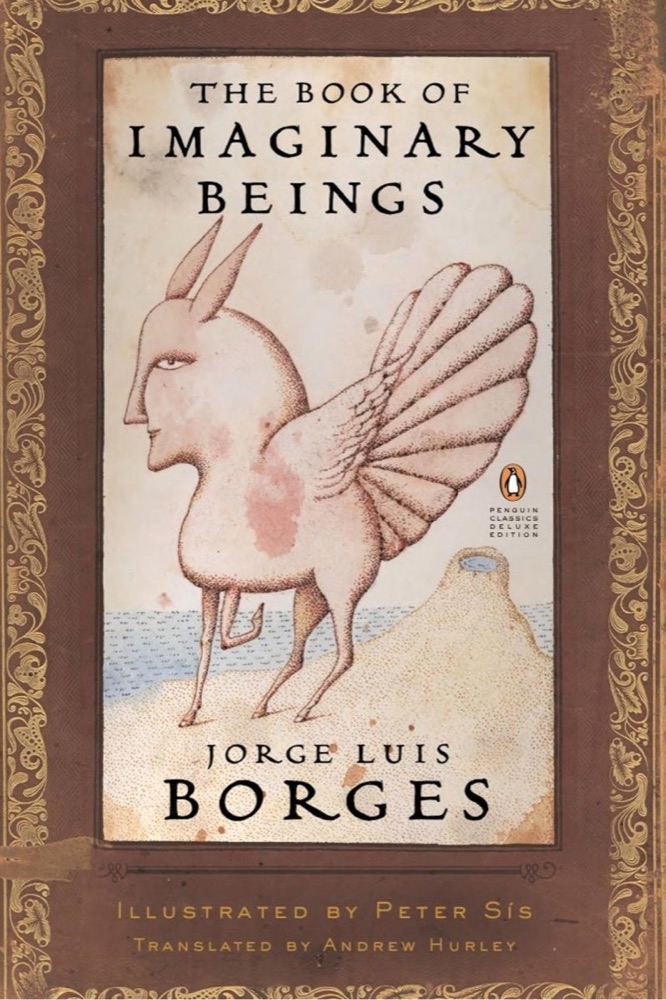
In a perfect pairing of talent, this volume blends twenty illustrations by Peter S.' with Jorge Luis Borges' 1957 compilation of 116 "strange creatures conceived through time and space by the human imagination," from dragons and centaurs to Lewis Carroll's Cheshire Cat and the Morlocks of H. G. Wells' The Time Machine. A lavish feast of exotica brought vividly to life with art commissioned specifically for this volume, The Book of Imaginary Beings will delight readers of classic fantasy as well as Borges' many admirers.
Book details
- First published
- 1957
- Author
- Jorge Luis Borges
- Genre
- Fantasy
- Goodreads rating
- 4.05 (10k ratings)
Keep reading
 Selected Non-Fictions
Labyrinths: Selected Stories and Other Writings
Selected Non-Fictions
Labyrinths: Selected Stories and Other Writings
 The Cyberiad
 Tree and Leaf: Includes Mythopoeia and The Homecoming of Beorhtnoth
Ficciones
Tree and Leaf: Includes Mythopoeia and The Homecoming of Beorhtnoth
Ficciones
 Broken Stars: Contemporary Chinese Science Fiction in Translation
 The Enchantress of Florence
 The Book of Chameleons
 The Stories of Vladimir Nabokov
 The Last Dragonslayer
 Songs of a Dead Dreamer
 The Moor's Last Sigh
 Primeval and Other Times
 The Paper Menagerie and Other Stories
 The Magic Mountain
 The Island of the Day Before
 The City and the Stars
 The Name of the Rose
 Complete Works of Oscar Wilde
 Travels with Herodotus
 Maldoror and the Complete Works
 The Castle of Crossed Destinies
 Chess Story
 Blood of Elves
 Orlando
 Irish Fairy and Folk Tales
 Skinny Legs and All
 Sexus
Sexus
 The Celtic Twilight: Faerie and Folklore
 Sword of Destiny
 The Star Diaries
 Bend Sinister
 The Complete Poems and Plays, 1909-1950
 The Fairy Tales of Hermann Hesse
 Libra
Libra
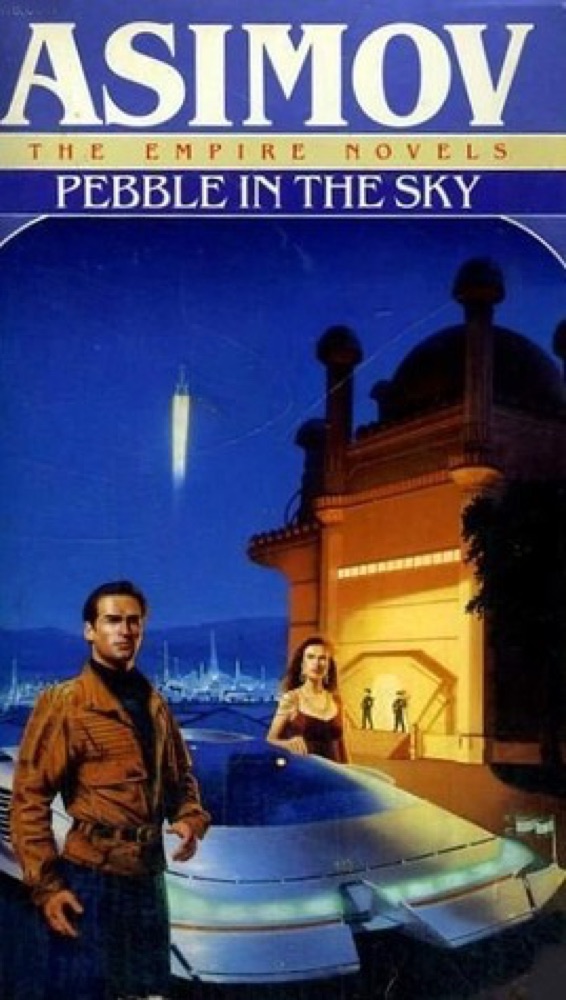 Pebble in the Sky
 Narcissus and Goldmund
 The Birth of Tragedy
 Selected Poems
 The Complete Stories and Poems
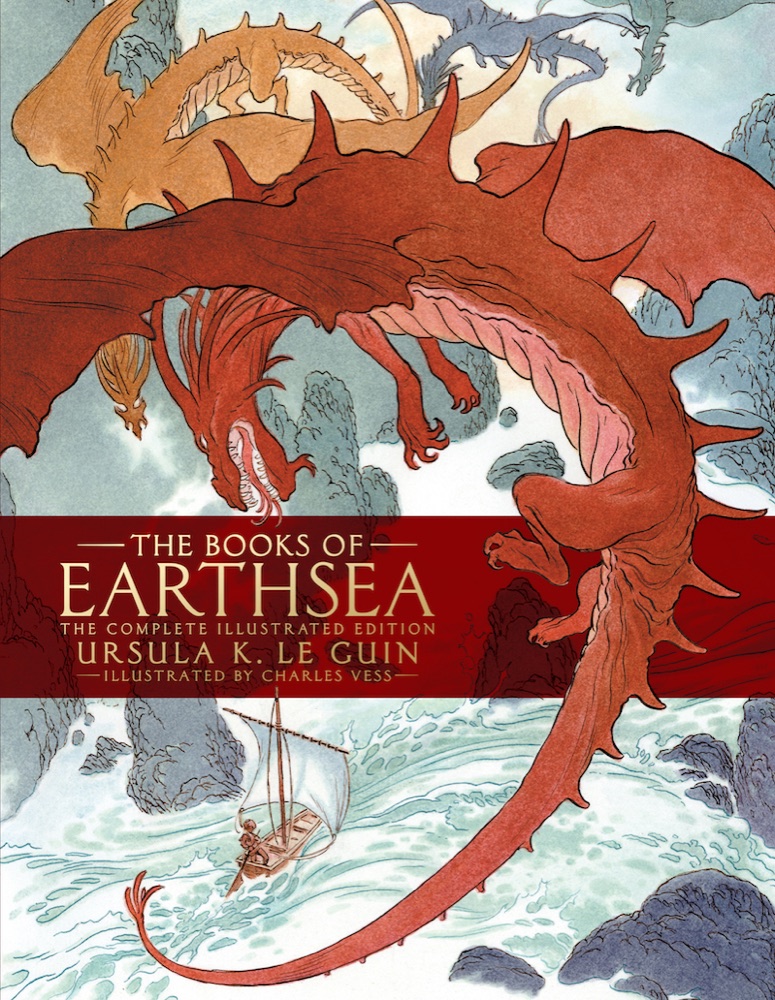 The Books of Earthsea
 Illuminations: Essays and Reflections
 Empire of Silence
 The Occult
 Tolkien On Fairy-stories
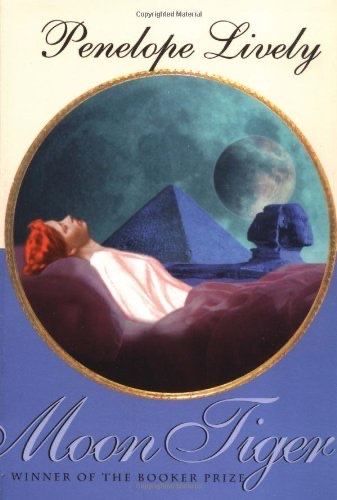 Moon Tiger
 Voices
 Memories, Dreams, Reflections
 Pale Fire
 Streams of Silver
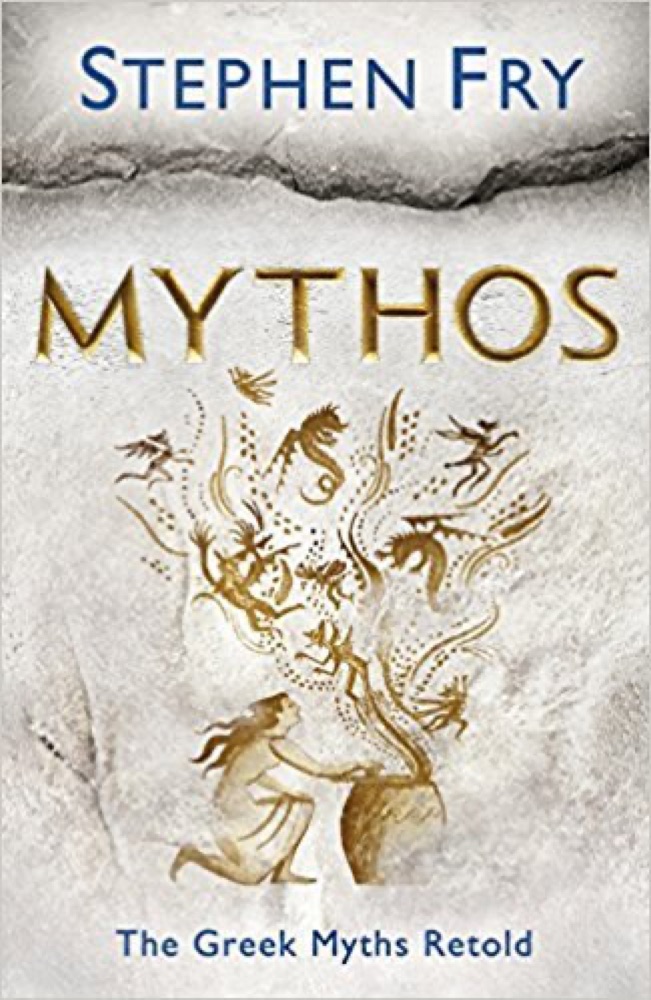 Mythos - The Greek Myths Retold
 The Angel Esmeralda
 A Fisherman of the Inland Sea
 Shadow & Claw
 Sword & Citadel
 Death in Venice and Other Tales
 The Sword of Shannara
 A Luminous Republic
 Manifestoes of Surrealism
 Sodom and Gomorrah