
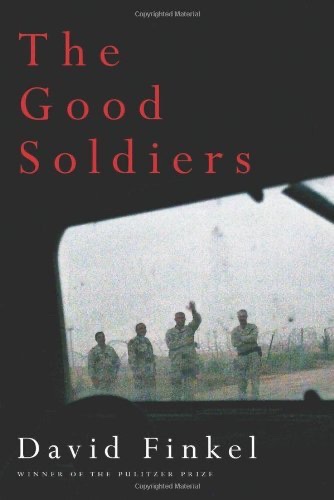
 The Good Soldiers
Quotes from the Book
And a hero isn’t someone who doesn’t feel fear, they’re someone who in spite of their fear does the right thing and really risks their own safety,
12
But you can gift wrap a piece of shit and it’s still a piece of shit.
9
To be a soldier in combat was to fall in love constantly,
4
I was a normal guy who got sent to Iraq and became crazy, so they sent me back to America to become sane, and now it’s America that’s driving me crazy.
3
It seems like it might go on for a while, so Tausolo takes a seat and looks around the sergeant's cubicle. There's not much to see, since the guy just arrived at the WTB, only a blank form tacked to a wall that looks like every other army form in the world. "Hurt Feelings Report," it is titled. "Whiner's name," it says under that. "Which ear were the words of hurtfulness spoken into?" it says under that. "Is there permanent feeling damage?" "Did you require a 'tissue' for tears?" "Has this resulted in a traumatic brain injury?" "Reason for filing this report," it says under that. "Mark all that apply." "I am a wimp." "I am a crybaby." "I want my mommy." "I was told that I am not a hero." "Narrative," it says under that. "Tell us in your own sissy words how your feelings were hurt." Finally at the bottom of the form: We, as the Army, take hurt feelings seriously. If you don't have someone who can give you a hug and make things all better, please let us know and we will promptly dispatch a "hugger" to you ASAP. In the event we are unable to find a "hugger" we will notify the fire department and request that they send fire personnel to your location. If you are in need of supplemental support, upon written request, we will make every reasonable effort to provide you with a "blankey," a "binky" and/or a bottle if you so desire.
3
The greatest regret of my military career was as Commanding General of the 1st Cavalry Division in Iraq in 2004-2005, he later wrote of the decision he made. I lost 169 soldiers during that year-long deployment. However, the monument we erected at Fort Hood, Texas, in memoriam lists 168 names. I approved the request of others not to include the name of the one soldier who committed suicide. I deeply regret my decision.
3
Could it have nothing to do with the soldier and everything to do with the type of war now being fought?
3
The lessons learned, then, in Robinson's case: "Additional training is required to inform soldiers of the dangers of self-medicating along with the associated risk of overdosing" is the first. "Encourage the use of a battle buddy among warriors" is the second. "Increase suicide prevention classes" is the third. "Increase communication to twice a day with high-risk soldiers" is the fourth. "Continue improvements in leader communication" is the fifth. And that's that. Eight months. Five minutes. The army moves on to the next suicide. Case forever closed.
2
Everywhere on this day, the after-war continues, as eternally as war itself,
2
He has an aide, paid for by the VA, who helps him with his leg brace, his arm brace, his hand brace, his clothing, his shoes that she double-knots, his medications, and his food. Sometimes, when she takes him to lunch in the nearby town, he asks her to dress him in a T-shirt that says “What Have You Done for Your Country?” on the front and “I Took a Bullet in the Head for Mine” on the back, so people who stare at him won't think they're looking at the results of some drunk in a car wreck.
Watch on YouTube
About David Finkel
We have collected 19 quotes from 2 books by David Finkel on BookQuoters.
More about the author →More by David Finkel
The Good Soldiers
About the book
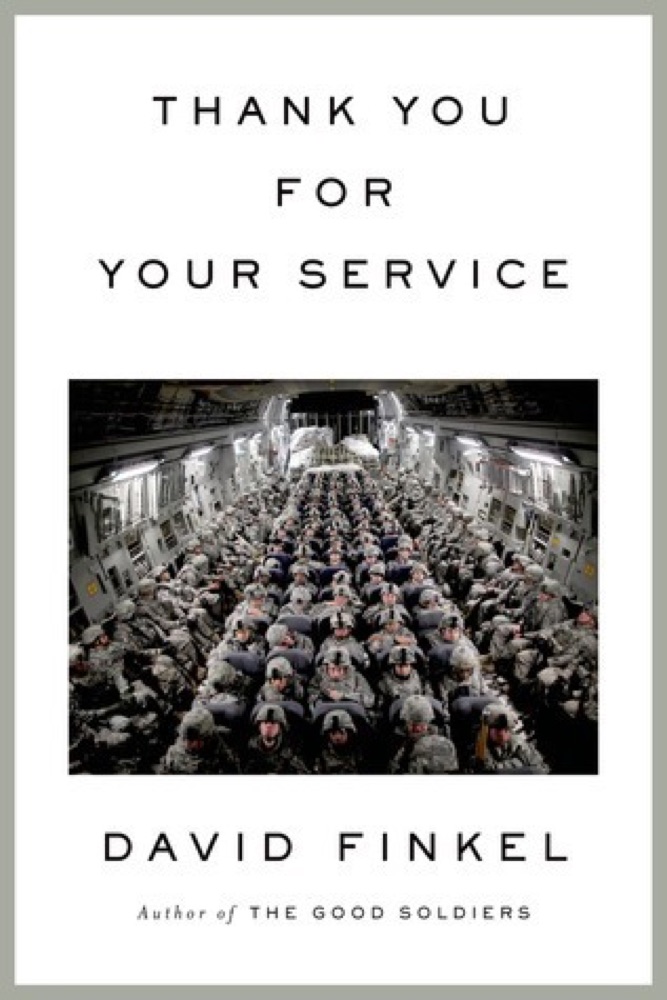
With a foreword by Roméo Dallaire and an introduction by Carol Off.No journalist has reckoned with the psychology of war as intimately as David Finkel. In The Good Soldiers, Finkel shadowed the men of the US 2-16 Infantry Battalion in Baghdad as they carried out the grueling fifteen-month "surge" that changed them all forever. Now Finkel has followed many of the same men as they've returned home and struggled to reintegrate - both into their family lives and into society at large.In the ironically titled Thank You for Your Service, Finkel writes with tremendous compassion not just about the soldiers but about their wives and children. Where do soldiers belong after their homecoming? Is it reasonable, or even possible, to expect them to rejoin their communities as if nothing has happened? And in moments of hardship, who can soldiers turn to if they feel alienated by the world they once li
Book details
- First published
- 2013
- Author
- David Finkel
- Genre
- Nonfiction
- Goodreads rating
- 4.13 (7k ratings)
The buzz
- The New York TimesReview in The New York Timesprofessional review (via Book Marks)
- The Washington PostReview in The Washington Postprofessional review (via Book Marks)
- The GuardianReview in The Guardianprofessional review (via Book Marks)
- Kirkus ReviewsReview in Kirkus Reviewsprofessional review (via Book Marks)
- Washington Independent Review of BooksReview in Washington Independent Review of Booksprofessional review (via Book Marks)
- Star TribuneReview in Star Tribuneprofessional review (via Book Marks)
Keep reading
The Good Soldiers
 American Sniper: The Autobiography of the Most Lethal Sniper in U.S. Military History
 Jarhead : A Marine's Chronicle of the Gulf War and Other Battles
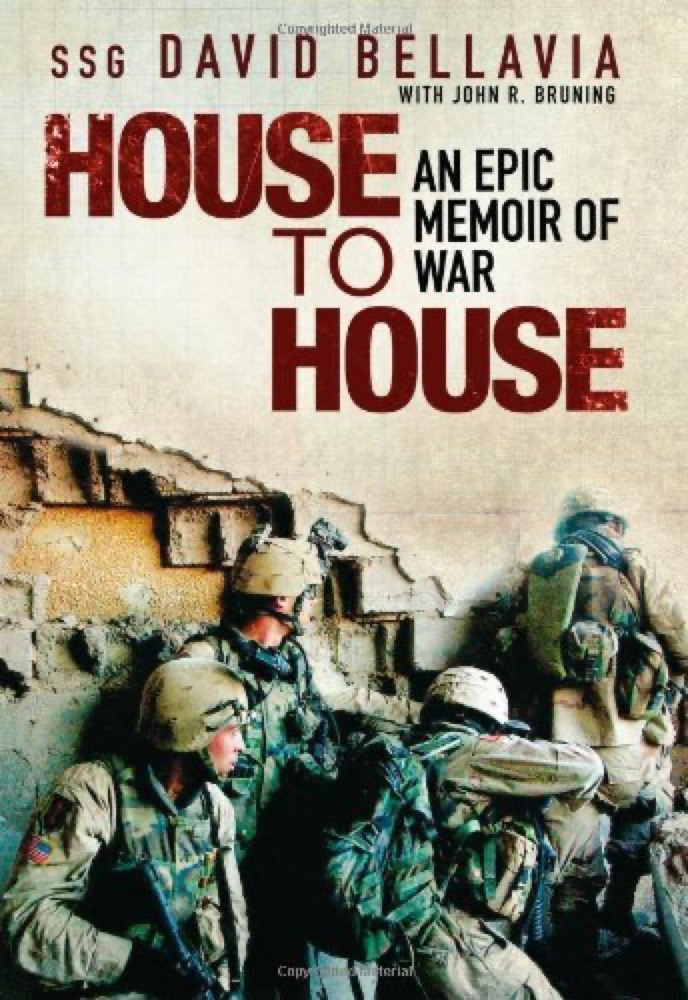 House to House: An Epic Memoir of War
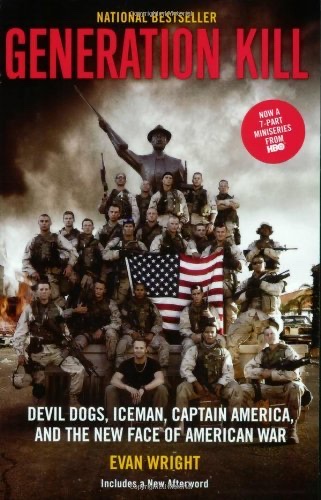 Generation Kill: Devil Dogs, Iceman, Captain America, and the New Face of American War
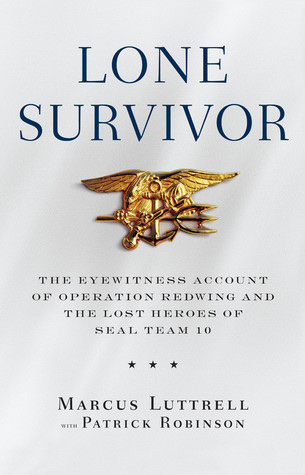 Lone Survivor: The Eyewitness Account of Operation Redwing and the Lost Heroes of SEAL Team 10
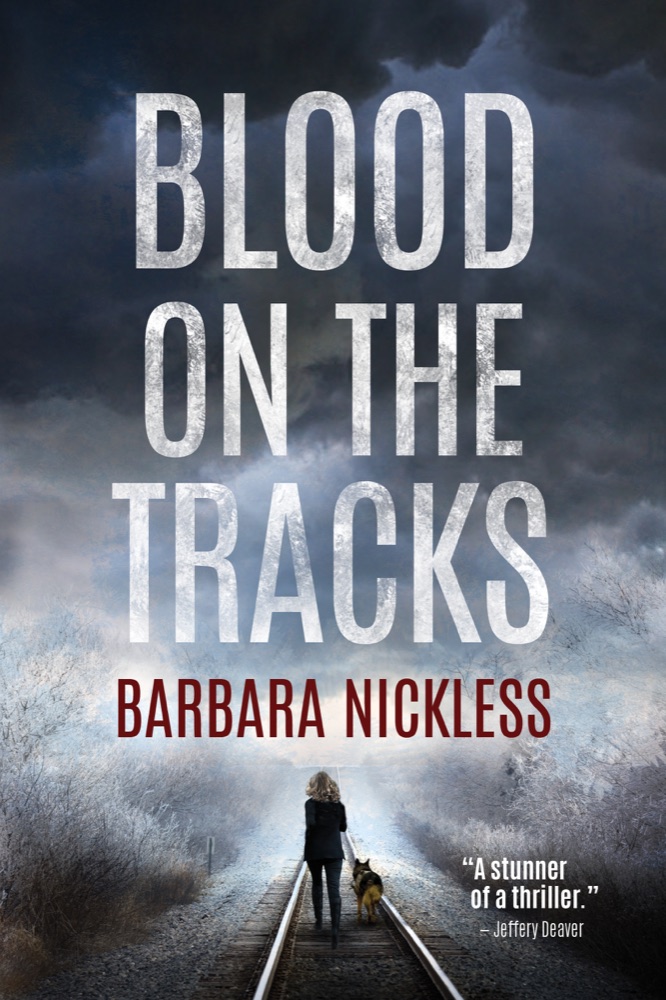 Blood on the Tracks
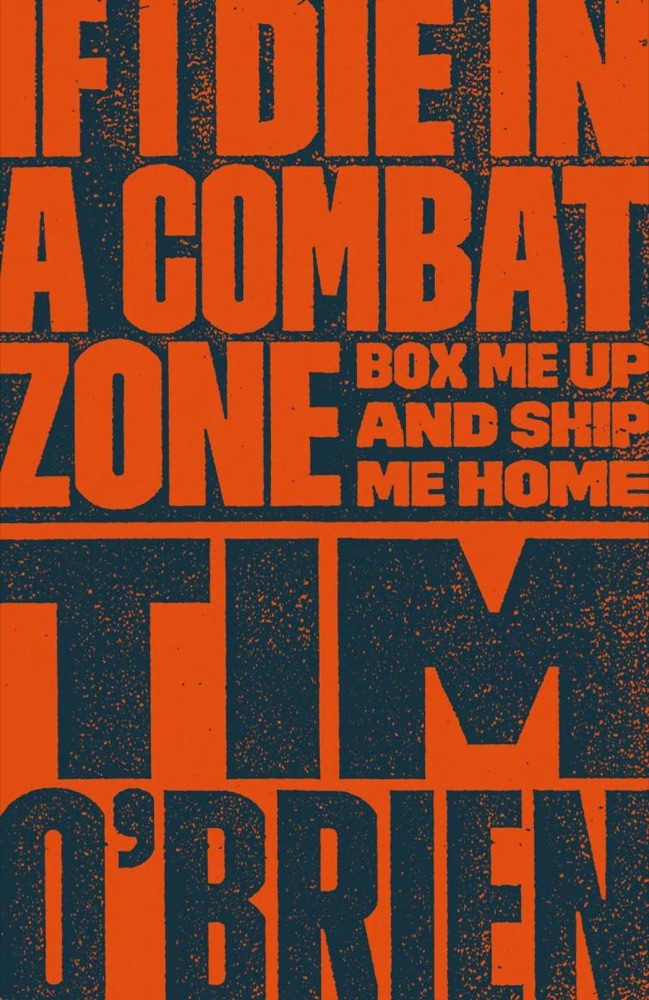 If I Die in a Combat Zone, Box Me Up and Ship Me Home
 We Were Soldiers Once... and Young: Ia Drang - The Battle that Changed the War in Vietnam
 War
War
 Home Front
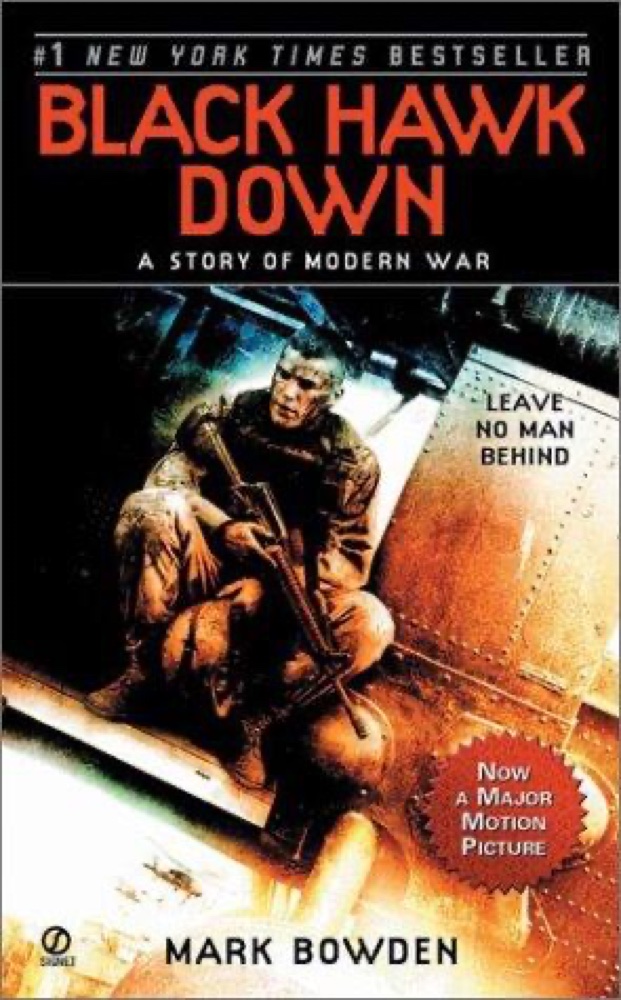 Black Hawk Down
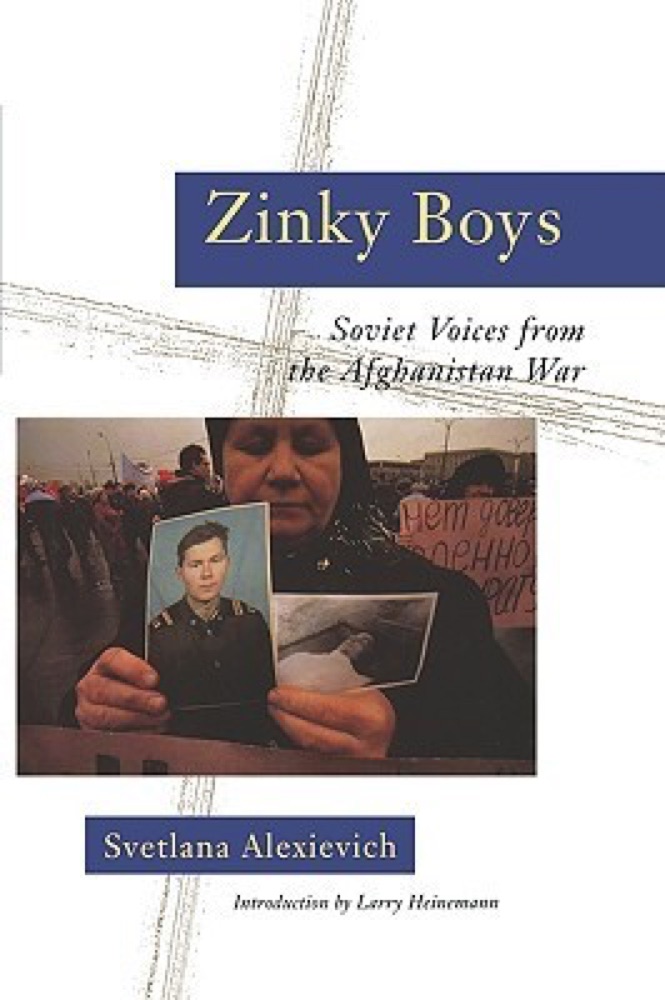 Zinky Boys: Soviet Voices from the Afghanistan War
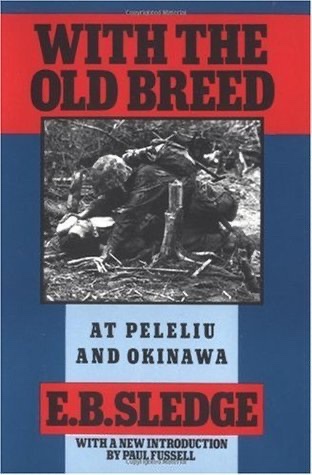 With the Old Breed: At Peleliu and Okinawa
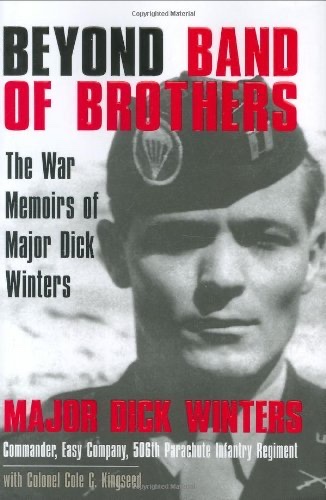 Beyond Band of Brothers: The War Memoirs of Major Dick Winters
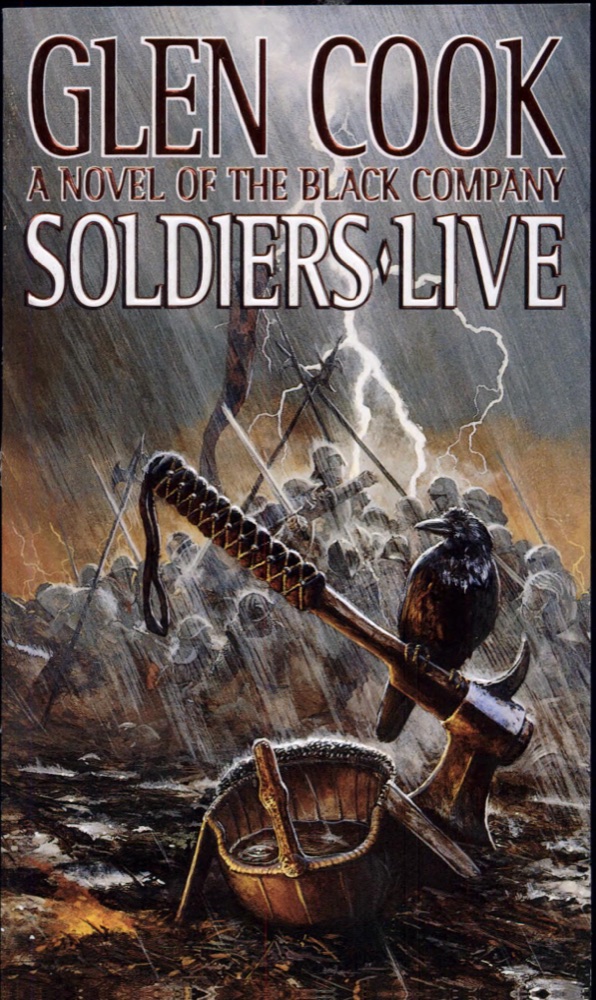 Soldiers Live
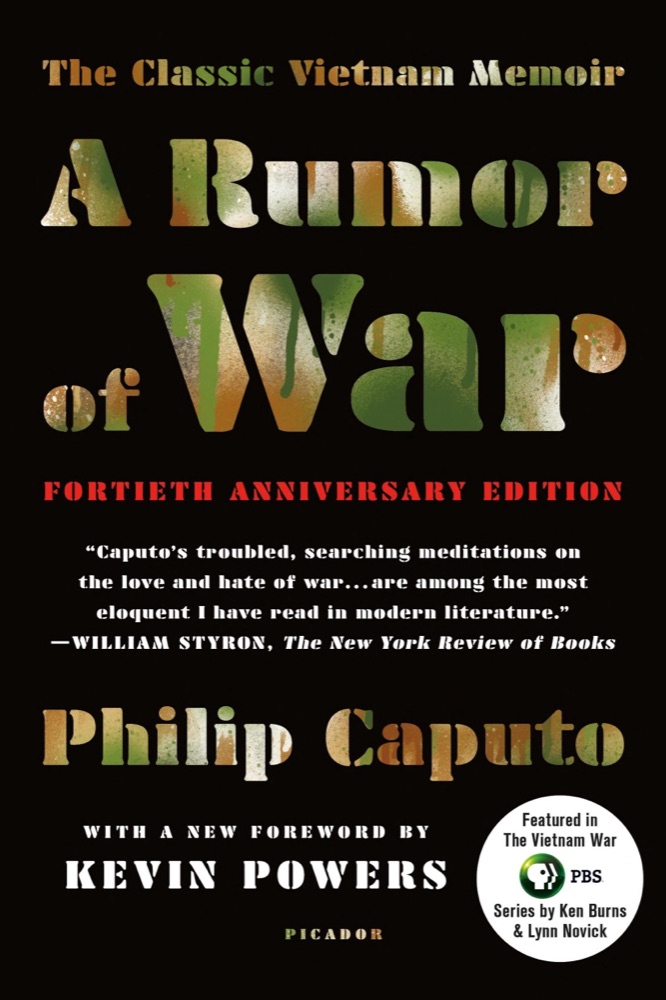 A Rumor of War: The Classic Vietnam Memoir
 The Long Walk: A Story of War and the Life That Follows
 Dispatches
 What It is Like to Go to War
 Billy Lynn's Long Halftime Walk
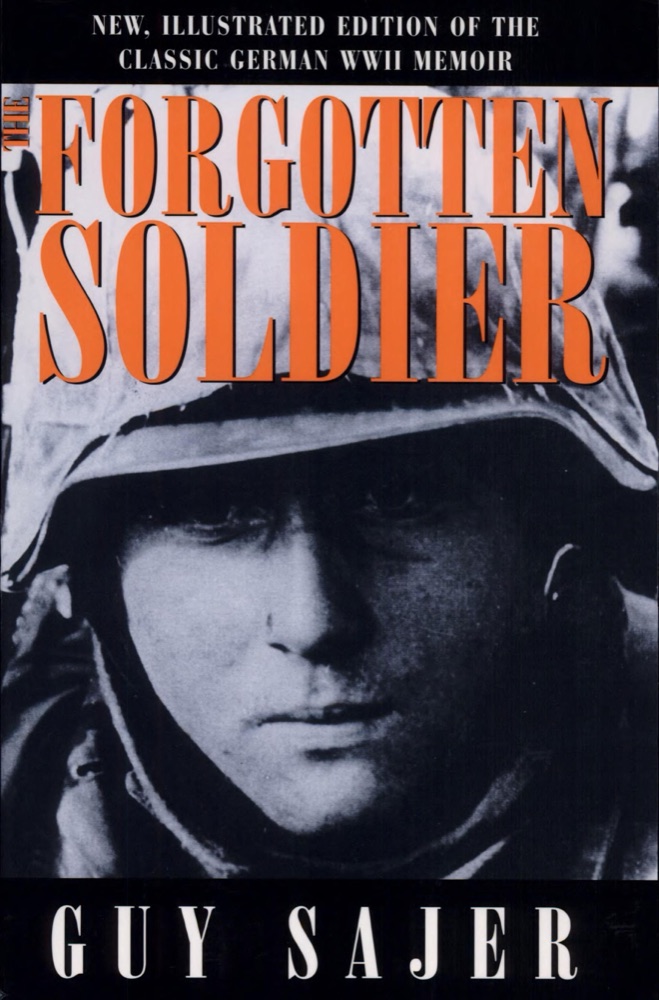 The Forgotten Soldier
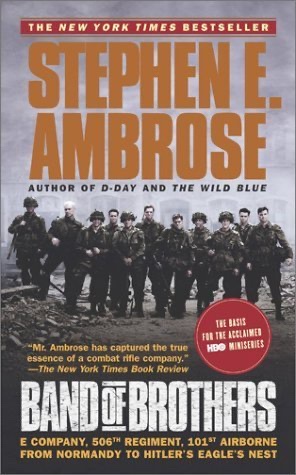 Band of Brothers: E Company, 506th Regiment, 101st Airborne from Normandy to Hitler's Eagle's Nest
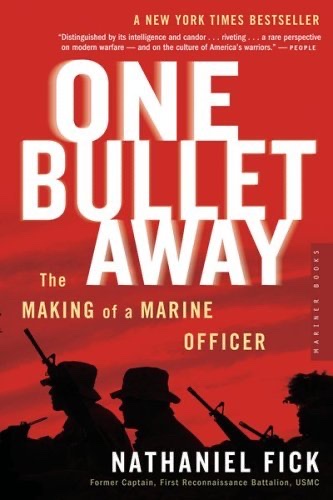 One Bullet Away: The Making of a Marine Officer
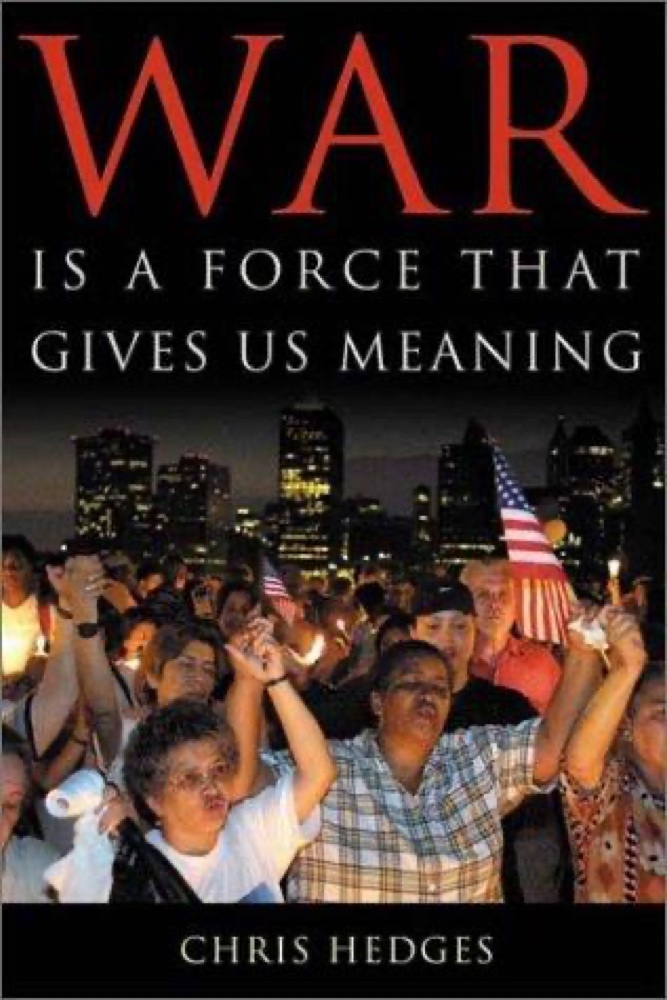 War Is a Force That Gives Us Meaning
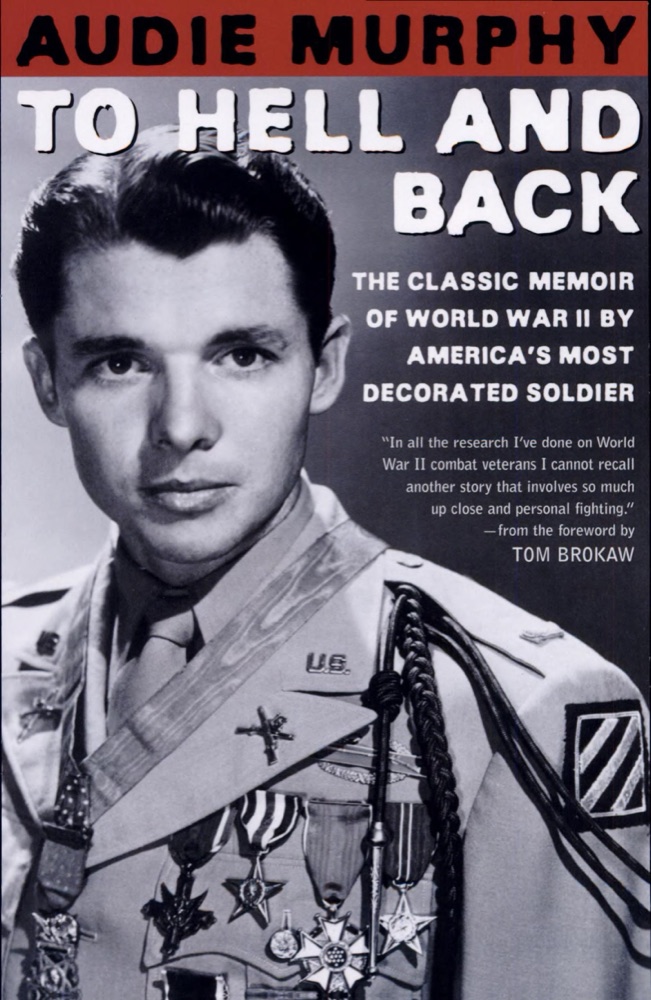 To Hell and Back
 Patriot Games
 The Enemy
 Mr. Lincoln's Army
 Helmet for My Pillow
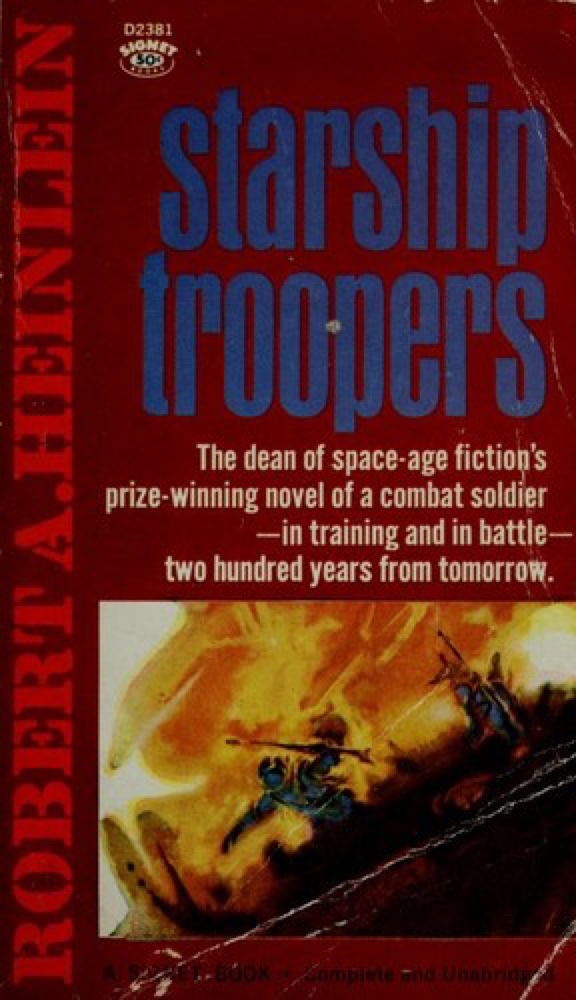 Starship Troopers
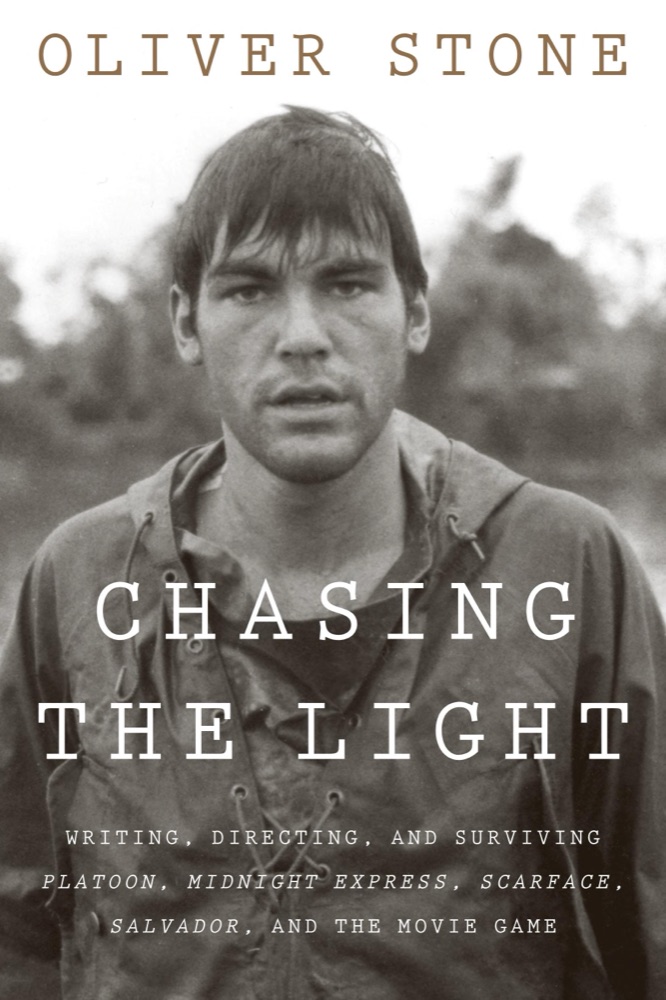 Chasing The Light: Writing, Directing, and Surviving Platoon, Midnight Express, Scarface, Salvador, and the Movie Game
 Emergency Sex (And Other Desperate Measures): True Stories from a War Zone
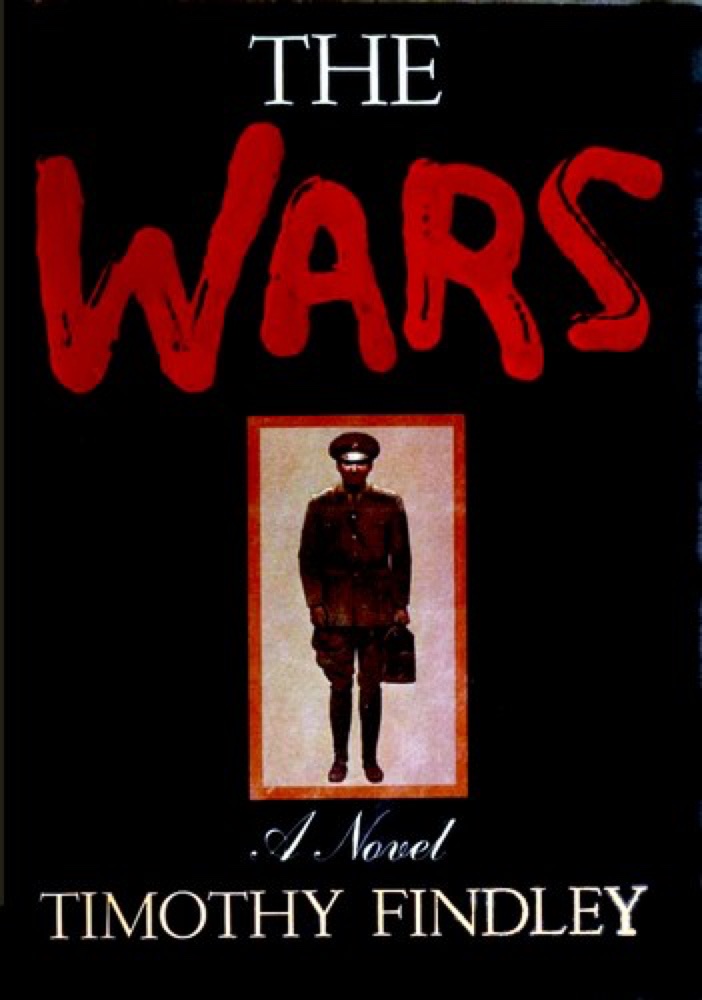 The Wars
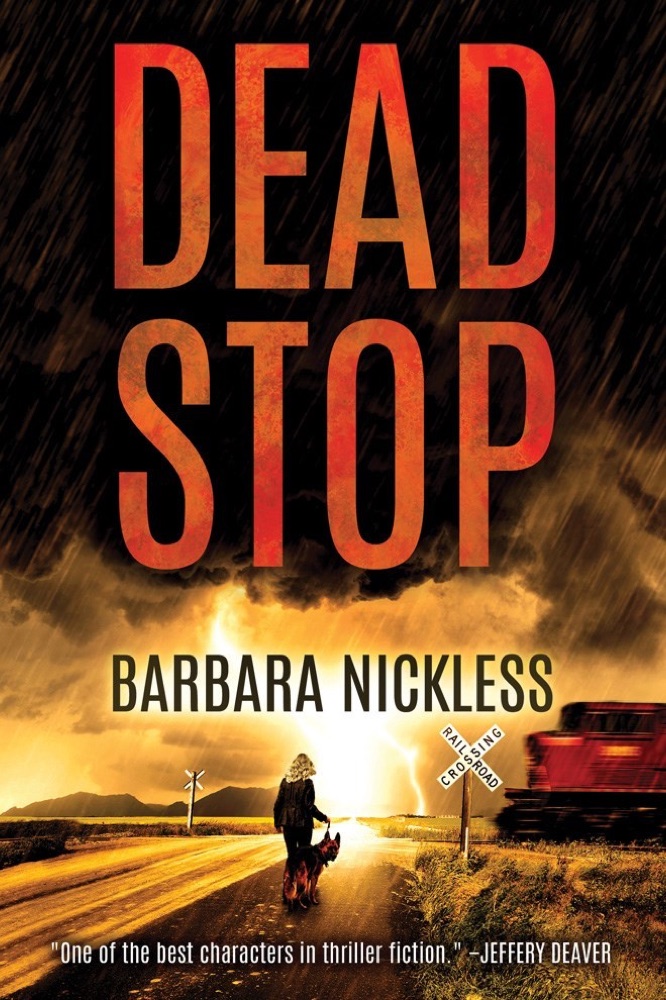 Dead Stop
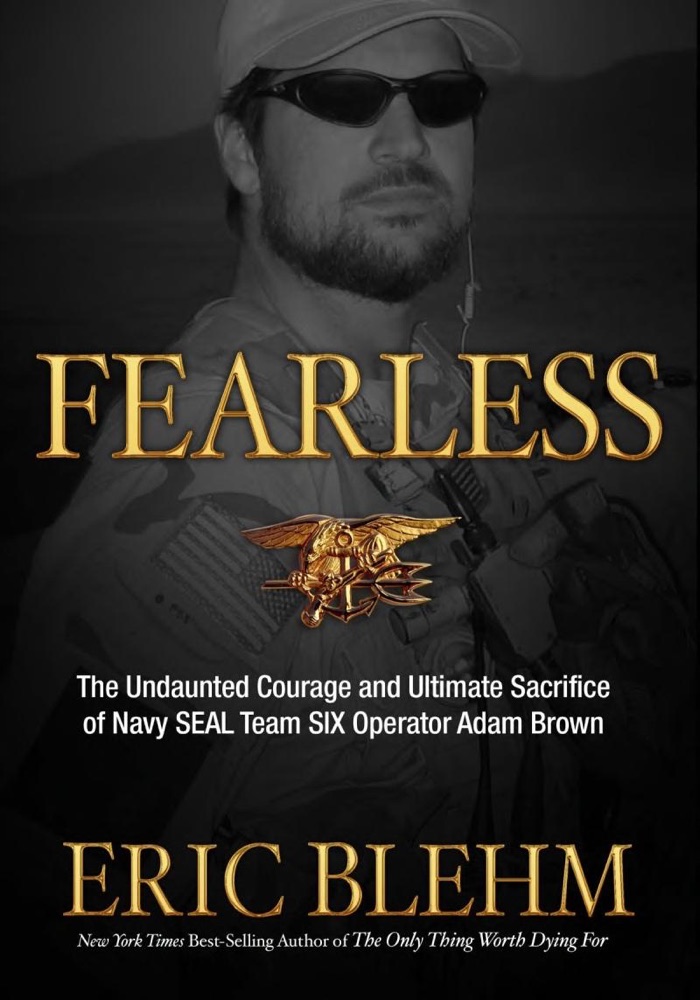 Fearless: The Undaunted Courage and Ultimate Sacrifice of Navy SEAL Team SIX Operator Adam Brown
 Matterhorn
 The Thin Red Line
 Catch-22
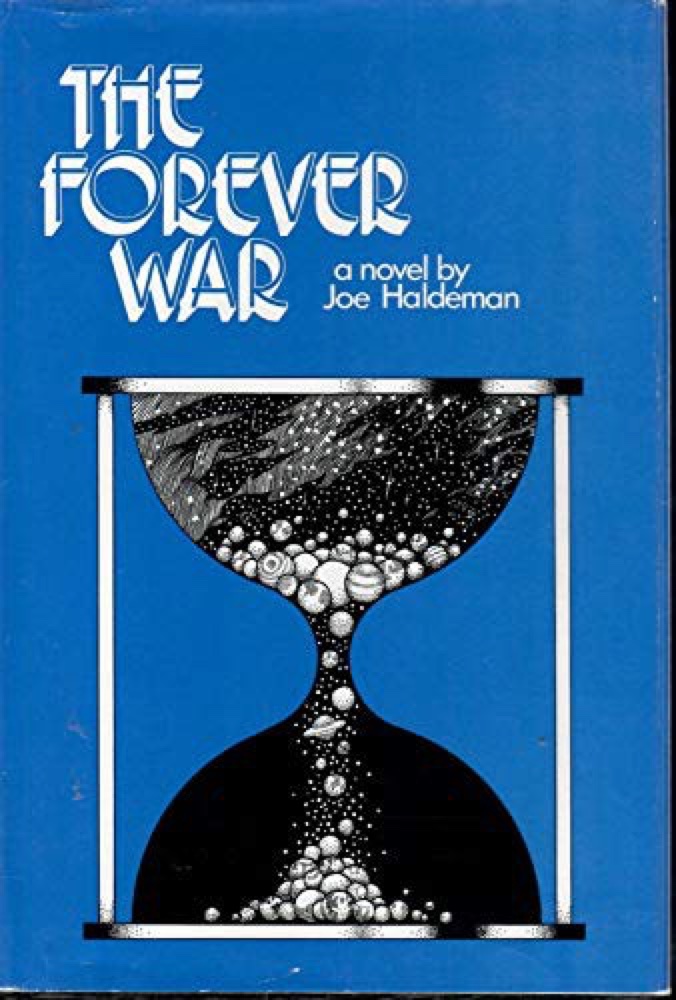 The Forever War
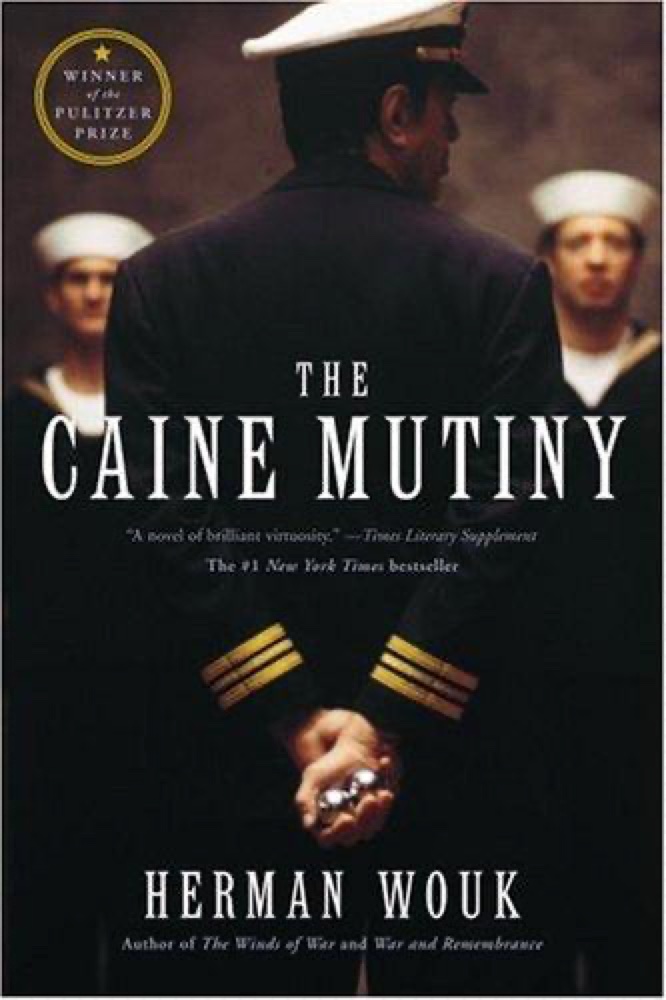 The Caine Mutiny
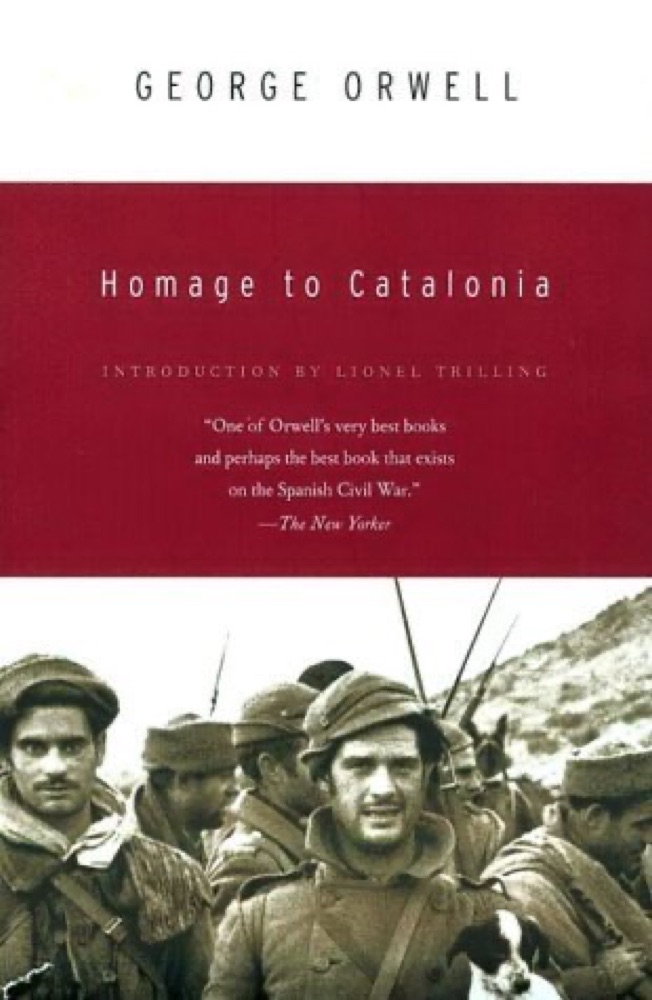 Homage to Catalonia
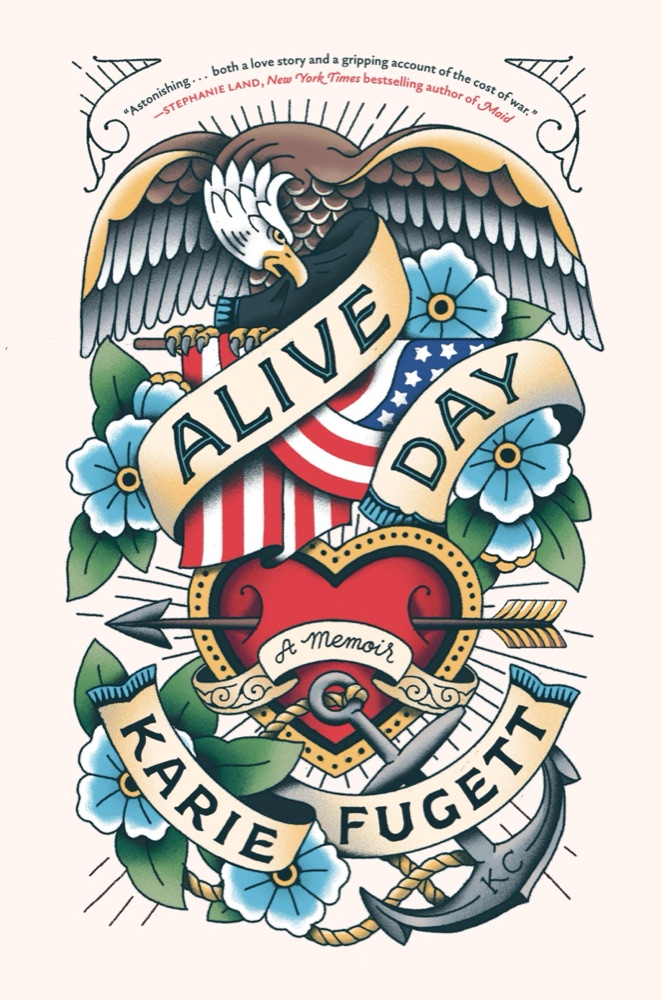 Alive Day: A Memoir
 The Things They Carried
 My Dear I Wanted to Tell You
 On Killing: The Psychological Cost of Learning to Kill in War and Society
 War Horse
 The Heroes
 The Virtues of War
 We Are Not Free
 The First Casualty
 All Quiet on the Western Front
 All You Need Is Kill
 American War
 World War Z: An Oral History of the Zombie War
 Tree of Smoke
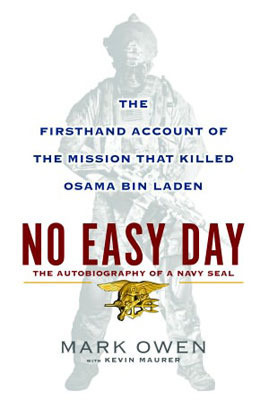 No Easy Day: The Firsthand Account of the Mission That Killed Osama Bin Laden
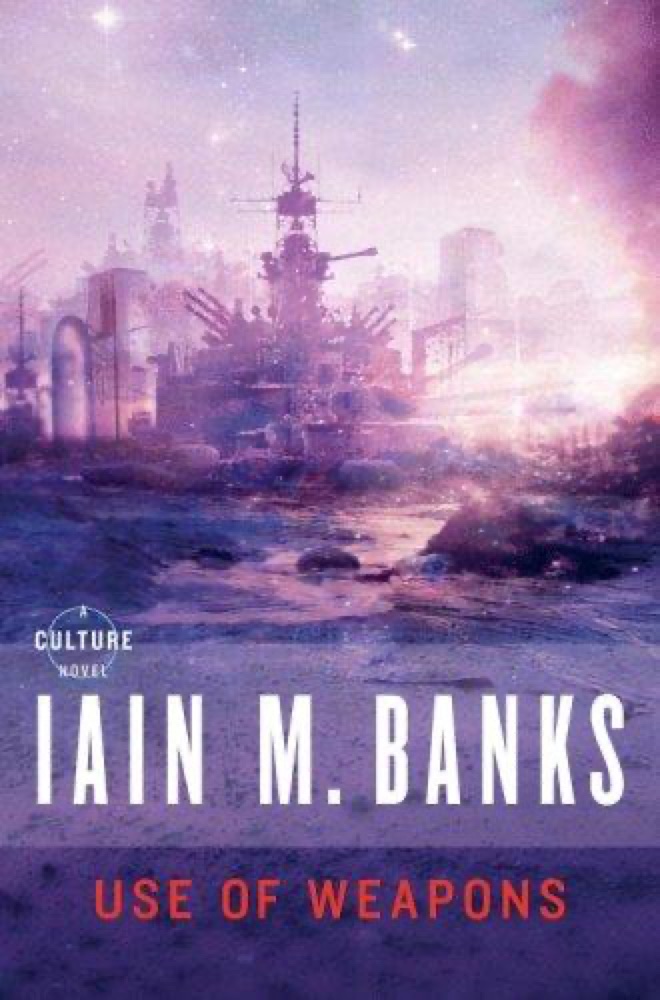 Use of Weapons
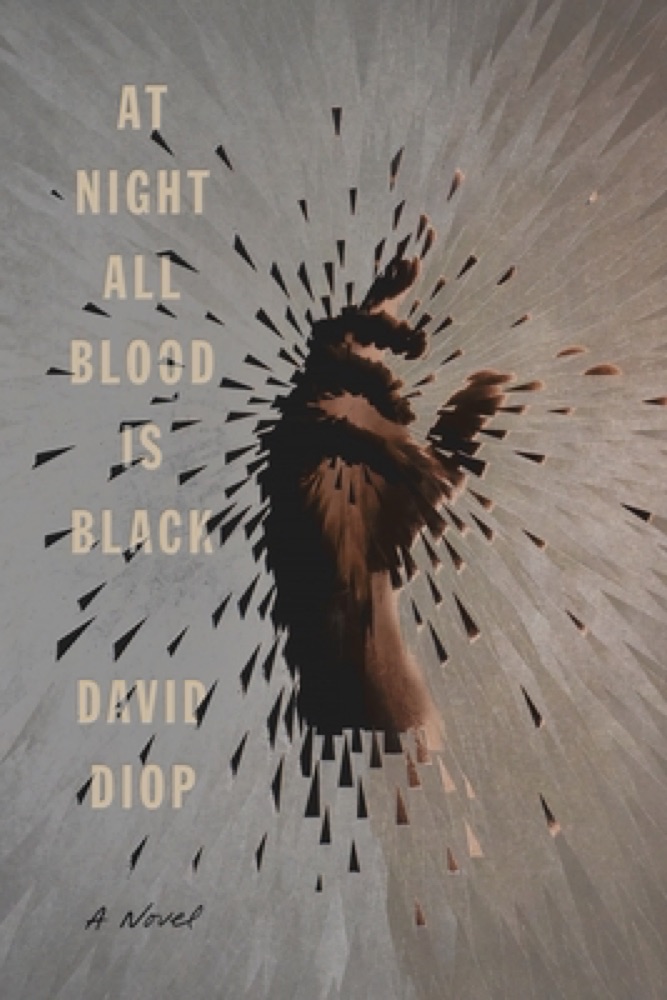 At Night All Blood is Black
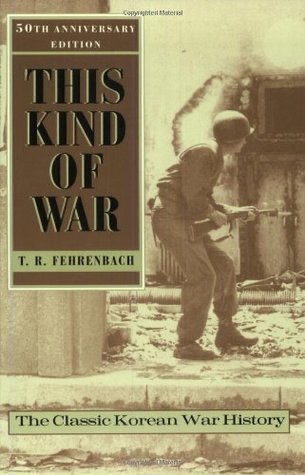 This Kind of War: A Study in Unpreparedness