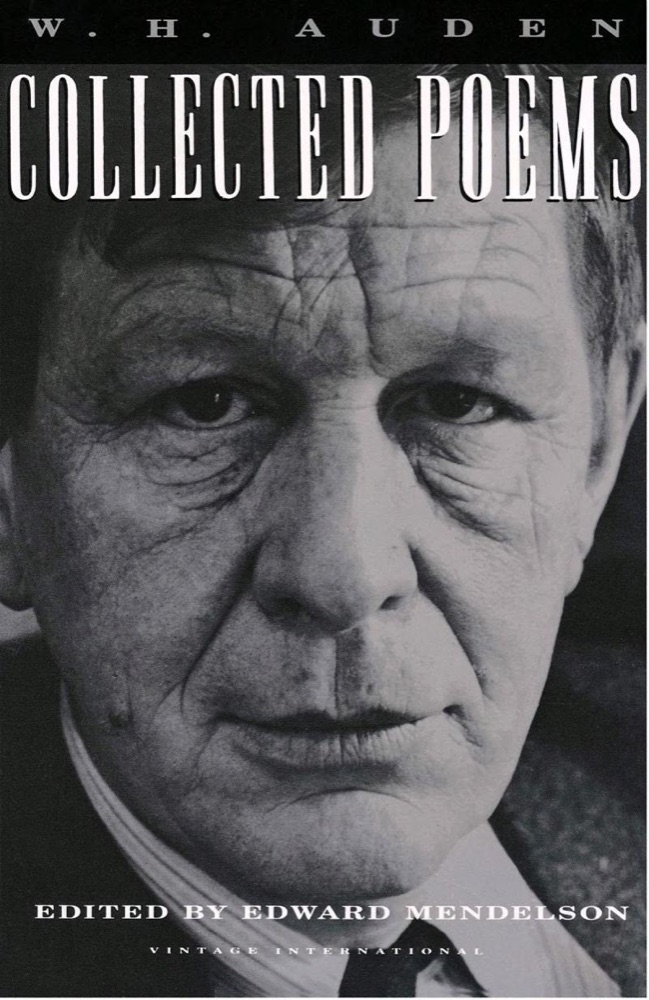
 Collected Poems
Quotes from the Book
There are days we live as if death were nowhere in the background; from joy to joy to joy, from wing to wing, from blossom to blossom to impossible blossom, to sweet impossible blossom.
28
O, to take what we love inside, to carry within us an orchard, to eat not only the skin, but the shade, not only the sugar, but the days, to hold the fruit in our hands, adore it, then bite into the round jubilance of peach. There are days we live as if death were nowhere in the background; from joy to joy to joy, from wing to wing, from blossom to blossom to impossible blossom, to sweet impossible blossom.
7
EARLY IN THE MORNING While the long grain is softening in the water, gurgling over a low stove flame, before the salted Winter Vegetable is sliced for breakfast, before the birds, my mother glides an ivory comb through her hair, heavy and black as calligrapher’s ink. She sits at the foot of the bed. My father watches, listens for the music of comb against hair. My mother combs, pulls her hair back tight, rolls it around two fingers, pins it in a bun to the back of her head. For half a hundred years she has done this. My father likes to see it like this. He says it is kempt. But I know it is because of the way my mother’s hair falls when he pulls the pins out. Easily, like the curtains when they untie them in the evening.
4
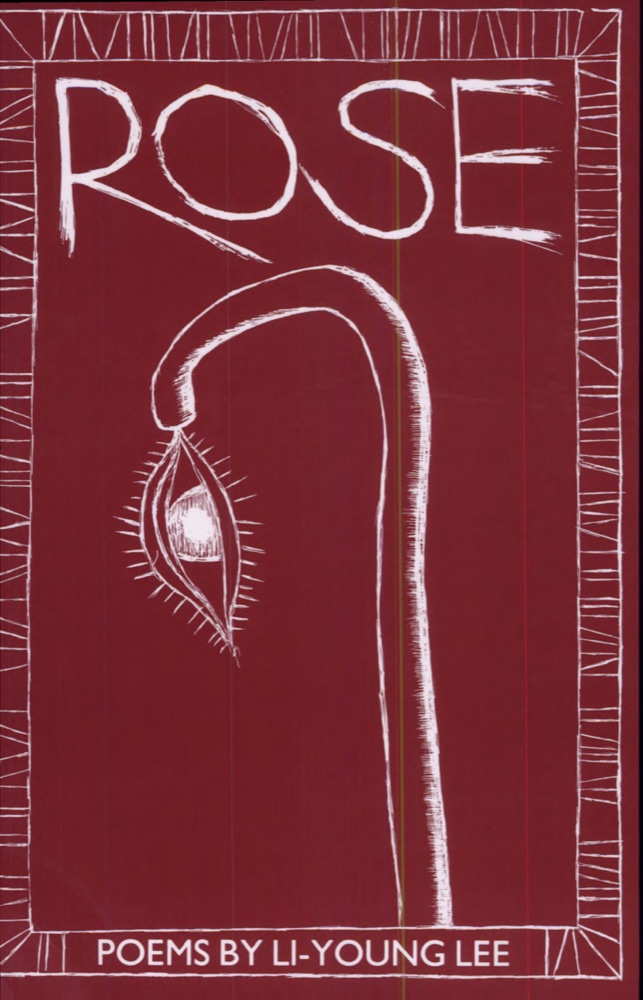
It’s late. I’ve come to find the flower which blossoms like a saint dying upside down. The rose won’t do, nor the iris. I’ve come to find the moody one, the shy one, downcast, grave, and isolated. Now, blackness gathers in the grass, and I am on my hands and knees. What is its name? Little sister, my indigo, my secret, vaginal and sweet, you unfurl yourself shamelessly toward the ground, You burn. You live a while in two worlds at once. — Li-Young Lee, “My Indigo,” Rose: Poems (BOA Editions, LTD., 1986)
3
Today I bring you cold chrysanthemums, white as absence, long-stemmed as my grief. I stand before your grave, a few unfallen leaves overhead, the sucking mud beneath.
2
My love's hair is autumn hair, there the sun ripens. My fingers harvest the dark vegetable of her body. In the morning I remove it from my tongue and sleep again.
2
From blossoms comes this brown paper bag of peaches we bought from the boy at the bend in the road where we turned toward signs painted Peaches. From laden boughs, from hands, from sweet fellowship in the bins, comes nectar of the roadside, succulent peaches we devour, dusty skin and all, comes the familiar dust of summer, dust we eat. O, to take what we love inside, to carry within us an orchard, to eat not only the skin, but the shade, not only the sugar, but the days, to hold the fruit in our hands, adore it, then bite into the round jubilance of peach. There are days we live as if death were nowhere in the background; from joy to joy to joy, from wing, from blossoms to blossom to impossible blossom, to sweet impossible blossom.
2
MNEMONIC I was tired. So I lay down. My lids grew heavy. So I slept. Slender memory, stay with me. I was cold once. So my father took off his blue sweater. He wrapped me in it, and I never gave it back. It is the sweater he wore to America, this one, which I’ve grown into, whose sleeves are too long, whose elbows have thinned, who outlives its rightful owner. Flamboyant blue in daylight, poor blue by daylight, it is black in the folds. A serious man who devised complex systems of numbers and rhymes to aid him in remembering, a man who forgot nothing, my father would be ashamed of me. Not because I’m forgetful, but because there is no order to my memory, a heap of details, uncatalogued, illogical. For instance: God was lonely. So he made me. My father loved me. So he spanked me. It hurt him to do so. He did it daily. The earth is flat. Those who fall off don’t return. The earth is round. All things reveal themselves to men only gradually. I won’t last. Memory is sweet. Even when it’s painful, memory is sweet. Once, I was cold. So my father took off his blue sweater.
2
What binds me to this earth? What remembers the dead and grows toward them?
1
Which is this? This is persimmons, Father. Oh, the feel of the wolftail on the silk, the strength, the tense precision in the wrist. I painted them hundreds of times eye's closed. These I painted blind. Some things never leave a person: scent of hair of one you love, the texture of persimmons, in your palm, the ripe weight.
1
I know moments measured by a kiss, or a tear, a pass of the hand along a loved one’s face. —Li-Young Lee, from “Always a Rose,” Rose (BOA Editions, Ltd., 1986)
1
Nocturne" That scraping of iron on iron when the wind rises, what is it? Something the wind won’t quit with, but drags back and forth. Sometimes faint, far, then suddenly, close, just beyond the screened door, as if someone there squats in the dark honing his wares against my threshold. Half steel wire, half metal wing, nothing and anything might make this noise of saws and rasps, a creaking and groaning of bone-growth, or body-death, marriages of rust, or ore abraded. Tonight, something bows that should not bend. Something stiffens that should slide. Something, loose and not right, rakes or forges itself all night.
1
Hair spills through my dreams, sprouts from my stomach, thickens my heart, and tangles the brain. Hair ties the tongue dumb. Hair ascends the tree. of my childhood -- the willow I climbed one bare foot and hand at a time, feeling the knuckles of the gnarled tree, hearing my father plead from his window, Don't fall!
1
I want the rain to follow me, to mark me with a stripe down my chest and belly, to darken my skin, and blacken my hair. I want to be broken, to be eaten by the anonymous mouths, to be eroded like minutes and seconds, to be reduced to water and a little light. I want to rise, the doors of the rain to open, I will enter, rain alive among my fingers, embroidered on my tongue, and brilliant in my eyes, I want to carry it in my shirt pocket, devote my life to the discovery of its secret, the one blessing it whispers. Rain
1
I know lips that love me, that return my kisses by leaving on my cheek their salt. And there is one I love, who hid her heart behind a stone. — Li-Young Lee, from section 5 of “Always a Rose,” Rose (BOA Editions, LTD, 1986)
The earth is flat. Those who fall off don't return. The earth is round. All things reveal themselves to men only gradually. I won't last. Memory is sweet. Even when it's painful, memory is sweet. Once, I was cold. So my father took off his blue sweater.
I looked for you in your shoes. I found nothing and the rain. I tried our shirts, your pants, called your sweatshirts mine, but a dead man's things are no one's, and this house screams out for you. I searched the hours, perforated by rain. I looked in the milk, the salt, cold water, and found the rain. I looked in the billowing curtains, they were haunted with the rain. Mother curled around it and slept. She dreamed she wandered, calling your name, and you turned to her with no teeth. She sought you in her cupped hands, but nothing followed by the names of God, and after Amen, the rain.
Sometimes my love is melancholy and I hold her head in my hands. Sometimes I recall our hair grows after death. Then, I must grab handfuls of her hair, and, I tell you, there are apples, walnuts, ships sailing, ships docking, and men taking off their boots, their hearts breaking, not knowing which they love more, the water, or their women's hair, sprouting from the head, rushing toward the feet.
The good boy hugs a bag of peaches his father has entrusted to him. Now he follows his father, who carries a bagful in each arm. See the look on the boy's face as his father moves faster and farther ahead, while his own steps flag, and his arms grow weak, as he labors under the weight of peaches.
Dreaming Of Hair" Ivy ties the cellar door in autumn, in summer morning glory wraps the ribs of a mouse. Love binds me to the one whose hair I've found in my mouth, whose sleeping head I kiss, wondering is it death? beauty? this dark star spreading in every direction from the crown of her head. My love's hair is autumn hair, there the sun ripens. My fingers harvest the dark vegtable of her body. In the morning I remove it from my tongue and sleep again. Hair spills through my dream, sprouts from my stomach, thickens my heart, and tangles from the brain. Hair ties the tongue dumb. Hair ascends the tree of my childhood--the willow I climbed one bare foot and hand at a time, feeling the knuckles of the gnarled tree, hearing my father plead from his window, _Don't fall!_ In my dream I fly past summers and moths, to the thistle caught in my mother's hair, the purple one I touched and bled for, to myself at three, sleeping beside her, waking with her hair in my mouth. Along a slippery twine of her black hair my mother ties ko-tze knots for me: fish and lion heads, chrysanthemum buds, the heads of Chinamen, black-haired and frowning. Li-En, my brother, frowns when he sleeps. I push back his hair, stroke his brow. His hairline is our father's, three peaks pointing down. What sprouts from the body and touches the body? What filters sunlight and drinks moonlight? Where have I misplaced my heart? What stops wheels and great machines? What tangles in the bough and snaps the loom? Out of the grave my father's hair bursts. A strand pierces my left sole, shoots up bone, past ribs, to the broken heart it stiches, then down, swirling in the stomach, in the groin, and down, through the right foot. What binds me to this earth? What remembers the dead and grows towards them? I'm tired of thinking. I long to taste the world with a kiss. I long to fly into hair with kisses and weeping, remembering an afternoon when, kissing my sleeping father, I saw for the first time behind the thick swirl of his black hair, the mole of wisdom, a lone planet spinning slowly. Sometimes my love is melancholy and I hold her head in my hands. Sometimes I recall our hair grows after death. Then, I must grab handfuls of her hair, and, I tell you, there are apples, walnuts, ships sailing, ships docking, and men taking off their boots, their hearts breaking, not knowing which they love more, the water, or their women's hair, sprouting from the head, rushing toward the feet.
BETWEEN SEASONS Today I bring you cold chrysanthemums, white as absence, long-stemmed as my grief. I stand before your grave, a few unfallen leaves overhead, the sucking mud beneath. What survives best are chrysanthemums in a month which arrives austere as grief. The hearty blossoms persevere, unfallen. Suffering even snow, they flourish beneath. You walked in mornings among chrysanthemums, and bowed to them as if to hear their grief. Your sleeves grew damp from brushing unfallen dew. A drop lay by your eye, and one beneath. Truest to your nature were chrysanthemums, brilliant while first snows descended like grief. You watched them from your bed, your heart unfallen, steadfast through winter, and then you slipped beneath. What is it they told you, once, the chrysanthemums? It made you sigh, Ah, Grief! Who savors you more than us, the unfallen, long after we’ve forgotten the fallen beneath?
The earth is flat. Those who fall off don’t return. The earth is round. All things reveal themselves to men only gradually. I
Water has invaded my father’s heart, swollen, heavy, twice as large. Bloated liver. Bloated legs. The feet have become balloons. A respirator mask makes him look like a diver. When I lay my face against his—the sound of water returning. The
What binds me to this earth? What remembers the dead and grows toward them? I’m
Watch on YouTube
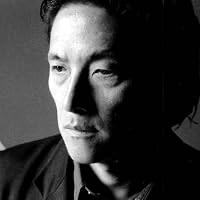
About Li-Young Lee
We have collected 24 quotes from 1 book by Li-Young Lee on BookQuoters.
More about the author →About the book
In this outstanding first book of poems, Lee is unafraid to show emotion, especially when writing about his father or his wife. "But there is wisdom/ in the hour in which a boy/ sits in his room listening," says the first poem, and Lee's silent willingness to step outside himself imbues Rose with a rare sensitivity. The images Lee finds, such as the rose and the apple, are repeated throughout the book, crossing over from his father's China to his own America. Every word becomes transformative, as even his father's blindness and death can become beautiful. There is a strong enough technique here to make these poems of interest to an academic audience and enough originality to stun readers who demand alternative style and subject matter.
— Rochelle Ratner, formerly Poetry Editor, "Soho Weekly News," New York
Book details
- First published
- 1986
- Author
- Li-Young Lee
- Genre
- Literature
- Goodreads rating
- 4.31 (4k ratings)
Keep reading
Collected Poems
 Thirst
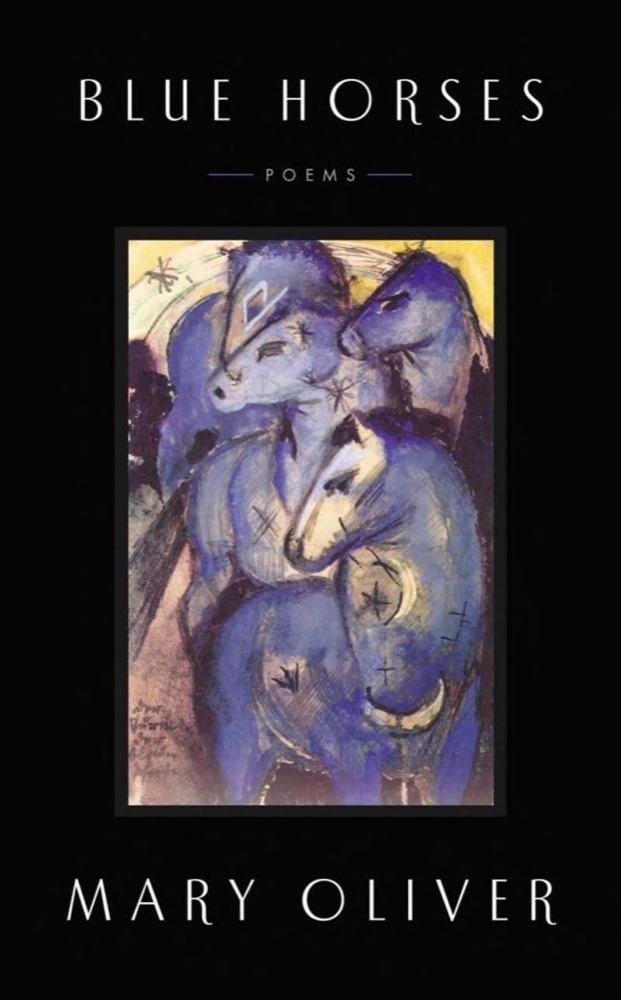 Blue Horses
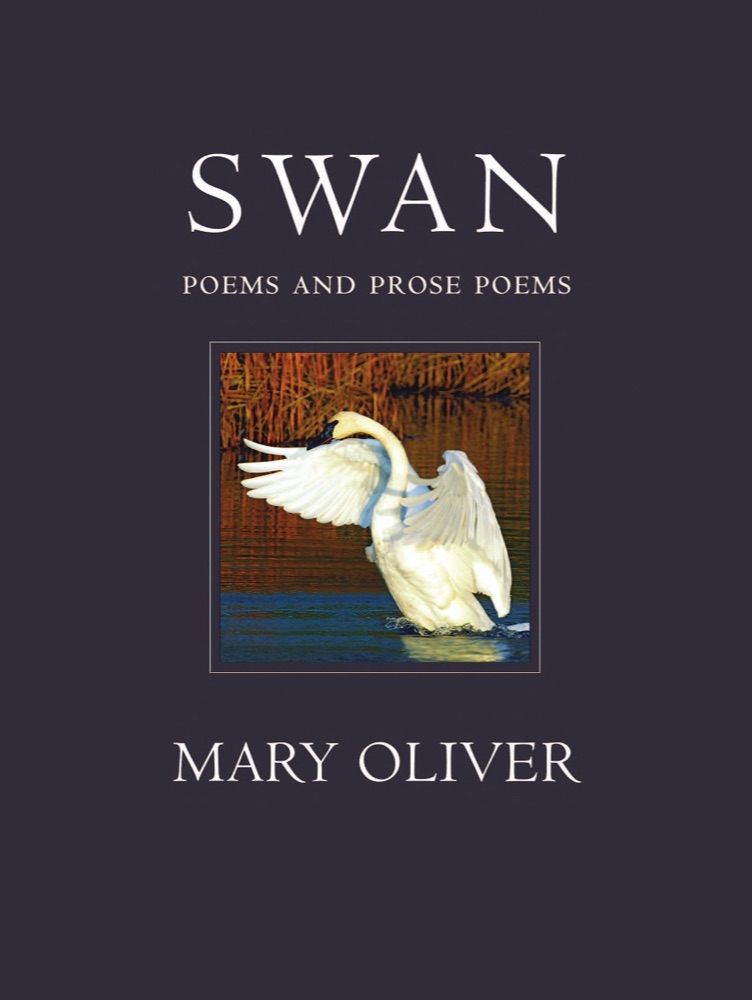 Swan: Poems and Prose Poems
 Gitanjali
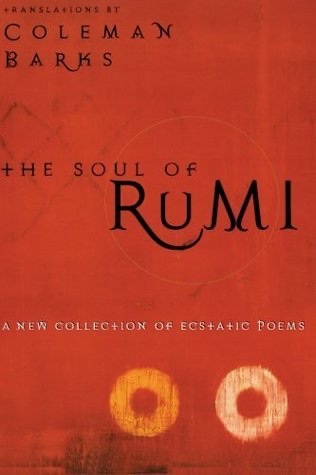 The Soul of Rumi: A New Collection of Ecstatic Poems – Coleman Barks's Sublime Renderings of the 13th-Century Sufi Mystic's Insights into Divine Love and the Human Heart
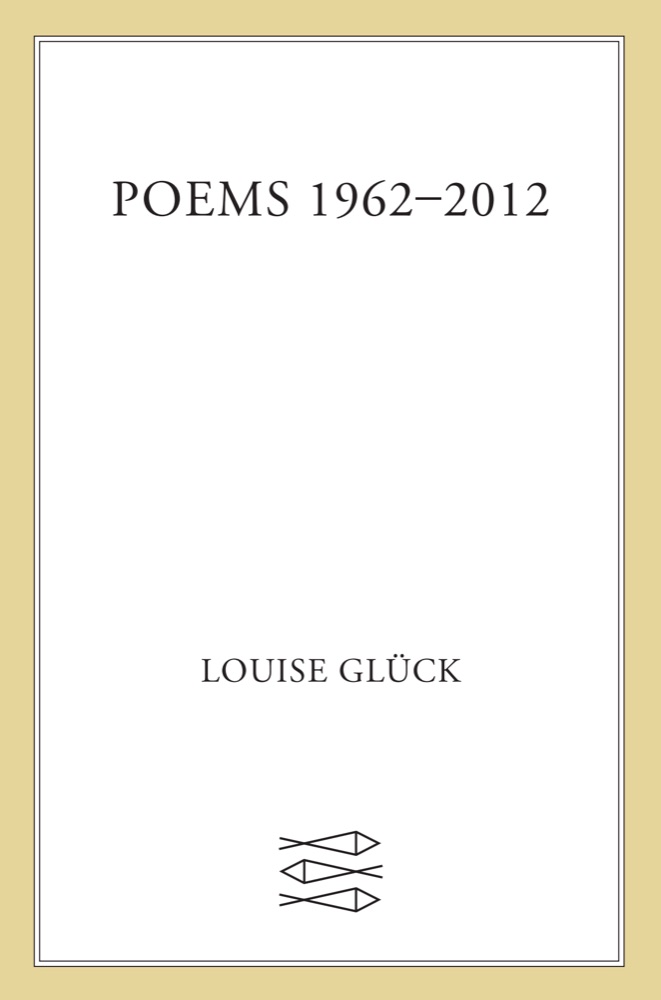 Poems, 1962-2012
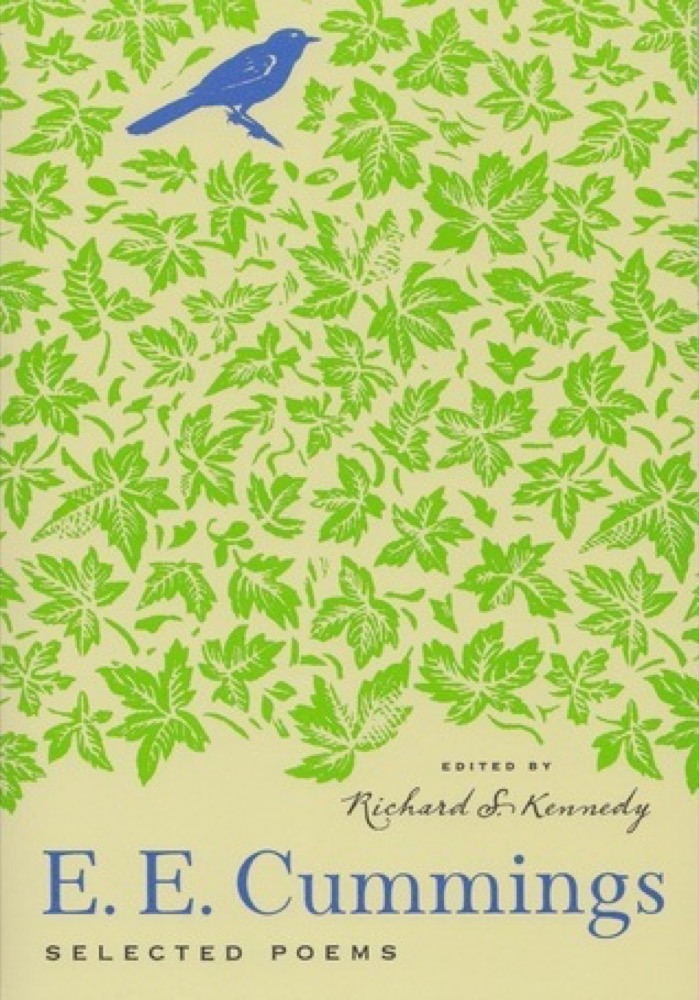 Selected Poems
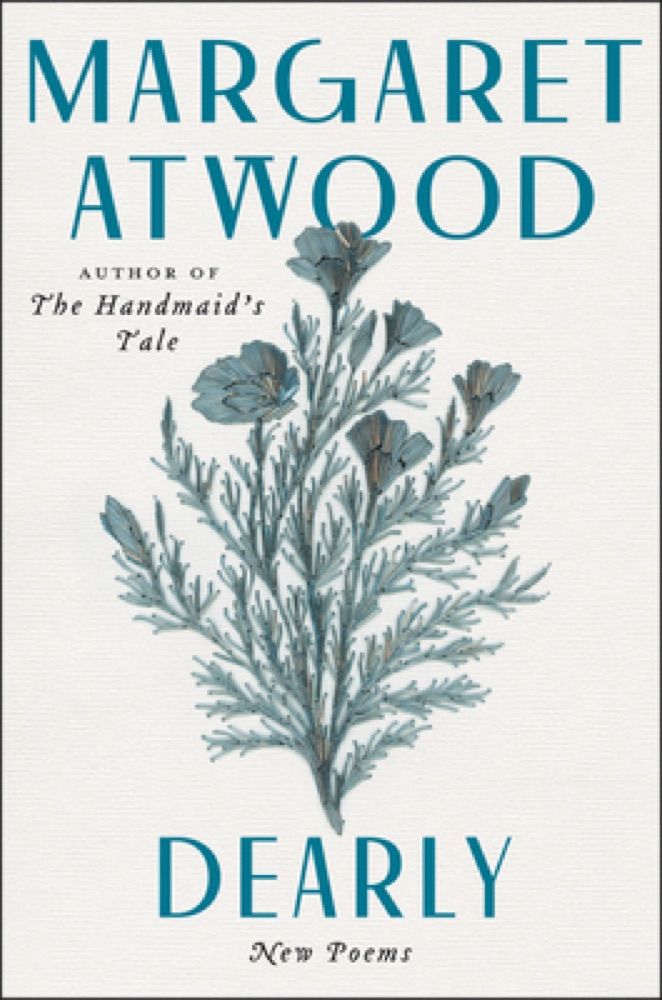 Dearly
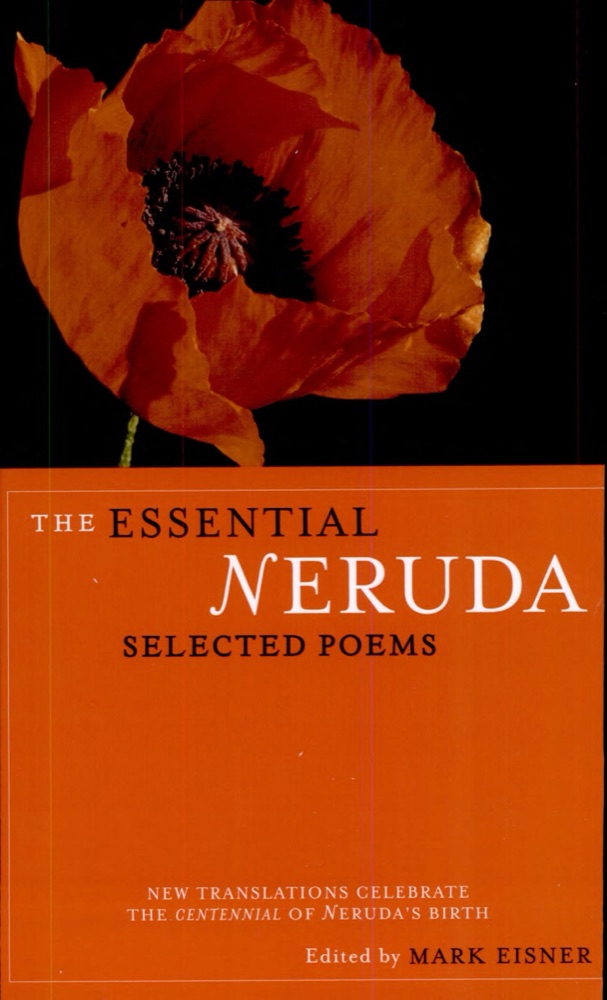 The Essential Neruda: Selected Poems
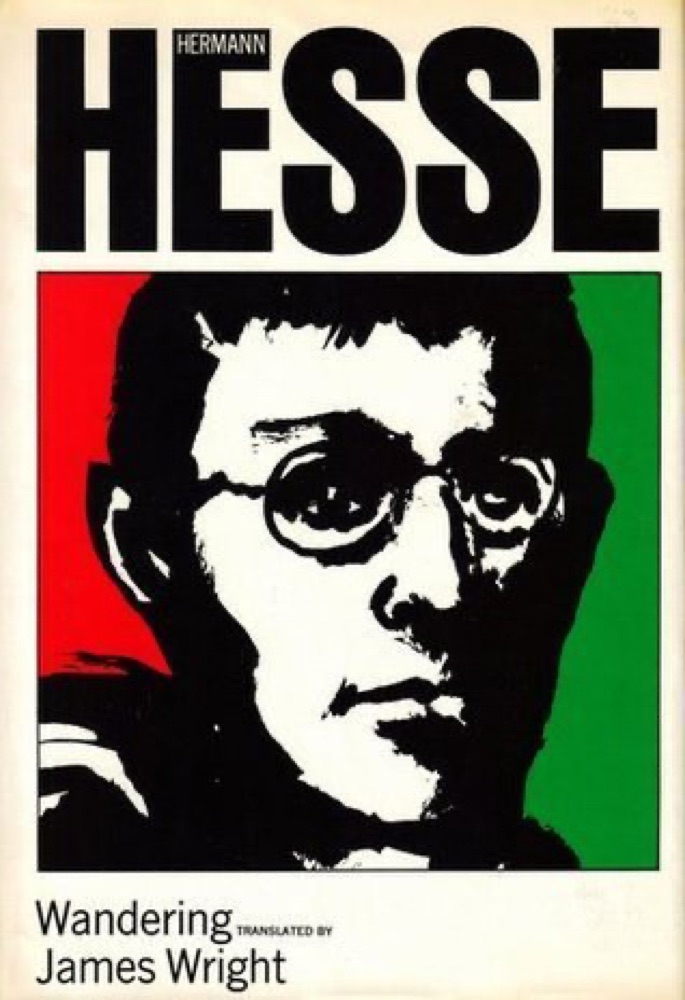 Wandering
 The Complete Poems
 Selected Poems
 The Complete Poems of Emily Dickinson
 The Complete Poems
 Edinburgh
 Rilke's Book of Hours: Love Poems to God
 Sonnets to Orpheus
 Plainwater: Essays and Poetry
 Duino Elegies
 The Collected Poems of W.B. Yeats
 Crazy Brave
 Fugitive Pieces
 Morning in the Burned House: Poems
 The Complete Poems
 Selected Poems
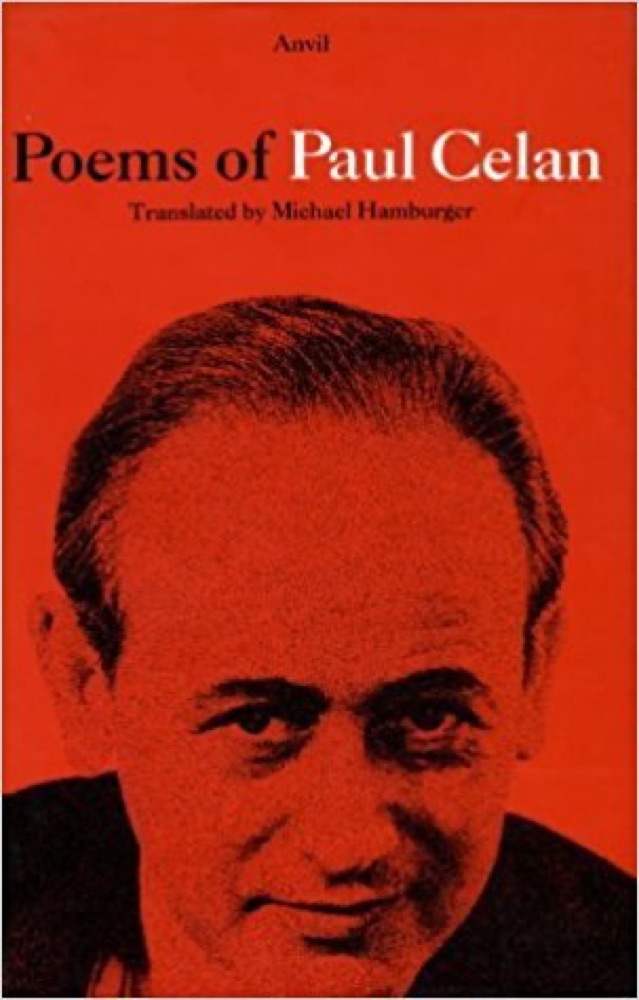 Poems of Paul Celan
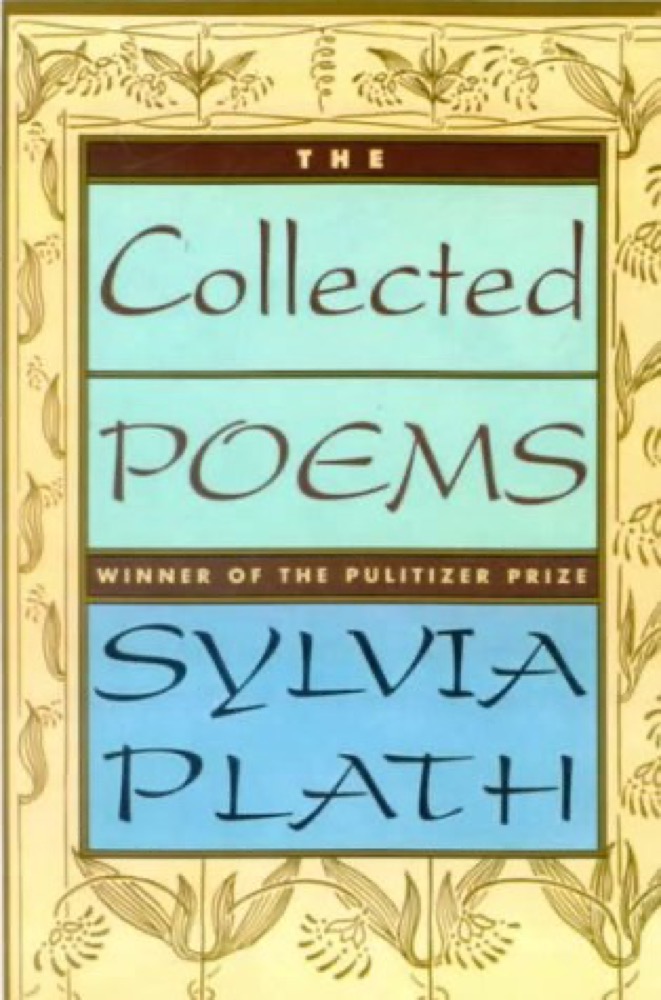 The Collected Poems
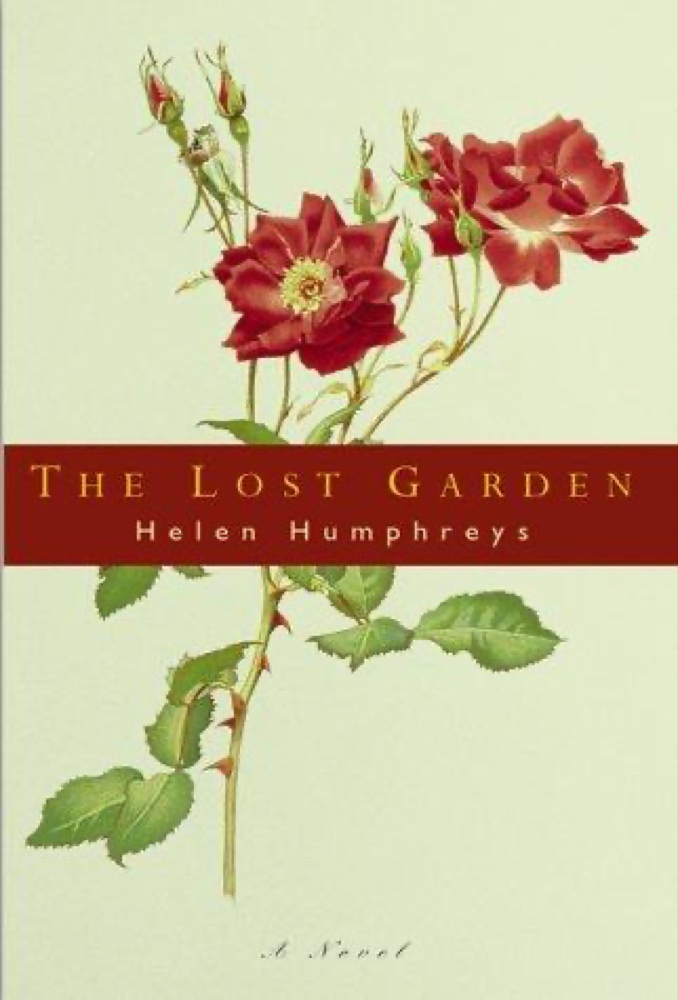 The Lost Garden
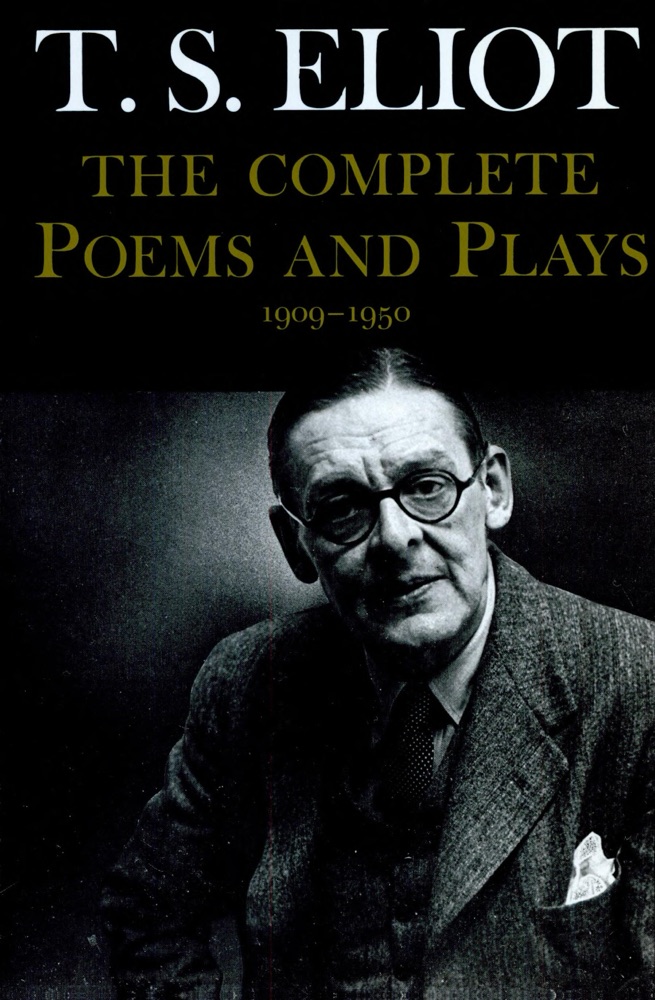 The Complete Poems and Plays, 1909-1950
 The Lovely Bones
 We Do Not Part
 An American Sunrise
 Selected Poems
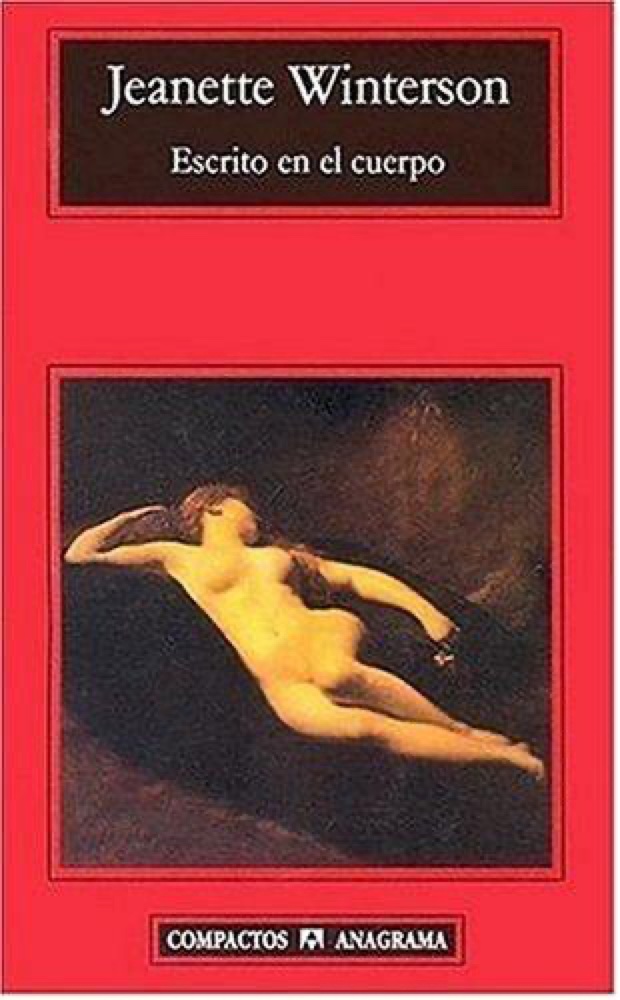 Written on the Body
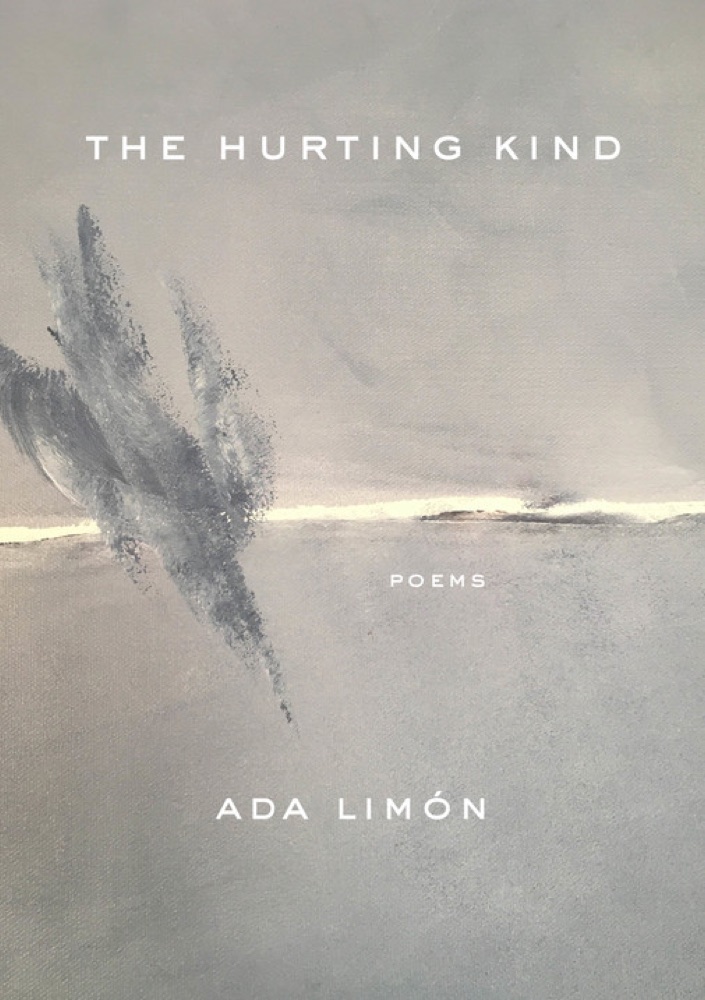 The Hurting Kind: Poems
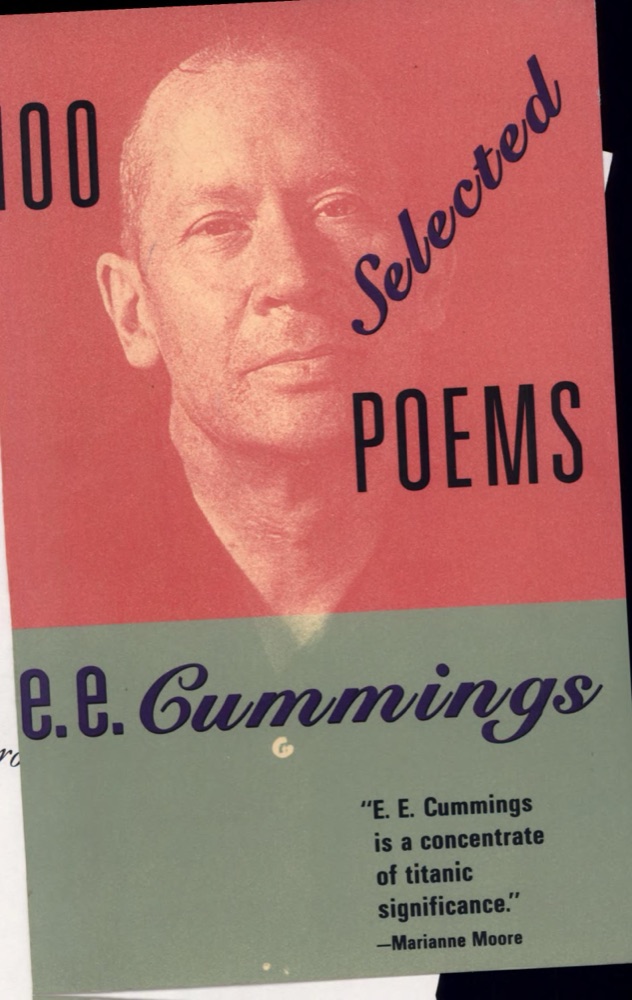 100 Selected Poems
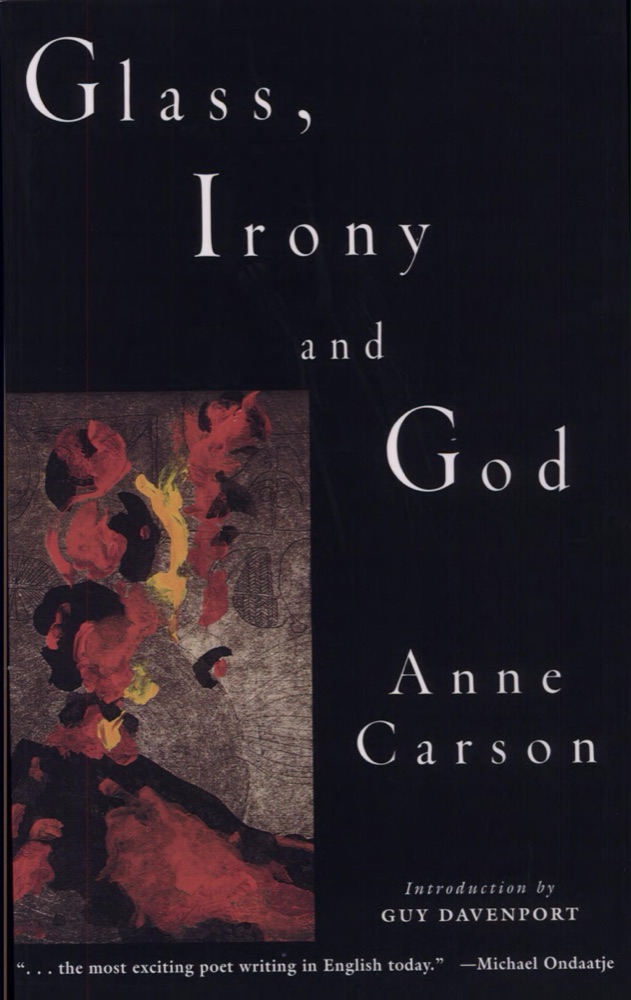 Glass, Irony and God
 Beneath a Marble Sky
 Phantastes
 The Chimes
 What Kind of Woman: Poems
 The Complete Poems
 The Carrying
 The Collected Poems
 Wind, Sand and Stars
 The Lost Wife
 All of Us: The Collected Poems
 A River Enchanted
 Perennials
 The White Book
 Dracula in Love
 No Matter the Wreckage: Poems
 Meditations in an Emergency
 The Complete Poems 1927-1979
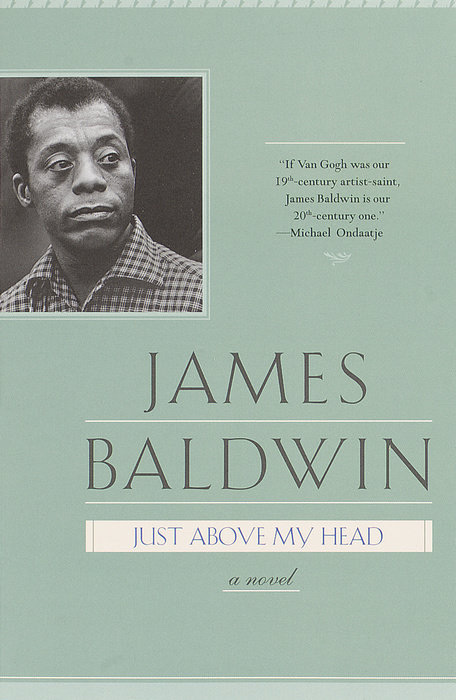 Just Above My Head
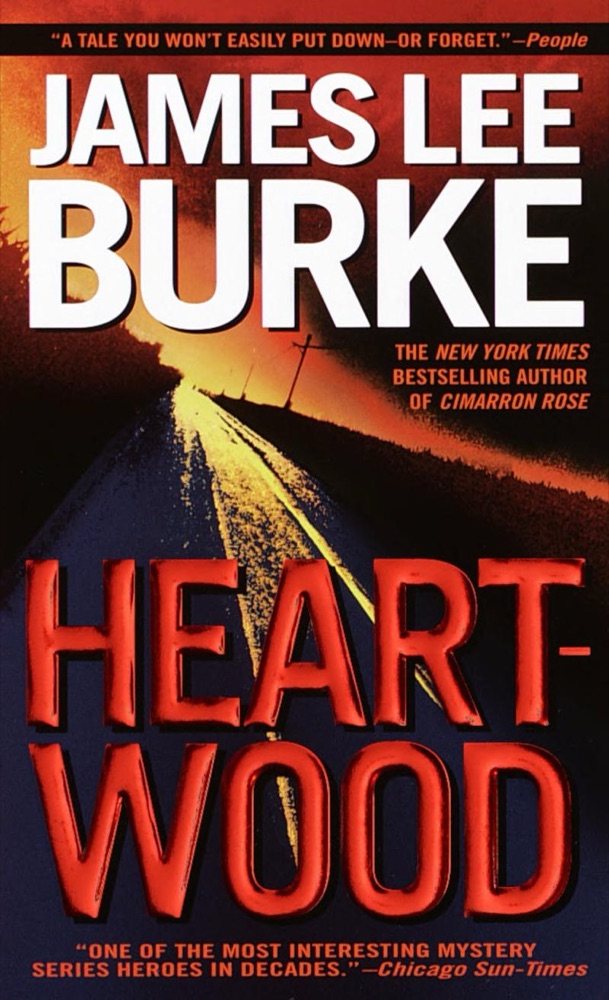 Heartwood
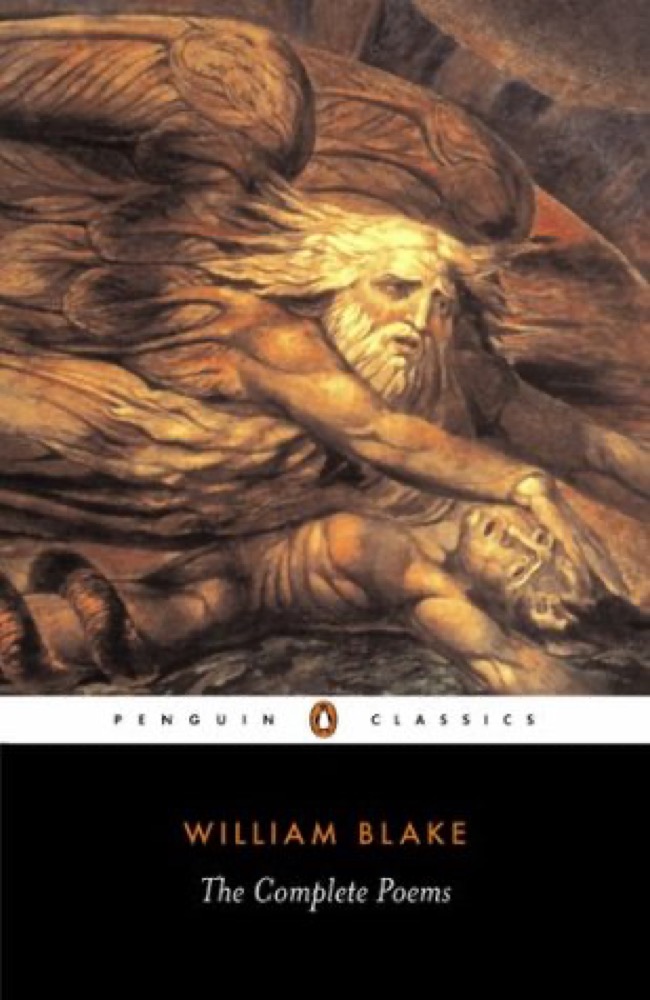 The Complete Poems
 Conflict Resolution for Holy Beings: Poems
 Dandelion Wine