
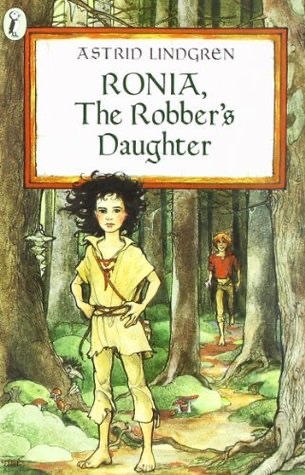
 Ronia, the Robber's Daughter
Quotes from the Book
I have never tried that before, so I think I should definitely be able to do that.
174
The children came to a perfume shop. In the show window was a large jar of freckle salve, and beside the jar was a sign, which read: DO YOU SUFFER FROM FRECKLES? 'What does the sign say?' ask Pippi. She couldn’t read very well because she didn’t want to go to school as other children did. 'It says, "Do you suffer from freckles?"' said Annika. 'Does it indeed?' said Pippi thoughtfully. 'Well, a civil question deserves a civil answer. Let’s go in.' She opened the door and entered the shop, closely followed by Tommy and Annika. An elderly lady stood back of the counter. Pippi went right up to her. 'No!' she said decidedly. 'What is it you want?' asked the lady. 'No,' said Pippi once more. 'I don’t understand what you mean,' said the lady. 'No, I don’t suffer from freckles,' said Pippi. Then the lady understood, but she took one look at Pippi and burst out, 'But, my dear child, your whole face is covered with freckles!' 'I know it,' said Pippi, 'but I don’t suffer from them. I love them. Good morning.' She turned to leave, but when she got to the door she looked back and cried, 'But if you should happen to get in any salve that gives people more freckles, then you can send me seven or eight jars.
174
But Nightshirts aren't dangerous," Pippi assured her. "They don't bite anybody except in self defense.
92
But still, if it's true, how can it be a lie?
84
Don't you worry about me. I'll always come out on top.
82
You understand Teacher, don't you, that when you have a mother who's an angel and a father who is a cannibal king, and when you have sailed on the ocean all your whole life, then you don't know just how to behave in school with all the apples and ibexes.
78
He's the strongest man in the world.' 'Man, yes,' said Pippi, 'but I am the strongest girl in the world, remember that.
74
I have noticed several times that people don't think I know how to behave even when I'm trying as hard as I can.
48
The girl hurried away, but then Pippi shouted, "Did he have big ears that reached way down to his shoulders?" "No," said the girl and turned and came running back in amazement. "You don't mean to say that you have seen a man walk by with such big ears?" "I have never seen anyone who walks with his ears," said Pippi. "All the people I know walk with their feet.
41
As the children were sitting there eating pears, a girl came walking along the road from town. When she saw the children she stopped and asked, "Have you seen my papa go by?" "M-m-m," said Pippi. "How did he look? Did he have blue eyes?" "Yes," said the girl. "Medium large, not too tall and not too short?" "Yes," said the girl. "Black hat and black shoes?" "Yes, exactly," said the girl eagerly. "No, that one we haven't seen," said Pippi decidedly.
41
No Fridolf, bother all this learning. I can't study anymore because I must climb the mast to see what kind of weather we're going to have tomorrow.
37
Aren't you going to dry the floor?' asked Annika. 'Oh, no, it can dry in the sun,' answered Pippi. 'I don't think it will catch cold so long as it keeps moving.
23
At least, not in this country,' she added after a moment's thought. 'In China it's a little different. Once I saw a Chinaman in Shanghai. His ears were so big he could use them for a raincoat. When it rained, he just crept in under his ears and was warm and snug as could be. Not that the ears had such a rattling good time of it, you understand. If it was specially bad weather, he'd invite friends and acquaintances to pitch camp under his ears too. There they sat, singing their sorrowful songs while it poured down outside.
20
Then she yelled after the girl, 'No, we haven't seen any bald 'uns all days. But yesterday seventeen of 'em went by. Arm in arm!
18
Well, well, so you aren't going to be a maidservant this time?" said Pippi, stroking his back. "Oh, that was a lie, that's true," she continued. "But still, if it's true, how can it be a lie?" she argued. "You wait and see, it's going to turn out he was a maidservant in Arabie after all, and if that's the case, I know who's making the meatballs at our house hereafter!
18
But I'm the strongest girl in the world, don't forget.
10
Don't worry about me. I'll always come out on top.
9
Pippi miró pensativa a Tommy. Al fin dijo: - A veces hablas con tanto juicio que me temo que un día te veré convertido en una persona mayor.
4
Pippi stroking his back. ‘Bosh, that was a true fib,’ she added. ‘But if it was true, how could it be a fib? Perhaps when all’s said and done, he really has been a butler in Sourabaya, after all! Well, if that’s so, I know who’s going
4
Did you know?
- Astrid Lindgren first invented Pippi as bedtime stories for her daughter Karin, who had asked about a character named Pippi Longstocking while sick in bed.
- The original Swedish edition was illustrated by Ingrid Vang Nyman.
- The manuscript won first prize in a children's book competition held by the publisher Raben & Sjogren before its 1945 publication.
- The book has been translated into roughly 80 languages.
- The 1969 Swedish television series starring Inger Nilsson became hugely popular and helped cement Pippi's image internationally.
- Pippi's full invented name is famously long and elaborate, reflecting her exuberant, rule-breaking spirit.
About Astrid Lindgren
Astrid Lindgren (1907-2002) was a Swedish author of children's books, among the best-selling and most translated authors in the world. She created enduring characters including Pippi Longstocking and Emil of Lonneberga, and was a noted advocate for children's rights and animal welfare.
More about the author →More by Astrid Lindgren
Ronia, the Robber's Daughter
 The Brothers Lionheart
About the book
Pippi Longstocking (Swedish: Pippi Langstrump), published in 1945, introduces a nine-year-old red-haired girl who lives entirely on her own at a ramshackle house called Villa Villekulla, with a monkey named Mr. Nilsson, a horse, and a suitcase full of gold coins. Her seafaring father is presumed lost at sea, and in his absence Pippi answers to no adult. Endowed with superhuman strength and an unshakable disregard for rules, she befriends two well-behaved neighbor children, Tommy and Annika, and pulls them into a string of episodic adventures that gently upend the conventions of the orderly grown-up world.
At its heart the book is a celebration of childhood freedom, imagination, and the questioning of arbitrary authority. Pippi is the child who does exactly as she pleases yet remains generous, fearless, and kind, and her cheerful defiance of school, manners, and propriety reads as a comic argument for self-determination. Lindgren wrote the stories for her daughter Karin, and the playful subversion of adult expectations became the work's defining quality.
Pippi Longstocking became one of the most beloved and influential children's books of the twentieth century, translated into roughly 80 languages and adapted repeatedly for film and television. The Norwegian Book Clubs and the Norwegian Nobel Institute included it among their selection of notable world literature, and it helped establish Astrid Lindgren as one of the most important children's authors of her era. Pippi herself endures as an icon of childhood independence.
Key characters
- Pippi LongstockingNine-year-old red-haired girl with superhuman strength who lives alone at Villa Villekulla
- Tommy SettergrenWell-behaved neighbor boy who becomes Pippi's friend
- Annika SettergrenTommy's sister and Pippi's other close friend
- Mr. NilssonPippi's pet monkey
- Captain Ephraim LongstockingPippi's seafaring father, absent at sea
Book details
- First published
- 1945
- Length
- 174 pages
- Series
- Pippi Longstocking #1
- Reading time
- 2 hours
- Author
- Astrid Lindgren
- Genre
- Classics
- Goodreads rating
- 4.15 (211k ratings)
- First line
- “Way out at the end of a tiny little town was an old overgrown garden, and in the garden was an old house, and in the house lived Pippi Longstocking.”
Critical reception
- Translated into roughly 80 languages and recognized worldwide as a landmark of children's literature.
- Included by the Norwegian Book Clubs and Norwegian Nobel Institute among notable works of world literature.
- Won first prize in publisher Raben & Sjogren's children's book competition prior to publication.
Series & reading order
- 1 Pippi Longstocking
- 2 Pippi Goes on Board
- 3 Pippi in the South Seas
Movie & TV adaptations
- IMDb
- IMDb
- IMDb
Keep reading
 Cross My Heart and Hope to Spy
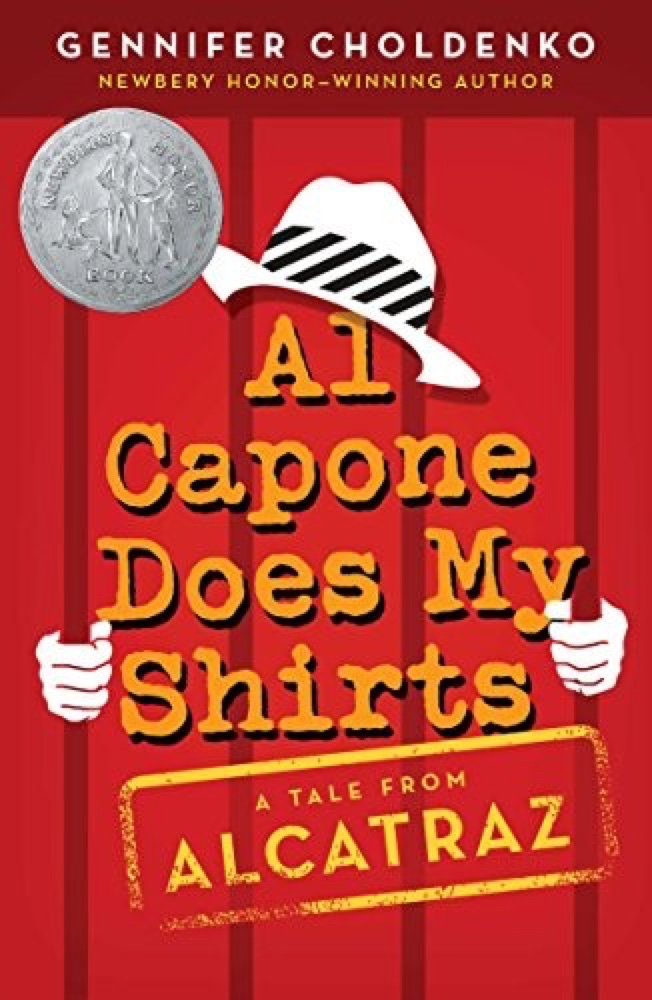 Al Capone Does My Shirts
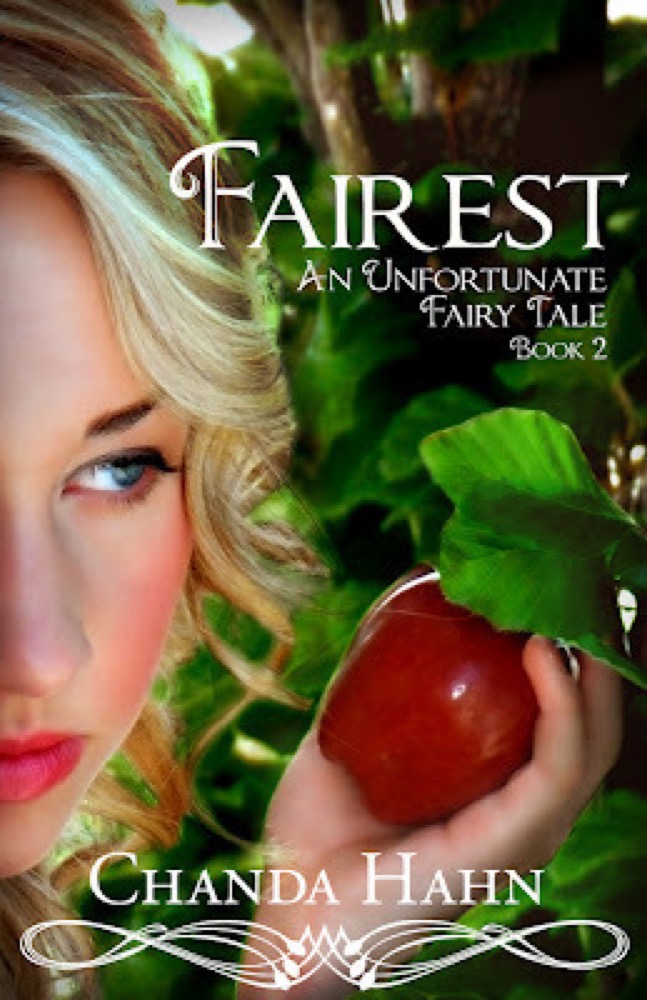 Fairest
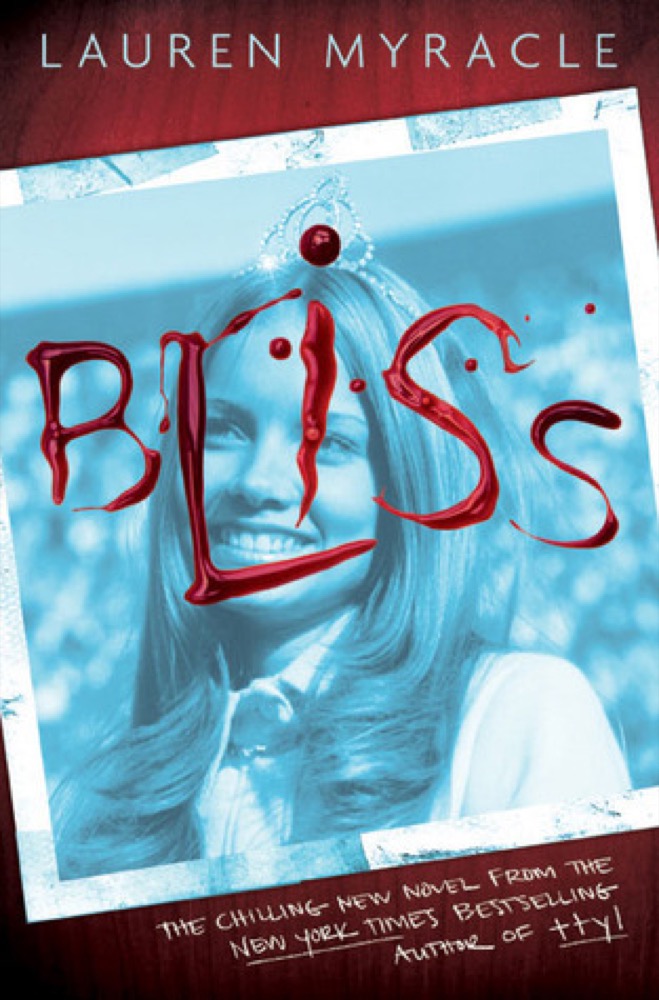 Bliss
Bliss
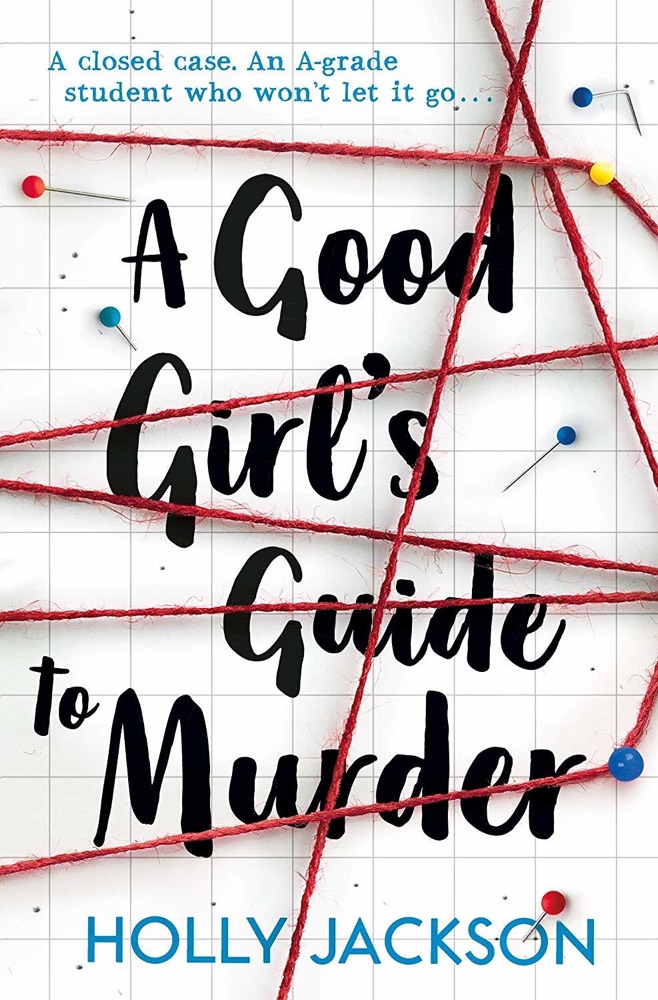 A Good Girl's Guide to Murder
 The Actor and the Housewife
 A Little Princess
 Winter
 Drums, Girls & Dangerous Pie
 Finding Sky
 Geek Girl
 The Railway Children
 Natural Born Charmer
 A Fall of Water
 The Lightning Thief
 Not My Problem
 The Name of the Star
 Rooftoppers
 Lola and the Boy Next Door
 Pretty Girls
 Winterkeep
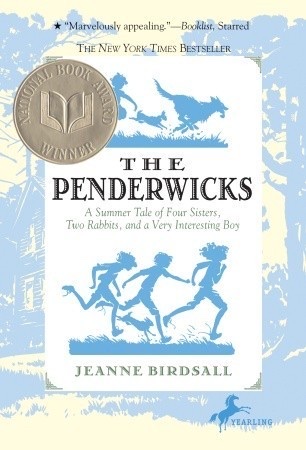 The Penderwicks: A Summer Tale of Four Sisters, Two Rabbits, and a Very Interesting Boy
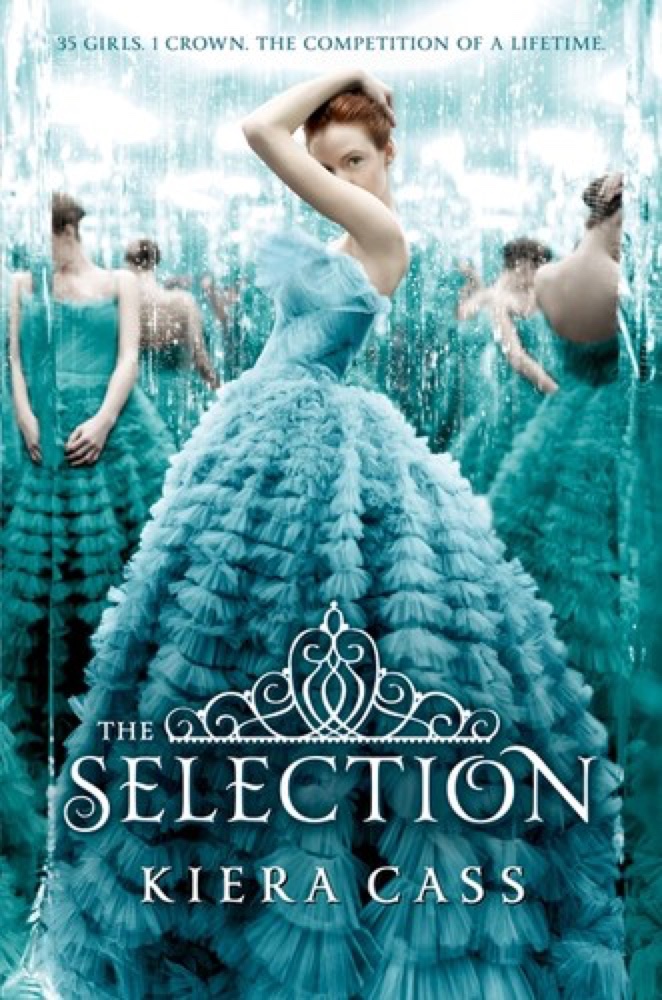 The Selection
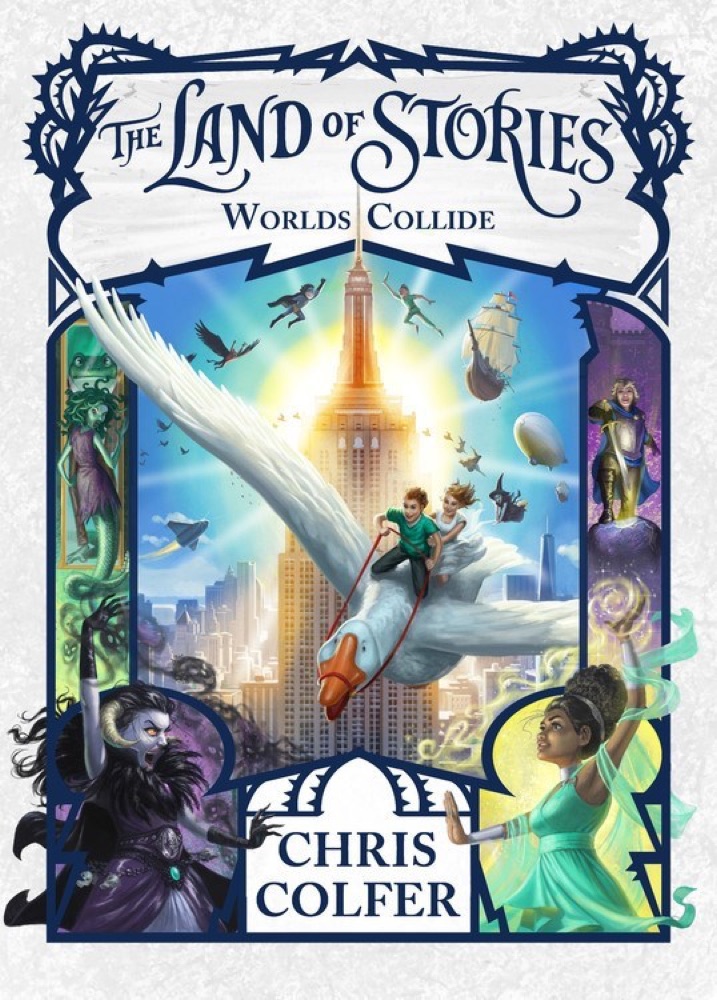 Worlds Collide
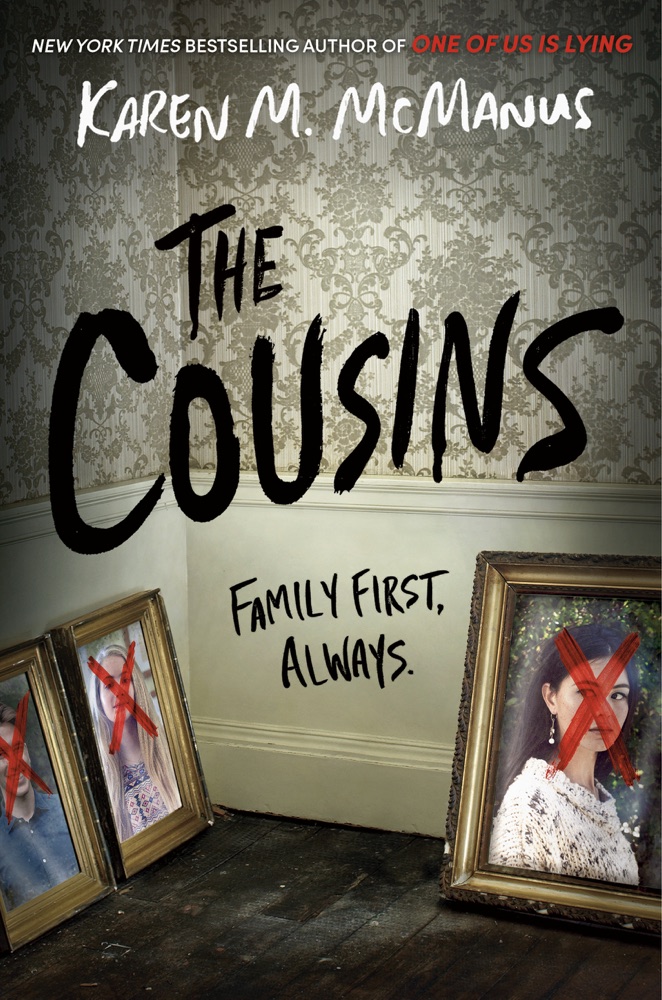 The Cousins
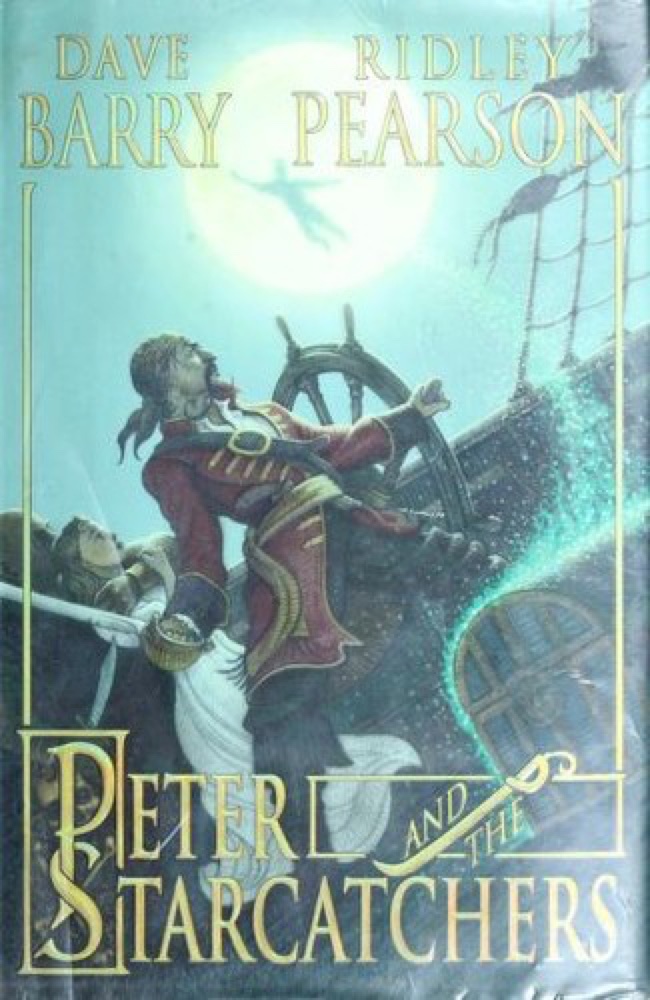 Peter and the Starcatchers
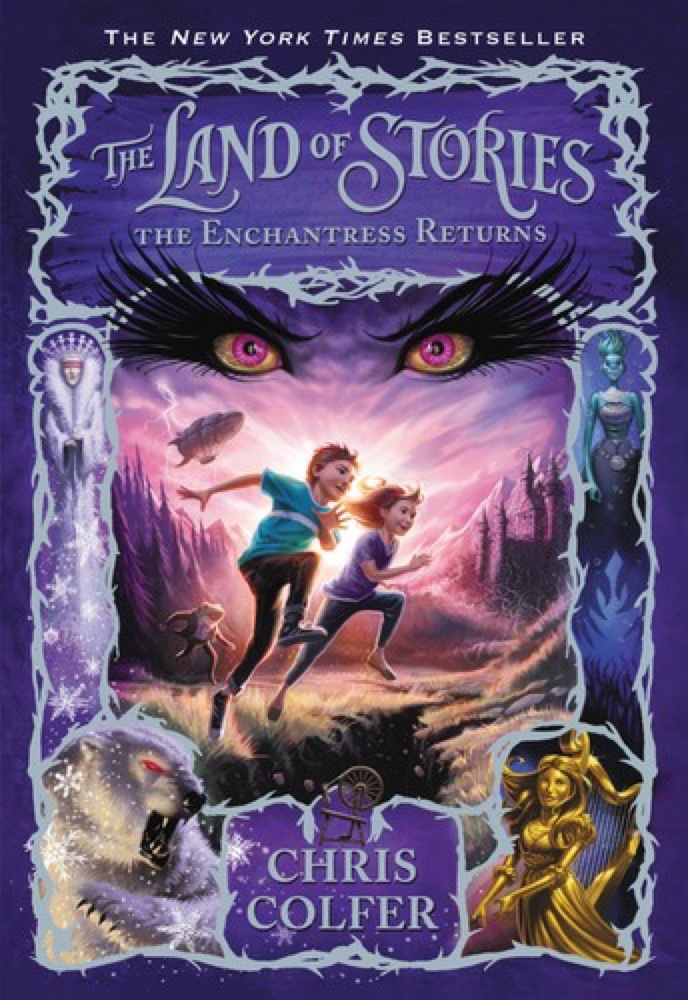 The Enchantress Returns
 Fried Green Tomatoes at the Whistle Stop Cafe
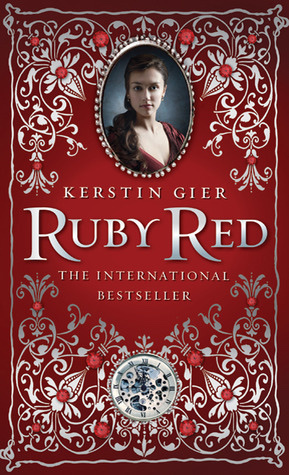 Ruby Red
 Picture Perfect
 On the Edge
 Girl Online
 Through the Looking Glass
 The Girl Who Raced Fairyland All the Way Home
 Emily of New Moon
 First Test
 Princess in the Spotlight
 Four to Score
 The Goose Girl
 Are These My Basoomas I See Before Me?
 My Double Life
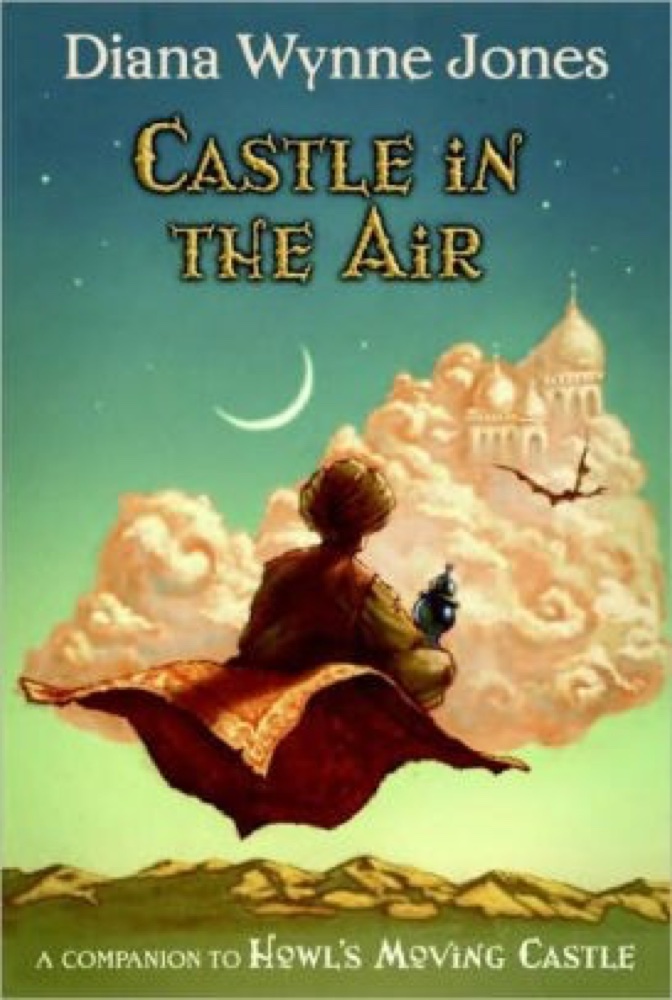 Castle in the Air
 Uncommon Criminals
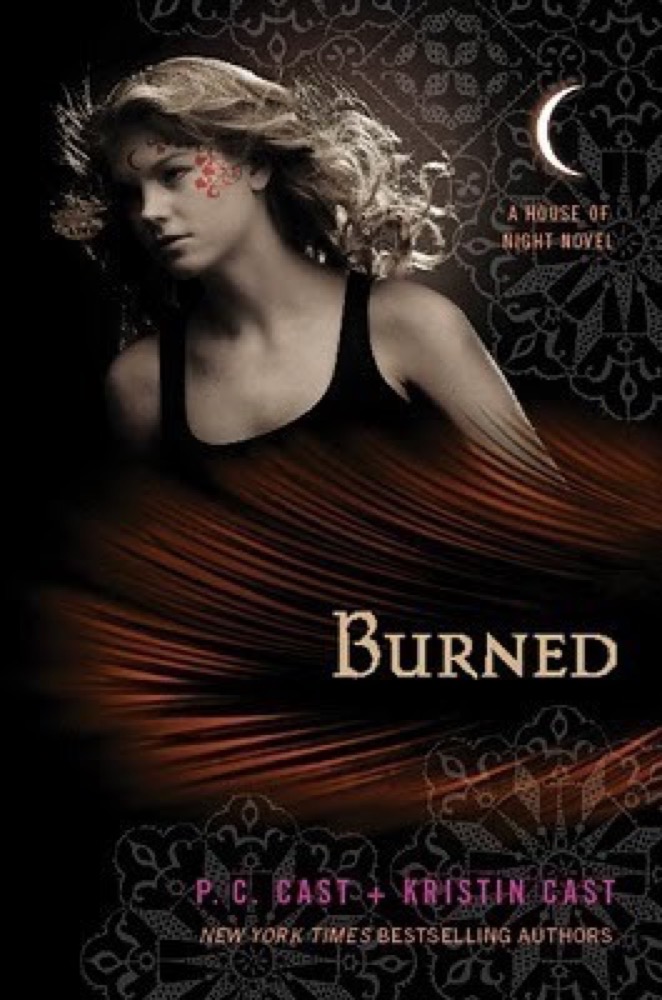 Burned
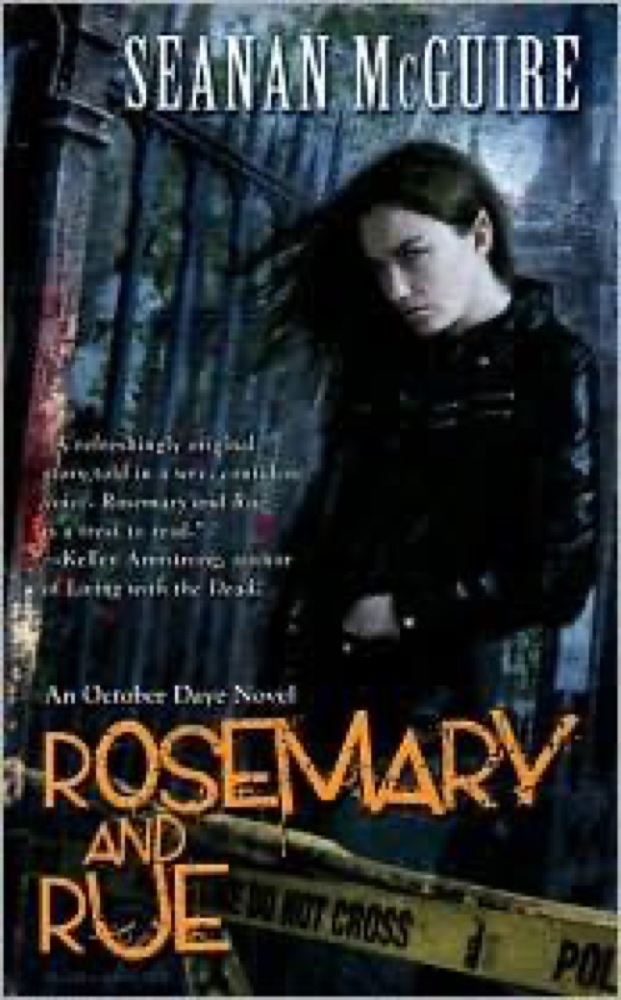 Rosemary and Rue
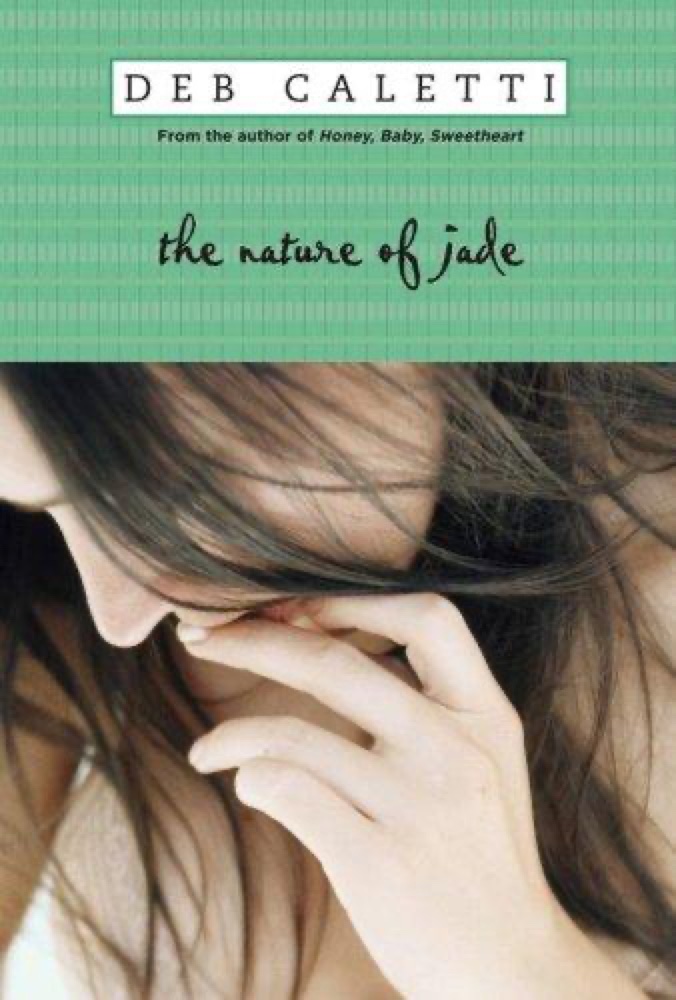 The Nature of Jade
 A Kiss in Time
 The Red Fox Clan
 Daisy Fay and the Miracle Man
 Before I Wake
 Seven Up
 Marked
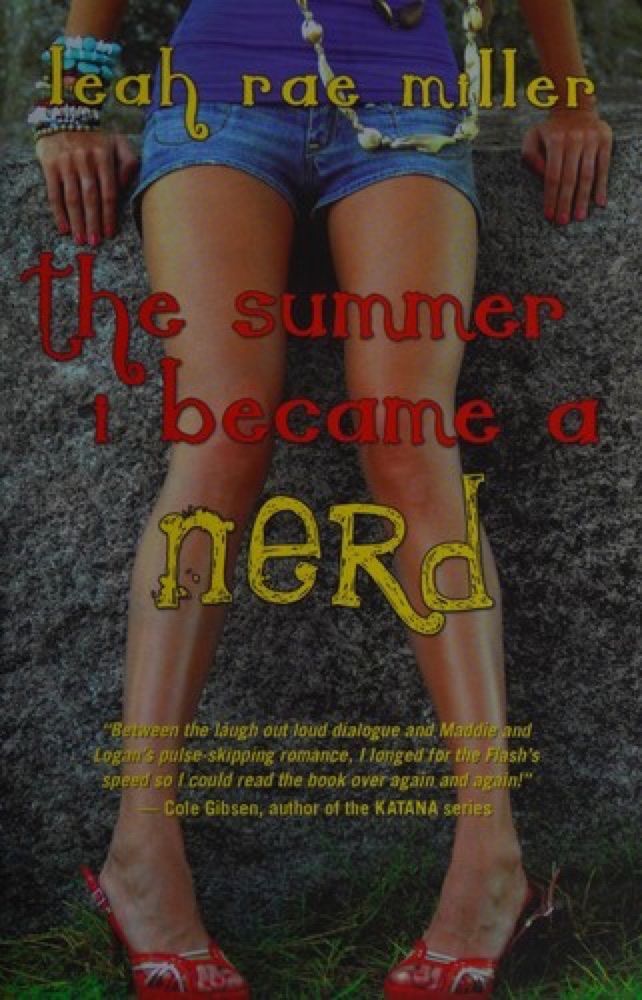 The Summer I Became a Nerd
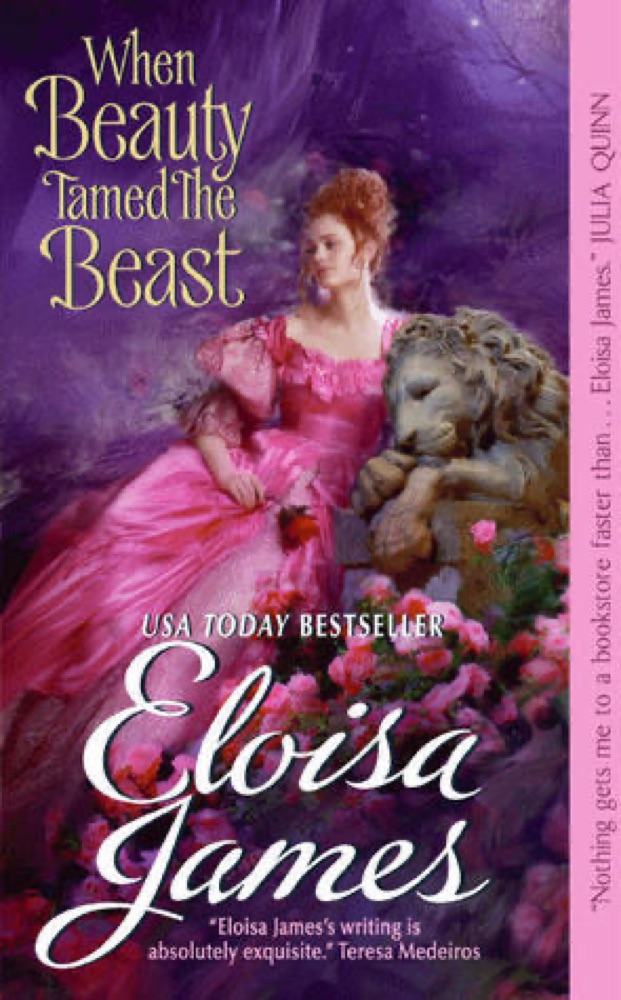 When Beauty Tamed the Beast
 The Collector
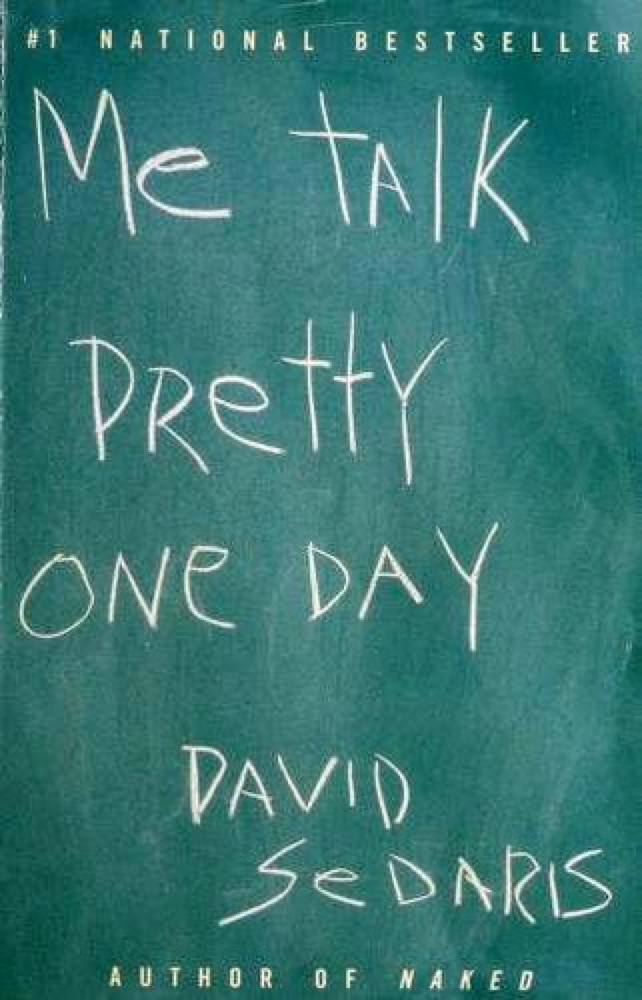 Me Talk Pretty One Day
 Take the Key and Lock Her Up
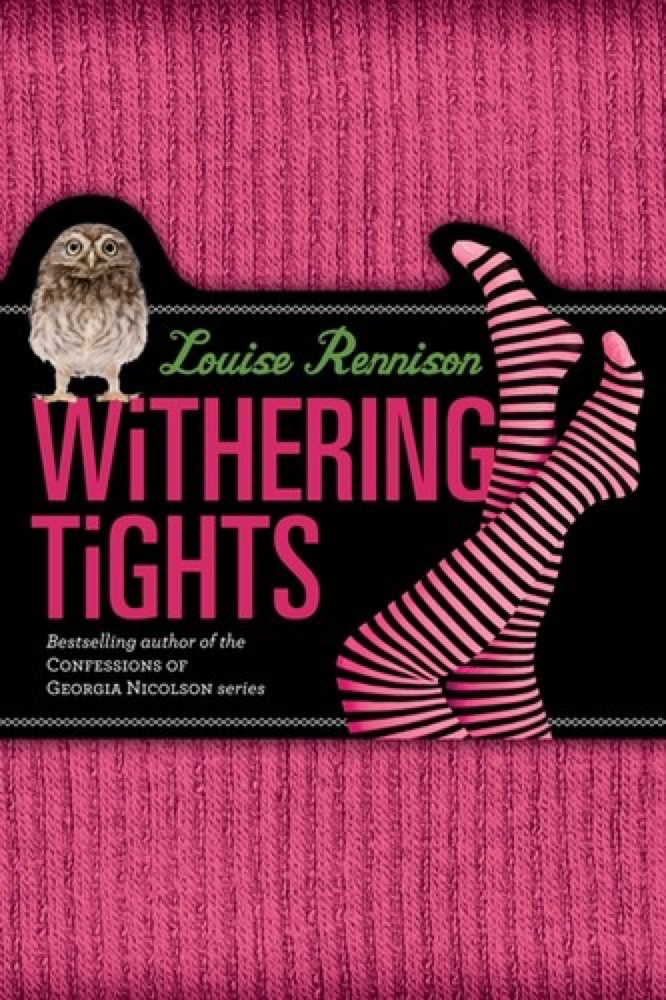 Withering Tights
 Ten Things I Love About You
 Cold Days