
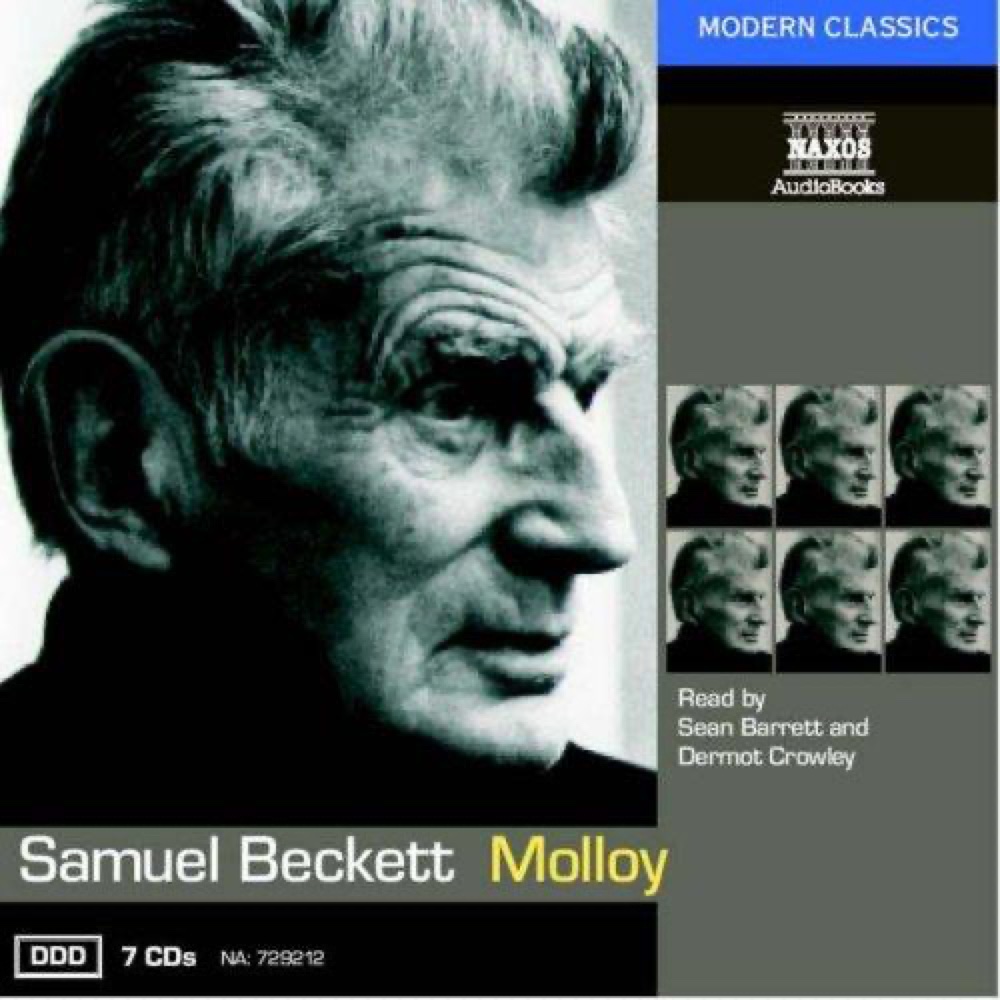
 Molloy
Quotes from the Book
I pause to record that I feel in extraordinary form. Delirium perhaps.
92
let us say before i go any further, that i forgive nobody. i wish them all an atrocious life in the fires of icy hell and in the execrable generations to come.
52
But I know what darkness is, it accumulates, thickens, then suddenly bursts and drowns everything.
47
Words and images run riot in my head, pursuing, flying, clashing, merging, endlessly. But beyond this tumult there is a great calm, and a great indifference, never really to be troubled by anything again.
37
I have spoken softly, gone my ways softly, all my days, as behoves one who has nothing to say, nowhere to go, and so nothing to gain by being seen or heard.
25
Live and invent. I have tried. I must have tried. Invent. It is not the word. Neither is to live. No matter. I have tried. [...] I say living without knowing what it is. I tried to live without knowing what I was trying. Perhaps I have lived afterall, without knowing.
24
I could die today, if I wished, merely by making a little effort, if I could wish, if I could make an effort. But it is just as well to let myself die, quietly, without rushing things. Something must have changed. I will not weigh upon the balance any more, one way or the other.
20
There is no use indicting words, they are no shoddier than what they peddle.
15
But what matter whether I was born or not, have lived or not, am dead or merely dying, I shall go on doing as I have always done, not knowing what it is I do, nor who I am, nor where I am, nor if I am. Yes, a little creature, I shall try and make a little creature, to hold in my arms, a little creature in my image, no matter what I say. And seeing what a poor thing I have made, or how like myself, I shall eat it. Then be alone a long time, unhappy, not knowing what my prayer should be nor to whom.
13
I shall not speak of my sufferings. Cowering deep down among them I feel nothing. It is there I die, unbeknown to my stupid flesh. That which is seen, that which cries and writhes, my witless remains. Somewhere in the turmoil thought struggles on, it too wide of the mark. It too seeks me, as it always has, where I am not to be found.
11
I shall soon be quite dead at last in spite of all.
10
You may say it is all in my head, and indeed sometimes it seems to me I am in a head and that these eight, no, six, these six planes that enclose me are of solid bone. But thence to conclude the head is mine, no, never.
9
The search for myself is ended. I am buried in the world, I knew I would find my place there one day, the old world cloisters me, victorious. I am happy, I knew I would be happy one day. But I am not wise. For the wise thing now would be to let go, at this instant of happiness. And what do I do? I go back again to the light, to the fields I so longed to love, to the sky all astir with little white clouds as white and light as snowflakes, to the life I could never manage, through my own fault perhaps, through pride, or pettiness, but I don't think so.
8
Yes, now my mind is easy, I know the game is won, I lost them all till now, but it's the last that counts. A very fine achievement I must say, or rather would, if I did not fear to contradict myself. Fear to contradict myself! If this continues it is myself I shall lose and the thousand ways that lead there. And I shall resemble the wretches famed in fable, crushed beneath the weight of their wish come true. And I even feel a strange desire come over me, the desire to know what I am doing, and why. So I near the goal I set myself in my young days and which prevented me from living. And on the threshold of being no more I succeed in being another. Very pretty.
7
Watch on YouTube
About Samuel Beckett
We have collected 237 quotes from 12 books by Samuel Beckett on BookQuoters.
More about the author →More by Samuel Beckett
All books by Samuel Beckett →
About the book
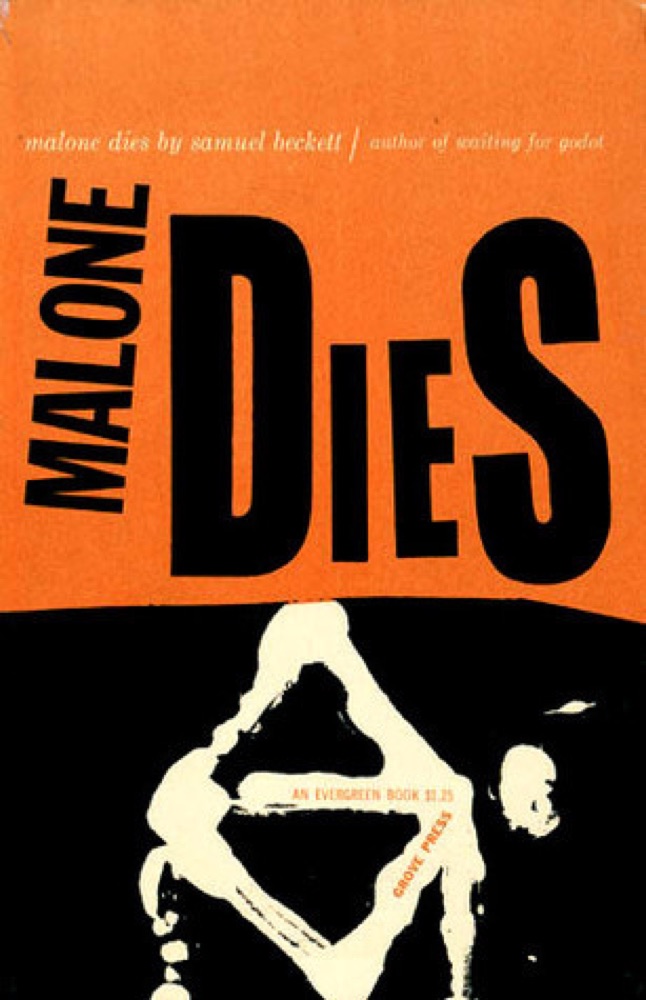
Written and published in French in 1951, and in Samuel Beckett’s English translation in 1956, Malone Dies is the second of his immediate post-war novels, written during what Beckett later referred to as ‘the siege in the room’.
‘Malone’, writes Malone, ‘is what I am called now.’ On his deathbed, whittling away the time with stories and revisions of stories, the octogenarian Malone's account of his condition is contradictory and intermittent, shifting with the vagaries of the passing days: without mellowness, without elegiacs; wittier, jauntier, and capable of darker rages than his precursor Molloy. Malone promises silence, but as a storyteller he delivers irresistibly more.
Book details
- First published
- 1951
- Author
- Samuel Beckett
- Genre
- Fiction
- Goodreads rating
- 3.85 (6k ratings)
Keep reading
 Diaries, 1910-1923
Molloy
Diaries, 1910-1923
Molloy
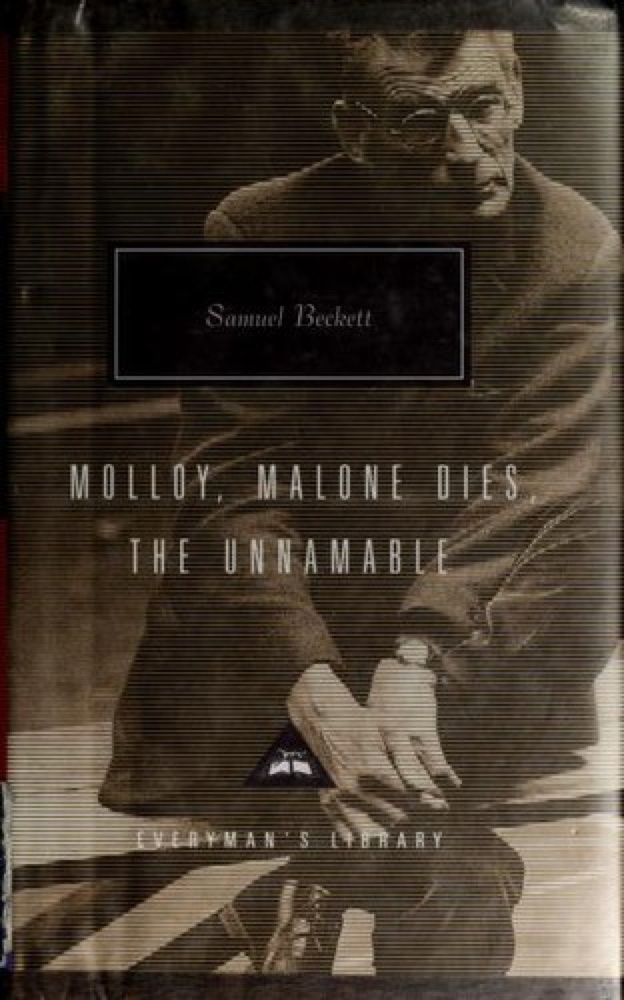 Molloy, Malone Dies, The Unnamable
 The Unnamable
 All of Us: The Collected Poems
 A Breath of Life
 By Grand Central Station I Sat Down and Wept
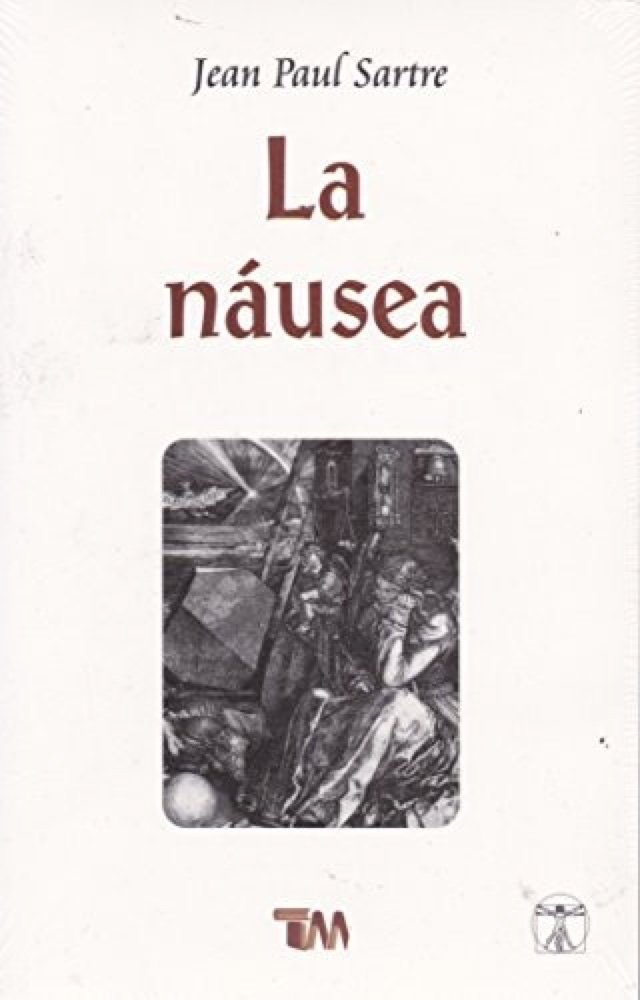 Nausea
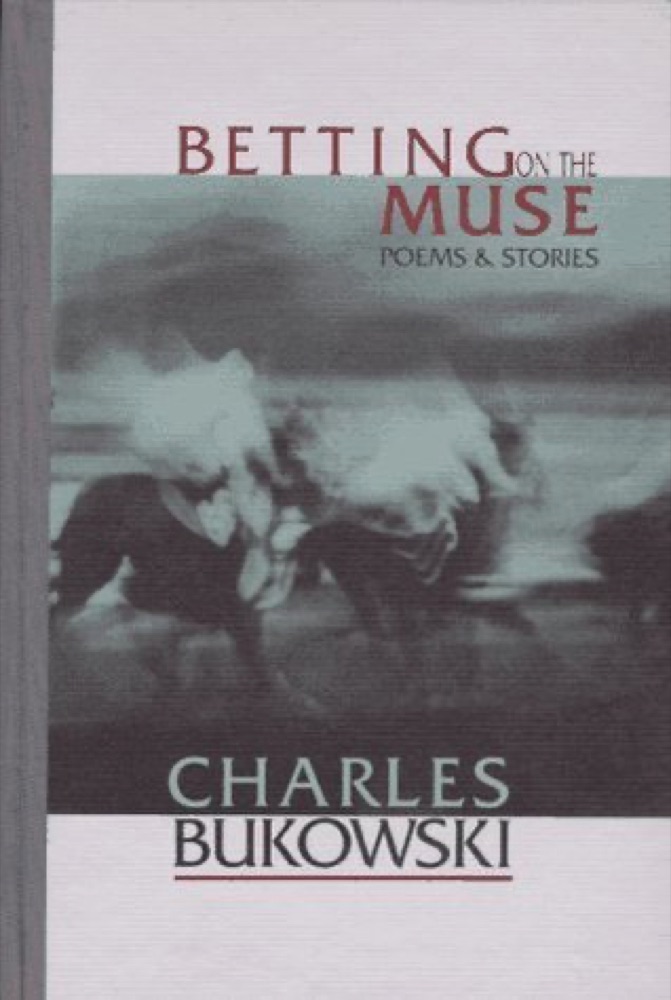 Betting on the Muse: Poems & Stories
 Tropic of Capricorn
 The Gentle Spirit
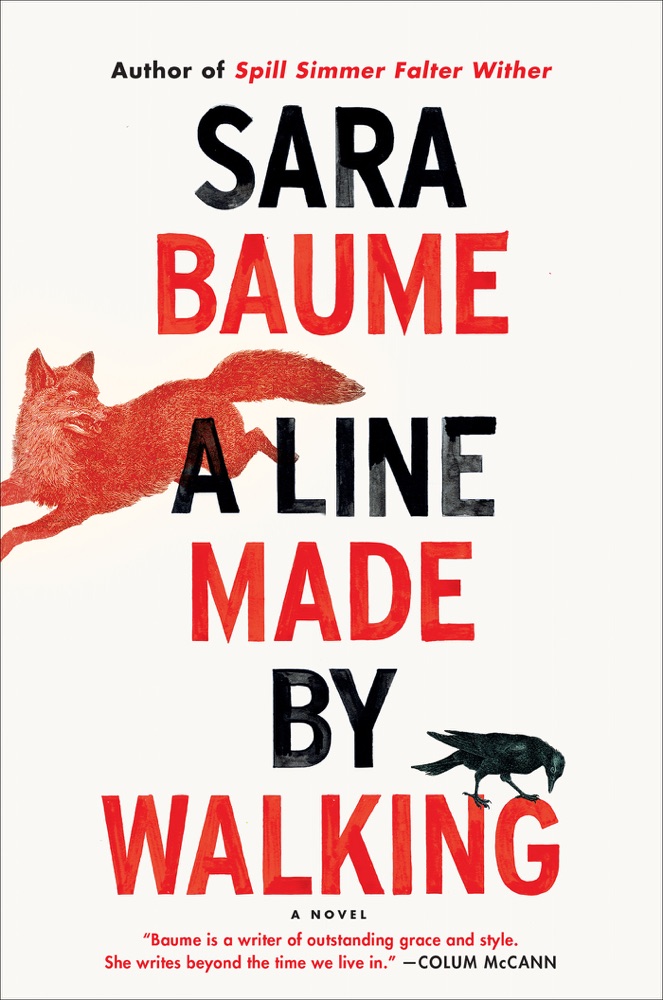 A Line Made By Walking
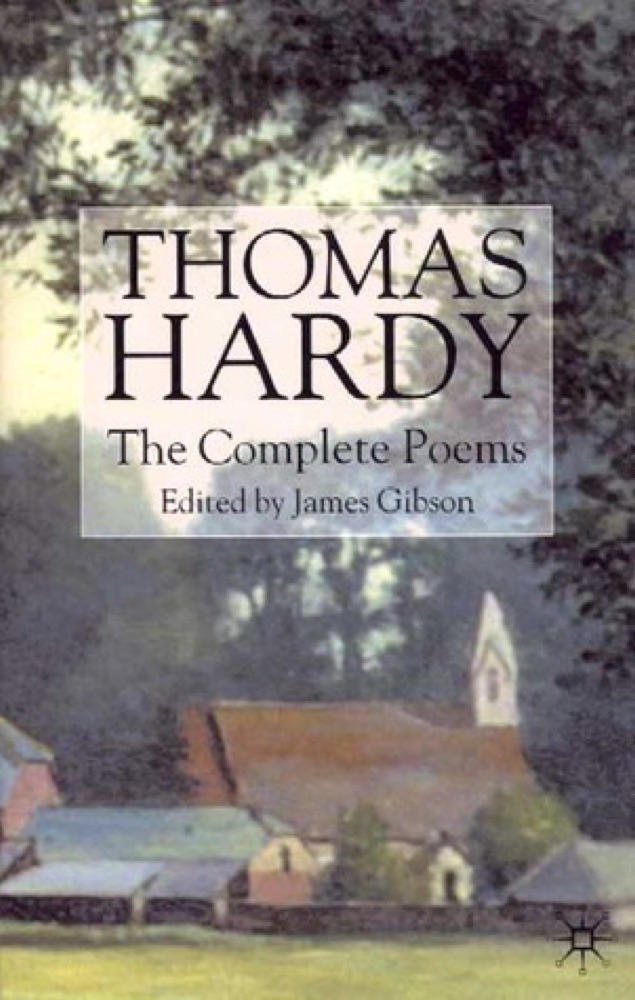 The Complete Poems
 I Have No Mouth & I Must Scream
 The Book of Disquiet
 Near to the Wild Heart
 The Complete Short Stories
 As I Lay Dying
 Selected Poems
 The Journals of Sylvia Plath
 The Complete Stories
 The Stream of Life
 Tropic of Cancer
 The Waves
 Invitation to a Beheading
 House of Leaves
 Autobiography
 Before I Go to Sleep
 Absalom, Absalom!
 In the Heart of the Heart of the Country and Other Stories
 The Complete Poems of Anna Akhmatova
 No Exit and Three Other Plays
 Without Dogma
 Hell
Hell
 A Million Little Pieces
 Collected Poems
 Desolation Angels
 A Writer's Diary
 I Who Have Never Known Men
 What Matters Most is How Well You Walk Through the Fire
 Blood And Gold
 Dust Tracks on a Road
 The Vampire Lestat
 The Setting Sun
 Steppenwolf
 Unite Me
 Henderson the Rain King
 The Star Rover
 Her Body and Other Parties
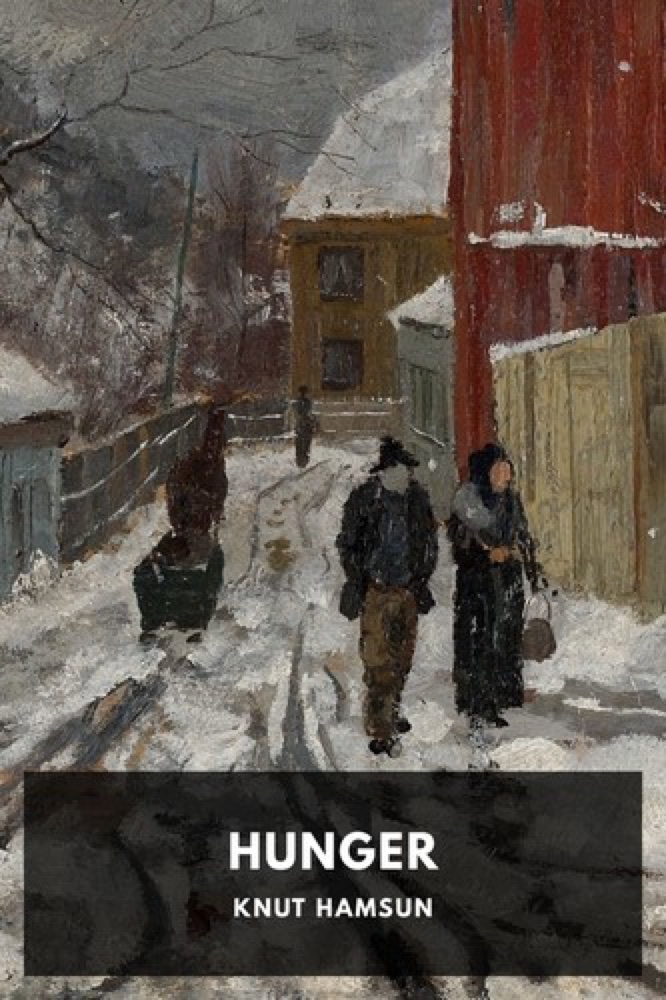 Hunger
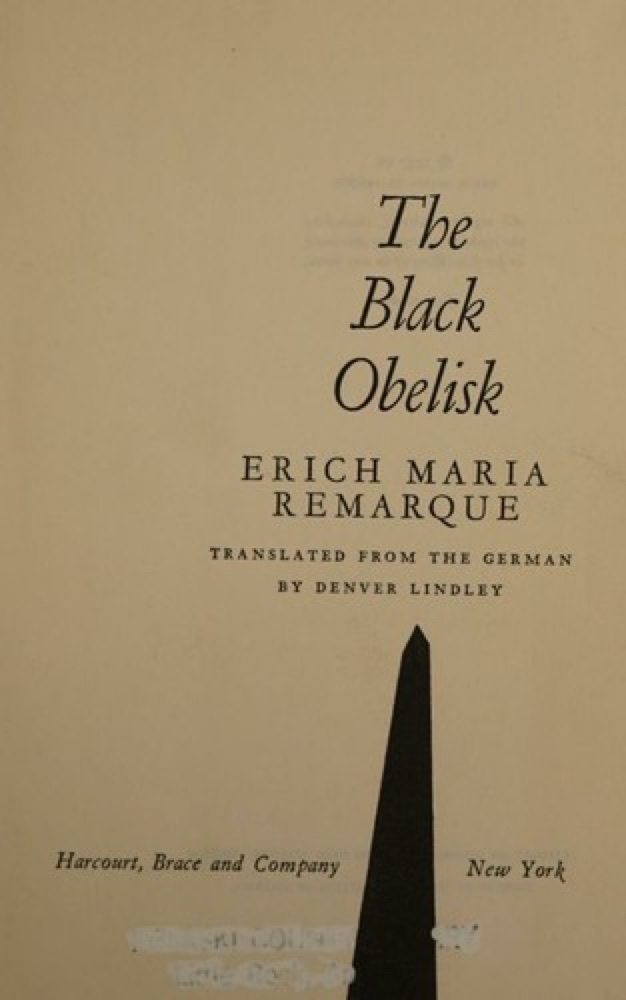 The Black Obelisk
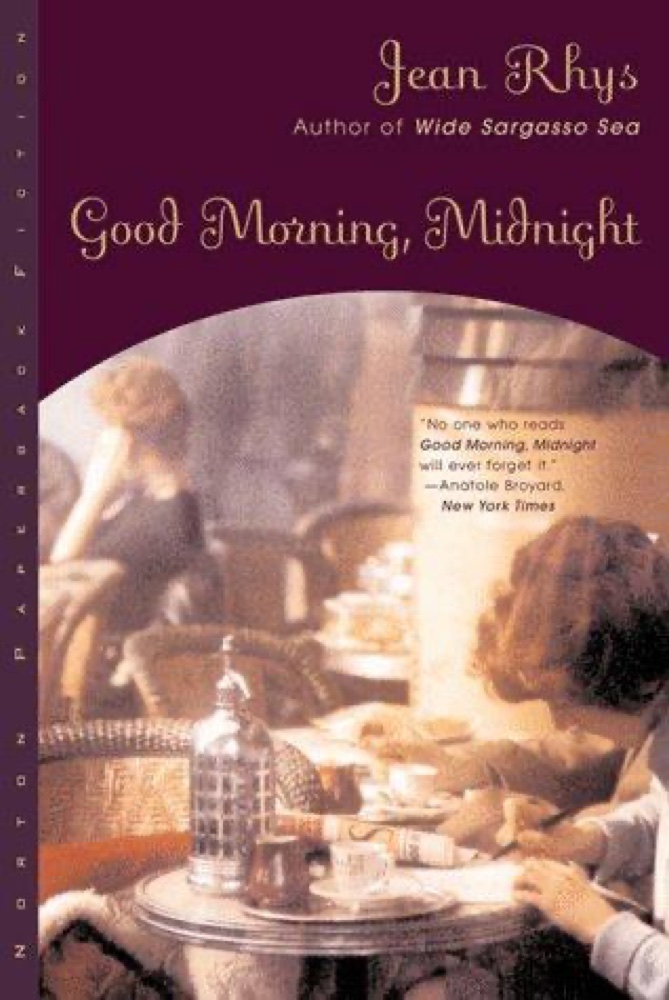 Good Morning, Midnight
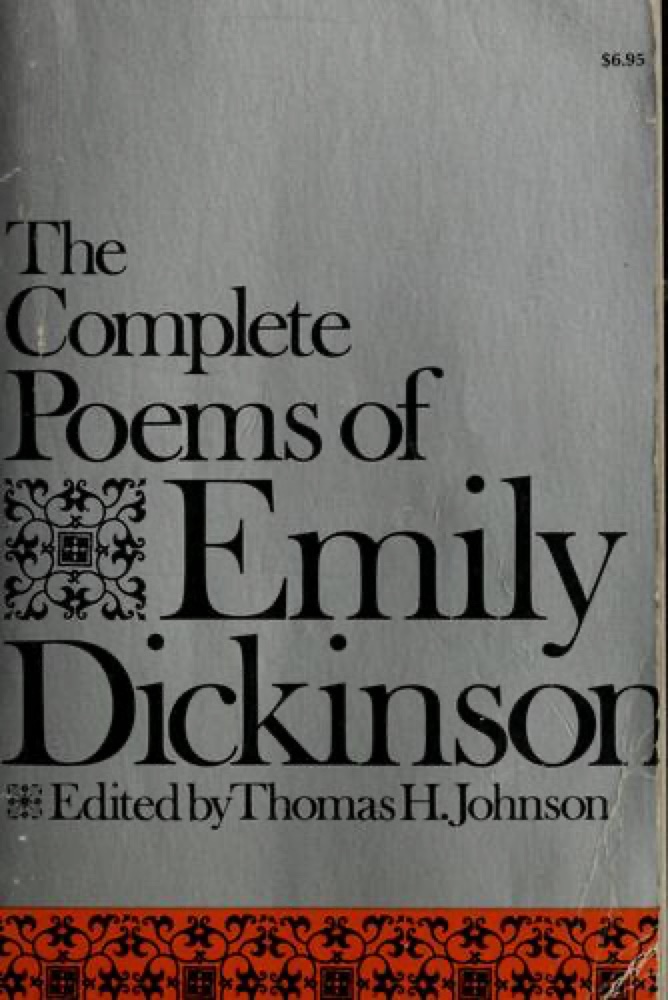 The Complete Poems of Emily Dickinson
 Three Comrades
 Future Home of the Living God
 Out Stealing Horses
 The Magus
 The Unabridged Journals of Sylvia Plath
 The Sound and the Fury