
 Molloy
Quotes from the Book
The tears of the world are a constant quantity. For each one who begins to weep somewhere else another stops. The same is true of the laugh.
Estragon: We always find something, eh Didi, to give us the impression we exist? Vladimir: Yes, yes, we're magicians.
Je suis comme ça. Ou j'oublie tout de suite ou je n'oublie jamais." Samuel BECKETT, En attendant Godot I'm like that. Either I forget right away or I never forget.
Vladimir: Did I ever leave you? Estragon: You let me go.
Let's go." "We can't." "Why not?" "We're waiting for Godot.
There’s man all over for you, blaming on his boots the faults of his feet.
Let us do something, while we have the chance! It is not every day that we are needed. Not indeed that we personally are needed. Others would meet the case equally well, if not better. To all mankind they were addressed, those cries for help still ringing in our ears! But at this place, at this moment of time, all mankind is us, whether we like it or not. Let us make the most of it, before it is too late! Let us represent worthily for one the foul brood to which a cruel fate consigned us! What do you say? It is true that when with folded arms we weigh the pros and cons we are no less a credit to our species. The tiger bounds to the help of his congeners without the least reflexion, or else he slinks away into the depths of the thickets. But that is not the question. What are we doing here, that is the question. And we are blessed in this, that we happen to know the answer. Yes, in the immense confusion one thing alone is clear. We are waiting for Godot to come --
ESTRAGON: I can't go on like this. VLADIMIR: That's what you think.
Estragon: I'm like that. Either I forget right away or I never forget.
VLADIMIR: What do they say? ESTRAGON: They talk about their lives. VLADIMIR: To have lived is not enough for them. ESTRAGON: They have to talk about it.
Have you not done tormenting me with your accursed time! It's abominable! When! When! One day, is that not enough for you, one day he went dumb, one day I went blind, one day we'll go deaf, one day we were born, one day we shall die, the same day, the same second, is that not enough for you? They give birth astride of a grave, the light gleams an instant, then it's night once more.
ESTRAGON: Don't touch me! Don't question me! Don't speak to me! Stay with me! VLADIMIR: Did I ever leave you? ESTRAGON: You let me go.
Vladimir: I don't understand. Estragon: Use your intelligence, can't you? Vladimir uses his intelligence. Vladimir: (finally) I remain in the dark.
That's how it is on this bitch of an earth.
POZZO: I am blind. (Silence.) ESTRAGON: Perhaps he can see into the future.
The tears of the world are a constant quantity. For each one who begins to weep somewhere else another stops. The same is true of the laugh. Let us not then speak ill of our generation, it is not any unhappier than its predecessors.
Estragon: What about hanging ourselves? Vladimir: Hmm. It'd give us an erection.
There is man in his entirety, blaming his shoe when his foot is guilty.
We always find something, eh Didi, to let us think we exist?
I’m like that. Either I forget right away or I never forget.
We wait. We are bored. (He throws up his hand.) No, don't protest, we are bored to death, there's no denying it. Good. A diversion comes along and what do we do? We let it go to waste. Come, let's get to work! (He advances towards the heap, stops in his stride.) In an instant all will vanish and we'll be alone more, in the midst of nothingness!
Was I sleeping, while the others suffered? Am I sleeping now? Tomorrow, when I wake, or think I do, what shall I say of today? That with Estragon my friend, at this place, until the fall of night, I waited for Godot?
We have time to grow old. The air is full of our cries. But habit is a great deadener.
Did you know?
- Beckett originally wrote the play in French as En attendant Godot between 1948 and 1949, then translated it into English himself.
- It is subtitled "a tragicomedy in two acts."
- The play premiered in French in Paris in 1953 before its English-language productions in 1955 and 1956.
- Critic Vivian Mercier described it as a play "in which nothing happens, twice."
- In a 1998 Royal National Theatre poll it was voted the most significant English-language play of the 20th century.
- The English-language edition was published in the United States by Grove Press in 1954 and in the United Kingdom by Faber and Faber in 1956.
About Samuel Beckett
Samuel Beckett (1906-1989) was an Irish-born playwright, novelist, and poet who wrote in both English and French and lived much of his life in Paris. A leading figure of literary modernism and the Theatre of the Absurd, he was awarded the Nobel Prize in Literature in 1969.
More about the author →More by Samuel Beckett
All books by Samuel Beckett →
About the book
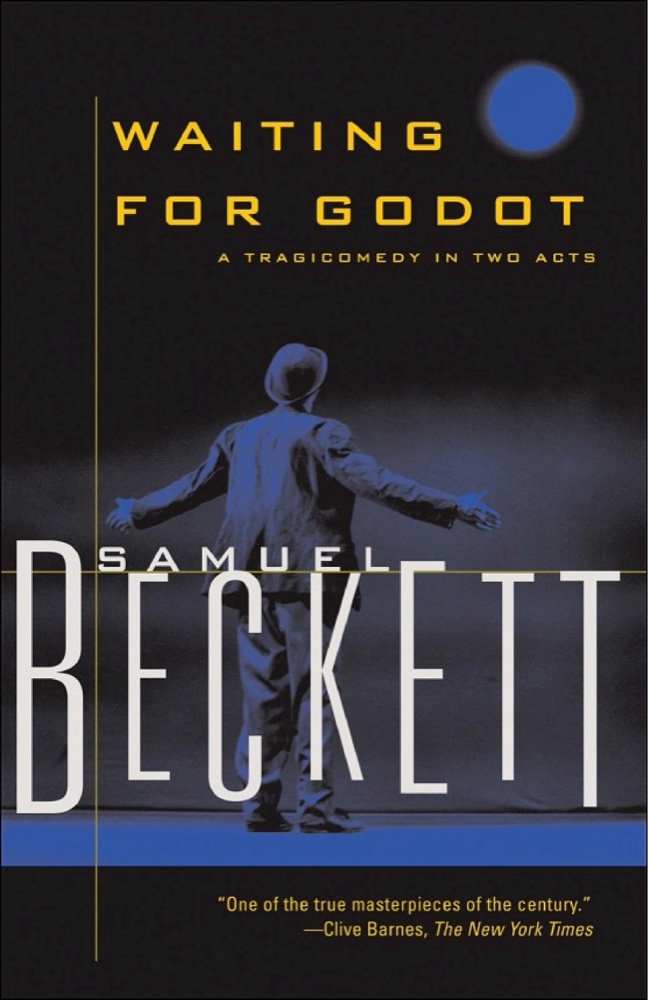
Waiting for Godot is a two-act tragicomedy by Samuel Beckett in which two ragged companions, Vladimir and Estragon, pass the time beside a bare tree on a country road as they wait for a man named Godot who never comes. Almost nothing happens in the conventional sense: they bicker, muse, contemplate leaving, and are interrupted by the passing of the tyrannical Pozzo and his rope-bound servant Lucky, and by a boy who arrives to announce that Godot will not come today but surely tomorrow. The second act repeats the shape of the first with small variations, leaving the pair exactly where they began, still waiting.
Beckett wrote the play in French as En attendant Godot between 1948 and 1949, and later translated it into English himself. Its subtitle, "a tragicomedy in two acts," signals the way it fuses vaudevillian comedy with a bleak sense of futility. The work is a cornerstone of the Theatre of the Absurd, dramatizing existential uncertainty, the passage of time, memory, dependency, and the human need to endure without clear purpose or resolution. Critic Vivian Mercier famously described it as "a play in which nothing happens, twice."
First performed in Paris in 1953 and in English from 1955, the play became one of the most influential and widely studied dramas of the twentieth century. In a 1998 Royal National Theatre poll it was voted the most significant English-language play of the 1900s. Its spare staging, circular structure, and open-ended waiting have made "Godot" a lasting shorthand for anticipation that may never be fulfilled.
Key characters
- EstragonOne of the two tramps waiting for Godot; forgetful and preoccupied with his aching feet
- VladimirThe more reflective of the two companions, who clings to the hope that Godot will come
- PozzoA domineering traveller who passes by driving his servant on a rope
- LuckyPozzo's burdened servant, who delivers a torrent of a monologue when ordered to "think"
- The BoyA messenger who arrives to say that Godot will not come today but will come tomorrow
Book details
- First published
- 1952
- Length
- 60 pages
- Reading time
- 1 hour
- Author
- Samuel Beckett
- Genre
- Classics
- Goodreads rating
- 3.84 (227k ratings) →
- First line
- “Nothing to be done.”
If you liked this, read…
- 1EndgameAnother spare, absurdist Beckett play about characters trapped in bleak repetition
- 2Rosencrantz and Guildenstern Are DeadTom Stoppard's absurdist tragicomedy of two minor characters waiting on the sidelines of events
- 3The Bald SopranoEugène Ionesco's foundational Theatre of the Absurd play built on circular, meaningless dialogue
Keep reading
 Endgame
 The Dark Tower
 Sweep in Peace
 The Mime Order
 Fool's Errand
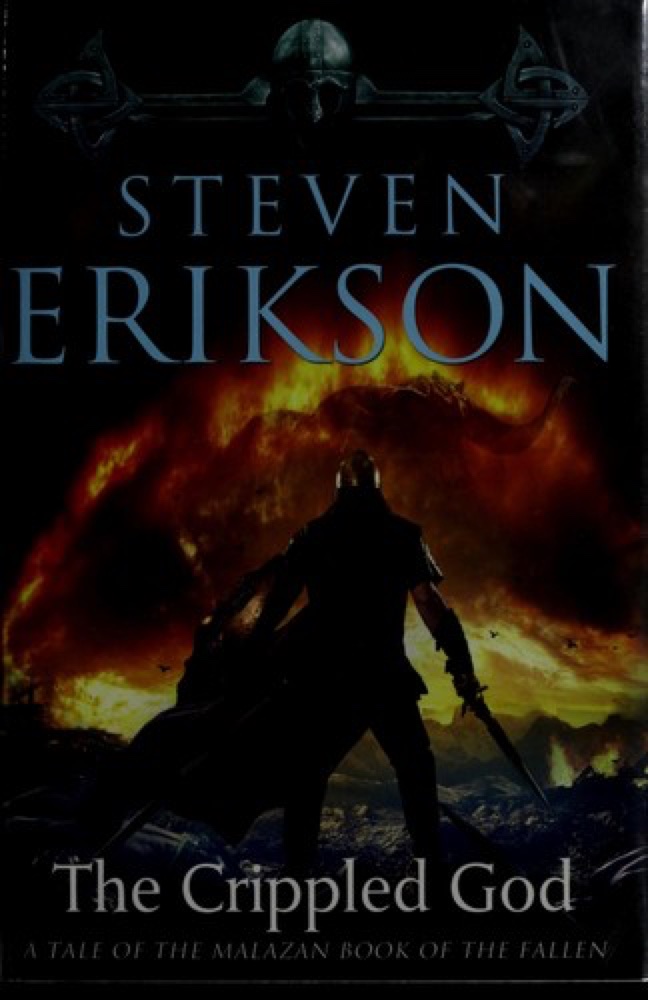 The Crippled God
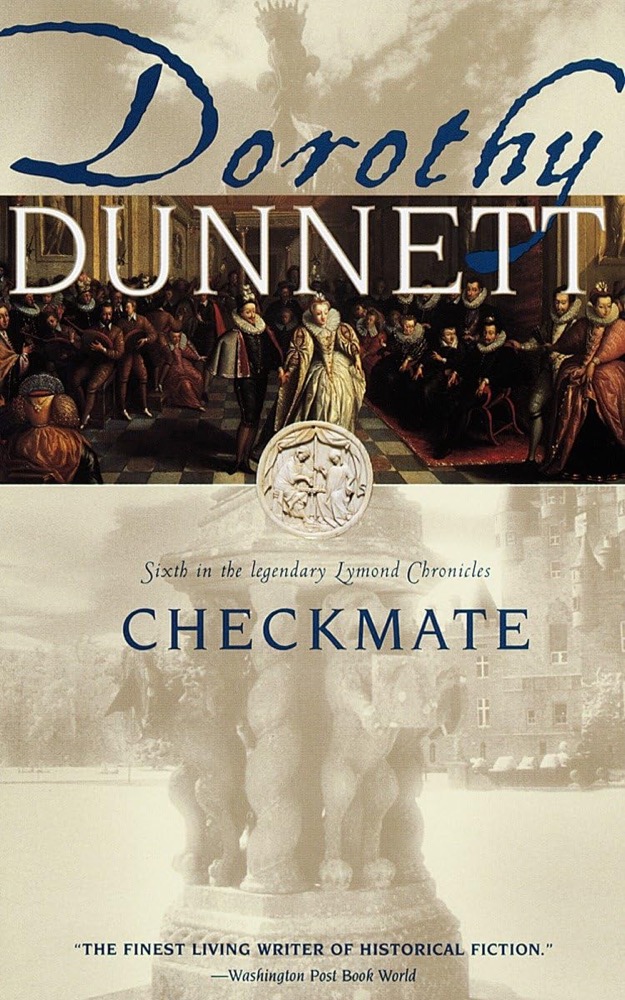 Checkmate
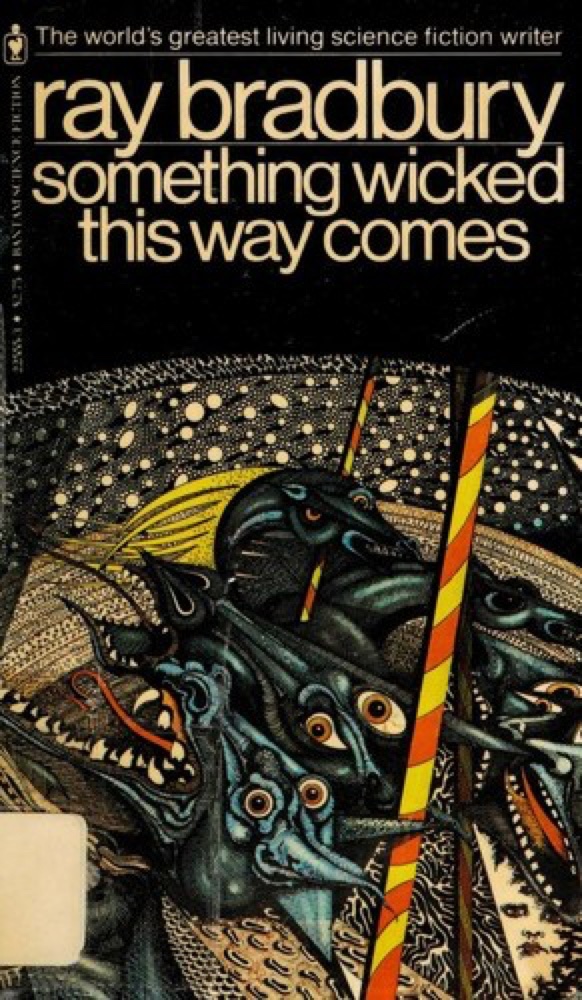 Something Wicked This Way Comes
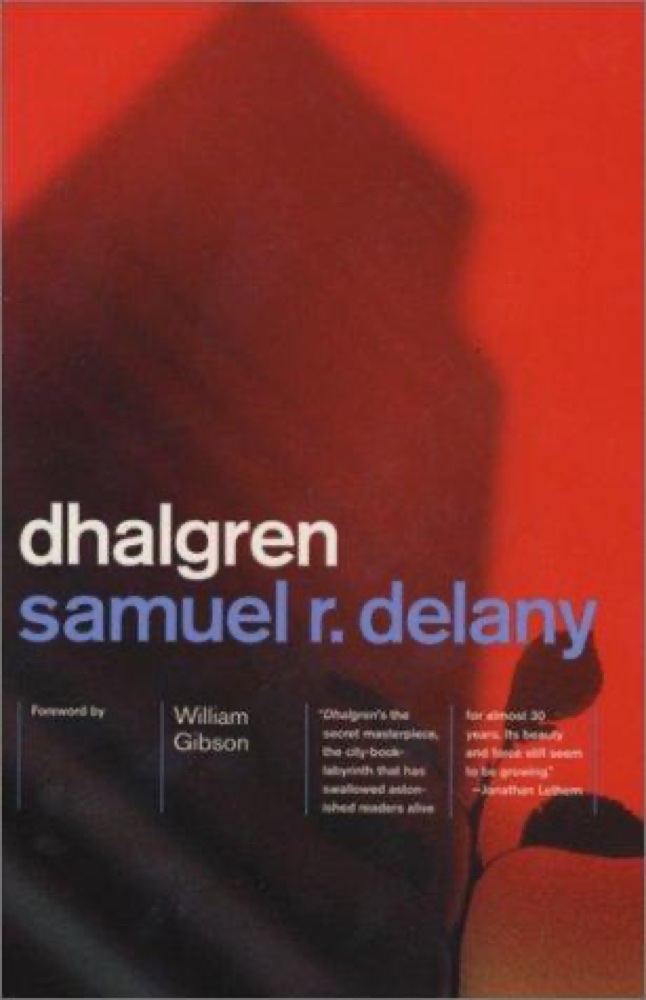 Dhalgren
 Thief of Time
 Endless Knight
 A Visit from the Goon Squad
 The Man in the High Castle
 Arm of the Sphinx
 We the Living
 Don Juan
 Cold Days
 American Gods
 The Faceless Ones
 Eldest
 The Graveyard Book
 The Vampire Lestat
 Ender's Shadow
 Poems New and Collected
 Rebel Angels
 V.
V.
 The Illustrated Man
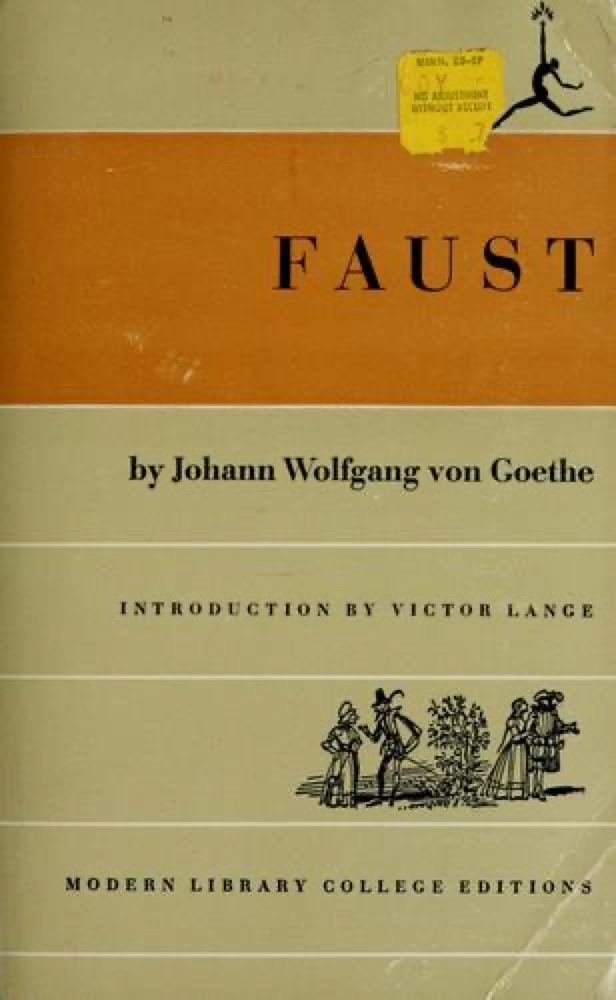 Faust
Faust
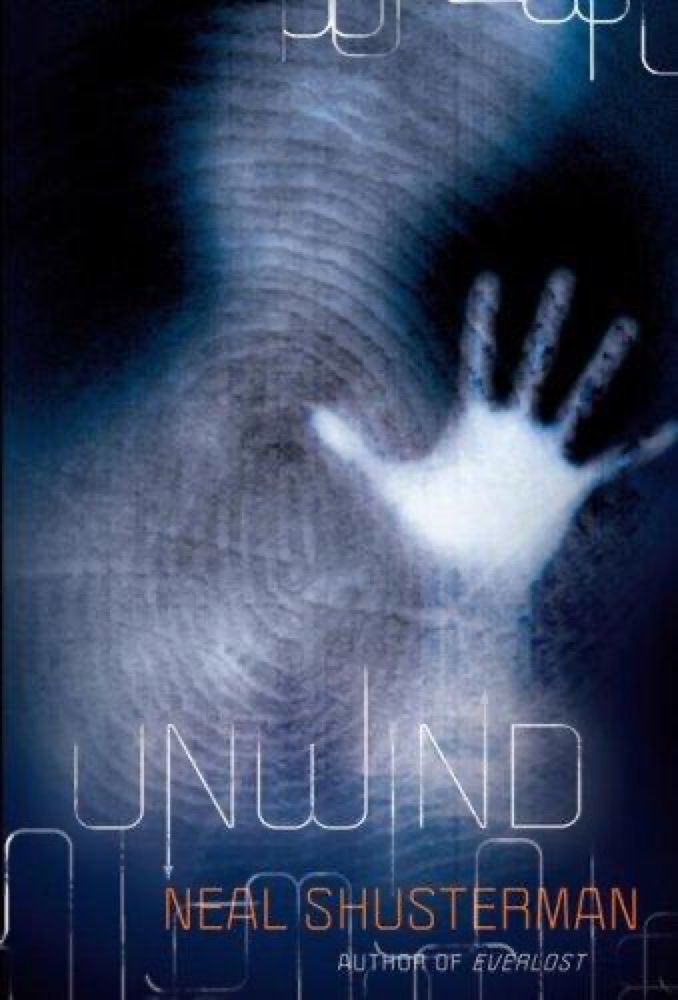 Unwind
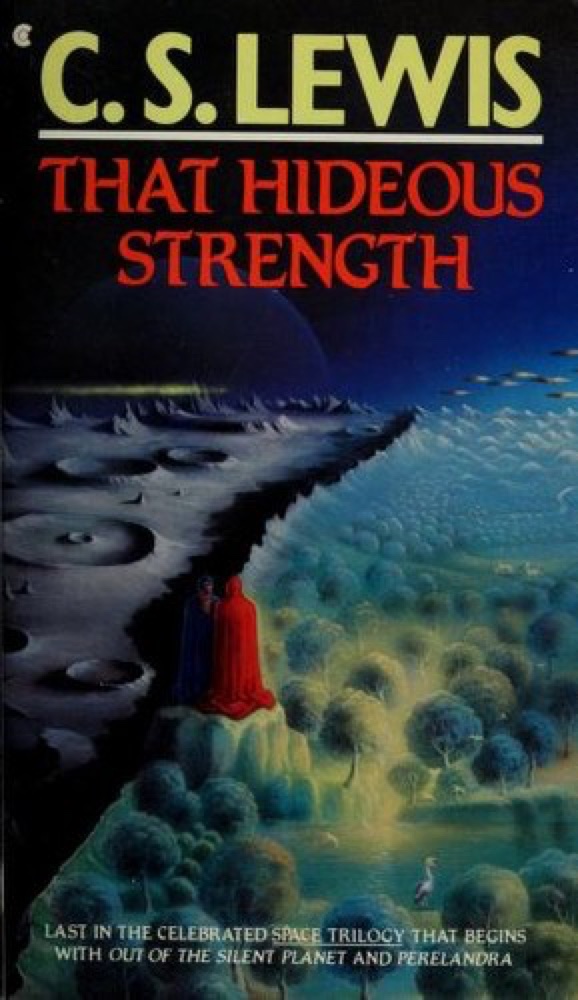 That Hideous Strength
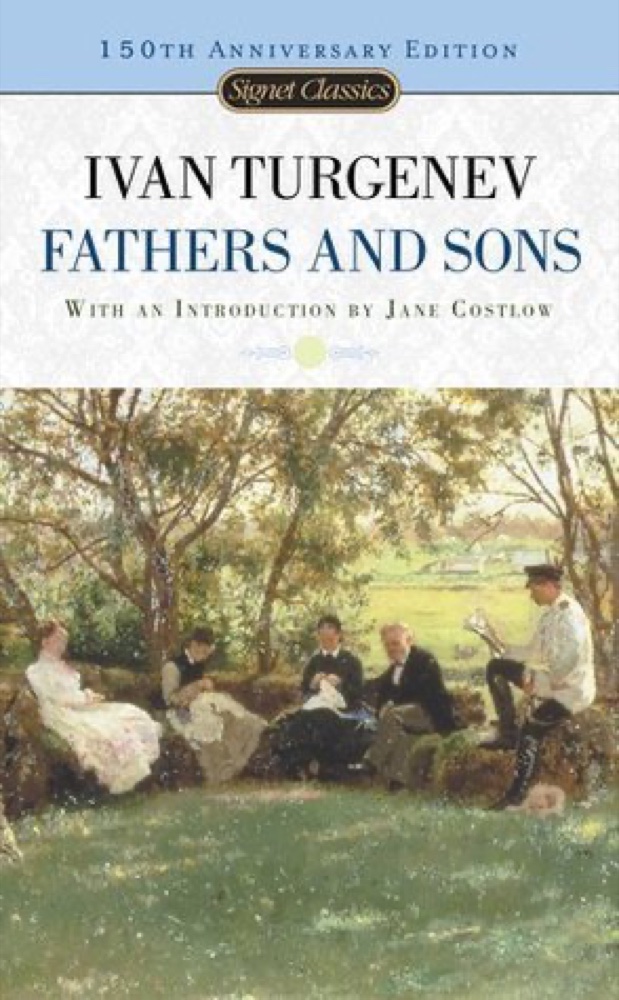 Fathers and Sons
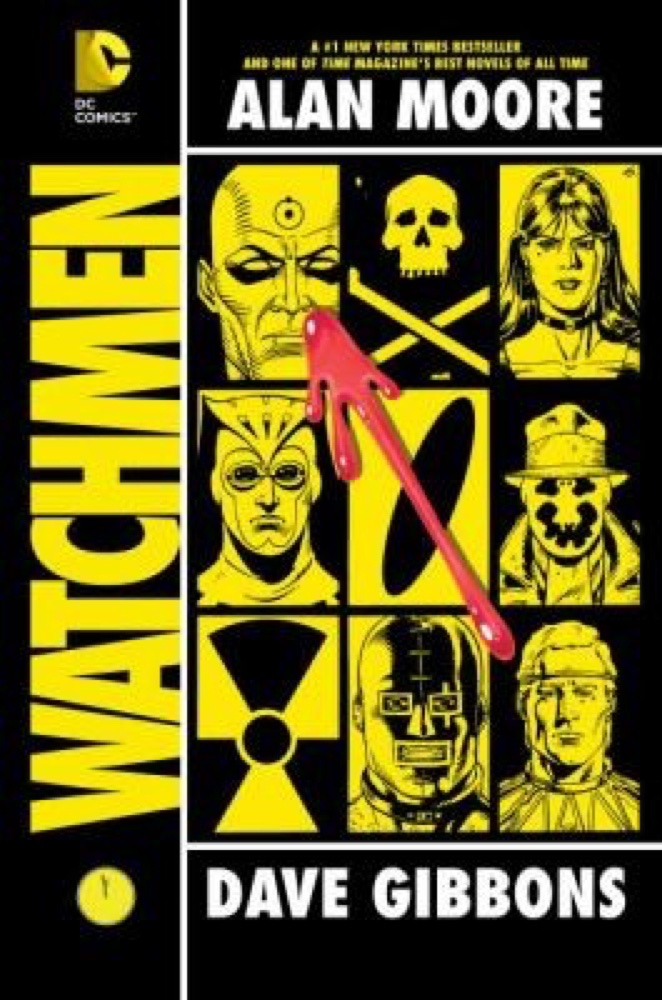 Watchmen
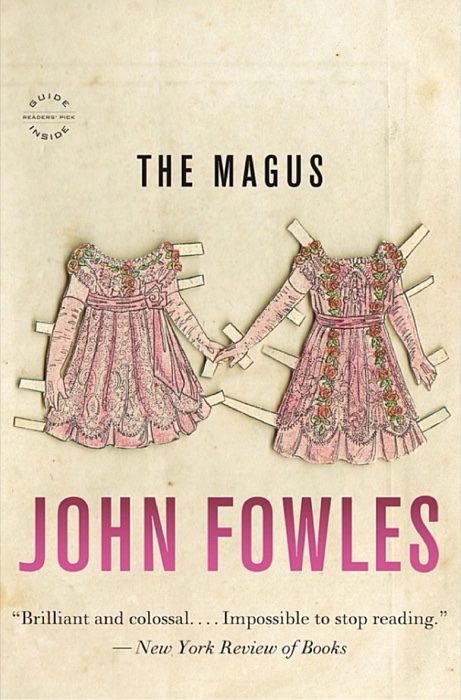 The Magus
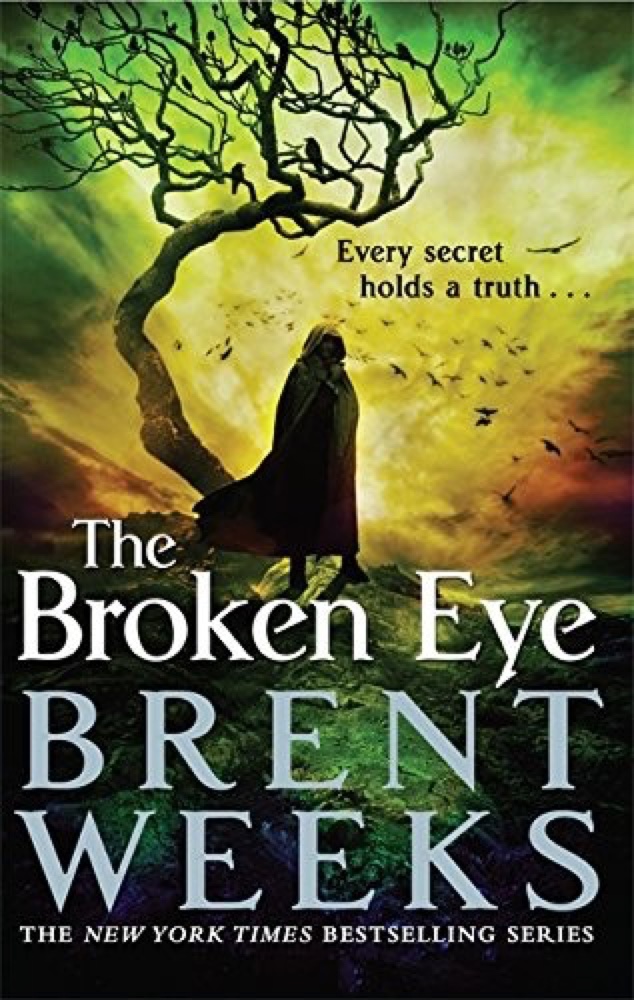 The Broken Eye
 Rosencrantz and Guildenstern Are Dead
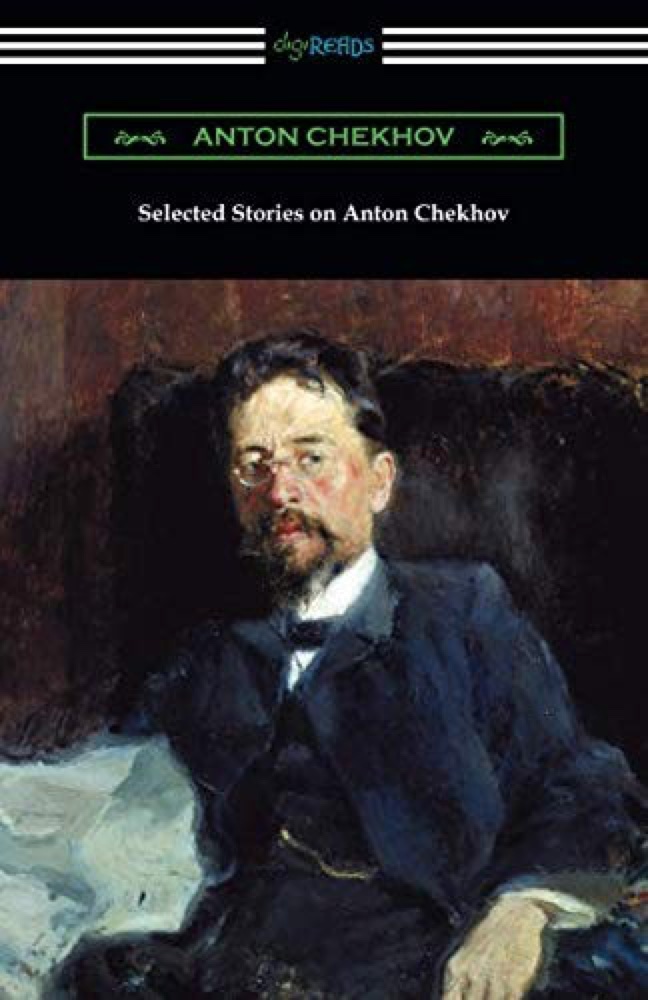 Selected Stories of Anton Chekhov
 Gone
Gone
 Harry Potter and the Goblet of Fire
 Preludes & Nocturnes
 Cat's Cradle
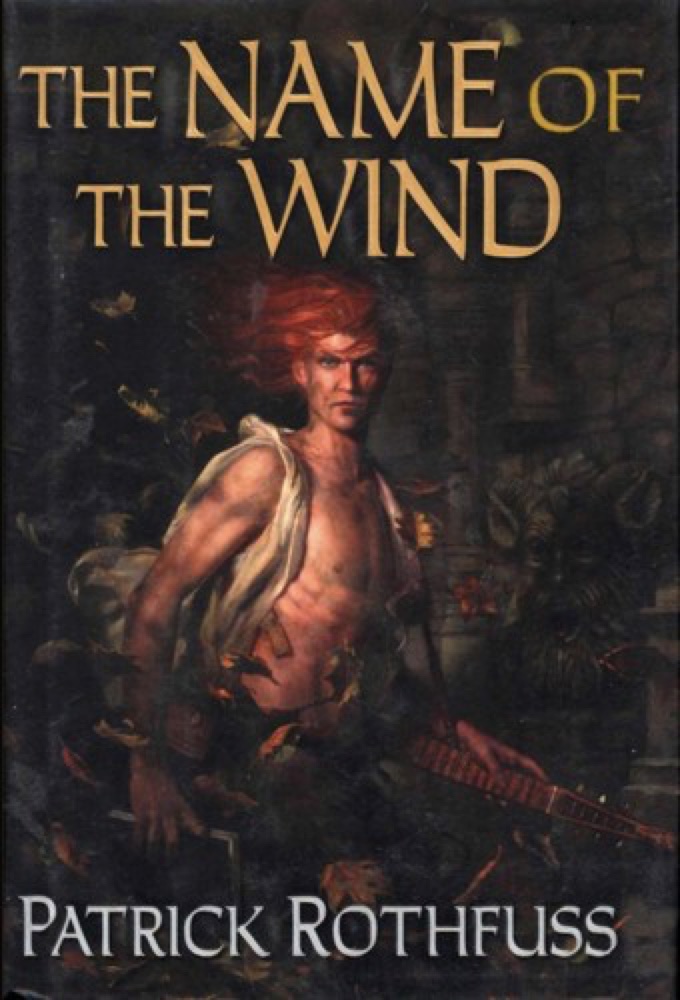 The Name of the Wind
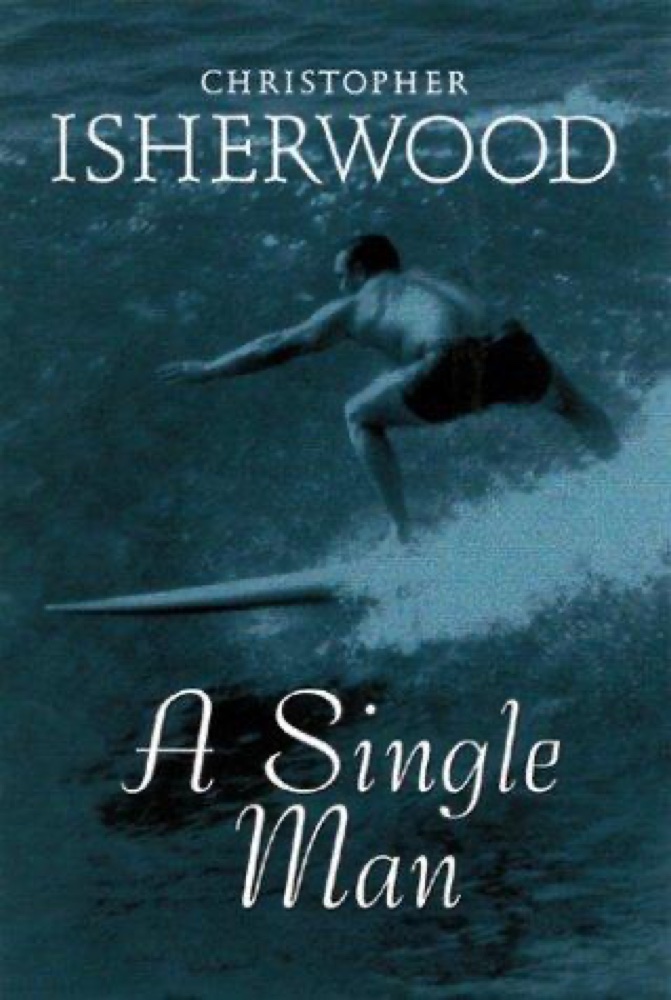 A Single Man
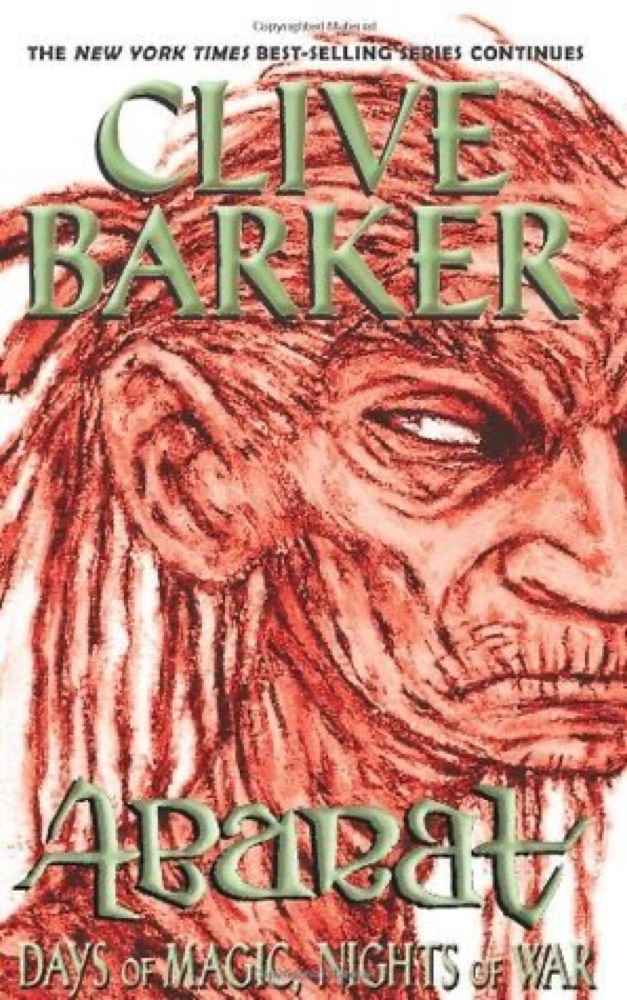 Abarat
 Letters to the Lost
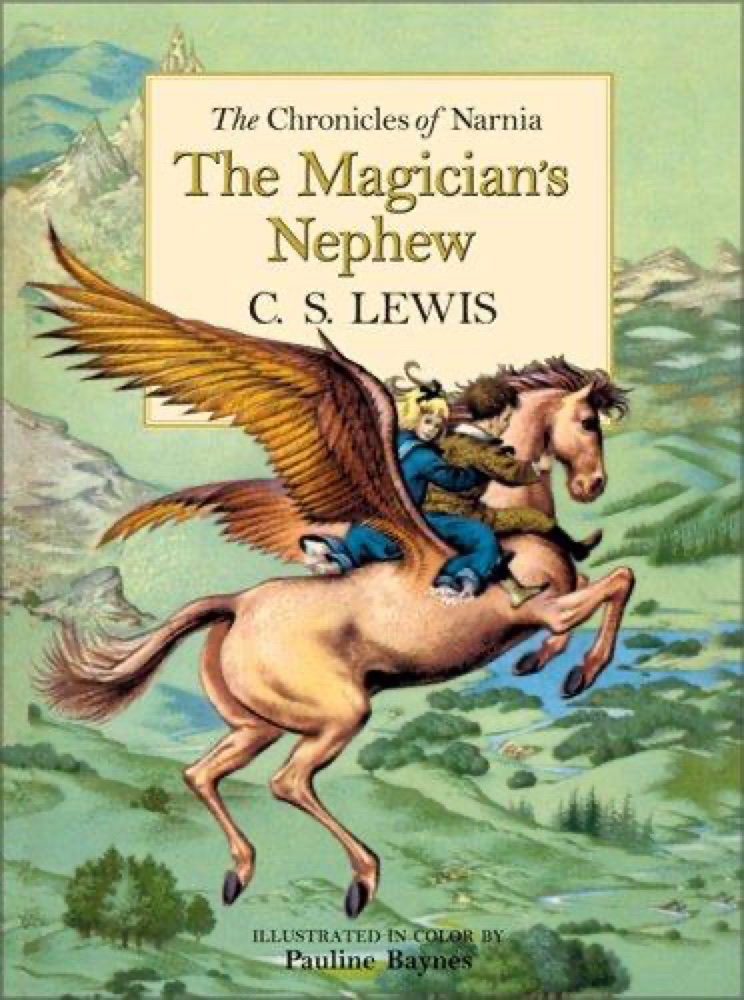 The Magician's Nephew
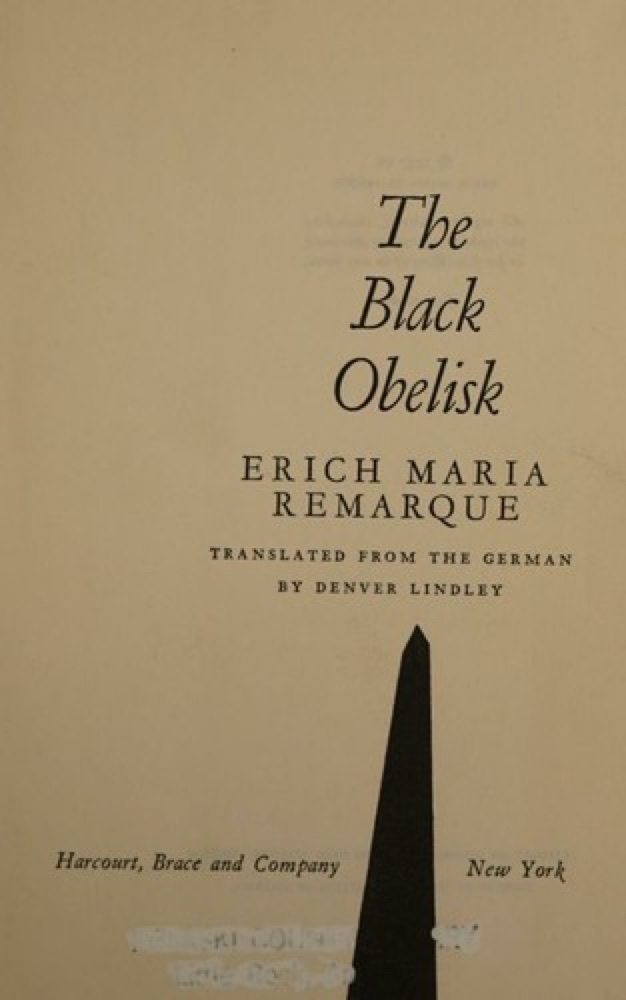 The Black Obelisk
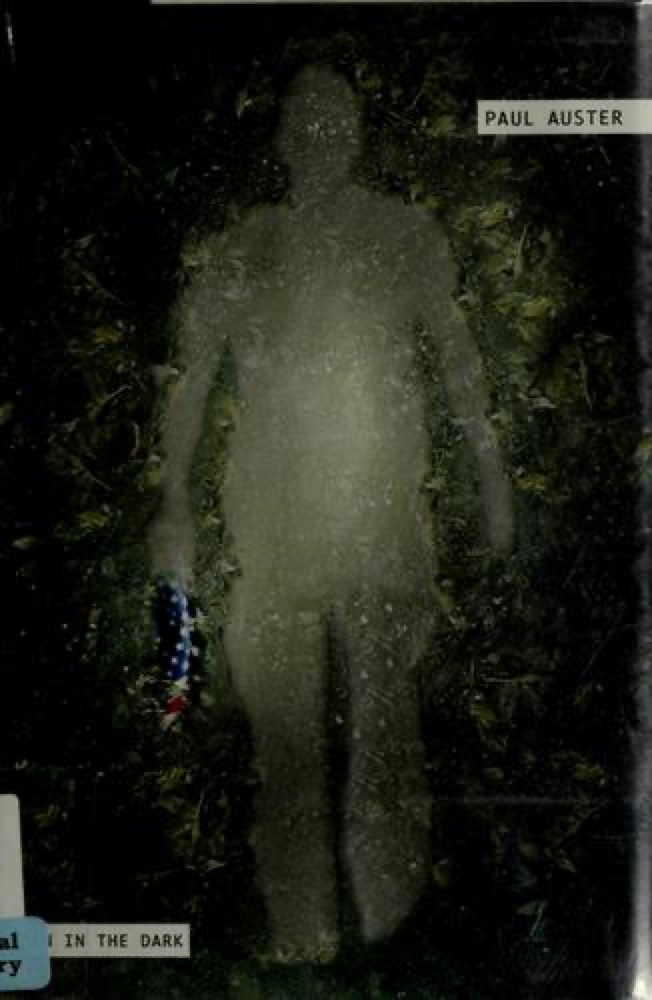 Man in the Dark
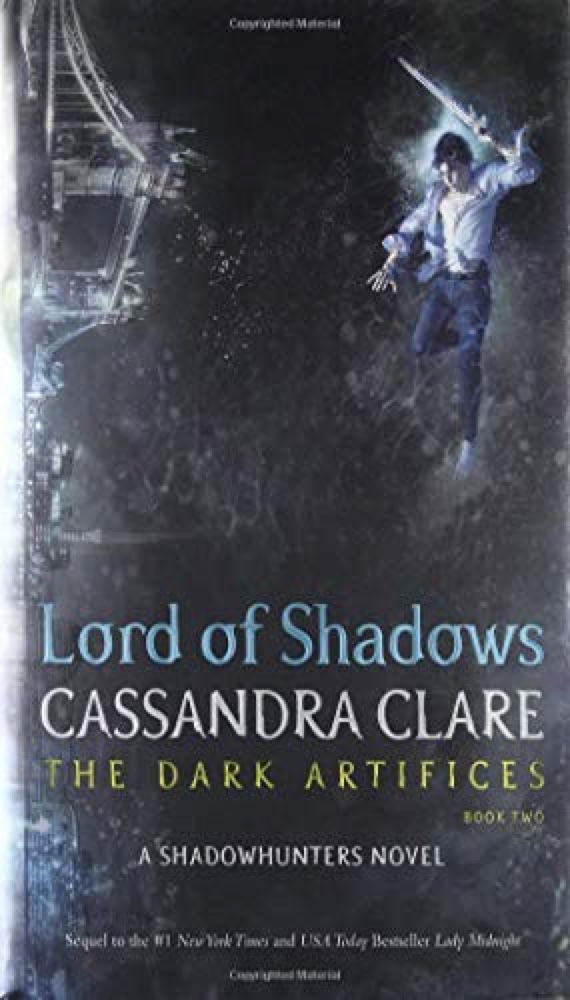 Lord of Shadows
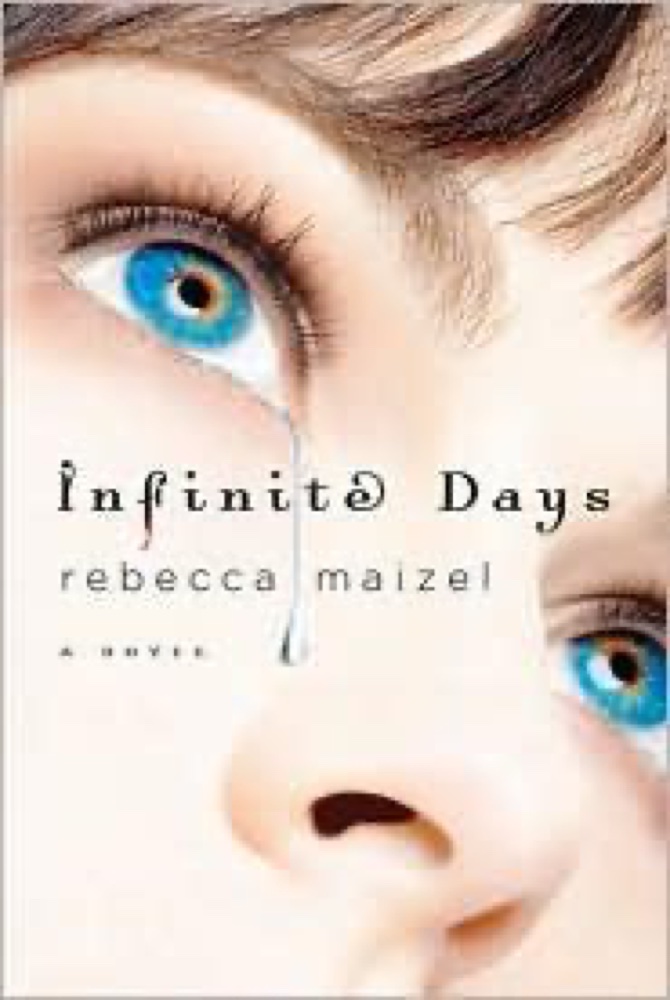 Infinite Days
 Notes of a Dirty Old Man
 Chimes at Midnight
 Selected Stories
 Siege and Storm
 S.
S.
 The Stories of Vladimir Nabokov
 Timequake
 The Road
 Keys to the Demon Prison
 Angelmaker
 Last Stand of Dead Men