
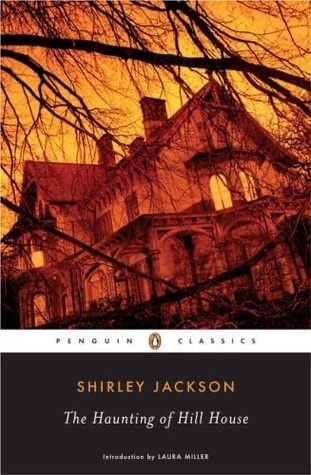
 The Haunting of Hill House
Quotes from the Book
...very lonely and, often, very unhappy, with the poignant misery that comes to lonely people who long to be social and cannot, somehow, step naturally and unselfconsciously into some friendly group
25
I suppose the mothers of most twelve-year-old boys live with the uneasy conviction that their sons are embarked upon a secret life of crime.
17
People who are all alone have every right to be friends with one another. ("The Honeymoon Of Mrs. Smith" - Version 1)
12
We believed optimistically that Laurie was a reformed character. I told my husband, on the last day of Laurie's confinement, that actually one good scare like that could probably mark a child for life, and my husband pointed out that kids frequently have an instinctive desire to follow the good example rather than the bad, once they find out which is which. We agreed that a good moral background and thorough grounding in the Hardy Boys would always tell in the long run. ("Arch-Criminal")
10
It is not possible, I frequently think, to walk down the street as fast as you can and kick yourself at the same time.
7
I sort of thought that maybe people had to talk that way, sort of saying the same things over and over because that way they can get along together without thinking." She stopped and thought. Why I was so worried,” she said, “was because if people didn't say those damn things over and over, then they wouldn't talk to each other at all.
6
A Problem of some importance, certainly, these days, is that of anger. When one half of the world is angry at the other half, or one half of a nation is angry at the rest, or one side of town feuds with the other side, it is hardly surprising, when you stop to think about it, that so many people lose their tempers with so many other people. Even if, as in this case, they are two people not usually angry, two people whose lives are obscure and whose emotions are gentle, whose smiles are amiable and whose voices are more apt to be cheerful than raised in fury. Two people, in other words, who would much rather be friends than not and who yet, for some reason, perhaps chemical or sociological or environmental, enter upon a mutual feeling of dislike so intense that only a very drastic means can bring them out of it.
2
It was the first time the chief of police, a kindly family man whose name was Hook, had ever been required to visit a girls' camp; his daughters had not gone in much for that sort of thing, and Mrs. Hook distrusted night air; it was also the first time that Chief Hook had ever been required to determine facts. He had been allowed to continue in office this long because his family was popular in town and the young men at the local bar liked him, and because his record for twenty years, of drunks locked up and petty thieves apprehended upon confession, had been immaculate. In a small town such as the one lying close to the Phillips Education Camp for Girls Twelve to Sixteen, crime is apt to take its form from the characters of the inhabitants, and a stolen dog or broken nose is about the maximum to be achieved ordinarily in the sensational line. No one doubted Chief Hook's complete inability to cope with the disappearance of a girl from the camp. 'You say she was going somewhere?' he asked Betsy, having put out his cigar in deference to the camp nurse, and visibly afraid that his questions would sound foolish to Old Jane; since Chief Hook was accustomed to speaking around his cigar, his voice without it was malformed, almost quavering. ("The Missing Girl")
2
Well, I won't call on foreigners," Mary said. "You can't treat them the same as you'd treat regular people," I said.
1
Never try to look like everyone else, my dear," Great-Grandmother said placidly. "It doesn't pay to be like everyone else.
1
...I sort of thought that maybe people had to talk that way, sort of saying the same things over and over because that way they can get along together without thinking." She stopped and thought. "Why I was so worried," she said, "was because if people didn't say those damn things over and over, then they wouldn't talk to each other at all.
1
I do hate to have a man--any man--tell me anything in that faintly patronizing voice men use sometimes that begins: "The trouble with women...
1
I’ll tell them,’ she said, and the baby looked at me cynically.
1
I have the black,” said the salesgirl. “Most large figures prefer the black.” “Young lady,” said Mrs. Melville, “I am buying a blouse, not your opinions.
1
If I am not the legal resident of the apartment you cannot evict me. You cannot evict Mrs. Tuttle, who is the legal resident of the apartment, because she is not living here. Unless you accept my check you are not going to receive any rent for the apartment at all because you cannot rent it to anyone else while I am living here because you cannot evict me so they could move in. Mrs. Tuttle will not pay the rent because she is not living here. Sincerely, Marian Griswold
1
Watch on YouTube
About Shirley Jackson
We have collected 117 quotes from 6 books by Shirley Jackson on BookQuoters.
More about the author →More by Shirley Jackson
The Haunting of Hill House
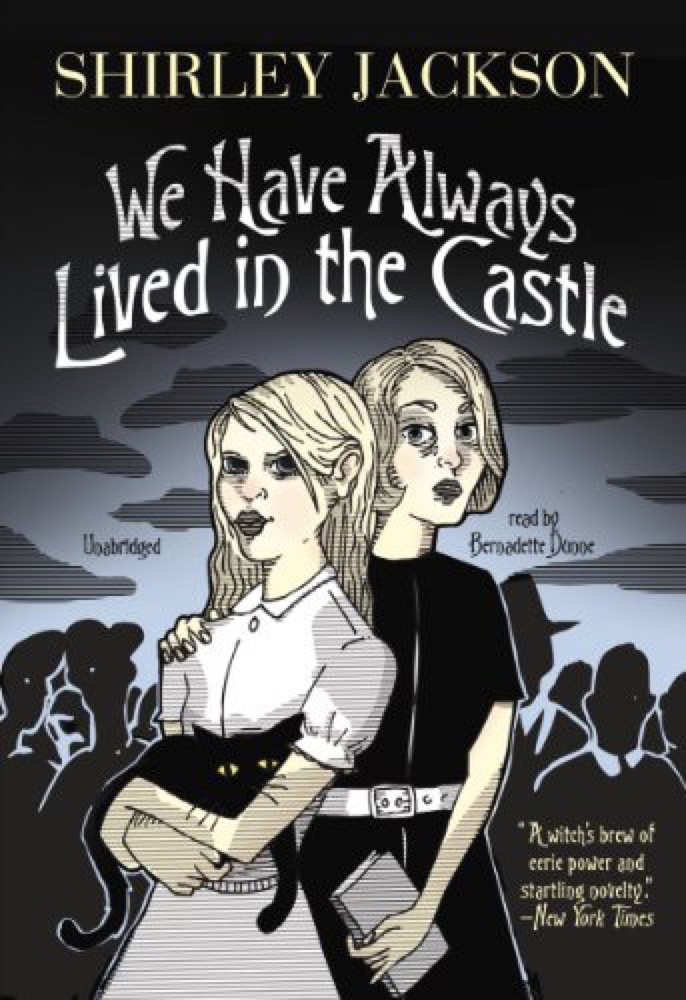 We Have Always Lived in the Castle
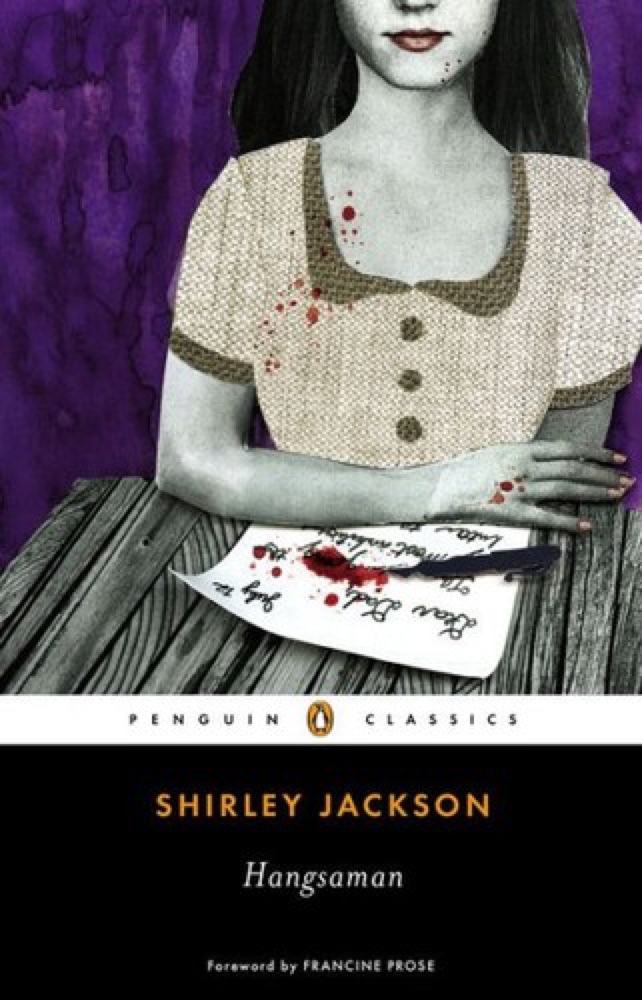 Hangsaman
 The Lottery and Other Stories
About the book
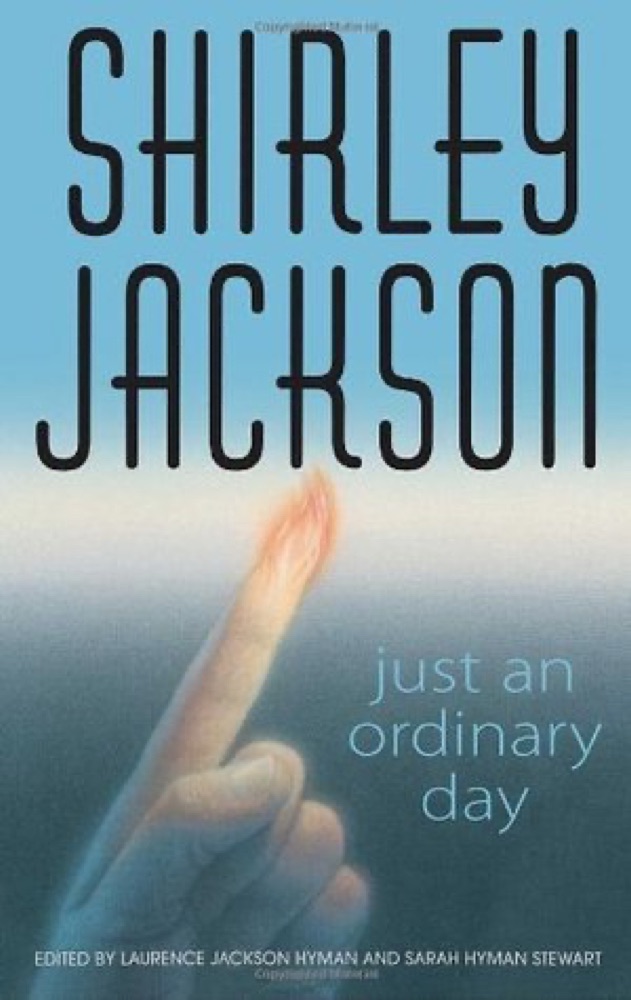
Acclaimed in her own time for her short story 'The Lottery' and her novel The Haunting of Hill House—classics ranking with the work of Edgar Allan Poe—Shirley Jackson blazed a path for contemporary writers with her explorations of evil, madness, and cruelty.
Soon after her untimely death in 1965, Jackson’s children discovered a treasure trove of previously unpublished and uncollected stories, many of which are brought together in this remarkable collection. Here are tales of torment, psychological aberration, and the macabre, as well as those that display her lighter touch with humorous scenes of domestic life.
Reflecting the range and complexity of Jackson’s talent, Just an Ordinary Day reaffirms her enduring influence and celebrates her singular voice, rich with magic and resonance.
Book details
- First published
- 1996
- Author
- Shirley Jackson
- Genre
- Fiction
- Goodreads rating
- 4.14 (3k ratings)
Keep reading
 The Moving Finger
 Snake-Eater
 Murder in Mesopotamia
 The Bean Trees
 Wives and Daughters
 Milkman
 American Wife
![What Was She Thinking? [Notes on a Scandal]](/i/book/g/08/what-was-she-thinking-notes-on-a-scandal.jpg) What Was She Thinking? [Notes on a Scandal]
What Was She Thinking? [Notes on a Scandal]
 The Moonstone
 Excellent Women
 The Thirteen Problems
 Alias Grace
 Bettyville: A Memoir
 One Hundred Names
 Nervous Conditions
 I Hold a Wolf by the Ears: Stories
 Bluebeard's Egg
 Old Babes in the Wood: Stories
 Darling Girls
 One Fifth Avenue
 The Burgess Boys
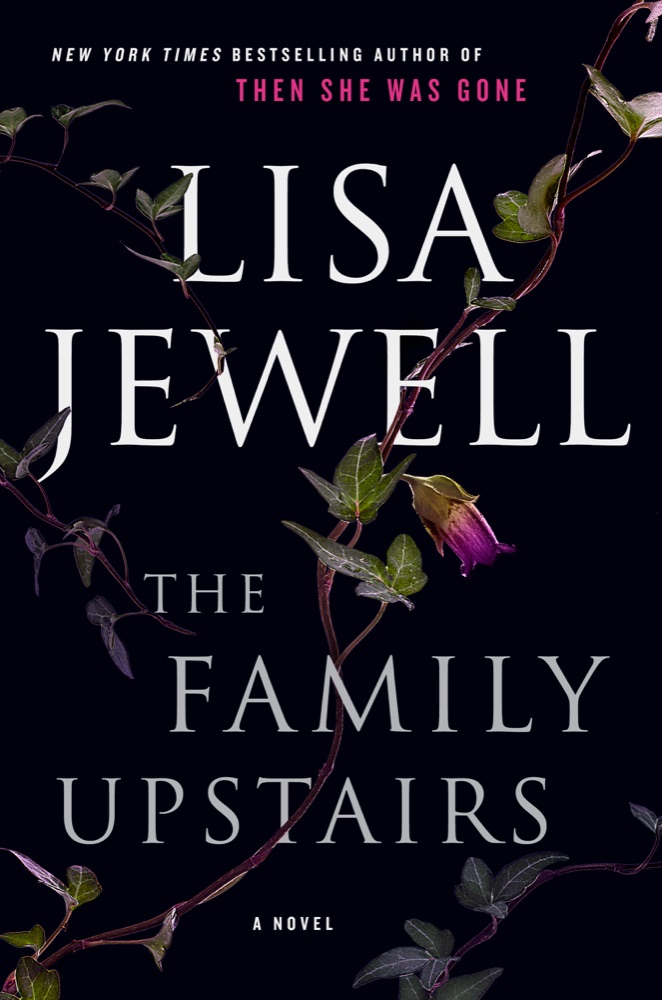 The Family Upstairs
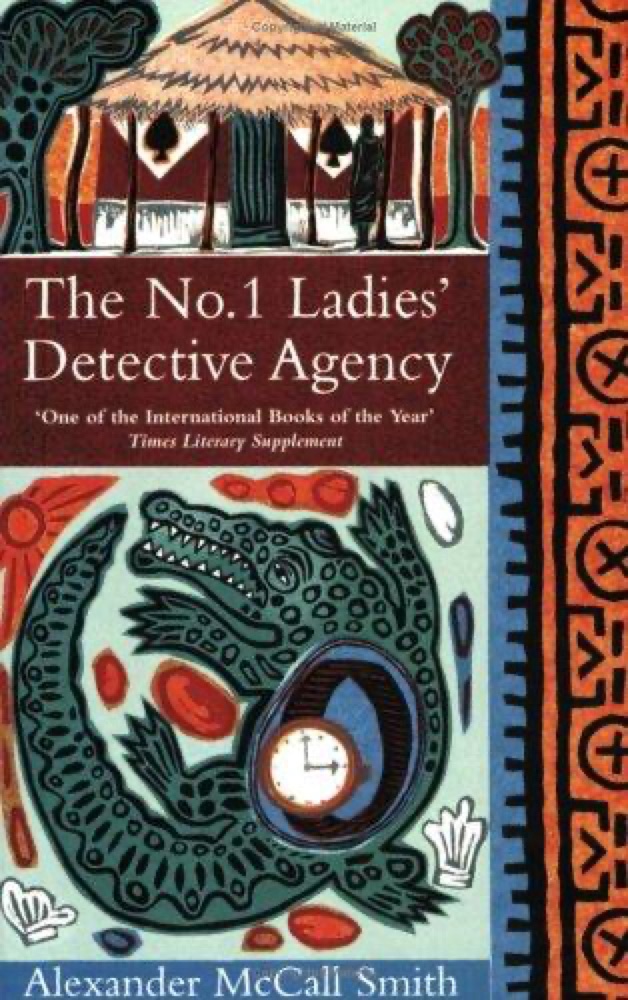 The No. 1 Ladies' Detective Agency
 Tell No One
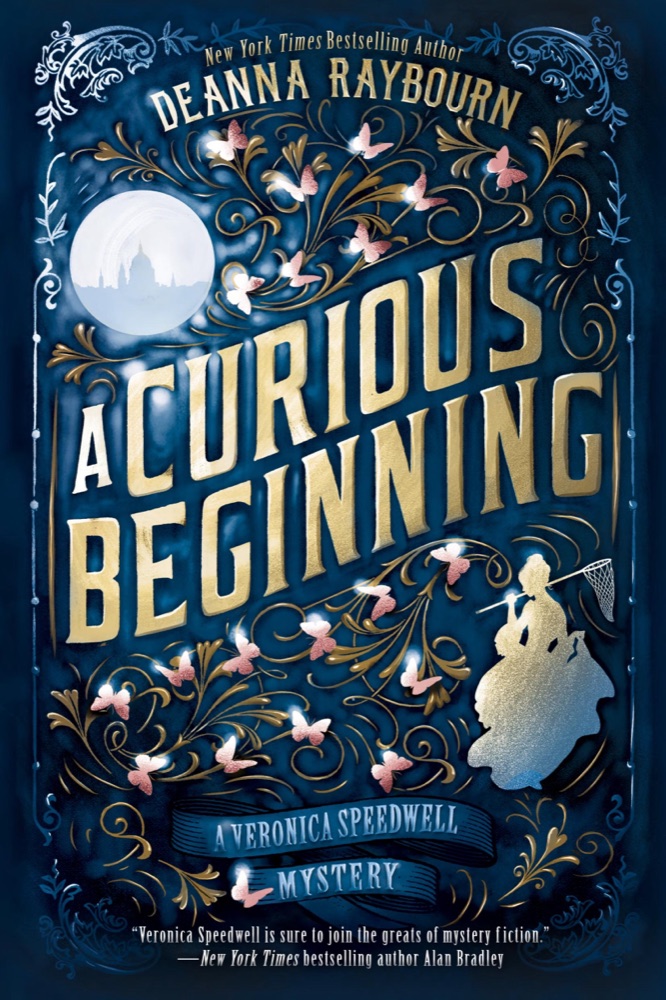 A Curious Beginning
 Dept. of Speculation
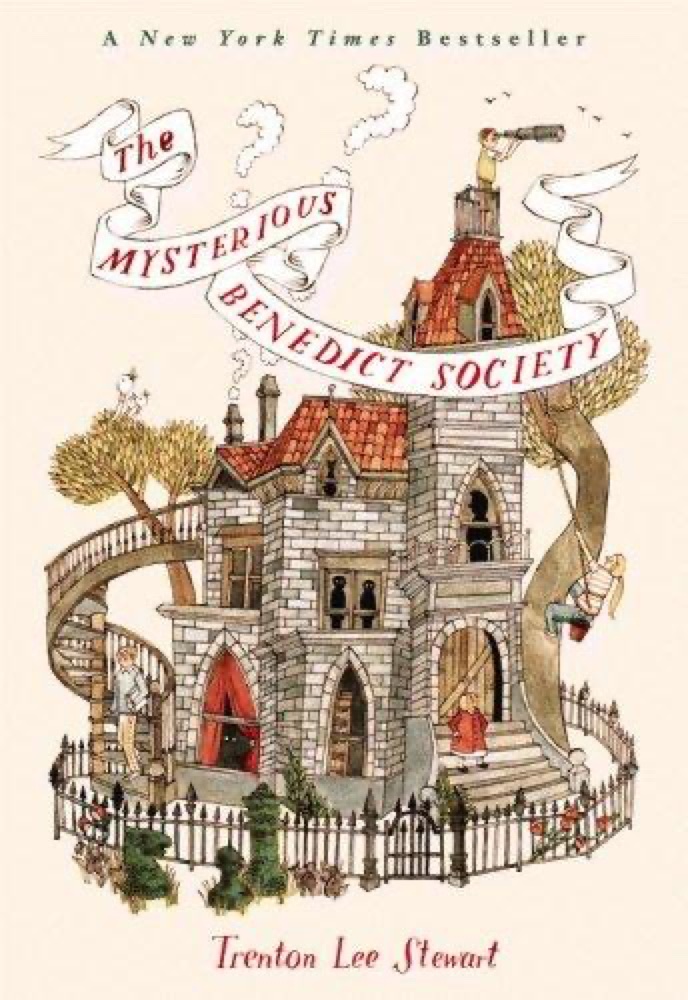 The Mysterious Benedict Society
 Conviction
 Pretty Girls
 A Widow for One Year
 NW
NW
 Three Wishes
 A Spool of Blue Thread
 The God of the Woods
 The Woman Who Walked in Sunshine
 Raymie Nightingale
 Homecoming
 Too Much Happiness: Stories
 Plain Truth
 Americanah
 The Sisterhood of the Traveling Pants
 Welcome to Night Vale
 Tales of the Madman Underground
 A House with Good Bones
 Greenwich Park
 Lila
Lila
 Joan Is Okay
 Erasure
 The True Deceiver
 Who Could That Be at This Hour?
 A Red Herring Without Mustard
 Of Women and Salt
 Gingerbread
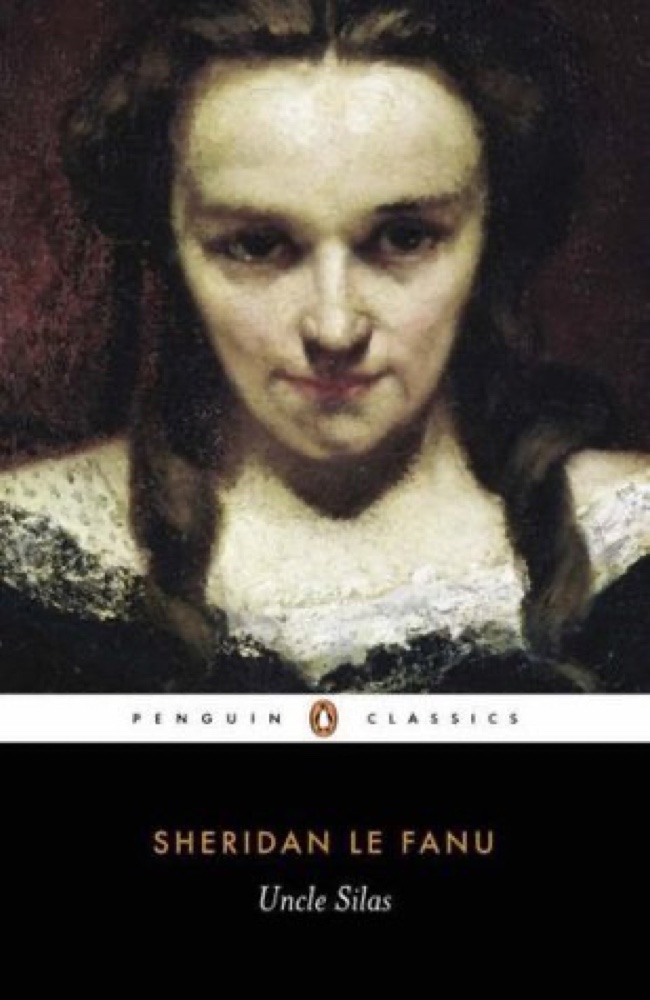 Uncle Silas
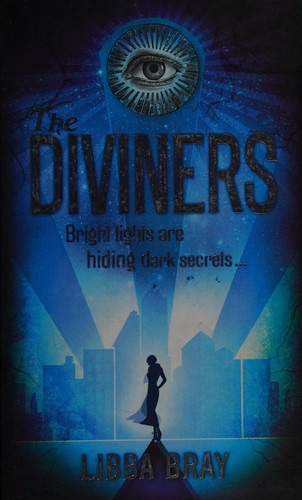 The Diviners
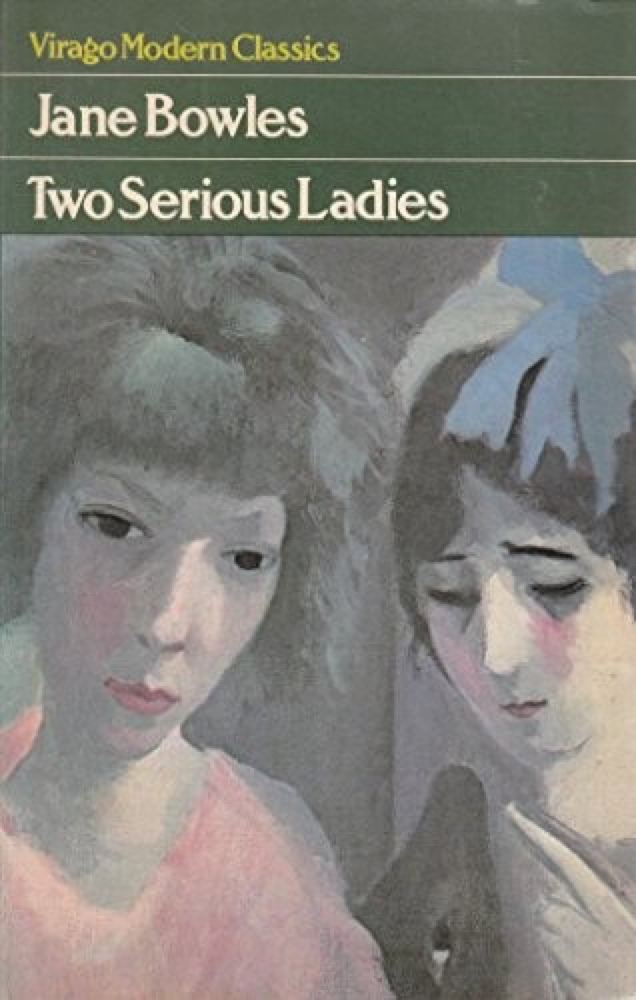 Two Serious Ladies
 The Uncommon Appeal of Clouds
 Lakewood
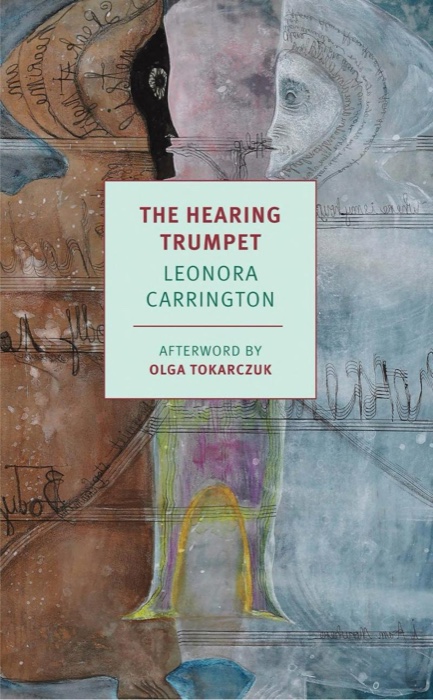 The Hearing Trumpet