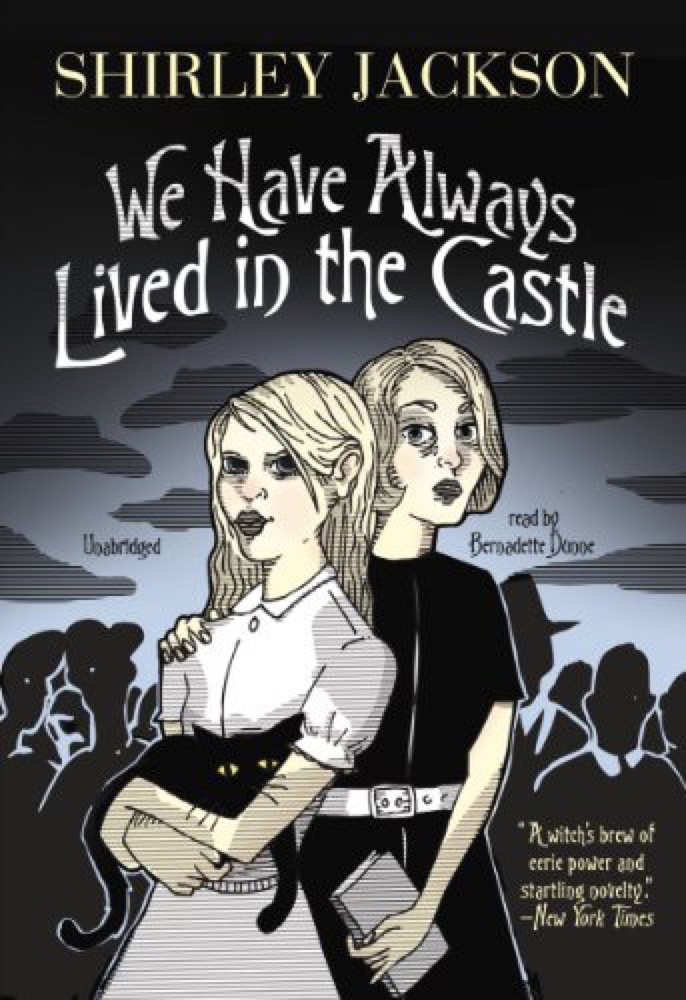

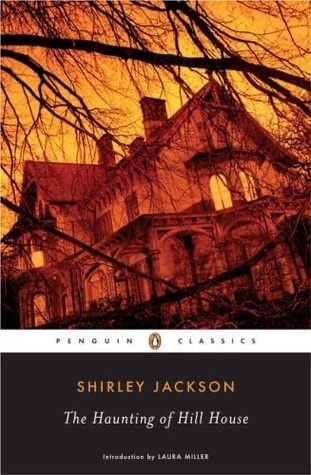
 The Haunting of Hill House
Quotes from the Book
A pretty sight, a lady with a book.
My name is Mary Katherine Blackwood. I am eighteen years old, and I live with my sister Constance. I have often thought that with any luck at all, I could have been born a werewolf, because the two middle fingers on both my hands are the same length, but I have had to be content with what I had. I dislike washing myself, and dogs, and noise. I like my sister Constance, and Richard Plantagenet, and Amanita phalloides, the death-cup mushroom. Everyone else in our family is dead.
On the moon we wore feathers in our hair, and rubies on our hands. On the moon we had gold spoons.
I can't help it when people are frightened," says Merricat. "I always want to frighten them more.
I was pretending that I did not speak their language; on the moon we spoke a soft, liquid tongue, and sang in the starlight, looking down on the dead dried world.
I remember that I stood on the library steps holding my books and looking for a minute at the soft hinted green in the branches against the sky and wishing, as I always did, that I could walk home across the sky instead of through the village.
We eat the year away. We eat the spring and the summer and the fall. We wait for something to grow and then we eat it.
All cat stories start with this statement: "My mother, who was the first cat, told me this...
Fate intervened. Some of us, that day, she led inexorably through the gates of death. Some of us, innocent and unsuspecting, took, unwillingly, that one last step to oblivion. Some of us took very little sugar.
All our land was enriched with my treasures buried in it, thickly inhabited just below the surface with my marbles and my teeth and my colored stones, all perhaps turned to jewels by now, held together under the ground in a powerful taut web which never loosened, but held fast to guard us.
I have often thought that with any luck at all I could have been born a werewolf, because the two middle fingers on both my hands are the same length, but I have had to be content with what I had.
Poor strangers, they have so much to be afraid of.
You will be wondering about that sugar bowl, I imagine, is it still in use? You are wondering, has it been cleaned? You may very well ask, was it thoroughly washed?
There had not been this many words sounded in our house for a long time, and it was going to take a while to clean them out.
I shall weave a suit of leaves. At once. With acorns for buttons.
I wonder if I could eat a child if I had the chance.' 'I doubt if I could cook one,' said Constance.
Merricat, said Connie, would you like a cup of tea? Oh no, said Merricat, you’ll poison me. Merricat, said Connie, would you like to go to sleep? Down in the boneyard ten feet deep!
On the moon we have everything. Lettuce, and pumpkin pie and Amanita phalloides. We have cat-furred plants and horses dancing with their wings. All the locks are solid and tight, and there are no ghosts.
Oh Constance, we are so happy.
We were going to the long field which today looked like an ocean, although I had never seen an ocean; the grass was moving in the breeze and the cloud shadows passed back and forth and the trees in the distance moved.
I really think I shall commence chapter forty-four," he said, patting his hands together. "I shall commence, I think, with a slight exaggeration and go on from there into an outright lie. Constance, my dear?" "Yes, Uncle Julian?" "I am going to say that my wife was a beautiful woman.
Today my winged horse is coming and I am carrying you off to the moon and on the moon we will eat rose petals.
I was wondering about my eyes; one of my eyes–-the left–-saw everything golden and yellow and orange, and the other eye saw shades of blue and grey and green; perhaps one eye was for daylight and the other was for night. If everyone in the world saw different colors from different eyes there might be a great many new colors still to be invented.
I would have to find something else to bury here and I wished it could be Charles.
We moved together very slowly toward the house, trying to understand its ugliness and ruin and shame.
The trees around and overhead were so thick that it was always dry inside and on Sunday morning I lay there with Jonas, listening to his stories. All cat stories start with the statement: "My mother, who was the first cat, told me this," and I lay with my head close to Jonas and listened. There was no change coming, I thought here, only spring; I was wrong to be so frightened. The days would get warmer, and Uncle Julian would sit in the sun, and Constance would laugh when she worked in the garden, and it would always be the same. Jonas went on and on ("And then we sang! And then we sang!") and the leaves moved overhead and it would always be the same.
Merricat, said Connie, would you like to go to sleep? Down in the boneyard ten feet deep!
When Jim Donell thought of something to say he said it as often and in as many ways as possible, perhaps because he had very few ideas and had to wring each one dry.
Wear your boots if you wander today
Did you know?
- It was Shirley Jackson's last completed novel, published in 1962, three years before her death in 1965.
- The novel is dedicated to Jackson's editor and publisher, Pascal Covici.
- Time magazine named it one of the ten best novels of 1962.
- The narrator, Mary Katherine Blackwood, is known by the nickname "Merricat".
- A film adaptation directed by Stacie Passon was released in 2018, starring Taissa Farmiga and Alexandra Daddario as the Blackwood sisters.
About Shirley Jackson
Shirley Jackson (1916-1965) was an American writer best known for her short story "The Lottery" and her novels of psychological horror and unease, including The Haunting of Hill House. We Have Always Lived in the Castle was her final novel, published three years before her death.
More about the author →More by Shirley Jackson
The Haunting of Hill House
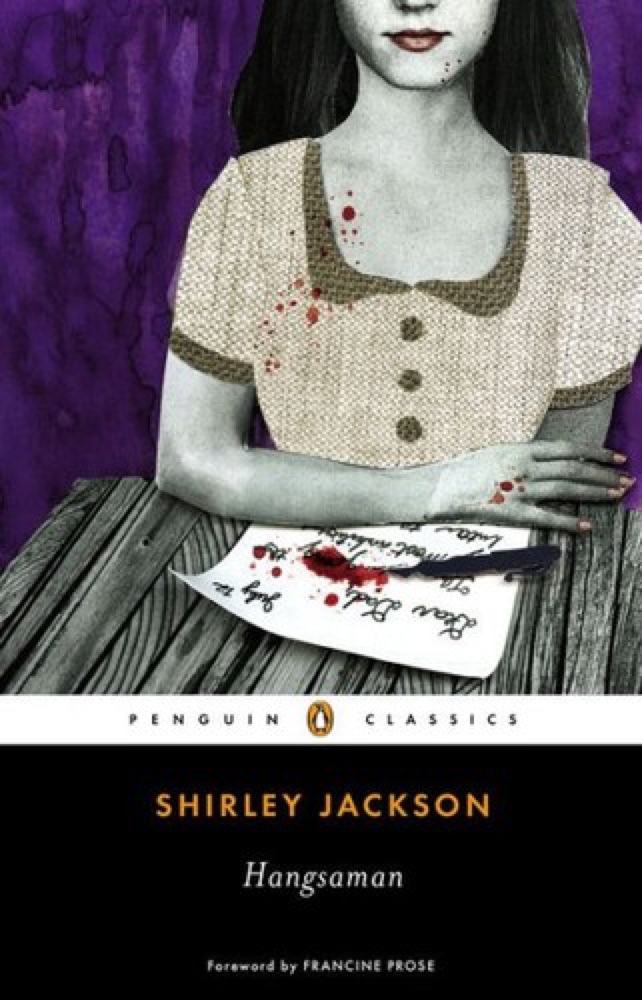 Hangsaman
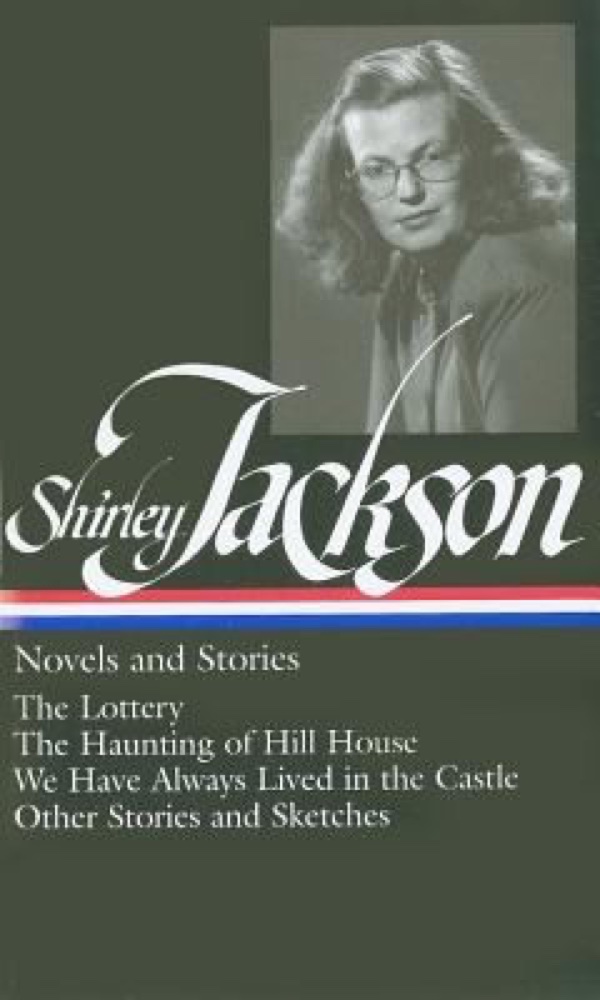 The Lottery and Other Stories
 Just an Ordinary Day: The Uncollected Stories
About the book
We Have Always Lived in the Castle is a 1962 psychological suspense novel by Shirley Jackson, her final completed work. It is narrated by eighteen-year-old Mary Katherine "Merricat" Blackwood, who lives in near-total isolation on a rambling estate with her gentle sister Constance and their ailing Uncle Julian. Six years earlier, most of the Blackwood family died after arsenic was mixed into the sugar at dinner; Constance was tried for the murders and acquitted, but the surrounding village still treats the surviving sisters as pariahs. The uneasy calm of their sealed-off world is broken when a scheming cousin, Charles, arrives hoping to get at the family fortune.
The novel explores small-town cruelty and the persecution of outsiders, agoraphobia and retreat from the world, and the fierce, almost magical devotion between the two sisters. Merricat's unreliable, ritual-obsessed voice, laced with sympathetic magic and childlike menace, gradually discloses the truth behind the family's poisoning even as she narrates her efforts to protect the fragile life she and Constance have built. Jackson turns a Gothic premise into a study of guilt, love, and the comfort found in willful isolation.
A late masterwork of American Gothic fiction, the book was named by Time magazine as one of the ten best novels of 1962 and has grown steadily in stature as one of Jackson's most admired works alongside The Haunting of Hill House. Its influence spans horror and literary fiction, and it has been adapted for the stage and, in 2018, for film. The novel remains celebrated for its hypnotic opening lines and its indelible narrator, Merricat Blackwood.
Key characters
- Mary Katherine "Merricat" BlackwoodEighteen-year-old unreliable narrator devoted to protecting her sister and their isolated home
- Constance BlackwoodMerricat's gentle, agoraphobic older sister, tried and acquitted of the family poisoning
- Uncle JulianThe frail surviving uncle who obsessively documents the day of the poisoning
- Cousin CharlesAn opportunistic relative who arrives seeking the Blackwood family fortune
Book details
- First published
- 1962
- Length
- 214 pages
- Reading time
- 3 hours
- Author
- Shirley Jackson
- Genre
- Classics
- Goodreads rating
- 3.91 (311k ratings) →
- First line
- “My name is Mary Katherine Blackwood.”
Movie & TV adaptations
- IMDb
If you liked this, read…
- 1The Haunting of Hill HouseShirley Jackson's other classic of psychological dread and unsettling houses
- 2RebeccaGothic suspense built around a haunted estate and buried family secrets
- 3The Turn of the ScrewA chilling tale driven by an unreliable, possibly menacing narrator
Keep reading
 My Family and Other Animals
 St. Lucy's Home for Girls Raised by Wolves
 Litani
 Anne of Windy Poplars
 The Evolution of Calpurnia Tate
 Rosemary and Rue
 All Out: The No-Longer-Secret Stories of Queer Teens throughout the Ages
 The Complete Poems
 Through the Looking Glass
 Follow You Home
 The Pox Party
 A Thousand Acres
 Palace of Stone
 Rebecca
 Beasts of Extraordinary Circumstance
 Speaking from Among the Bones
 House of Salt and Sorrows
 The Monsters of Templeton
 Vampires in the Lemon Grove
 The Goose Girl
 Poems, 1962-2012
 A Tyranny of Petticoats
 Skellig
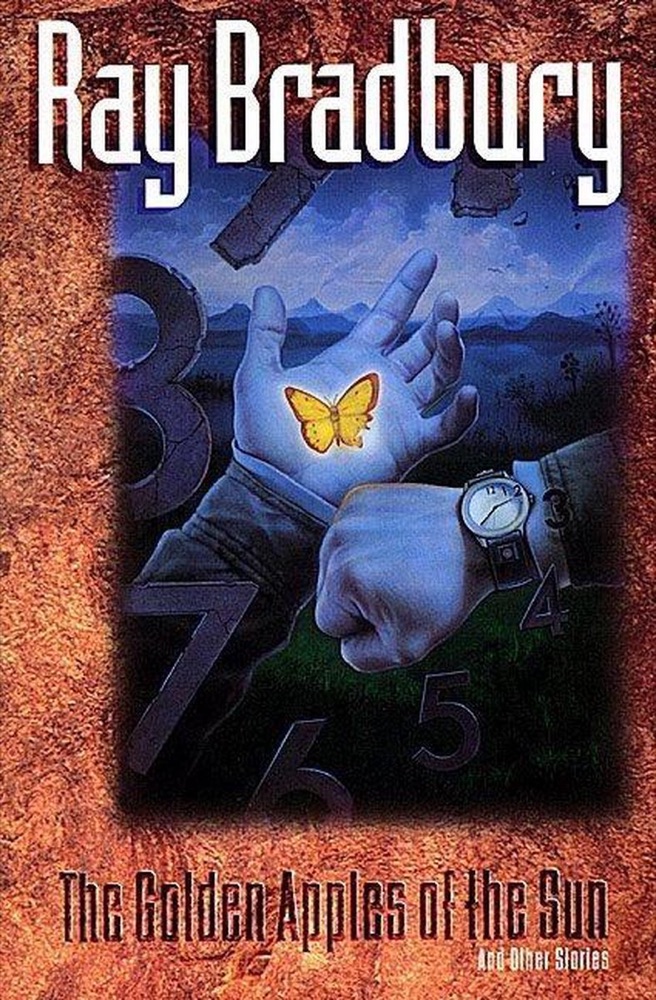 The Golden Apples of the Sun
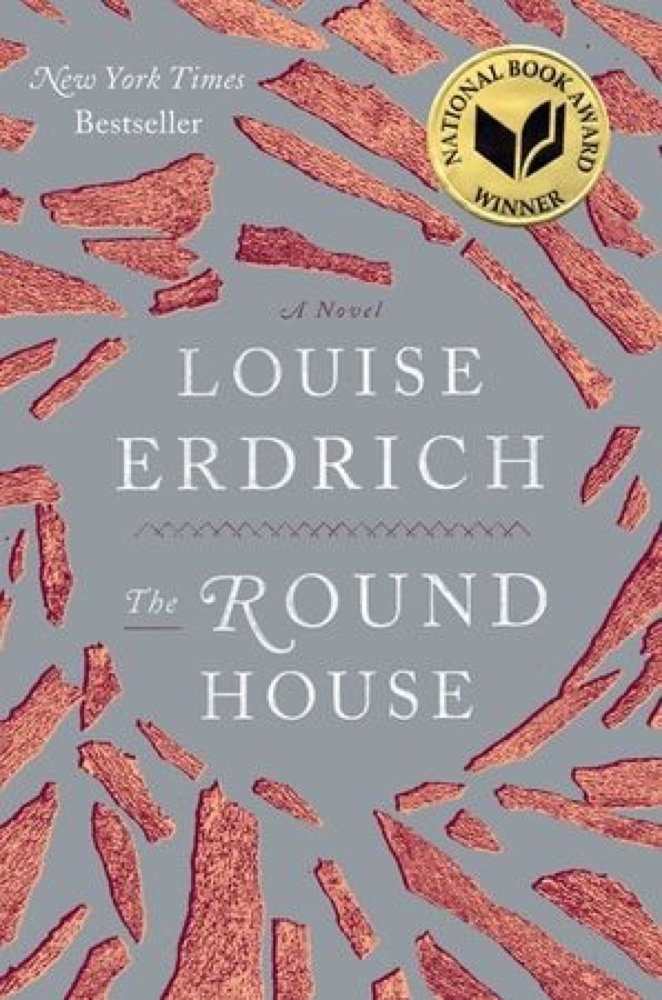 The Round House
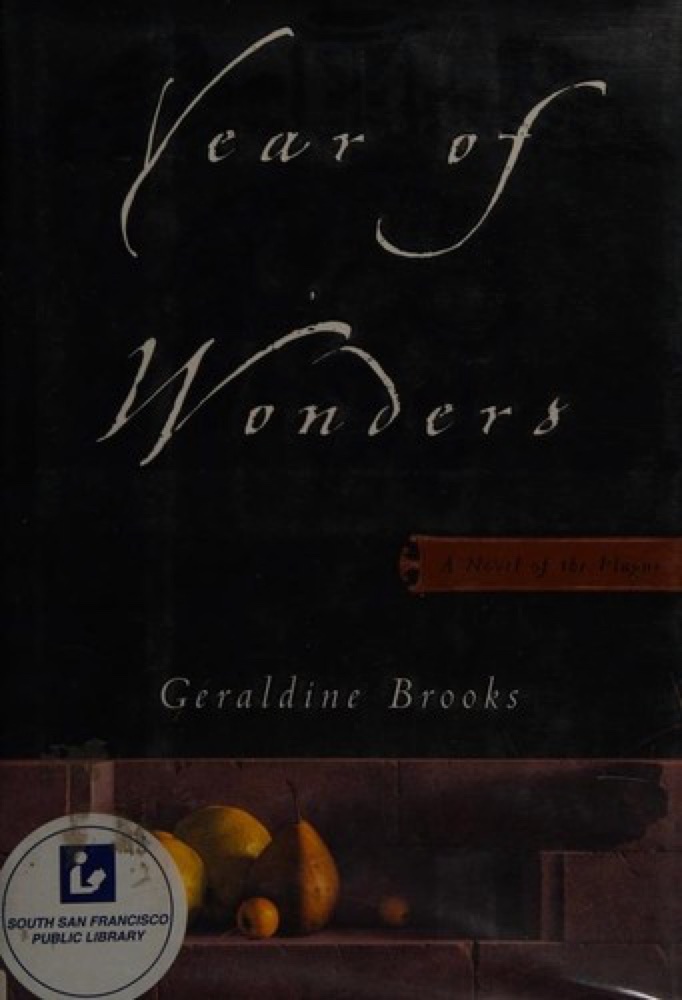 Year of Wonders
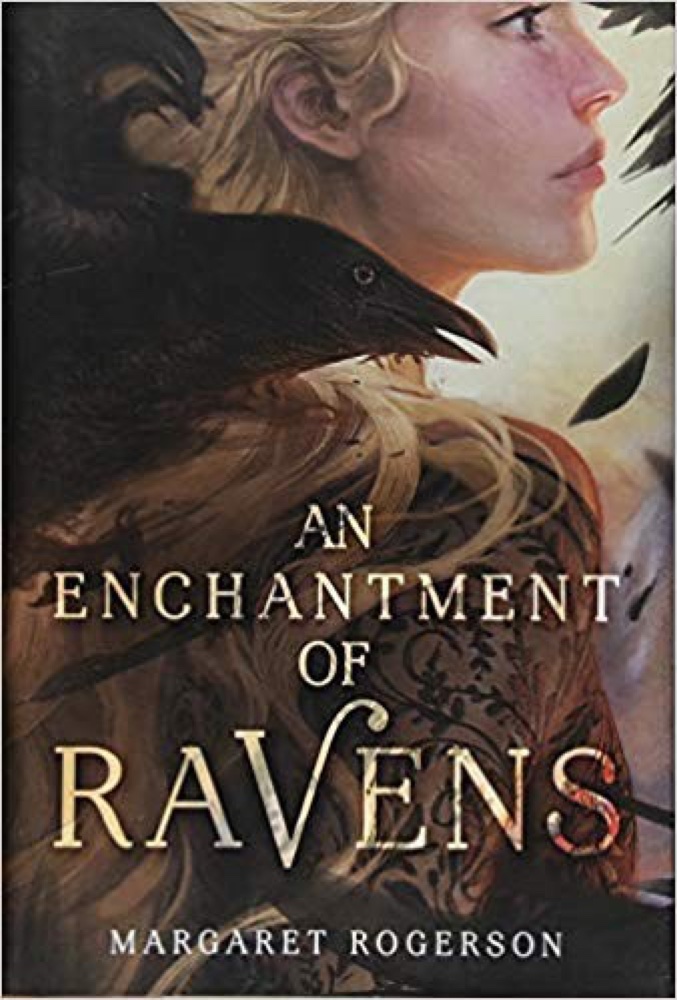 An Enchantment of Ravens
 The Grass Harp, Including A Tree of Night and Other Stories
 Thrice the Brinded Cat Hath Mew'd
 The Witching Hour
 The Sweetness at the Bottom of the Pie
 Tender Morsels
 Lady Oracle
 The Atomic Weight of Love
 Gliff
Gliff
 The Color Master: Stories
 Out of Oz
 The Stories of John Cheever
 Walk Two Moons
 Nine Princes in Amber
 Merrick
 The Bone Season
 Bitter Greens
 Winter's Bone
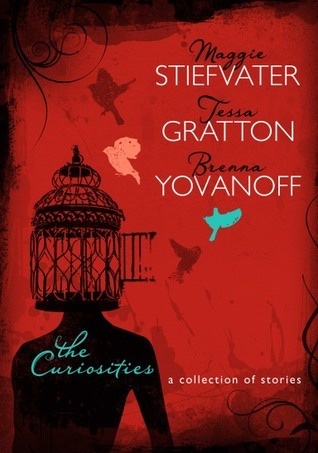 The Curiosities: A Collection of Stories
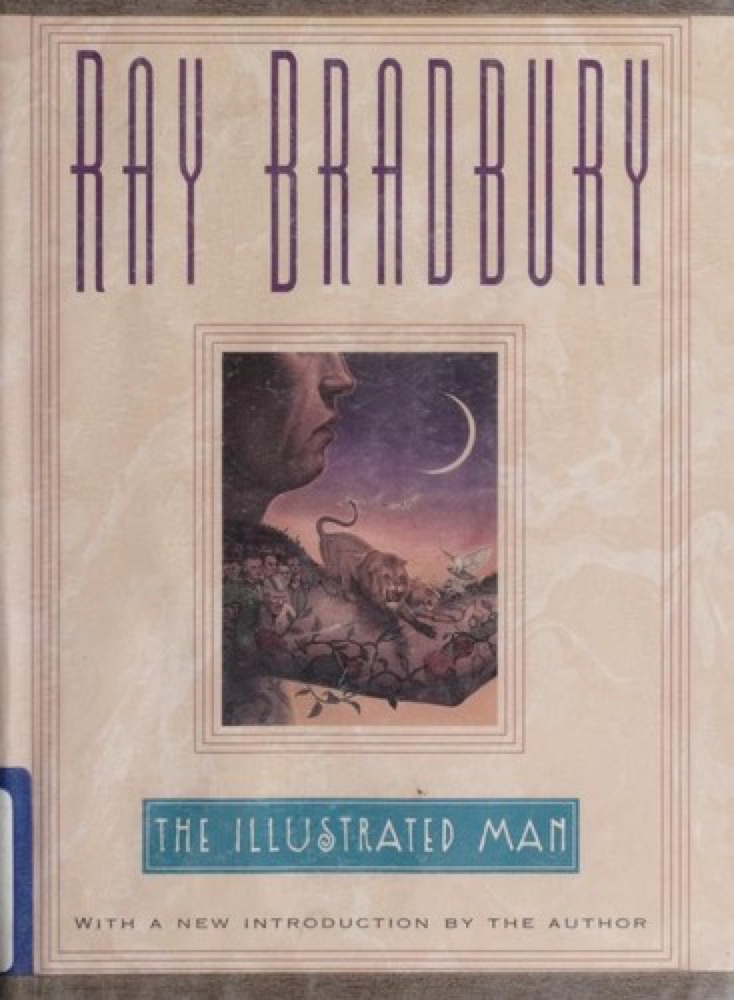 The Illustrated Man
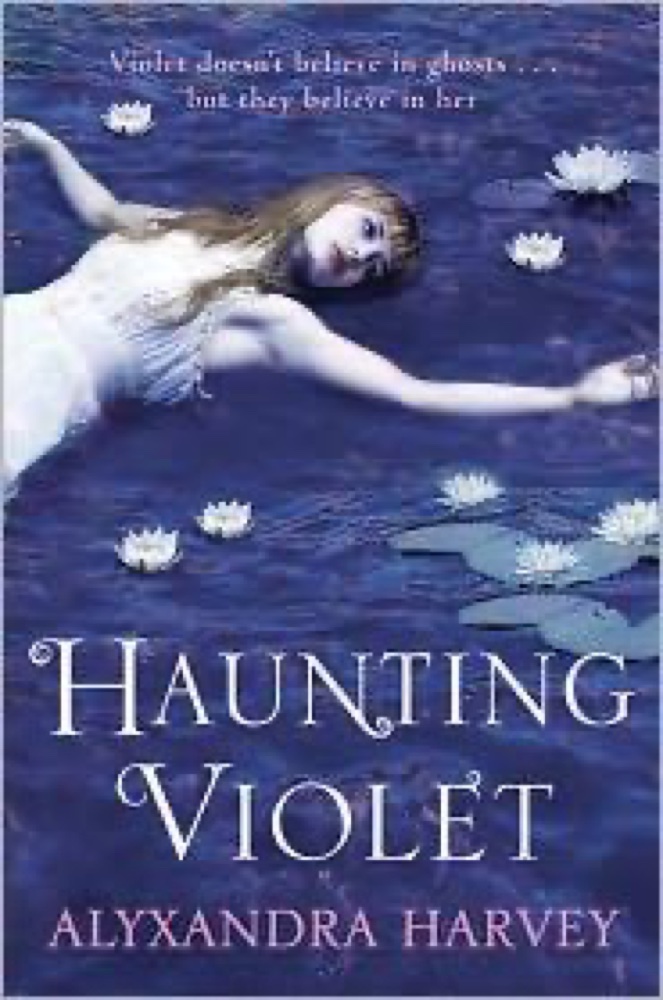 Haunting Violet
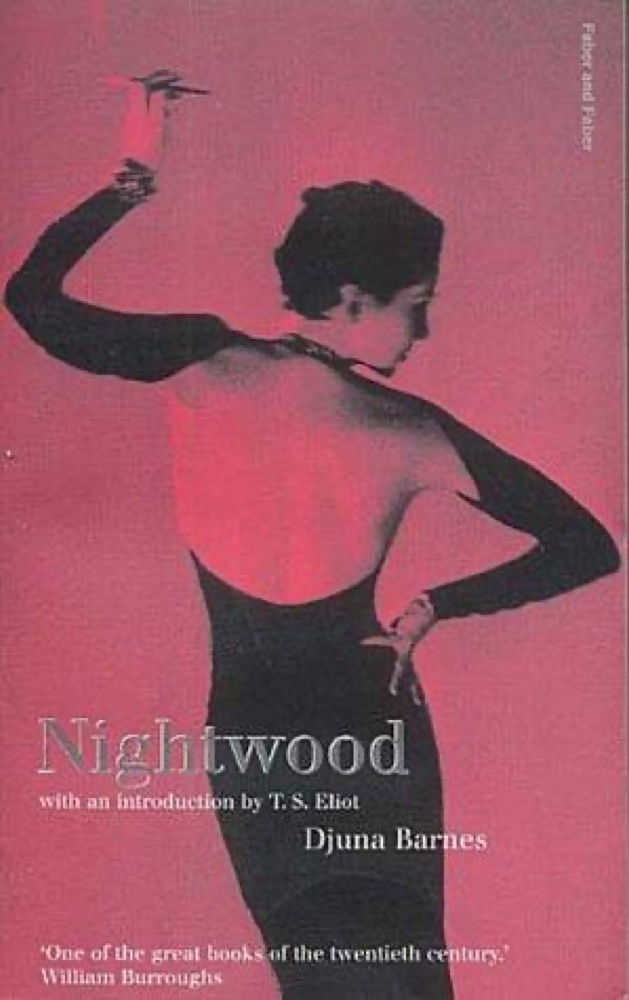 Nightwood
 Emily's Quest
 The Rook
 In the Cities of Coin and Spice
 Bluebeard's Egg
 The Blythes Are Quoted
 A Christmas Memory
 The Queen's Rising
 Weyward
 The Lovely Bones
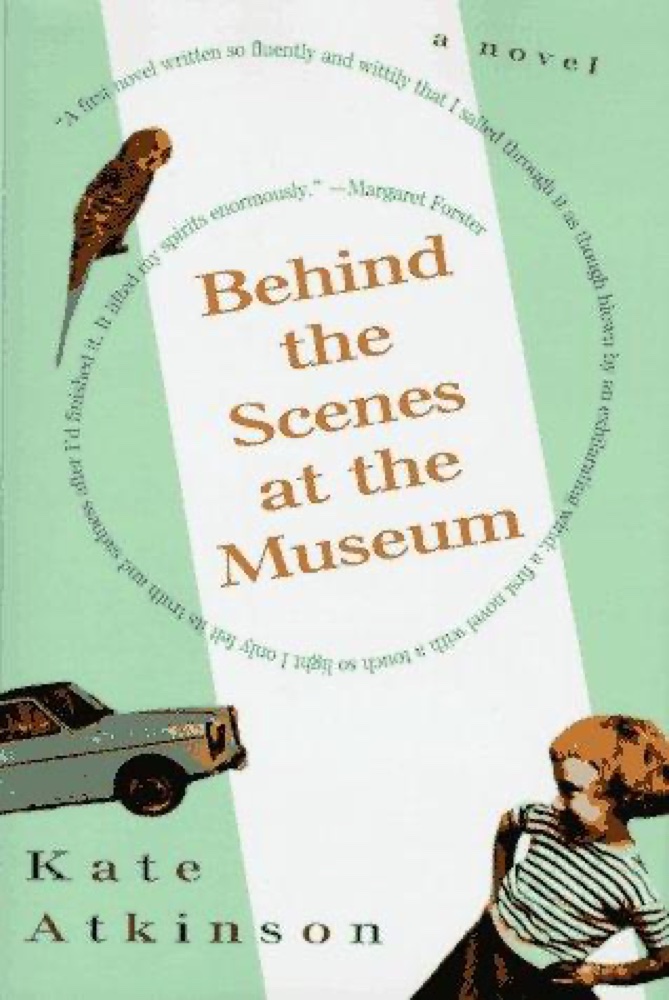 Behind the Scenes at the Museum
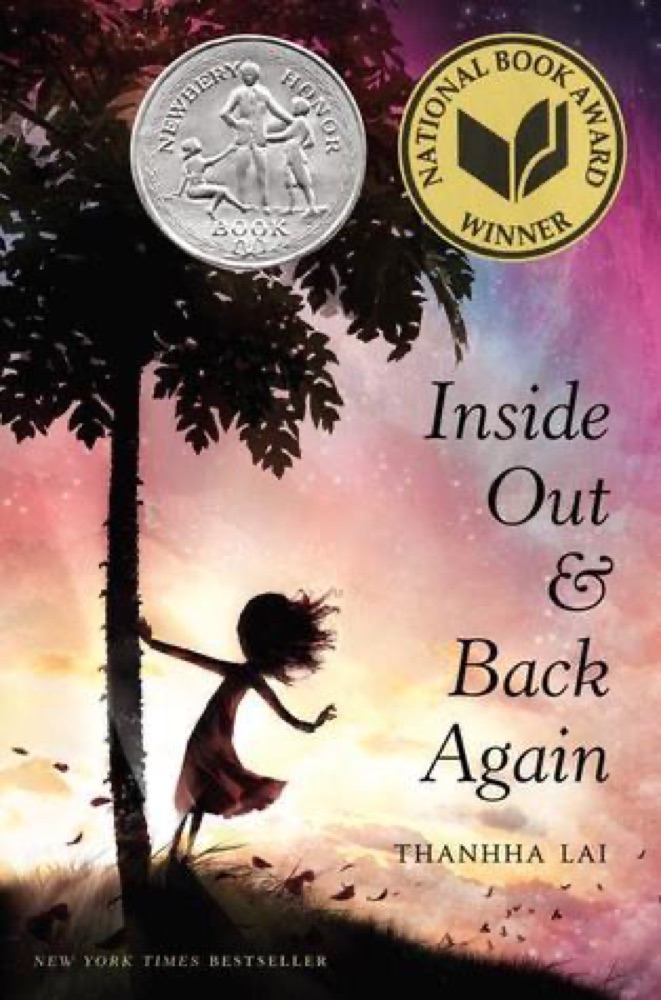 Inside Out & Back Again
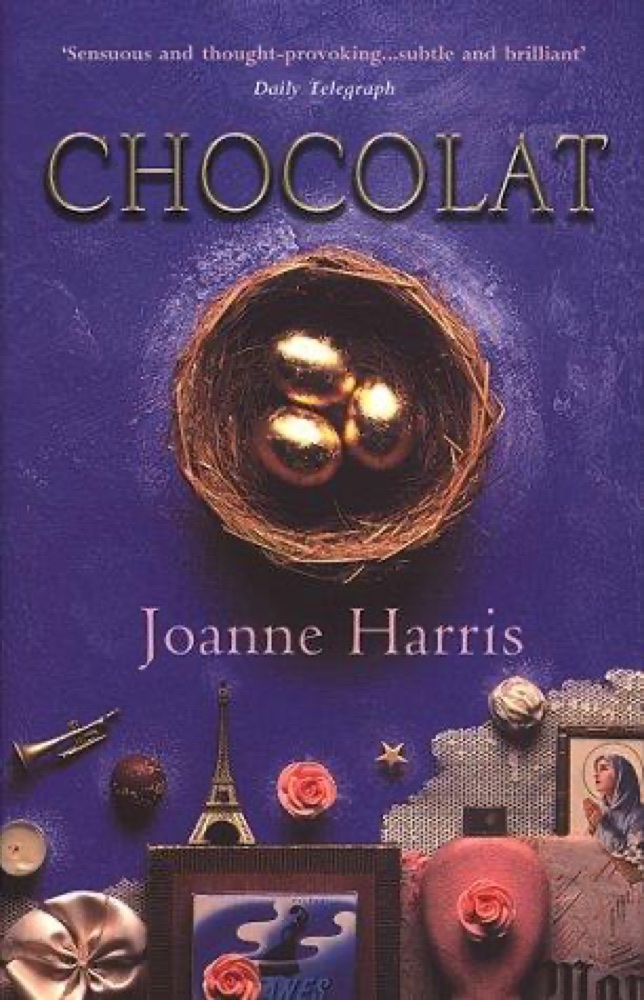 Chocolat