
 Amy and Isabelle
Quotes from the Book
And it was too late. No one wants to believe something is too late, but it is always becoming too late, and then it is.
You have family", Bob said. "You have a wife who hates you. Kids who are furious with you. A brother and sister who make you insane. And a nephew who used to be kind of a drip but apparently is not so much of a drip now. That's called family".
In case you haven't noticed, people get hard-hearted against the people they hurt. Because they can't stand it. Literally. To think we did that to someone. I did that. So we think of all the reasons why it's okay we did whatever we did.
The facts didn't matter. Their stories mattered, and each of their stories belonged to each of them alone.
And she learned - freshly, scorchingly - of the privacy of sorrow. It was as though she had been escorted through a door into some large and private club that she had not even known existed. Women who miscarried. Society did not care much for them. It really didn't. And the women in the club mostly passed each other silently. People outside the club said, "You'll have another one.
So she way awake at night and at times there was a curious peacefulness to this, the darkness warm as though the deep violet duvet held its color unseen, wrapping around Pam some soothing aspect of her youth, as her mind wandered over a life that felt puzzingly long; she experienced a quiet surprise that so many lifetimes could be fit into one.
I wrote the story, but you will bring to it your own experience of life, and some other reader will do the same, and it will become a different story with each reader. I believe that even the time in your life when you read the book will determine how you receive it. Our lives are changing constantly, and therefore not even our own story is always what we think it is.
Bob was not a young man, and he knew about loss. He knew the quiet that arrived, the blinding force of panic, and he knew that each loss brought with it some odd, barely acknowledged sense of release. He was not an especially contemplative person, and he did not dwell on this. But by October there were many days when the swell of rightness, loose-limbedness, and gentle gravity came to him. It recalled to him being a child, when he found one day he could finally color within the lines.
Pam replied that she was too old to worry about being cool, but in fact she did worry about it, and that’s one reason it was always nice to see Bobby, who was so uncool as to inhabit—in Pam’s mind—his own private condominium of coolness.
That happens in hotel rooms, people have bad dreams.
No exchange rate for the confidence of youth.
Nothing is what you imagine. Her mind hovered above this simple and alarming thought. The variables were too great, the particularities too distinct, life a flood of translations from the shadow-edged yearnings of the heart to the immutable aspects of the physical world.
It was a sad moment. There are sad moments in life, and this was one of them.
Jim. If you have any other outside events, don’t confess them. That’s my advice, okay?”“What am I going to do, Bob? I have no family.”“You have family,” Bob said. “You have a wife who hates you. Kids who are furious with you. A brother and sister who make you insane. And a nephew who used to be kind of a drip but apparently is not so much of a drip now. That’s called family.”Jim fell asleep, his head leaning forward almost to his chest
He knew the quiet that arrived, the blinding force of panic, and he knew too that each loss brought with it some odd, barely acknowledged sense of relief.
For most of the nineteen years of Zachary’s life, Susan had done what parents do when their child turns out to be so different from what they’d imagined—which is to pretend, and pretend, with the wretchedness of hope, that he would be all right. Zach would grow into himself. He’d make friends and take part in life. Grow into it, grow out of it … Variations had played in Susan’s mind on sleepless nights. But her mind had also held the dark relentless beat of doubt: He was friendless, he was quiet, he was hesitant in all his actions, his schoolwork barely adequate. Tests showed an IQ above average, no discernible learning disorders—yet the package of Zachness added up to not quite right. And sometimes Susan’s melody of failure crescendoed with the unbearable knowledge: It was her fault. How
My mother did not like Unitarians; she thought they were atheists who didn’t want to be left out of the fun of Christmas,
But the news reporters had no wish, perhaps no ability, to understand that the fishermen’s coastline had been spoiled with toxic waste, that they could not fish as they once had—Americans really did not understand desperation. It was easier, and certainly more pleasing, to view the Gulf of Aden as a lawless place where Somali pirates reigned. A crazy parent, America was. Good and openhearted one way, dismissive and cruel in others.
In case you haven’t noticed, people get hard-hearted against the people they hurt. Because we can’t stand it. Literally. To think we did that to someone. I did that. So we think of all the reasons why it’s okay we did whatever we did.
They say that’s what happens as you get older. You think about the things of your youth.
The truth is, Bob, they need those immigrants. Maine’s been losing its young people—you and I are a perfect case in point. And the truth also is: That’s sad.
Who’s going to take care of all those old white people? Where are new businesses going to come from?” Bob
boys. Defense attorneys for the whole crappy world.” Bob’s new apartment
cell phone. He gave her more water, told her to drink it slowly, then began leading her back the way they had come; her legs were
it was new, what he saw on the Internet, the cool statements of superiority so deeply believed in, that anyone not white should, as one person had written, “be exterminated as easily as we do rats.” Gerry didn’t share with his wife the things he read. “Cowards,” he did say. “You can be anonymous, that’s what’s the trouble with the Internet.” Each night now Gerry took a sleeping pill.
Helen worked in her back garden, planting her tulip and crocus bulbs. Her irritation with the world had dampened into a cushion of soft melancholy that went with her everywhere.
Jim, because he was angry even back then and trying to control it, she felt, and Bob because his heart was big. She didn’t care much for Susan. “Nobody did, far as I know,” she said.
They’re not crazy. They’re exhausted. And partly they’re exhausted by people like you reading about the most inflammatory aspects of their culture in some book club, and then getting to hate them for it, because deep down that’s what we ignorant, weenie Americans, ever since the towers went down, really want to do. Have permission to hate them.
Abdikarim shook his head in his darkened room, sweat coming from his face down onto his neck. “No, he cuts my heart. You didn’t see him. He’s not what we saw in the newspaper. He’s a frightened …” finishing softly: “child.” “We live now where there are laws,” Haweeya said soothingly. “He’s frightened because he broke the law.” Abdikarim continued to shake his head. “It is not right,” he whispered, “for anyone, with laws or without, to continue making fear.
But in glimpses of herself—shouting at Steve, at Zach—she recognized her own mother, and Susan’s face burned with shame. She had never seen what she saw now: that her mother’s fits of fury had made fury acceptable, that how Susan had been spoken to became the way she spoke to others. Her mother had never said, Susan, I’m sorry, I should not have spoken to you that way. And so years later, speaking that way herself, Susan had never apologized either. And it was too late. No one wants to believe something is too late, but it is always becoming too late, and then it is.
Watch on YouTube
About Elizabeth Strout
We have collected 81 quotes from 4 books by Elizabeth Strout on BookQuoters.
More about the author →More by Elizabeth Strout


Book details
- Author
- Elizabeth Strout
- Genre
- Fiction
- Goodreads rating
- 3.66 (73k ratings) →
The buzz
- The New York TimesReview in The New York Timesprofessional review (via Book Marks)
- The Washington PostReview in The Washington Postprofessional review (via Book Marks)
- The GuardianReview in The Guardianprofessional review (via Book Marks)
- NPRReview in NPRprofessional review (via Book Marks)
- Kirkus ReviewsReview in Kirkus Reviewsprofessional review (via Book Marks)
- Publishers WeeklyReview in Publishers Weeklyprofessional review (via Book Marks)
Keep reading
 Hush
Hush
 The Night in Question
 The Shipping News
 Leave the World Behind
 A Rule Against Murder
 A Death in the Family
 They Call Her Dirty Sally
 Another Country
 The Round House
 Where Things Come Back
 Mystic River
 Tell No One
 Notes on Your Sudden Disappearance
 The Corrections
 The Whisper Man
 Three Wishes
 Orient
 The Emperor of Gladness
 Hold Tight
 In the Miso Soup
 The Brutal Telling
 Dinner at the Homesick Restaurant
 Perfect
 Tenth of December
 Glass Houses
 The Sweet Hereafter
 Mayflies
 One Hundred Names
 So Long, See You Tomorrow
 A Slow Fire Burning
 The Naked and the Dead
 Freedom
 Milkman
 The Twelve
 The Brothers K
 A Spot of Bother
 The Institute
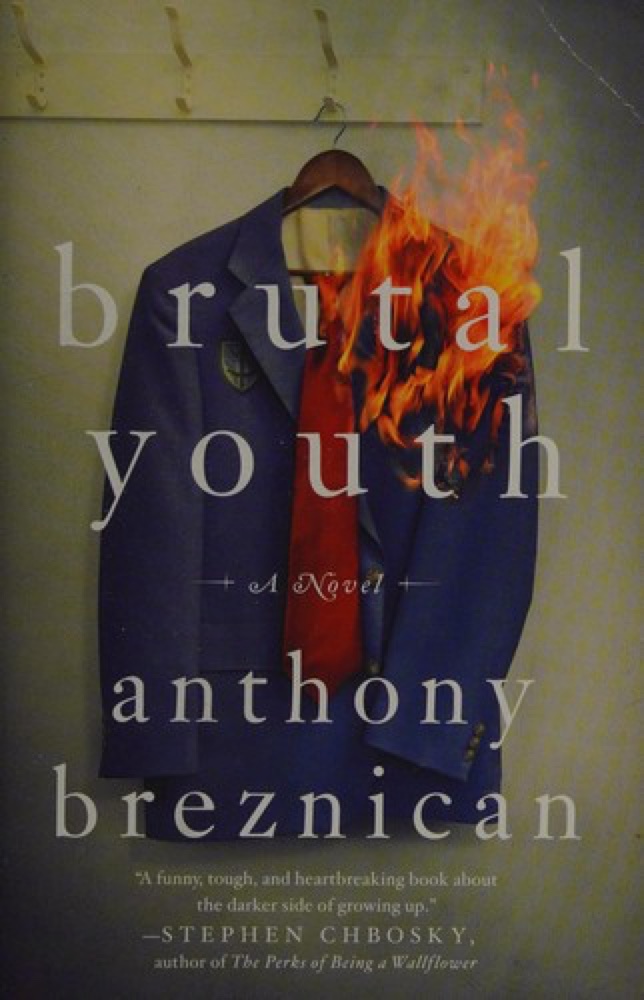 Brutal Youth
 The Son
 Revolutionary Road
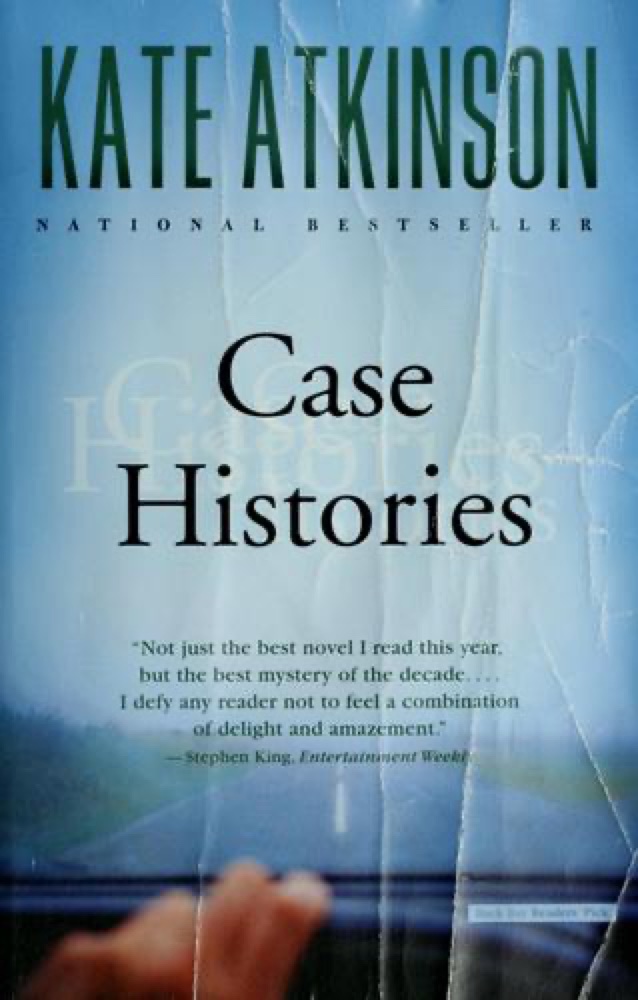 Case Histories
 20th Century Ghosts
 The Guest
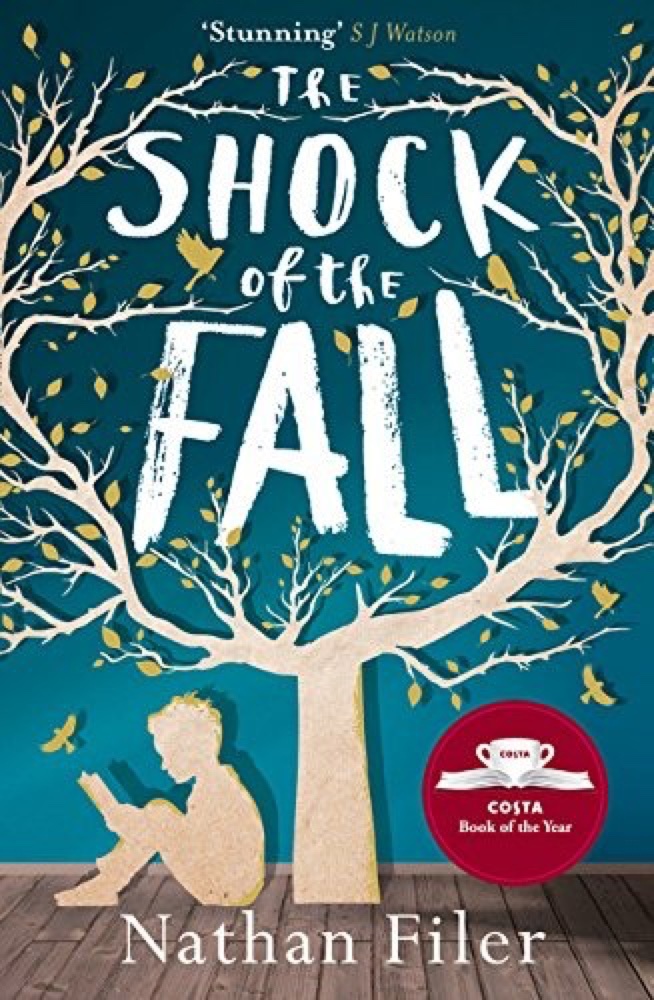 The Shock of the Fall
 Men We Reaped
 Welcome to Night Vale
 The Innocent
 A Spool of Blue Thread
 The Chocolate War
 Close
Close
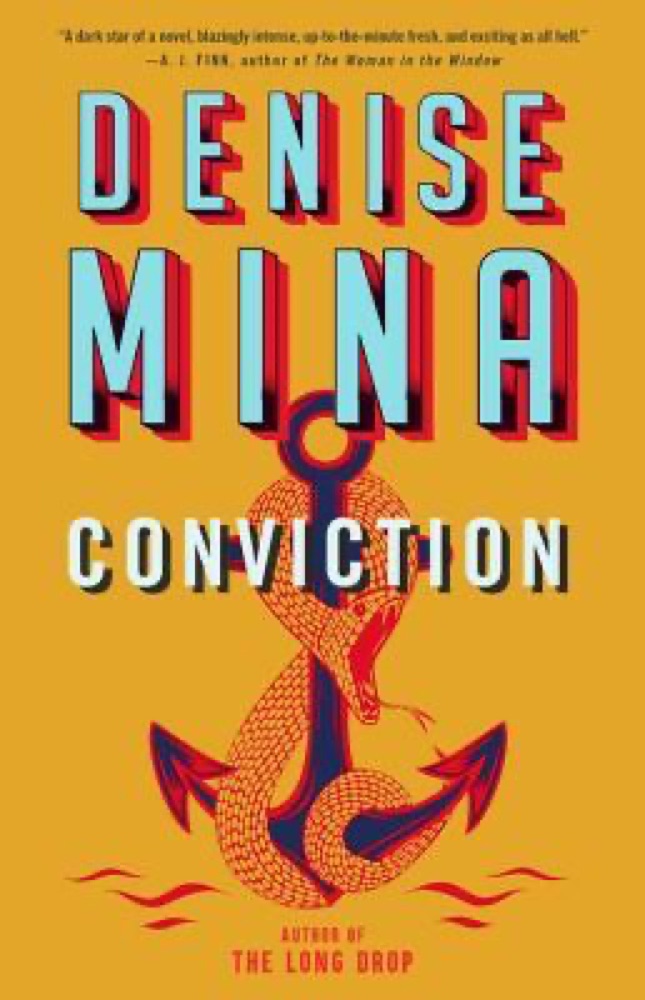 Conviction
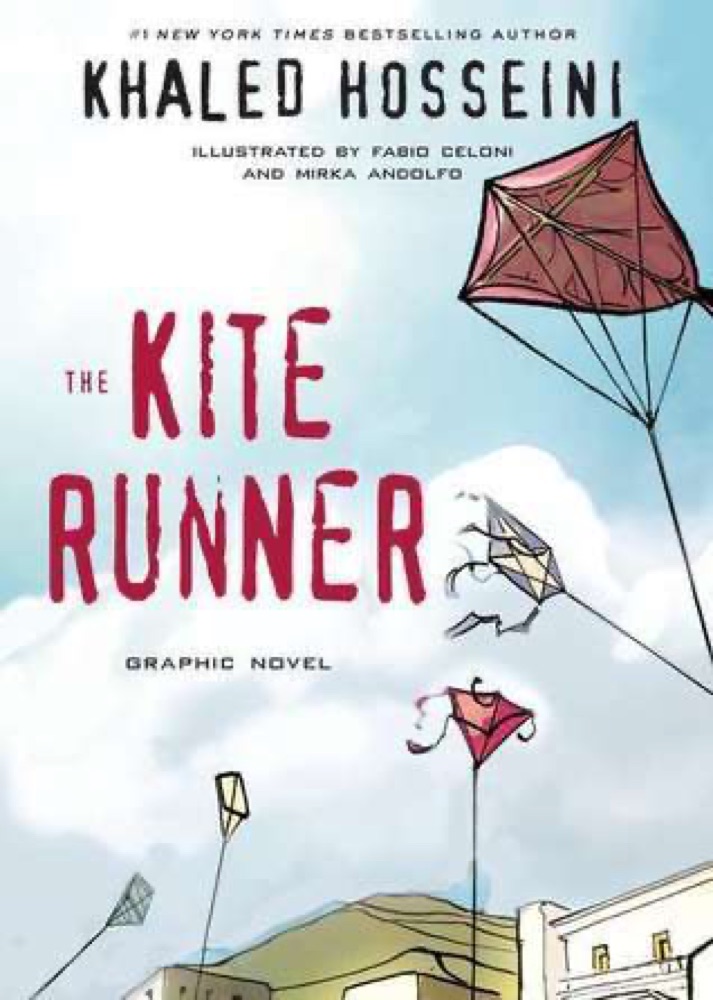 The Kite Runner
 Light in August
 Babylon's Ashes
 The Quick and the Dead
 Home
Home
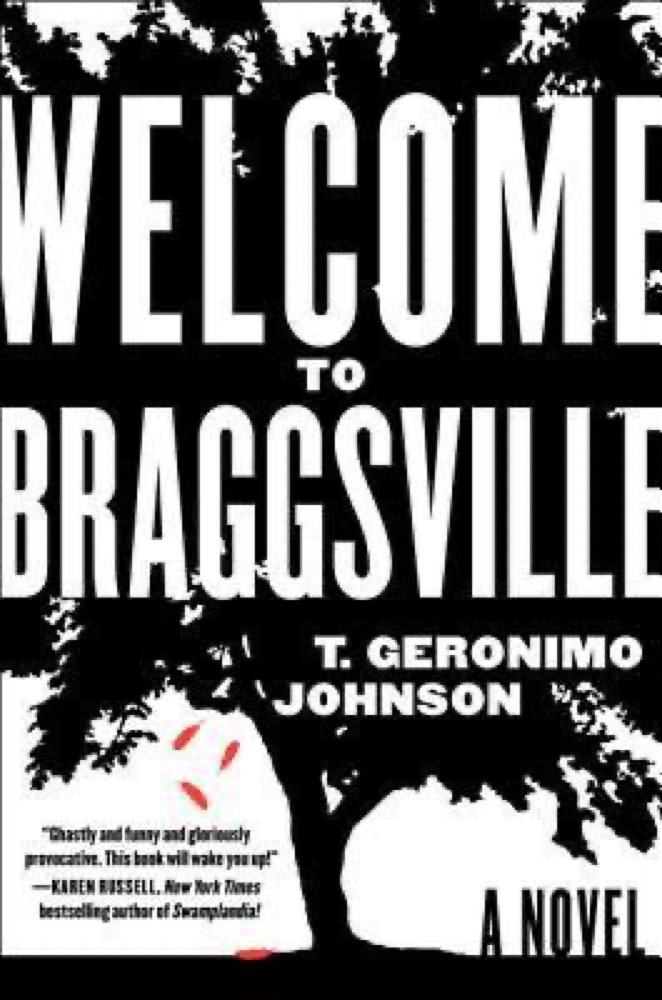 Welcome to Braggsville
 Too Much Happiness: Stories
 We Were the Mulvaneys