
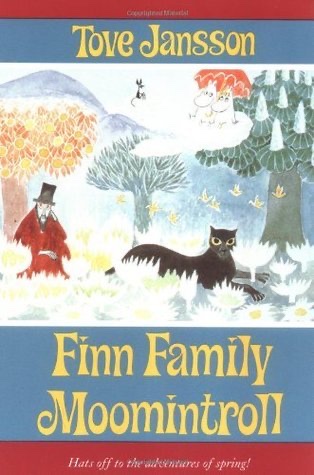
 Finn Family Moomintroll
Quotes from the Book
It was simply that she was only fully alive when she devoted herself to her singular ability to draw, and when she drew she was naturally always alone.
24
Nothing can be as peaceful and endless as a long winter darkness, going on and on, like living in a tunnel where the dark sometimes deepens into night and sometimes eases to twilight, you're screened from everything, protected, even more alone than usual.
12
Before she left, she said, "Just remember one thing: Going along with something doesn't mean you give in to it.[...]
10
If she really were what she pretends to be, everything would have been wrong, everything I did and said and tried to get her to see, it would all have been monstrous. But her innocence left her a very long time ago, and she never noticed. She eats only grass, but she has a meat eater’s heart. And she doesn’t know it, and no one has told her. Maybe they don’t care enough about her to take the chance. What should I do? How many different truths are there, and what justifies them? What a person believes? What a person accomplishes? Self-deception? Is it only the result that counts? I no longer know.
6
Does your sister read our books?” Anna wanted to know. “No. She reads literature.
6
You sentimentalise them because they're little," she said. "But the format doesn't matter. I have gradually learned that everyone, absolutely everyone of every size, is out to get something. People want things. It comes to them naturally. Of course they get more skilful with age, and they're no longer so disarmingly obvious, but the goal doesn't change. Your children simply haven't had time to learn how it's done. That's what we call innocence.
6
I remember the dog at home, when I was a girl; the one that killed chickens. They tied a dead hen around his neck and he carried it around with him all day until he just lay there unmoving with his eyes shut in a morass of shame. It was cruel. There's nothing so hideously easy as giving someone a bad conscience.
6
Oh, Anna Aemelin, the only thing you care about is your own conscience. That's what you cherish. You're a charming little liar.
5
Why aren’t people afraid of their dogs? How long can what was once a wild animal deny its wildness?
4
The wind had risen. It pressed snow against the windows with a powerful whispering that had followed the people of the village for a long, long time. Between squalls there was silence.
4
Anyone can lose his temper and fly off the handle. But it’s better than being mean.
3
A great sadness gripped her. It can be sad having a friend you’ve admired too much and seen too rarely and told too many things that you should have kept to yourself.
3
Dogs are mute and obedient, but they have watched us and know us and can smell how pitiful we are. It should astonish us, move us, overwhelm us that our dogs continue, incredibly, to follow us and obey us. Maybe they despise us. Maybe they forgive us. Or maybe they like having no responsibility. We’ll never know. Maybe they see us as some sort of unfortunate race of overgrown, misshapen beings, like huge sluggish beetles. Not gods. Dogs must have seen through us, they must possess a crushing insight that thousands of years of obedience holds in check.
3
She had picked the spot the day before and carried out a stool low enough to sit on and still have her paintbox and her water cup within reach. Anna didn't use an easel. Easels seemed to her an altogether too assertive aid, too obvious. She liked to work as unobtrusively as possible, the paper spread on a board in her lap, close to her hand.
3
Finally Anna picked up the letters again, searched through them, fastened her eyes on Katri, and said, "This is wrong! Here you're not me! If a child is mad at her parents it's no comfort that the parents may be having troubles of their own. That's the wrong comfort! I never would have written that. Parents have to be strong and perfect of the child can't believe in them. You'll have to fix it." Katri's reaction was suddenly vehement. "But how can they rely on what's not reliable? For how many years do we fool these children into believing in something they shouldn't believe in? They have to learn early, or they'll never manage on their own.
3
This wasn't at all what I wanted to talk about, which is this: How did the rabbits get all covered with flowers?" "Tell them it's a secret. Tell them they don't need to know." "Exactly," said Anna. "You're right. That's the best thing you've said tonight. They don't need to know, and I don't want to know. So there!
3
A contract," Katri went on earnestly. "A contract is really much more remarkable than you might think. It doesn't just bind. I've noticed that for some people it's a relief to live with a contract. It frees them from indecision and confusion, they no longer have to choose. Both sides have agreed to share and assume responsibilities. It is, or ought to be, a deliberate promise where people have at least tried to be fair.
3
She could easily have remarked on the heavy skiing weather, or asked how he could even see the road, or complained about the town not getting its ploughs out-- anything at all to show interest or pretend to show interest, the way people talk to make things a little more pleasant-- but no, not Katri Kling. There she stood squinting through her cigarette smoke, her black hair like a mane shrouding her face as she leaned over the table.
3
The dog continued to bark at night, sometimes far away, sometimes close to the house. Towards morning, he would howl. It could be quiet for hours, but there were those who lay in bed waiting for the next howl, and they would say, "Did you hear that? It's like having a wolf in the woods. An unhappy woman has an unhappy dog. It ought to be shot." Katri did not talk about the dog, but she put out food and water in the yard. Sometimes at night Mats would wait by the kitchen window with the light off and the door open. He saw the dog only once, just as it was growing light, and he went very slowly out on the steps and tried to coax it in. But it ran off into the woods, so he gave up.
3
When Mats came in the evenings, they would drink tea in the kitchen while reading their books and talking about them. If Katri came in, they were quiet and waited for her to leave. The back door would close, and Katri would have gone. “Does your sister read our books?” Anna wanted to know. “No. She reads literature.
3
It can be sad having a friend you've admired too much and seen too rarely and told too many things that you should have kept to yourself.
2
Tell them it's a secret. Tell them they don't need to know.
2
Watch on YouTube
About Tove Jansson
We have collected 198 quotes from 13 books by Tove Jansson on BookQuoters.
More about the author →More by Tove Jansson
All books by Tove Jansson →
About the book
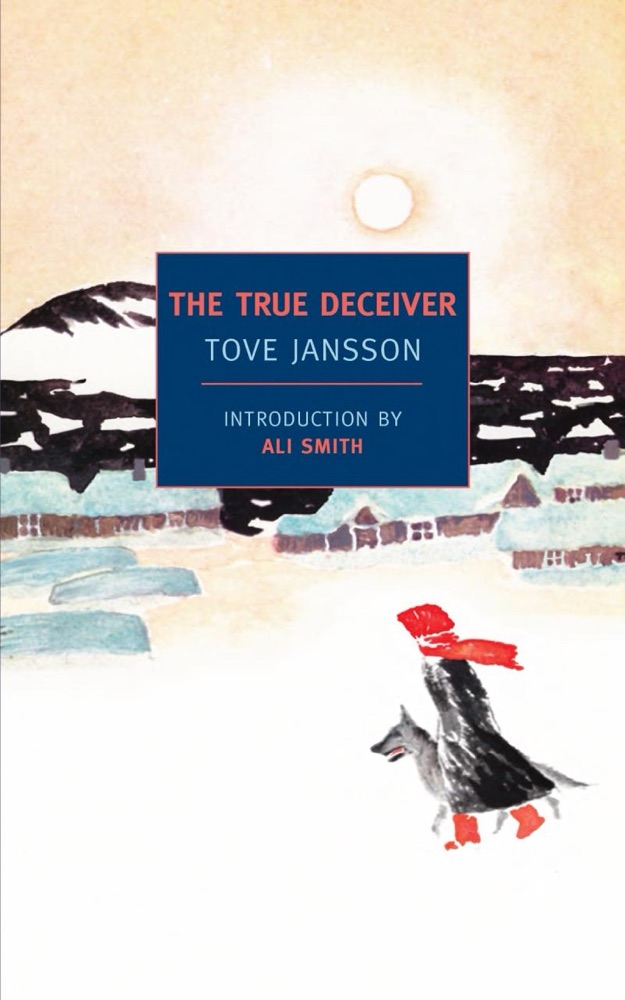
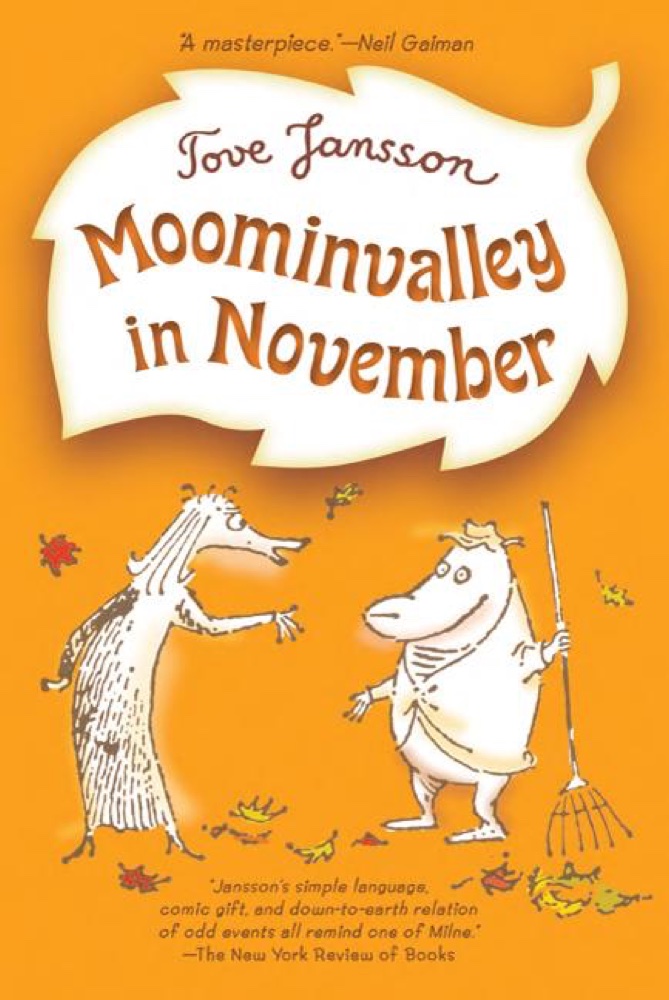
A New York Review Books OriginalThe lies we tell ourselves and the lies we tell others—is the subject of this, Tove Jansson’s most unnerving and unpredictable novel. Here Jansson takes a darker look at the subjects that animate the best of her work, from her sensitive tale of island life, The Summer Book, to her famous Moomin stories: solitude and community, art and life, love and hate. Snow has been falling on the village all winter long. It covers windows and piles up in front of doors. The sun rises late and sets early, and even during the day there is little to do but trade tales. This year everybody’s talking about Katri Kling and Anna Aemelin. Katri is a yellow-eyed outcast who lives with her simpleminded brother and a dog she refuses to name. She has no use for the white lies that smooth social intercourse, and she can see straight to the core of any problem. Anna, an elderly chil
Book details
- First published
- 1982
- Author
- Tove Jansson
- Genre
- Fiction
- Goodreads rating
- 3.81 (8k ratings)
Keep reading
 The Moving Finger
 The Summer Book
 Lisey's Story
 Too Much Happiness: Stories
 Conviction
 The Absolute Book
 Mr. Fox
 Snake-Eater
 The Summer Children
 What Is Not Yours Is Not Yours
 Old Babes in the Wood: Stories
![What Was She Thinking? [Notes on a Scandal]](/i/book/g/08/what-was-she-thinking-notes-on-a-scandal.jpg) What Was She Thinking? [Notes on a Scandal]
What Was She Thinking? [Notes on a Scandal]
 Idaho
Idaho
 Hush
Hush
 Gingerbread
 Juliet, Naked
 Pet
Pet
 I Hold a Wolf by the Ears: Stories
 Wintersmith
 The Raven and the Reindeer
 The God of the Woods
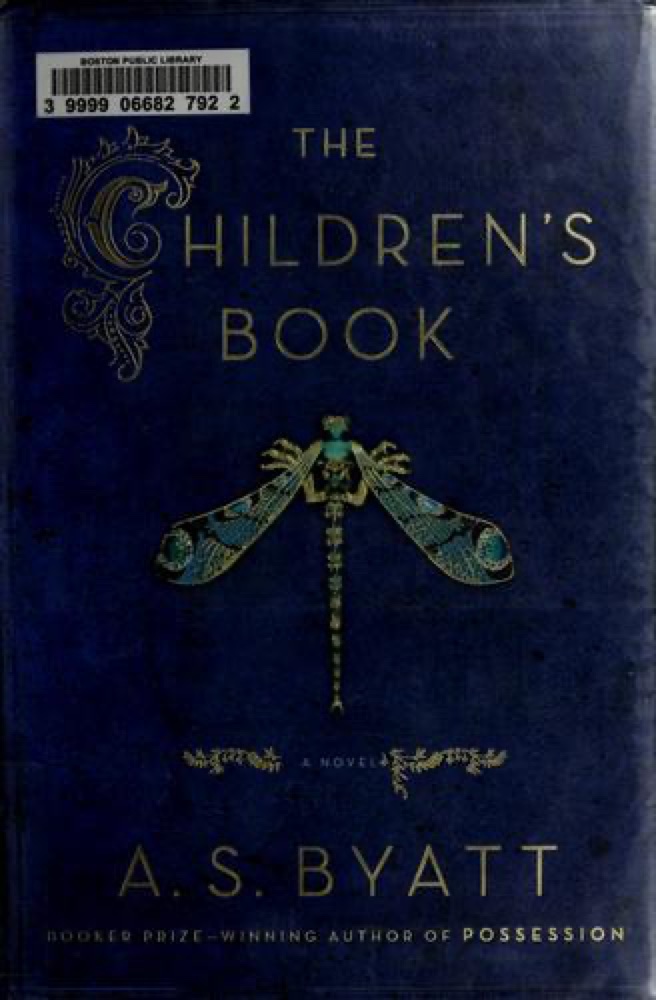 The Children's Book
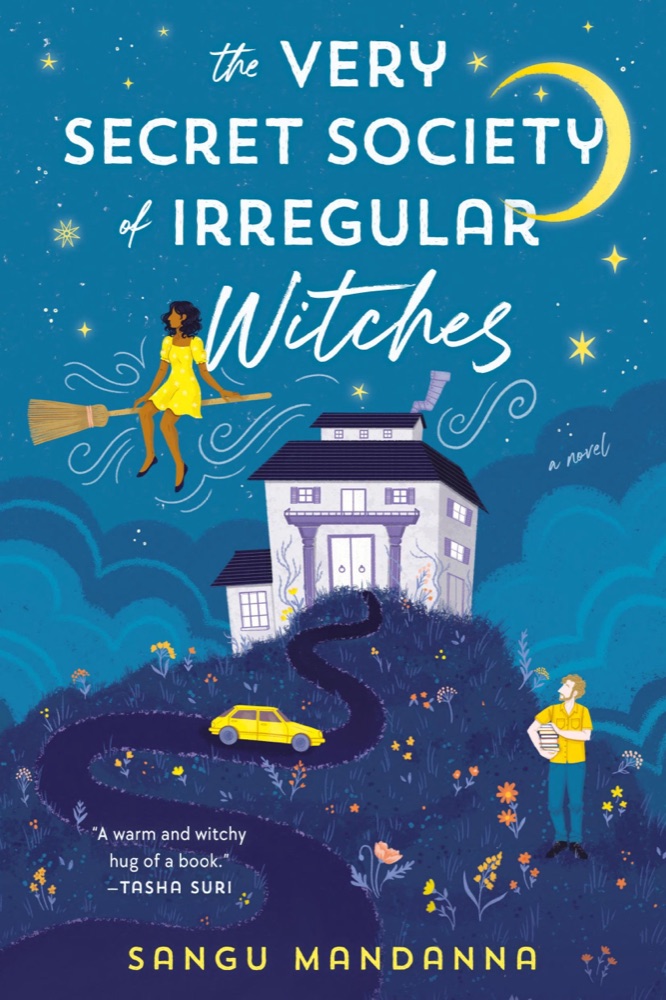 The Very Secret Society of Irregular Witches
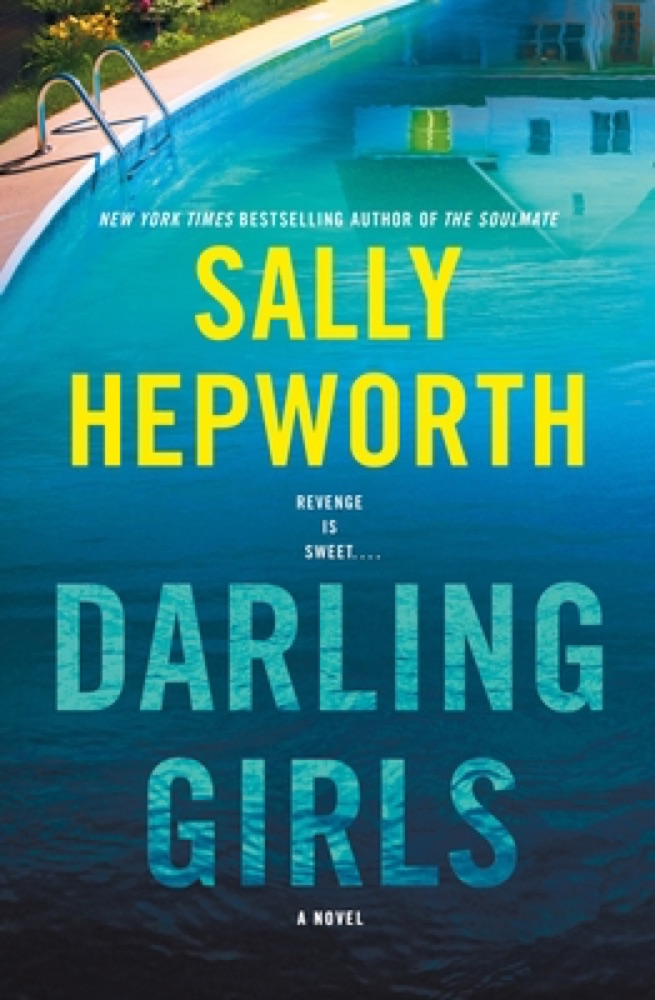 Darling Girls
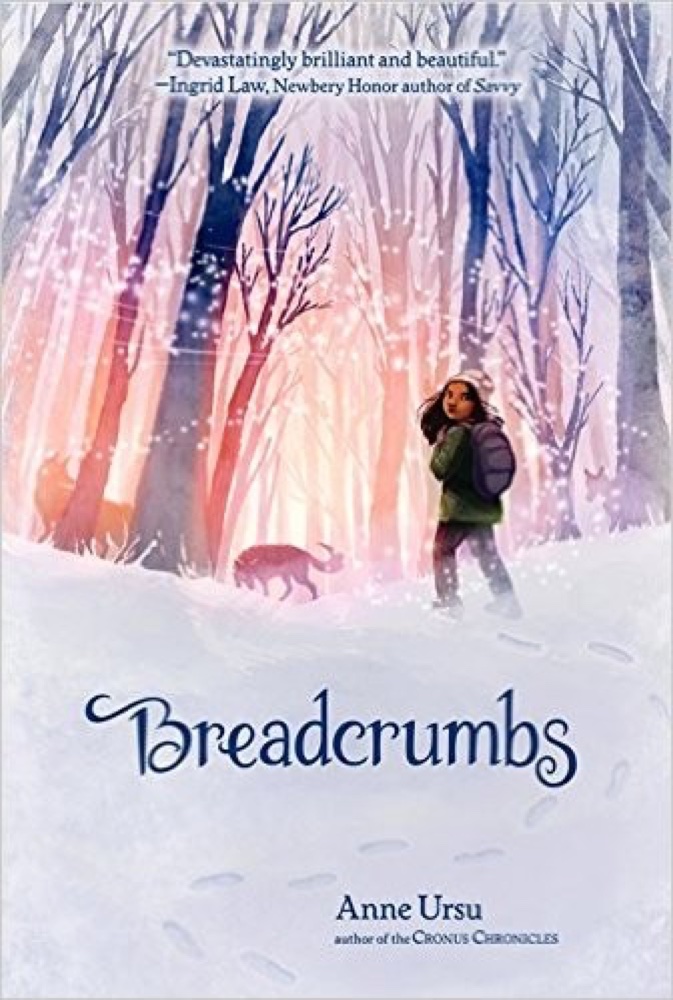 Breadcrumbs
 Palimpsest
 The Storyteller
 As Red as Blood
 Before the Frost
 Confessions on the 7:45
 House of Glass
 Black River Orchard
 Plain Truth
 The Witch of Little Italy
 Bluebeard's Egg
 Tell No One
 Bone Gap
 Pretty Monsters: Stories
 The Friend
 Sarah's Key
 Homecoming
 Hemlock & Silver
 One Hundred Names
 Milkman
 Lila
Lila
 The Cat Who Saved the Library
 The Secret Place
 The Expats
 Firefly Beach
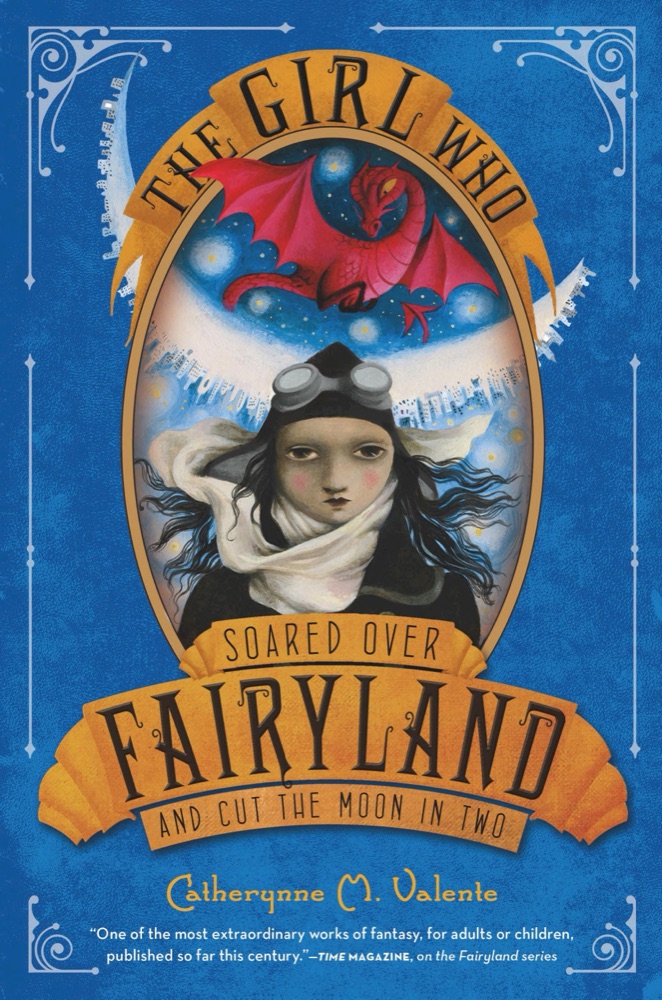 The Girl Who Soared Over Fairyland and Cut the Moon in Two
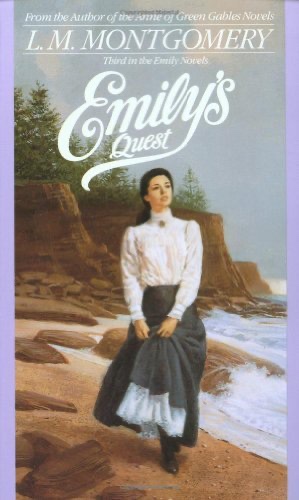 Emily's Quest
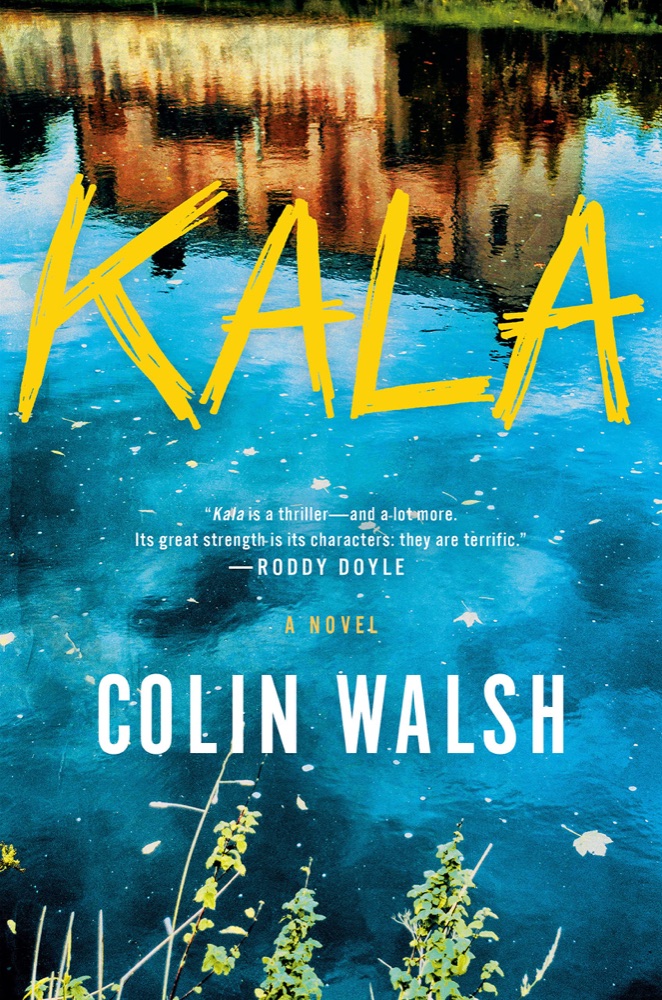 Kala
Kala
 Dept. of Speculation
 The Ghostwriter
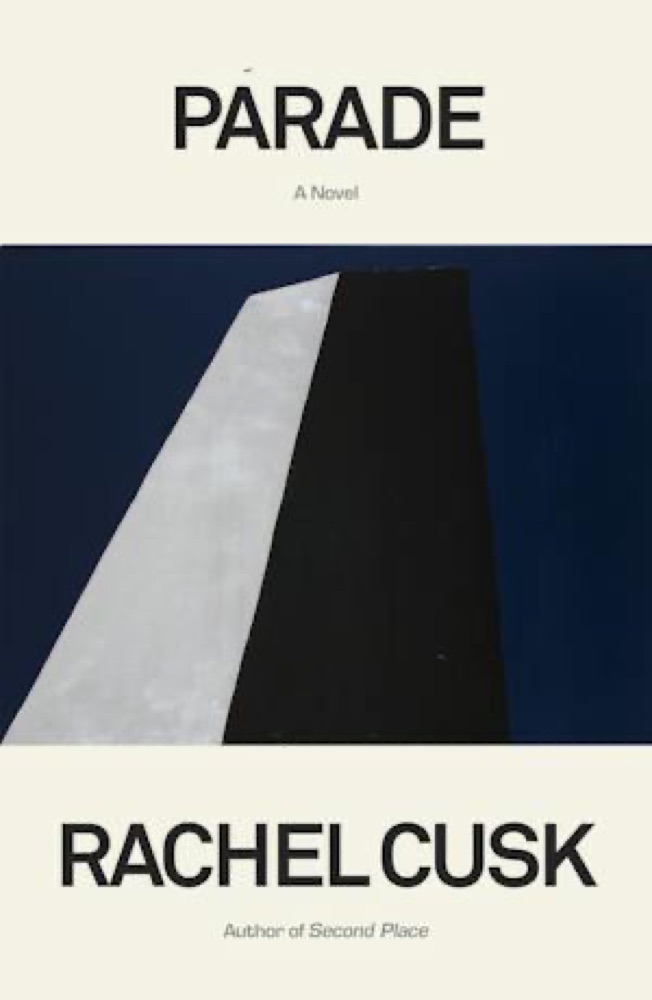 Parade
 NW
NW
 A Children's Bible
 The Subtle Knife