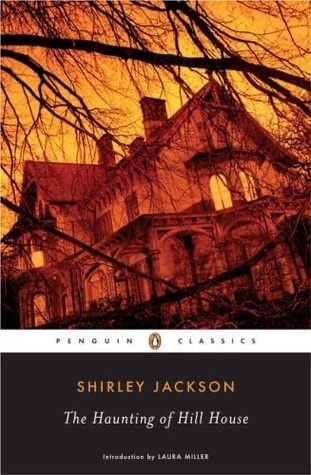

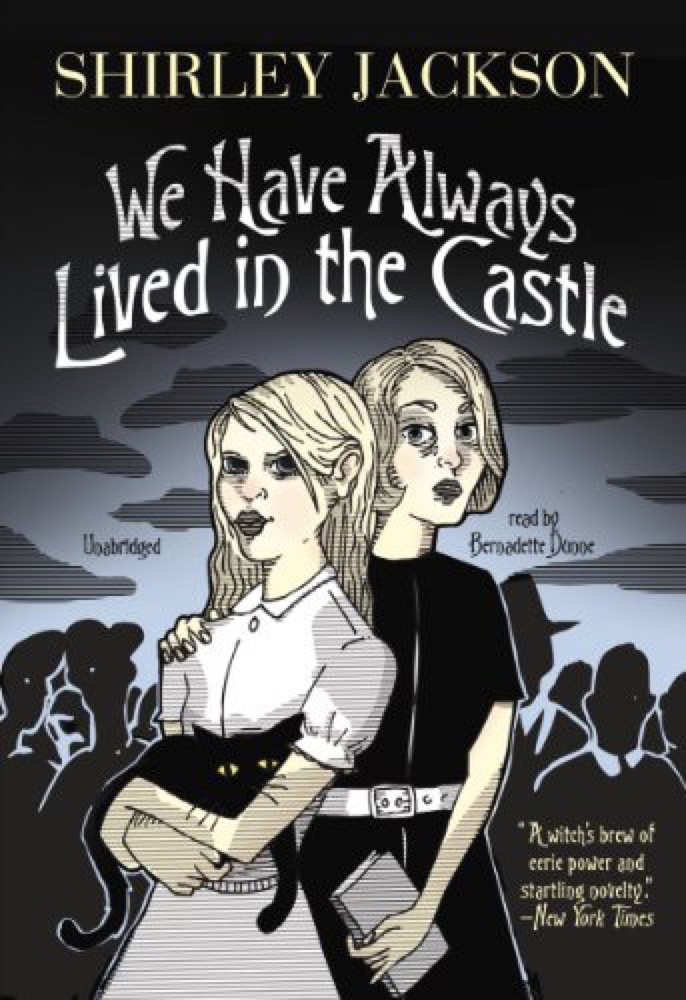
 We Have Always Lived in the Castle
Quotes from the Book
No live organism can continue for long to exist sanely under conditions of absolute reality.
No live organism can continue for long to exist sanely under conditions of absolute reality; even larks and katydids are supposed, by some, to dream.
No live organism can continue for long to exist sanely under conditions of absolute reality; even larks and katydids are supposed, by some, to dream. Hill House, not sane, stood by itself against its hills, holding darkness within; it had stood so for eighty years and might stand for eighty more. Within, walls continued upright, bricks met neatly, floors were firm, and doors were sensibly shut; silence lay steadily against the wood and stone of Hill House, and whatever walked there, walked alone.
Am I walking toward something I should be running away from?
Eleanor looked up, surprised; the little girl was sliding back in her chair, sullenly refusing her milk, while her father frowned and her brother giggled and her mother said calmly, 'She wants her cup of stars.' Indeed yes, Eleanor thought; indeed, so do I; a cup of stars, of course. 'Her little cup,' the mother was explaining, smiling apologetically at the waitress, who was thunderstruck at the thought that the mill's good country milk was not rich enough for the little girl. 'It has stars in the bottom, and she always drinks her milk from it at home. She calls it her cup of stars because she can see the stars while she drinks her milk.' The waitress nodded, unconvinced, and the mother told the little girl, 'You'll have your milk from your cup of stars tonight when we get home. But just for now, just to be a very good little girl, will you take a little milk from this glass?' Don't do it, Eleanor told the little girl; insist on your cup of stars; once they have trapped you into being like everyone else you will never see your cup of stars again; don't do it; and the little girl glanced at her, and smiled a little subtle, dimpling, wholly comprehending smile, and shook her head stubbornly at the glass. Brave girl, Eleanor thought; wise, brave girl.
I am like a small creature swallowed whole by a monster, she thought, and the monster feels my tiny little movements inside.
Fear," the doctor said, "is the relinquishment of logic, the willing relinquishing of reasonable patterns. We yield to it or we fight it, but we cannot meet it halfway.
I could live there all alone, she thought, slowing the car to look down the winding garden path to the small blue front door with, perfectly, a white cat on the step. No one would ever find me there, either, behind all those roses, and just to make sure I would plant oleanders by the road. I will light a fire in the cool evenings and toast apples at my own hearth. I will raise white cats and sew white curtains for the windows and sometimes come out of my door to go to the store to buy cinnamon and tea and thread. People will come to me to have their fortunes told, and I will brew love potions for sad maidens; I will have a robin...
She had taken to wondering lately, during these swift-counted years, what had been done with all those wasted summer days; how could she have spent them so wantonly? I am foolish, she told herself early every summer, I am very foolish; I am grown up now and know the values of things. Nothing is ever really wasted, she believed sensibly, even one's childhood, and then each year, one summer morning, the warm wind would come down the city street where she walked and she would be touched with the little cold thought: I have let more time go by.
Don't do it, Eleanor told the little girl; insist on your cup of stars; once they have trapped you into being like everyone else you will never see your cup of stars again; don't do it; and the little girl glanced at her, and smiled a little subtle, dimpling, wholly comprehending smile, and shook her head stubbornly at the glass. Brave girl, Eleanor thought; wise, brave girl.
All I could think of when I got a look at the place from the outside was what fun it would be to stand out there and watch it burn down.
Within, walls continued upright, bricks met neatly, floors were firm, and doors were sensibly shut; silence lay steadily against the wood and stone of Hill House, and whatever walked there, walked alone.
Gossip says she hanged herself from the turret on the tower, but when you have a house like Hill House with a tower and a turret, gossip would hardly allow you to hang yourself anywhere else.
Journeys end in lovers meeting; I have spent an all but sleepless night, I have told lies and made a fool of myself, and the very air tastes like wine. I have been frightened half out of my foolish wits, but I have somehow earned this joy; I have been waiting for it for so long.
Why do people want to talk to each other? I mean, what are the things people always want to find out about other people?
God! Whose hand was I holding?
Hill House, she thought, You're as hard to get into as heaven.
No, the menace of the supernatural is that it attacks where modern minds are weakest, where we have abandoned our protective armor of superstition and have no substitute defense.
It was a house without kindness, never meant to be lived in, not a fit place for people or for love or for hope. Exorcism cannot alter the countenance of a house ; Hill House would stay as it was until it was destroyed.
It watches," he added suddenly. "The house. It watches every move you make.
You never know what you are going to want until you see it clearly.
Let him be wise, or let me be blind; don't let me, she hoped concretely, don't let me know too surely what he thinks of me.
Around her the trees and wild flowers, with that oddly courteous air of natural things suddenly interrupted in their pressing occupations of growing and dying, turned toward her with attention, as though, dull and imperceptive as she was, it was still necessary for them to be gentle to a creation so unfortunate as not to be rooted in the ground, forced to go from one place to another, heart-breakingly mobile.
Don't do it, Eleanor told the little girl; insist on your cup of stars; once they have trapped you into being like everyone else you will never see your cup of stars again
Materializations are often best produced in rooms where there are books. I cannot think of any time when materialization was in any way hampered by the presence of books.
She could not remember ever being truly happy in her adult life; her years with her mother had been built up devotedly around small guilts and small reproaches, constant weariness, and unending despair. Without ever wanting to become reserved and shy, she had spent so long alone, with no one to love, that it was difficult for her to talk, even casually, to another person without self-consciousness and an awkward inability to find words.
No live organism can continue for long to exist sanely under conditions of absolute reality; even larks and katydids are supposed, but some, to dream.
He is altogether selfish, she thought in some surprise, the only man I have ever sat and talked to alone, and I am impatient; he is simply not very interesting.
Now we are going to have a new noise, Eleanor thought, listening to the inside of her head; it is changing. The pounding had stopped, as though it had proved ineffectual, and there was now a swift movement up and down the hall, as of an animal pacing back and forth with unbelievable impatience, watching first one door and then another, alert for a movement inside, and there was again the little babbling murmur which Eleanor remembered; Am I doing it? She wondered quickly, is that me? And heard the tiny laughter beyond the door, mocking her.
Did you know?
- The novel was dedicated to Leonard Brown, Jackson's English teacher at Syracuse University.
- Jackson sketched floor plans and exterior renderings of Hill House while writing the book.
- Stephen King has cited it as one of the finest horror novels of the period.
- The novel's opening paragraph is repeated almost verbatim as its closing lines, framing Hill House as an unchanging entity.
About Shirley Jackson
Shirley Jackson (1916-1965) was an American writer known for her explorations of unease, isolation, and the sinister within ordinary life, most famously in the short story 'The Lottery' and the novels The Haunting of Hill House and We Have Always Lived in the Castle.
More about the author →More by Shirley Jackson
We Have Always Lived in the Castle
 Hangsaman
 The Lottery and Other Stories
 Just an Ordinary Day: The Uncollected Stories
About the book
Shirley Jackson's The Haunting of Hill House is a psychological ghost story in which Dr. John Montague, an occult scholar seeking hard evidence of the supernatural, rents an old, reputedly haunted mansion for a summer and invites several people who have had encounters with the uncanny. Only two accept: Eleanor Vance, a lonely, fragile young woman who has spent years caring for her demanding invalid mother, and Theodora, a lighthearted bohemian artist. Together with Luke Sanderson, the young heir to the estate, they take up residence in Hill House and begin to experience disturbances they can neither control nor explain.
At its heart the novel is less about the house than about Eleanor, whose fraying sense of self makes her uniquely susceptible to whatever presence inhabits Hill House. Jackson keeps the source of the phenomena deliberately ambiguous, blurring the line between genuine haunting and psychological unraveling, so that dread accumulates from isolation, loneliness, and the longing to belong rather than from overt horror. The famous framing device, in which the same passage about the sane and the not-sane opens and closes the book, underscores that the house itself remains the story's one unchanging character.
Widely regarded as one of the finest supernatural novels of the twentieth century, The Haunting of Hill House was a finalist for the National Book Award and has been praised by writers including Stephen King, Neil Gaiman, and Carmen Maria Machado. It has been adapted repeatedly for film, stage, and television, most notably Robert Wise's 1963 film The Haunting and Mike Flanagan's 2018 Netflix miniseries, cementing its enduring influence on the horror genre.
Key characters
- Eleanor VanceShy, fragile young woman at the center of the haunting
- Dr. John MontagueOccult scholar who rents Hill House to study the supernatural
- TheodoraLighthearted bohemian artist and guest
- Luke SandersonYoung heir to the Hill House estate
- Mrs. MontagueThe doctor's wife, who arrives later convinced of her own psychic gifts
Book details
- First published
- 1959
- Length
- 246 pages
- Reading time
- 4 hours
- Author
- Shirley Jackson
- Genre
- Classics
- Goodreads rating
- 3.81 (414k ratings) →
- First line
- “No live organism can continue for long to exist sanely under conditions of absolute reality; even larks and katydids are supposed, by some, to dream.”
Movie & TV adaptations
- IMDb
- IMDb
- IMDb
If you liked this, read…
- 1We Have Always Lived in the CastleJackson's other classic of isolation and psychological unease
- 2The Turn of the ScrewAmbiguous ghost story where horror may be psychological
- 3Hell HouseRichard Matheson's haunted-house investigation novel inspired by Jackson
Keep reading
 A Face Like Glass
 Mexican Gothic
 The Witching Hour
 Emily's Quest
 Her Fearful Symmetry
 I Hold a Wolf by the Ears: Stories
 Rebecca
 After Leaving Mr. Mackenzie
 The Last House on Needless Street
 The Children's Book
 Lisey's Story
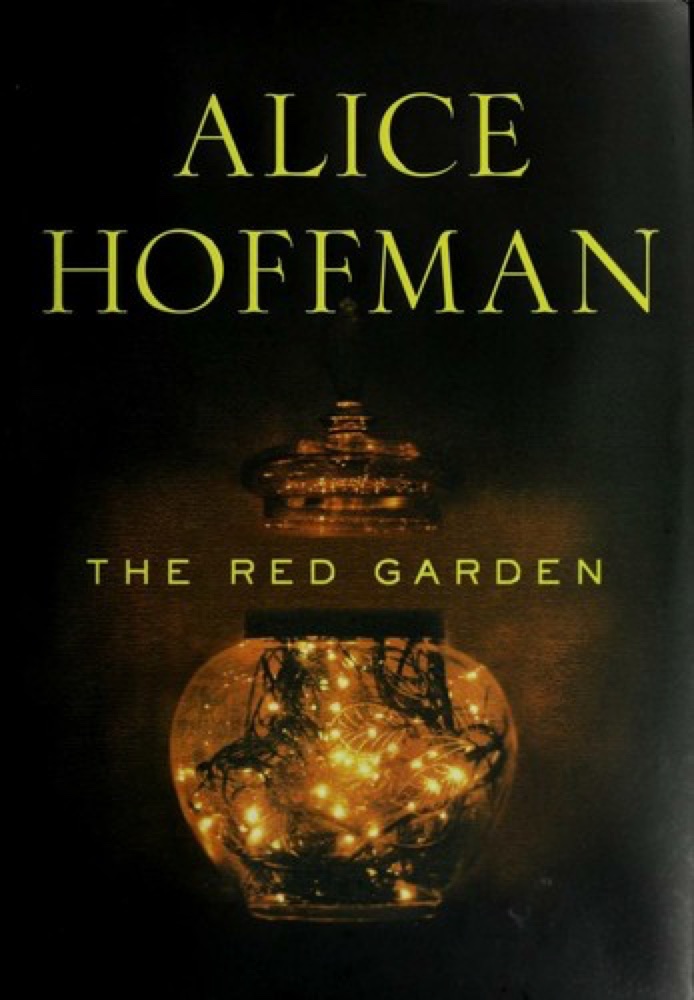 The Red Garden
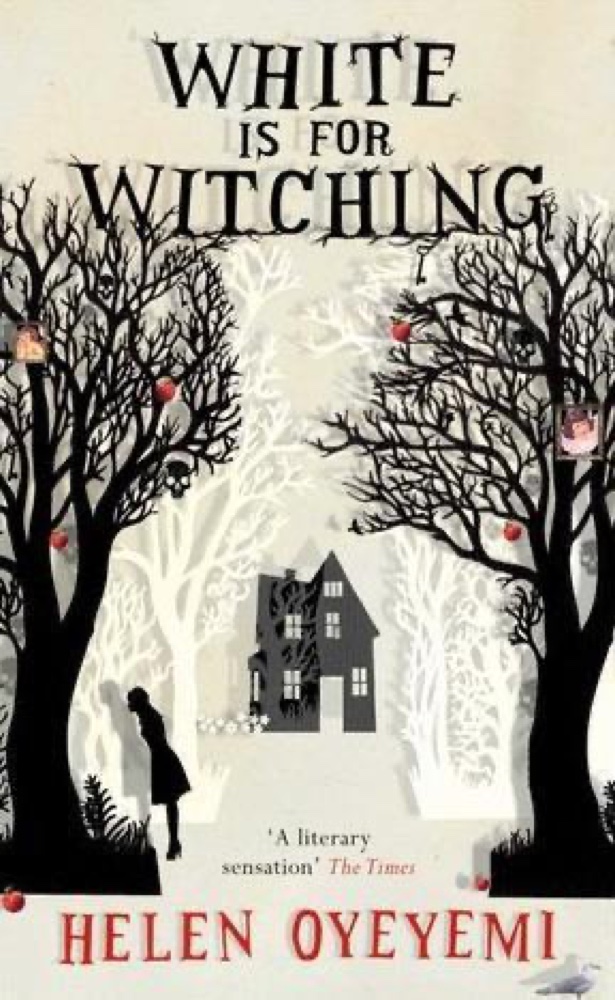 White is for Witching
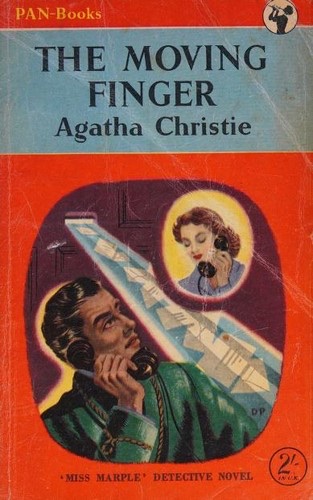 The Moving Finger
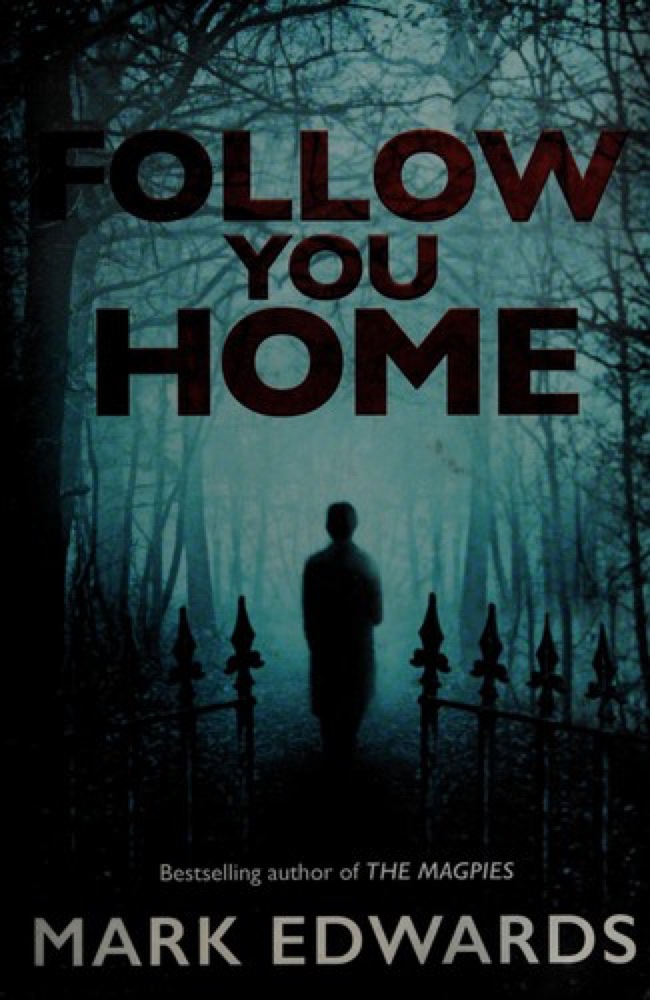 Follow You Home
 Lila
Lila
 Nightwood
 The Stories of John Cheever
 Uncle Silas
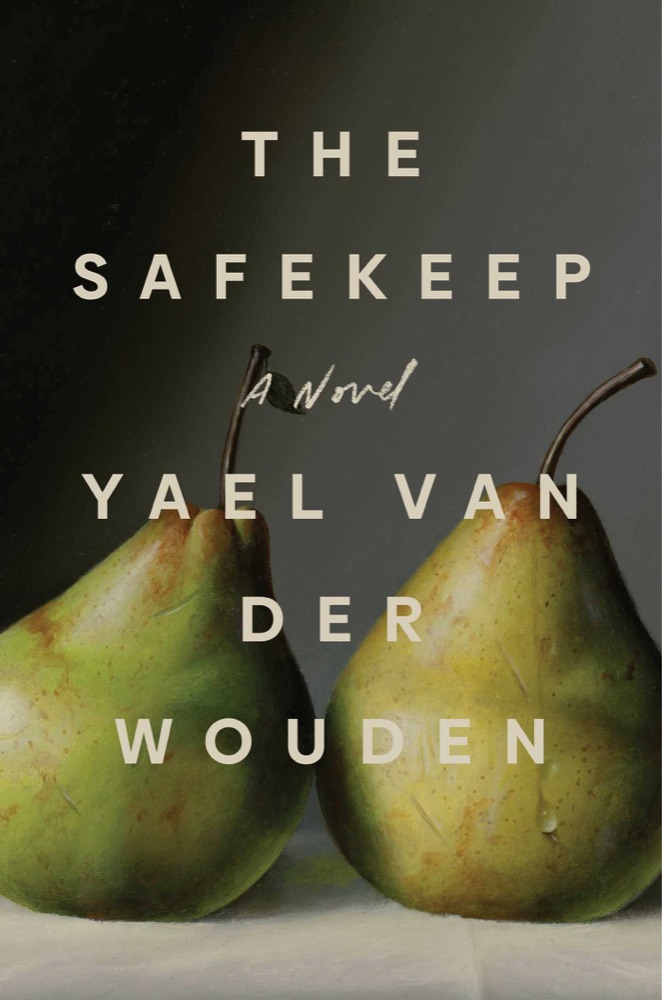 The Safekeep
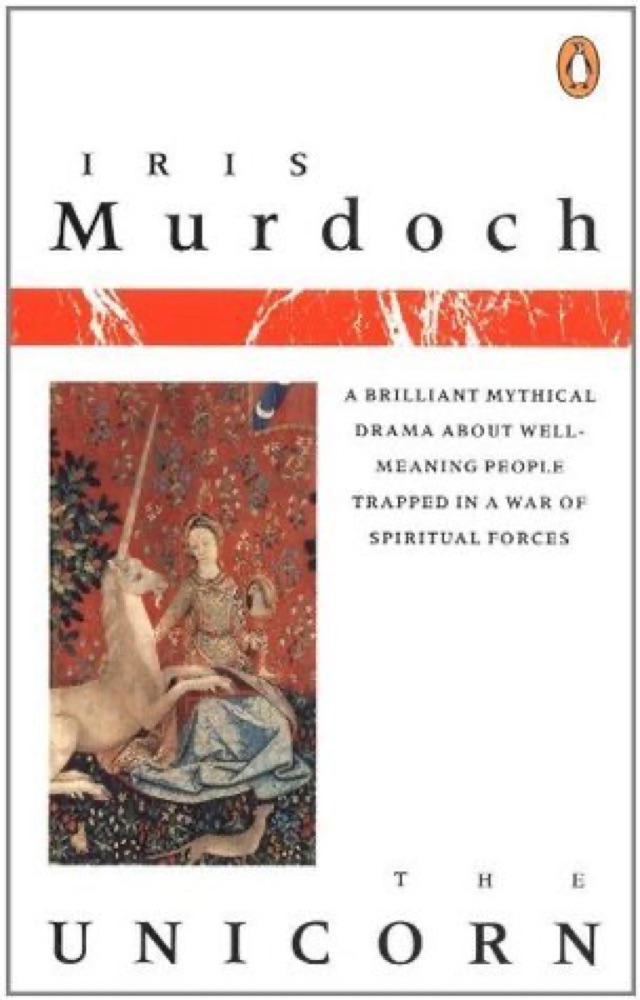 The Unicorn
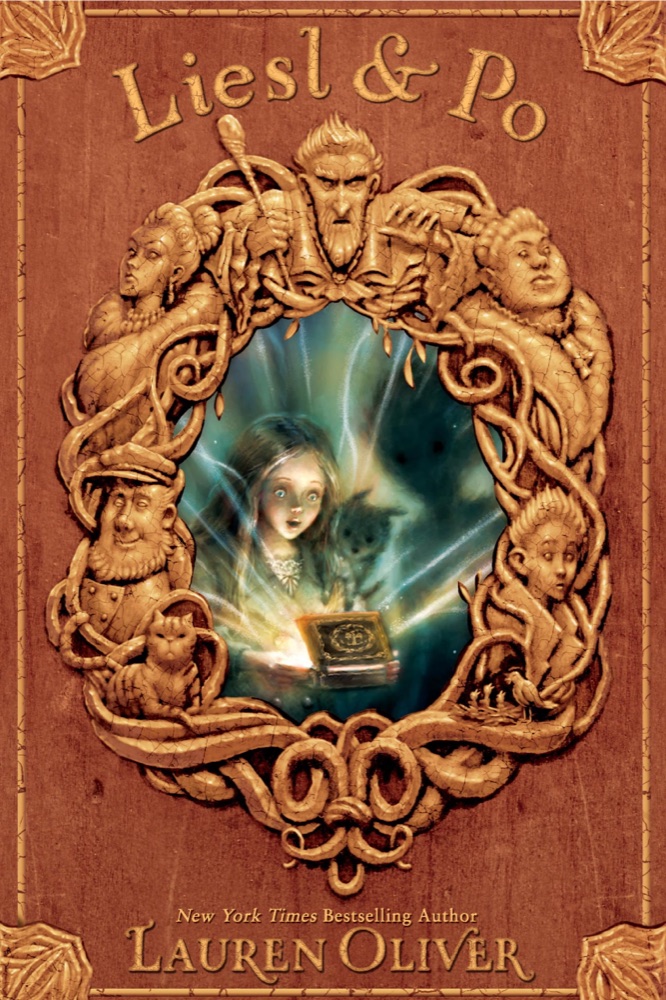 Liesl & Po
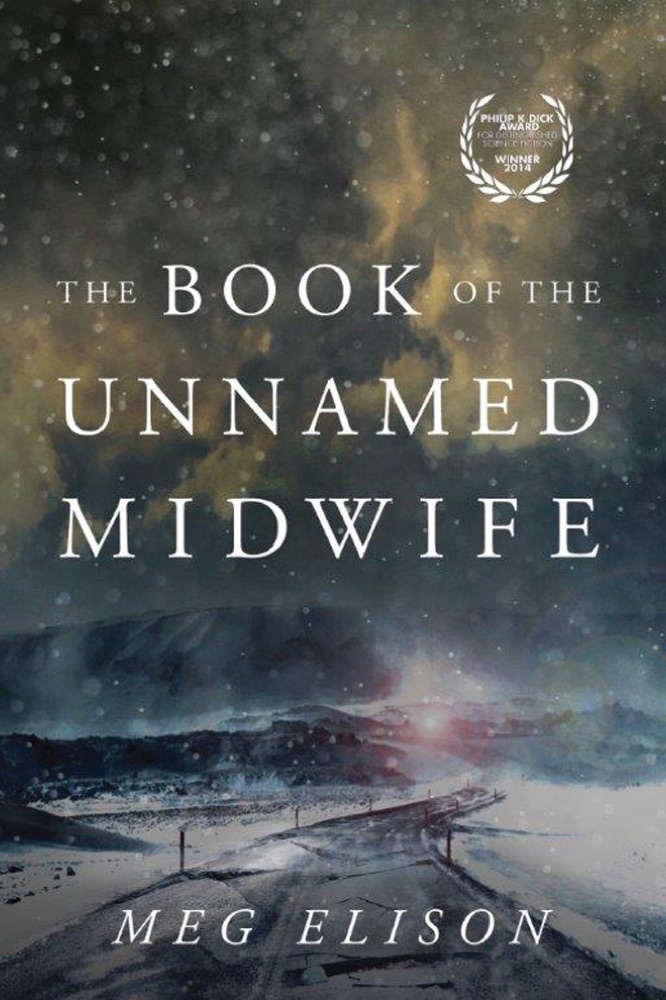 The Book of the Unnamed Midwife
 Tar Baby
 The House of Mirth
 Glass, Irony and God
 Mrs. Dalloway
 Gerald's Game
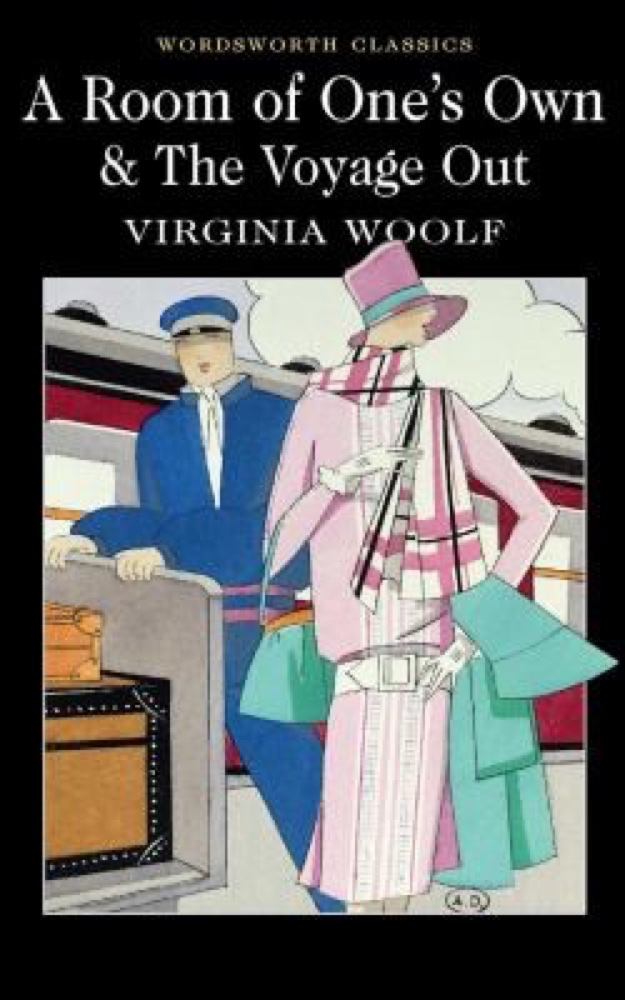 The Voyage Out
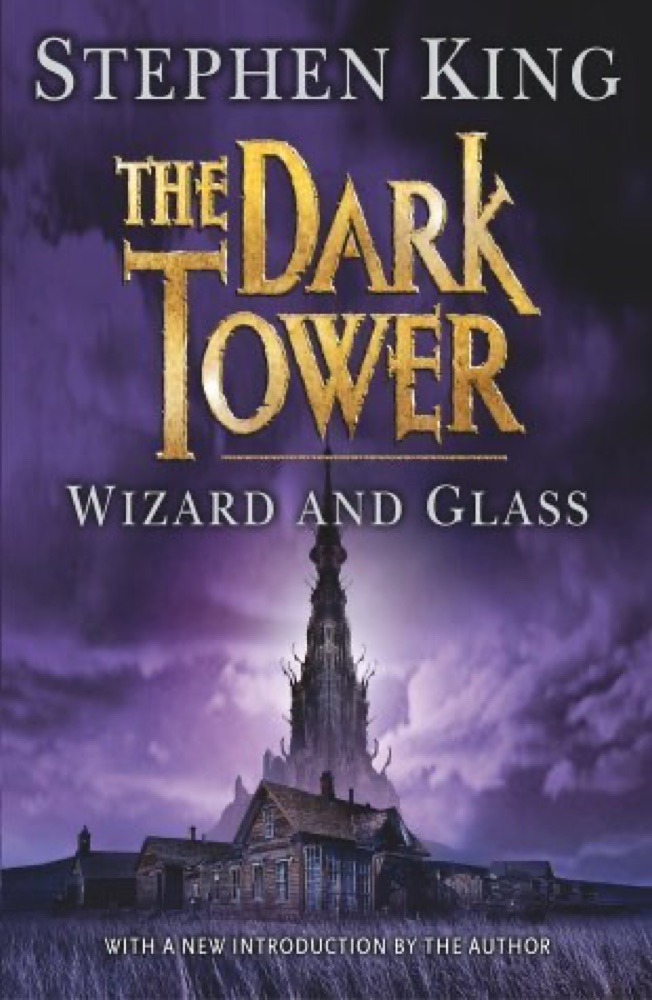 Wizard and Glass
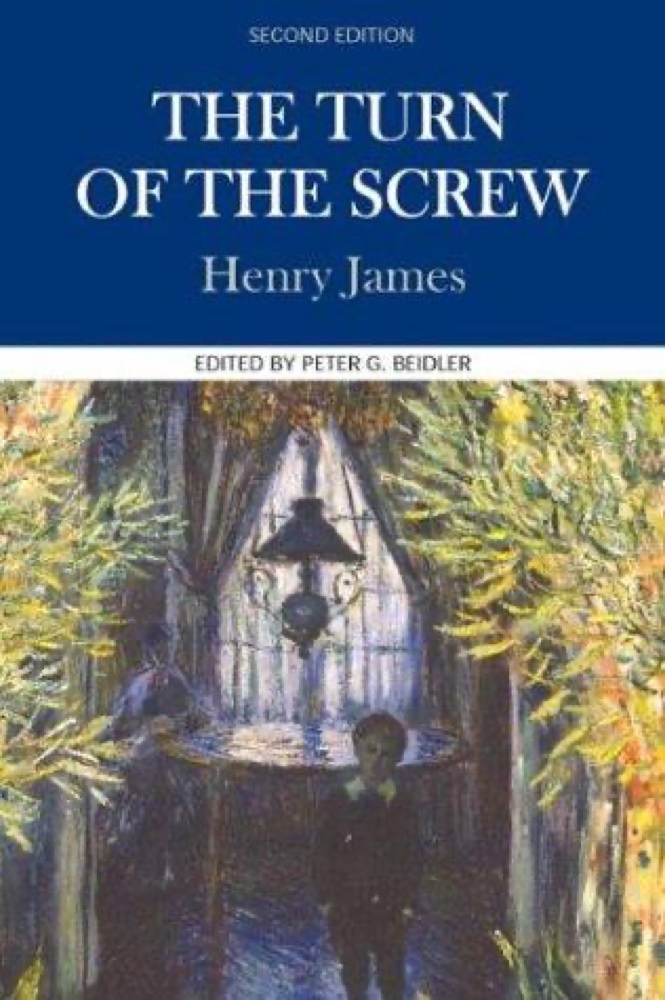 The Turn of the Screw
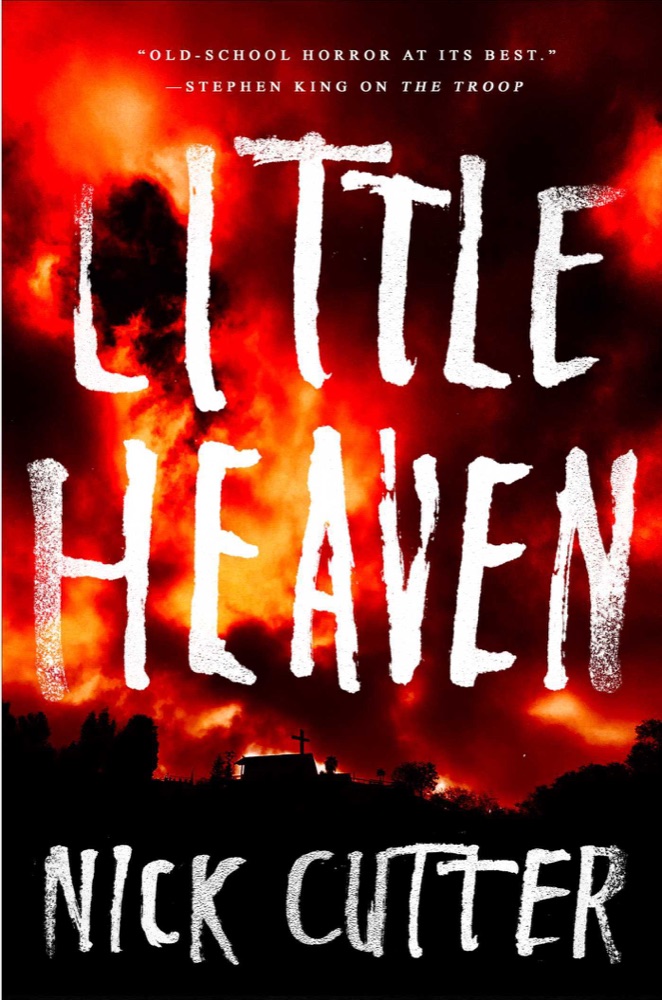 Little Heaven
 Perfect Ruin
 The Paying Guests
 Bridge to Terabithia
 Slade House
 Dinner at the Homesick Restaurant
 The Round House
 No Name
 The Years
 Dombey and Son
 The September House
 The Scapegoat
 Housekeeping
 Atonement
 Palimpsest
 Falling Man
 Starling House
 The Supernatural Enhancements
 Birds of America
 Her Body and Other Parties
 Great House
 A Dangerous Place
 Possession
 Sybil: The Classic True Story of a Woman Possessed by Sixteen Personalities
 The Probable Future
 Bluebeard's Egg
 My Brilliant Friend
 Stay Awake