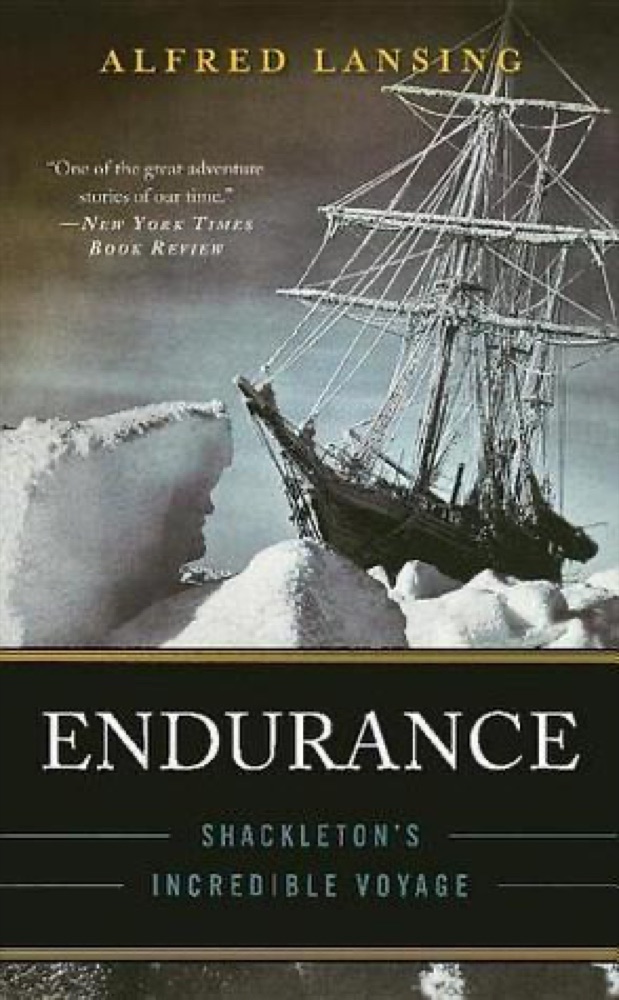
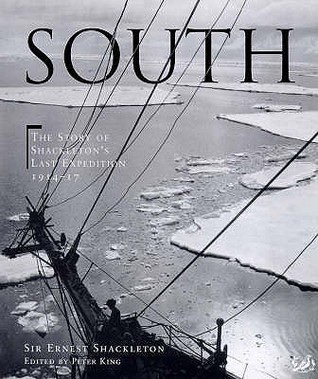
 South: The Story of Shackleton's Last Expedition 1914-1917
Quotes from the Book
No matter what the odds, a man does not pin his last hope for survival on something and then expect that it will fail.
We had seen God in His splendors, heard the text that Nature renders. We had reached the naked soul of man.
In that instant they felt an overwhelming sense of pride and accomplishment. Though they had failed dismally even to come close to the expedition's original objective, they knew now that somehow they had done much, much more than ever they set out to do.
Of all their enemies -- the cold, the ice, the sea -- he feared none more than demoralization.
He promised to write a book later about the trip. He sold the rights to the motion pictures and still photographs that would be taken, and he agreed to give a long lecture series on his return. In all these arrangments, there was one basic assumption - that Shackleton would survive.
Unlike the land, where courage and the simple will to endure can often see a man through, the struggle against the sea is an act of physical combat, and there is no escape. It is a battle against a tireless enemy in which man never actually wins; the most that he can hope for is not to be defeated.
The rapidity with which one can completely change one’s ideas . . . and accommodate ourselves to a state of barbarism is wonderful.
In some ways they had come to know themselves better. In this lonely world of ice and emptiness, they had achieved at least a limited kind of contentment. They had been tested and found not wanting.
The whole undertaking was criticized in some circles as being too "audacious." And perhaps it was. But if it hadn't been audacious, it wouldn't have been to Shackleton's liking. He was, above all, an explorer in the classic mold—utterly self-reliant, romantic, and just a little swashbuckling.
They thought of home, naturally, but there was no burning desire to be in civilization for its own sake. Worsley recorded: "Waking on a fine morning I feel a great longing for the smell of dewy wet grass and flowers of a Spring morning in New Zealand or England. One has very few other longings for civilization—good bread and butter, Munich beer, Coromandel rock oysters, apple pie and Devonshire cream are pleasant reminiscences rather than longings.
This, then, was the Drake Passage, the most dreaded bit of ocean on the globe—and rightly so. Here nature has been given a proving ground on which to demonstrate what she can do if left alone. The
Even at home, with theatres and all sorts of amusements, changes of scene and people, four months idleness would be tedious: One can then imagine how much worse it is for us.
A forbidding-looking place, certainly, but that only made it seem the more pitiful. It was the refuge of twenty-two men who, at that very moment, were camped on a precarious, storm-washed spit of beach, as helpless and isolated from the outside world as if they were on another planet. Their plight was known only to the six men in this ridiculously little boat, whose responsibility now was to prove that all the laws of chance were wrong—and return with help. It was a staggering trust.
In all the world there is no desolation more complete than the polar night. It is a return to the Ice Age— no warmth, no life, no movement. Only those who have experienced it can fully appreciate what it means to be without the sun day after day and week after week. Few men unaccustomed to it can fight off its effects altogether, and it has driven some men mad.
The date was October 27, 1915. The name of the ship was Endurance. The position was 69°5´ South, 51°30´ West—deep in the icy wasteland of the Antarctic’s treacherous Weddell Sea, just about midway between the South Pole and the nearest known outpost of humanity, some 1,200 miles away. Few men have borne the responsibility Shackleton did at that moment. Though he certainly was aware that their situation was desperate, he could not possibly have imagined then the physical and emotional demands that ultimately would be placed upon them, the rigors they would have to endure, the sufferings to which they would be subjected. They were for all practical purposes alone in the frozen Antarctic seas. It had been very nearly a year since they had last been in contact with civilization. Nobody in the outside world knew they were in trouble, much less where they were. They had no radio transmitter with which to notify any would-be rescuers, and it is doubtful that any rescuers could have reached them even if they had been able to broadcast an SOS. It was 1915, and there were no helicopters, no Weasels, no Sno-Cats, no suitable planes. Thus their plight was naked and terrifying in its simplicity. If they were to get out—they had to get themselves out. Shackleton
Returning from a hunting trip, Orde-Lees, traveling on skis across the rotting surface of the ice, had just about reached camp when an evil, knoblike head burst out of the water just in front of him. He turned and fled, pushing as hard as he could with his ski poles and shouting for Wild to bring his rifle. The animal—a sea leopard—sprang out of the water and came after him, bounding across the ice with the peculiar rocking-horse gait of a seal on land. The beast looked like a small dinosaur, with a long, serpentine neck. After a half-dozen leaps, the sea leopard had almost caught up with Orde-Lees when it unaccountably wheeled and plunged again into the water. By then, Orde-Lees had nearly reached the opposite side of the floe; he was about to cross to safe ice when the sea leopard’s head exploded out of the water directly ahead of him. The animal had tracked his shadow across the ice. It made a savage lunge for Orde-Lees with its mouth open, revealing an enormous array of sawlike teeth. Orde-Lees’ shouts for help rose to screams and he turned and raced away from his attacker. The animal leaped out of the water again in pursuit just as Wild arrived with his rifle. The sea leopard spotted Wild, and turned to attack him. Wild dropped to one knee and fired again and again at the onrushing beast. It was less than 30 feet away when it finally dropped. Two dog teams were required to bring the carcass into camp. It measured 12 feet long, and they estimated its weight at about 1,100 pounds. It was a predatory species of seal, and resembled a leopard only in its spotted coat—and its disposition. When it was butchered, balls of hair 2 and 3 inches in diameter were found in its stomach—the remains of crabeater seals it had eaten. The sea leopard’s jawbone, which measured nearly 9 inches across, was given to Orde-Lees as a souvenir of his encounter. In his diary that night, Worsley observed: “A man on foot in soft, deep snow and unarmed would not have a chance against such an animal as they almost bound along with a rearing, undulating motion at least five miles an hour. They attack without provocation, looking on man as a penguin or seal.
There were the sounds of the pack in movement—the basic noises, the grunting and whining of the floes, along with an occasional thud as a heavy block collapsed. But in addition, the pack under compression seemed to have an almost limitless repertoire of sounds, many of which seemed strangely unrelated to the noise of ice undergoing pressure. Sometimes there was a sound like a gigantic train with squeaky axles being shunted roughly about with a great deal of bumping and clattering. At the same time a huge ship’s whistle blew, mingling with the crowing of roosters, the roar of a distant surf, the soft throb of an engine far away, and the moaning cries of an old woman. In the rare periods of calm, when the movement of the pack subsided for a moment, the muffled rolling of drums drifted across the air.
The ship reacted to each fresh wave of pressure in a different way. Sometimes she simply quivered briefly as a human being might wince if seized by a single, stabbing pain. Other times she retched in a series of convulsive jerks accompanied by anguished outcries. On these occasions her three masts whipped violently back and forth as the rigging tightened like harpstrings. But most agonizing for the men were the times when she seemed a huge creature suffocating and gasping for breath, her sides heaving against the strangling pressure. More than any other single impression in those final hours, all the men were struck, almost to the point of horror, by the way the ship behaved like a giant beast in its death agonies.
They were for all practical purposes alone in the frozen Antarctic seas. It had been very nearly a year since they had last been in contact with civilization. Nobody in the outside world knew they were in trouble, much less where they were. They had no radio transmitter with which to notify any would-be rescuers, and it is doubtful that any rescuers could have reached them even if they had been able to broadcast an SOS. It was 1915, and there were no helicopters, no Weasels, no Sno-Cats, no suitable planes. Thus their plight was naked and terrifying in its simplicity. If they were to get out—they had to get themselves out.
Whatever his mood—whether it was gay and breezy, or dark with rage—he had one pervading characteristic: he was purposeful.
be made of the wind’s actual speed,
Nor did the Antarctic represent to Shackleton merely the grubby means to a financial end. In a very real sense he needed it—something so enormous, so demanding, that it provided a touchstone for his monstrous ego and implacable drive. In ordinary situations, Shackleton's tremendous capacity for boldness and daring found almost nothing worthy of its pulling power; he was a Percheron draft horse harnessed to a child's wagon cart. But in the Antarctic—here was a burden which challenged every atom of his strength. Thus, while Shackleton was undeniably out of place, even inept, in a great many everyday situations, he had a talent—a genius, even—that he shared with only a handful of men throughout history—genuine leadership. He was, as one of his men put it, "the greatest leader that ever came on God's earth, bar none.
The simple act of sailing had carried him beyond the world of reversals, frustrations, and inanities. And in the space of a few short hours, life had been reduced from a highly complex existence, with a thousand petty problems, to one of the barest simplicity in which only one real task remained—the achievement of the goal.
Then he opened the Bible Queen Alexandra had given them and ripped out the flyleaf and the page containing the Twenty-third Psalm. He also tore out the page from the Book of Job with this verse on it: Out of whose womb came the ice? And the hoary frost of Heaven, who hath gendered it? The waters are hid as with a stone. And the face of the deep is frozen. The he laid the Bible in the snow and walked away. It was a dramatic gesture, but that was the way Shackleton wanted it. From studying the outcome of past expeditions, he believed that those that burdened themselves with equipment to meet every contingency had fared much worse than those that had sacrificed total preparedness for speed.
Fortitudine vincimus—“By endurance we conquer.
24
For scientific leadership give me Scott; for swift and efficient travel, Amundsen; but when you are in a hopeless situation, when there seems no way out, get down on your knees and pray for Shackleton.
12
But the dawn did come—at last.
5
And in the space of a few short hours, life had been reduced from a highly complex existence, with a thousand petty problems, to one of the barest simplicity in which only one real task remained—the achievement of the goal.
5
I long for some rest, free from thought.
4
There once was a mouse who lived in a tavern. One night the mouse found a leaky barrel of beer, and he drank all he could hold. When the mouse had finished, he sat up, twirled his whiskers, and looked around arrogantly. “Now then,” he said, “where’s that damned cat?
3
They had been the underdog, fit only to endure the punishment inflicted on them. But sufficiently provoked, there is hardly a creature on God’s earth that ultimately won’t turn and attempt to fight, regardless of the odds.
3
This, then, was the Drake Passage, the most dreaded bit of ocean on the globe—and rightly so. Here nature has been given a proving ground on which to demonstrate what she can do if left alone. The results are impressive.
3
They were castaways in one of the most savage regions of the world, drifting they knew not where, without a hope of rescue, subsisting only so long as Providence sent them food to eat. And yet they had adjusted with surprisingly little trouble to their new life, and most of them were quite sincerely happy. The adaptability of the human creature is such that they actually had to remind themselves on occasion of their desperate circumstances. On November 4, Macklin wrote in his diary: "It has been a lovely day, and it is hard to think we are in a frightfully precarious situation." It was an observation typical of the entire party. There was not a hero among them, at least not in the fictional sense. Still not a single diary reflected anything beyond the matter-of-fact routine of each day's business.
2
And all the defenses they had so carefully constructed to prevent hope from entering their minds collapsed.
2
From studying the outcome of past expeditions, he believed that those that burdened themselves with equipment to meet every contingency had fared much worse than those that had sacrificed total preparedness for speed.
1
[...] "Who the hell are you?" he said at last. The man in the center stepped forward. "My name is Shackleton" he replied in a quiet voice.
1
Did you know?
- The book is named after Shackleton's ship, the Endurance, which was crushed and sunk by Antarctic pack ice in 1915.
- In researching the book, Lansing interviewed surviving members of the expedition and was given access to the journals and personal diaries kept during the voyage.
- The expedition's goal was to make the first land crossing of the Antarctic continent, but the ship never reached land.
- Despite nearly two years stranded on ice and sea, all twenty-eight crew members survived.
- Lansing received the Christopher Award for the book in 1960.
- The narrative includes Shackleton's open-boat voyage in the James Caird to South Georgia, often cited as one of history's greatest feats of seamanship.
About Alfred Lansing
About the book
Endurance: Shackleton's Incredible Voyage is Alfred Lansing's nonfiction account of Sir Ernest Shackleton's Imperial Trans-Antarctic Expedition of 1914-1917. After their ship, the Endurance, was trapped and ultimately crushed by pack ice in the Weddell Sea, Shackleton and his twenty-eight-man crew were stranded on the ice and then the open ocean, fighting to survive for nearly two years. Lansing reconstructs the ordeal in close detail, from the long drift on the floes to the desperate small-boat journey to Elephant Island and Shackleton's harrowing crossing to South Georgia to bring help.
The book is built around themes of leadership, endurance, and the will to survive against overwhelming odds. Drawing on the diaries of expedition members and interviews with survivors, Lansing presents Shackleton's resolve to bring every man home alive as the moral center of the story, while conveying the physical extremity of cold, hunger, and isolation that the crew faced day after day.
First published in 1959, Endurance became a bestseller and is widely regarded as a classic of exploration and survival literature, often praised as nonfiction that reads like a novel. The New York Times Book Review called it one of the greatest adventure stories of its time, and the book won the Christopher Award in 1960. It has remained continuously in print and helped revive popular interest in Shackleton's expedition.
Book details
- First published
- 1959
- Length
- 282 pages
- Reading time
- 3 hours
- Author
- Alfred Lansing
- Genre
- History
- Goodreads rating
- 4.46 (175k ratings)
Critical reception
- The New York Times Book Review called it one of the greatest adventure stories of its time.
- The book became a bestseller upon publication in 1959 and is considered a classic of survival and exploration literature.
- It won the Christopher Award in 1960 and has remained continuously in print.
- Critics have praised it as meticulously researched nonfiction that reads with the pace of a novel.
Keep reading
South: The Story of Shackleton's Last Expedition 1914-1917
 The Worst Journey in the World
 The Mysterious Island
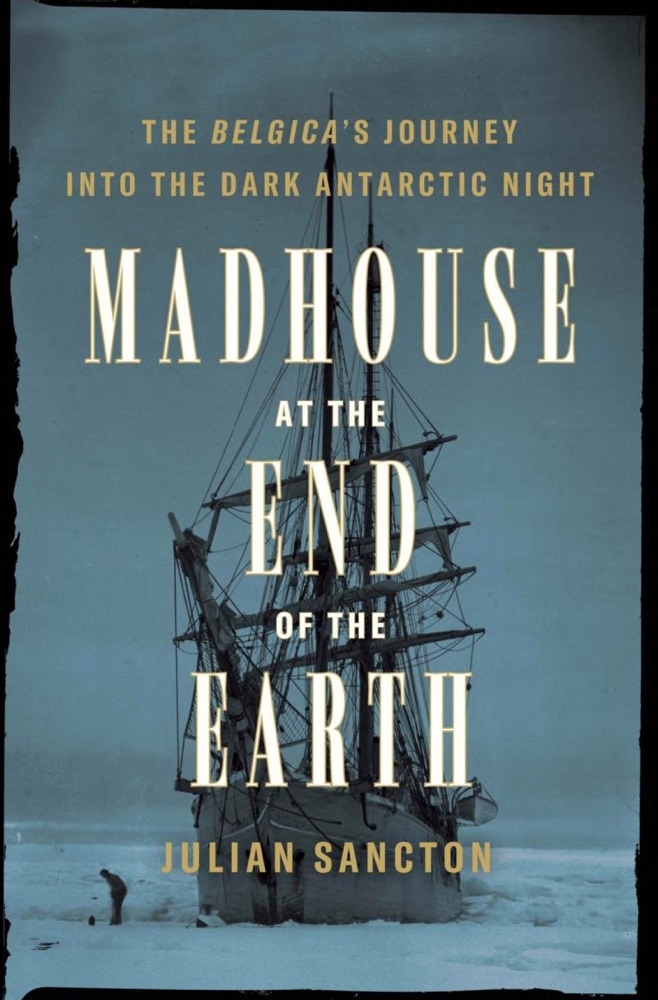 Madhouse at the End of the Earth: The Belgica's Journey into the Dark Antarctic Night
 Kon-Tiki
 The Sailor Who Fell from Grace with the Sea
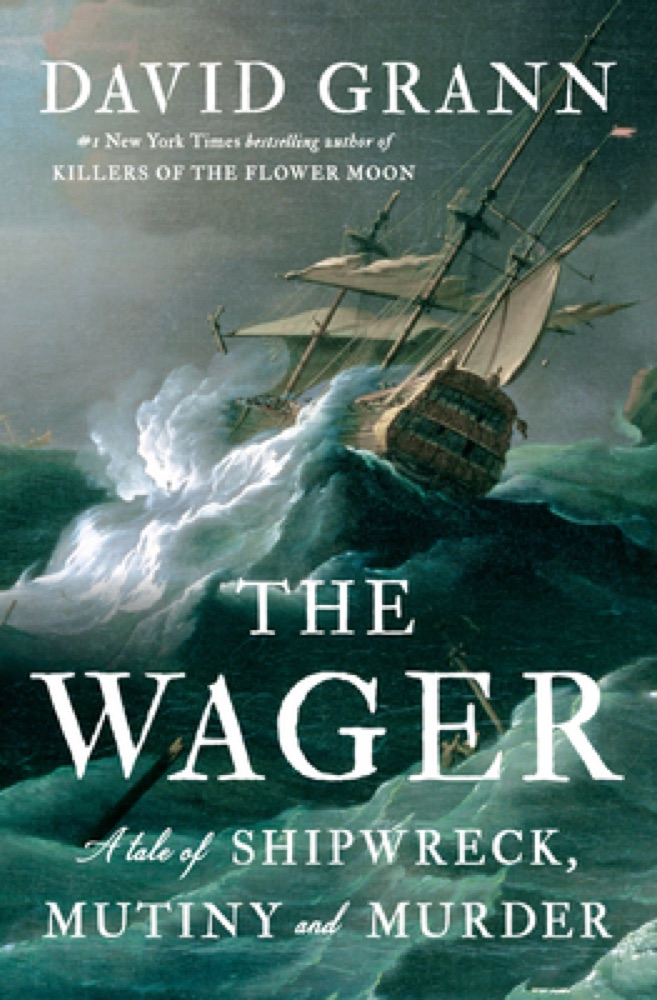 The Wager: A Tale of Shipwreck, Mutiny and Murder
 The Call of the Wild
 Journey to the Center of the Earth
 Out of the Silent Planet
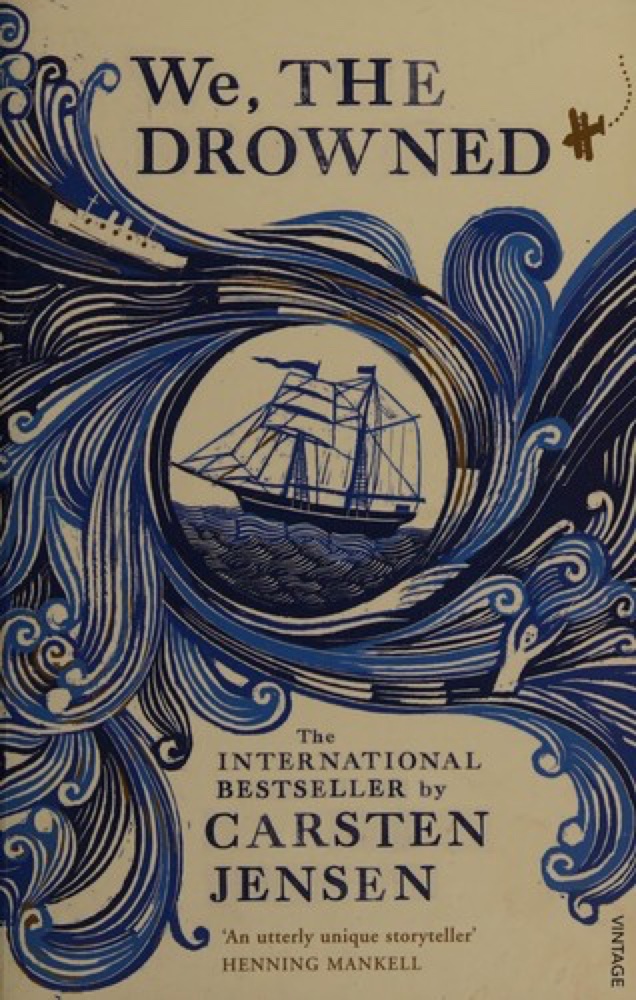 We, the Drowned
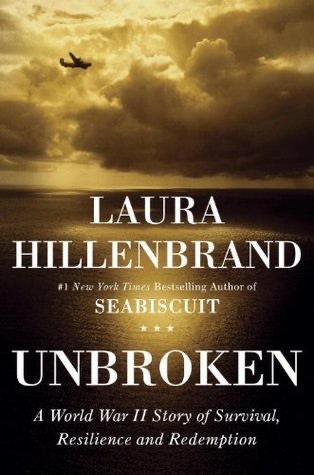 Unbroken: An Extraordinary True Story of Courage and Survival
 Voyage of the Beagle
 Adrift: Seventy-Six Days Lost at Sea
 Into the Silence: The Great War, Mallory and the Conquest of Everest
 Songs of Distant Earth
 Victory
 In the Heart of the Sea: The Tragedy of the Whaleship Essex
 Moonbound
 Two Years Before the Mast: A Sailor's Life at Sea
 The 13½ Lives of Captain Bluebear
 The War of the Worlds
 Antarctica
 The Narrow Road to the Deep North
 TransAtlantic
 Sailing Alone around the World
 2001: A Space Odyssey
 Travels with Myself and Another
 The Long Way Home
 Twenty Thousand Leagues Under the Sea
 Caliban’s War
 House of the Tiger King: The Quest for a Lost City
 Quicksilver
 Alas, Babylon
 Solar
Solar
 2010: Odyssey Two
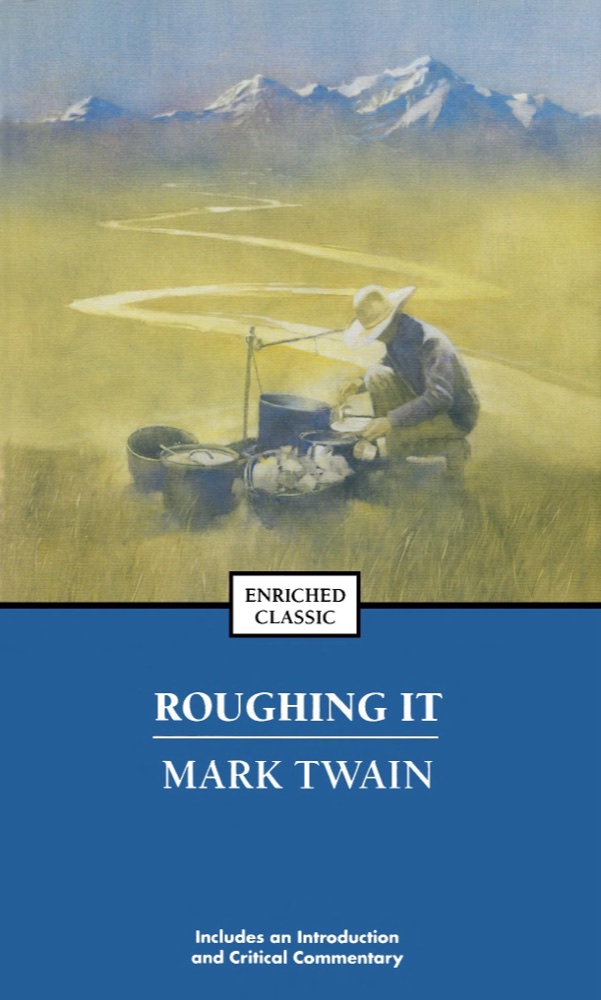 Roughing It
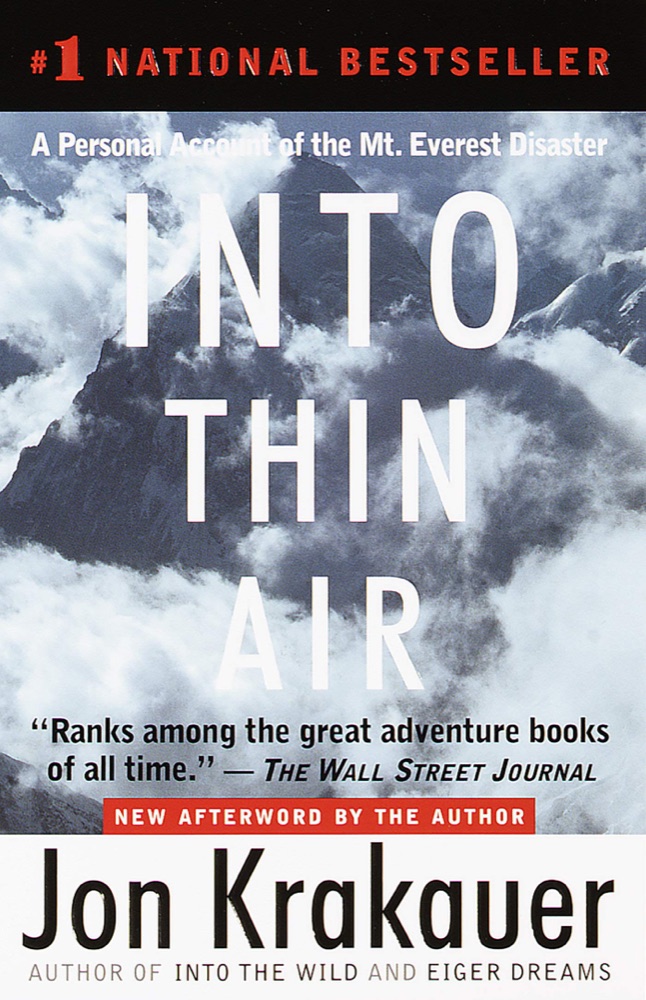 Into Thin Air: A Personal Account of the Mt. Everest Disaster
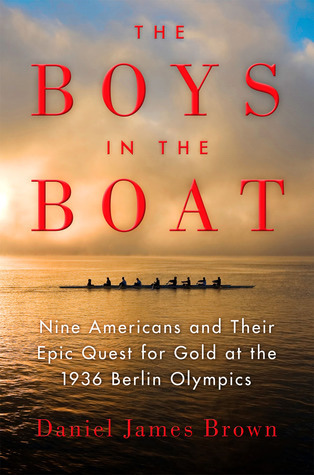 The Boys in the Boat: Nine Americans and Their Epic Quest for Gold at the 1936 Berlin Olympics
 The Damnation Game
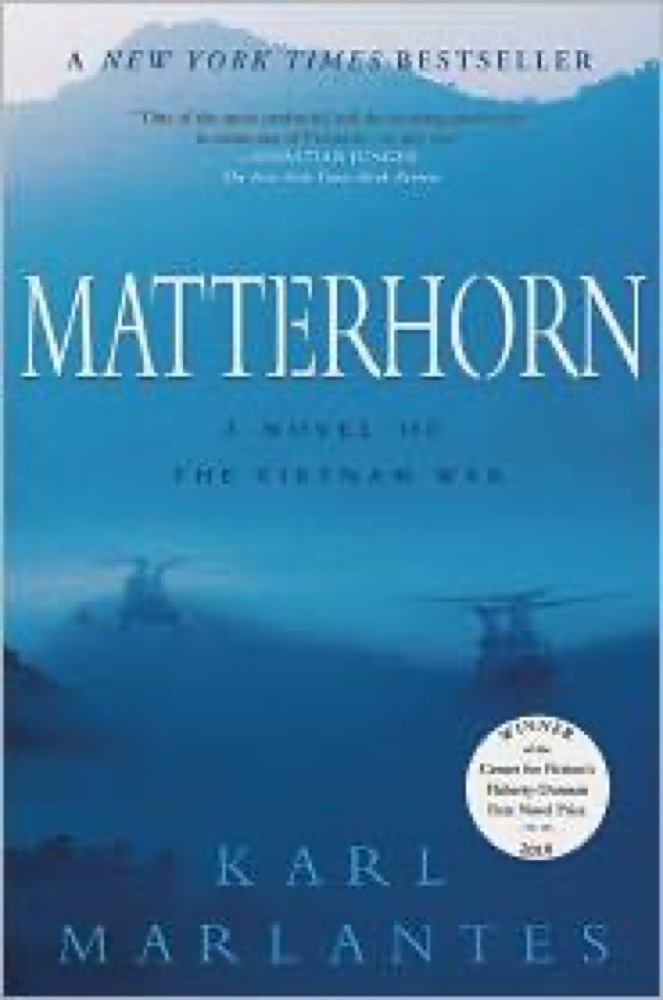 Matterhorn
 Nation
 H.M.S. Surprise
 The Shipping News
 A Marriage at Sea: A True Story of Love, Obsession, and Shipwreck
 In the Distance
 The Log from the Sea of Cortez
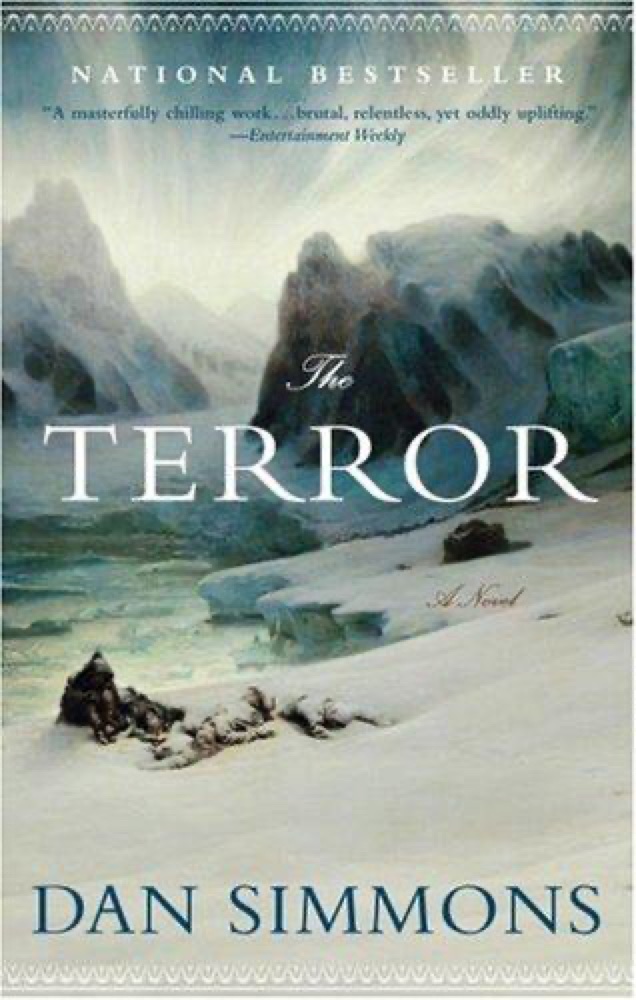 The Terror
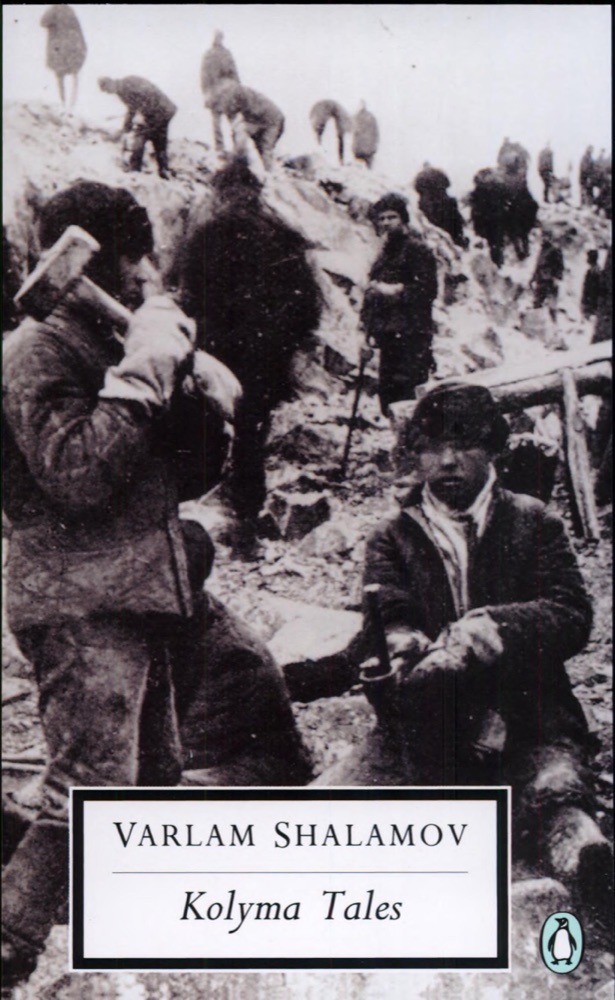 Kolyma Tales
 The Plover
 Red: The Heroic Rescue
 The Woman in the Dunes
 The Passage
 The Winter Sea
 One of Ours
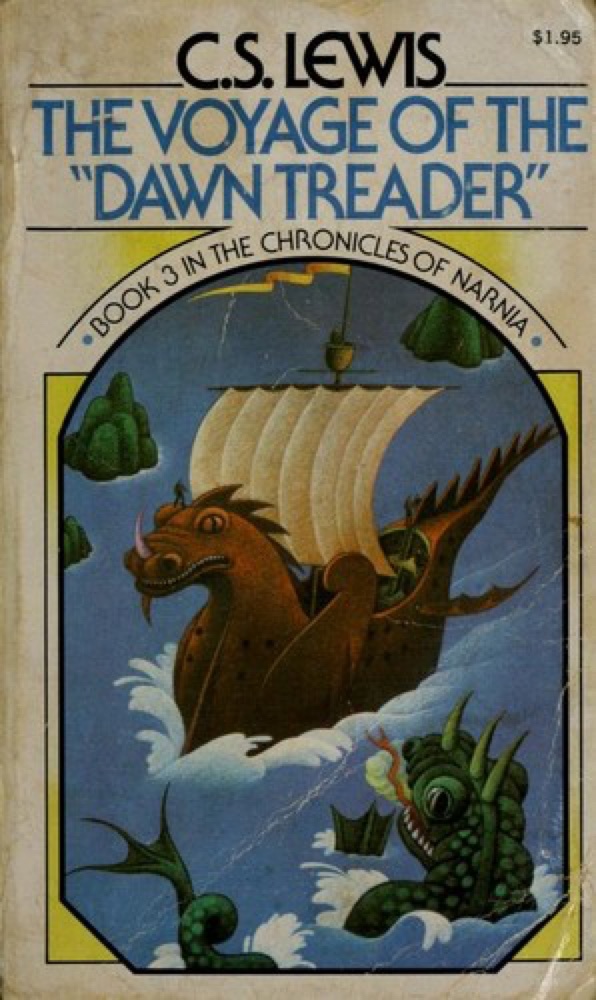 The Voyage of the Dawn Treader
 Night Flight
 Earth Abides
 The Tree of Man
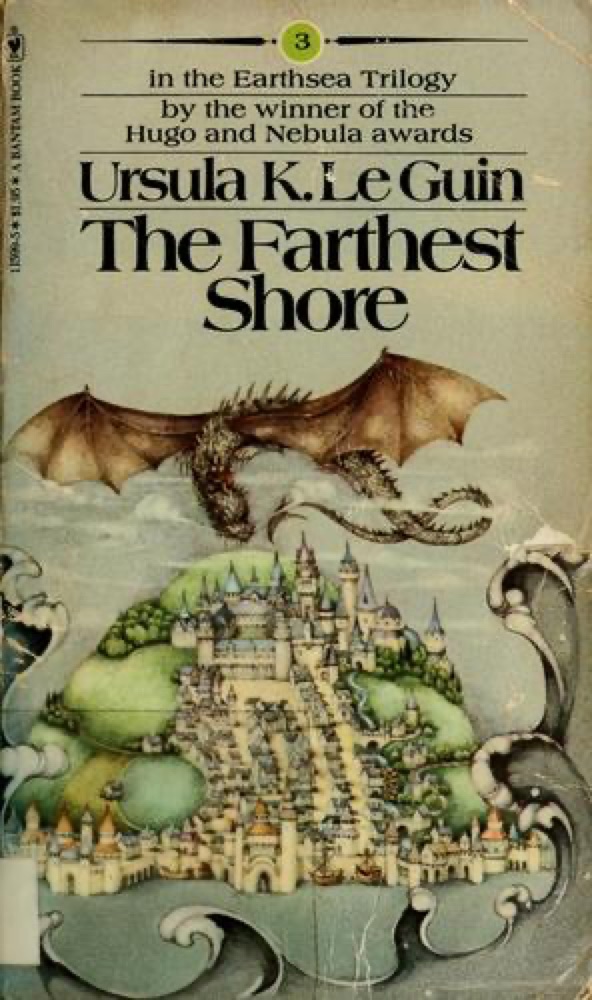 The Farthest Shore