
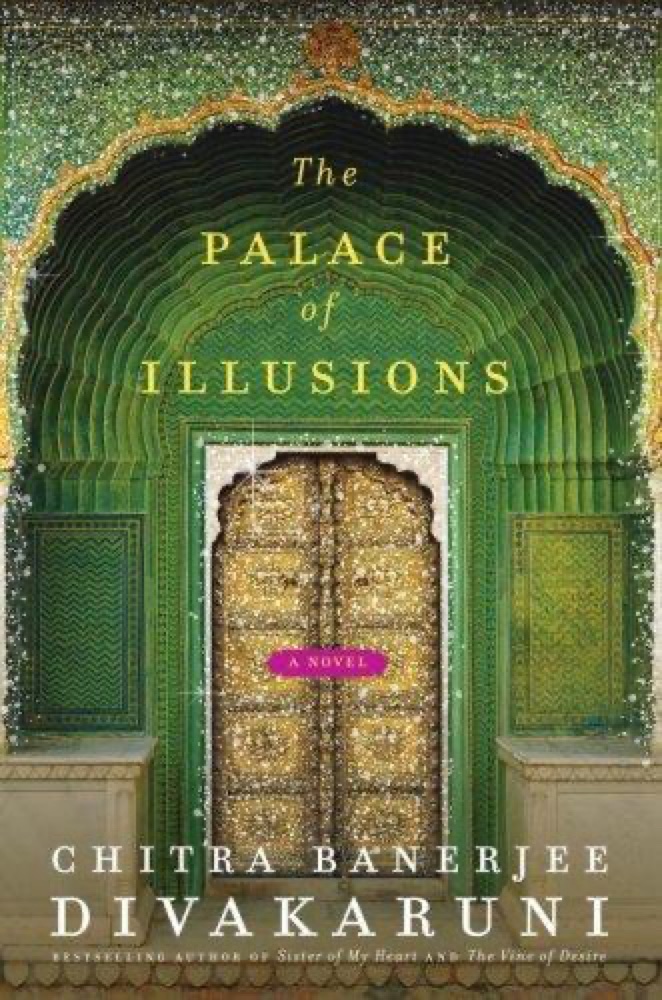
 The Palace of Illusions
Quotes from the Book
And finally, I bless my daughters, who are yet unborn. I pray that, if life tests them—as sooner or later life is bound to do—they’ll be able to stand steadfast and think carefully, using their hearts as well as their heads, understanding when they need to compromise, and knowing when they must not.
19
All the way back, I pondered the word endure, what it meant. It didn’t mean giving in. It didn’t mean being weak or accepting injustice. It meant taking the challenges thrown at us and dealing with them as intelligently as we knew until we grew stronger than them.
16
Even if we love them with our entire being, even if we’re willing to commit the most heinous sin for their well-being. We must understand and respect the values that drive them. We must want what they want, not what we want for them.
13
You aren’t some weak-willed wench. You can control your emotions. Remember all that you’ve survived. Behave like the queen you are. No one can take your dignity away from you. You lose it only by your own actions.
10
I forgave you a long time ago,’ I say to Ram. ‘Though I didn’t know it until now. Because this is the most important aspect of love, whose other face is compassion: It isn’t doled out, drop by drop. It doesn’t measure who is worthy and who isn’t. It is like the ocean. Unfathomable. Astonishing. Measureless.
9
I don’t agree with you that the private life must be sacrificed for the public one. And that is the final advice that I leave for my children: my dearest boys, balance duty with love. Trust me, it can be done.
9
Motherhood taught me something new about love. It was the one relationship where you gave everything you had and then wished you had more to give.
9
I couldn’t control what was done to me. But my response to it was in my control.
9
How innocent we’d been, thinking that if only we willed something hard enough, it would come true.
8
Most of all, I understood that things happen to us for many complicated reasons, arising from both the past and the future.
7
Instead of consoling us, my mother spoke sternly. 'Pull yourselves together. Surely I've brought you up better than this? we come into the world alone, and we leave it alone. And in between, too, if it is destined, we'll be alone. Draw on your inner strength. Remember, you can be your own worst enemy - or your best friend. It's up to you. And also this: what you can't change, you must endure.' I knew it was mostly to me that she'd spoken. 'Endure'. A word solid as a tree trunk. A good word upon which to build a life, I thought. I would learn it, and it would help me through dark times.
6
It didn’t drain me as I thought it might. Instead, it invigorated me. Such was love’s magic—the giver gained more than the receiver.
6
Perhaps that was why I had to endure pain—because true transformation can only happen in the crucible of suffering
5
If you want to stand up against wrongdoing, if you want to bring about change, do it in a way that doesn’t bruise a man’s pride. You’ll have a better chance of success.
5
This is what Kaikeyi failed to see: it’s not enough to merely love someone. Even if we love them with our entire being, even if we’re willing to commit the most heinous sin for their well-being. We must understand and respect the values that drive them. We must want what they want, not what we want for them.
4
This incident taught me that the more love we distribute, the more it grows, coming back to us from unexpected sources. And its corollary: when we demand love, believing it to be our right, it shrivels, leaving only resentment behind.
4
And this is one of the final things I learn about love: it’s found in its purest form, on this imperfect earth, between mothers and young children, because there’s nothing they want except to make each other happy.
4
Because a trained mind is your strongest ally—and an untrained one your worst enemy.
3
Forgive me, Sister, I said silently, you who are the unsung heroine of this tale, the one who has the tougher role: to wait and to worry.
3
Such is the ancient law of the universe. Of karma and its fruit. The idea of motive is irrelevant to it.
3
But where love and sorrow bind people together, goodbyes are not so easily said. We were about to discover that.
3
I listened mesmerized, visualizing the goddess with her divine mate, wondering if it was possible for humans to replicate this perfect relationship. Would I be blessed with such a love in my life?
3
Ah, love. Why had Vidhata made its nature so complex? Why did one love conflict, so often, with another?
2
How entangled love is with expectation, that poison vine! The stronger the expectation, the more our anger towards the beloved if he doesn’t fulfil it—and the less our control over ourselves.
2
But,’ I said, and I couldn’t keep the anger from my voice, ‘what occurred when I was alone in the darkness, under the sorrow tree, you don’t know. You don’t know my despair. You don’t even know my exhilaration, how it felt—first in the forest and then in Ayodhya—when I was the most beloved woman in creation.’ ‘I wrote what the divine vision showed me,’ he said. ‘It must have been a god that brought it to you, then, and not a goddess,’ I said drily.
2
It’s hard to tell them apart, what we bring upon ourselves and what destiny determines. They’re as difficult to disentangle as love and sorrow.
2
It is unfair that one person should suffer in order for others to be blessed. If the gods were powerful enough to shape our destinies, why couldn't they just send us a good fortune untainted by sorrow?
2
it’s not enough to merely love someone. Even if we love them with our entire being, even if we’re willing to commit the most heinous sin for their well-being. We must understand and respect the values that drive them. We must want what they want, not what we want for them.
2
So this, too, was true of love: it could make us forget our own needs. It could make us strong even when the world was collapsing around us.
2
Love was full of contradictions. Sometimes the person you loved weakened you and sometimes he or she made you a stronger person.
2
Watch on YouTube
About Chitra Banerjee Divakaruni
We have collected 121 quotes from 6 books by Chitra Banerjee Divakaruni on BookQuoters.
More about the author →More by Chitra Banerjee Divakaruni
All books by Chitra Banerjee Divakaruni →
About the book
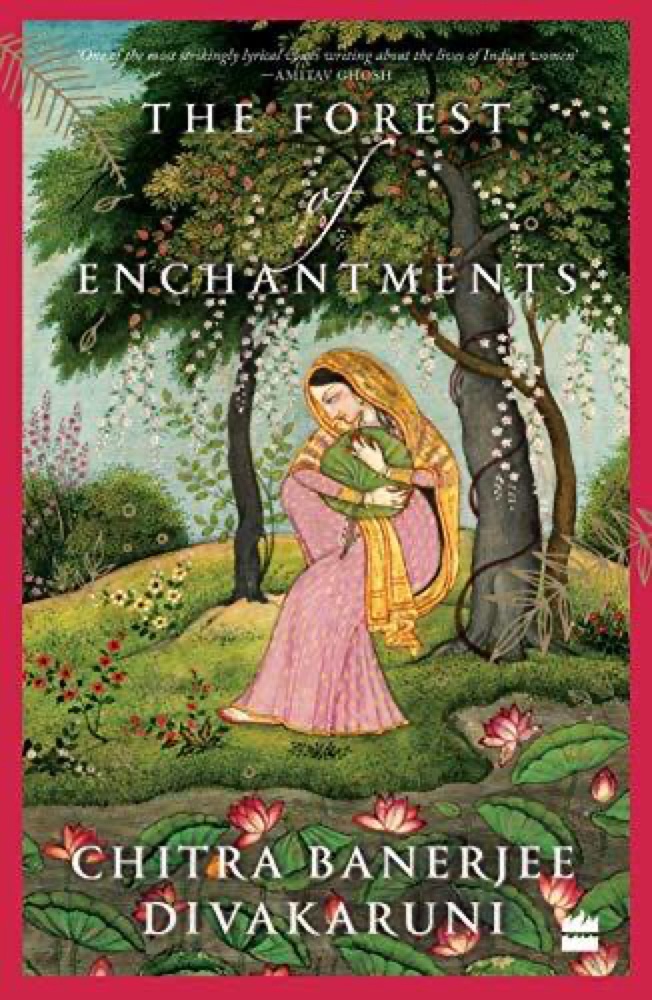
The Ramayana, one of the world’s greatest epics, is also a tragic love story. In this brilliant retelling, Chitra Banerjee Divakaruni places Sita at the centre of the novel: this is Sita’s version.
The Forest of Enchantments is also a very human story of some of the other women in the epic, often misunderstood and relegated to the margins: Kaikeyi, Surpanakha, Mandodari. A powerful comment on duty, betrayal, infidelity and honour, it is also about women’s struggle to retain autonomy in a world that privileges men, as Chitra transforms an ancient story into a gripping, contemporary battle of wills.
While the Ramayana resonates even today, she makes it more relevant than ever, in the underlying questions in the novel: How should women be treated by their loved ones? What are their rights in a relationship? When does a woman need to stand up and say, ‘Enough!’
Book details
- First published
- 2019
- Genre
- Fiction
- Goodreads rating
- 4.23 (21k ratings)
Keep reading
 Grayson's Vow
 Under the Udala Trees
 The Valley of Amazement
 Shantaram
 Trust: Betrayed
 Chain of Thorns
 The Girl and the Goddess: Stories and Poems of Divine Wisdom
 Snow Flower and the Secret Fan
 A Small Indiscretion
 A Lady for a Duke
 Anastasia
 Immortal
 By the River Piedra I Sat Down and Wept
 Stay with Me
 All My Knotted-Up Life: A Memoir
 Daughter of the Moon Goddess
 Panenka
 Disgrace
 This Could Be Us
 The Woman in the White Kimono
 The Smallest Part
 Adultery
 So Much More
 The Passion
 Pavilion of Women: A Novel of Life in the Women's Quarters
 Enduring Love
 The Proposal
 The Rules of Magic
 Eat, Pray, Love
 A Well-Tempered Heart
 Waterfall
 Honor
Honor
 Brida
Brida
 Dreams of Falling
 Anna Karenina
 The Shack
 A Hero's Tale
 The Devil in the Flesh
 The Color of Our Sky
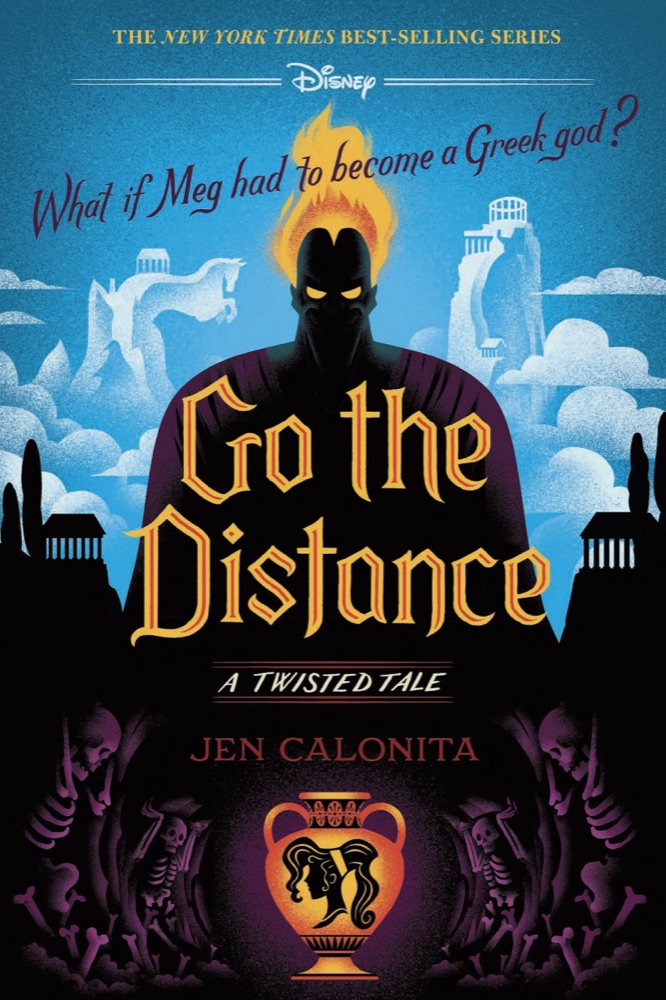 Go the Distance
 Prince Lestat
 Romanov
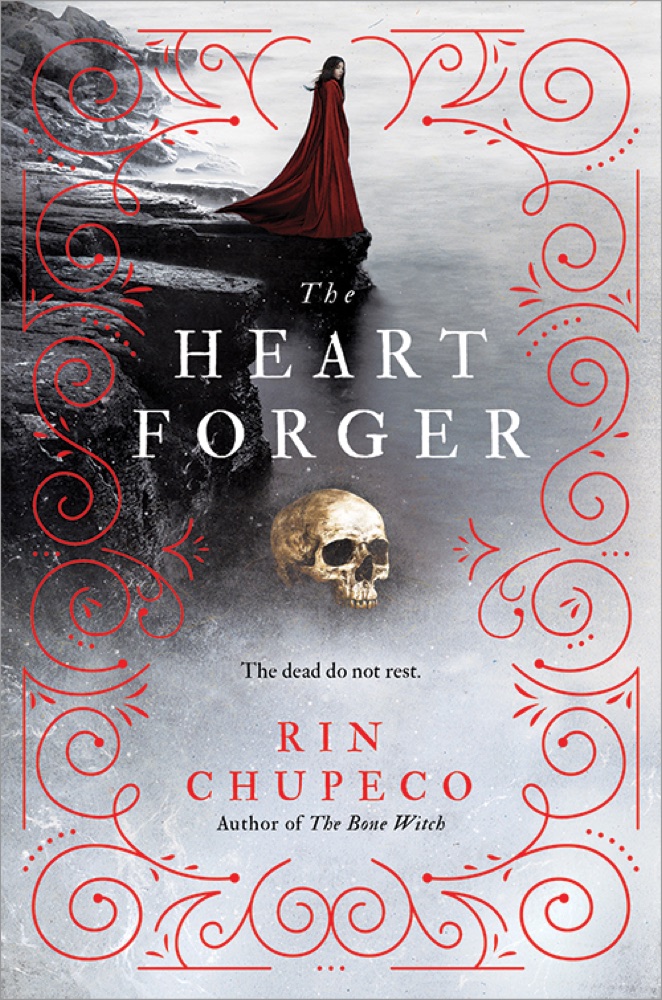 The Heart Forger
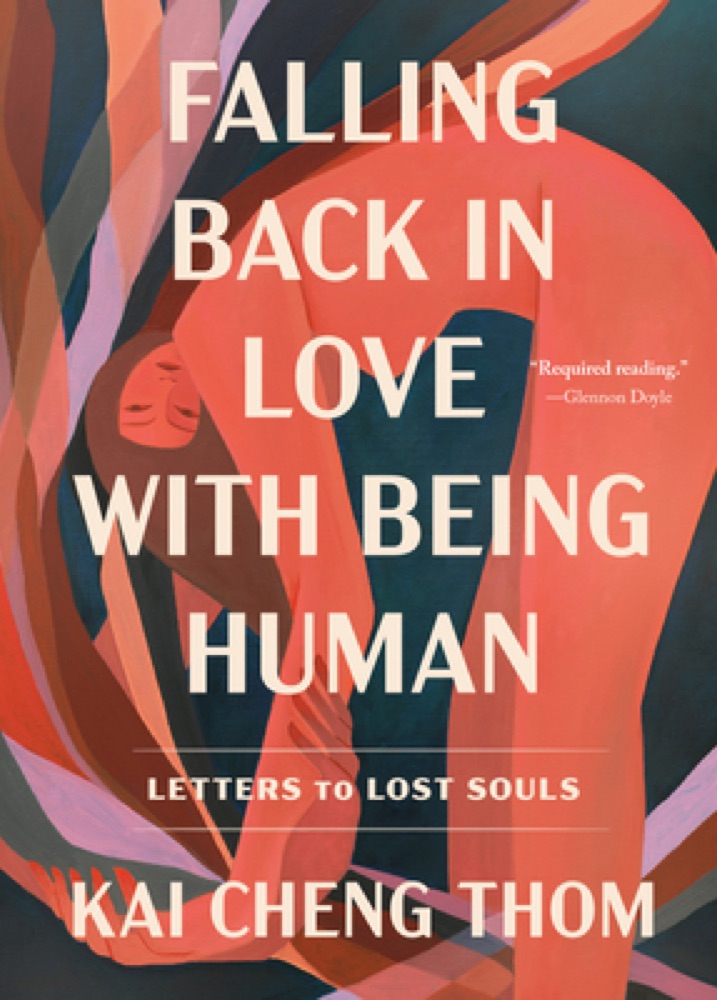 Falling Back in Love with Being Human: Letters to Lost Souls
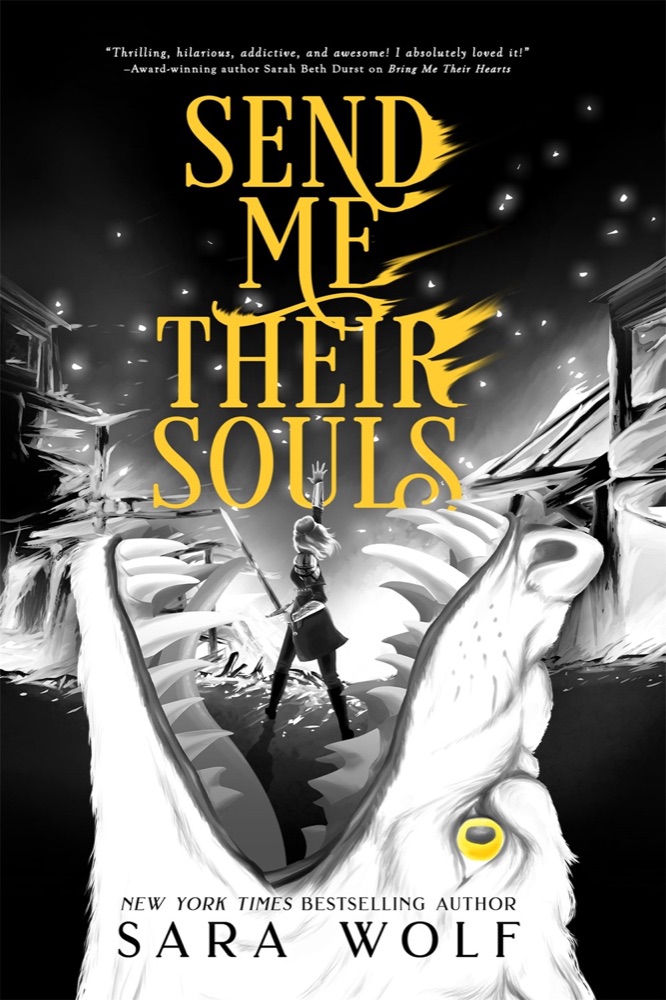 Send Me Their Souls
 The Gravity of Us
 Falling Kingdoms
 When Nietzsche Wept
 The Mountain Shadow
 The Beautiful
 Truth in the Dark
 My Darling Dreadful Thing
 Crown of Feathers
 The Weight of Ink
 The Shadowglass
 Tempted
 Before Us
 Sister of My Heart
 The Brothers Karamazov
 The Well of Loneliness