
 Babel-17
Quotes from the Book
When we read, it is not ours to absorb all that is written. Our thoughts are jealous and they constantly blank out the thoughts of others, for there is not room enough in us for two scents at one time.
I dream in a language I do not understand when I'm awake.
It is not I who mix the colors but your own vision,' he answered. 'I only place them next to one another on the wall in their natural state; it is the observer who mixes the colors in his own eye, like porridge. Therein lies the secret. The better the porridge, the better the painting, but you cannot make good porridge from bad buckwheat. Therefore, faith in seeing, listening, and reading is more important than faith in painting, singing, or writing.' He took blue and red and placed them next to each other, painting the eyes of an angel. And I saw the angel's eyes turn violet. 'I work with something like a dictionary of colors,' Nikon added, 'and from it the observer composes sentences and books, in other words, images. You could do the same with writing. Why shouldn't someone create a dictionary of words that make up one book and let the reader himself assemble the words into a whole?
And he gave me a few of the Xeroxed sheets of paper lying on the table in front of him. As he passed them to me, his thumb brushed mine and I trembled from the touch. I had the sensation that our past and our future were in our fingers and that they had touched. And so, when I began to read the proffered pages, I at one moment lost the train of thought in the text and drowned it in my own feelings. In these seconds of absence and self-oblivion, centuries passed with every read but uncomprehended and unabsorbed line, and when, after a few moments, I came to and re-established contact with the text, I knew that the reader who returns from the open seas of his feelings is no longer the same reader who embarked on that sea only a short while ago. I gained and learned more by not reading than by reading those pages...
A bird foraging for food in the swamps and marshes sinks rapidly if it doesn't move. It has to keep pulling its feet out of the mire to move on, regardless of whether it has caught something or not. And the same applies to us and to our love. We have to move on, we can't stay where we are, because we'll sink.
And so, when I began to read the proffered pages, I at one moment lost the train of thought in the text and drowned it in my own feelings. In these seconds of absence and self-oblivion, centuries passed with every read but uncomprehended and unabsorbed line, and when, after a few moments, I came to and re-established contact with the text, I knew that the reader who returns from the open seas of his feelings is no longer the same reader who embarked on that sea only a short while ago.
He took blue and red and placed them next to each other, painting the eyes of an angel. And I saw the angel's eyes turn violet
Each of us promenades his thought, like a monkey on a leash. When you read, you always have to such monkeys: your own and one belonging to someone else. Or, even worse, a monkey and a hyena. Now, consider what you will feed them. For a hyena does not eat the same things as a monkey...
It is not I who mix the colors but your own vision,' he answered. 'I only place them next to one another on the wall in their natural state; it is the observer who mixes the colors in his own eye, like porridge. Therein lies the secret. The better the porridge, the better the painting, but you cannot make good porridge from bad buckwheat. Therefore, faith in seeing, listening, and reading is more important than faith in painting, singing, or writing.
He was creating the first letters of the Slavonic alphabet. He started with rounded letters, but the Slavonic language was so wild that the ink could not hold it, and so he made a second alphabet of barred letters and caged the unruly language in them like a bird.
It was no easy task to tame the barbarians' language. One quick three-week-old autumn, the brothers were sitting in their cell, trying to write out the letters that men would later call Cyrillic. They were not getting anywhere. Fromm the cell you could clearly see half of October, and in it the silence was one hour's walk long and two hours' walk wide. Then Methodius called his brother's attention to four jugs standing on the window of their cell, but outside, on the other side of the bars. "If the doors were locked, how could I get to one of those jugs?" he asked. Constantine broke one of the jugs, then drew the fragments piece by piece through the bars and into the cell, where he reassembled the jug, bonding it with saliva and clay from the floor beneath his feet. This they now did with the Slavonic language: they broke it in pieces, drew it into their mouths through the bars of Cyril's letters, and bonded the fragments with their saliva and the Greek clay beneath the soles of their feet.
It has been said ever since that the Brankoviches of Erdély count in Tzintzar, lie in Walachian, are silent in Greek, sing hymns in Russian, are cleverest in Turkish and speak their mother tongue --Serbian-- only when they intend to kill.
Watch on YouTube
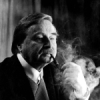
About Milorad Pavić
We have collected 12 quotes from 1 book by Milorad Pavić on BookQuoters.
More about the author →Book details
- Author
- Milorad Pavić
- Genre
- Literature
- Goodreads rating
- 4.17 (8k ratings) →
Keep reading
Babel-17
 People of the Book
 Plainwater: Essays and Poetry
 Sword & Citadel
 Sexus
Sexus
 Narcissus and Goldmund
 Selected Stories of Anton Chekhov
 The Notebooks of Malte Laurids Brigge
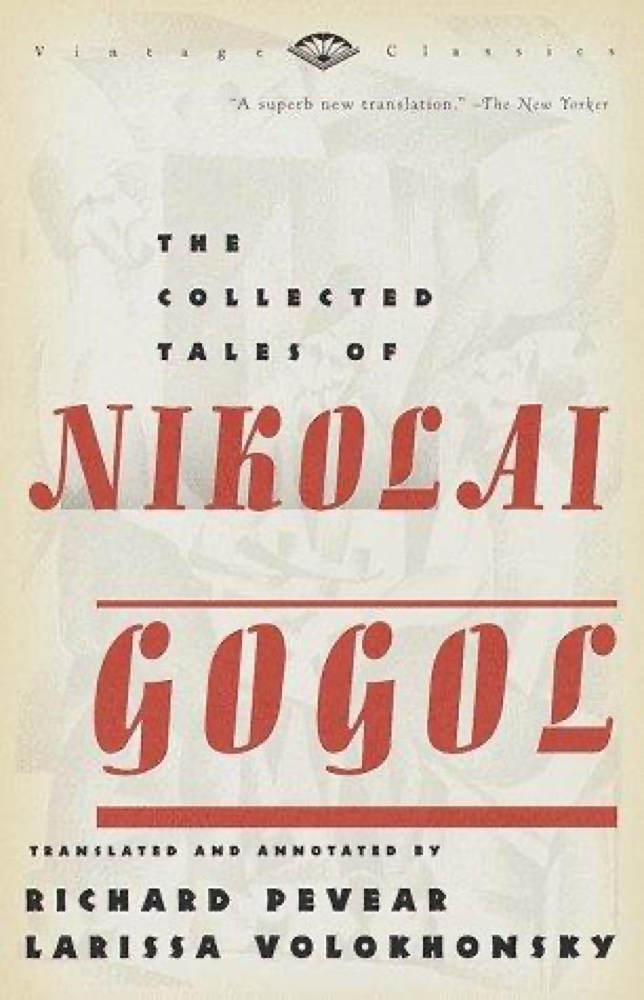 The Collected Tales of Nikolai Gogol
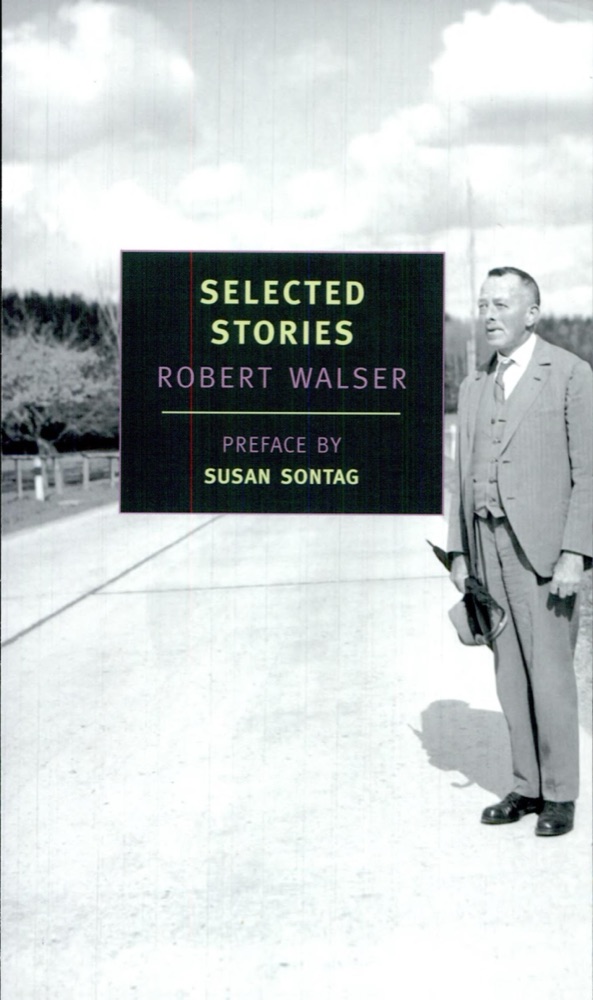 Selected Stories
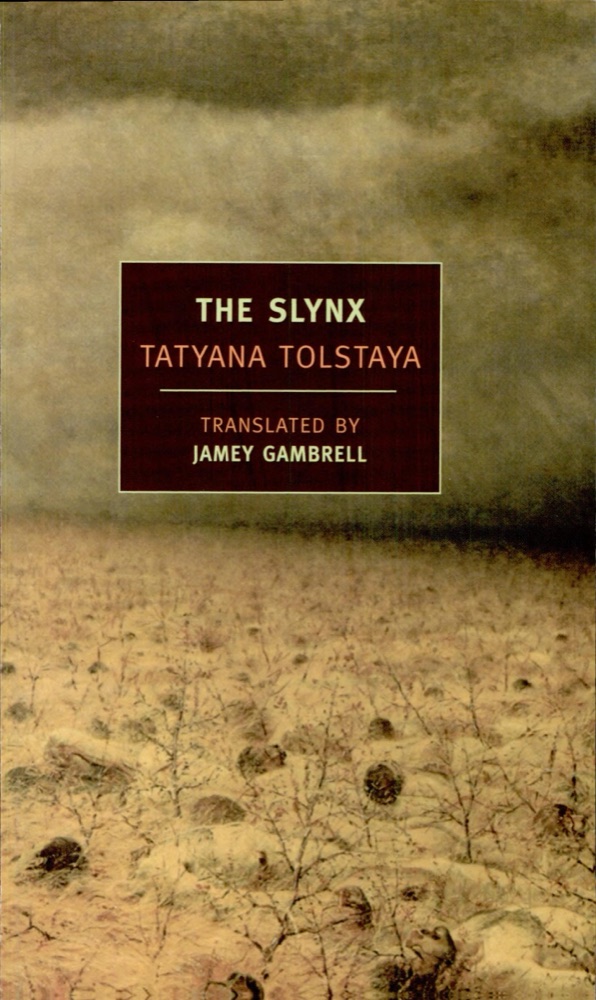 The Slynx
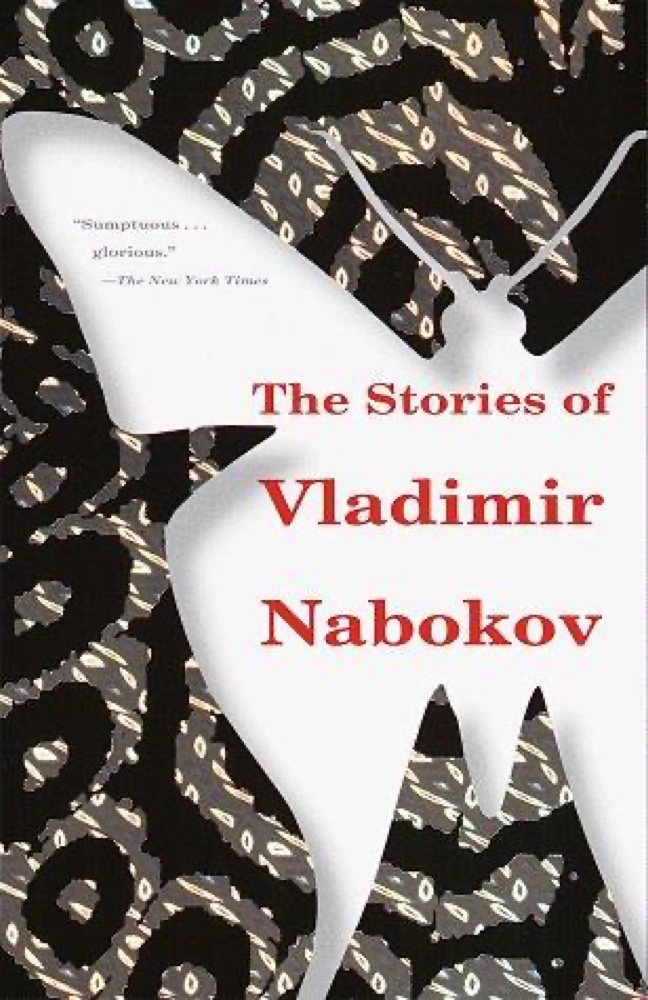 The Stories of Vladimir Nabokov
 East of the West: A Country in Stories
 The Painted Bird
 Inkdeath
 Speak, Memory
 The Book of Salt
 The Word Exchange
 The Colossus of Maroussi
 Labyrinths: Selected Stories and Other Writings
 The Enchantress of Florence
 Phaedrus
 Shadow & Claw
 Art and Lies
 Maldoror and the Complete Works
 At Swim-Two-Birds
 Palimpsest
 Checkout 19
 The Swan Thieves
 Stories of Your Life and Others
 Today I Wrote Nothing: The Selected Writings
 The Tunnel
 Edinburgh
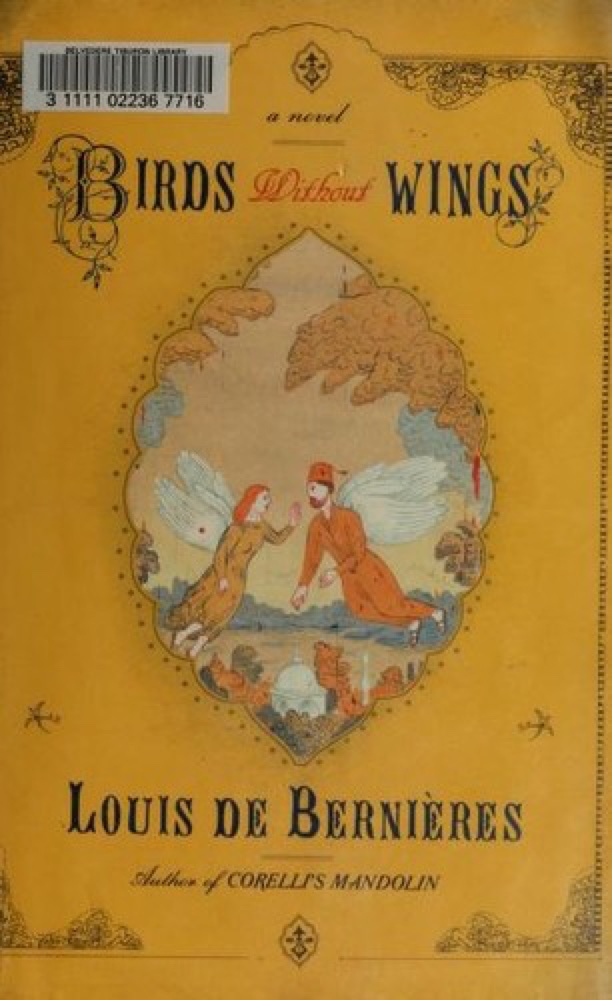 Birds Without Wings
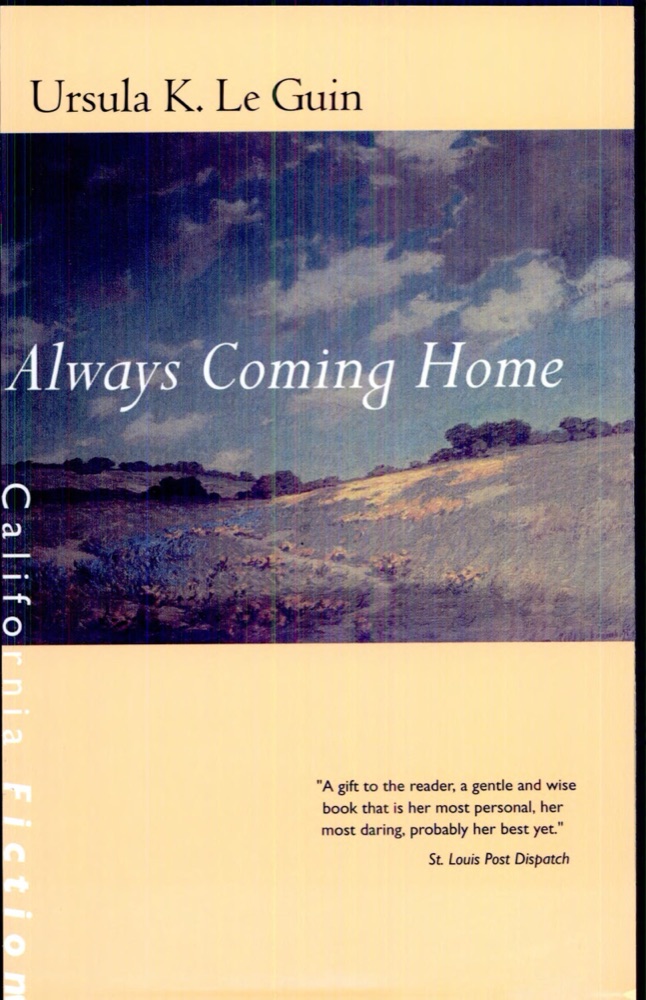 Always Coming Home
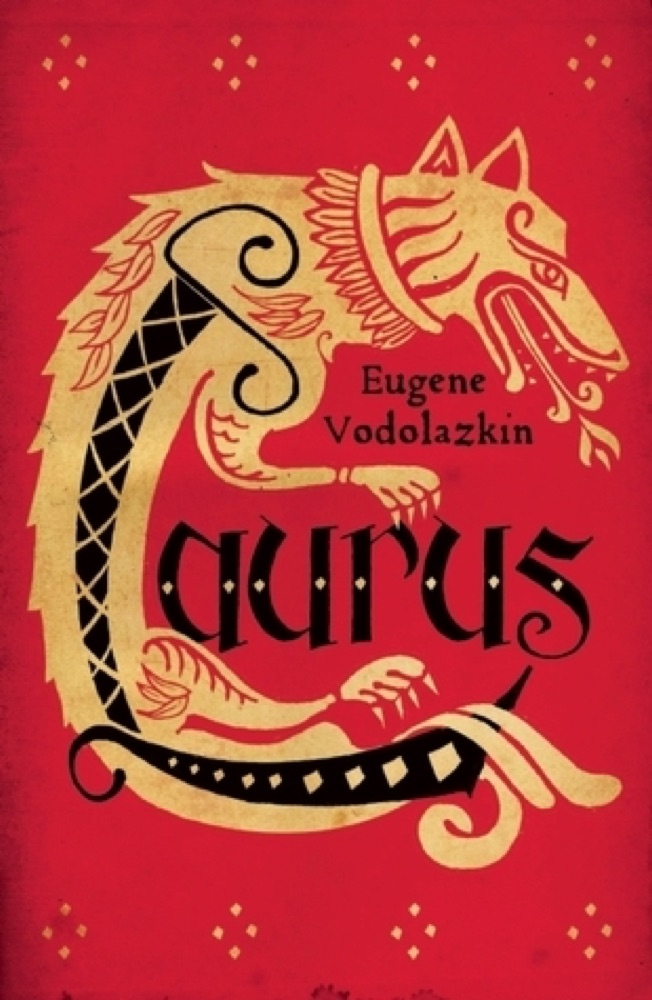 Laurus
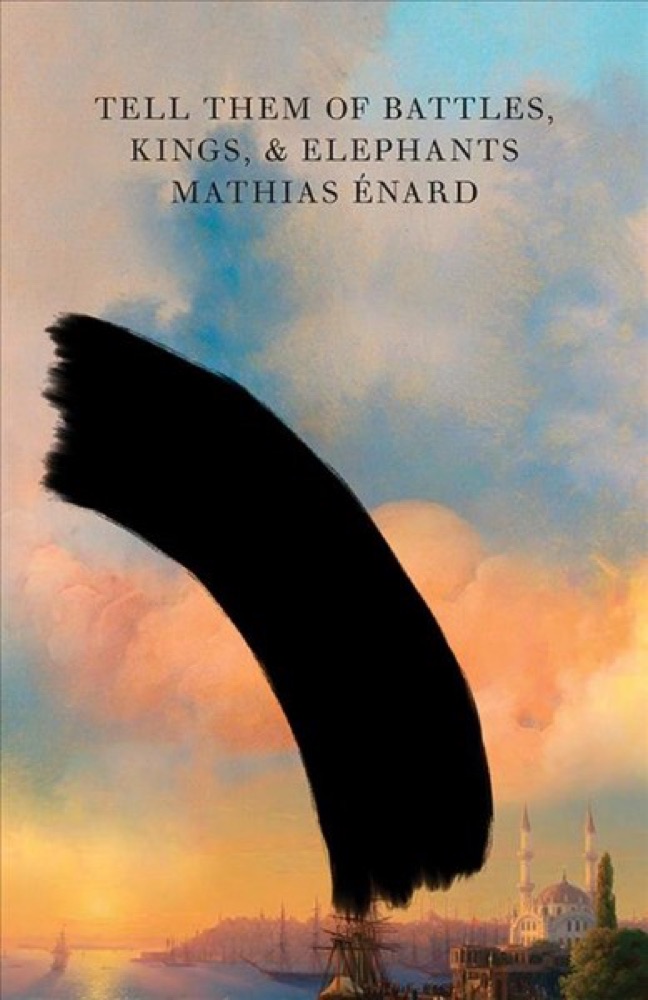 Tell Them of Battles, Kings, and Elephants
 Oblomov
 Malina
 Mister Pip
 Henderson the Rain King
 Selected Non-Fictions
 Sexing the Cherry
 The Etched City
 The Complete Poems and Plays, 1909-1950
 The Red Book: Liber Novus
 Skinny Legs and All
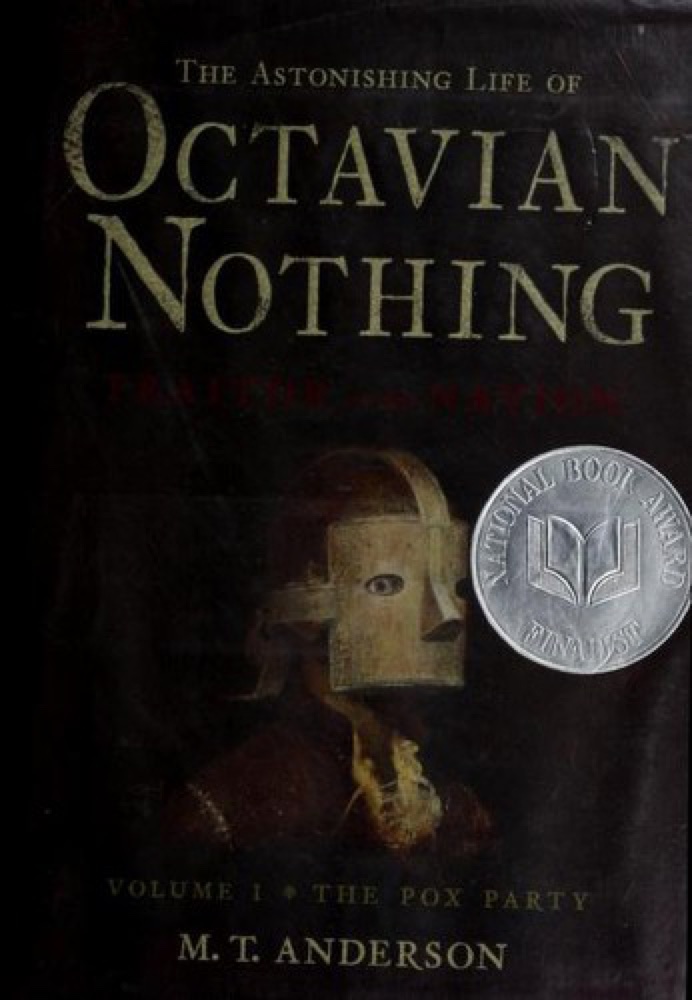 The Pox Party
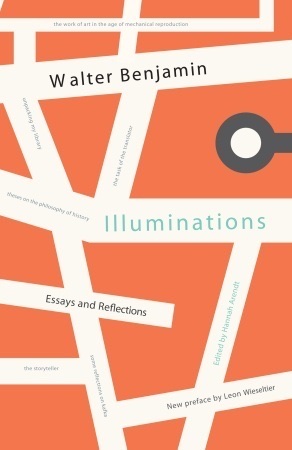 Illuminations: Essays and Reflections
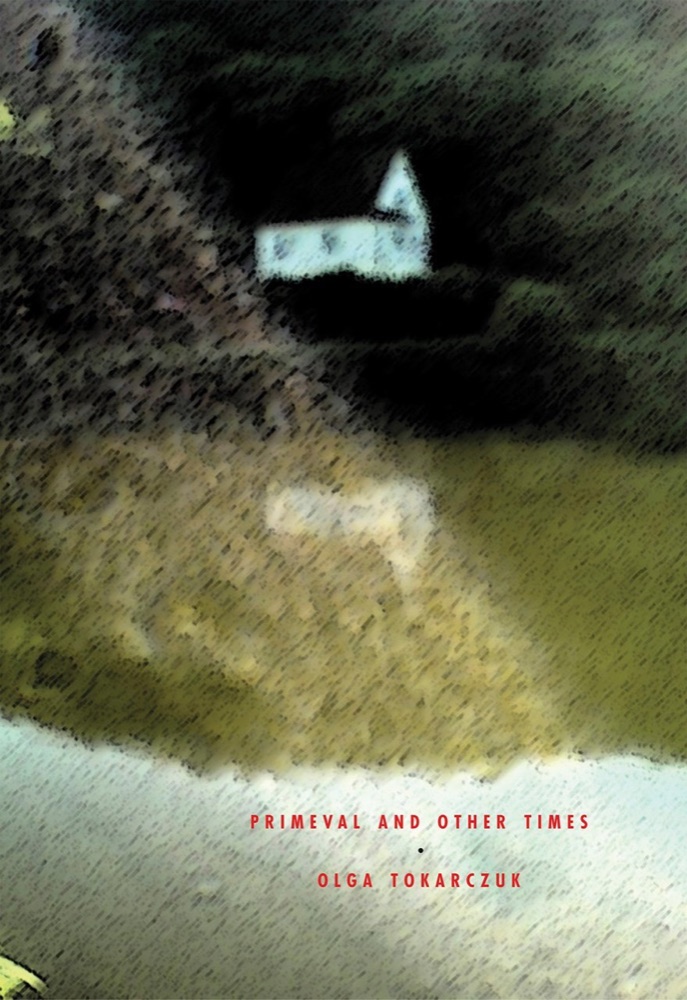 Primeval and Other Times
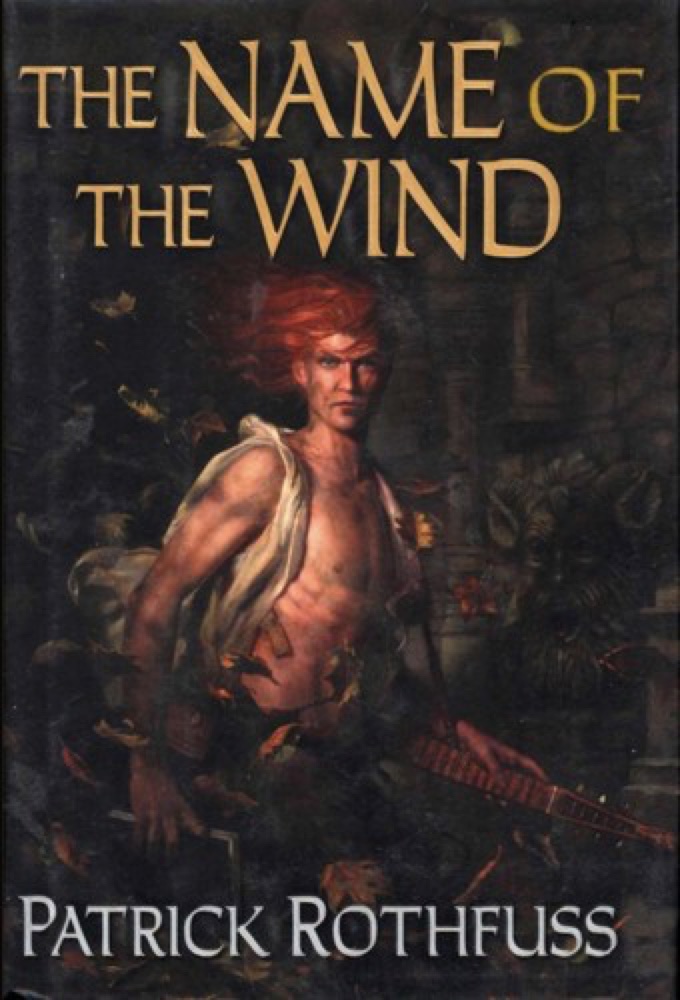 The Name of the Wind
 Auto-da-Fé
 Man and His Symbols
 Swann's Way
 The Names
 The Book of Mirdad: The Strange Story of a Monastery Which Was Once Called the Ark
 Lord of Light
 Hallucinating Foucault
 The Name of the Rose
 The Thief's Journal