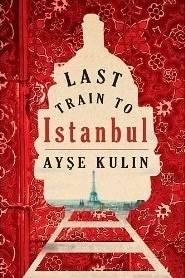

 Another Country
Quotes from the Book
Think carefully. We only have one life to live. We alone are responsible for it.
My God, she thought, where on earth can I go to save my son from such suffering? Is there any corner of the vast world where people live without tormenting each other?
After all is said and done, what is life anyway? Aren’t we all going to die in the end? I believe life is only worth living if, while we are on this earth, we can do honorable things.
Love is like a flame; it burns itself out eventually,
Wouldn’t we be happier, she thought, if we could rid ourselves of the old conventions or shrug off the chains binding us to our past? If we could only do that, we’d be happier, more independent.
nations have no friends or foes; they only have their interests.
All he was now was a wretched number and old, very old, even older than his father, whom he referred to as “the old man.” He was now 3,233 years old.
Yes, religion was a many-splendored thing; surely it should be part of life and not used to separate people.
the more people became interested in science, the pursuit of knowledge, and culture, the less importance they placed on religion. He often told his daughter that most bigots or fanatics came from poor, ignorant backgrounds.
What’s wrong with teaching English, Rafo? Is it forbidden to teach?” “No, but it is forbidden to be Jewish.” Selva
You never know. Maybe he was cuckolded by a Jewish beauty when he was young. Don’t they say there’s always a woman’s finger behind everything? Cherchez la femme!” Muhlis
Women who’d lost their humanity; men who had no money, no home, and no hope.
where on earth can I go to save my son from such suffering? Is there any corner of the vast world where people live without tormenting each other?
Sensible men have important jobs; they haven’t got a lot of spare time to spend with their wives. Only idle men have time to spend at home with their families.
but to fight for the British, who had stirred up the Arabs against the Turks in the First World War when they had their eyes set on Musul and Kerkük, was too much to expect. At the same time, other European countries, for their own reasons, had supported various Middle Eastern tribes who were seeking independence.
If life is too short, isn’t that more reason to make the most of what we’ve got? To live the way we want to?
How on earth could he find the time to care for her when he was inundated with work?
It had not had much effect, but that was beside the point. “Love is like a flame; it burns itself out eventually,” Sabiha had told Selva. “What will you do then?
bedroom. He threw the cover, quilt, and pillows hastily on the floor, feeling the sides of the mattress until he found what he was looking for.
The capital, Ankara, was preparing for a hot summer again. In Turkey the winters were extremely cold and snowy, and the summers were unbearably hot. It was already obvious that the approaching summer months would be hotter than hell.
were all enjoying a lovely tea party. Selva’s classmates rehearsed
religion should be practiced without thought of race or color, with all its ceremonies carried out in mosques, churches, and synagogues. God was worshiped in these communities, and people reached out to him and found peace in their souls.
Life is too short, Selva. How often has Father told us about the value of time? Time is not to be wasted.” “If life is too short, isn’t that more reason to make the most of what we’ve got? To live the way we want to?
What was all this fuss about religion? Surely, she thought, religion should be practiced without thought of race or color, with all its ceremonies carried out in mosques, churches, and synagogues.
The Ottomans sincerely greeted us and gave us accommodation. We were free to practice our religion and to speak our own language. We were even protected from those who wanted to banish us yet again to foreign lands. Our honor and dignity were restored.” Beyazid
She was permanently miserable, guilty at having been the culprit; yes, she was the devil that had imposed all the pain and turmoil on her family for her own ends.
Yes, religion was a many-splendored thing; surely it should be part of life and not used to separate people. Couldn’t people from different religions love one another? Oh, dearest Father, she thought, is religion worth sacrificing your daughter? Is it worth rejecting your son-in-law, just because he prays in a synagogue?
Watch on YouTube
About Ayşe Kulin
We have collected 27 quotes from 1 book by Ayşe Kulin on BookQuoters.
More about the author →Book details
- Author
- Ayşe Kulin
- Genre
- Fiction
- Goodreads rating
- 3.88 (29k ratings) →
Keep reading
Another Country
 Howards End
 How Beautiful We Were
 The Loneliness of Sonia and Sunny
 The Wasted Vigil
 The Signature of All Things
 Heart Lamp: Selected Stories
 The Once and Future King
 Cuckold
 The Enchantress of Florence
 The Good Soldier
 A Room with a View
 V.
V.
 Alas, Babylon
 A Fine Balance
 Cancer Ward
 The Fall of Hyperion
 Lost Horizon
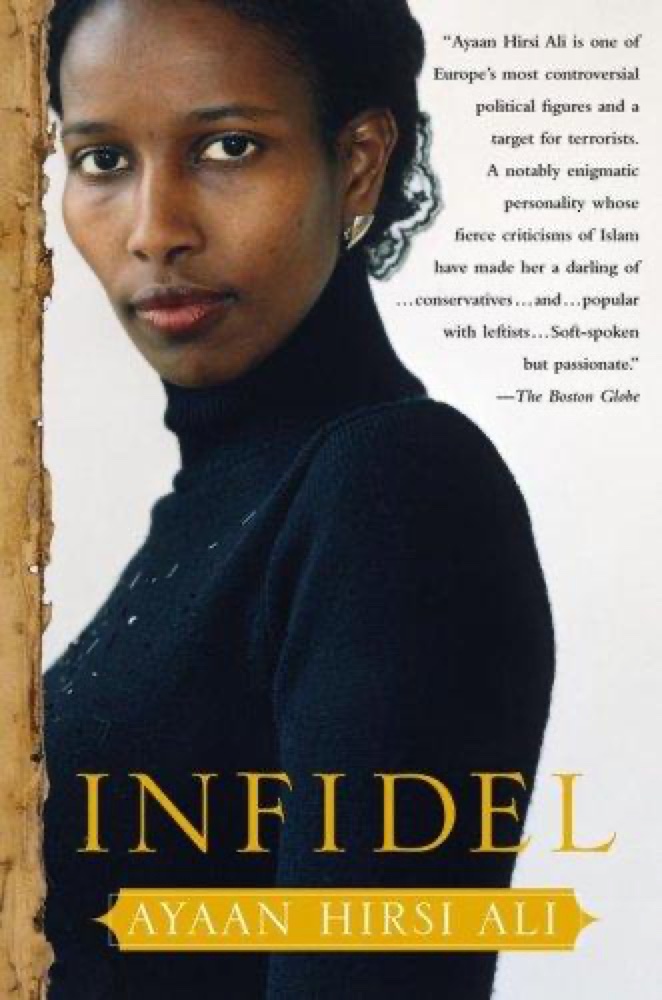 Infidel
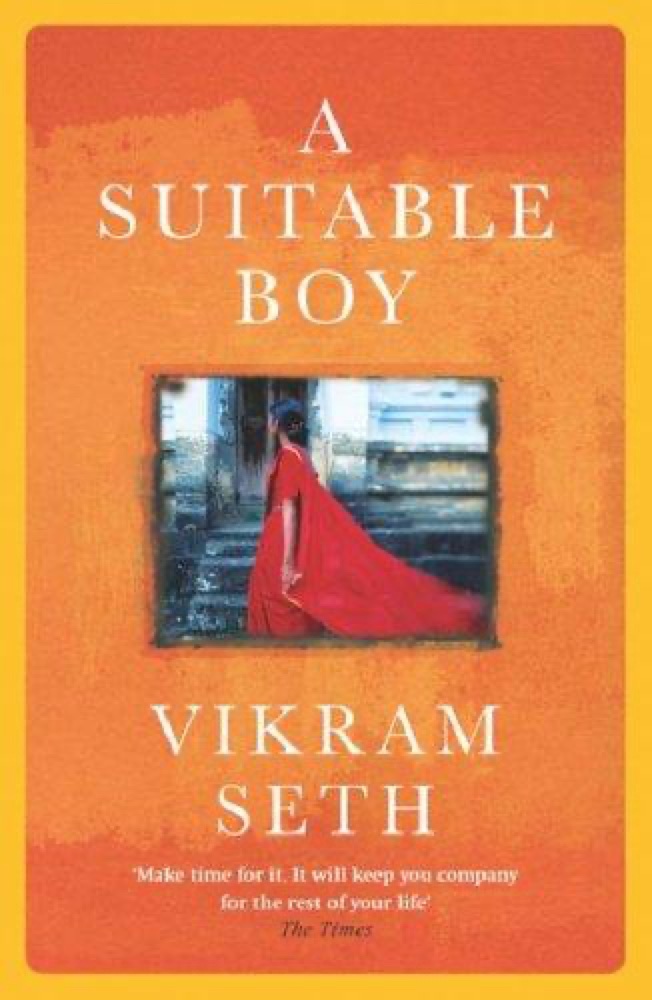 A Suitable Boy
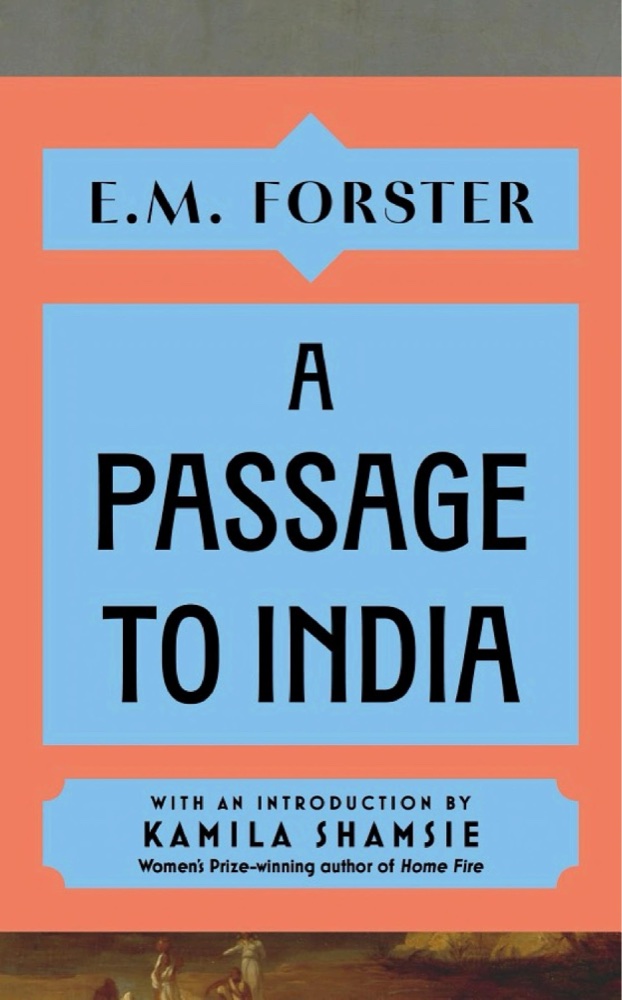 A Passage to India
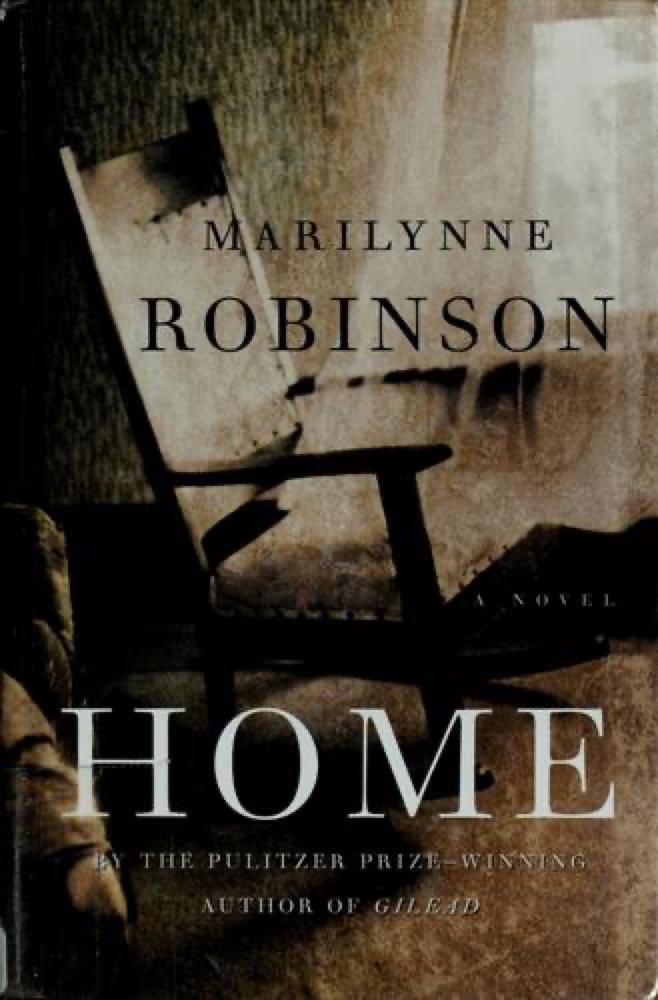 Home
Home
 The Round House
 Nation
 Out of Oz
 A Death in the Family
 The Chrysalids
 The Bastard of Istanbul
 Three Daughters of Eve
 Leave the World Behind
 The Lives of Others
 White Teeth
 Snow
Snow
 The Children Act
 Embers
 Consider Phlebas
 A Song to Drown Rivers
 The Ministry of Utmost Happiness
 Under Western Eyes
 Sophie's Choice
 10 Minutes 38 Seconds in This Strange World
 The Known World
 A Rule Against Murder
 Half of a Yellow Sun
 The Home and the World
 Fifth Business
 Lady Chatterley's Lover
 Ragtime
 Mother Night
 The Moor's Last Sigh
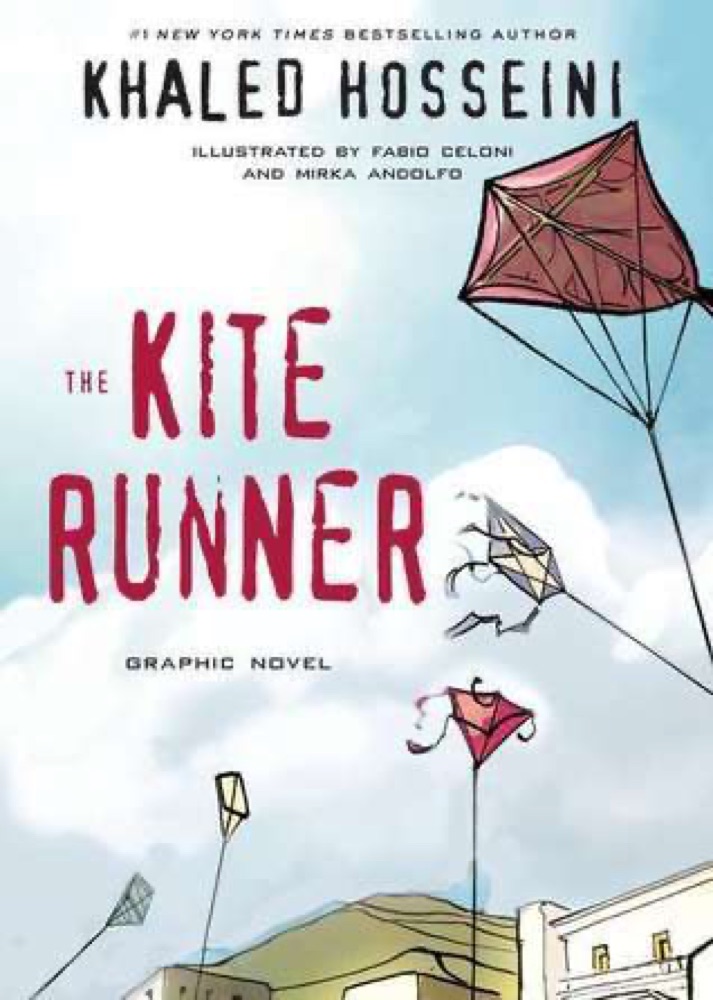 The Kite Runner
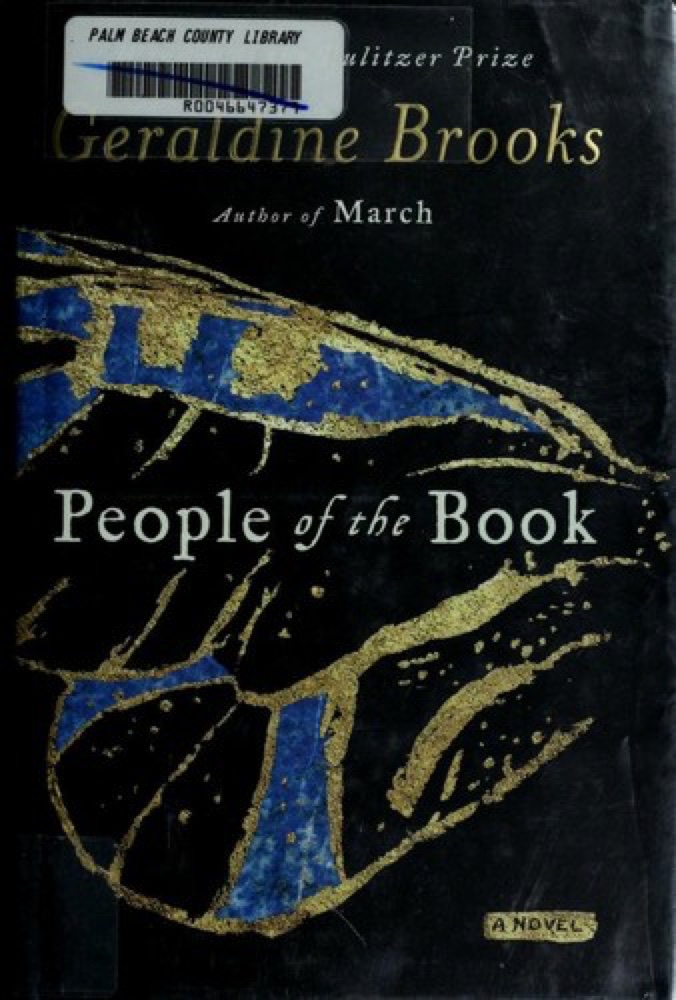 People of the Book
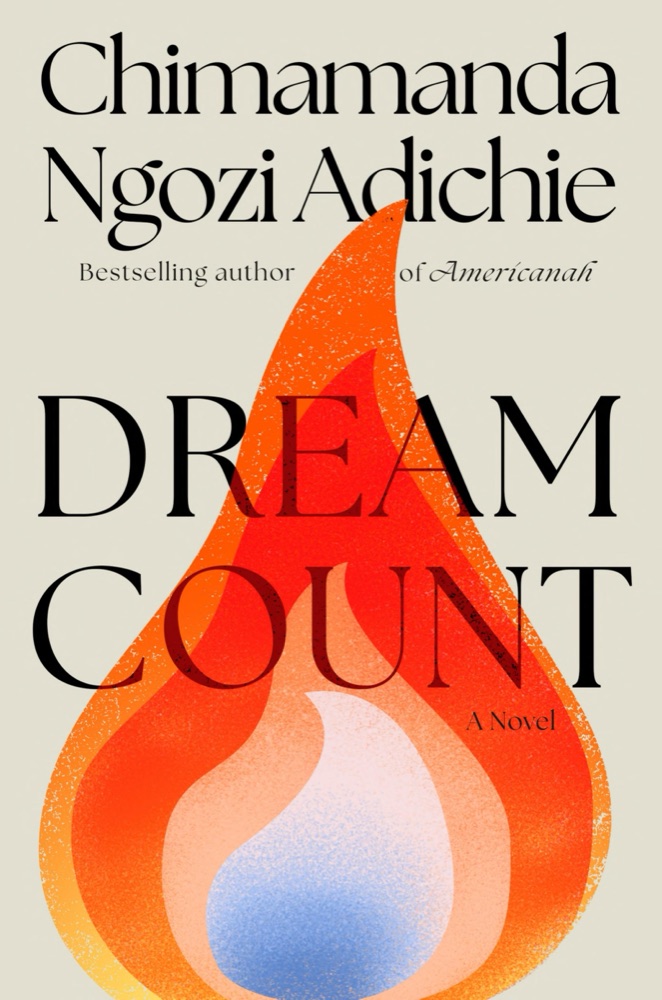 Dream Count
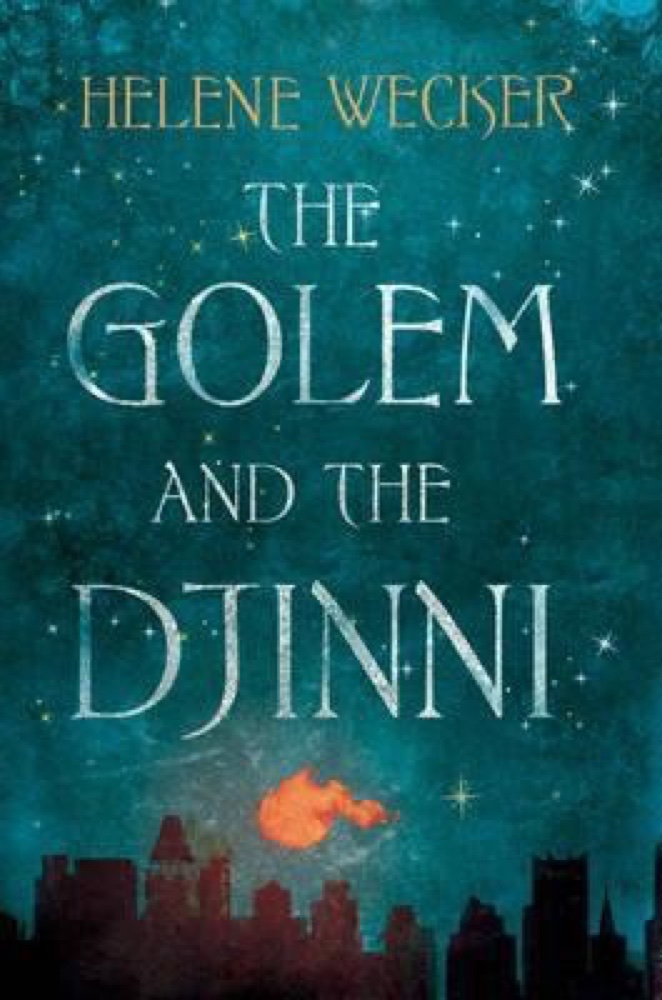 The Golem and the Jinni
 The Illustrated Man
 Homegoing
 Family Matters
 The Pearl That Broke Its Shell
 Mercury Pictures Presents
 Last First Snow