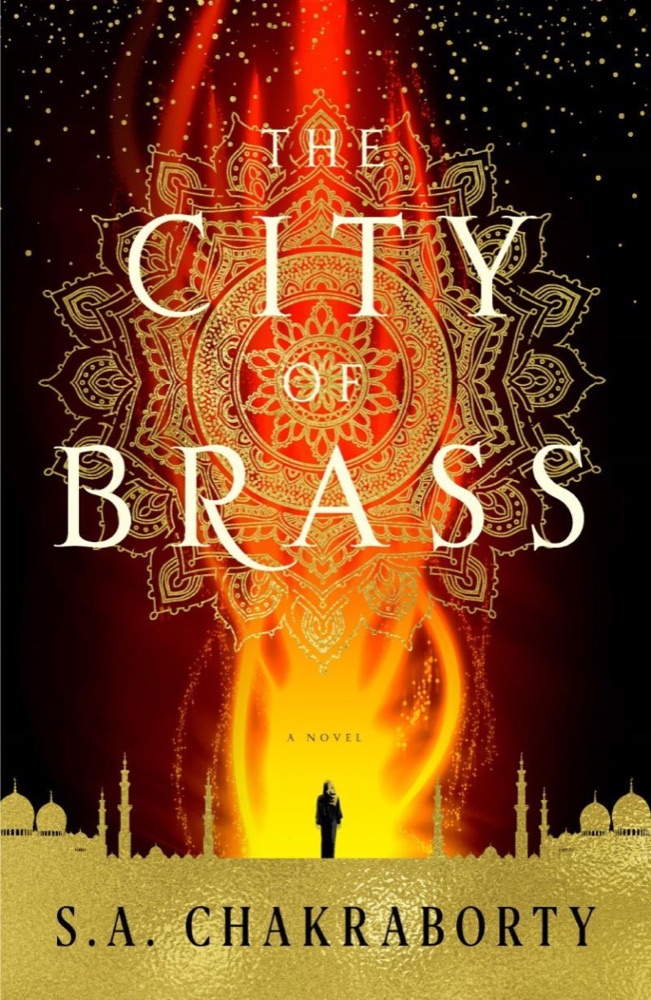

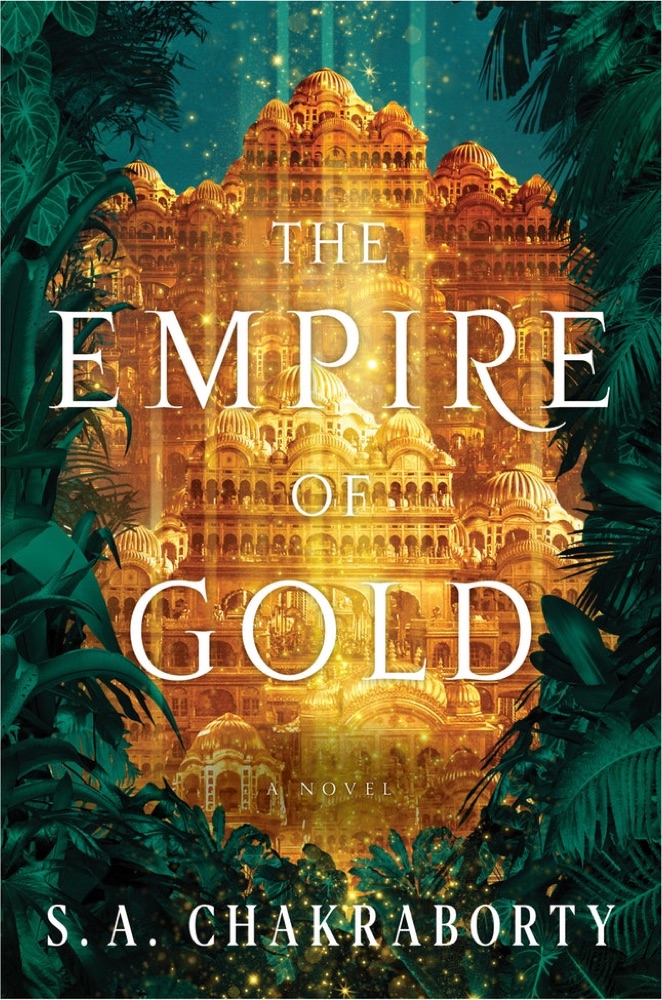
 The Empire of Gold
Quotes from the Book
Greatness takes time, Banu Nahida. Often the mightiest things have the humblest beginnings.
168
In what world do men and women pay the same price for passion?
146
You're some kind of thief, then?" "That a very narrow-minded way of looking at it. I prefer to think of myself as a merchant of delicate tasks.
88
I'm coming back, Nahri," he promised. "You're my Banu Nahida. This is my city." His expression was defiant. "Nothing will keep me from either of you.
28
Can I swim?” he snapped, as if the very idea offended him. "Can you burn?
25
Someone steals from me, I steal from others, and I'm sure the people I stole from will eventually take something that doesn't belong to them. It's a circle. - Nahri
25
It's not haunted". Wajed countered. "It simply... misses its founding family." "The stairs vanished under me the last time I was there, uncle," Ali pointed out. "The water in the fountains turns to blood so often than people don't drink it." "So it misses them a lot.
24
Eat you?" He made a disgusted sound. "The smell of your blood alone is enough to put me off eating for a month.
19
It looked like the type of place people came to be forgotten
18
To keep walking a path between loyalty to your family and loyalty to what you know is right. One of these days, you’re going to have to make a choice.
17
Praise be to God, have I actually silenced you for once? I should have accused you of treason earlier in our conversation and saved myself your insufferable comments.
16
When the Franks and Turks weren't fighting over Egypt, the only thing they seemed to agree on was that the Egyptians couldn't govern it themselves. God forbid. It's not as though the Egyptians were the inheritors of a great civilization whose mighty monuments still littered the land. Oh, no. They were peasants, superstitious fools who ate too many beans
16
So you're telling me I should hide my kebabs? - Nahri
15
Judging from the screams of the mob, Nahri suspected animating winged lions that breathed flames was not a regular occurrence to the djinn world.
12
You're young," he said quietly. "You have no experience with what happens to people like us during a war. People who are different.
11
I'm not sleeping alongside you in some temple dedicated to fish orgies.
11
So you just live quietly with these powers?" he demanded. "Haven't you ever wondered why you have them? Suleiman's eye... you could be overthrowing governments, and instead you steal from peasants!
11
Scattered minds are the enemy of magic.
10
Often the mightiest things have the humblest beginnings.
9
Because I am shafit. That I can wield my magic better than a pureblood, that the sheikh here could spin intellectual circles around the scholars of the Royal Library - that is proof that we're not so different from the rest o f you." He glared at Ali. "It's not a thin I mean to hide.
9
He snatched up the reins again, holding her tight. There was nothing affectionate or remotely romantic about the gesture; it was desperation, like a man clinging to a ledge. "We run.
9
She can help with your economic policies when you're king." "Yes, that's just what every man dreams of in a wife
8
The bow in hand, he finally staggered up and glanced down the alley, obviously searching for whoever had – what had he said? – ‘called’ him? Though he didn’t look much taller than her, the vast array of weapons – enough to fight a whole troop of French soldiers – was terrifying and slightly ridiculous. Like what a little boy might don to pretend to be some ancient warrior. A warrior. Oh, by the Most High… He was looking for her. Nahri was the one who had called him.
8
Find out what you really are, what really exists in this world. Come to Daevabad where even a drop of Nahid blood will bring you honor and wealth beyond your imagining. Your own infirmary, the knowledge of a thousand previous healers at your fingertips. Respect.
7
Do you like your men tall, dark, and hostile?
6
He looks like he belongs here, she thought. Like a ghost forgotten in time, searching for its long dead-companions.
6
Oh, calm down, Sheikh." Zaynab shivered. "It's cold up here." "Cold? We're djinn! You are literally created from fire.
6
realize how different she was from the people around her, like being the only sighted person in a world of the blind.
4
Did you know?
- The City of Brass was S.A. Chakraborty's debut novel.
- It is the first book in the Daevabad Trilogy, followed by The Kingdom of Copper and The Empire of Gold.
- The story opens in 18th-century Cairo before moving to the magical djinn city of Daevabad.
- The novel draws heavily on Middle Eastern and Islamic folklore, including djinn lore.
- Netflix optioned the Daevabad Trilogy for adaptation in 2020 through Edgar Wright's Complete Fiction.
- It was named one of the best books of 2017 by multiple publications.
About S.A. Chakraborty
S.A. Chakraborty is an American speculative fiction writer best known for the Daevabad Trilogy, fantasy drawing on Islamic history and Middle Eastern folklore. The City of Brass (2017) was her debut novel.
More about the author →More by S.A. Chakraborty
The Empire of Gold
About the book
The City of Brass is a fantasy novel by S.A. Chakraborty and the first book of the Daevabad Trilogy. It opens in 18th-century Cairo, where Nahri, a clever young con artist with an unexplained gift for healing, scrapes by swindling Ottoman nobles. When one of her cons accidentally summons Dara, a mysterious and powerful djinn warrior, Nahri is drawn into a hidden world of magical beings and swept toward Daevabad, the legendary brass-walled city of the djinn, where her arrival threatens to upend a fragile and dangerous political order.
The novel braids together themes of identity, belonging, and inherited grievance, drawing on Middle Eastern and Islamic folklore for its world of warring djinn tribes, court intrigue, and old blood feuds. Through Nahri's outsider perspective and Prince Ali's crisis of conscience between family loyalty and justice, Chakraborty explores colonial-style oppression, religious devotion, and the moral cost of power, while questioning who gets to belong in a society built on rigid hierarchies and buried history.
Published in 2017 as Chakraborty's debut, the book was widely praised for its immersive worldbuilding and was named a best book of the year by several outlets. It was a finalist for the Locus, World Fantasy, British Fantasy, and Crawford Awards, helping establish Chakraborty as a notable new voice in fantasy and launching a trilogy that built a substantial readership.
Key characters
- NahriA young Cairo con artist with hidden healing powers, descended from the Nahid line
- DaraA powerful, ancient djinn warrior who summons Nahri and guides her toward Daevabad
- Ali (Alizayd al Qahtani)Devout second son of the djinn king, torn between family loyalty and justice
- King Ghassan al QahtaniRuler of Daevabad who maintains harsh control over the rival djinn tribes
Book details
- First published
- 2017
- Length
- 532 pages
- Series
- The Daevabad Trilogy #1
- Reading time
- 10 hours
- Author
- S.A. Chakraborty
- Genre
- Fantasy
- Goodreads rating
- 4.14 (162k ratings)
- First line
- “He was an easy mark.”
Critical reception
- Named a best book of 2017 by several publications.
- Finalist for the Locus, World Fantasy, British Fantasy, and Crawford Awards.
- Praised by reviewers for its immersive worldbuilding and use of Middle Eastern folklore.
- The Daevabad Trilogy was optioned by Netflix in 2020.
Series & reading order
- 1 The City of Brass
- 2 The Kingdom of Copper
- 3 The Empire of Gold
Keep reading
The Empire of Gold
 The Ashfire King
 Queen of Fire
 The Stardust Thief
 The Theft of Sunlight
 Rebel of the Sands
 The Gilded Wolves
 Froi of the Exiles
 Redemption in Indigo
 Alif the Unseen
 Promise of Blood
 Crooked Kingdom
 The Blacktongue Thief
 A Kiss of Shadows
 The Palace Job
 The Blood Mirror
 The Steel Remains
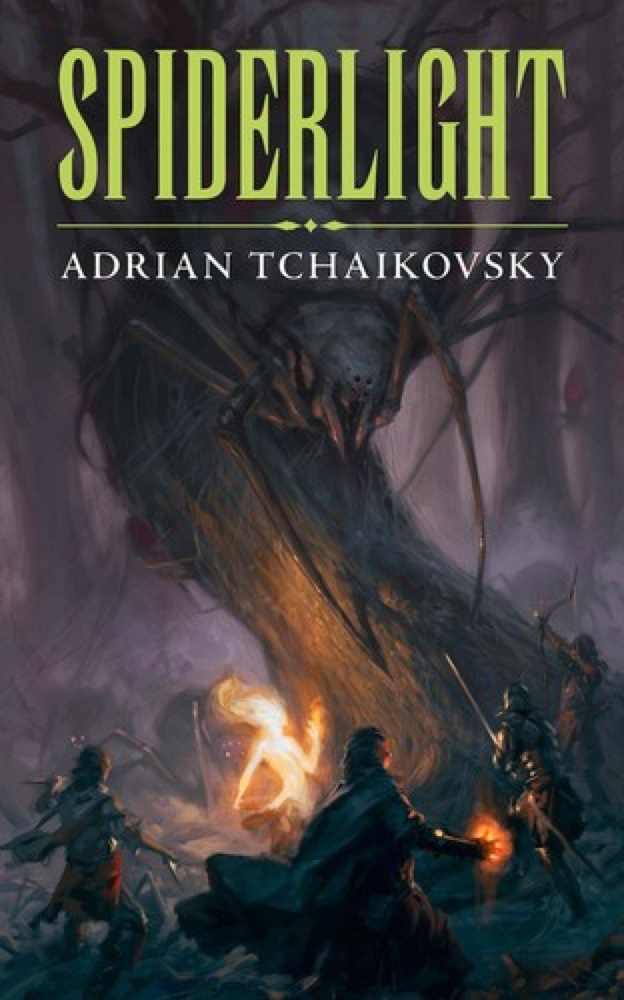 Spiderlight
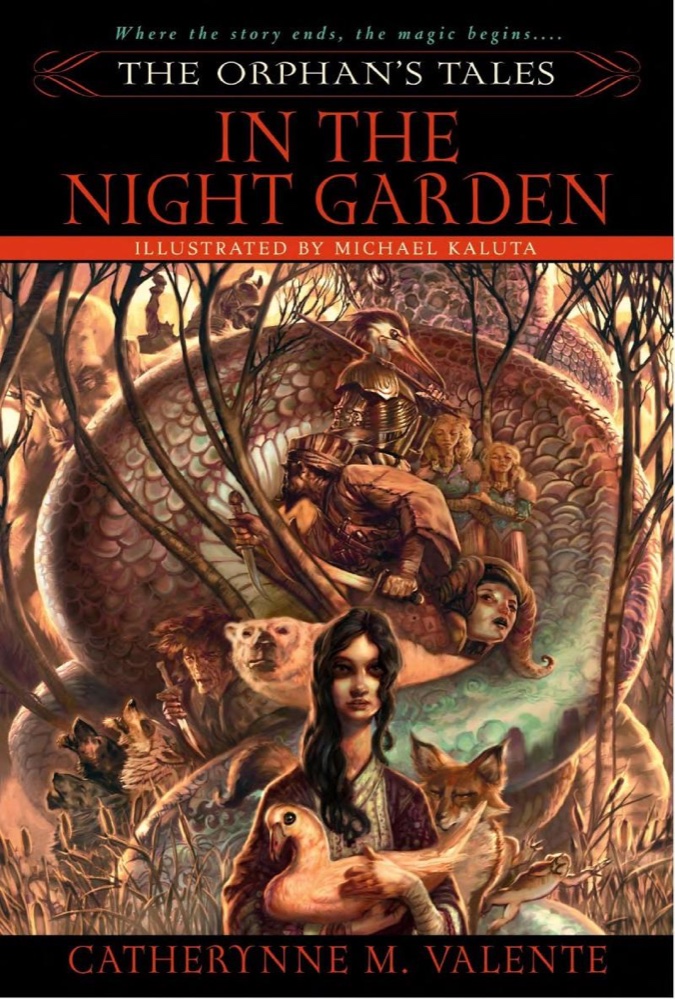 In the Night Garden
 A Tempest of Tea
 The Tainted Cup
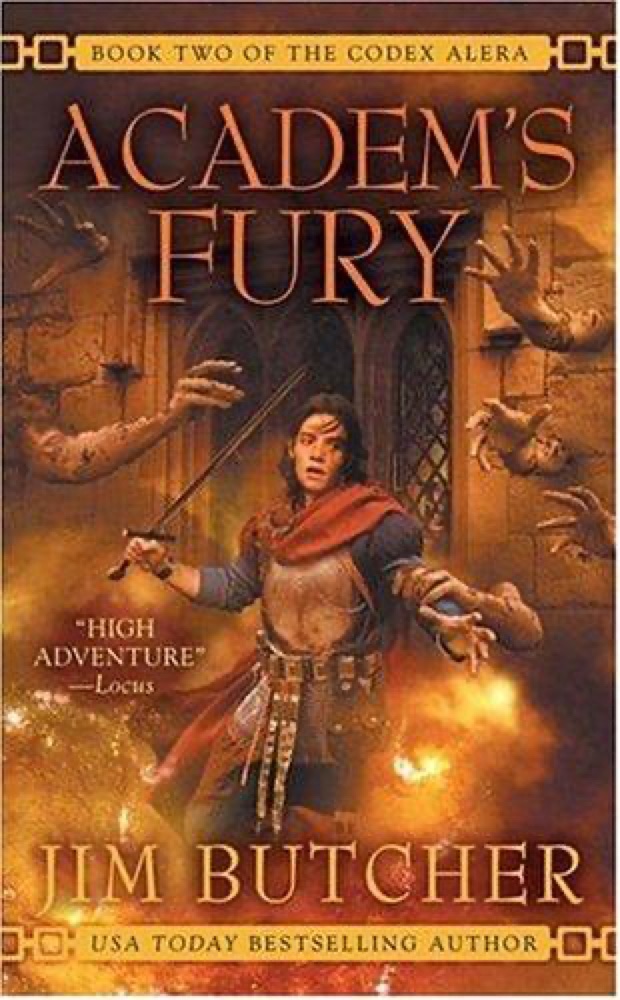 Academ's Fury
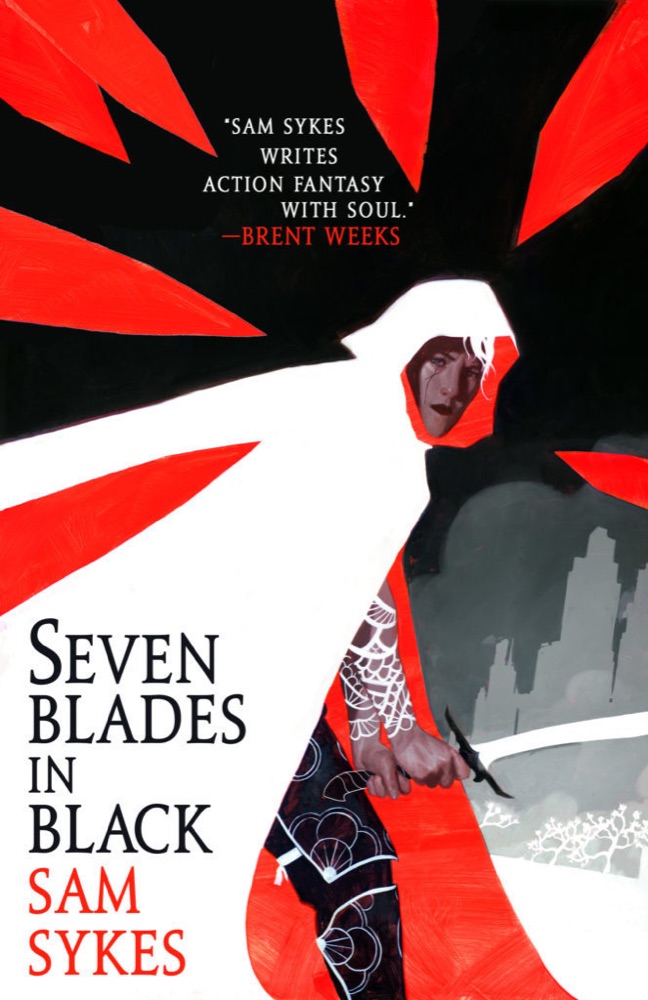 Seven Blades in Black
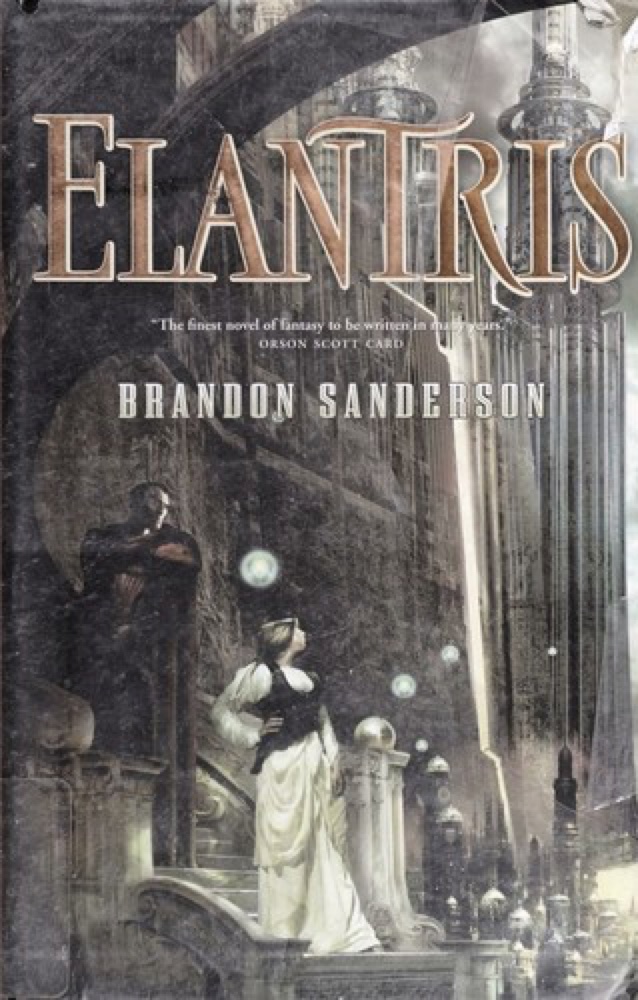 Elantris
 Traitor to the Throne
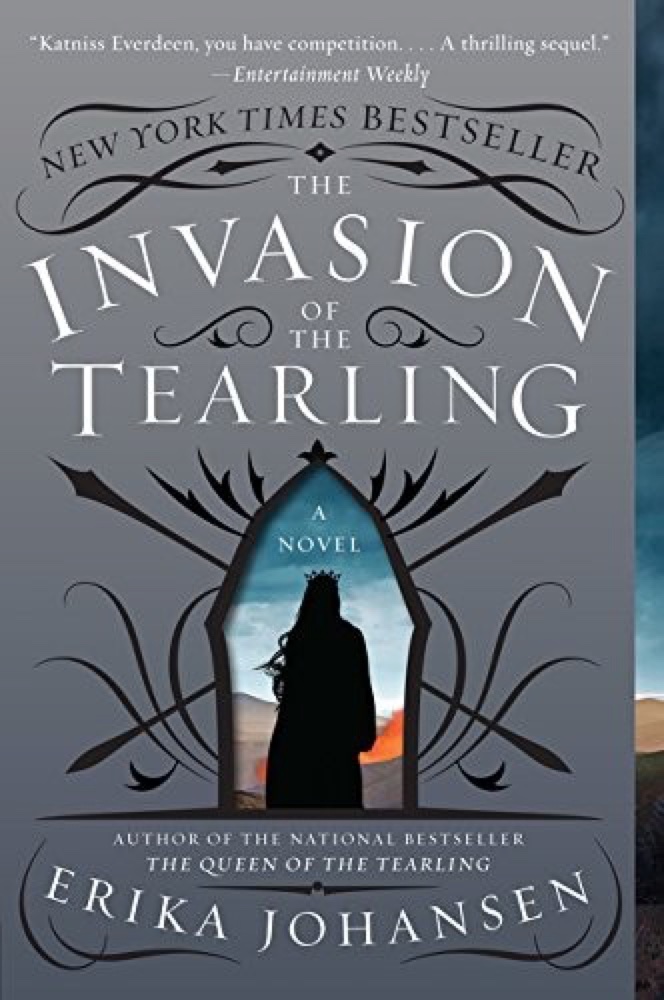 The Invasion of the Tearling
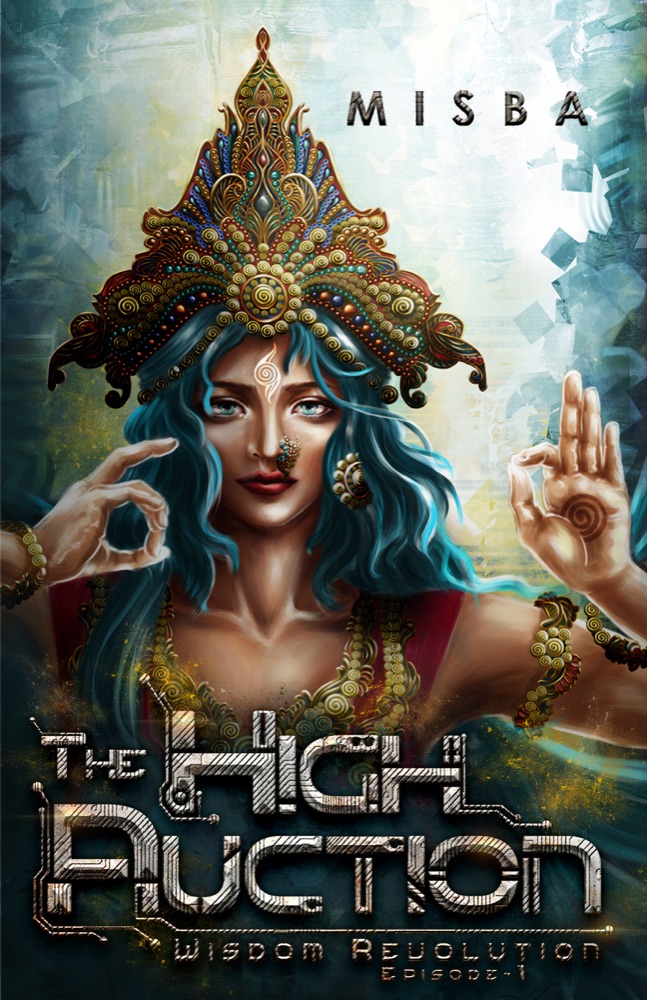 The High Auction
 The Devil and the Dark Water
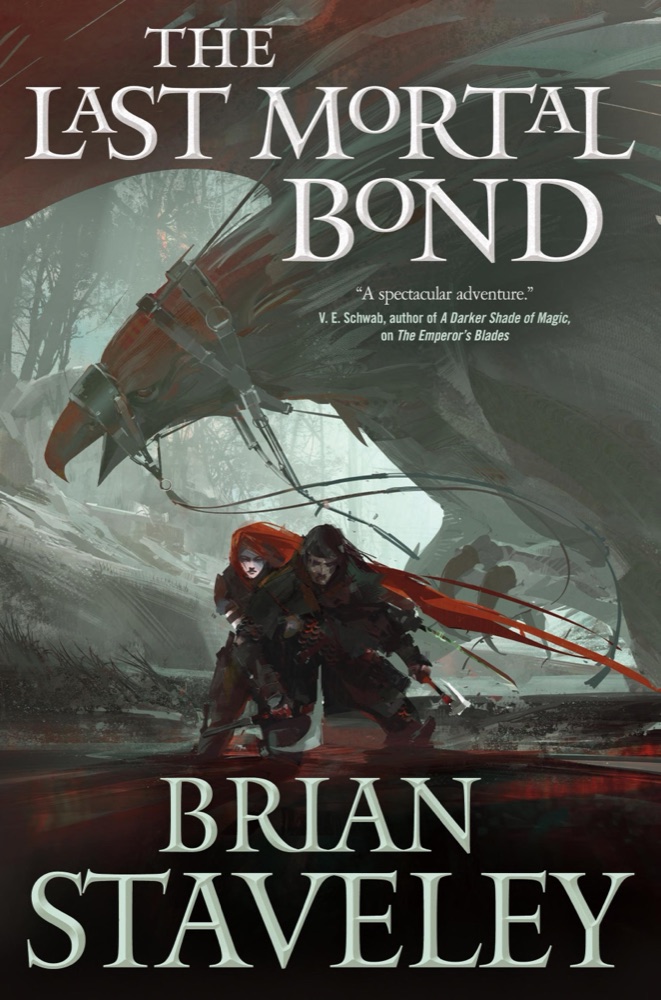 The Last Mortal Bond
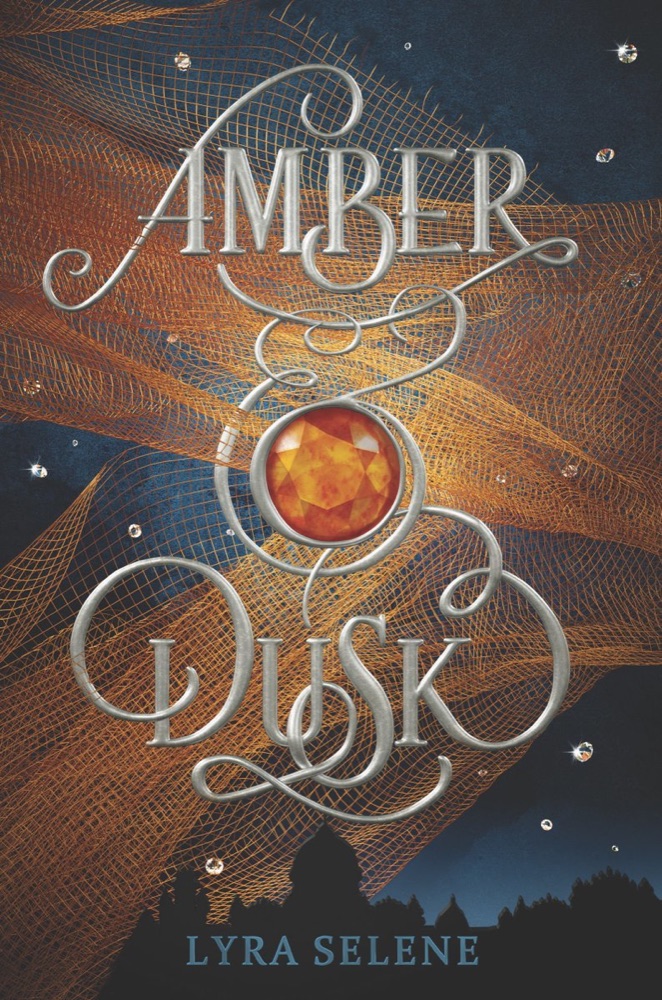 Amber & Dusk
 Hunted
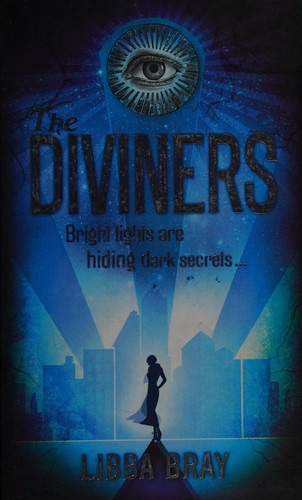 The Diviners
 House of Chains
 The Exiled Queen
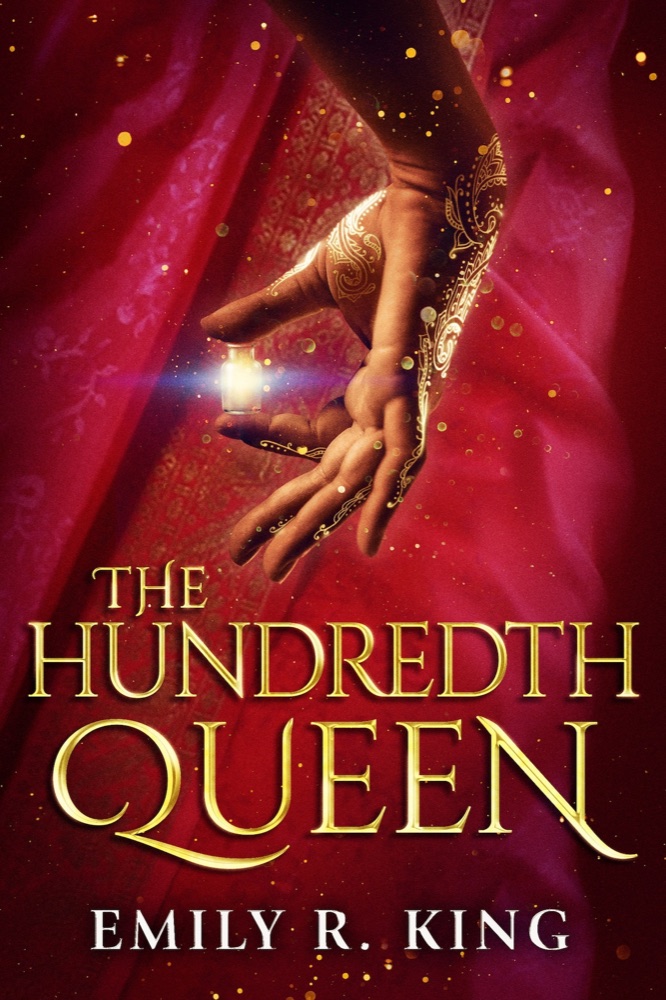 The Hundredth Queen
 Three Parts Dead
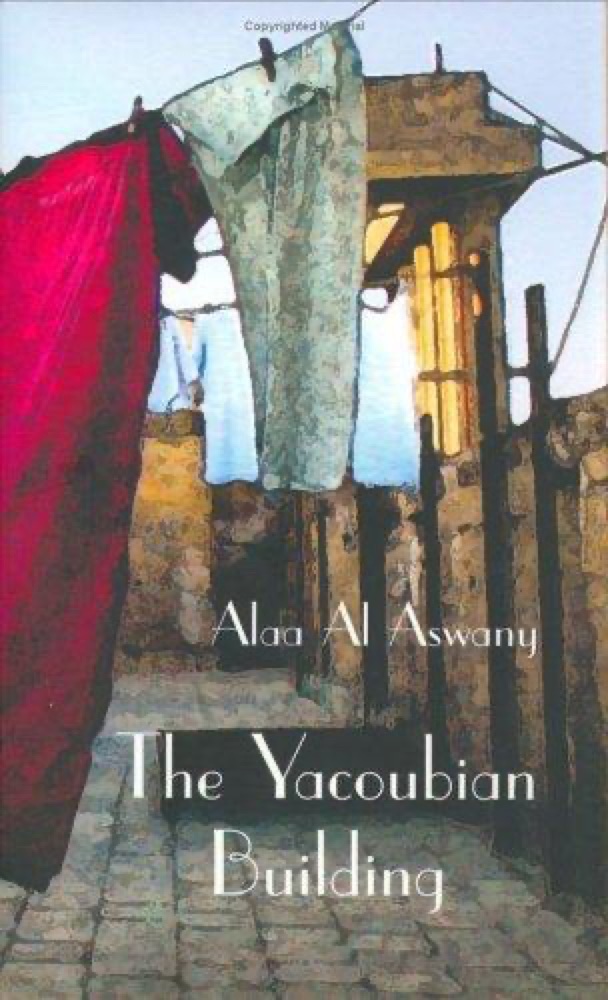 The Yacoubian Building
 The Scorpion Rules
 Woken Furies
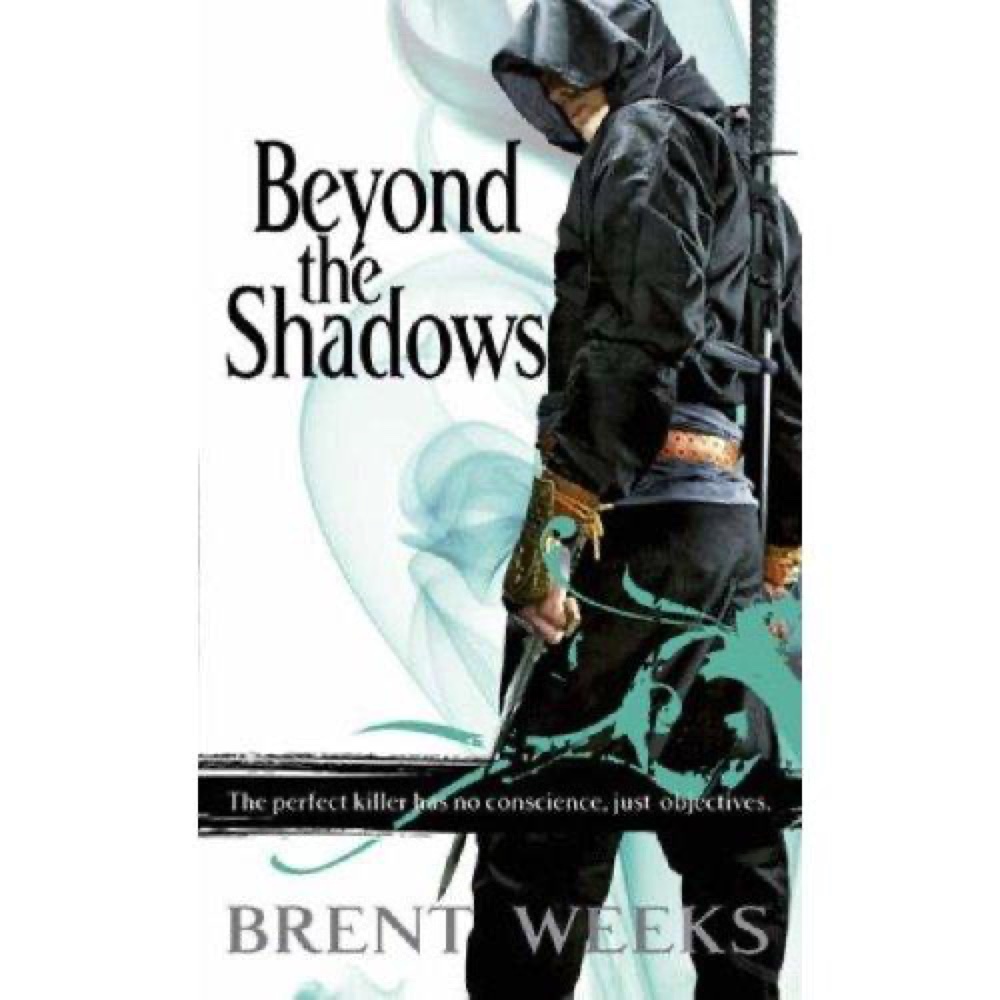 Beyond the Shadows
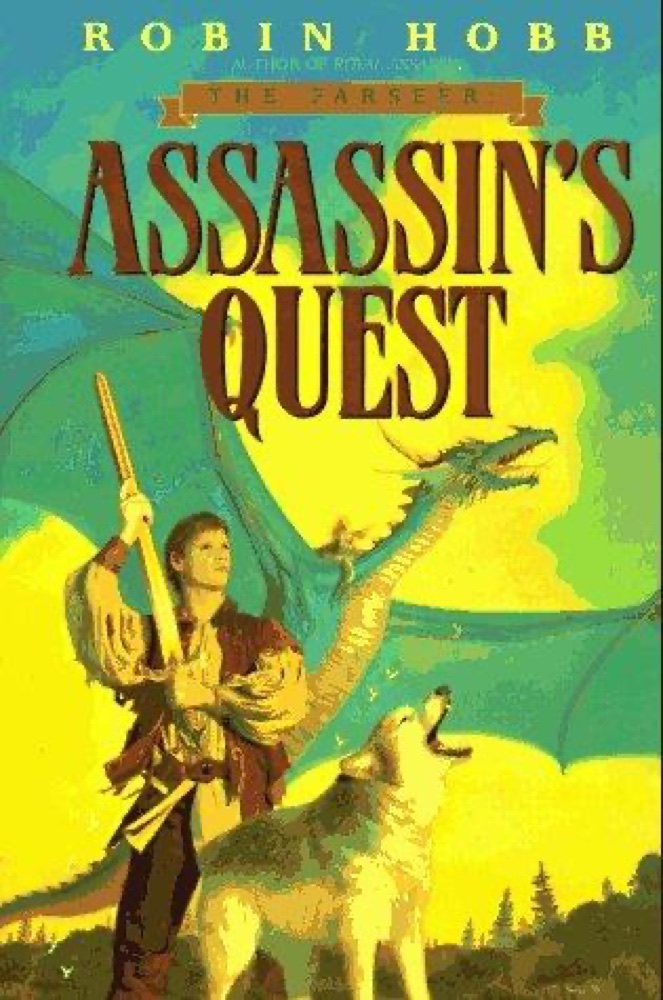 Assassin's Quest
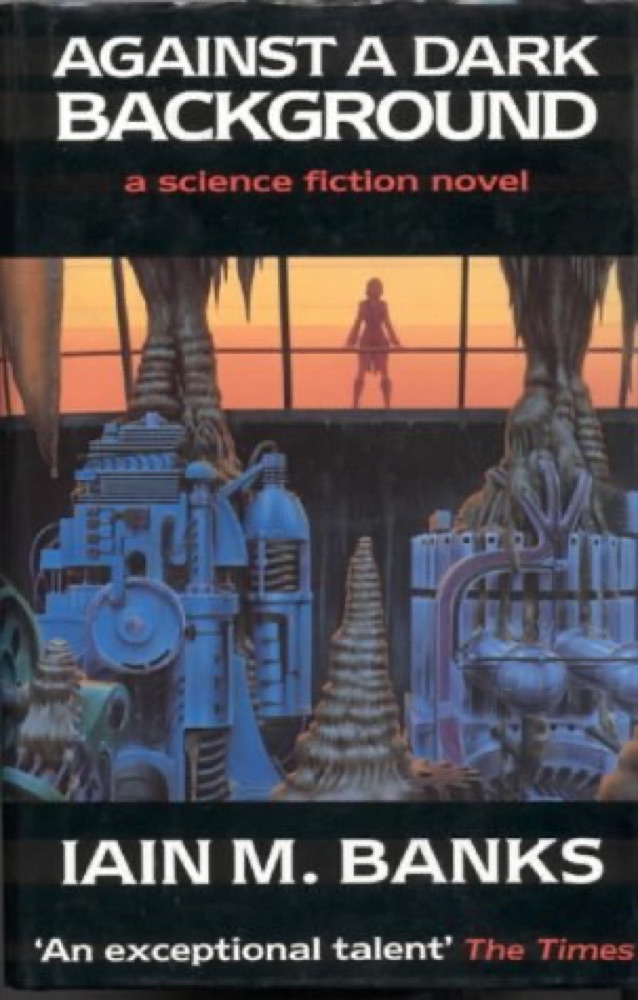 Against a Dark Background
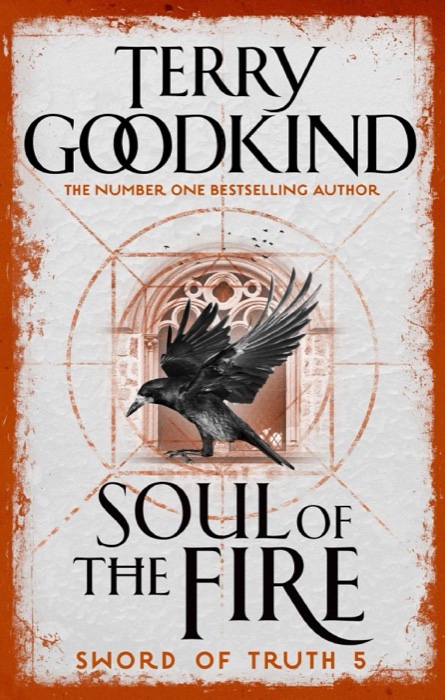 Soul of the Fire
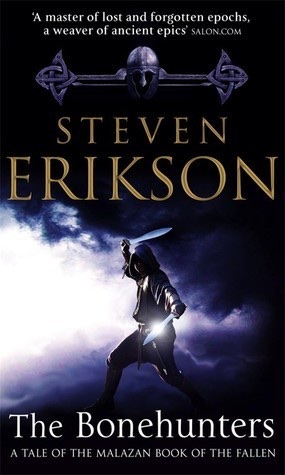 The Bonehunters
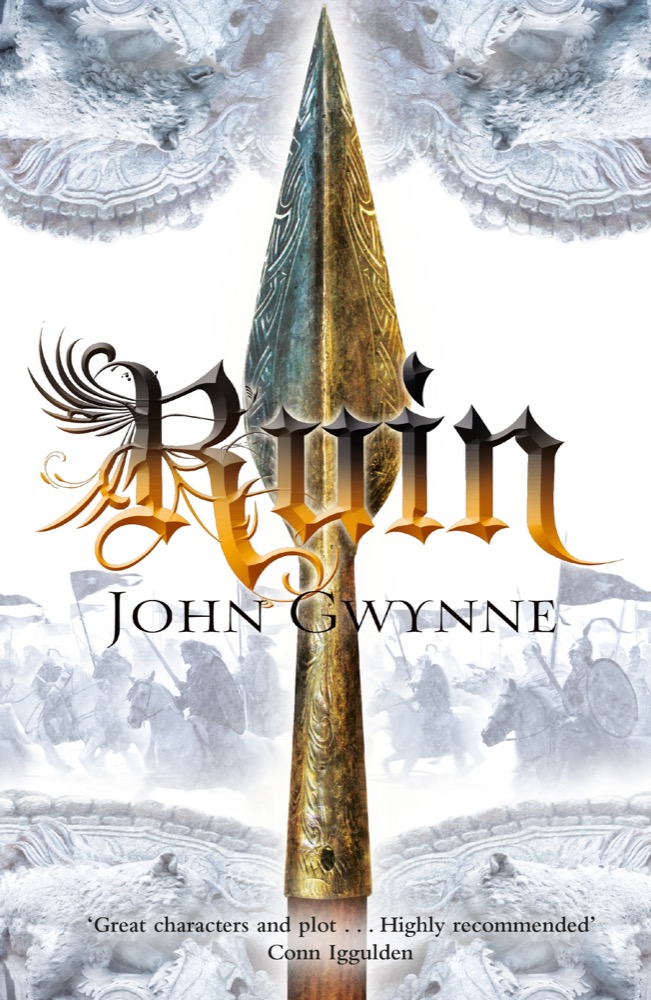 Ruin
Ruin
 The Throne of Fire
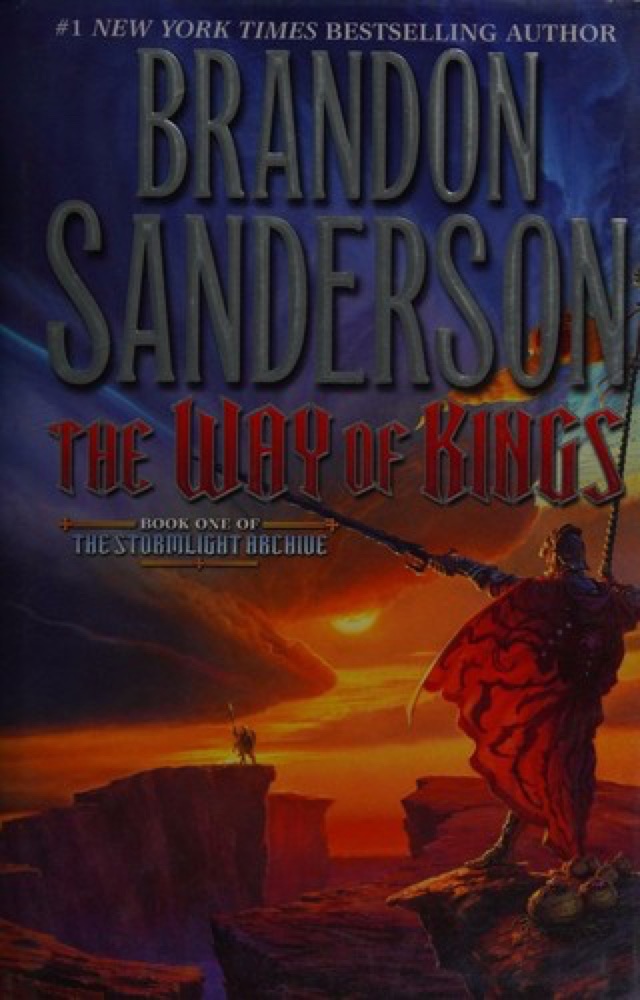 The Way of Kings
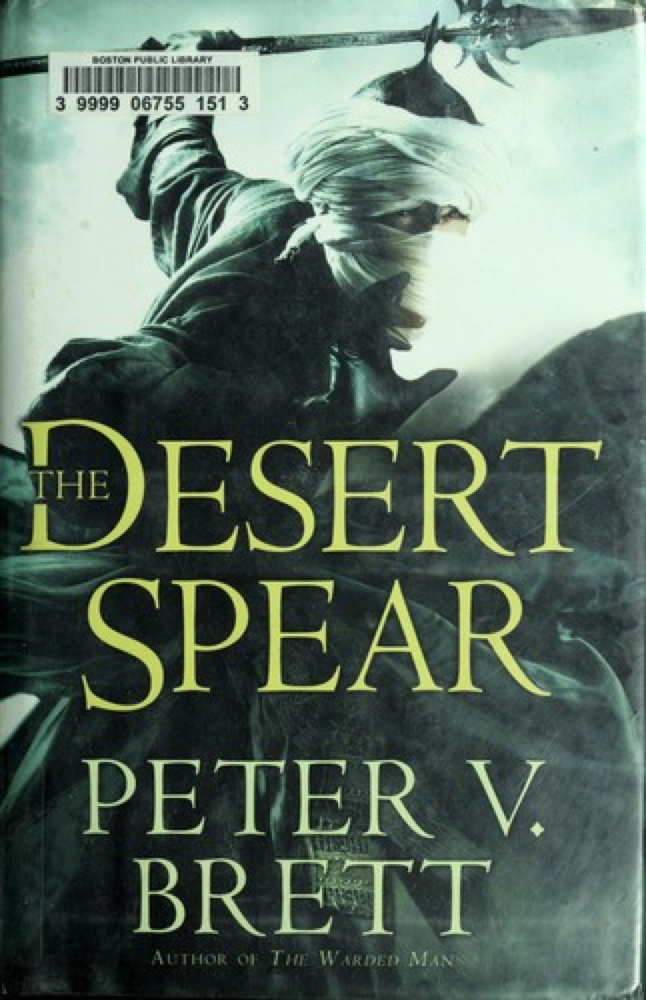 The Desert Spear
 Black Sun
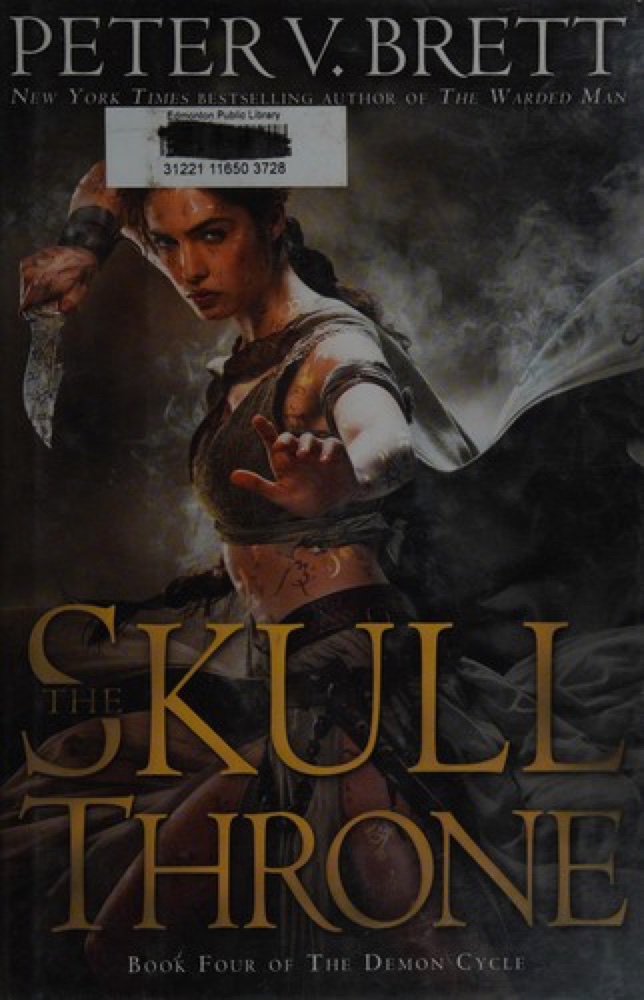 The Skull Throne
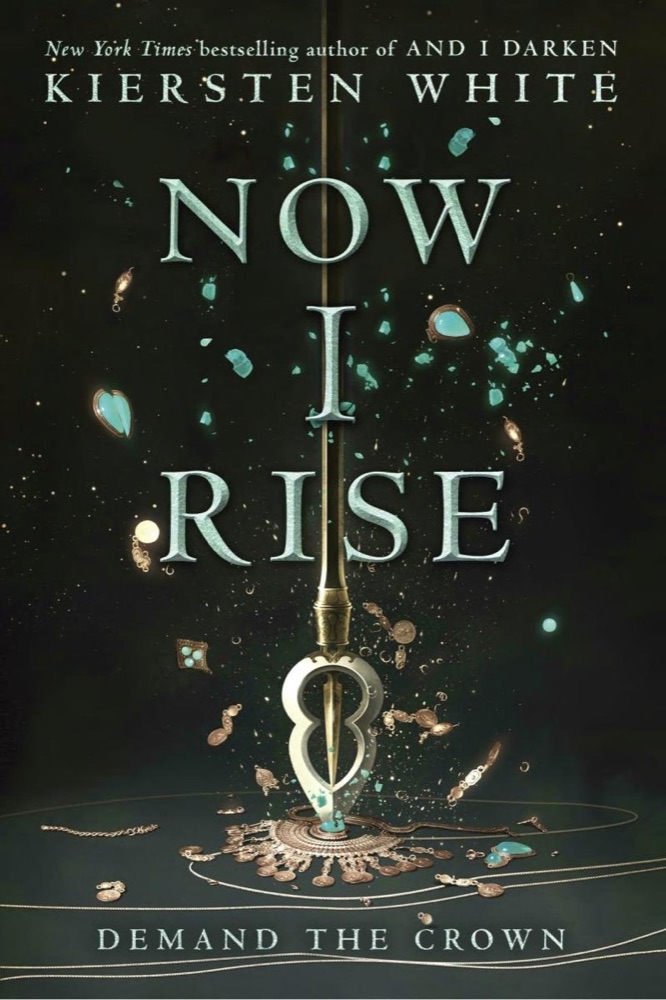 Now I Rise
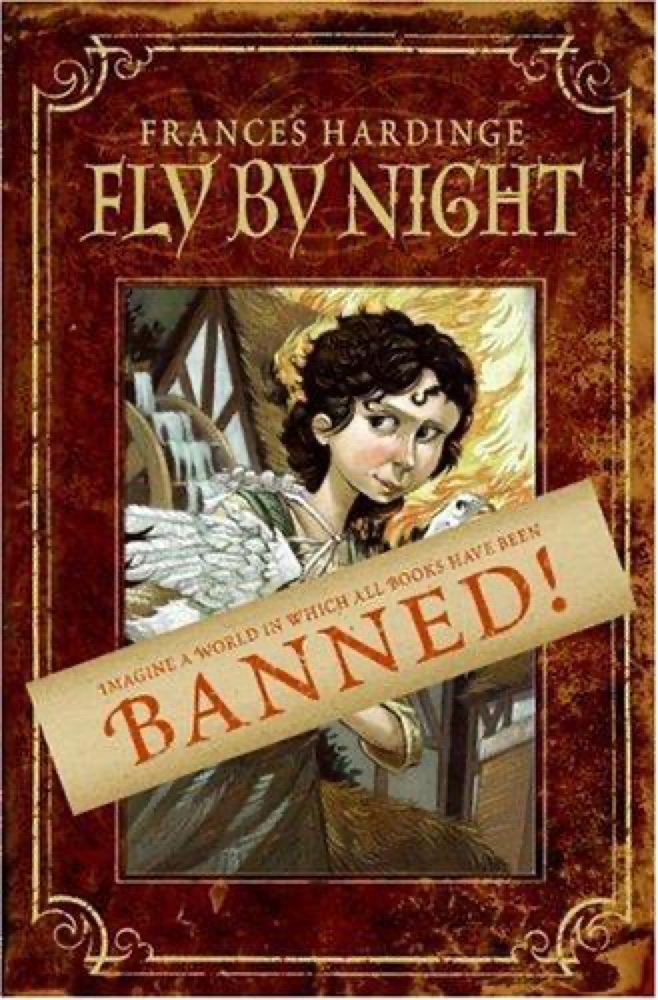 Fly by Night
 The Lost Sisterhood
 The Shadow Rising
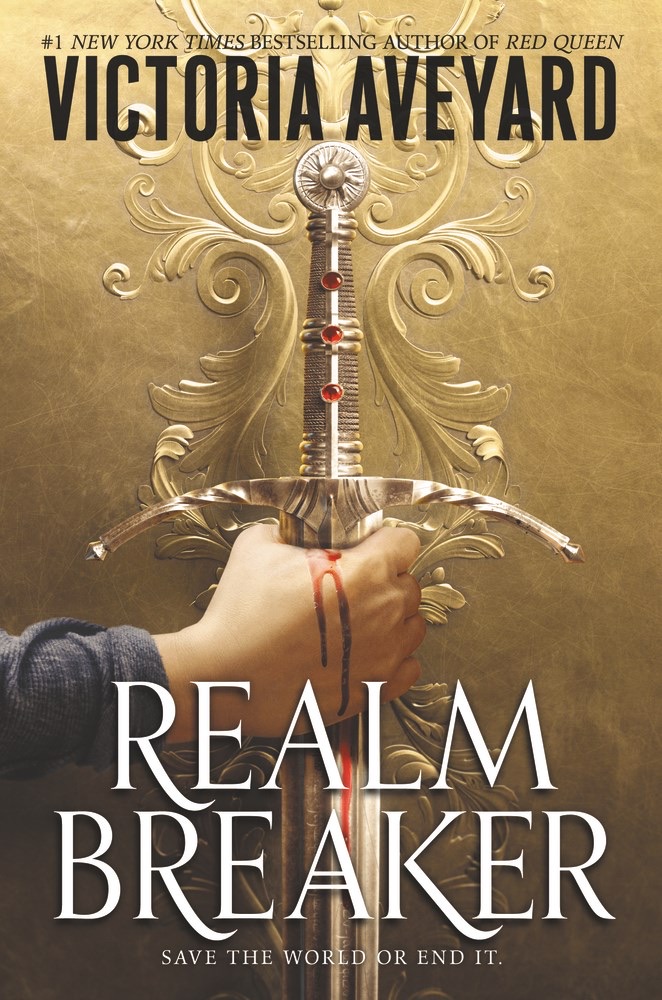 Realm Breaker
 Attrition: the First Act of Penance
 Towers of Midnight
 The Broken Eye
 Sunbringer
 The Crimson Crown