 Mythology
Quotes from the Book
A culture finds the gods it needs.
6
In the beginning was the word, and primitive societies venerated poets second only to their leaders. A poet had the power to name and so to control; he was, literally, the living memory of a group or tribe who would perpetuate their history in song; his inspiration was god given and he was in effect a medium.
4
Lif and Lifthrasir will have children. Their children will have children. There will be life and new life, life everywhere on earth. That was the end; and this is the beginning.
4
The treachery of a friend is worse than the treachery of an enemy.
3
Men and women expected their share of trouble and the best of them attempted to use it, to rise above it and carve out a name for themselves through bravery and loyalty and generosity.
3
The three sons of Bor had no liking for Ymir... At last they attacked Ymir and killed him. His wounds were like springs; so much blood streamed from them and so fast, that the flood drowned all the frost giants except Bergelmir and his wife. They embarked in their boat and rode out on a tide of gore
3
No Viking believed he could change his destiny, ordained as it was by the Norns who wove the fates of gods and men alike (Note 4) but, for all that, the way in which he lived his life was up to him. This sentiment is perfectly expressed by Skirnir in 'Skirnir's Journey': 'Fearlessness is better than a faint heart for any man who puts his nose out of doors. The length of my life and the day of my death were fated long ago.
2
The rivers that sprang from Hvergelmir streamed into the void. The yeasty venom in them thickened and congealed like slag, and the rivers turned into ice.
2
Ymir was a frost giant; he was evil from the first. While he slept, he began to sweat. A man and woman grew out of the ooze under his left armpit, and one of his legs fathered a son on the other leg.
2
Since men who become embittered never win respect or admiration, those who sought fame did not rail at the undoubted hardship of their lives and the inevitability of death. Rather, they endured it or, even better, laughed at it. This accounts for the ironic tone in the fabric of the myths and explains, for example, the reaction of the gods when Tyr sacrificed his hand (Myth 7) in the interests of binding the wolf Fenrir. Men and women expected their share of trouble and the best of them attempted to use it, to rise above it and carve out a name for themselves through bravery and loyalty and generosity.
1
A culture finds the gods it needs
Yet, in H.R Ellis Davidson's wise words: In spite of this awareness of fate, or perhaps because of it, the picture of man's qualities which emerges from the myths is a noble one. The gods are heroic figures, men writ large, who led dangerous, individualistic lives, yet at the same time were part of a closely-knit small group, with a firm sense of values and certain intense loyalties. They would give up their lives rather than surrender these values, but they would fight on as long as they could, since life was well worth while. Men knew that the gods whom they served could not give them freedom from danger and calamity, and they did not demand that they should. We find in the myths no sense of bitterness at the harshness and unfairness of life, but rather a spirit of heroic resignation: humanity is born to trouble, but courage, adventure, and the wonders of life are matters of thankfulness, to be enjoyed while life is still granted to us. The great gifts of the gods were readiness to face the world as it was, the luck that sustains men in tight places, and the opportunity to win that glory which alone can outlive death. Reading the myths, we can identify the Norseman's spirit and confidence, his boundless curiosity, extreme bravery, clannish loyalty, generosity and discipline; we can also detect his arrogance and lack of compassion, his cunning if not treachery (amply reflected in the figure of Loki), his ruthlessness and his cruelty.
This superstitious, family-oriented existence is the background to 'The Lay of Loddfafnir' and the whole of Havamal (Myth and Note25). This great compendium of aphorisms and advice on right conduct offers a commonsensical and sober (though sometimes witty) picture of the day to day life of the Norsemen, and it is a far cry from the heady image of Vikings on the rampage. Value life itself; censure naivete; cherish and celebrate friendships; beware treachery; practice moderation; be hospitable (but not too hospitable); try to win the fame and good name that will outlive you: these are the leitmotifs of the Havamal.
Sometimes it's better not to see. Sometimes it's better to have a choice.
As often as not, a man who sticks at home knows next to nothing about his guest.
Be generous, be spirited, and you'll lead a happy life.
Ymir’s body is divided so that everything, even his eyebrows, were used in the creation of the world; the four dwarfs who hold up the sky; the wolves that chase the sun and moon; the giant’s eyes that are tossed up into heaven and turned into stars: these and a host of other particulars become narrative elements within the cycle.
Watch on YouTube
About Kevin Crossley-Holland
We have collected 17 quotes from 1 book by Kevin Crossley-Holland on BookQuoters.
More about the author →About the book
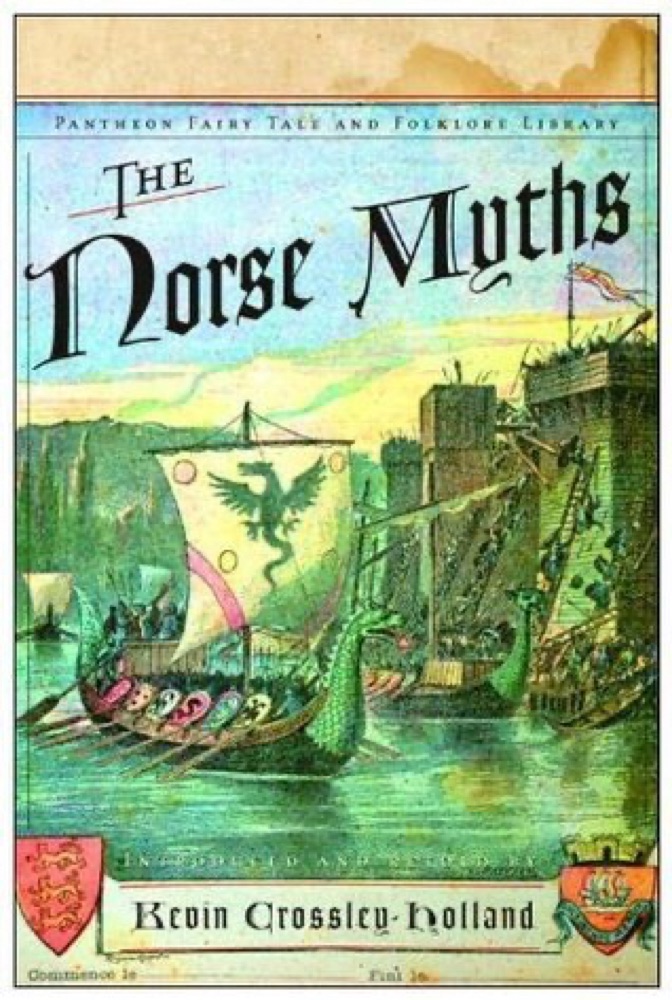
Here are thirty-two classic myths that bring the Viking world vividly to life. The mythic legacy of the Scandinavians includes a cycle of stories filled with magnificent images from pre-Christian Europe. Gods, humans, and monstrous beasts engage in prodigious drinking bouts, contests of strength, greedy schemes for gold, and lusty encounters. The Norse pantheon includes Odin, the wisest and most fearsome of the gods; Thor, the thundering powerhouse; and the exquisite, magic-wielding Freyja. Their loves, wars, and adventures take us through worlds both mortal and divine, culminating in a blazing doomsday for gods and humans alike. These stories bear witness to the courage, passion, and boundless spirit that were hallmarks of the Norse world.
“Kevin Crossley-Holland retells the Norse myths in clear, attractive prose . . . An excellent introduction, notes, and a glossary provide mytholog
Book details
- First published
- 1980
- Author
- Kevin Crossley-Holland
- Genre
- Nonfiction
- Goodreads rating
- 4.16 (8k ratings)
Keep reading
Mythology
 Beowulf
 The Poetic Edda
 Norse Mythology
 The Gospel of Loki
 The Histories
 The Hero With a Thousand Faces
 Godkiller
 Theogony / Works and Days
 Mythos - The Greek Myths Retold
 The Last Kingdom
 Lords of the North
 The Immortals of Meluha
 The White Luck Warrior
 The Odyssey
 Faithbreaker
 Sunbringer
 Age of Myth
 The Wall of Storms
 The Killing Moon
 Morgoth's Ring
 Speaking Bones
 Sojourn
 The Winter King
 Toll the Hounds
 The High King
 Mahabharata
 Ben-Hur: A Tale of the Christ
 The Children of Húrin
 Forge of Darkness
 Agamemnon
 The Grace of Kings
 Windwitch
 The Black Gryphon
 Zeus Grants Stupid Wishes: A No-Bullshit Guide to World Mythology
 The King Must Die
 Children of Ash and Elm: A History of the Vikings
 Njal's Saga
 The Great Hunt
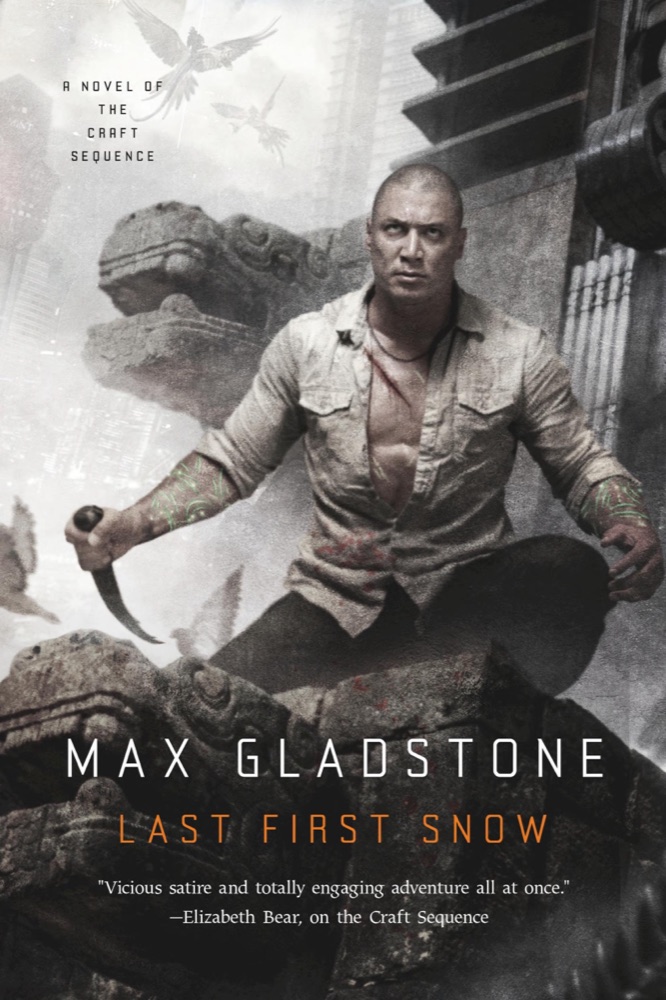 Last First Snow
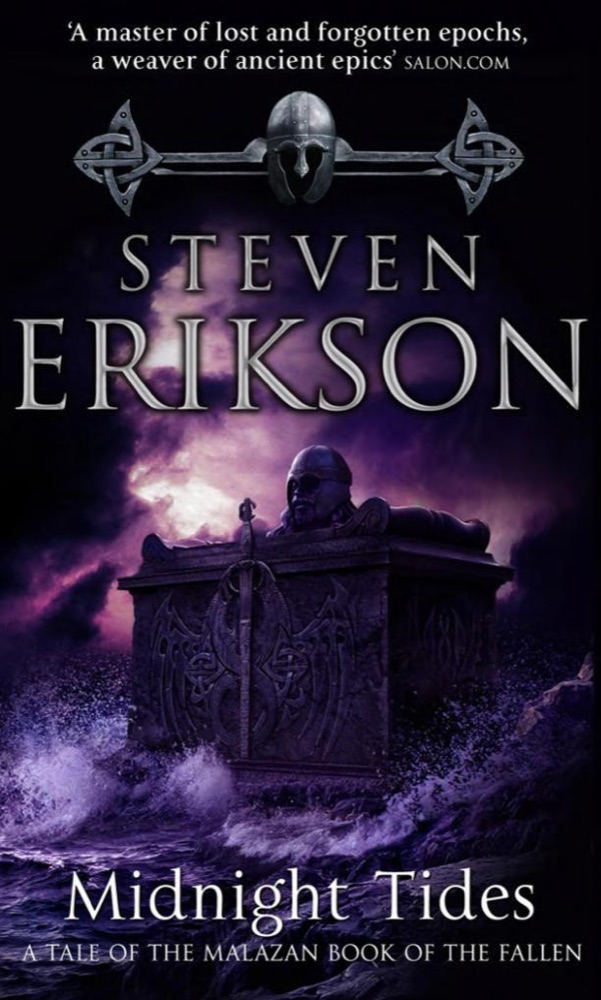 Midnight Tides
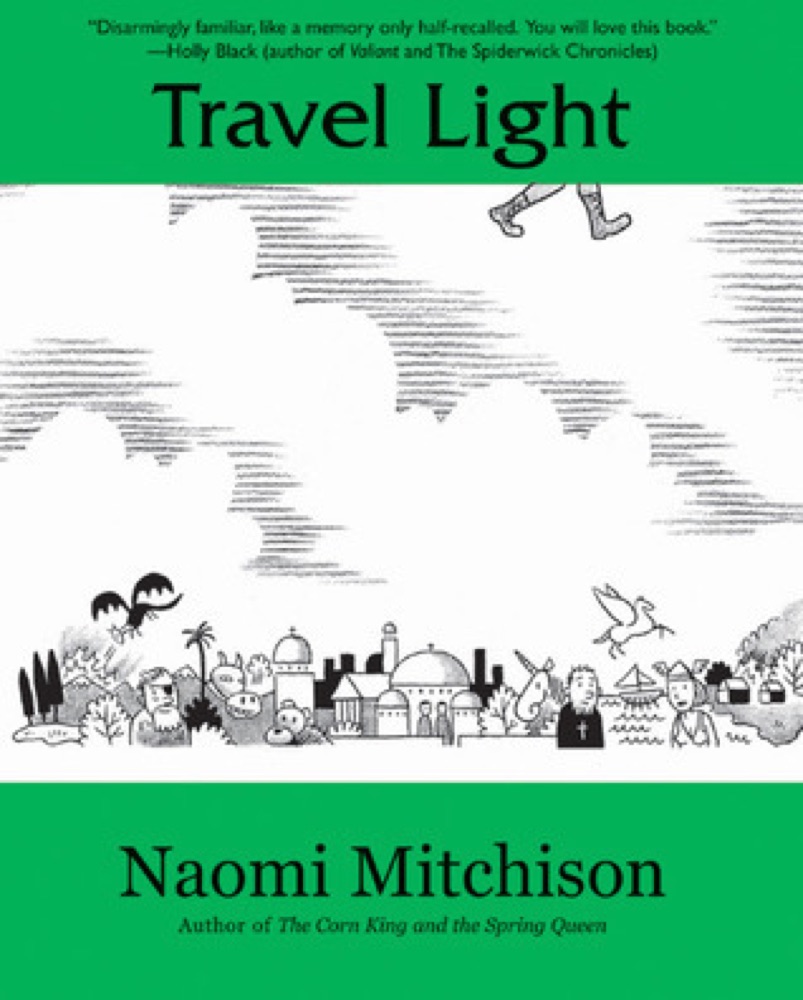 Travel Light
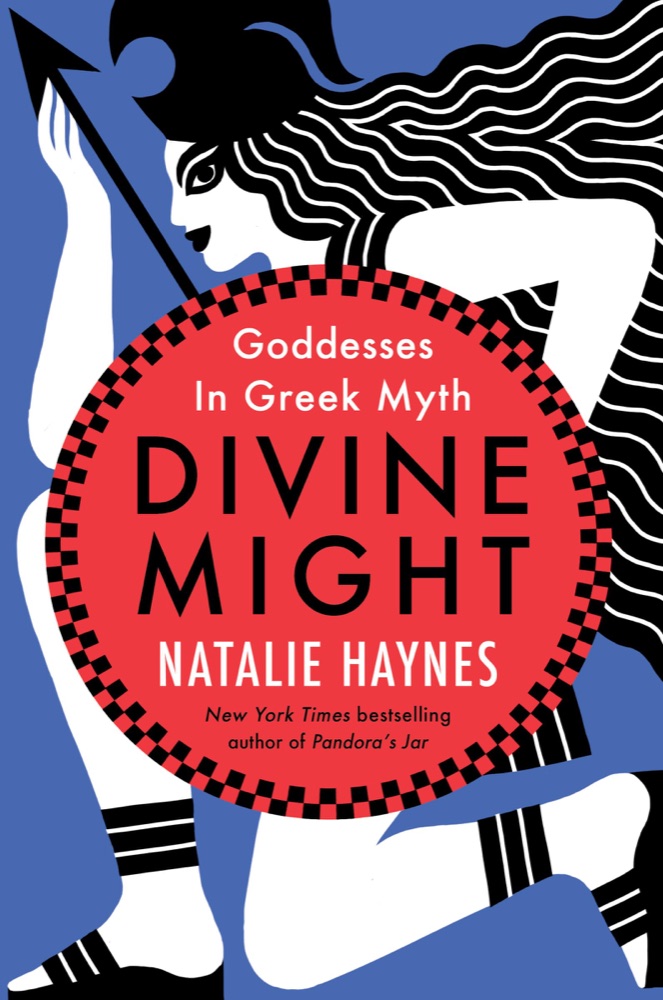 Divine Might - Goddesses in Greek Myth
 The Enchantress of Florence
 War of Lanka
 The Bacchae
 The Penelopiad
 Ruin
Ruin
 The Epic of Gilgamesh
 The Warrior Prophet
 Ninety-Three
 The Silmarillion
 The Hundred Thousand Kingdoms
 The Eye of the World
 The Dagger of Adendigaeth
 Shōgun
 The Poppy War
 Aesop's Fables
 Maldoror and the Complete Works
 The World of Ice and Fire: The Untold History of Westeros and the Game of Thrones