
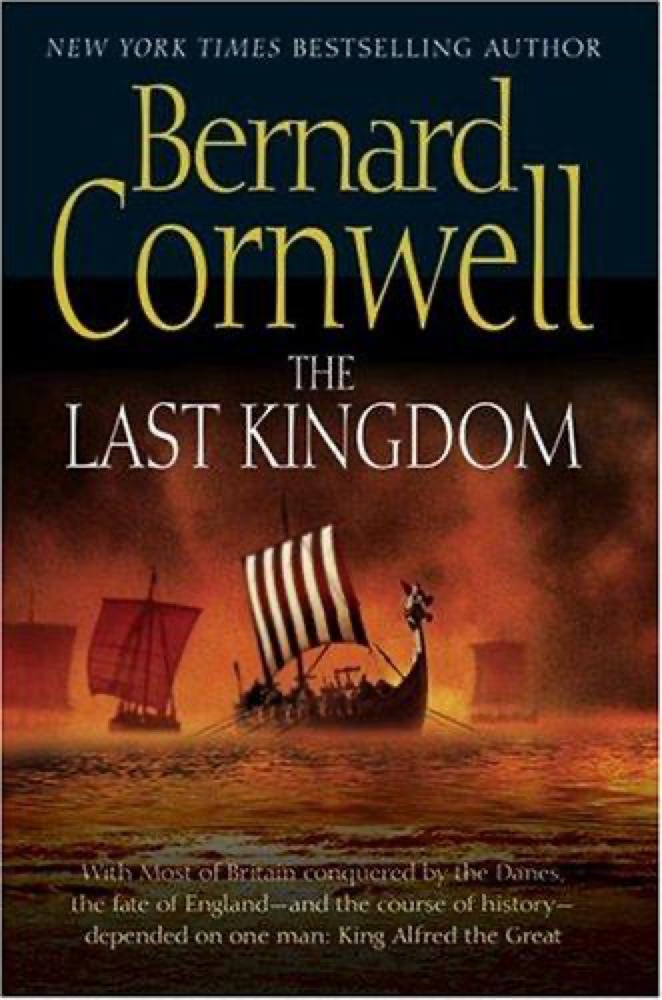
 The Last Kingdom
Quotes from the Book
I'm in pain all the time,' I said, 'and if I gave into it then I'd do nothing.
17
I wondered why the gods no longer came to earth. It would make belief so much easier.
13
We live in a world where the strongest win, and the strongest must expect to be disliked.
11
It takes a weak man to prove his strength by striking a woman.
10
Wyrd bið ful āræd. Fate is inexorable. We are given power and we lose it.
9
I shook my head. ‘Killing isn’t woman’s work,’ I said. ‘Why not?’ she asked. ‘We give life, can’t we take it too?
9
I could imagine Cnut sitting there and thinking that I must join him soon, and we would raise a horn of ale together. There is no pain in Valhalla, no sadness, no tears, no broken oaths.
7
Someone wise, I forget who, said we must leave our children to fate.
6
Pride, I suppose, is the most treacherous of virtues. The Christians call it a sin, but no poet sings of men who have no pride. Christians say the meek will inherit the earth, but the meek inspire no songs.
5
You’re the son of a king,’ I told him, ‘and one day you might be a king yourself. Life and death will be your gifts, so learn how to give them, boy.
5
Instinct is a strange thing. You cannot touch it, feel it, smell it, or hear it, but you must trust it, and that night, as we listened to the slap of the waves and the creak of the oars, I was as certain as I could be that my fears were justified.
4
He needed to know it, see it, smell it, and survive it. I was training the boy not just to be a warrior, but to be a king.
4
Earsling,' a harsh voice challenged me from beside the Wheatsheaf's heart. 'What rancid demon brought you here to spoil my day?' I stared. And stared. Because the last person I had ever expected to see in AEthelred's stronghold of Gleawecestre was staring at me. 'Well, earsling?' he demanded, 'what are you doing here?' It was my father.
4
Many men do not beat their wives, even though the law allows it and the church encourages it, but a man gains no reputation by beating a weaker person. Æthelred had beaten Æthelflaed, but he was a weak man, and it takes a weak man to prove his strength by striking a woman.
3
Always fight the horse, not the rider.
3
Well damn him. I was not dead yet, and so long as I lived I would fight for Æthelflaed.
3
Sigtryggr had been given an honorable place at the table, as had my daughter. “It was her fault,” Sigtryggr said, nodding toward Stiorra. I translated for Æthelflaed. “Why her fault?” she asked. “He saw her and was distracted,” I explained.
2
My father still has two eyes,” Stiorra said. “But not as beautiful as yours, my lady.” “Did you come to waste our time?” Stiorra asked. “Or did you wish to surrender?” “To you, my lady, I would surrender all I have, but my men? You can count?” “I can count.” “We outnumber you.
2
He smiled at Stiorra. “I am the Jarl Sigtryggr Ivarson, and you are?” “Stiorra Uhtredsdottir,” she said. “And I took you to be a goddess,” he answered.
2
Sigtryggr held out a hand to pull me from the ditch. His one eye was bright with the same joy I had seen on Ceaster’s ramparts. ‘I would not want you as an enemy, Lord Uhtred,’ he said. ‘Then don’t come back, Jarl Sigtryggr,’ I said, clasping his forearm as he clasped mine. ‘I will be back,’ he said, ‘because you will want me to come back.’ ‘I will?’ He turned his head to gaze at his ships. One ship was close to the shore, held there by a mooring line tied to a stake. The prow of the ship had a great dragon painted white and in the dragon’s claw was a red axe. The ship waited for Sigtryggr, but close to it, standing where the grass turned to the river bank’s mud, was Stiorra. Her maid, Hella, was already aboard the dragon-ship. Æthelflaed had been watching Eardwulf’s death, but now saw Stiorra by the grounded ship. She frowned, not sure she understood what she saw. ‘Lord Uhtred?’ ‘My lady?’ ‘Your daughter,’ she began, but did not know what to say. ‘I will deal with my daughter,’ I said grimly. ‘Finan?’ My son and Finan were both staring at me, wondering what I would do. ‘Finan?’ I called. ‘Lord?’ ‘Kill that scum,’ I jerked my head towards Eardwulf’s followers, then I took Sigtryggr by the elbow and walked him towards his ship. ‘Lord Uhtred!’ Æthelflaed called again, sharper this time. I waved a dismissive hand, and otherwise ignored her. ‘I thought she disliked you,’ I said to Sigtryggr. ‘We meant you to think that.’ ‘You don’t know her,’ I said. ‘You knew her mother when you met her?’ ‘This is madness,’ I said. ‘And you are famous for your good sense, lord.’ Stiorra waited for us. She was tense. She stared at me defiantly and said nothing. I felt a lump in my throat and a sting in my eyes. I told myself it was the small smoke drifting from the Norsemen’s abandoned campfires. ‘You’re a fool,’ I told her harshly. ‘I saw,’ she said simply, ‘and I was stricken.’ ‘And so was he?’ I asked, and she just nodded. ‘And the last two nights,’ I asked, ‘after the feasting was over?’ I did not finish the question, but she answered it anyway by nodding again. ‘You are your mother’s daughter,’ I said, and I embraced her, holding her close. ‘But it is my choice whom you marry,’ I went on. I felt her stiffen in my arms, ‘And Lord Æthelhelm wants to marry you.’ I thought she was sobbing, but when I pulled back from the embrace I saw she was laughing. ‘Lord Æthelhelm?’ she asked. ‘You’ll be the richest widow in all Britain,’ I promised her. She still held me, looking up into my face. She smiled, that same smile that had been her mother’s. ‘Father,’ she said, ‘I swear on my life that I will accept the man you choose to be my husband.’ She knew me. She had seen my tears and knew they were not caused by smoke. I leaned forward and kissed her forehead. ‘You will be a peace cow,’ I said, ‘between me and the Norse. And you’re a fool. So am I. And your dowry,’ I spoke louder as I stepped back, ‘is Eardwulf’s money.’ I saw I had smeared her pale linen dress with Eardwulf’s blood. I looked at Sigtryggr. ‘I give her to you,’ I said, ‘so don’t disappoint me.
2
May the gods always send me stupid enemies.
2
Kill them!" I shouted and put my spurs back. Kill them. This is what the poets sing about. At night, in the hall, when the hearth smoke thickens about the beams and the ale-horns are filled and the harpist plucks his strings, the songs of battle are sung. They are the songs of our family, of our people, and it is how we remember the past.
2
He’s a boy who must learn to be a warrior and a king,’ I said, ‘and death is his destiny. He must learn to give it.’ I patted Æthelstan’s shoulder. ‘Make it quick, boy,’ I told him. ‘He deserves a slow death, but this is your first killing. Make it easy for yourself.
2
When a man must choose between nothing and everything he has small choice.
2
You bastard!' he shouted. He was quick. No warrior stays alive by being slow.
2
Most folk consider that a woman aboard a ship brings nothing but bad luck because it provokes the jealousy of Ran, the goddess of the sea who will abide no rivals,
1
A man who loves his daughter does not let her go into Wales.
1
So a good man can be a bad Christian?" "I suppose so." "Then a bad man," I said, "can be a good Christian?
1
God offers his protection to sinners,” Ceolnoth said unctuously. “Especially to sinners,” Ceolberht said. “I’ll remember that,” I said, “when I’ve finished sinning.
1
Watch on YouTube
About Bernard Cornwell
We have collected 309 quotes from 16 books by Bernard Cornwell on BookQuoters.
More about the author →More by Bernard Cornwell
All books by Bernard Cornwell →
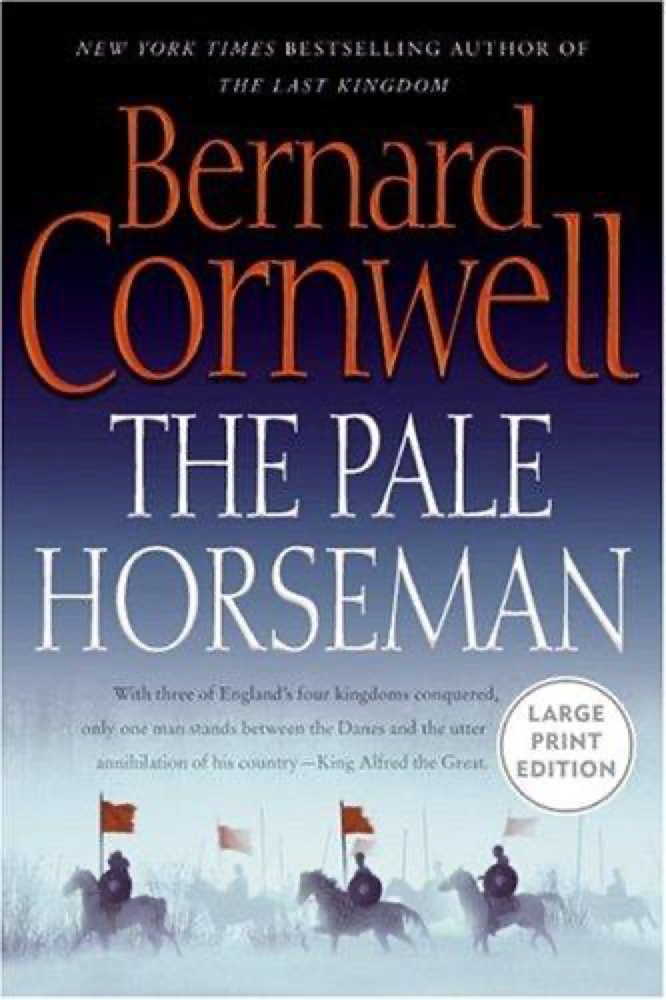
About the book
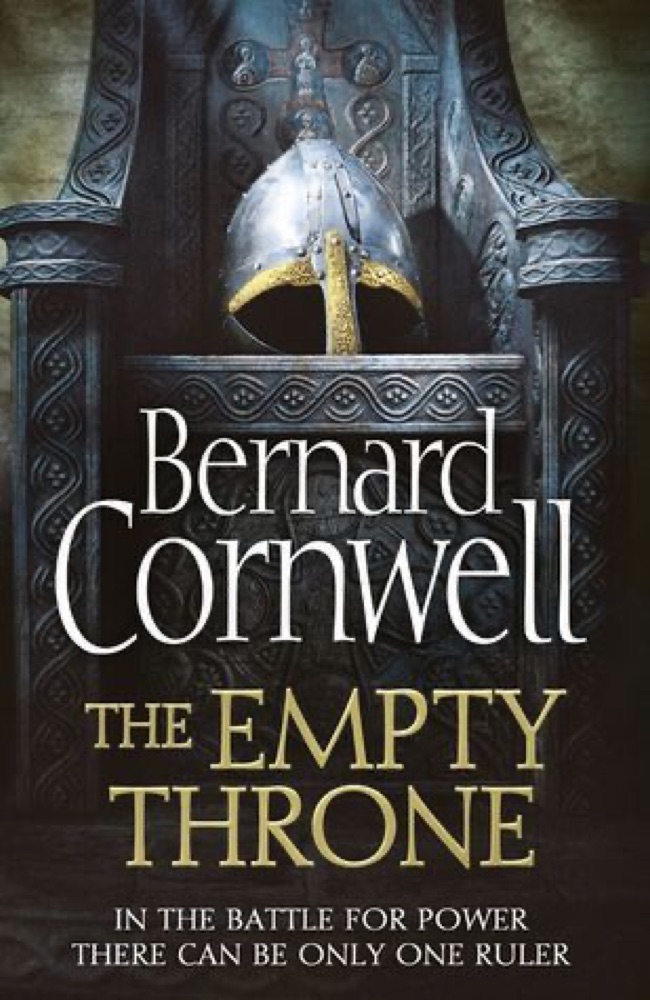
This eighth entry in New York Times bestselling author Bernard Cornwell's epic Saxon Tales series brings to life the harrowing and turbulent tale of a nation torn apart by sectarian and religious strife, a political struggle dominated by dynastic rivalries, and the remarkable strength that elevates some characters above their time.
“My name is Uhtred. I am the son of Uhtred, who was the son of Uhtred . . .”
Britain, early tenth century AD: a time of change. There are new raids by the Vikings from Ireland, and turmoil among the Saxons over the leadership of Mercia. A younger generation is taking over.
Æthelred, the ruler of Mercia, is dying, leaving no legitimate heir. The West Saxons want their king, but Uhtred has long supported Athelflaed, sister to King Edward of Wessex and widow of Aethelred. Widely loved and respected, Athelflaed has all the makings of a leader—but could Sa
Book details
- First published
- 2014
- Author
- Bernard Cornwell
- Genre
- Historical
- Goodreads rating
- 4.39 (29k ratings)
Keep reading
The Last Kingdom
 The Flame Bearer
 Warriors of the Storm
 Fire & Blood
 A Clash of Kings
 Beowulf
 The Blacktongue Thief
 The Great Hunt
 Faithbreaker
 Fall of Kings
 The Dragon Reborn
 The Hallowed Hunt
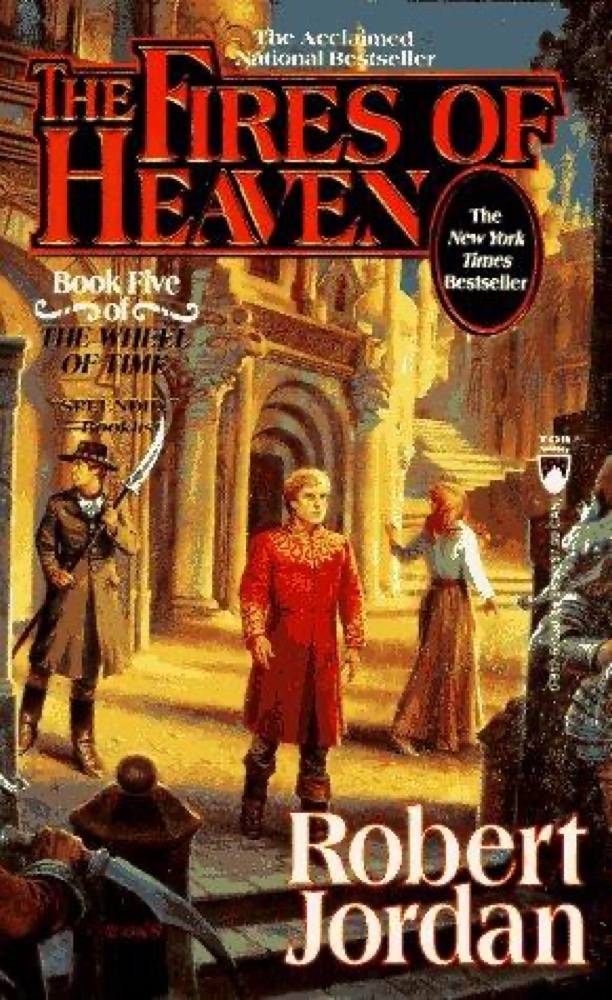 The Fires of Heaven
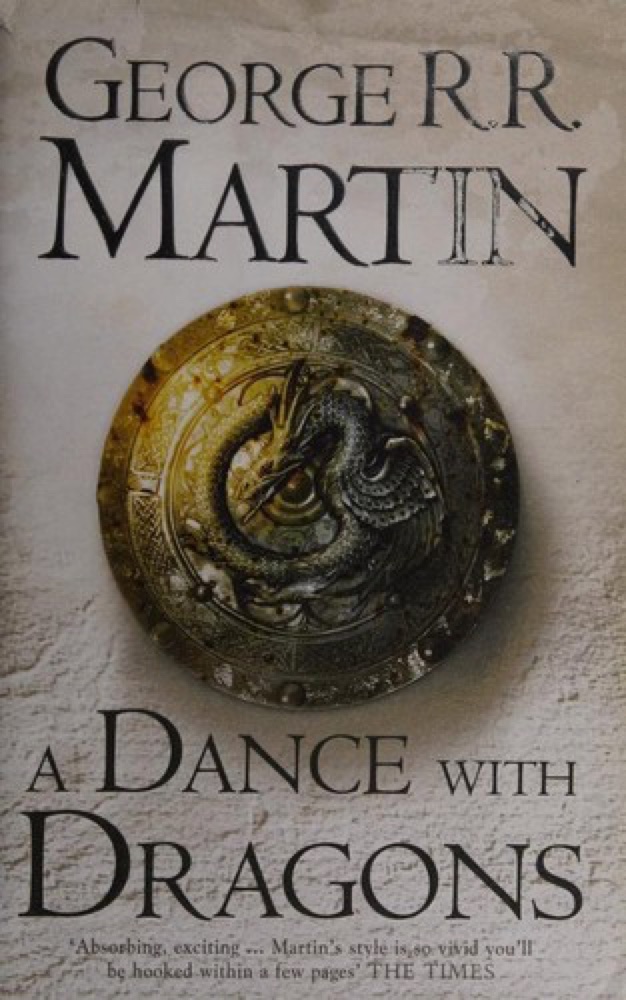 A Dance with Dragons
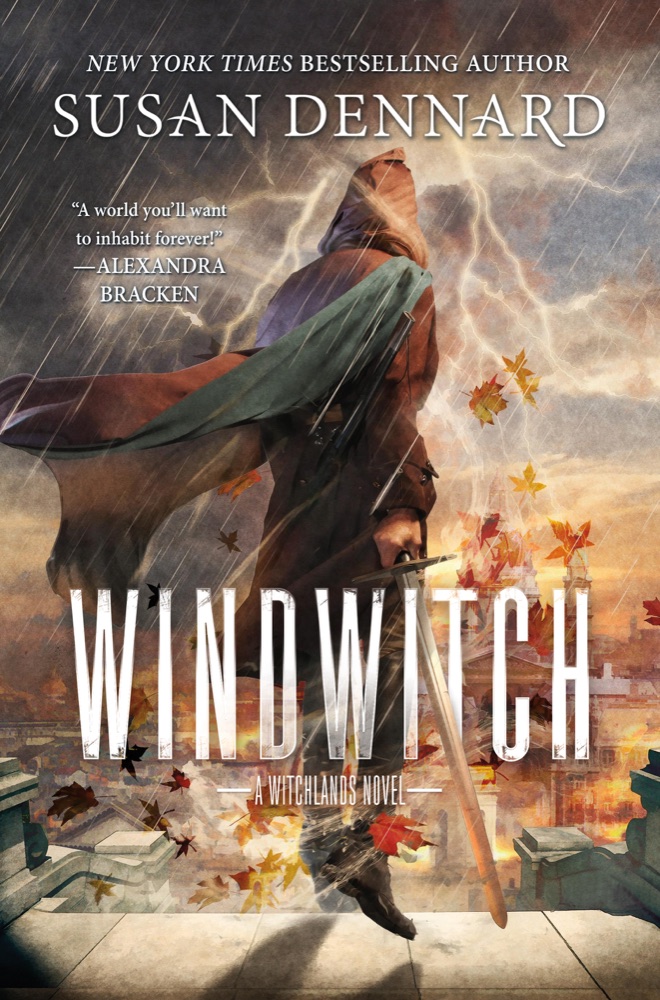 Windwitch
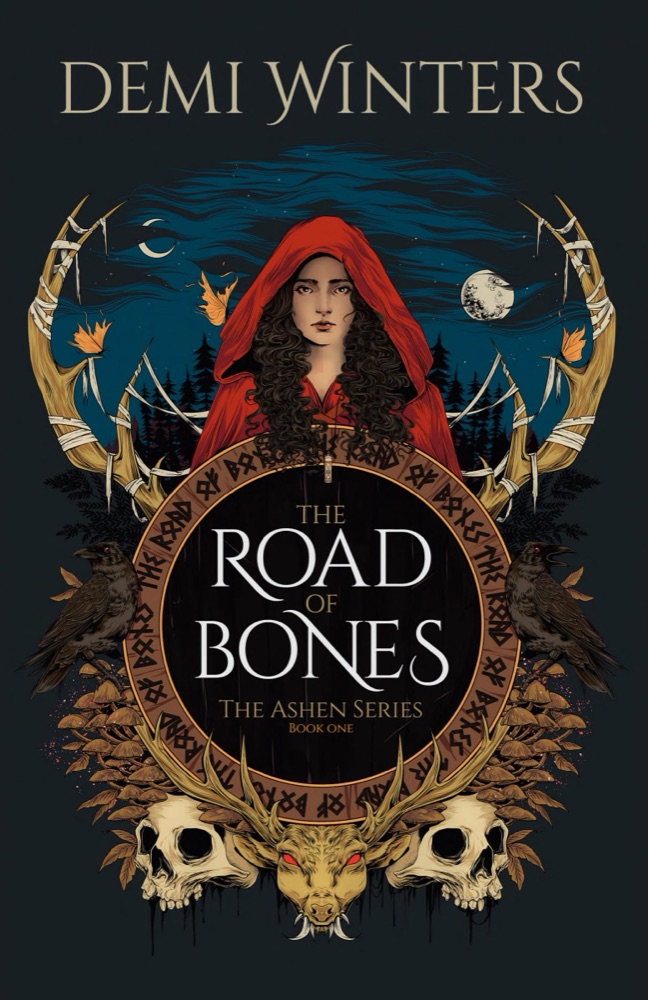 The Road of Bones
 The Shadow Throne
 The Constant Princess
 Realm Breaker
 Ruin
Ruin
 The Poetic Edda
 The White Queen
 Ivanhoe
 The King Must Die
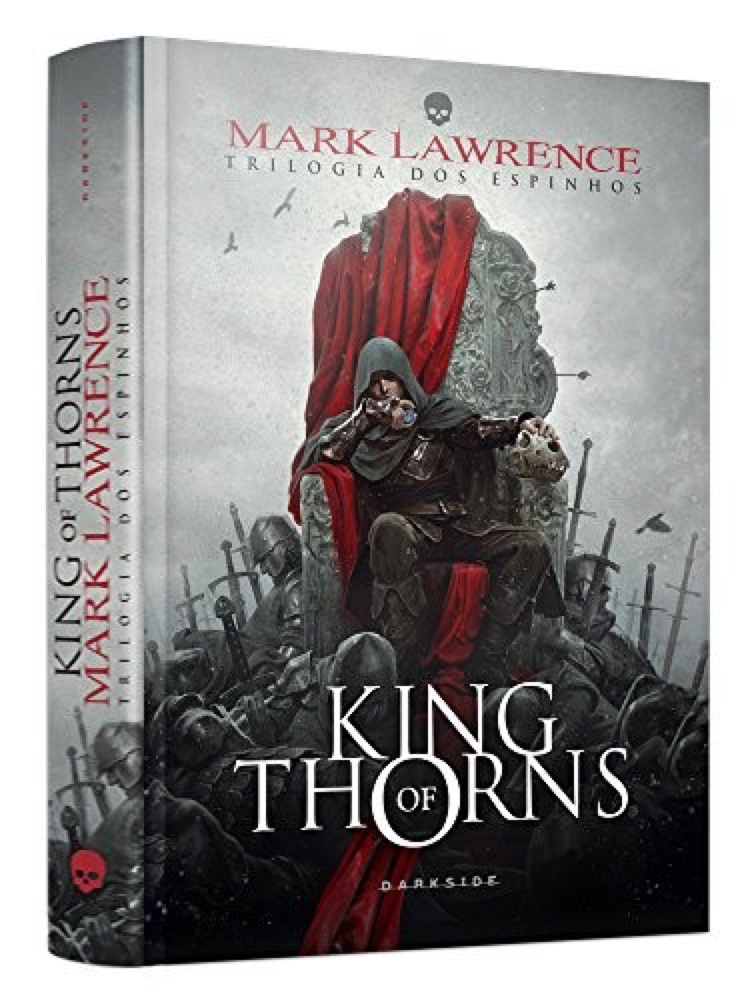 King of Thorns
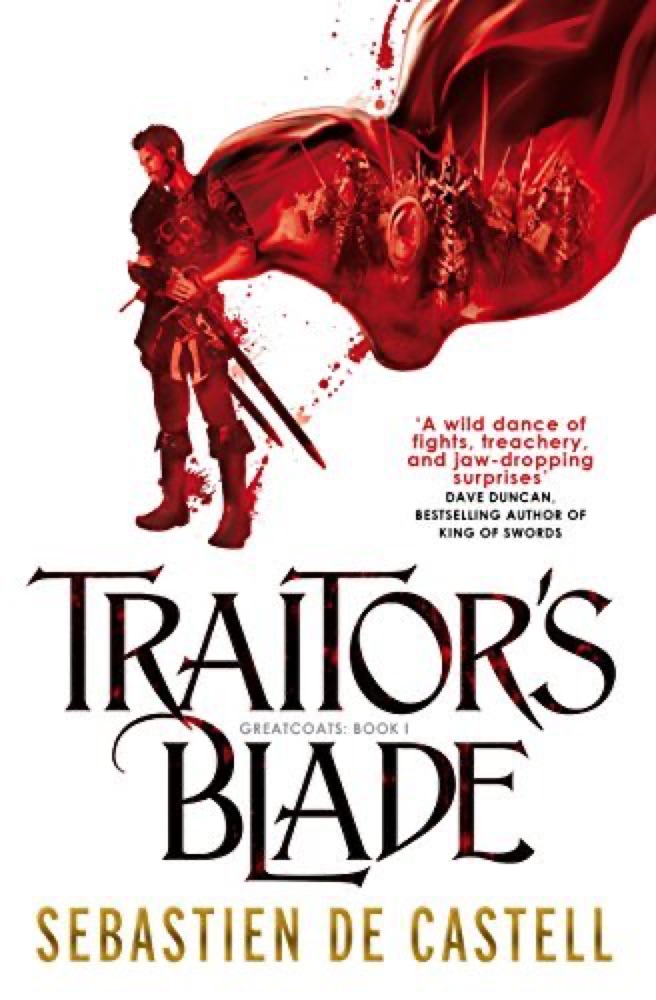 Traitor's Blade
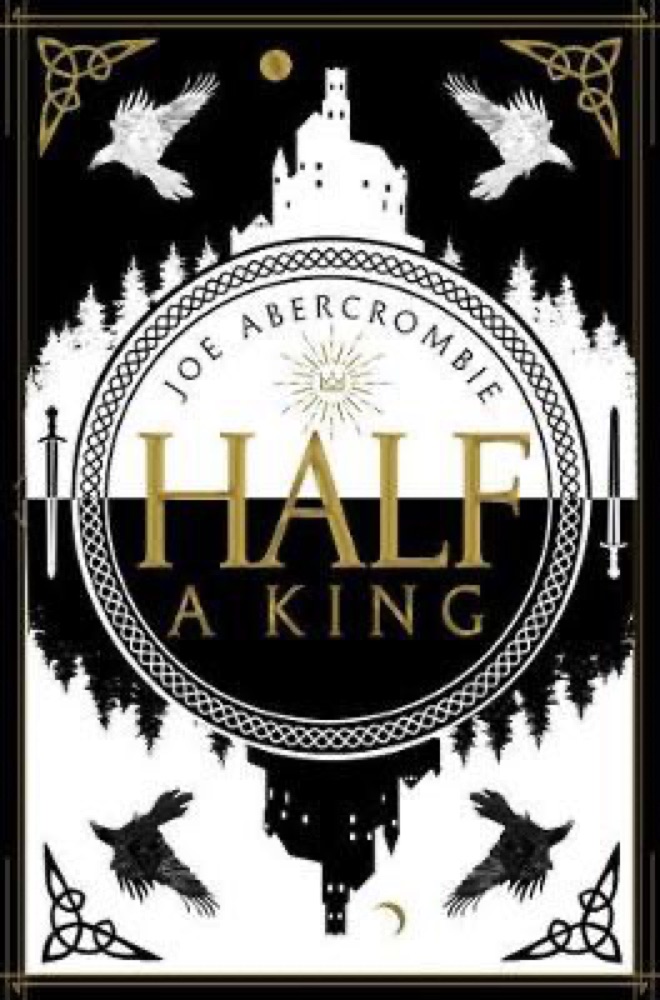 Half a King
 Alanna: The First Adventure
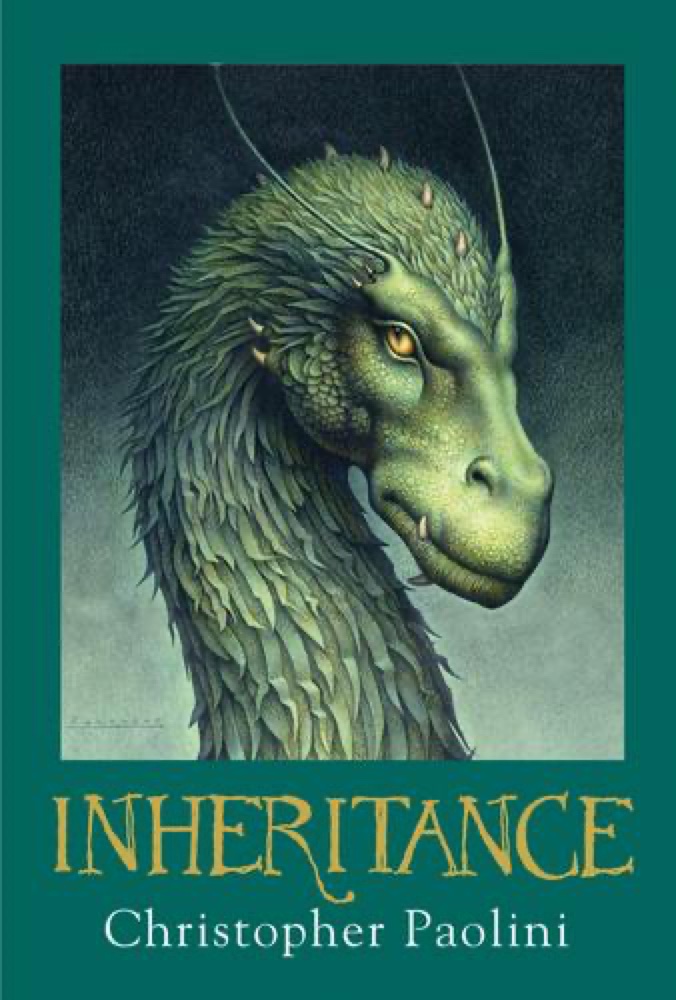 Inheritance
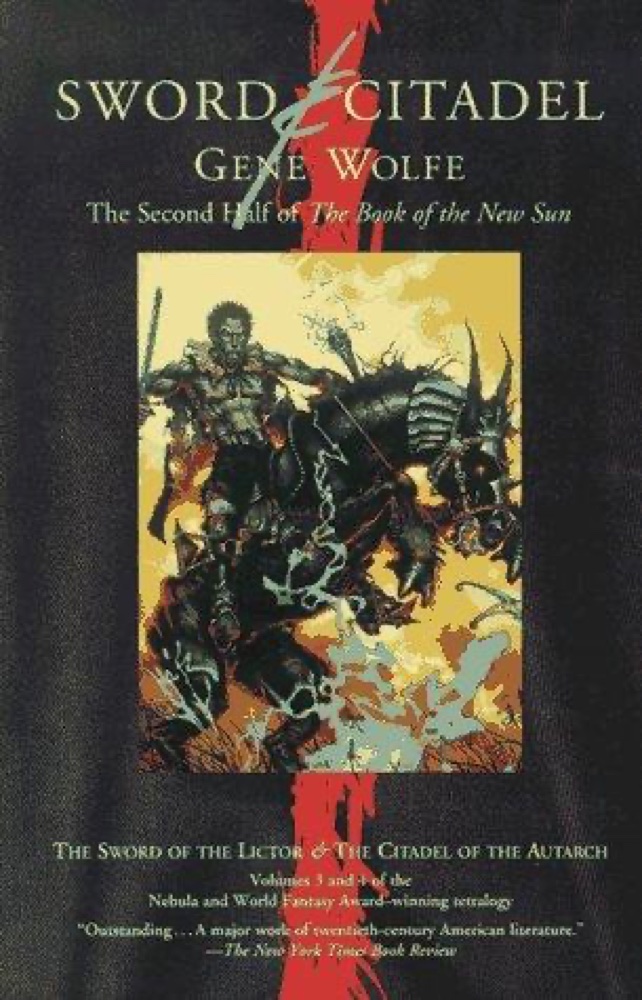 Sword & Citadel
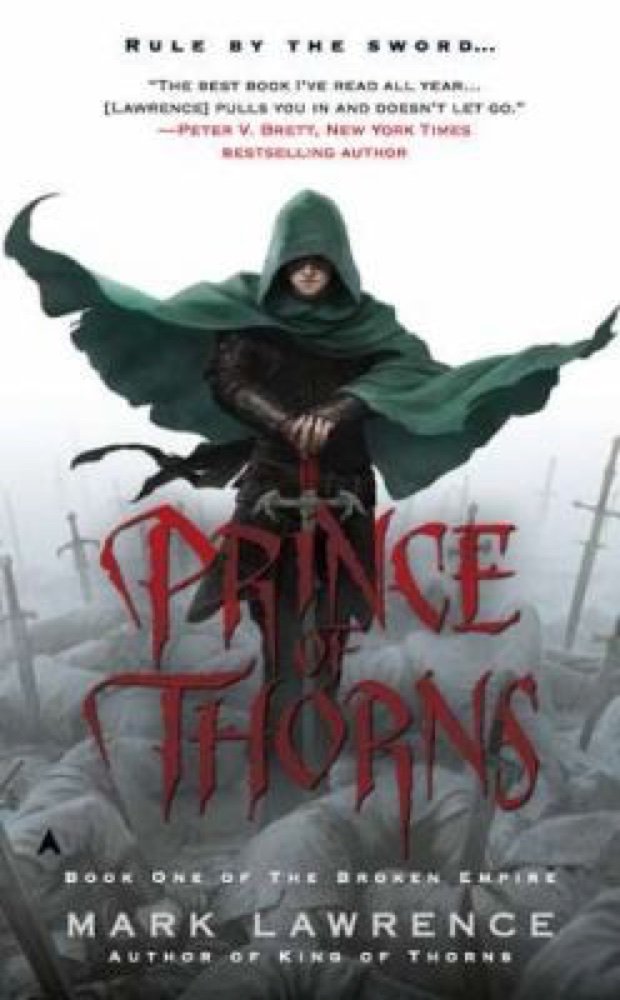 Prince of Thorns
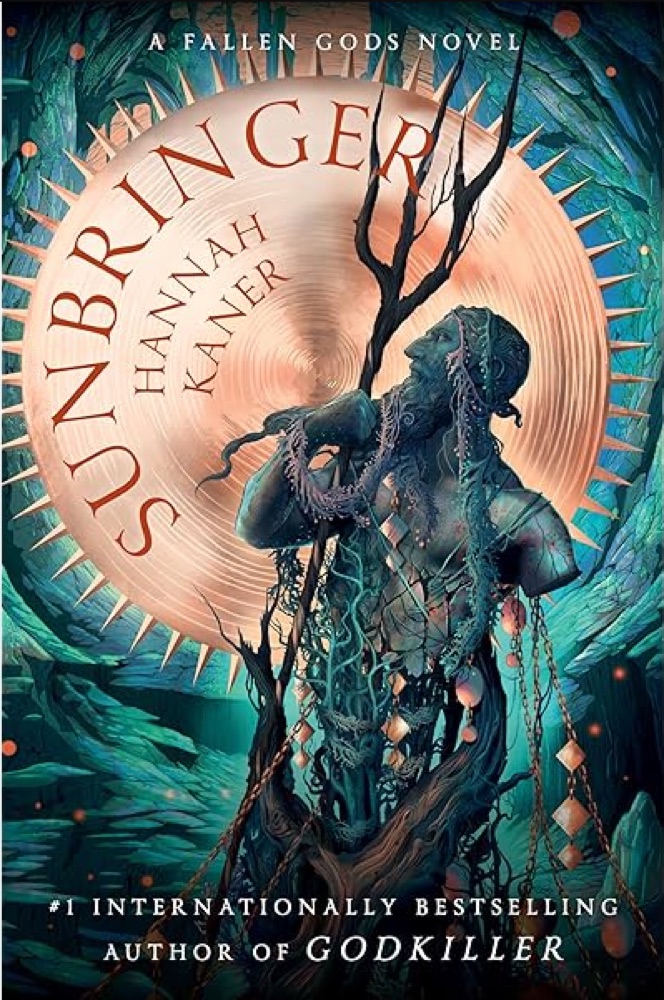 Sunbringer
 Empire of the Vampire
 The Once and Future King
 The Way of Kings
 Cry Wolf
 Allegiance
 The Crippled God
 First Lord's Fury
 The Return of the King
 Crooked Kingdom
 The Dread Wyrm
 Frozen Tides
 This Kingdom Will Not Kill Me
 Candidate
 Beyond the Shadows
 The Broken Eye
 Queen of Fire
 Paladin of Souls
 The False Prince
 The Steel Remains
 Runemarks
 Given to the Sea
 Tower Lord
 The High King
 The Curse of Chalion
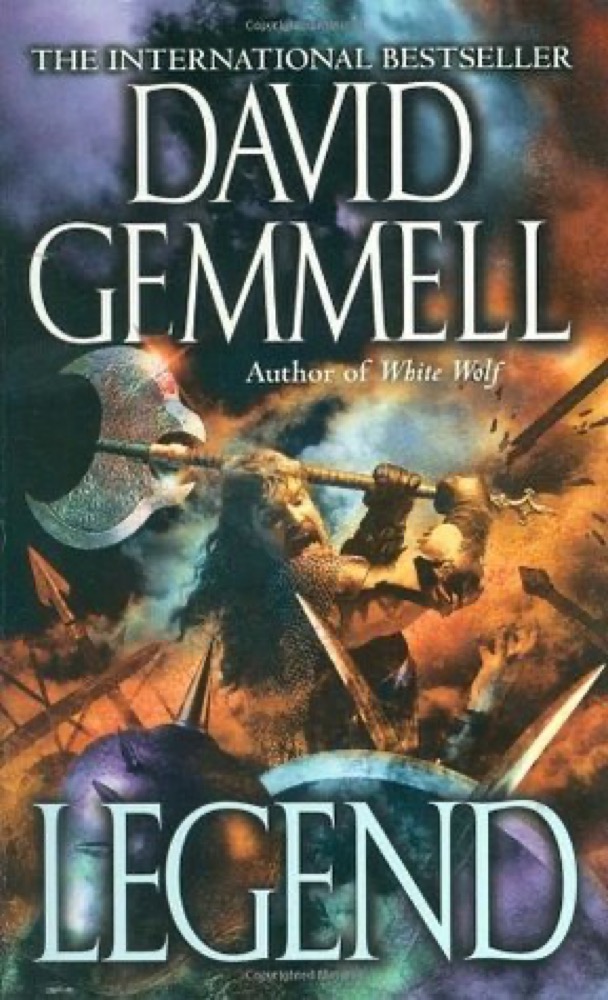 Legend
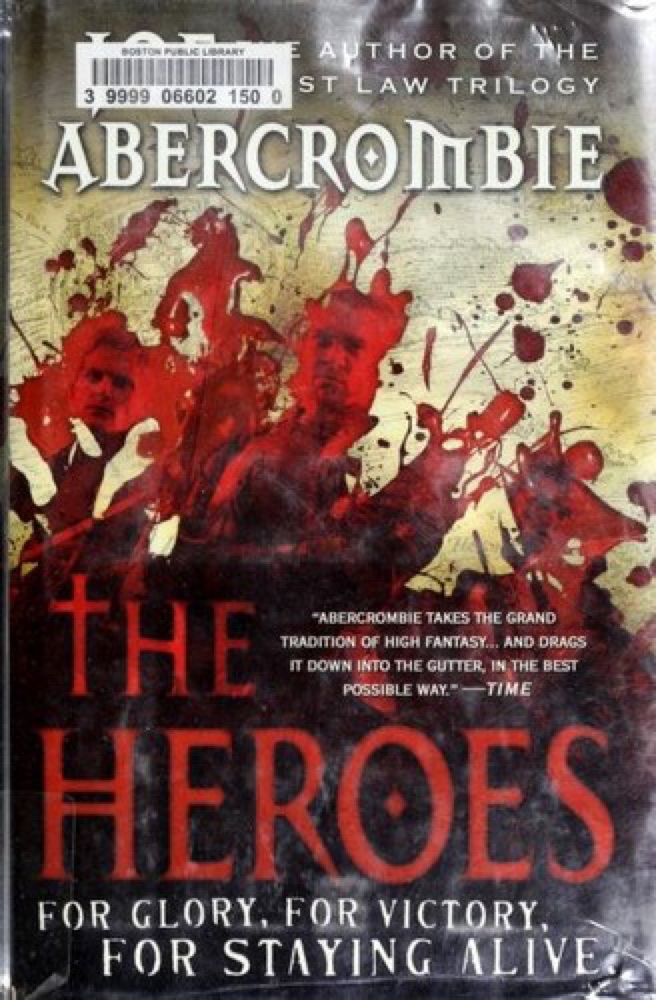 The Heroes
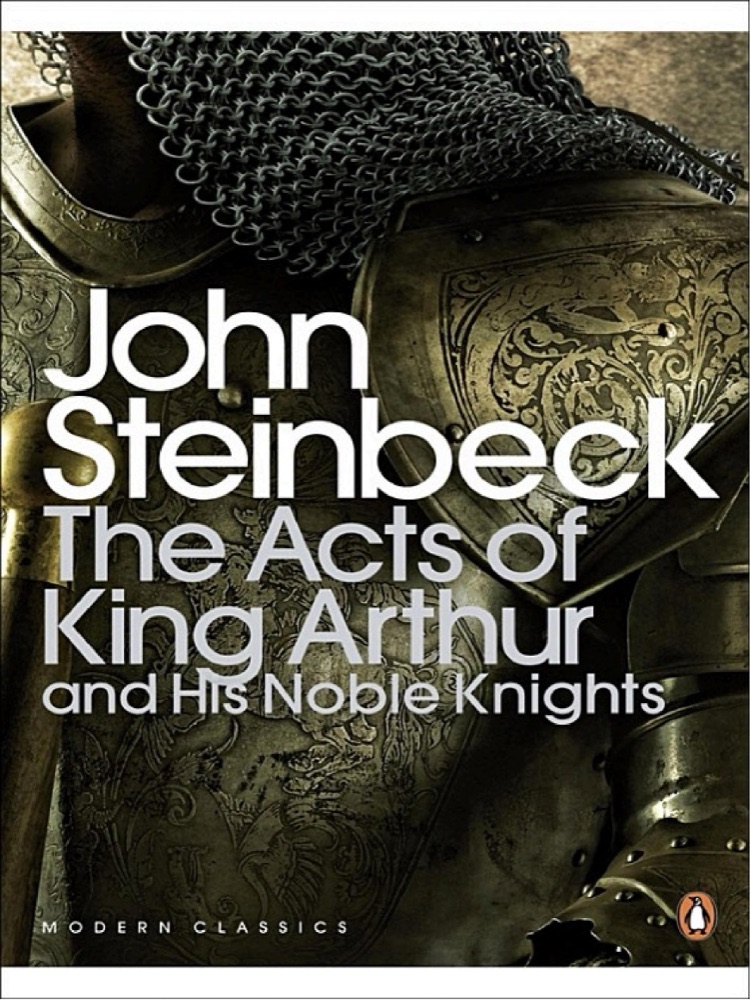 The Acts of King Arthur and His Noble Knights
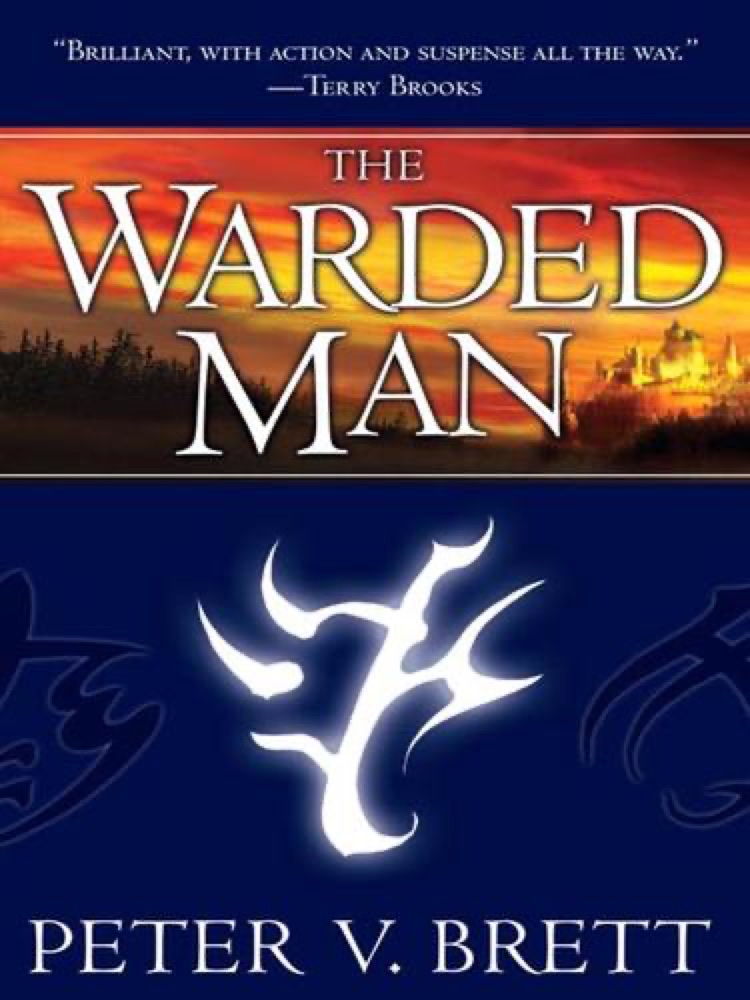 The Warded Man