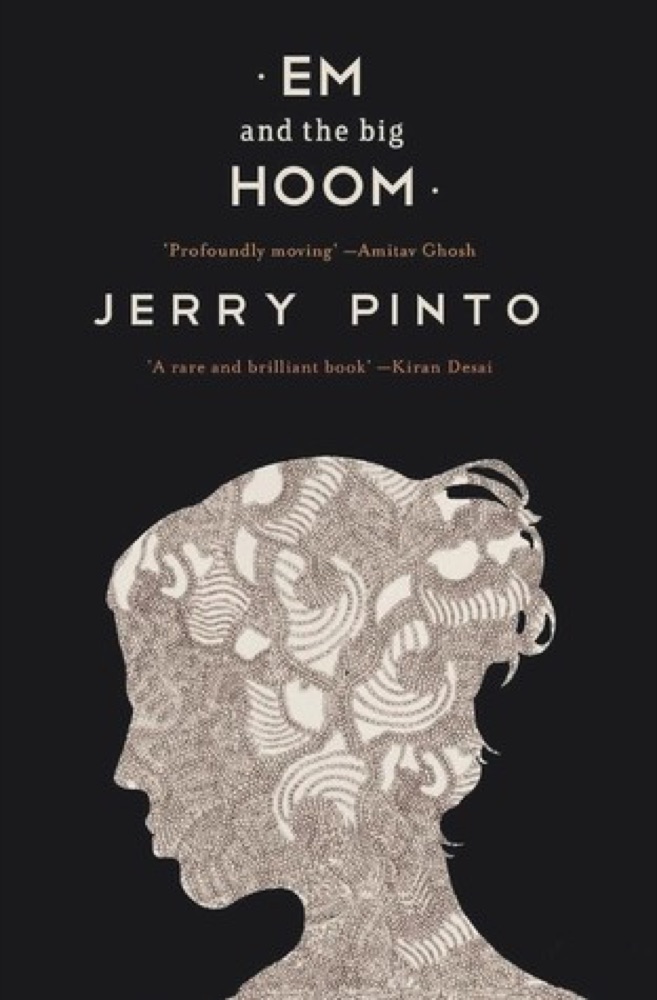
 Em and The Big Hoom
Quotes from the Book
More and more I lived in books, they were my comfort, refuge, addiction, compensation for the humiliations that attended contact with the world outside.
14
The children of violently unhappy marriages, like my mother, are often hamstrung for life, but the children of happier marriages have problems too - all the worse, perhaps, because they don't have virtue on their side.
3
Rotting together for eternity, one flesh at the last after a lifetime’s mutual loathing.
2
It's said (truly) that most women forget the pain of childbirth; I think that we all forget the pain of being a child at school for the first time, the sheer ineptitude, as though you'll never learn to mark out your own space. It's double shaming - shaming to REMEMBER as well, to fee so sorry for your scabby little self back there in small people's purgatory.
1
I’m digressing, wandering away from my mother’s world – but that was always exactly the point of the books, you could escape into them.
Grandfather's skirts would flap in the wind along the churchyard path and I would hang on.
I was well on the way to tacking together a sort of nature religion to make up fro Grandpa's defection, an apotheosis of the back of beyond, in which I was just another thinking thing, neuter, drab, camouflaged. There'd be sermons in stones, and books to read in the haybarn, for ever and ever. Amen.
The sinner I was expecting was guilty of pride, lust and spiritual despair, not merely of sloth and ineptitude. This was the diary of a nobody. So I nearly censored January to June 1933 in the interests of Grandpa's glamour as a Gothic personage. But in truth this is what we should be exposed to - the awful knowledge that when they're not breaking the commandments, the anti-heroes are mending their tobacco pipes and listening to the wireless.
Like many who'd married in the war, my parents were finding it hard to survive the peace. This wasn't because they had discovered that they didn't love each other once their life together wasn't spiced with constant separations and the threat of death. Far from it. But they hadn't chosen each other so much against the social grain that they were tense, self-conscious, embattled, as though something was supposed to go wrong. Their families didn't like their marriage, nor did the village.
Man and wife, realist and dreamer ... n truth they were more than one flesh, they had formed and sustained each other, they had ONE STORY between them and it wasn't at all easy for me or my brother to inhabit it.
Latin [...], it was the sign of being able to detach yourself from here and now, abstract your understanding of words, train your memory and live solitary in your head with only books for company. So it was meant to be hard, but I found it wonderfully easy, for just these reasons. I fell in love with Latin.
And we clung to each other in a shelter smelling of orange peel and piss on the promenade, and shrieked with glee, like the Bacchae who dismembered Orpheus.
This was the real thing, boys in the flesh. All the prohibitions, especially the ones that stayed unvoiced, had made boys much more exotic; it was as though we'd never met one. The whole school hummed with excitement and the headmistress's aspect softened with anticipation, for she was about to let the dangerous genie of adolescent sex out of its bottle and tame it. She spoke in veiled, suggestive terms in assembly of freedom and responsibility, and we giggled uneasily - it was all vaguely shocking, like being tickled by a policeman.
He seemed to be having trouble remembering the steps, for he was pumping my arm and counting under his breath (one, two, three), and his breath smelled like the open maws of the pub cellars that grapes on Whitchurch pavements on delivery day. Beer.
Like all the girls back then I knew that being too clever was much worse than being too tall. Being five foot three, tongue-tied and blonde I mostly passed muster, except that I was so unskilled in small talk that I sometimes blurted big words (hypocrisy, or pretentiousness), which jumped out of my mouth like the toads of the fairy tale before I knew it. In any case, you could cultivate the wrong sort of silence - the sort that implied brooding self-absorption rather than attentiveness.
The boundaries between us had been breached for good, we gave a new meaning t the notion that man and wife were one flesh. You could track back this kind of alchemy in books: '...intimately to mix and melt and to be melted together with his beloved, so that one should be made out of two.' This is Shelley translating Plato, who was putting words into the mouth of Aristophanes, who's the only defender of heterosexual sex in the Symposium, although he makes it sound perverse.
I'm not sure what the moral of the bathroom-stool story is. Perhaps this: it's a good idea to settle for a few loose ends, because even if everything in your life is connected to everything else, that way madness lies.
Did they love me? The question is beside the point, somehow. Certainly they each spoiled me, mainly by giving me the false impression that I was entitled to attention nearly all the the time. They played. THEY were like children, if you consider that one of the things about being a child is that you are a parasite of sorts and have to brazen out self-righteously. I want. They were good at wanting and I shared much more common ground with them than with my mother when I was three or four years old.
But perhaps my blocked sinuses did have something to do with how bad I was at gym, perhaps after all I did lack balance?
Thou seest, thou wicked varlet, now, what’s come upon thee: thou art to continue, now, thou varlet; thou art to continue.
She thought men and women belonged to different races and any getting together was worse than
was years later, when she was buried in the same grave with him. Rotting together for eternity, one flesh at the last after a lifetime’s mutual loathing.
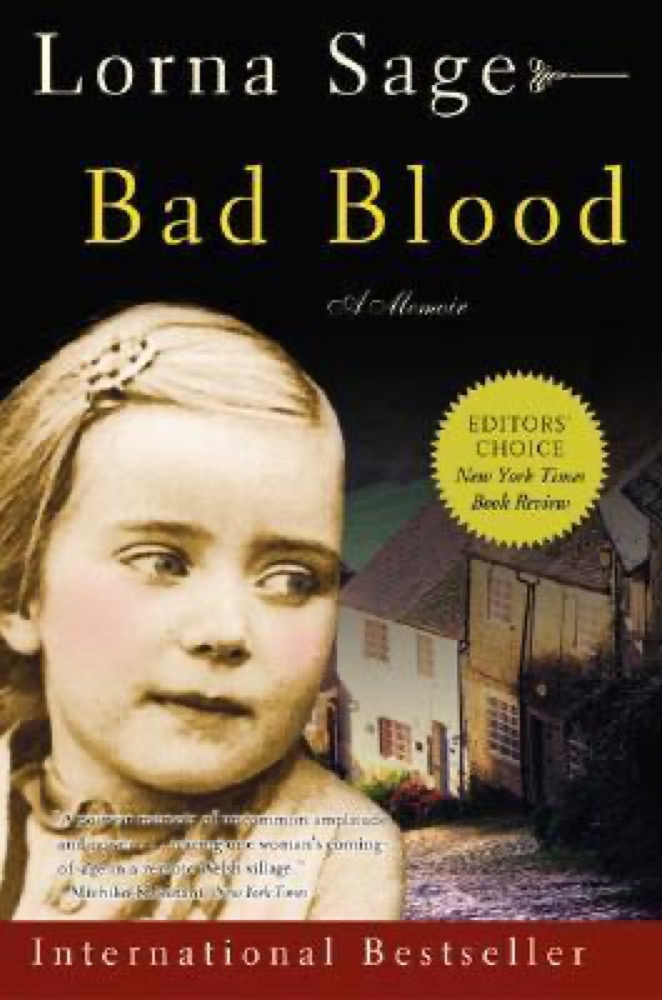
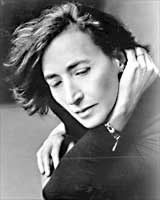
About Lorna Sage
We have collected 22 quotes from 1 book by Lorna Sage on BookQuoters.
More about the author →About the book
The late author and renowned literary critic describes her life in post-World War II Britain in a compelling memoir of family life, marriage, and personal history. Winner of the 2000 Whitbread Biography Award. Reader's Guide available. Reprint.
Book details
- First published
- 2000
- Author
- Lorna Sage
- Genre
- Nonfiction
- Goodreads rating
- 3.66 (3k ratings) →
Keep reading
Em and The Big Hoom
 The Tunnel
 Too Much Happiness: Stories
 Fun Home: A Family Tragicomic
 The Discomfort Zone: A Personal History
 Bluebeard's Egg
 The Story of the Lost Child
 The Story of a New Name
 Men We Reaped
 Old Babes in the Wood: Stories
 First Love and Other Novellas
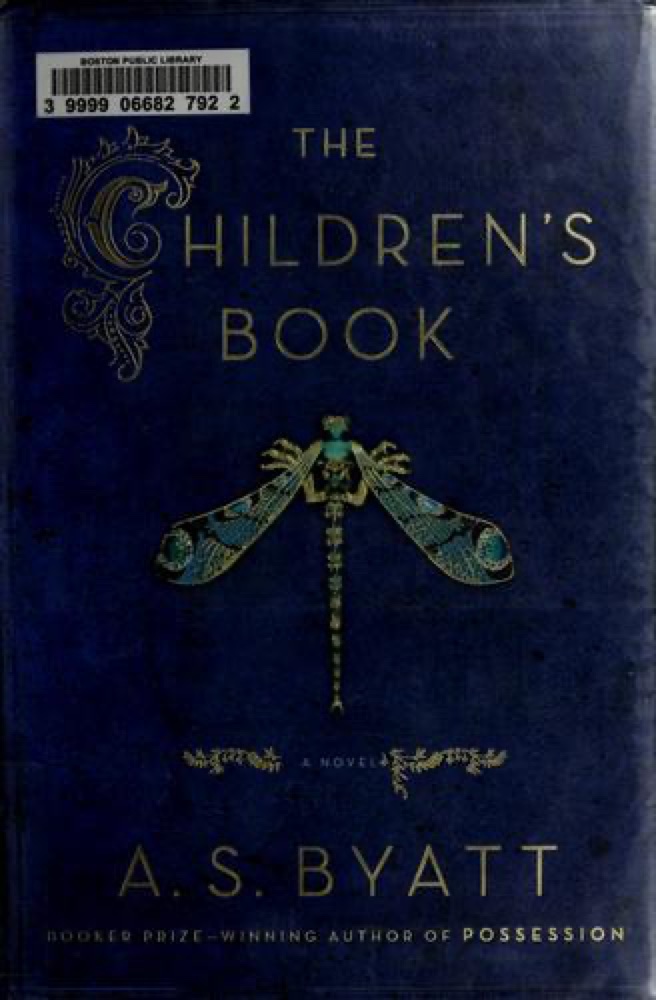 The Children's Book
 In the Heart of the Heart of the Country and Other Stories
 Uncle Silas
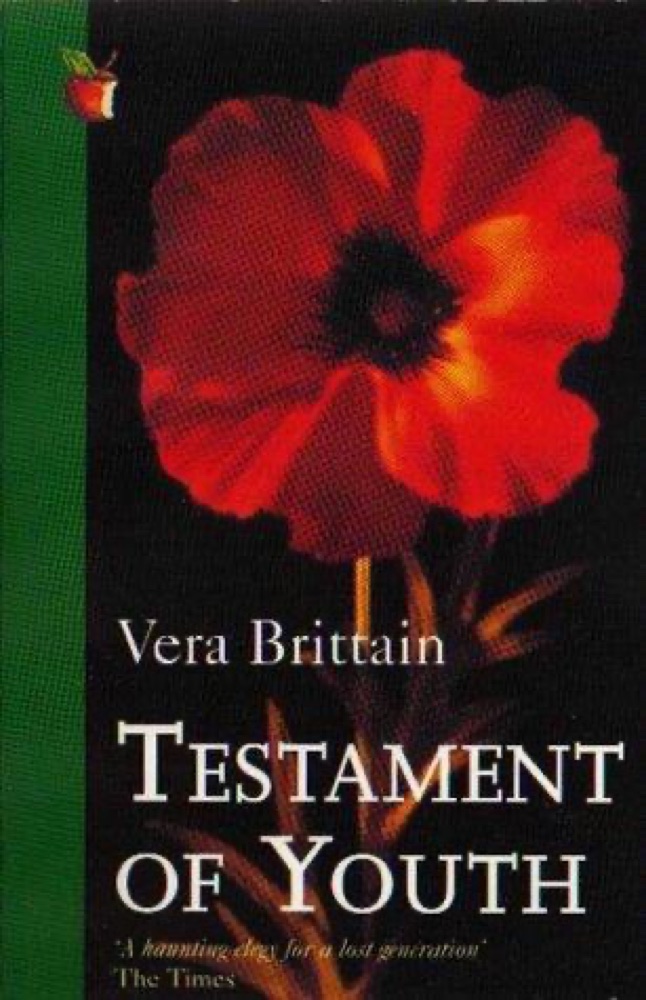 Testament of Youth
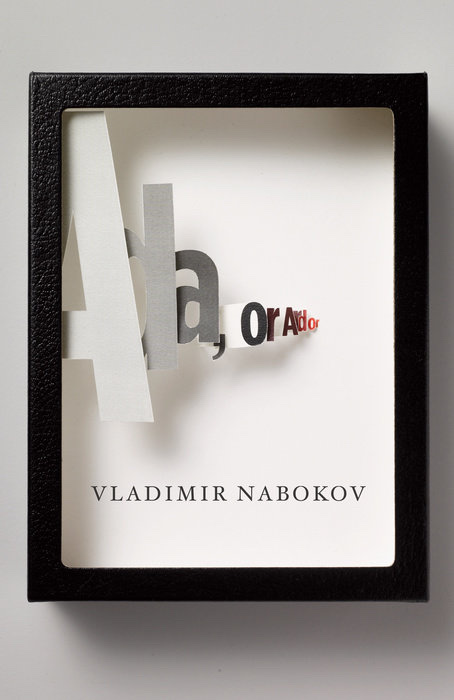 Ada, or Ardor: A Family Chronicle
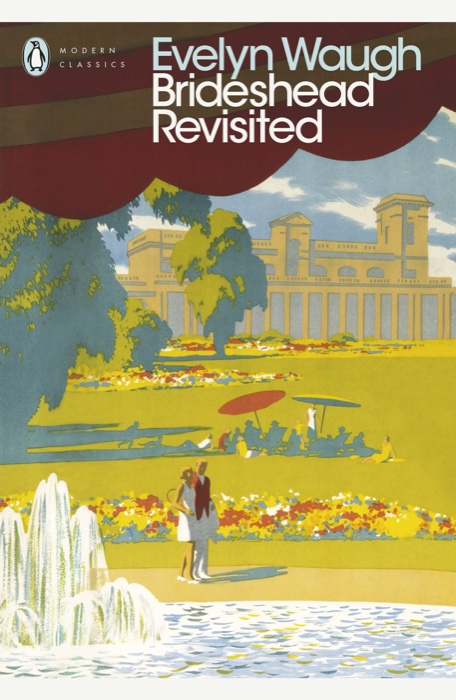 Brideshead Revisited: The Sacred and Profane Memories of Captain Charles Ryder
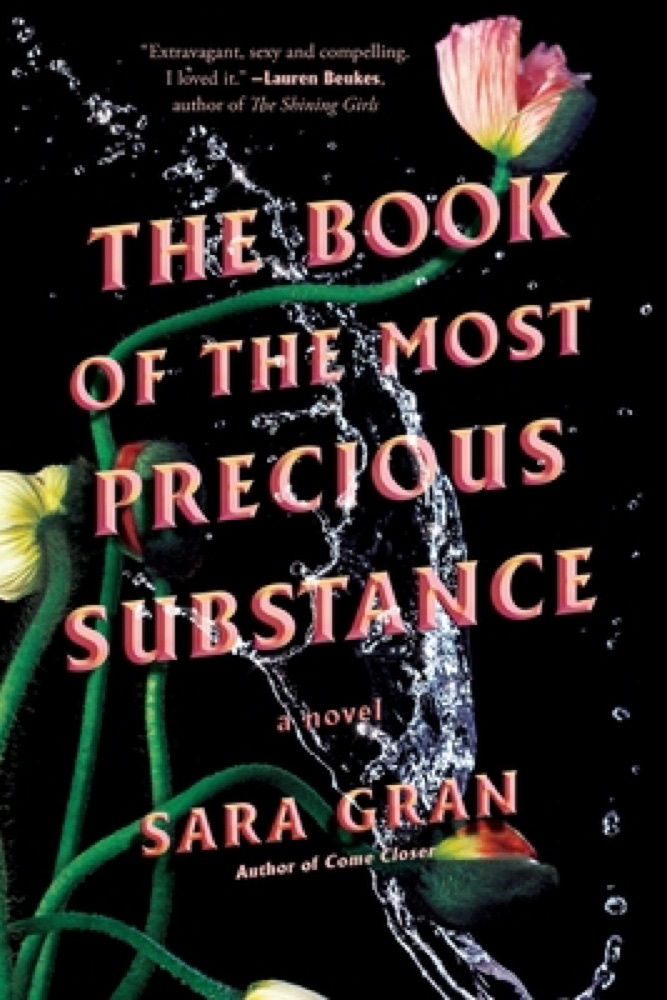 The Book of the Most Precious Substance
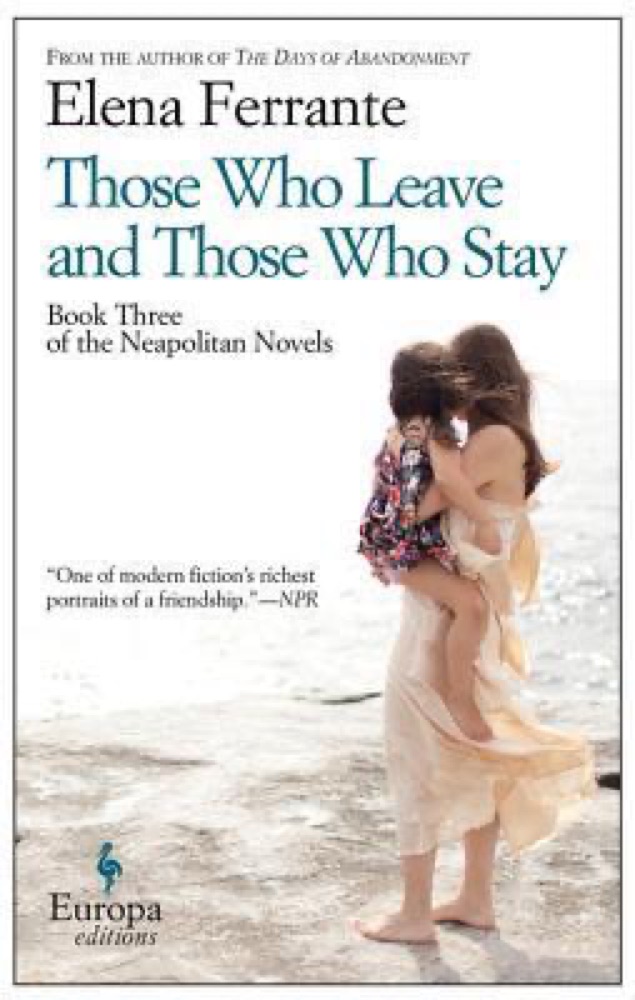 Those Who Leave and Those Who Stay
 The Rachel Papers
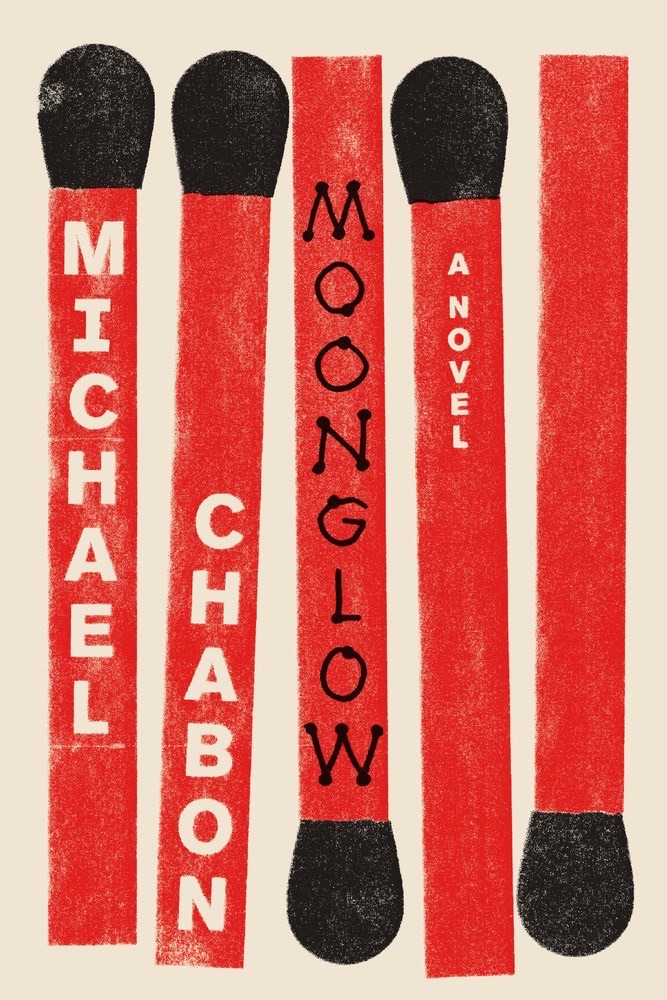 Moonglow
 The Stories of John Cheever
 What Is Not Yours Is Not Yours
 The Round House
 The Broom of the System
 The Hazel Wood
 All My Puny Sorrows
 Rainbow Black
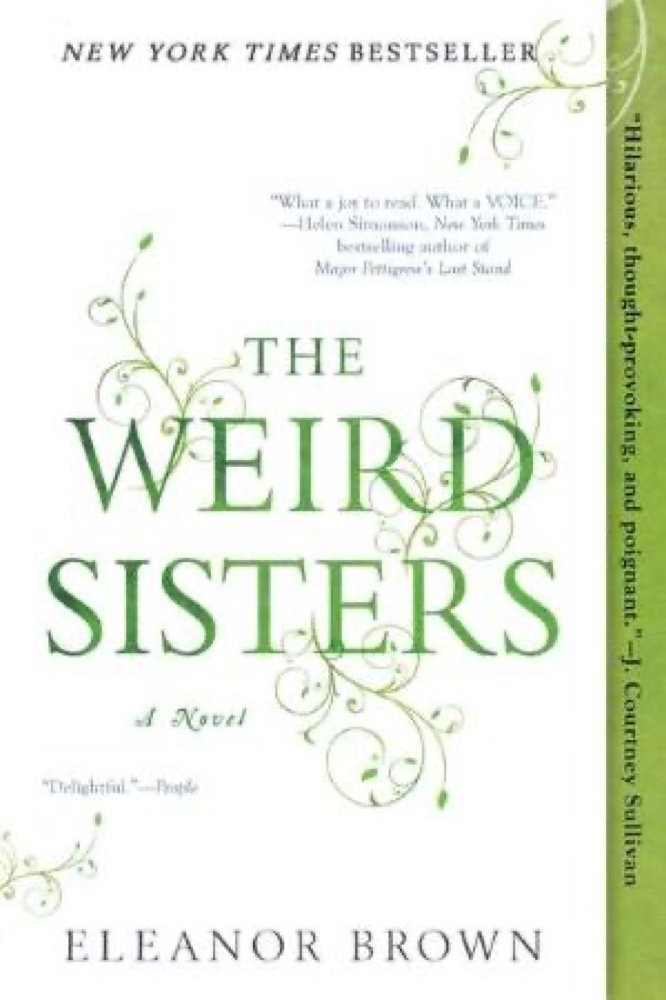 The Weird Sisters
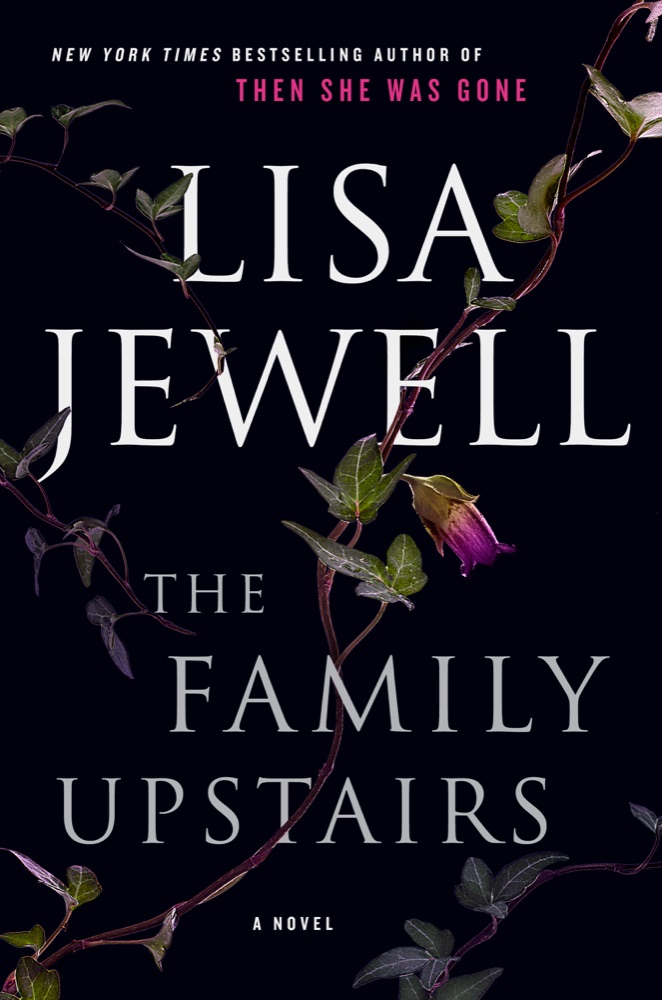 The Family Upstairs
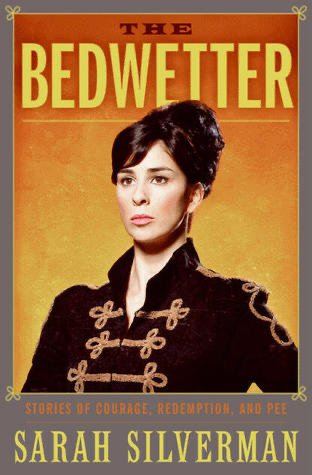 The Bedwetter: Stories of Courage, Redemption, and Pee
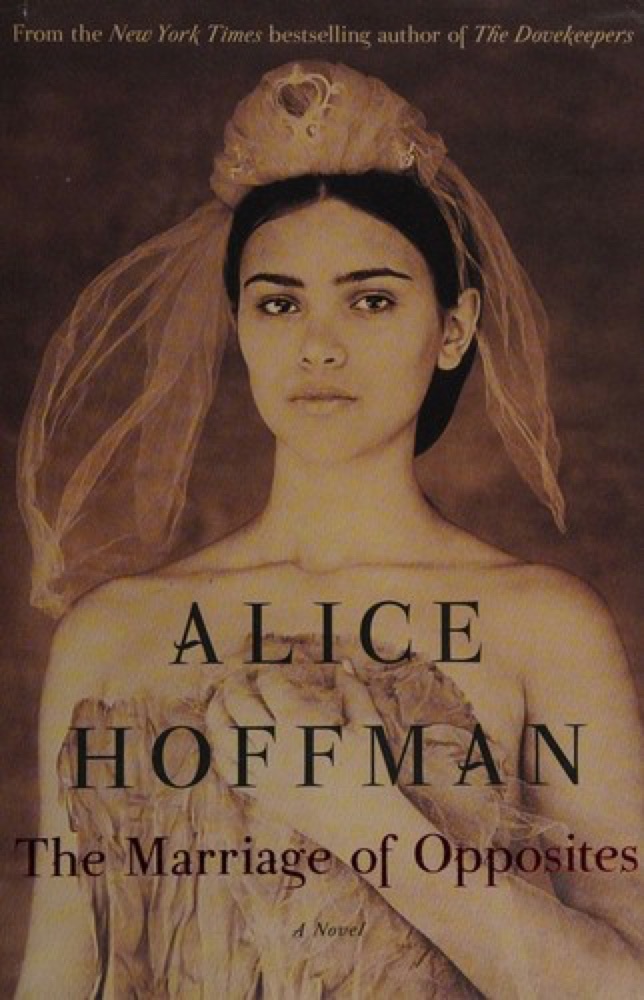 The Marriage of Opposites
 The Pursuit of Love
 All Fours
 Warlight
 The Manticore
 The Untouchable
 Purity
 Fifth Business
 Giving Up the Ghost
 Jude the Obscure
 Sophie's Choice
 London Fields
 The Man Who Loved Children
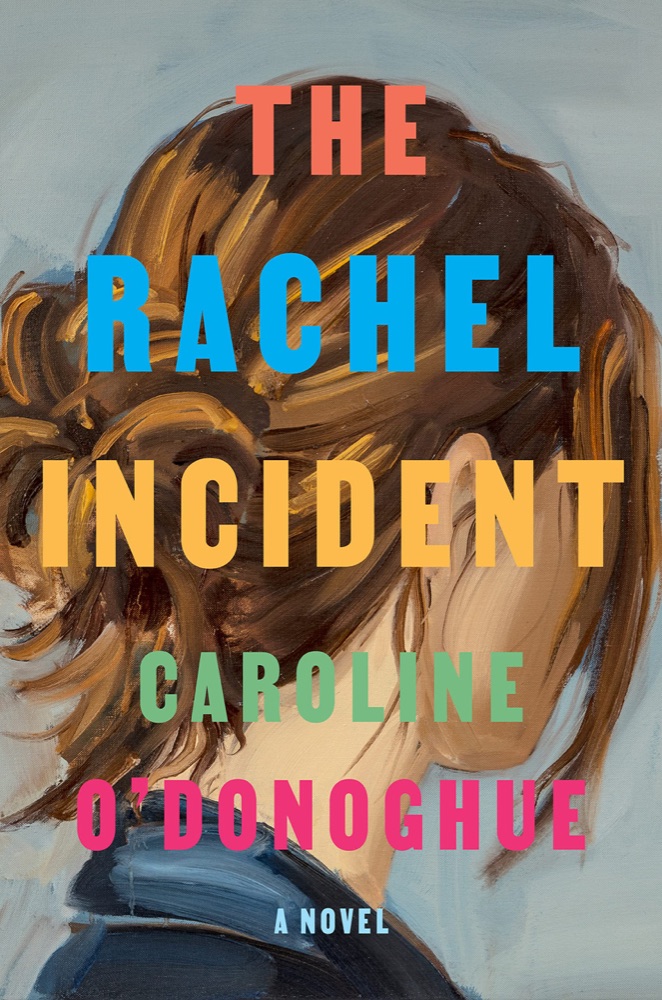 The Rachel Incident
 Mother Mary Comes to Me
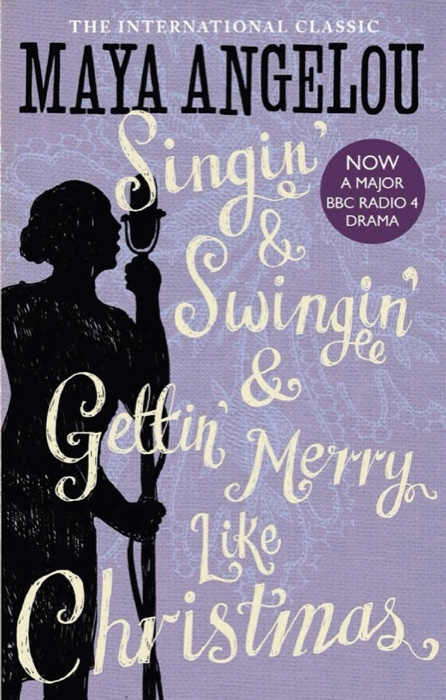 Singin' and Swingin' and Gettin' Merry Like Christmas
 Bastard Out of Carolina
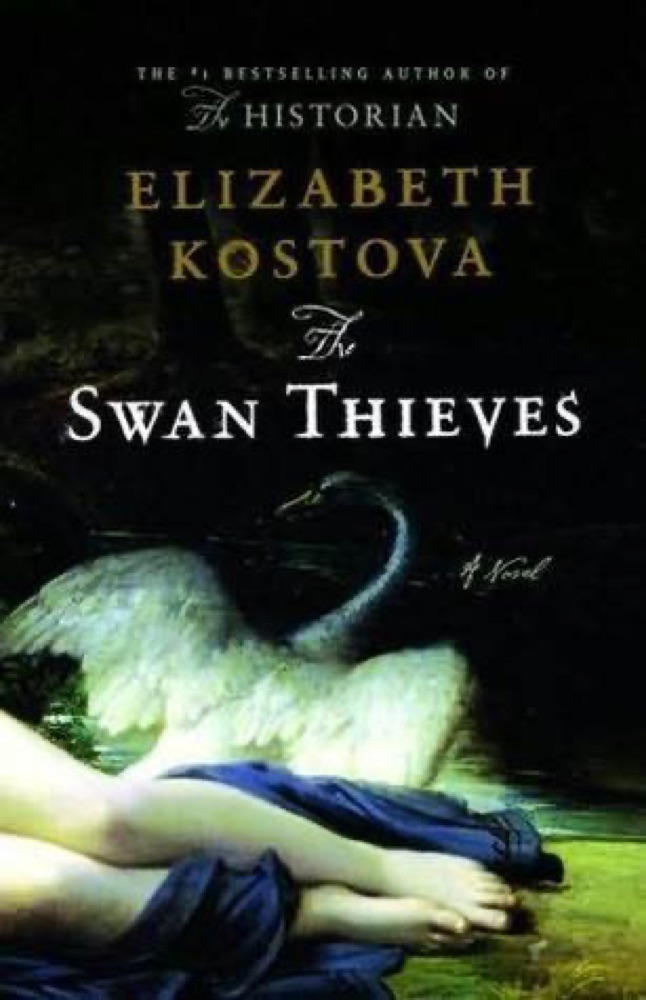 The Swan Thieves
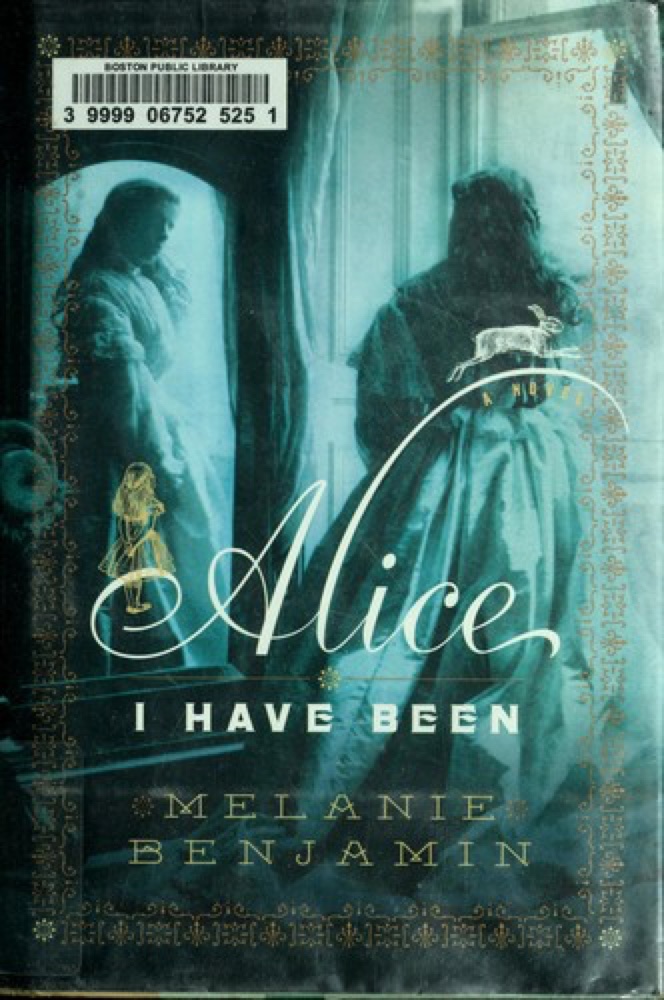 Alice I Have Been
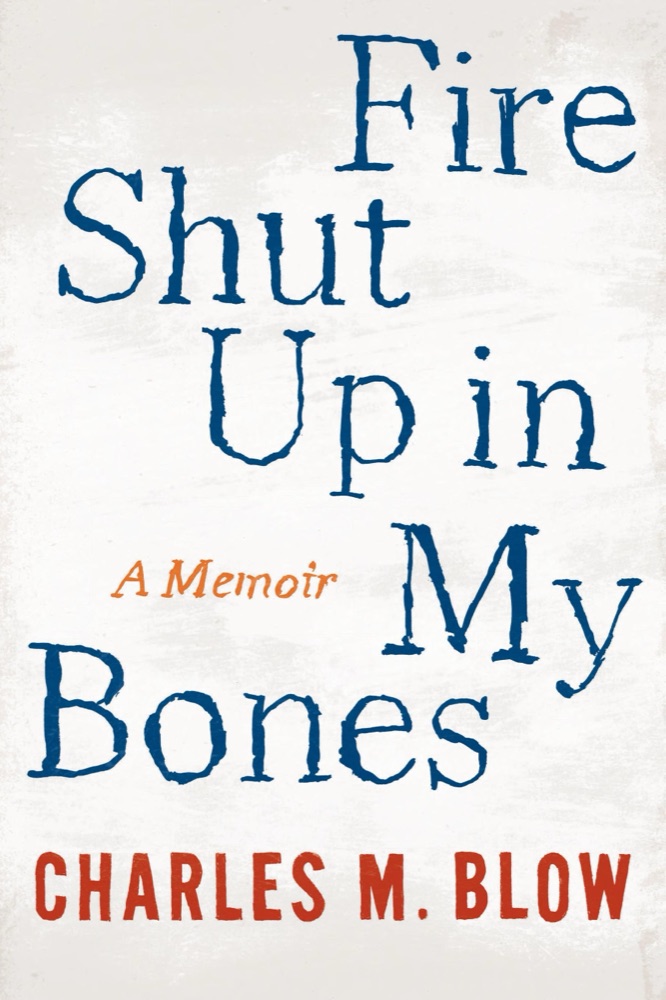 Fire Shut Up in My Bones: A Memoir
 Library of Souls
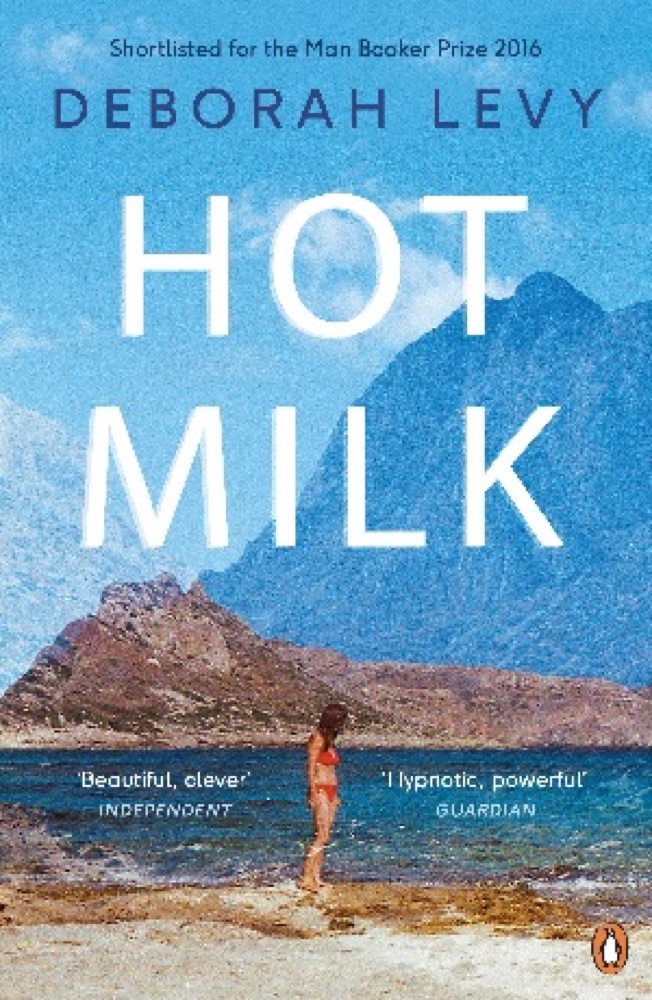 Hot Milk
 Sixty Stories
 Sign Here
 The Liars' Club
 The Benevolent Society of Ill-Mannered Ladies
 The Golden Notebook
 The Woman Destroyed
 The Jane Austen Book Club