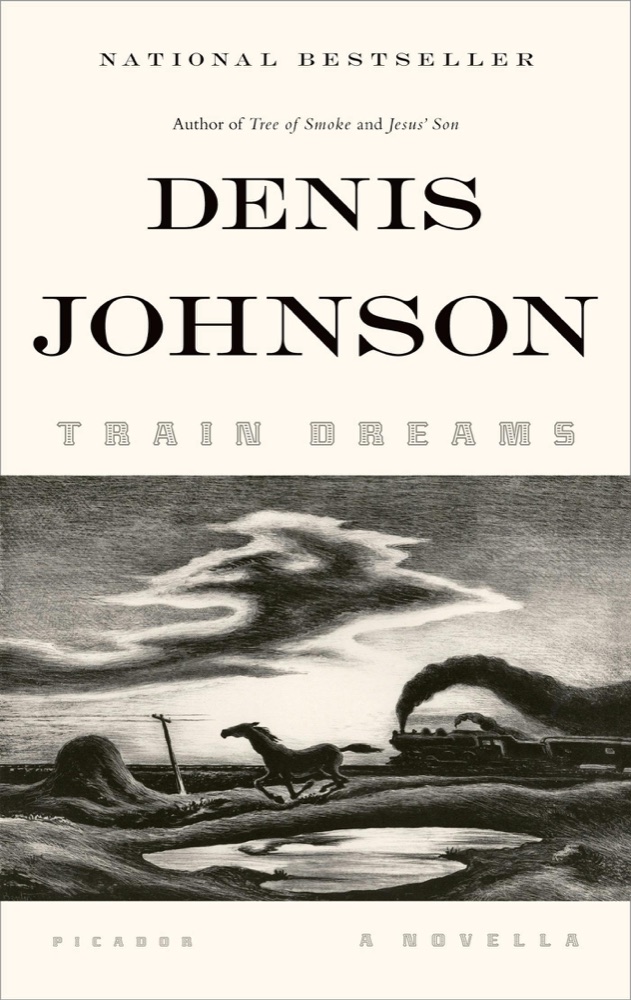

 Jesus' Son
Quotes from the Book
He liked the grand size of things in the woods, the feeling of being lost and far away, and the sense he had that with so many trees as wardens, no danger could find him.
35
It was only when you left it alone that a tree might treat you as a friend. After the blade bit in, you had yourself a war.
33
But they hushed, all at once and quite abruptly, when he stood still at center stage, his arms straight out from his shoulders, and went rigid, and began to tremble with a massive inner dynamism. Nobody present had ever seen anyone stand so still and yet so strangely mobile. He laid his head back until his scalp contacted his spine, that far back, and opened his throat, and a sound rose in the auditorium like a wind coming from all four directions, low and terrifying, rumbling up from the ground beneath the floor, and it gathered into a roar that sucked at the hearing itself, and coalesced into a voice that penetrated into the sinuses and finally into the very minds of those hearing it, taking itself higher and higher, more and more awful and beautiful, the originating ideal of all such sounds ever made, of the foghorn and the ship’s horn, the locomotive’s lonesome whistle, of opera singing and the music of flutes and the continuous moanmusic of bagpipes. And suddenly it all went black. And that time was gone forever.
31
Living up the Moyea with plenty of small chores to distract him, he forgot he was a sad man. When the hymns began, he remembered.
24
The first kiss plummeted him down a hole and popped him out into a world he thought he could get along in—as if he’d been pulling hard the wrong way and was now turned around headed downstream.
24
All his life Robert Grainier would remember vividly the burned valley at sundown, the most dreamlike business he’d ever witnessed waking—the brilliant pastels of the last light overhead, some clouds high and white, catching daylight from beyond the valley, others ribbed and gray and pink, the lowest of them rubbing the peaks of Bussard and Queen mountains; and beneath this wondrous sky the black valley, utterly still, the train moving through it making a great noise but unable to wake this dead world.
20
Grainier still went to services some rare times, when a trip to town coincided. People spoke nicely to him there, people recognized him from the days when he'd attended almost regularly with Gladys, but he generally regretted going. He very often wept in church. Living up the Moyea with plenty of small chores to distract him, he forgot he was a sad man. When the hymns began, he remembered.
12
He saw no sign of their Bible, either. If the Lord had failed to protect even the book of his own Word, this proved to Grainier that here had come a fire stronger than God.
11
Now he slept soundly through the nights, and often he dreamed of trains, and often of one particular train: He was on it; he could smell the coal smoke; a world went by. And then he was standing in that world as the sound of the train died away. A frail familiarity in these scenes hinted to him that they came from his childhood. Sometimes he woke to hear the sound of the Spokane International fading up the valley and realized he’d been hearing the locomotive as he dreamed.
10
Animals had returned to what was left of the forest...clusters of orange butterflies exploded off the blackish purple piles of bear sign and winked and fluttered magically like leaves without trees. More bears than people traveled the muddy road, leaving tracks straight up and down the middle of it...
7
For many minutes before she showed herself, he felt her moving around the place. He detected her presence as unmistakably as he would have sensed the shape of someone blocking the light through a window, even with his eyes closed.
7
I know everything.” Heinz sputtered and fumed somewhat like an automobile himself, and said, “I’m God!” Grainier thought about how to answer. Here seemed a conversation that could go no farther.
6
Howling, are you?” the Indian said. “There it is for you, then. That’s what happens, that’s what they say: There’s not a wolf alive that can’t tame a man.
5
Frost had built on the dead grass, and it skirled beneath his feet. If not for this sound he’d have thought himself struck deaf, owing to the magnitude of the surrounding silence. All the night’s noises had stopped. The whole valley seemed to reflect his shock. He heard only his footsteps and the wolf-girl’s panting complaint.
5
He had laid his head back until his scalp had contacted his spine, that far back, and opened his throat, and a sound rose in the auditorium like a wind coming from all four directions, low and terrifying, rumbling up from the ground beneath the floor, and it gathered into a roar that sucked at the hearing itself, and coalesced into a voice that penetrated into the sinuses, and finally into the very minds of those hearing it, taking itself higher and higher, more and more awful and beautiful, the originating ideal of all such sounds ever made, of the foghorn and the ship's horn, the locomotive's lonesome whistle, of opera singing and the music of flutes and the continuous moaning of bagpipes. And suddenly it all went black. And the time was gone forever.
4
His elbows cracked loudly when he straightened his arms, and something hitched and snapped in his right shoulder when he moved it the wrong way; a general stiffness of his frame worked itself out by halves through most mornings, and he labored like an engine through the afternoons, but he was well past thirty-five years, closer now to forty, and he really wasn't much good in the woods anymore.
4
Gladys had seen all of this, and she made it his to know. She'd lost her future to death, and lost her child to life.
3
But often, thereafter, when Grainier heard the wolves at dusk, he laid his head back and howled for all he was worth, because it did him good. It flushed out something heavy that tended to collect in his heart, and after an evening’s program with his choir of British Columbian wolves he felt warm and buoyant.
2
If he died now, Grainier probably wouldn't know it until they came into the light of the gas lamps either side of the doctor's house. After they'd moved along for nearly an hour without conversation, listening only to the creaking wagon and the sound of the nearby river and the clop of the mares, it grew dark.
2
Ten days later, when the Spokane International was running again, Grainier rode it up into Creston, B.C., and back south again the evening of the same day through the valley that had been his home. The blaze had climbed to the ridges either side of the valley and stalled halfway down the other side of the mountains, according to the reports Grainier had listened to intently. It had gutted the valley along its entire length like a campfire in a ditch. All his life Robert Grainier would remember vividly the burned valley at sundown, the most dream-like business he'd ever witnessed waking-the brilliant pastels of the last light overhead, some clouds high and white, catching daylight from beyond the valley, others ribbed and gray and pink, the lowest of them rubbing the peaks of Bussard and Queen mountains; and beneath this wondrous sky the black valley, utterly still, the train moving through it making a great noise but unable to wake this dead world.
1
and beneath this wondrous sky the black valley, utterly still, the train moving through it making a great noise but unable to wake this dead world.
1
Nightmares woke him every night. Gladys came out of the black landscape onto their homesite, dressed in smoking rags and carrying their daughter, and found nothing there, and stood crying in the waste.
And suddenly it all went black. And that time was gone forever.
His summer wages gave him enough to live on all year
He’d started his life story on a train ride he couldn’t remember
In the dark he felt his daughter’s eyes turned on him like a cornered brute’s. It was only his thoughts tricking him
Watch on YouTube
About Denis Johnson
We have collected 93 quotes from 4 books by Denis Johnson on BookQuoters.
More about the author →More by Denis Johnson


About the book
Suffused with the history and landscapes of the American West—its otherworldly flora and fauna, its rugged loggers and bridge builders—this extraordinary novella poignantly captures the disappearance of a distinctly American way of life.
Train Dreams tells the story of Robert Grainer, a day laborer in the American West at the start of the twentieth century—an ordinary man in extraordinary times. Buffeted by the loss of his family, Grainer struggles to make sense of this strange new world. As his story unfolds, we witness both his shocking personal defeats and the radical changes that transform America in his lifetime.
First published in The Paris Review [Issue 162, Summer 2002]
Book details
- First published
- 2002
- Author
- Denis Johnson
- Genre
- Fiction
- Goodreads rating
- 3.86 (52k ratings)
The buzz
- The New York TimesReview in The New York Timesprofessional review (via Book Marks)
- The New YorkerReview in The New Yorkerprofessional review (via Book Marks)
- NPRReview in NPRprofessional review (via Book Marks)
- Publishers WeeklyReview in Publishers Weeklyprofessional review (via Book Marks)
- ArticlesReview in Articlesprofessional review (via Book Marks)
- PsharesReview in Psharesprofessional review (via Book Marks)
Keep reading
 Provinces of Night
 The Collected Stories
 The Vorrh
 Ethan Frome
 House Made of Dawn
 Dubliners
 Twilight
 Suttree
 In the Valley of the Sun
 Omensetter's Luck
 The Metamorphosis
 The Stories of John Cheever
 Shadow Country
 The Sweetness of Water
 One for the Blackbird, One for the Crow
 Limberlost
 The Invisible Bridge
 The Call of the Wild
 Birdsong
 One Hundred Years of Solitude
 The Passage
 Hatchet
 The Last Report on the Miracles at Little No Horse
 In the Distance
 Child of God
 The Rainbow
 I Am Legend and Other Stories
 The Talisman
 The Orchardist
 In a Lonely Place
 Heart-Shaped Box
 One of Ours
 The Shell Collector
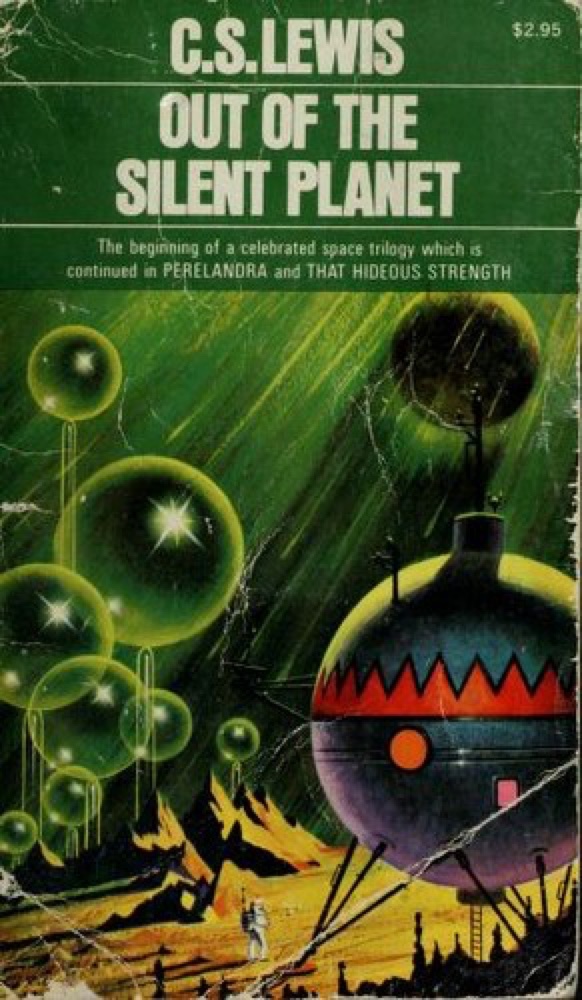 Out of the Silent Planet
 The Complete Stories
 The Stranger's Child
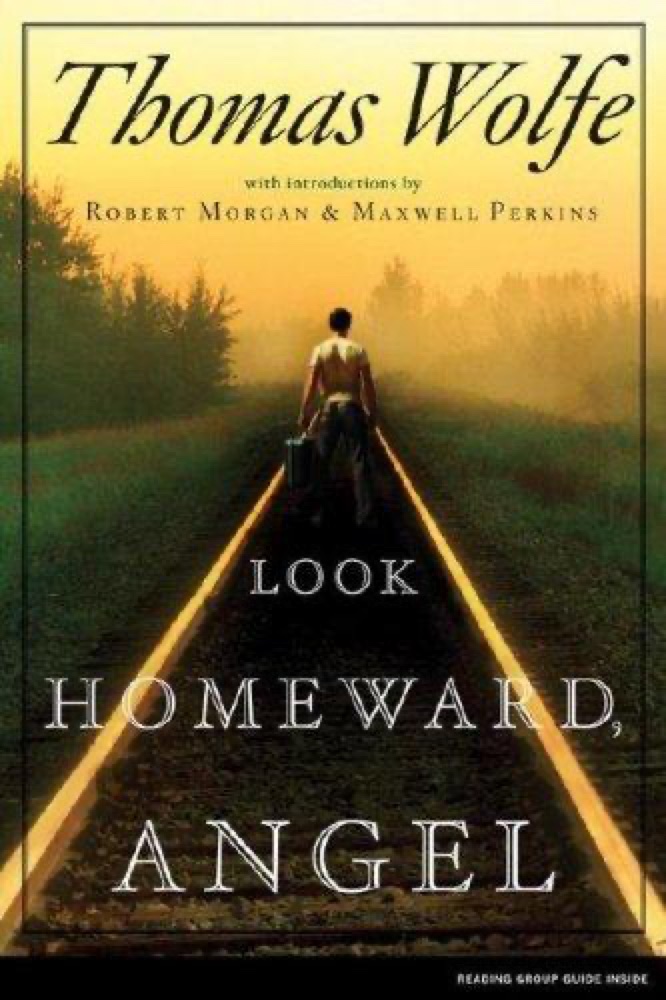 Look Homeward, Angel
 Another Country
 The Brutal Telling
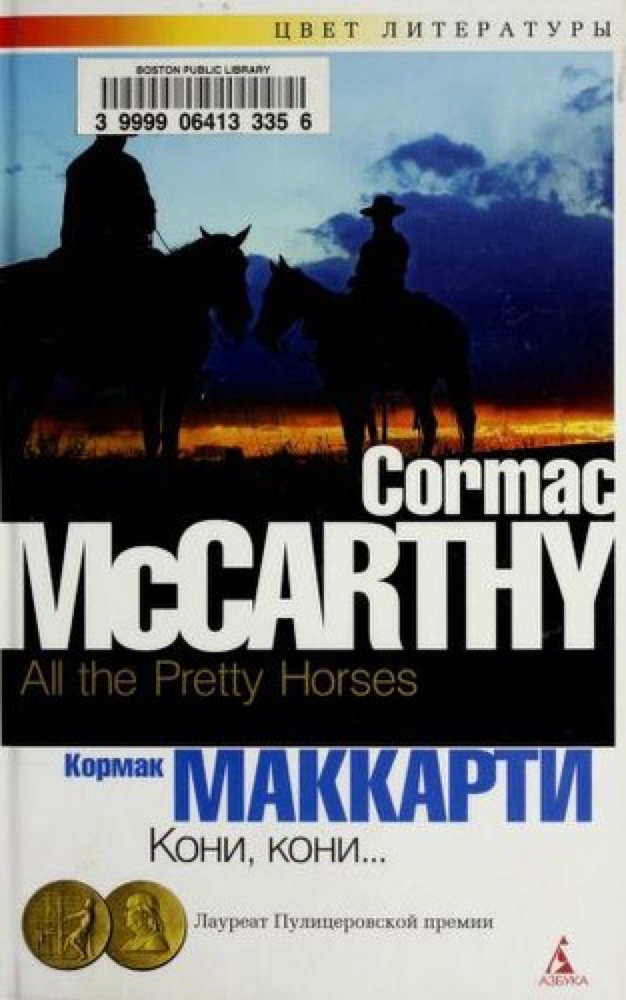 All the Pretty Horses
 The Night Watchman
 The Known World
 The Emigrants
 The Narrow Road to the Deep North
 The Amazing Adventures of Kavalier & Clay
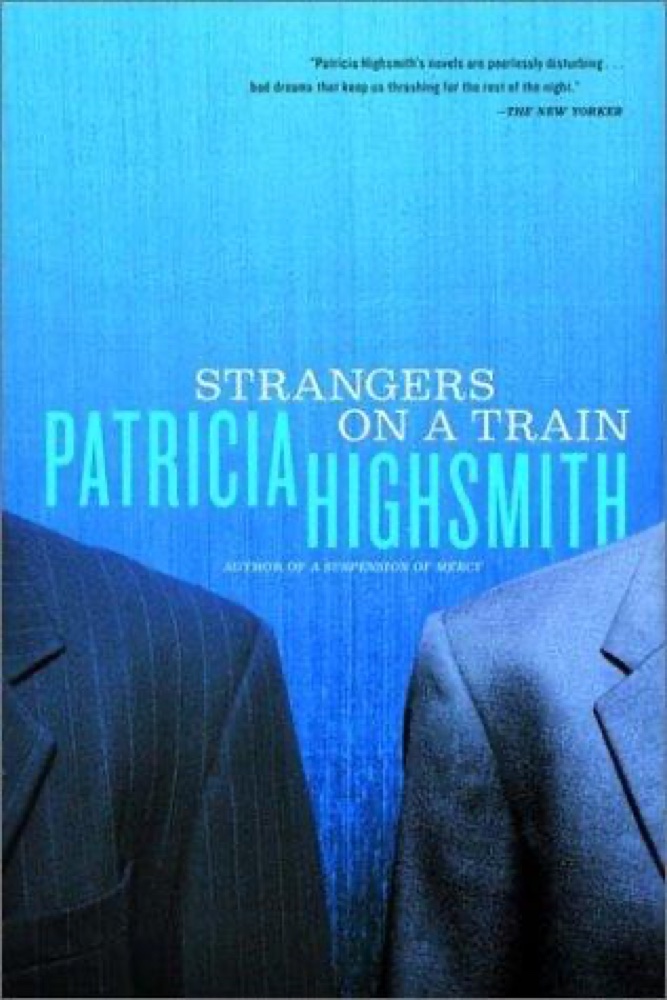 Strangers on a Train
 Living to Tell the Tale
 Messenger
 Unaccustomed Earth
 The Fishermen
 Crooked Letter, Crooked Letter
 The Scapegoat
 The Hollow Hills
 Winter's Bone
 Ceremony
 World's Fair
 The Red Garden
 The River
 An Orchestra of Minorities
 The Return of The Soldier