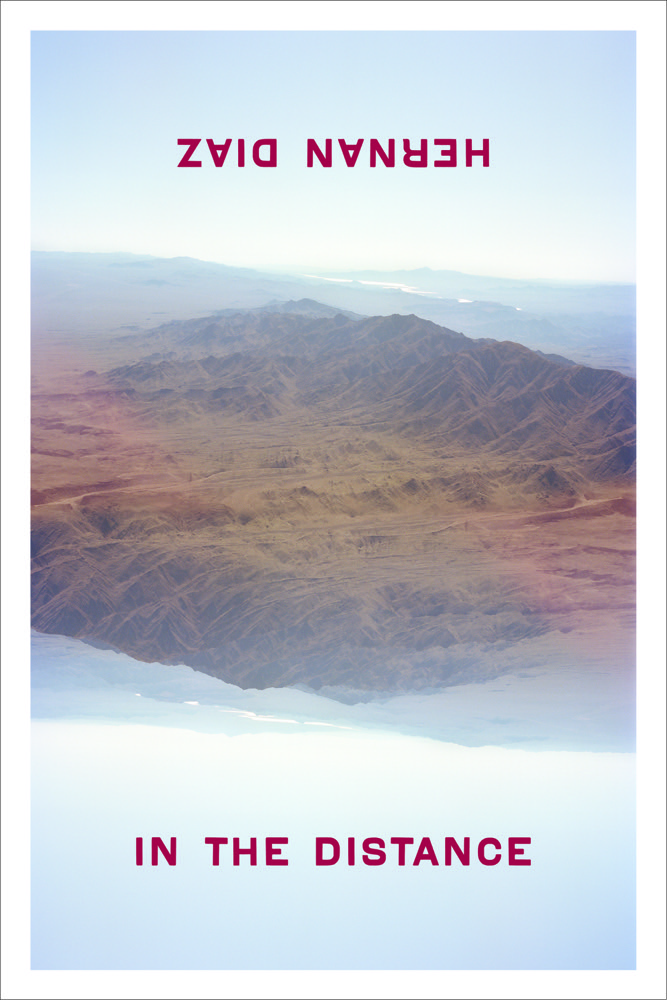
 Trust
Trust
Quotes from the Book
A year and an instant are equivalent in a monotonous life.
35
There was a sky. There was a body. And a planet underneath it. And it was all lovely. And it did not matter. He had never been happy before. And it did not matter.
16
pity was insatiable—a false virtue that always craved more suffering to show how limitless and magnificent it could be.
13
A naturalist should look at the world with warm affection, if not ardent love. The life the scalpel has ended ought to be honored by a caring, devoted appreciation for that creature’s unrepeatable individuality, and for the fact that, at the same time, strange as this may seem, this life stands for the entire natural kingdom. Examined with attention, the dissected hare illuminates the parts and properties of all other animals and, by extension, their environment. The hare, like a blade of grass or a piece of coal, is not simply a small fraction of the whole but contains the whole within itself. This makes us all one. If anything, because we are all made of the same stuff. Our flesh is the debris of dead stars, and this is also true of the apple and its tree, of each hair on the spider’s legs, and of the rock rusting on planet Mars. Each minuscule being has spokes radiating out to all of creation. Some of the raindrops falling on the potato plants in your farm back in Sweden were once in a tiger’s bladder. From one living thing, the properties of any other may be predicted. Looking at any particle with sufficient care, and following the chain that links all things together, we can arrive at the universe—the correspondences are there, if the eye is skillful enough to detect them. The guts of the anatomized hare faithfully render the picture of the entire world. And because that hare is everything, it is also us. Having understood and experienced this marvelous congruity, man can no longer examine his surroundings merely as a surface scattered with alien objects and creatures related to him only by their usefulness. The carpenter who can only devise tabletops while walking through the forest, the poet who can only remember his own private sorrows while looking at the falling snow, the naturalist who can only attach a label to every leaf and a pin to every insect—all of them are debasing nature by turning it into a storehouse, a symbol, or a fact. Knowing nature, Lorimer would often say, means learning how to be. And to achieve this, we must listen to the constant sermon of things. Our highest task is to make out the words to better partake in the ecstasy of existence.
8
This is true religion—knowing there is a bond among all living things. Having understood this, there is nothing to mourn, because even though nothing can ever be retained, nothing is ever lost.
7
The vastness around him was now his flesh. And yet, nothing -not the countless footsteps taken or knowledge acquired, not the adversaries bested or the friends made, not the love felt or the blood shed- had made it his.
7
They merely stood, completely absorbed by nothing. Time dissolved into the sky. There was little difference between landscape and spectators. Insensible things that existed in one another.
7
To him, English was still a mudslide of runny, slushy sounds that did not exist in his mother tongue—r, th, sh, and some particularly gelatinous vowels. Frawder thur prueless rare shur per thurst. Mirtler freckling thow. Gold freys yawder far cration. Crewl fry rackler friend thur. No shemling keal rearand for fear under shall an frick. Folger rich shermane furl hearst when pearsh thurlow larshes your morse claws. Clushes ream glown roven thurm shalter shirt.
5
And he had learned that pity was insatiable—a false virtue that always craved more suffering to show how limitless and magnificent it could be.
4
Corrupting, there, forsaken, becoming, already, nothing. "And thy corpse shall be meat unto all fowls of the air, and unto the beasts of the earth, and no man shall frighten them away to think that this is one of God's most terrible curses. But consider it carefully. No sepulchre. No cremation. No obsequies. Becoming meat for someone else's teeth, said Lorimer with some of his past passion. "Can you imagine? Can you imagine what a relief? Will we ever dare to look at a body without the shroud of superstition, naked, like it truly is? Matter, and nothing more. Preoccupied with the perpetuity of our departed souls, we have forgotten that, on the contrary, it is our carcasses and our flesh that make us immortal. I am fairly confident they didn't bury him so that his transmigration into bird and beast would be swifter. Never mind memorials, relics, mausoleums, and other vain preservations from corruption and oblivion. What greater tribute than to be feasted upon by one's fellow creatures? What monument could be nobler than the breathing tomb of a coyote or the soaring urn of a vulture? What preservation more dependable? What resurrection more literal? This is true religion-knowing there is a bond among all living things. Having understood this, there is nothing to mourn, because even though nothing can ever be retained, nothing is ever lost. Can you imagine?" "Lorimer asked again. "The relief. The freedom.
3
Looking at any particle with sufficient care, and following the chain that links all things together, we can arrive at the universe—the correspondences are there, if the eye is skillful enough to detect them. The guts of the anatomized hare faithfully render the picture of the entire world. And because that hare is everything, it is also us. Having understood and experienced this marvelous congruity, man can no longer examine his surroundings merely as a surface scattered with alien objects and creatures related to him only by their usefulness
3
The sun set without pomp—it just got dark.
3
During their lessons, Lorimer often reminded his student that his remarkable talent with the scalpel would amount to nothing if the knife was not held by a loving hand guided by a truth-seeking eye. The study of nature is a barren enterprise if stones, plants, and animals become frozen under the magnifying glass, Lorimer said. A naturalist should look at the world with warm affection, if not ardent love.
2
Håkan realized now that he had always thought that these vast territories were empty—that he had believed they were inhabited only during the short period of time during which travelers were passing through them, and that, like the ocean in the wake of a ship, solitude closed up after the riders.
2
After thousands of nights under those same stars, he woke up as many thousands of mornings under that same sun and trudged for as many thousands of days under the same sky, always feeling out of place.
2
But the main virtue his brother and the naturalist shared was their ability to endow the world with meaning. The stars, the seasons, the forest—Linus had stories about them all, and through these stories life was contained, becoming something that could be examined and understood. Just as the ocean had swelled when Linus was not there to dam its immensity with his words, now, since Lorimer's illness, the desert had violently expanded to an endless blank. Without his friend's theories, Håkan's smallness was as vast as the expanse ahead.
1
a year and an instant is equivalent in a monotonous life
1
I mrtvo tijelo tvoje postat će hranom svim pticama nebeskim i svoj zvjeradi zemaljskoj. Nikoga neće biti da ih plaši - zamisli, to je Božja najstrašnija kletva. Ali razmisli pažljivo o tome. Bez grobnice. Bez kremiranja. Bez pogreba. Postati meso pod nečijim zubima", rekao je Lorimer s dijelom svoje prijašnje strasti. "Možeš li to zamisliti? Možeš li zamisliti to olakšanje? Hoćemo li se ikada usuditi doživjeti tijelo bez vela praznovjerja, golo, onakvo kakvo doista jest? Materija, ništa više od toga. Zaokupljeni vječnošću naših pokojnih duša, zaboravili smo da nas, upravo suprotno, naša trupla i naše meso čine besmrtnima. Prilično sam siguran da ga nisu pokopali zato da bi njegov prelazak u ptice i zvijeri bio što brži. Zaboravi na spomenike, relikvije, mauzoleje i ostala tašta čuvanja od truljenja i zaborava. Ima li veće časti od toga da se tobom goste bratska stvorenja? Koji bi spomenik mogao biti plemenitiji od kojota kao žive grobnice ili leteće urne u obliku lešinara? U koji bismo se način očuvanja mogli više pouzdati? Koje je uskrsnuće doslovnije? To je prava religija - znati da među svim živim bićima postoji veza. Kad se to shvati, nema se za čime žalovati, zato što, iako ništa nije vječno, ništa se nikada i ne gubi. Možeš li to zamisliti?" Lorimer je ponovo upitao. "Koje olakšanje. Kakva sloboda.
Hakan Söderströrm İsveç'te Tystnaden Gölünün kuzeyindeki bir çiftlikte doğmuştu.
Nothing left behind in the wilderness could ever be retrieved. Every encounter was final. Nobody came back from beyond the horizon. It was impossible to return to anything or anyone. Whatever was out of sight was forever lost.
It was dead quiet in his mind. He rarely thought of anything that was not at hand. Years vanished under a weightless present. Through countless frosts and thaws, he walked in circles wider than nations. And then he stopped.
Each instant was a prison, barred away from both past and future. Now-here, nowhere, his heart pounded in his ears. His indifference toward himself and his fate was complete. His pain, intense and deafening as it was came to him as a remote echo of someone else's scream.
he had always thought that these vast territories were empty—that he had believed they were inhabited only during the short period of time during which travelers were passing through them, and that, like the ocean in the wake of a ship, solitude closed up after the riders. He further understood that all those travelers, himself included, were, in fact, intruders.
Watch on YouTube
About Hernan Diaz
We have collected 52 quotes from 2 books by Hernan Diaz on BookQuoters.
More about the author →More by Hernan Diaz
Trust
About the book
A young Swedish boy finds himself penniless and alone in California. He travels east in search of his brother, moving on foot against the great push to the west. Driven back over and over again on his journey through vast expanses, Håkan meets naturalists, criminals, religious fanatics, Indians, and lawmen, and his exploits turn him into a legend. Díaz defies the conventions of historical fiction and genre (travel narratives, the bildungsroman, nature writing, the Western), offering a probing look at the stereotypes that populate our past and a portrait of radical foreignness.
At first, it was a contest, but in time the beasts understood that, with an embrace and the slightest push, they had to lie down on their side and stay until Håkan got up. He did this each time he thought he spied someone on the circular horizon. Had Håkan and his animals ever been spotted, the distant travelers
Book details
- First published
- 2017
- Author
- Hernan Diaz
- Genre
- Fiction
- Goodreads rating
- 4.10 (27k ratings)
The buzz
- The New York TimesReview in The New York Timesprofessional review (via Book Marks)
- The GuardianReview in The Guardianprofessional review (via Book Marks)
- Kirkus ReviewsReview in Kirkus Reviewsprofessional review (via Book Marks)
- Publishers WeeklyReview in Publishers Weeklyprofessional review (via Book Marks)
- BookPageReview in BookPageprofessional review (via Book Marks)
- FtReview in Ftprofessional review (via Book Marks)
Keep reading
 The Narrow Road to the Deep North
 The Sheltering Sky
 House Made of Dawn
 Wind, Sand and Stars
 Look Homeward, Angel
 The City and the Stars
 The Quick and the Dead
 Independent People
 The Dark Forest
 The Empusium
 The Fairy Tales of Hermann Hesse
 Snow Falling on Cedars
 Out of the Silent Planet
 The Sailor Who Fell from Grace with the Sea
 The Invention of Solitude
 All the Pretty Horses
 Weaveworld
 Lincoln in the Bardo
 Feersum Endjinn
 Winter's Tale
 Songs of Distant Earth
 Light Years
 Primeval and Other Times
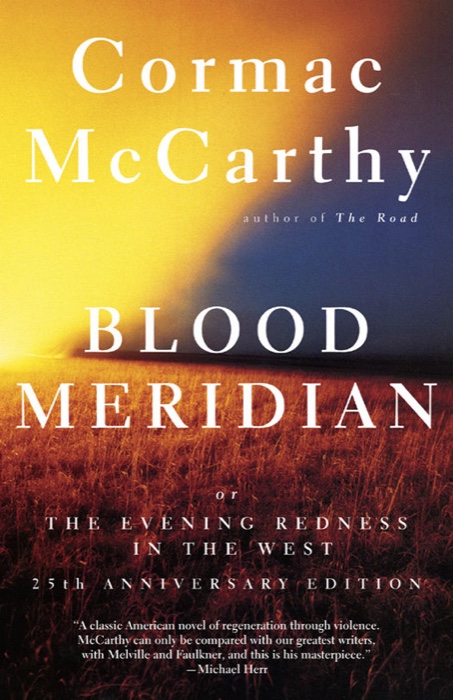 Blood Meridian: Or the Evening Redness in the West
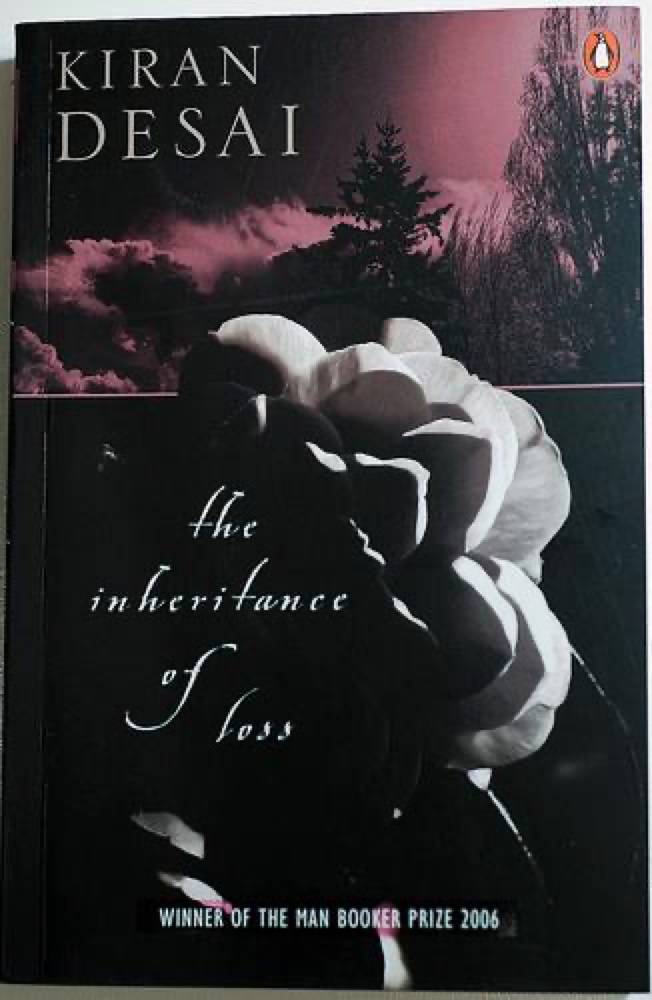 The Inheritance of Loss
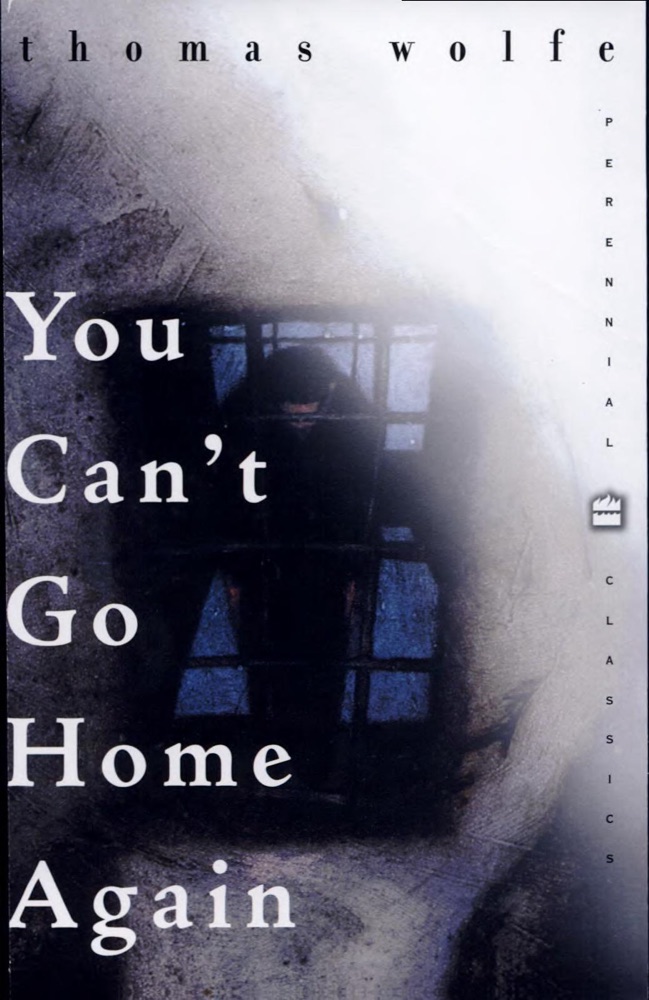 You Can't Go Home Again
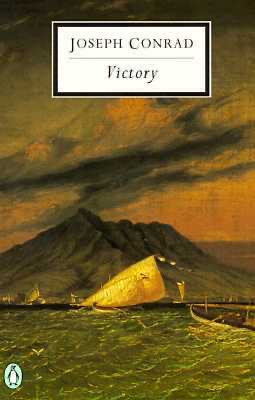 Victory
 The Enchantress of Florence
 The High Mountains of Portugal
 Blood Meridian, or the Evening Redness in the West
 Heart of Darkness
 The Night Watchman
 The Man Without Qualities
 Flights
 Selected Poems
 The Wasted Vigil
 Sole Survivor
 The Plover
 The Lazarus Project
 Dreams and Shadows
 A God in Ruins
 Tropic of Capricorn
 Miss Lonelyhearts
 Spring Snow
 The Thousandfold Thought
 The Invisible Bridge
 Leviathan
 In Search of Lost Time
 The Passage
 Orlando
 The Vorrh
 Swann's Way
 Solar
Solar
 The Amazing Adventures of Kavalier & Clay
 The Complete Short Stories
 The Island of the Day Before
 Plainwater: Essays and Poetry
 Autumn
 The Complete Stories
 The People in the Trees