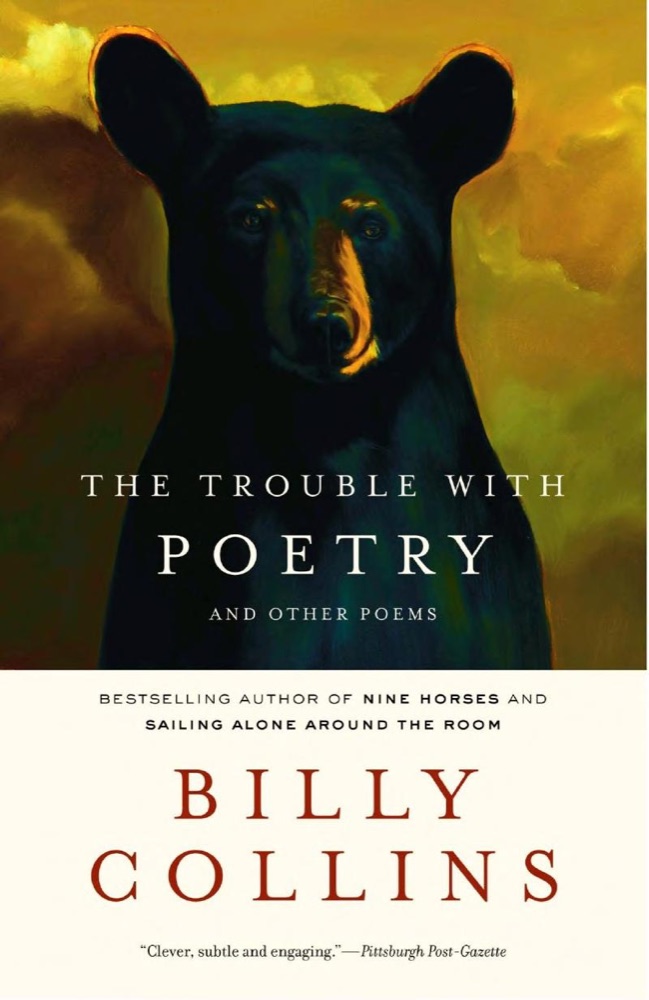

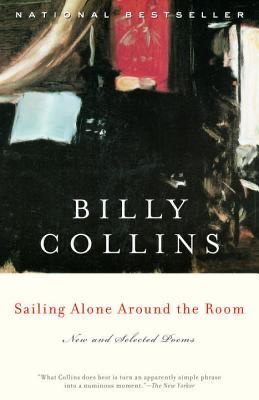
 Sailing Alone Around the Room: New and Selected Poems
Quotes from the Book
...the trouble with poetry is that it encourages the writing of more poetry...
66
I could feel the day offering itself to me, and I wanted nothing more than to be in the moment-but which moment? Not that one, or that one, or that one,
60
This is not what it is like to be you, I realized as a few of your magnificent clouds flew over the rooftop. It is just me thinking about being you. And before I headed back down the hill, I walked in a circle around your house, making an invisible line which you would have to cross before dark.
22
Just pour the tea, just look into the eye of the flower, just sing the song— one thing at a time and
2
The birds are in their trees, the toast is in the toaster, and the poets are at their windows. [...] The proofreaders are playing the ping-pong game of proofreading, glancing back and forth from page to page, the chefs are dicing celery and potatoes, and the poets are at their windows because it is their job for which they are paid nothing every Friday afternoon.
2
And there is the silence of this morning which I have broken with my pen… — Billy Collins, from “Silence,” The Trouble With Poetry - And Other Poems. (Random House August 10, 2011) Originally published 2005.
1
On Not Finding You at Home Usually you appear at the front door when you hear my steps on the gravel, but today the door was closed, not a wisp of pale smoke from the chimney. I peered into a window but there was nothing but a table with a comb, some yellow flowers in a glass of water and dark shadows in the corners of the room. I stood for a while under the big tree and listened to the wind and the birds, your wind and your birds, your dark green woods beyong the clearing. This is not what it is like to be you, I realized after a few of your magnificent clouds flew over the rooftop. It is just me thinking about being you. And before I headed back down the hill, I walked in a circle around your house, making an invisible line which you would have to cross before dark.
1
Eastern Standard Time Poetry speaks to all people, it is said, but here I would like to address only those in my own time zone, this proper slice of longitude that runs from pole to snowy pole down the globe through Montreal to Bogota. Oh, fellow inhabitants of this singular band, sitting up in your many beds this morning— the sun falling through the windows and casting a shadow on the sundial— consider those in other zones who cannot hear these words. They are not slipping into a bathrobe as we are, or following the smell of coffee in a timely fashion. Rather, they are at work already, leaning on copy machines, hammering nails into a house-frame. They are not swallowing a vitamin like us; rather they are smoking a cigarette under a half moon, even jumping around on a dance floor, or just now sliding under the covers, pulling down the little chains on their bed lamps. But we are not like these others, for at this very moment on the face of the earth, we are standing under a hot shower, or we are eating our breakfast, considered by people of all zones to be the most important meal of the day. Later, when the time is right, we might sit down with the boss, wash the car, or linger at a candle-lit table, but now is the hour for pouring the juice and flipping the eggs with one eye on the toaster. So let us slice a banana and uncap the jam, lift our brimming spoons of milk, and leave it to the others to lower a flag or spin absurdly in a barber's chair— those antipodal oddballs, always early or late. Let us praise Sir Stanford Fleming the Canadian genius who first scored with these lines the length of the spinning earth. Let us move together through the rest of this day passing in unison from light to shadow, coasting over the crest of noon into the valley of the evening and then, holding hands, slip into the deeper valley of night.
1
I had to send away for the beacuse they are not available in any store. They look the same as any sunglasses with a light tint and silvery frames, but instead of filtering out the harmful rays of the sun. they filter out the harmful sight of you --
1
Building with Its Face Blown Off How suddenly the private is revealed in a bombed-out city, how the blue and white striped wallpaper of a second story bedroom is now exposed to the lightly falling snow as if the room had answered the explosion wearing only its striped pajamas. Some neighbors and soldiers poke around in the rubble below and stare up at the hanging staircase, the portrait of a grandfather, a door dangling from a single hinge. And the bathroom looks almost embarrassed by its uncovered ochre walls, the twisted mess of its plumbing, the sink sinking to its knees, the ripped shower curtain, the torn goldfish trailing bubbles. It's like a dollhouse view as if a child on its knees could reach in and pick up the bureau, straighten a picture. Or it might be a room on a stage in a play with no characters, no dialogue or audience, no beginning, middle, and end– just the broken furniture in the street, a shoe among the cinder blocks, a light snow still falling on a distant steeple, and people crossing a bridge that still stands. And beyong that–crows in a tree, the statue of a leader on a horse, and clouds that look like smoke, and even farther on, in another country on a blanket under a shade tree, a man pouring wine into two glasses and a woman sliding out the wooden pegs of a wicker hamper filled with bread, cheese, and several kinds of olives.
Theme It's a sunny weekday in early May and after a ham sandwich and a cold bottle of beer on the brick terrace, I am consumed by the wish to add something to one of the ancient themes– youth dancing with his eyes closed, for example, in the shadows of corruption and death, or the rise and fall of illustrious men strapped to the turning wheel of mischance and disaster. There is a slight breeze, just enough to bend the yellow tulips on their stems, but that hardly helps me echo the longing for immortality despite the roaring juggernaut of time, or the painful motif of Nature's cyclial return versus man's blind rush to the grave. I could loosen my shirt and lie down in the soft grass, sweet now after its first cutting, but that would not produce a record of the pursuit of the moth of eternal beauty or the despondency that attends the eventual dribble of the once gurgling fountain of creativity. So, as far as great topics go, that seems to leave only the fall from exuberant maturity into sudden, headlong decline– a subject that fills me with silence and leaves me with no choice but to spend the rest of the day sniffing the jasmine vine and surrendering to the ivory goverance of the piano by picking out with my index finger the melody notes of "Easy to Love," a song in which Cole Porter expresses, with put-on nonchalance, the hopelessness of a love brimming with desire and a hunger for affection, but met only and always with frosty disregard.
You, Reader I wonder how you are going to feel when you find out that I wrote this instead of you, that it was I who got up early to sit in the itchen and mention with a pen the rain-soaked windows, the ivy wallpaper, and the goldfish circling in its bowl. Go ahead and turn aside, bite your lip and tear out the page, but, listen– it was just a matter of time before one of us happened to notice the unlit candles and the clock humming on the wall. Plus, nothing happened that morning– a song on the radio, a car whistling along the road outside– and I was only thinking about the shakers of salt and pepper that were standing side by side on a place mat. I wondered if they had become friends after all these years or if they were still strangers to one another like you and I who manage to be known and unknown to each other at the same time– me at this table with a bowl of pears, you leaning in a doorway somewhere near some blue hydrageas, reading this.
Watch on YouTube
About Billy Collins
We have collected 32 quotes from 4 books by Billy Collins on BookQuoters.
More about the author →More by Billy Collins
About the book
Playfulness, spare elegance, and wit epitomize the poetry of Billy Collins. With his distinct voice and accessible language, America's two-term Poet Laureate has opened the door to poetry for countless people for whom it might otherwise remain closed.
Like the present book's title, Collins's poems are filled with mischief, humor, and irony, "Poetry speaks to all people, it is said, but here I would like to address / only those in my own time zone"-but also with quiet observation, intense wonder, and a reverence for the everyday: "The birds are in their trees, / the toast is in the toaster, / and the poets are at their windows. / They are at their windows in every section of the tangerine of earth-the Chinese poets looking up at the moon, / the American poets gazing out / at the pink and blue ribbons of sunrise."
Through simple language, Collins shows that good poetry doesn't have t
Book details
- First published
- 2005
- Author
- Billy Collins
- Genre
- Literature
- Goodreads rating
- 4.16 (8k ratings)
Keep reading
 The Anthologist
 A Thousand Mornings: Poems
 Lunch Poems
 Dearly
 Winter Hours: Prose, Prose Poems, and Poems
 The Waves
 Blue Horses
 The Complete Poems of Emily Dickinson
 In the Heart of the Heart of the Country and Other Stories
 All of Us: The Collected Poems
 Selected Poems
Sailing Alone Around the Room: New and Selected Poems
Selected Poems
Sailing Alone Around the Room: New and Selected Poems
 The Complete Poems 1927-1979
 Between the Acts
 The Collected Poems
 Poems New and Collected
 Plainwater: Essays and Poetry
 Madness, Rack, and Honey: Collected Lectures
 Selected Poems
 Edinburgh
 Meditations in an Emergency
 Collected Poems, 1909-1962
 Poems, 1962-2012
 Collected Poems
 The Art of Inheriting Secrets
 Poems of Paul Celan
 Autumn
 Selected Poems
 The Offing
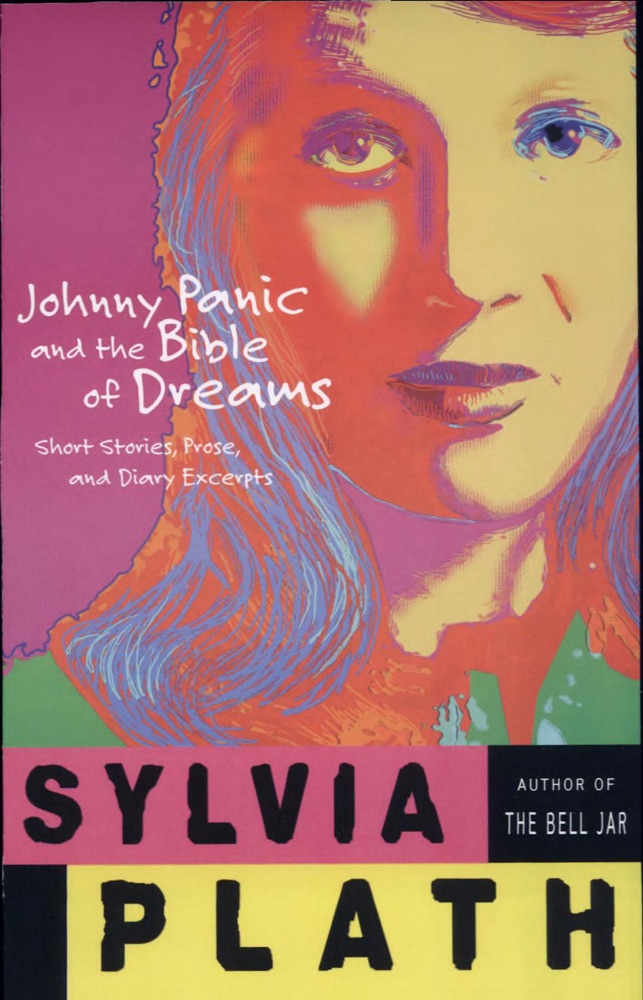 Johnny Panic and the Bible of Dreams: Short Stories, Prose and Diary Excerpts
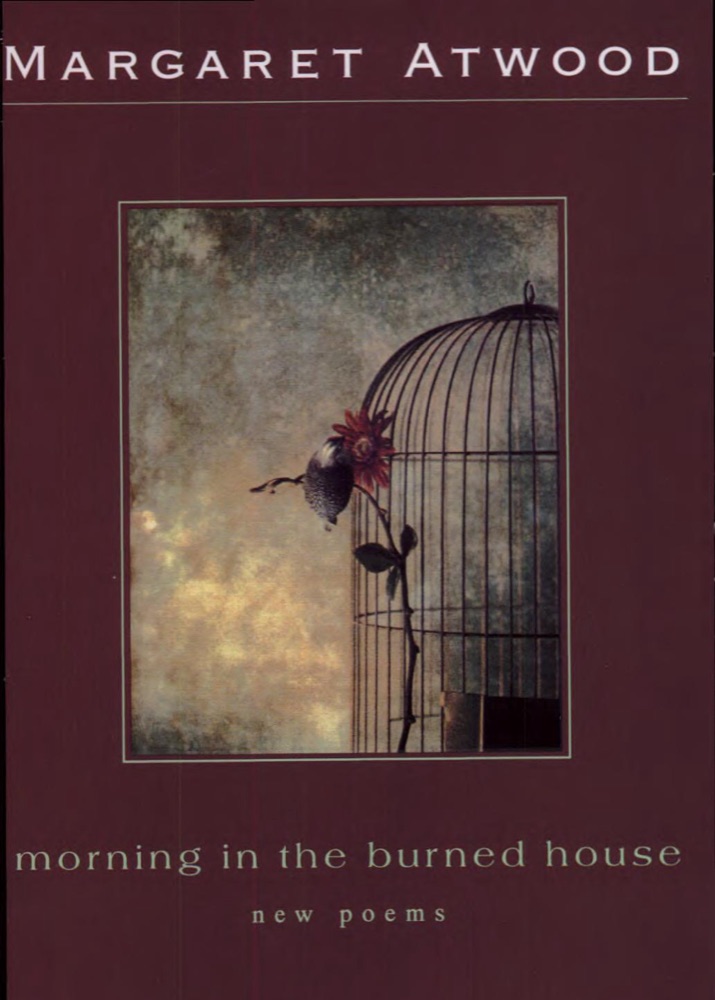 Morning in the Burned House: Poems
 The Complete Poems of Anna Akhmatova
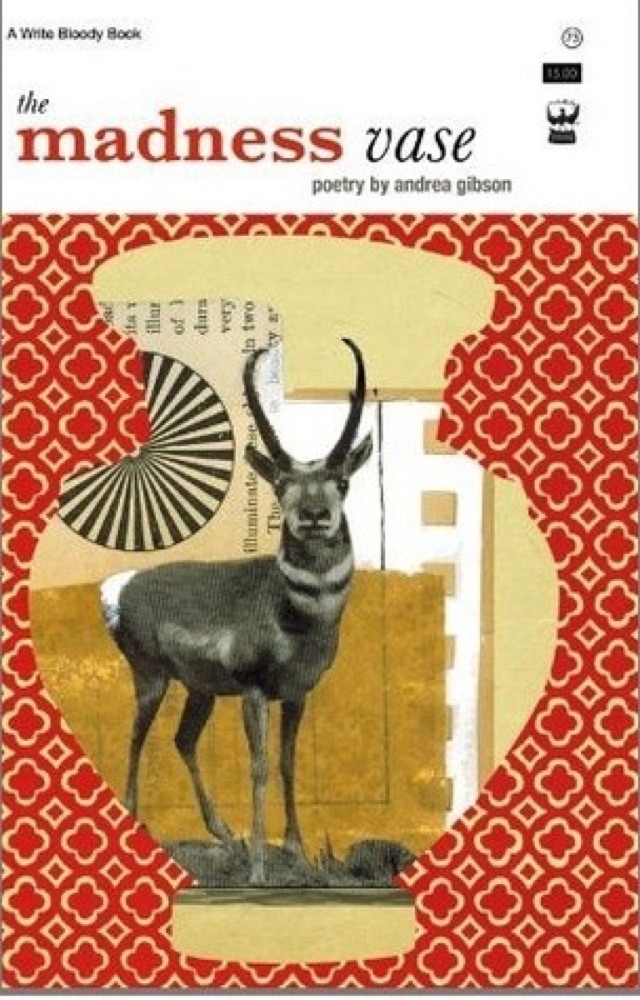 The Madness Vase
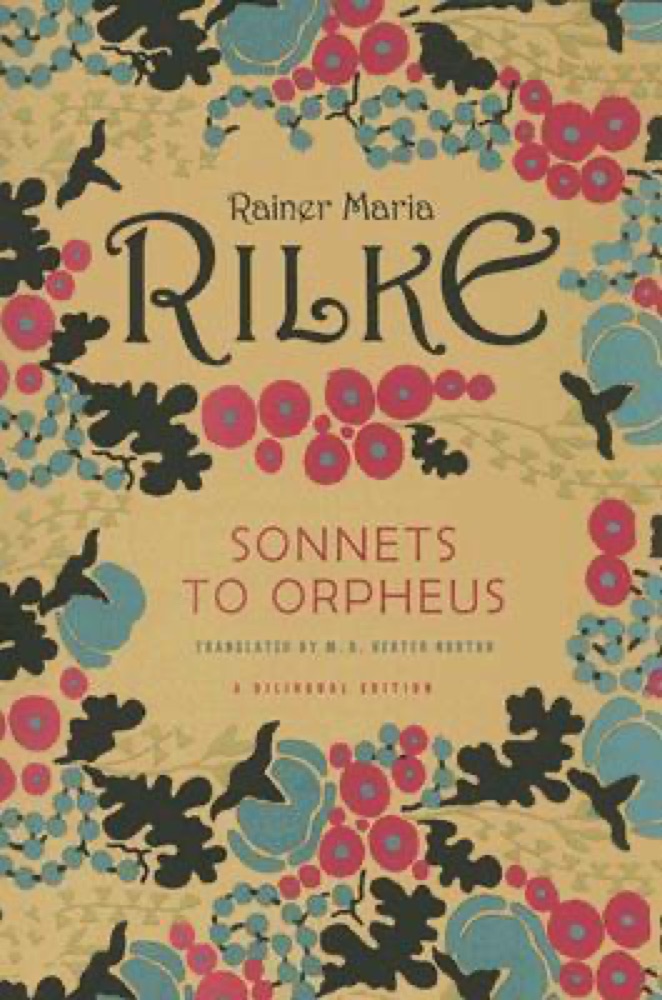 Sonnets to Orpheus
 The Collected Poems of W.B. Yeats
 Broken Music
 Speak, Memory
 Monday or Tuesday
 Spring and All
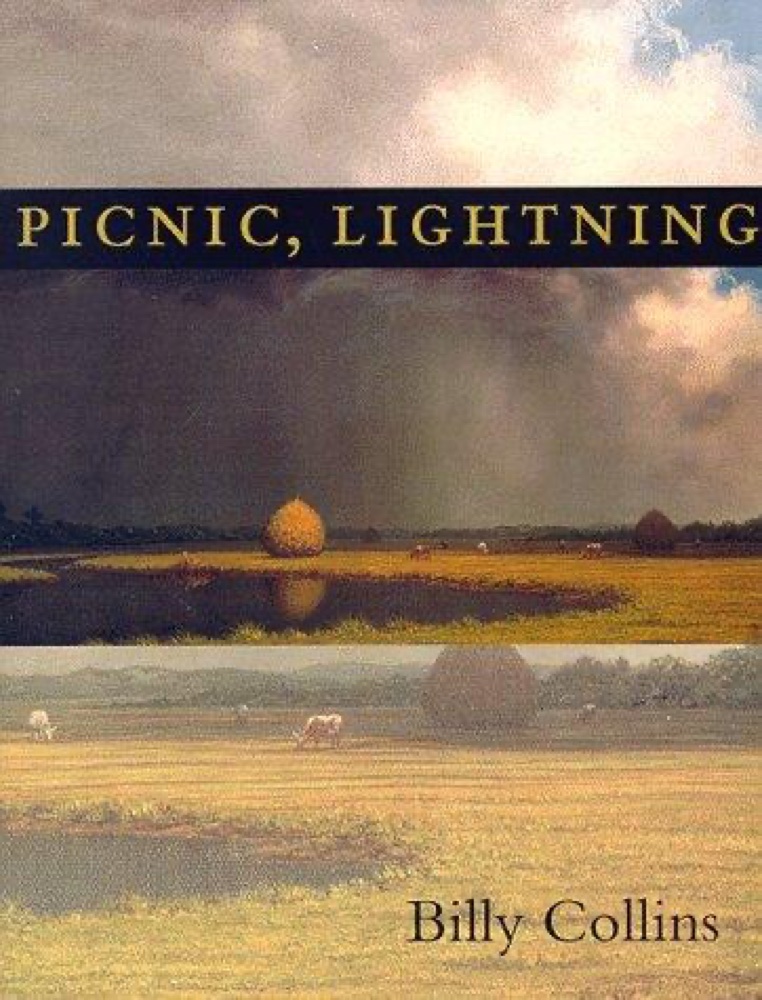 Picnic, Lightning
 The Notebooks of Malte Laurids Brigge
 Inferno
 Min kamp 2
 Swann's Way
 The Dream Songs
 The Chimes
 The Collected Poems of Emily Dickinson
 Betting on the Muse: Poems & Stories
 The Color Master: Stories
 The Complete Poems and Plays, 1909-1950
 The Complete Poems
 Dandelion Wine
 The Three-Cornered World
 Selected Poems
 The Last Night of the Earth Poems
 The Hurting Kind: Poems
 Chicago Poems
 The Woman in the Library
 The Elegance of the Hedgehog
 The Illustrated Man