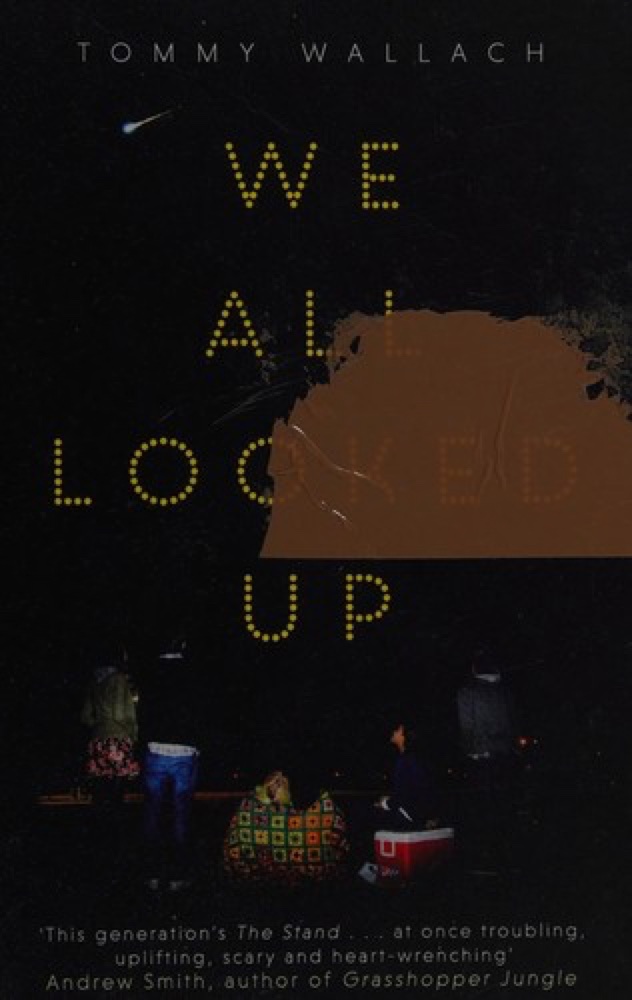

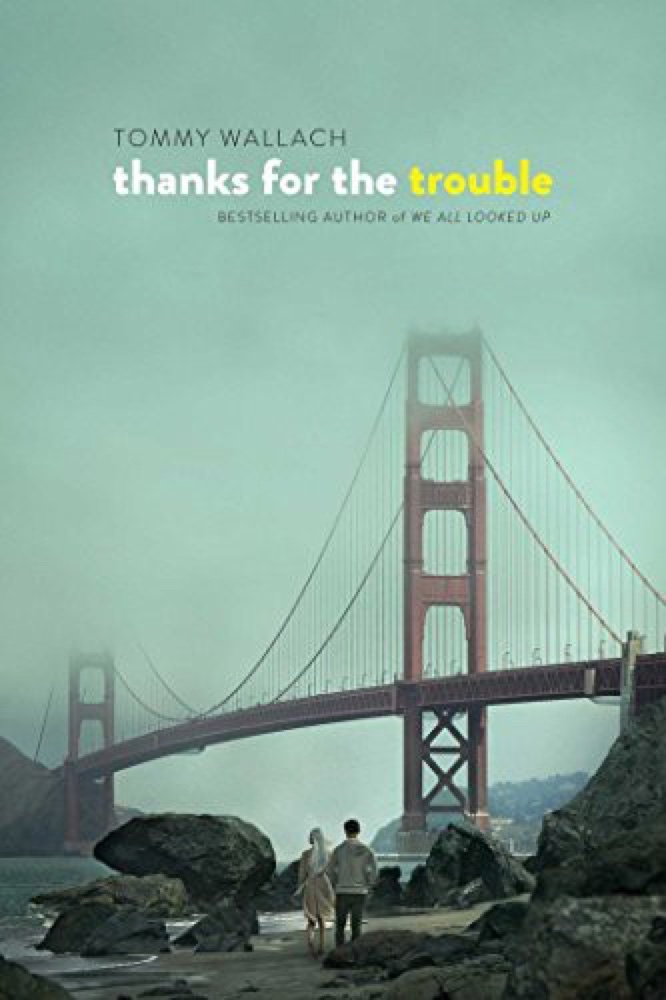
 Thanks for the Trouble
Quotes from the Book
The best books, they don't talk about things you never thought about before. They talk about things you'd always thought about, but that you didn't think anyone else had thought about. You read them, and suddenly you're a little bit less alone in the world. You're part of this cosmic community of people who've thought about this thing, whatever it happens to be.
You didn’t win the game of life by losing the least. That would be one of those—what were they called again?—Pyrrhic victories. Real winning was having the most to lose, even if it meant you might lose it all. Even though it meant you would lose it all, sooner or later.
Those who have much to hope and nothing to lose will always be dangerous.
Why had he assumed time was some sort of infinite resource? Now the hourglass had busted open, and what he’d always assumed was just a bunch of sand turned out to be a million tiny diamonds.
You don’t wanna go out of this world with regrets. If there’s some- thing you want to do, you do it. You take this life by the balls and you tell it that you existed.
Do you think it is better to fail at something worthwhile, or succeed at something meaningless
the fundamental rule of life: Things were never so bad that they couldn’t get worse.
Beauty always made a target of its possessor. Every other human quality was hidden easily enough – intelligence, talent, selfishness, even madness – but beauty would not be concealed.
The best books, they don't talk about things you never thought about before. They talk about things you'd always thought about, but that you didn't think anyone else had thought about. You read them, and suddenly you're a little less alone in the world.
Red Rover, Red Rover, send Ardor right over," Eliza said. They laughed. The asteroid was a little bigger now, brighter, and still they went on laughing. Laughing in the face of what they couldn't predict or change or control. Would it be fire and brimstone? Would it be Armageddon? Or would it be a second chance? Eliza held tight to her friends, laughing, and a pair of hands land soft as feathers on her shoulders, like the hands of a ghost, laughing and laughing as Ardor swept along its fated course, laughing and through that laughter, praying. Praying for forgiveness. Praying for grace. Praying for mercy. 0
They said no man was an island, and Anita figured that was probably true. But women were; they had to be. And even if someone bothered to sail over and disembark, he'd soon discover that there was always a castle at the center of the island, surrounded by a deep moat, with a rickety drawbridge and archers manning the battlements and a big pot of oil posed above the gate, ready to boil alive anyone who dared to cross the threshold.
She was miserable because she kept hoping things would change. If she could eradicate the hope, she could eradicate the sadness.
And there in the darkness of the hotel room, scarcely more than twenty-four hours before the maybe end of the world, the three of them managed to laugh together. It turned out that no amount of terror could stop the great human need to connect. Or maybe, Anita thought, terror was actually at the heart of that need. After all, every life ended in an apocalypse, in one way or another.
Instead of a few months, the doctors gave him a year. That was how you could be lucky without being lucky. That was how you could be a winner and still lose.
As a little kid, Peter had figured that once you reached a certain age, somebody just handed you all the knowledge you'd need in order to be an adult. But it turned out that wasn't how it worked.
Anita felt like she finally understood why love was symbolized by the grotesque pumping organ, always threatening to clog, or break, or attack. Because the heart was the body's engine, and love was an act of the body. Your mind could tell you who to hate or respect or envy, but only your body--your nostrils and your mouth and the wide, blank canvas of your skin--could tell you who to love.
Today was just another shit day in a life that sometimes felt like a factory specializing in the construction of shit days.
Just another little piece of utterly irrelevant history, aspiring to permanence, doomed to oblivion.
Was life too short? Of course- there was never enough time to do all the things you wanted to do. And of course not- if it were any longer, you'd appreciate it even less than you already did. Was it better to live primarily for the good of yourself, or for the good of others? For the good of yourself, of course- it was madness to take responsibility for other people's happiness. And for others, of course- selfishness was just another way to isolate yourself, when everyone knew that true happiness was all about friendship and love.
Karass: A group of people linked in a cosmically significant manner, even when superficial linkages are not evident
Then I'll just tell you that it doesn't matter whose fault it is. Blame is just a way to keep score, and adults don't play games like that.
The end of the world revealed the futility of all commemorative plaques.
That was how you could be lucky without being lucky. That was how you could be a winner and still lose.
She looked up toward the sky, toward the implacable sparkle of good old Ardor, and saw that the two of them—she and the asteroid—were caught up I a battle of wills. In that moment, she stopped being afraid of it, even dared it to come, because she knew thre was mo way it could crave death as much as she craved life.
This is the twenty-first century. The oceans are rising. Mad dictators have access to nuclear weapons. Corporatism and the dumbing down of the media have destroyed the very foundations of democracy. Anyone who isn’t afraid is a moron.” There
She believed photography to be the greatest of all art forms because it was simultaneously junk food and gourmet cuisine, because you could snap dozens of pictures in a couple of hours, then spend dozens of hours perfecting just a couple of them.
It occurred to Anita that hatred and dislike and even indifference were all luxuries, born of the mistaken belief that anything could last forever.
The best books, they don’t talk about things you never thought about before. They talk about things you’d always thought about, but that you didn’t think anyone else had thought about. You read them, and suddenly you’re a little bit less alone in the world. You’re part of this cosmic community of people who’ve thought about this thing, whatever it happens to be.
He was the kind of guy who had a unique facial expression dedicated to thinking.
Watch on YouTube
About Tommy Wallach
We have collected 48 quotes from 2 books by Tommy Wallach on BookQuoters.
More about the author →More by Tommy Wallach
Thanks for the Trouble
Book details
- Author
- Tommy Wallach
- Genre
- Fiction
- Goodreads rating
- 3.50 (29k ratings) →
Keep reading
 The Glass Castle
 Tiamat's Wrath
 The Sirens of Titan
 The Stardust Grail
 The Humans
 Red Mars
 All the Birds in the Sky
 The Golden Compass
 Dust
Dust
 State of Wonder
 Songs of Distant Earth
 To Sleep in a Sea of Stars
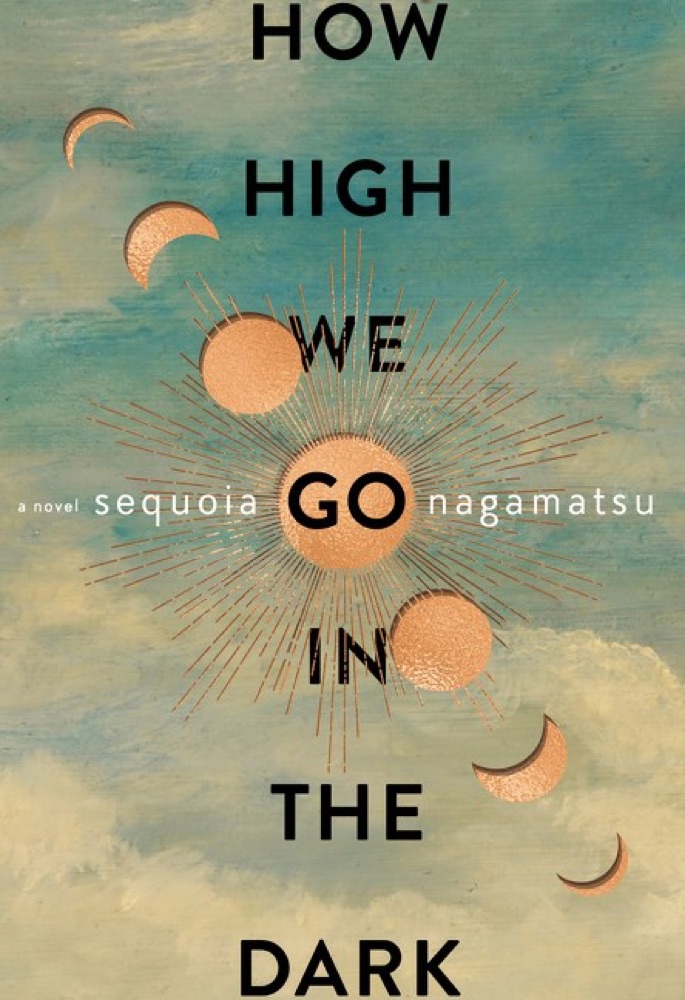 How High We Go in the Dark
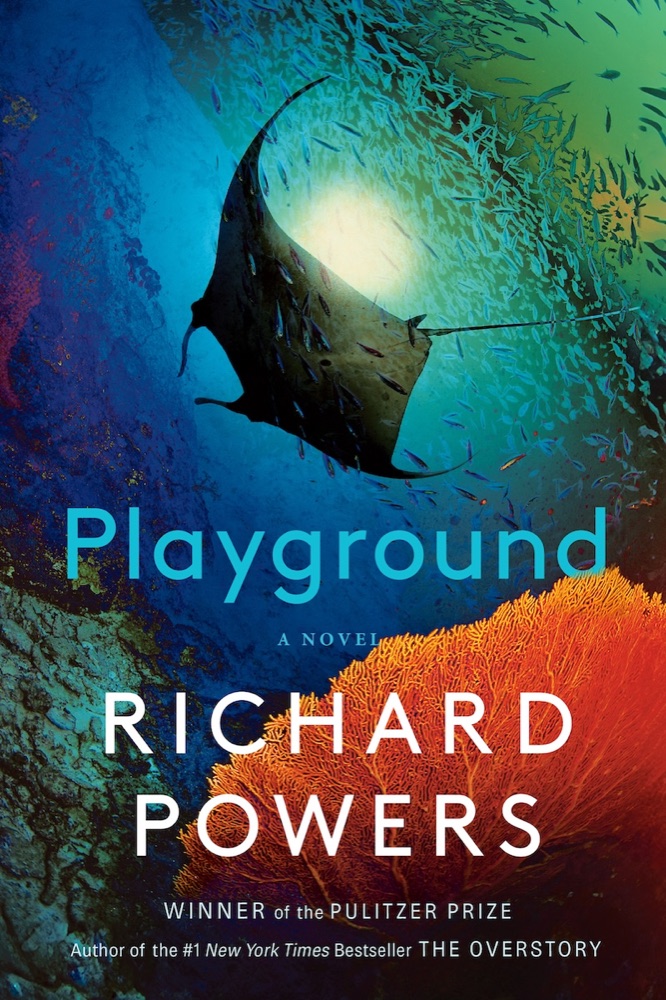 Playground
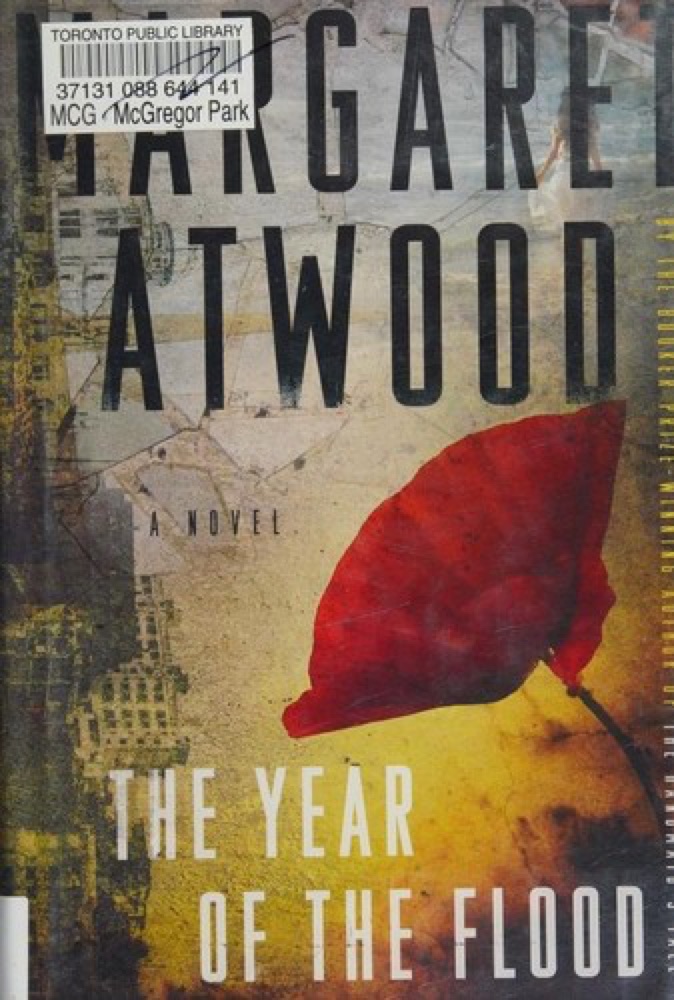 The Year of the Flood
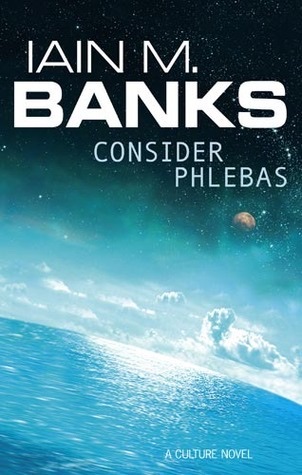 Consider Phlebas
 The Water Knife
 Rot & Ruin
 Wanderers
 The Damnation Game
 The Jewel in the Crown
 Flight Behavior
 Breakfast of Champions
 Chances Are...
 The Long Way to a Small, Angry Planet
 Scythe
 Lost in Time
 A Fine Balance
 The Magus
 The Atlas Complex
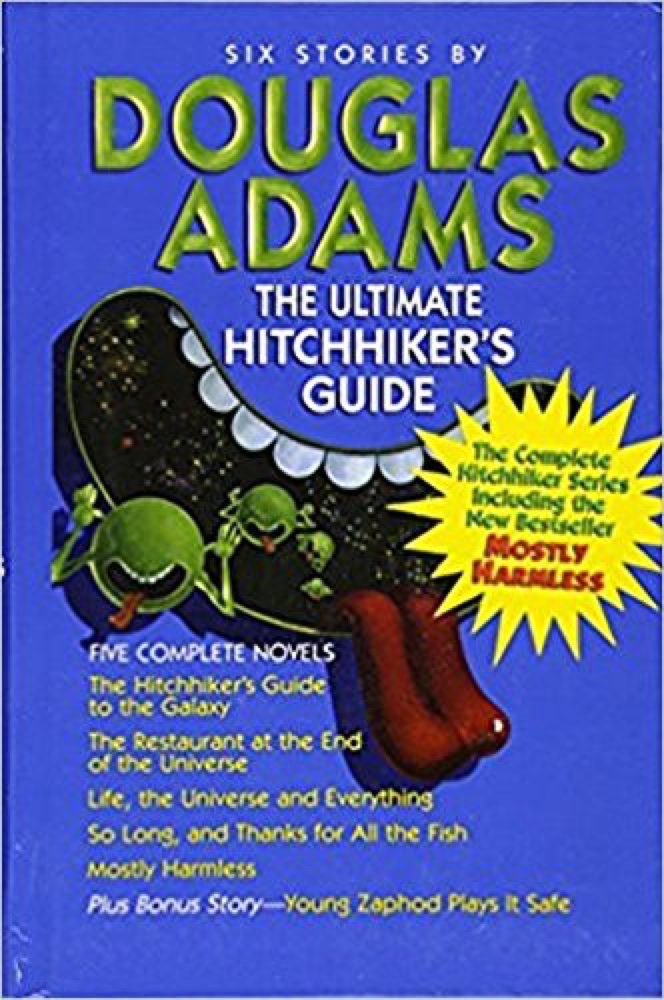 The Ultimate Hitchhiker's Guide
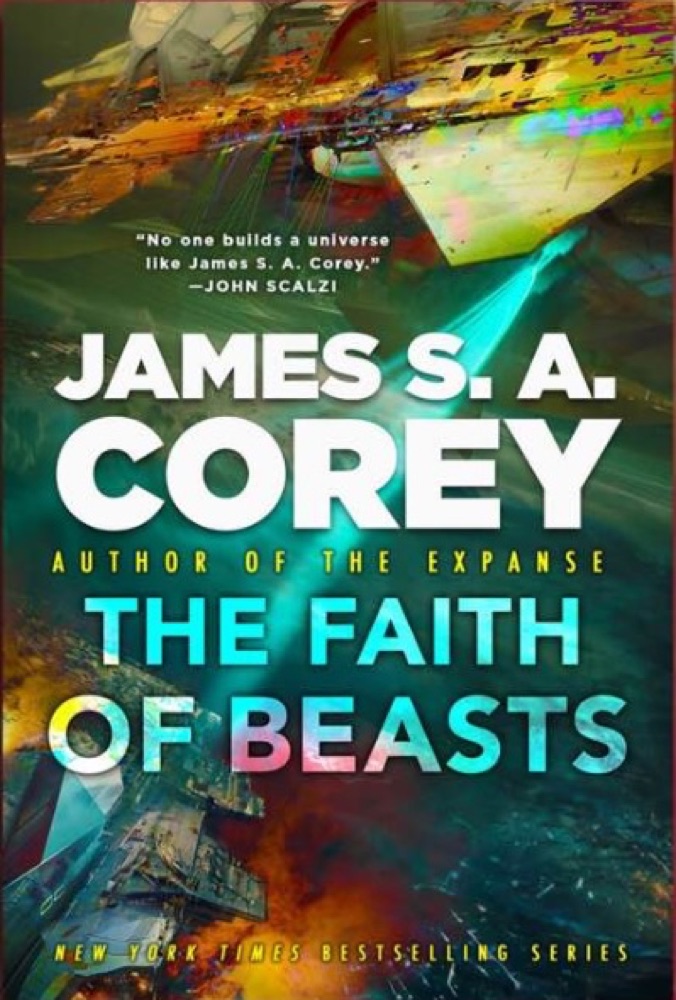 The Faith of Beasts
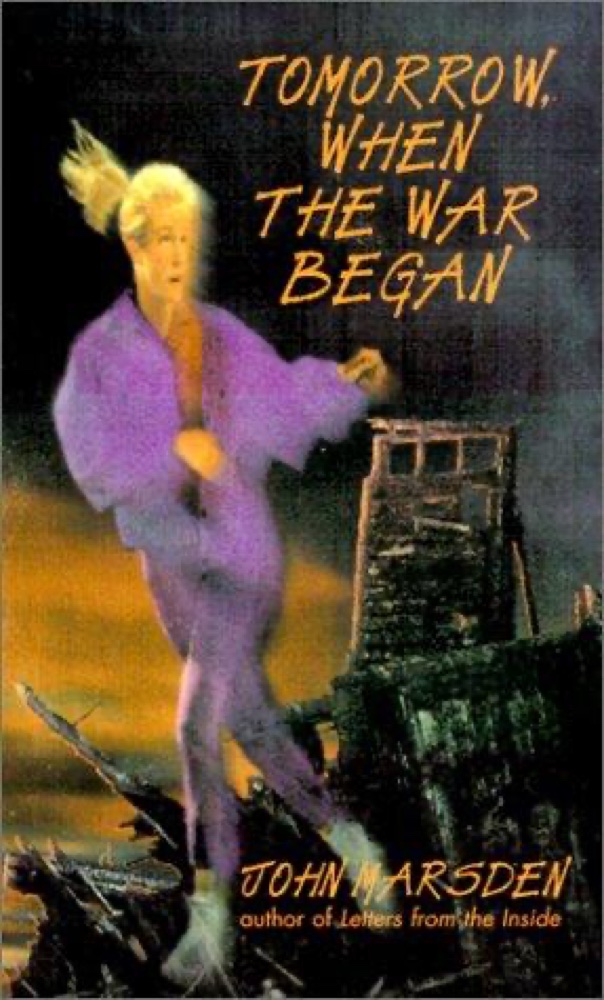 Tomorrow, When the War Began
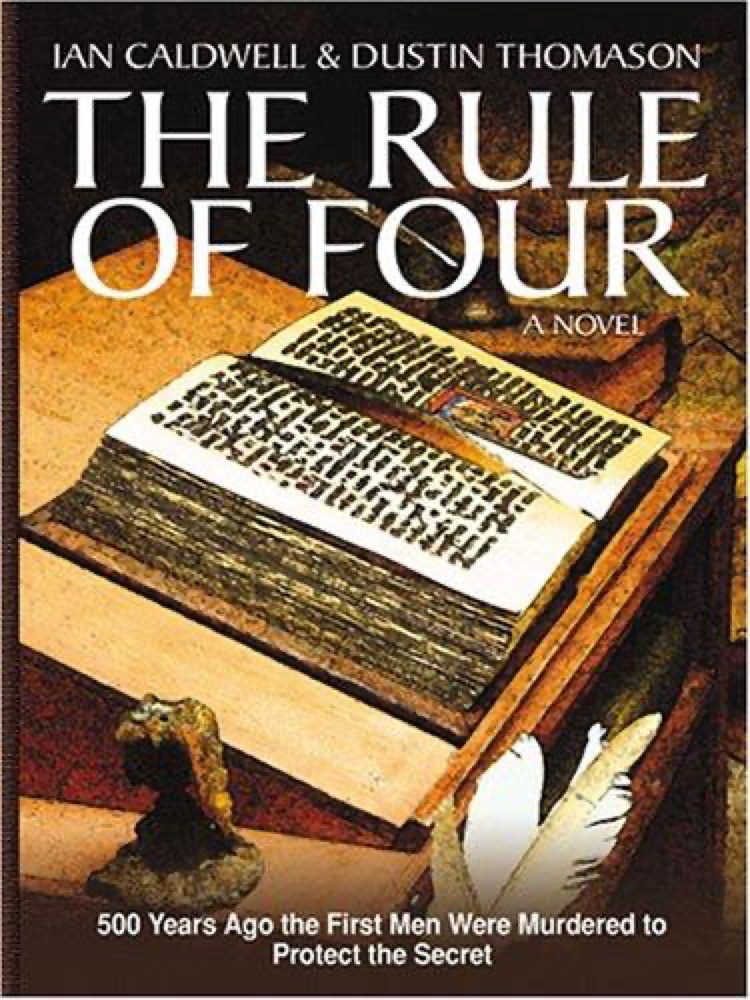 The Rule of Four
 Empire Falls
 Life After Life
 Rapture
 All the King's Men
 Leave the World Behind
 Out of Oz
 The Atopia Chronicles
 A Fatal Inversion
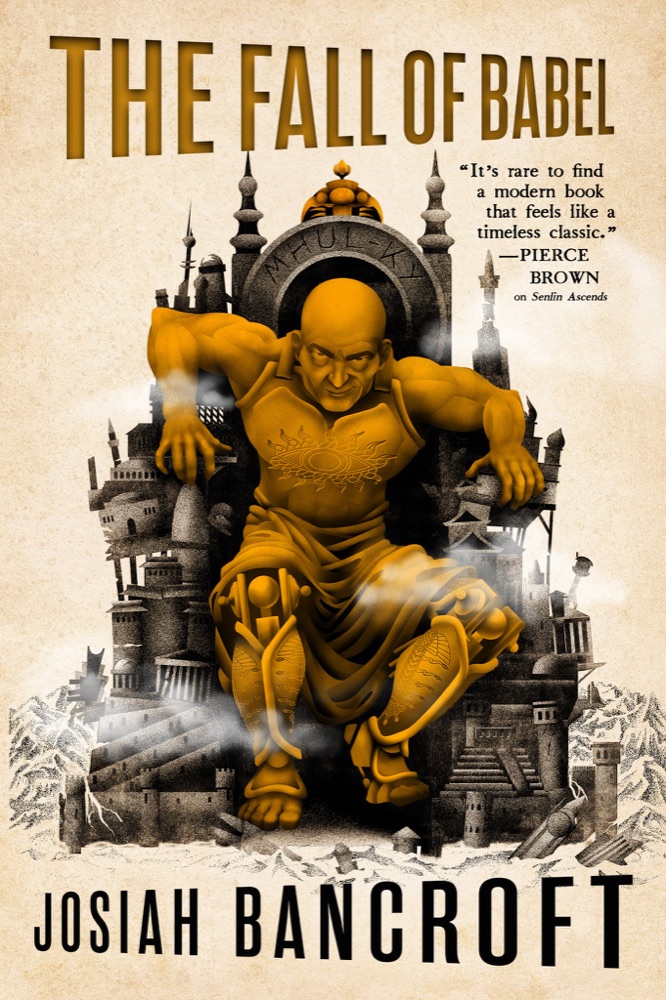 The Fall of Babel
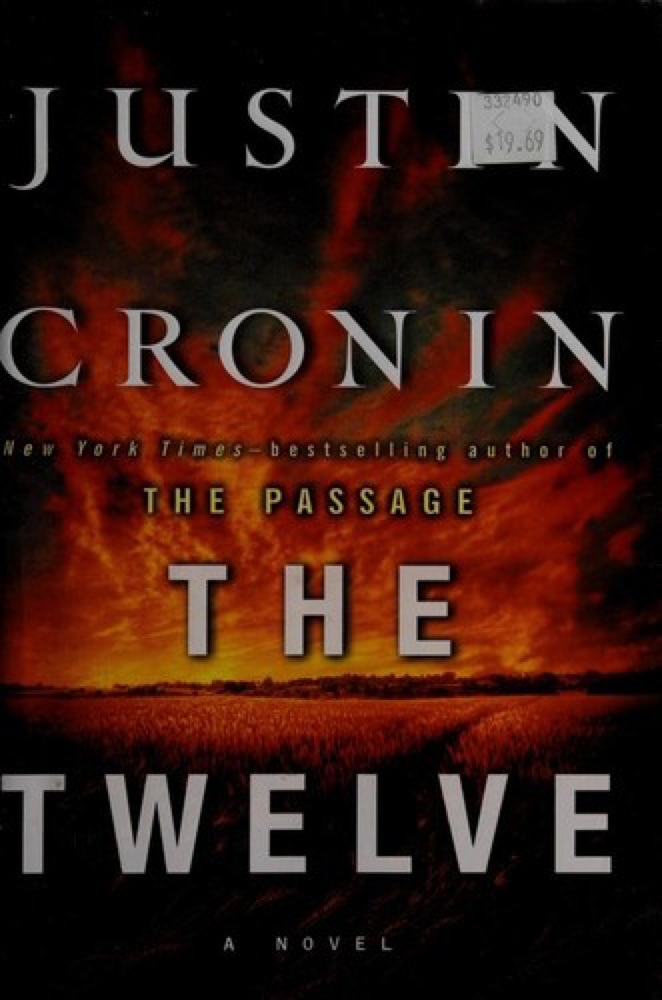 The Twelve
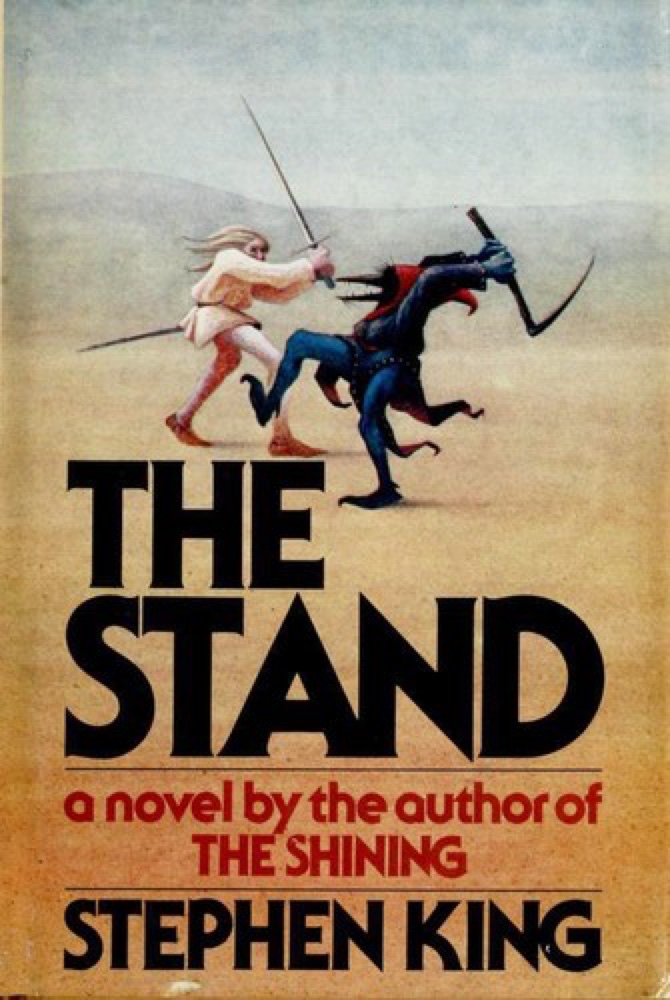 The Stand
 Elsewhere
 Moon Palace
 Purity
 The Atlas Paradox
 One Door Away from Heaven
 Revolutionary Road
 Slaughterhouse-Five
 The City in the Middle of the Night
 The Illustrated Man
 The Probability of Miracles
 Little Monsters
 Library of Souls
 The Mandarins
 NOS4A2
 Hold Tight