
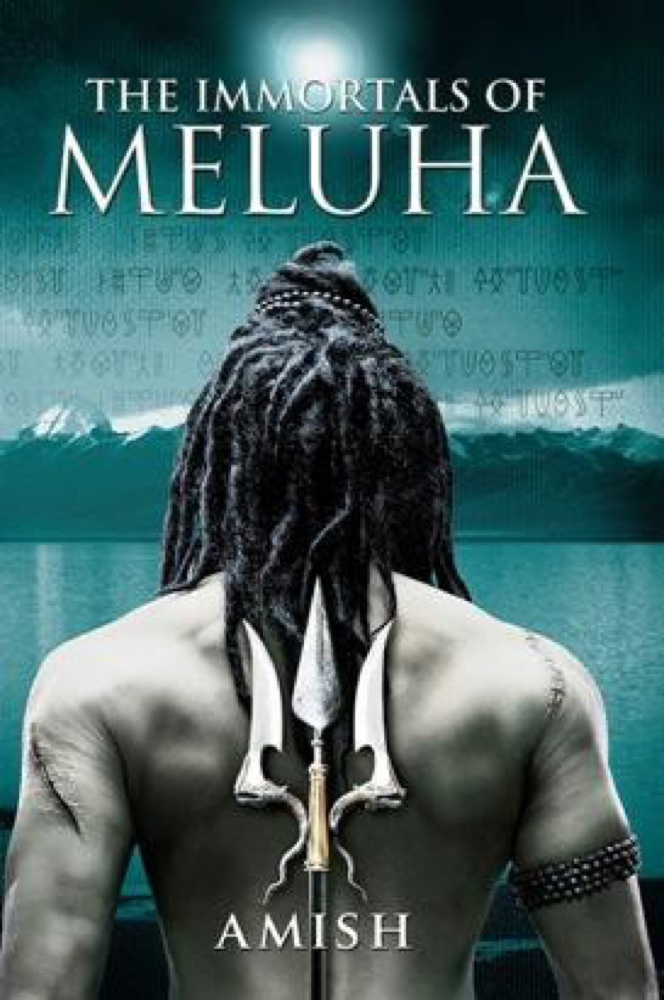
 The Immortals of Meluha
Quotes from the Book
People assume that depressed people look like they are in depression. That they cry all the time. Or mope. No. Most people who are depressed, smile. In fact, they smile more than necessary. Because they hide their grief from the world.
4
Happiness is like a drug. The ultimate drug. It makes you accept life as it is. Just inject the drug into your mind, be blissed out and don’t achieve anything, don’t change anything. Just be a joyful idiot.
2
Great does not mean good, Sita. Great only means the person makes a real impact on the world. Ordinary people do not impact the world, they are only impacted by it. Now, with great people, the impact can be good or bad. But know this: Happy people can never be great.
2
Fresh drops of grief do not cause any ripple in an ocean of anguish.
1
A man does not become a father merely through his body. A man earns the privilege of fatherhood with his protection, his care, his ability to provide. A man earns fatherhood by being worthy of emulation. A man earns fatherhood through love.
1
Sometimes the hero and the leader can fuse in the same individual. But often this does not happen. A hero does not need followers, a leader cannot be imagined without those he leads. A hero sacrifices himself, while a leader may not succumb to this magnificent impulse. A hero must be courageous, a leader does what must be done, even risk being perceived as cowardly sometimes. A hero inspires the storytellers, a leader lives on in the hearts of his followers. A hero is concerned with what the Gods will think of him, a leader is concerned with protecting and nurturing his people and his land. A hero will not leave the moral high ground, even if it hurts his people, while a leader will step down from the moral high ground if need be, and even sacrifice his own soul for the good of the people he leads. A hero will fight the enemy against insurmountable odds and embrace death with a flourish. A leader will respond calmly and deny the enemy a key strategic advantage in a battle.
1
Death may be the greatest of all human blessings”.
1
I once read that winning wars is different from winning peace. You need anger to win a war. Anger in the moment. And that is why the Mahadevs have always been those with immense anger. But to win peace… that requires something different. You and I can win wars. But war can only take away an injustice. It cannot create justice. War can only take away Evil. It cannot create Good. To create Justice and Good, you need peace. And to win peace, you need a leader who will stay the course, no matter what comes along – grief, suffering – to sway him from his path.
1
Grief can provide the fuel for greatness, but it can also be the trigger for evil.
1
A profusion of Ashok trees, especially around the cottages in the centre, established the literal intent of the nomenclature. But there was more. The old Sanskrit word for grief was shok. Hence, ashok meant no grief. This garden, this Ashok Vatika, was an oasis of happiness, joy, even bliss. But Indians are philosophical by nature; therefore, naturally, they also have a penchant for digging deeper. And ashok can also mean ‘to not feel grief’.
1
There is no sight more magnificent than a dangerous and powerful man, with complete control over his own base desires, who also has an innate yearning for justice and a deep, abiding love for his land and his people.
1
Mritaih praapyah svargo yadiha kathayati etad anritam Paraksho na svargo bahugunamihaiva phalati' Ram had recited a couplet from an ancient Sanskrit play:
They buried us, but they did not know that we were seeds”?
Some among the masses gradually become a part of the elite. They work hard, educate themselves and rise. But the problem is that the elite cannot keep expanding. There are only so many elite positions. There can only be one king. There can only be one chief general of the army. There can only be one chief priest of a religion. A big lie told to children today in civilised societies is that all of them are special, all of them can aspire to reach the top. This is nonsense. The top does not have endless space. The nature of a complex society makes the elite a small class. And if there are more and more aspirants for the elite class, logically more and more people will be denied their ambitions and psychological space under the sun. And these aspirants then get frustrated and become the counter-elite.
It’s amazing how much can be achieved when one gives people the recognition they deserve.
A troubled mind cannot solve a problem. It only makes it worse.
Some men don’t express love in words but in their actions. And the more love they so express, the more the cutting banter they indulge in. The four brothers held each other. In a huddle. Brothers in arms. A fort. Nobody could break them. Nobody
I am your younger brother, Dada.' Bharat laughed. 'My job is to do what is in your best interests, not what you order me to do.' Ram laughed softly and embraced Bharat. Emotions ran high in the two men of strong will. It had been too long. Too long. 'And in any case, Dada,' said Shatrughan, grinning, 'we haven't come for you. We have come for Sita bhabhi.' Ram laughed and extended his left arm. Shatrughan joined the brothers in a bear hug. 'Hey! What about me?' asked Lakshman, raising his hands in the air in mock protest. 'Nobody is interested in you, bro!' Shatrughan laughed. And Lakshman, with a heart as big as his gigantic body, found tears springing to his eyes. He rushed into the group hug
Humour among warriors, in the face of death, was a sure sign of warriorhood.
boundary were quarters, armouries, a kitchen, a training ground, an exercise hall, a medical bay, toilets and all else required by a healthy and
it isn’t as if great men never fall. Everyone falls some time or the other. Great are those who rise after they fall, dust themselves off and get right back into the battle of life.
A person often meets his fate on the road he took to avoid it”.
There is no glory in war. Only pain and devastation.
It is said that the fate of truly great people is to suffer, but they confuse correlation with causality. It is actually the other way around. Because they suffer, they become great.
But grief, on the other hand, drives you insane. You are not satisfied with anything. Anything. How do you banish that grief from your life? How? By changing the world, or so you think … For no matter how much you change the world, you will not find happiness. Why? Because the only way to be happy is by being drugged; by managing your own mind, rather than changing the world. That is why the only people who bring about change are the ones who are not happy, the ones who are grief-stricken.
That’s the difference between great people and happy people. Great people always keep striving, keep achieving, as if they have a monster living inside them that will not let them rest. It is so strong, this monster, that it makes them want to keep growing and achieving even after they die. So, they want others around them, especially the ones they love, to also be great. Happiness as an accidental by-product is acceptable, but it is not the purpose of their lives. Happy people, on the other hand, are satisfied people. Satisfied with what they have. Their smiles are genuine, the kind of smile that reaches the eyes. Their hearts are light. They are warm to everyone around them. And they want others, especially the ones they love, to be joyful, to accept what life has blessed or cursed them with, and be satisfied with it. Basically, their mantra is: Be happy by managing your mind rather than changing the world. Great people, on the other hand, want to change the world. Happy people just want to make their minds accept whatever the world throws at them, so that, in their little cocoon, they can be joyful. Like people who are drugged.
Watch on YouTube
About Amish Tripathi
We have collected 171 quotes from 7 books by Amish Tripathi on BookQuoters.
More about the author →More by Amish Tripathi
All books by Amish Tripathi →
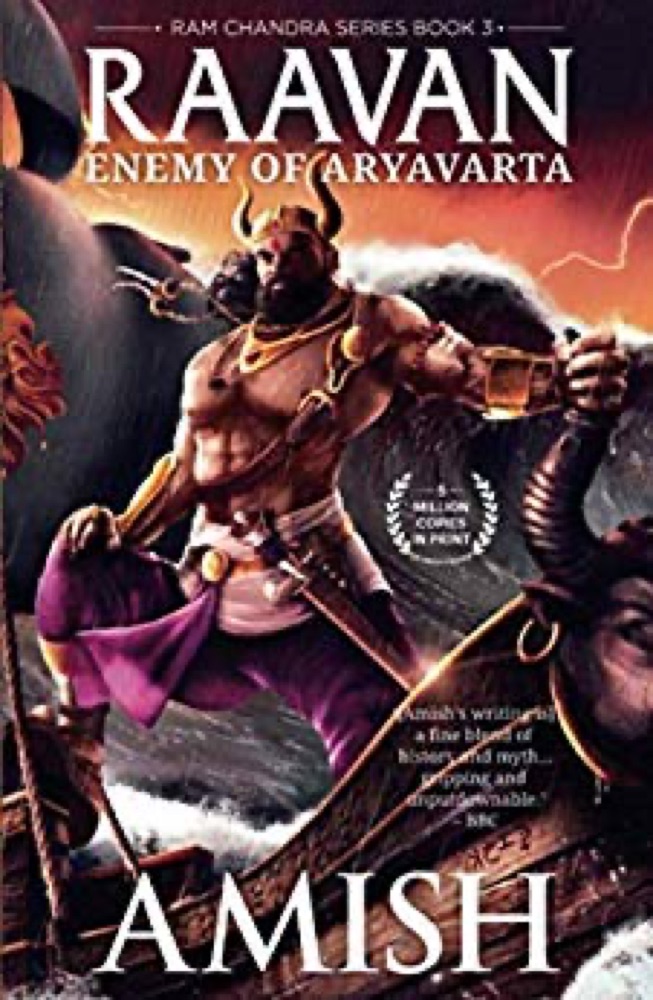
About the book
LANKA WILL BURN. DARKNESS WILL PERISH.
BUT CAN LIGHT ENDURE?
INDIA, 3400 BCE.
Greed. Rage. Grief. Love. Smouldering tinder, waiting to trigger a war.
But this war is different. This one is for Dharma. This war is for the greatest Goddess of them all.
Sita has been kidnapped. Defiantly, she dares Raavan to kill her - she'd rather die than allow Ram to surrender.
Ram is beside himself with grief and rage. He prepares for war. Fury is his fuel. Calm focus, his guide.
Raavan thought he was invincible. He thought he'd negotiate and force a surrender. Little did he know ...
The first three books of the second-fastest-selling book series in Indian publishing history - the Ram Chandra Series - explore the individual journeys of Ram, Sita and Raavan. In this, the epic fourth book of the series, their narrative strands crash into each other, and explode in a slaughterous wa
Book details
- First published
- 2023
- Author
- Amish Tripathi
- Genre
- Fiction
- Goodreads rating
- 3.68 (8k ratings)
Keep reading
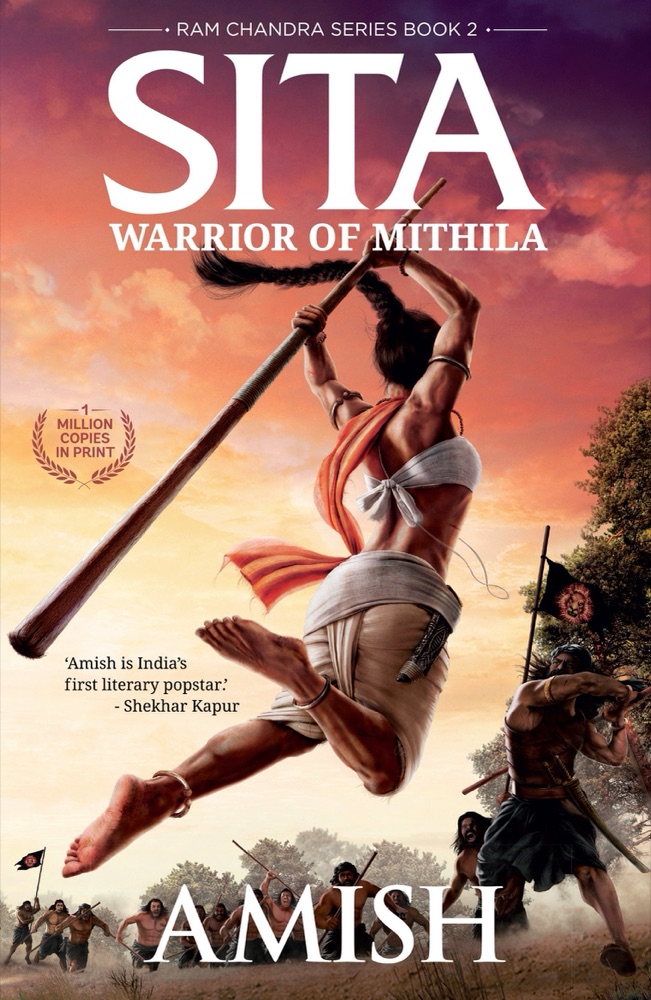 Sita: Warrior of Mithila
The Immortals of Meluha
Sita: Warrior of Mithila
The Immortals of Meluha
 Shōgun
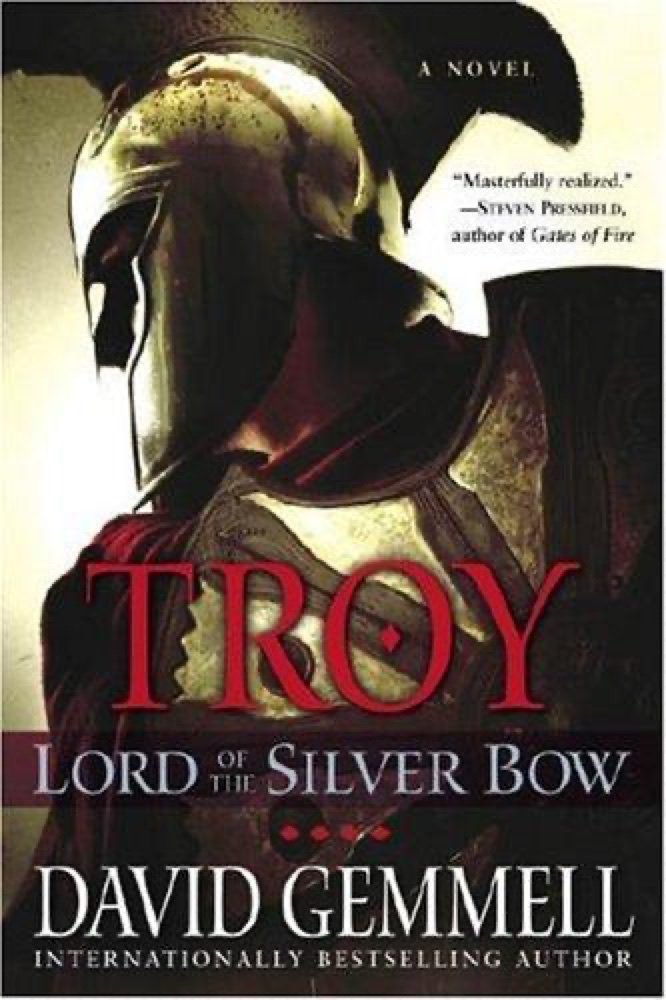 Lord of the Silver Bow
 Life and Fate
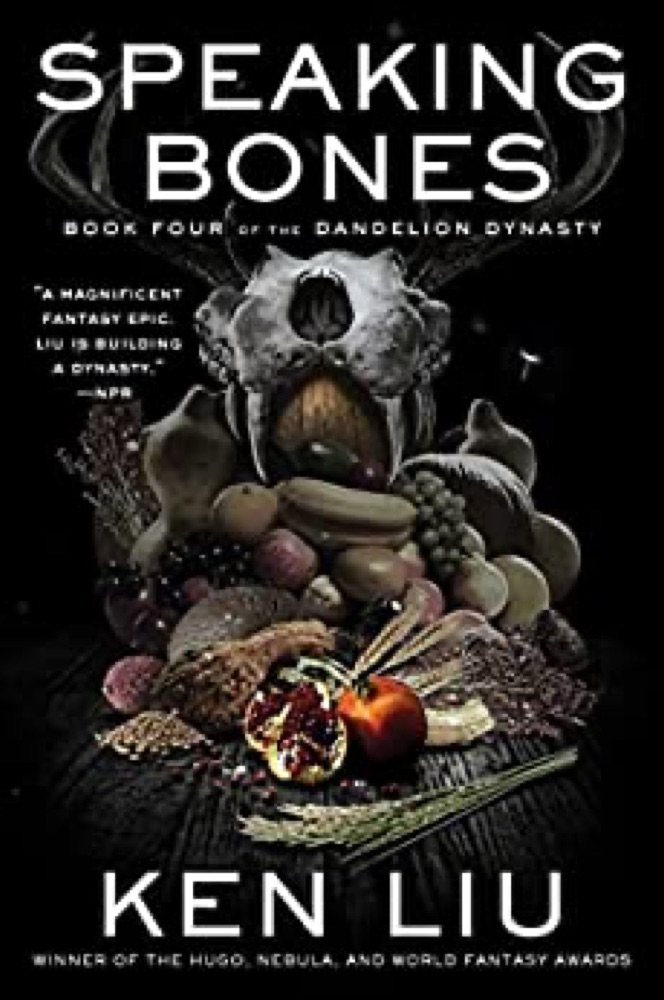 Speaking Bones
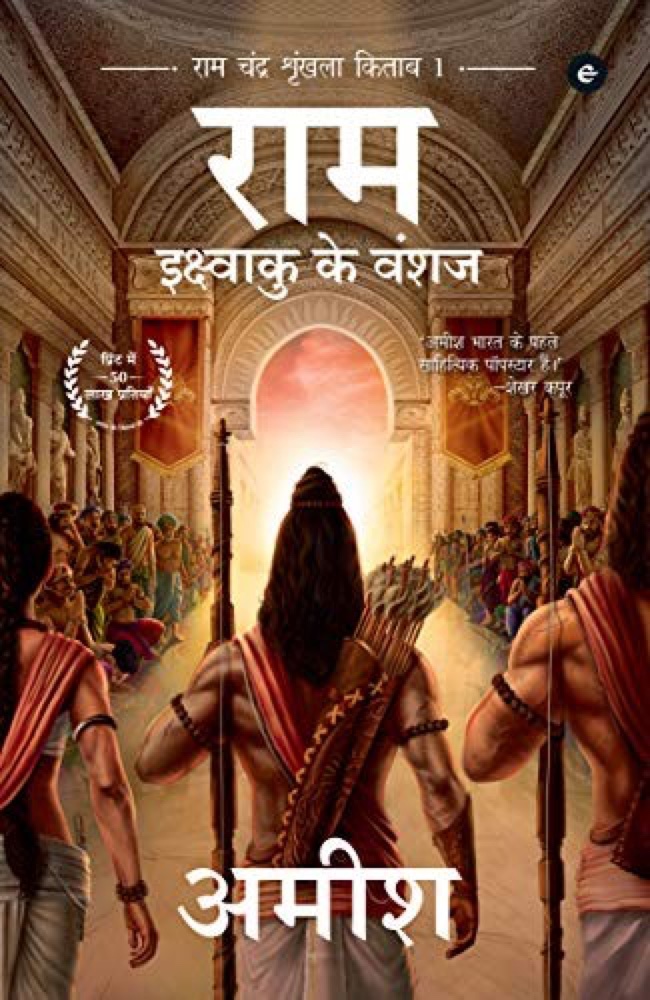 Scion of Ikshvaku
 Toll the Hounds
 The Killing Moon
 Shantaram
 Legend
 The Lives of Others
 The Winner Stands Alone
 When Nietzsche Wept
 Ajaya: Roll of the Dice
 The Kite Runner
 The Once and Future King
 Yayati: A Classic Tale of Lust
 The Wall of Storms
 Cuckold
 Sita: An Illustrated Retelling of the Ramayana
 Sacred Journey of the Peaceful Warrior
 Wings of Fire: An Autobiography
 Cancer Ward
 Memories of Ice
 Strength to Love
 Random Acts Of Heroic Love
 The Happiest Man on Earth
 Musashi
 The Mirror & the Light
 A Soldier of the Great War
 Black Leopard, Red Wolf
 Fall of Light
 Demons
 Sacred Hunger
 The Grace of Kings
 Stone of Tears
 Agamemnon
 The Brothers Karamazov
 Warrior of the Light
 Embers
 The Fall of Hyperion
 Parable of the Talents
 Dark Age
 Styxx
Styxx
 Sandworms of Dune
 Iron Gold
 One Door Away from Heaven
 The Shadowglass
 The Black Gryphon
 The Long Way to a Small, Angry Planet
 War and Peace
 Moribito: Guardian of the Spirit
 A Well-Tempered Heart
 The Monster Baru Cormorant
 Brave Story
 The Consolation of Philosophy
 The Gay Science
 Cutting for Stone