
 Ficciones
Quotes from the Book
In a riddle whose answer is chess, what is the only prohibited word?
This web of time – the strands of which approach one another, bifurcate, intersect or ignore each other through the centuries – embraces every possibility. We do not exist in most of them. In some you exist and not I, while in others I do, and you do not.
In all fiction, when a man is faced with alternatives he chooses one at the expense of the others. In the almost unfathomable Ts'ui Pen, he chooses – simultaneously – all of them. He thus creates various futures, various times which start others that will in their turn branch out and bifurcate in other times. That is the cause of the contradictions in the novel.
To think is to ignore the differences, to generalize, to abstract.
Diferentemente de Newton e de Schopenhauer, seu antepassado não acretitava num tempo uniforme, absoluto. Acreditava em infinitas séries de tempos, numa rede crescente e vertiginosa de tempos que se aproximam, se bifurcam, se cortam ou que secularmente se ignoram, abrange todas as possibilidades. Não existimos na maioria desses tempos; nalguns existe o senhor e não eu. Noutros, eu, não o senhor; noutros, os dois. Neste, que um acaso favorável me surpreende, o senhor chegou a minha casa; noutro, o senhor, ao atravessar o jardim, encontrou-me morto; noutro, digo estas mesmas palavras, mas sou um erro, um fantasma.
Cervantes' text and Menard's are verbally identical; but the second is almost infinitely richer.
I kept asking myself how a book could be infinite. I could not imagine any other than a cyclic volume, circular. A volume whose last page would be the same as the first and so have the possibility of continuing indefinitely.
I thought that a man might be an enemy of other men, of the differing moments of other men, but never an enemy of a country: not of fireflies, words, gardens, streams, or the West wind.
Lost in these imaginary illusions I forgot my destiny – that of the hunted.
I carried out my plan because I felt The Chief had some fear of those of my race, of those uncountable forebears whose culmination lies in me. I wished to prove to him that a yellow man could save his armies.
Tek bir insanın yaptığı, sanki bütün insanlar tarafından yapılmış gibidir. Bu nedenle cennet bahçesindeki söz dinlemezliğin bütün insanlığı kirletmesi haksızlık sayılmaz; gene bu nedenle tek bir Yahudi'nin çarmıha gerilmesinin insanlığı kurtarmaya yetmesi de haksızlık sayılmaz. Belki de Schopenhauer haklıydı; ben başkalarıyım, her insan bütün insanlardır. Shakespeare de neredeyse, zavallı John Vincent Moon'dur.
At the railroad station he noted that he still had thirty minutes. He quickly recalled that in a cafe on the Calle Brazil (a few dozen feet from Yrigoyen's house) there was an enormous cat which allowed itself to be caressed as if it were a disdainful divinity. He entered the cafe. There was the cat, asleep. He ordered a cup of coffee, slowly stirred the sugar, sipped it (this pleasure had been denied him in the clinic), and thought, as he smoothed the cat's black coat, that this contact was an illusion and that the two beings, man and cat, were as good as separated by a glass, for man lives in time, in succession, while the magical animal lives in the present, in the eternity of the instant.
On üçüncü yüzyılın son yıllarında yaşayan bir leopar, sabahın şafağından akşamın alacakaranlığına kadar birkaç kalas, birkaç demir parmaklık, durmadan değişen erkek ve kadın yüzleri, bir duvar ve belki de kuru yapraklarla dolu taş bir yalak gördü. Sevgiyi ve yırtıcılığı, avını parçalamanın harlı zevkini, geyik kokuları getiren rüzgârı özlediğini bilemedi, bilemezdi. Gene de içinde bir şeyler tıkandı, bir şeyler isyan etti ve Tanrı ona rüyasında şunları söyledi: “Kullarımdan biri seni şu kadar kere görsün ve seni evrenin düzeninde yeri önceden belli bir şiirde bir suret ve simge olarak kullansın diye bu hapishanede yaşayacak ve öleceksin. Şimdi tutsaksın, ama şiire bir sözcük katmış olacaksın.
I thought of a labyrinth of labyrinths, of one sinuous spreading labyrinth that would encompass the past and the future and in some way involve the stars.
Watch on YouTube
About Jorge Luis Borges
We have collected 245 quotes from 14 books by Jorge Luis Borges on BookQuoters.
More about the author →More by Jorge Luis Borges
Ficciones
 Labyrinths: Selected Stories and Other Writings
 The Aleph and Other Stories
 The Book of Sand and Shakespeare's Memory
Book details
- Author
- Jorge Luis Borges
- Genre
- Classics
- Goodreads rating
- 4.17 (7k ratings) →
Keep reading
Labyrinths: Selected Stories and Other Writings
Ficciones
The Aleph and Other Stories
 The Castle of Crossed Destinies
 The Island of the Day Before
 Sword & Citadel
 The Stories of Vladimir Nabokov
 The Complete Poems and Plays, 1909-1950
 Narcissus and Goldmund
 The Star Diaries
 Sexing the Cherry
 The Complete Short Stories
 Chess Story
 Plainwater: Essays and Poetry
 Foucault's Pendulum
 The Time Machine
 The Enchantress of Florence
 The Complete Stories
 Bend Sinister
 Primeval and Other Times
 Flights
 Swann's Way
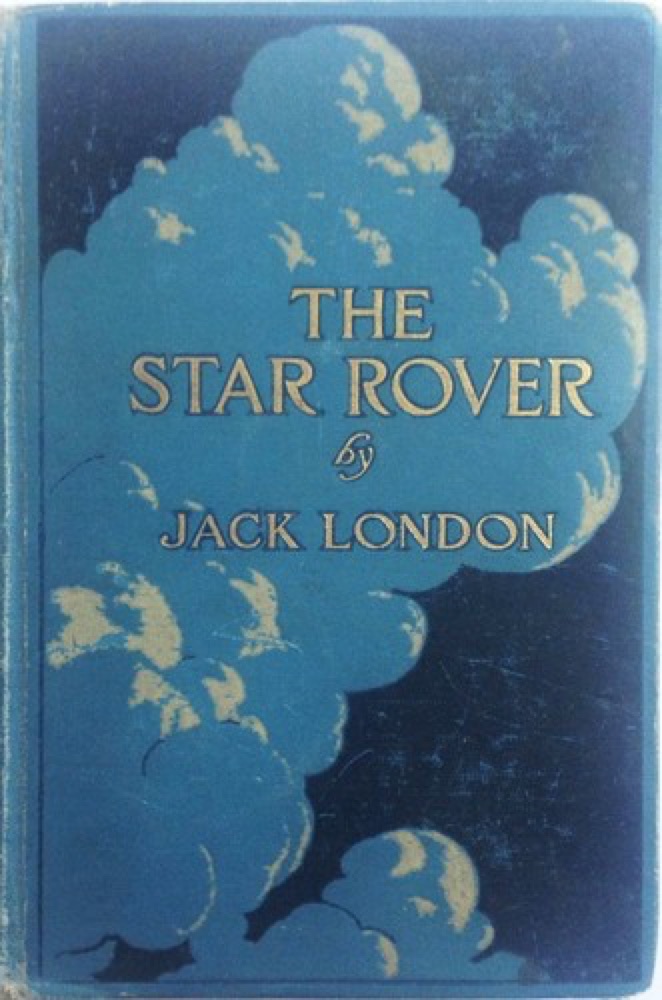 The Star Rover
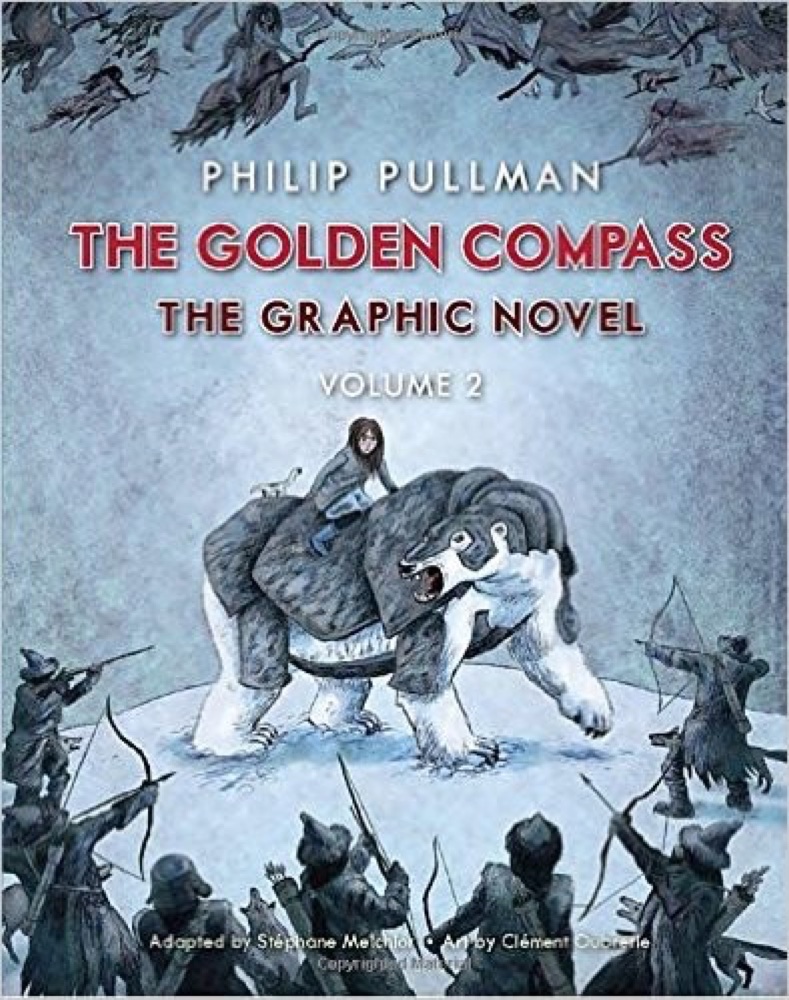 The Golden Compass
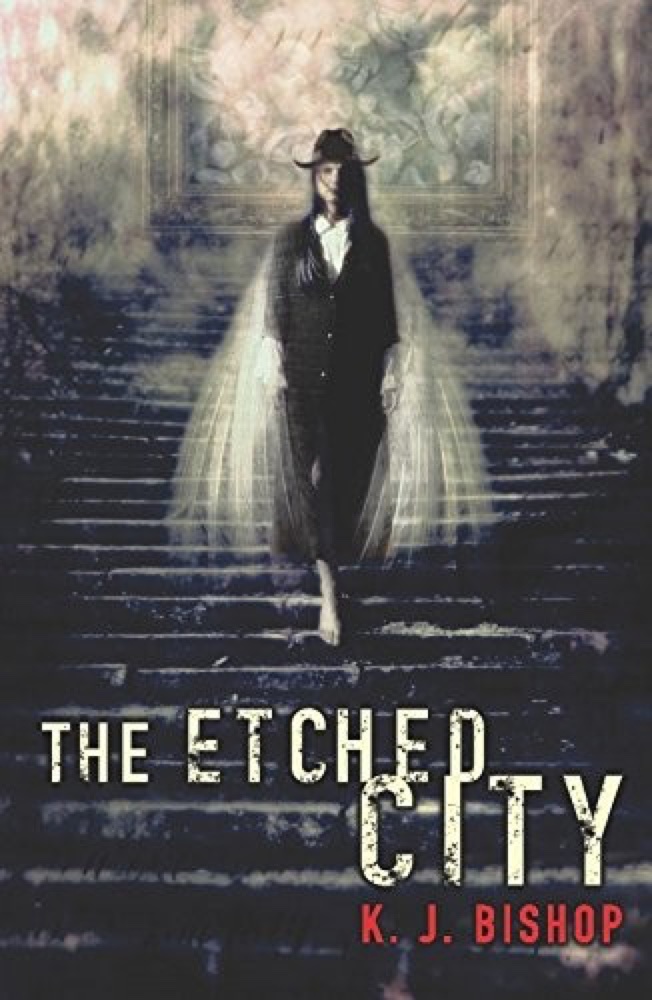 The Etched City
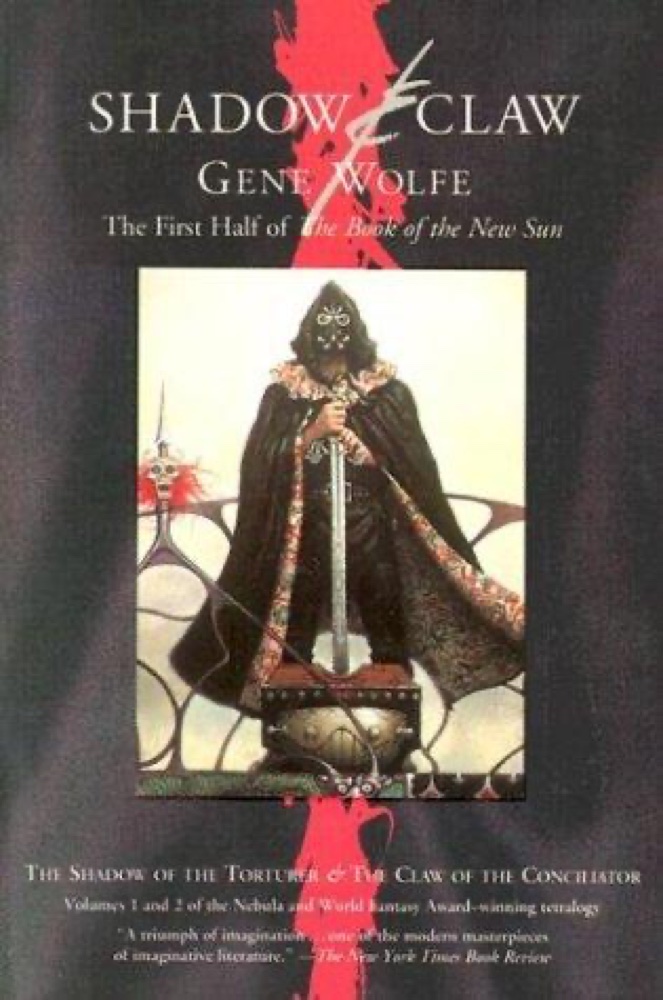 Shadow & Claw
 Wind, Sand and Stars
 Arm of the Sphinx
 Stories of Your Life and Others
 Four Quartets
 Lord of Light
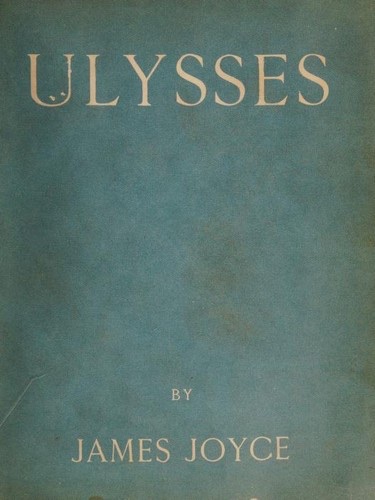 Ulysses
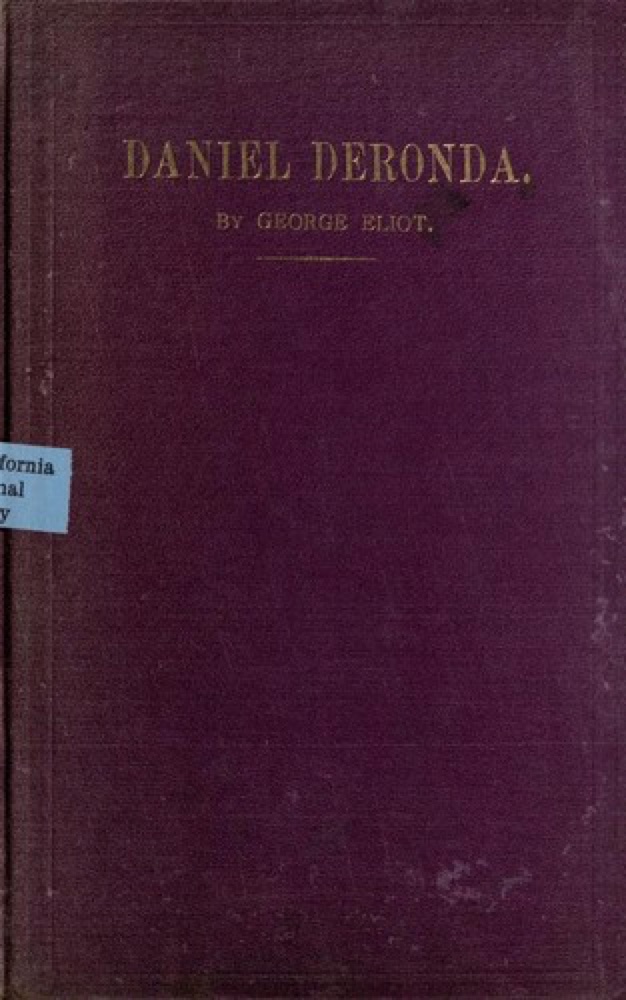 Daniel Deronda
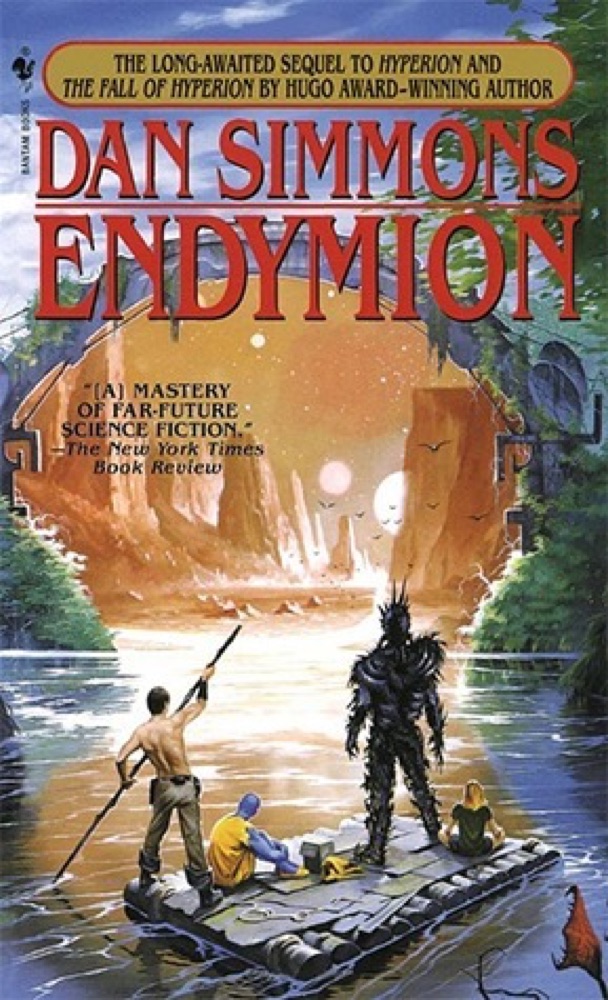 Endymion
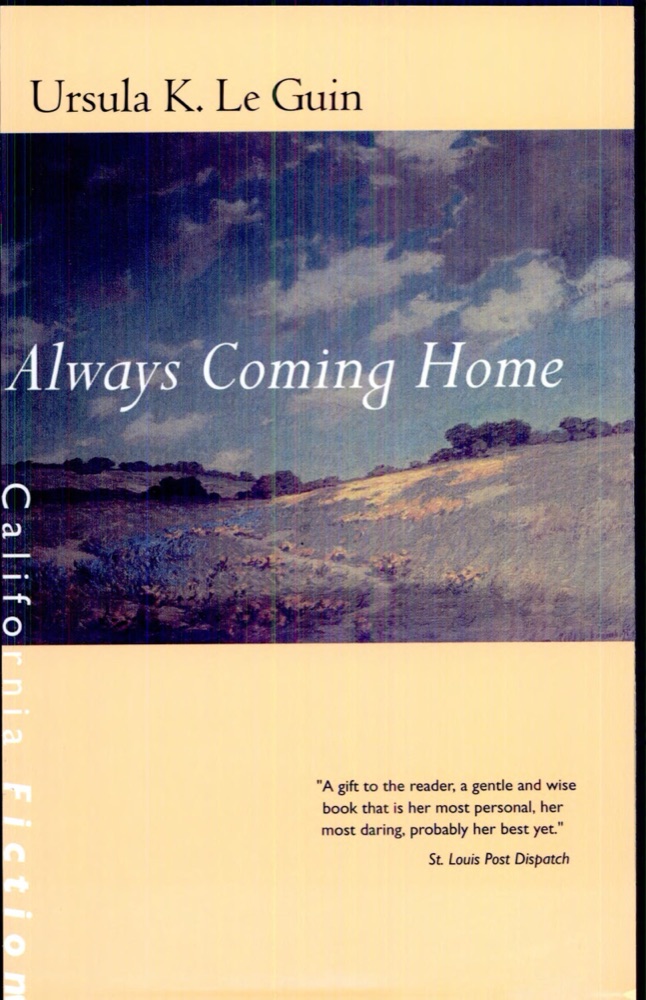 Always Coming Home
 Sexus
Sexus
 The Fairy Tales of Hermann Hesse
 Eyeless in Gaza
 The Crossing
 Weaveworld
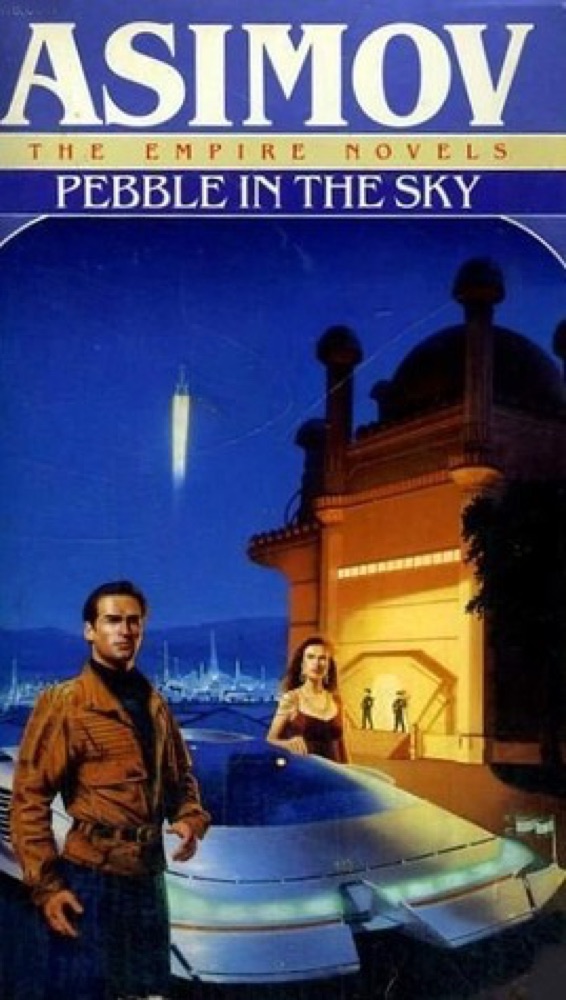 Pebble in the Sky
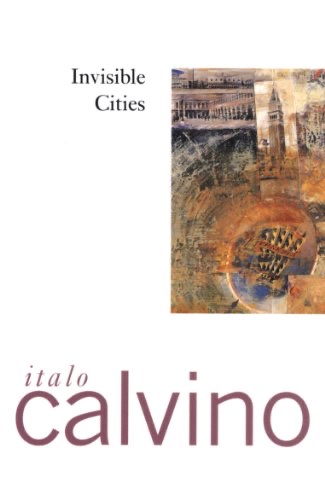 Invisible Cities
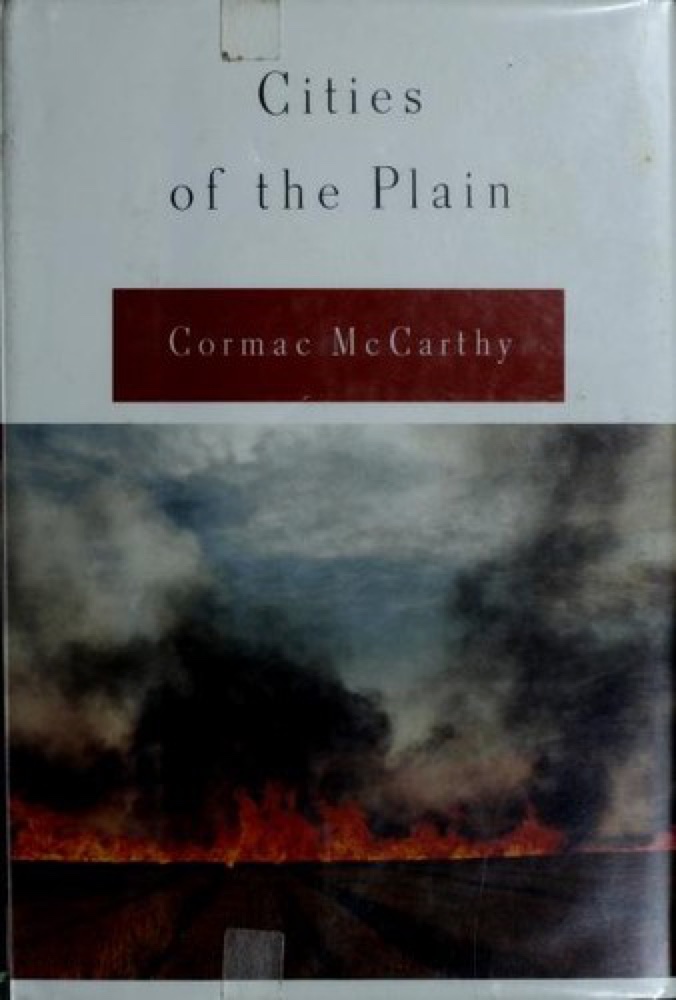 Cities of the Plain
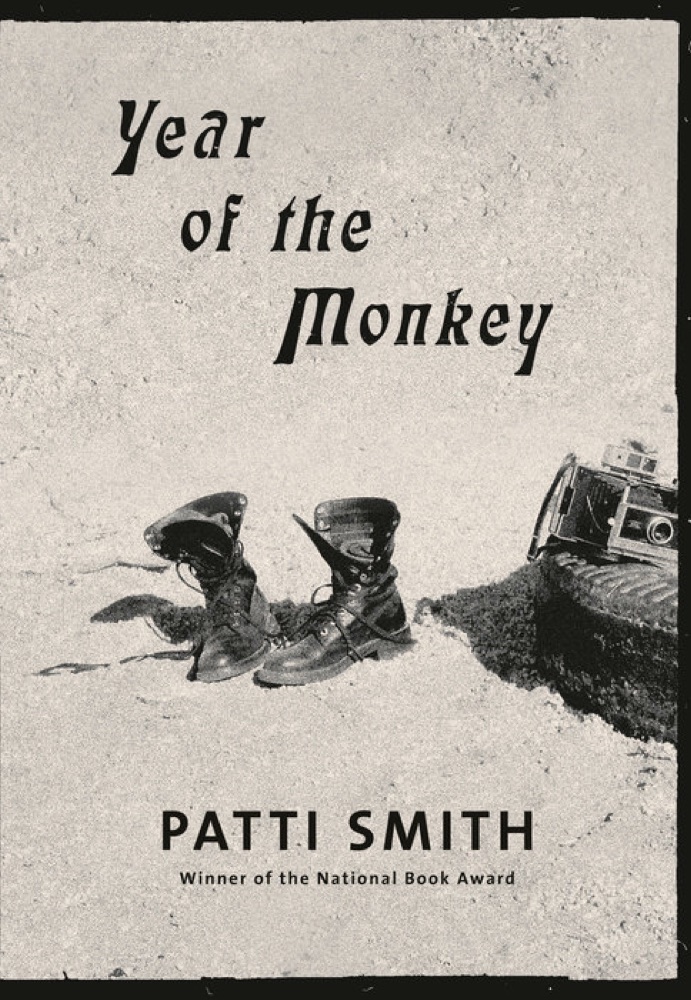 Year of the Monkey
 West with the Night
 Oblomov
 The Thousand Autumns of Jacob de Zoet
 The Selected Works of T.S. Spivet
 Memories, Dreams, Reflections
 The End of Eternity
 Soul Mountain
 Quicksilver
 Manifestoes of Surrealism
 Gardens of the Moon
 Libra
Libra
 Flatland: A Romance of Many Dimensions
 The Collected Poems
 The Songlines
 The Man in the High Castle
 The Real Life of Sebastian Knight