

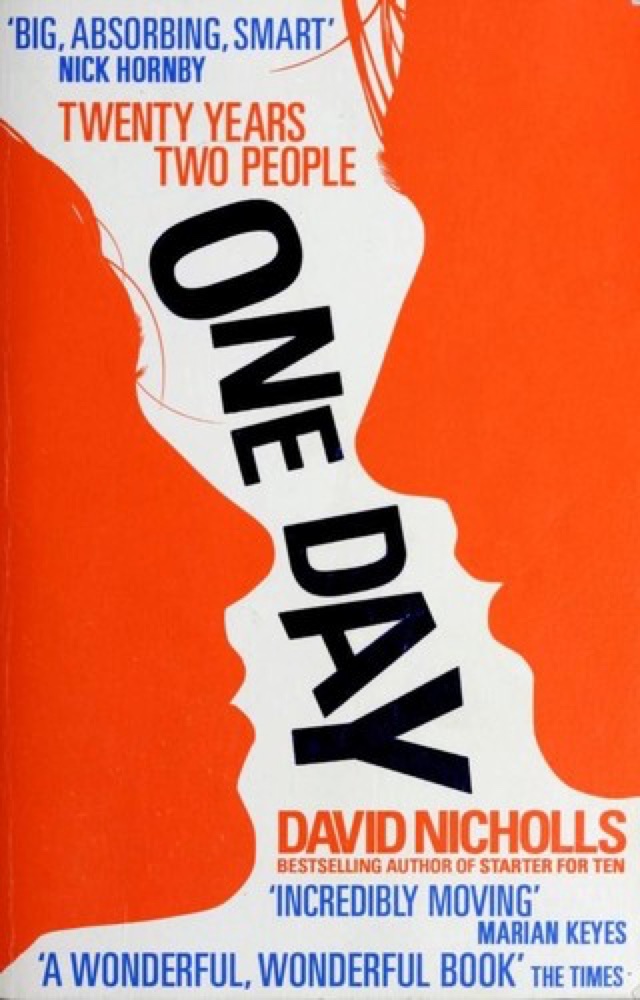
 One Day
Quotes from the Book
the greatest lie that age tells about youth is that it’s somehow free of care, worry or fear. Good God, doesn’t anyone remember?
7
Like I said, I’m fine. I don’t ever think of her.’ And I didn’t ever think of her, except from time to time.
5
Perhaps all families have these fleeting moments when, without ever saying as much, they take each other in and think, we work and we fit together and we love each other, and if we can remain like this, all will be fine.
4
...but first love, I think it’s like a song, a stupid pop song that you hear and you think, well that is all I will ever want to listen to, it’s got everything, it’s clearly the greatest piece of music ever written, I need nothing else. ’Course we wouldn’t put it on now. We’re too hard and experienced and sophisticated. But when it comes on the radio, well, it’s still a good song.
3
... and it occurred to me then, just as it does now, that the greatest lie that age tells about youth is that it’s somehow free of care, worry or fear.
3
You can’t see it at the moment, ’cause all these things have just gone wrong, and you’re nervous and angry about things you can’t control and which aren’t your fault. But if you … hang on, Charlie. I don’t know. I just think there’s something inside you and I love it...
1
And there it was. She'd said it and now I could say it back, the most banal and brilliant exchange of dialogue, which we'd repeat, over and over, for just as long as we meant it.
1
I thought about it, about what I felt, about this, and I don’t want to get mawkish or anything,’ she said, ‘but first love, I think it’s like a song, a stupid pop song that you hear and you think, well that is all I will ever want to listen to, it’s got everything, it’s clearly the greatest piece of music ever written, I need nothing else. ’Course we wouldn’t put it on now. We’re too hard and experienced and sophisticated. But when it comes on the radio, well, it’s still a good song.
But love is boring. Love is familiar and commonplace for anyone not taking part, and first love is just a gangling, glandular incarnation of the same. Shakespeare must have known this; take a copy of the world’s most famous love story and pinch between finger and thumb the pages where the lovers are truly happy; not the build-up that precedes it, not the strife that follows, but the time when love is mutual and untroubled. It’s a few pages, a pamphlet almost, the brief interlude between anticipation and despair.
In two more years they’d leave this town and migrate to cities famous for their nightlife and music and culture, their lively political scene and cafés. In candlelit bedrooms, they’d have meaningful talks, making friends who’d introduce them to more friends, then more and more, loosening the old ties to make way for the new in a branching tree of friendship, of connections and opportunities.
This summer’s a bastard, isn’t it? Sun comes out, sky’s blue if you’re lucky and suddenly there are all these preconceived ideas of what you should be doing, lying on a beach or jumping off a rope swing into the river or having a picnic with all your amazing mates, sitting on a blanket in a meadow and eating strawberries and laughing in that mad way, like in the adverts. It’s never like that, it’s just six weeks of feeling like you’re in the wrong place with the wrong people and you’re missing out.
The notion that these had been the best years of our lives suddenly seemed both plausible and tragic and I wished that school had always been like this, our arms around each other, filled with a kind of hooligan love, and that I’d talked to these people more and in a different voice.
Perhaps it was nostalgia, but I doubted it; nostalgia for the pencil cases filled with liquid soap and the snap of wet towels? More likely it was regret for the things that had not happened, changes that had failed to take place. A caterpillar forms a cocoon and inside that hard shell, the cell walls dissolve, molecules churn and reorganise and the cocoon breaks open to reveal another caterpillar, longer, more hairy and less certain about the future.
All around me, kids were adjusting their personalities with the same deliberation that they gave to changes in clothes and haircuts. We were plastic, mutable and there was still time to experiment and alter our handwriting, our politics, the way we laughed or walked or sat in a chair, before we hardened and set.
Time had crawled through five long years and now in the final weeks, then days, an air of elation and panic, joy and fear began to take hold, along with a crazed nihilism. Letters home and detentions couldn’t touch us now, and what might we get away with in this world without consequences?
I both hated and loved my father more than anyone in the world, the strength of the first emotion proportional to the second. I could only hate him like that because I'd only loved him to the same degree.
Years later, when I heard friends speak sentimentally and lyrically about their place of birth, of how they’d been shaped by Northumberland or Glasgow, the Lakes or the Wirral, I’d find myself envying even the most hackneyed, stereotyped expressions of ‘belonging’. We had no sense of identity, no authentic accent, just a kind of cockney learnt from TV, applied over a slight country burr. I didn’t hate our town, but it was hard to feel lyrical or sentimental about the reservoir, the precinct, the scrappy woods where porn yellowed beneath the brambles.
Watch on YouTube
About David Nicholls
We have collected 46 quotes from 2 books by David Nicholls on BookQuoters.
More about the author →More by David Nicholls
One Day
About the book
One life-changing summer Charlie meets Fran...
In 1997, Charlie Lewis is the kind of boy you don't remember in the school photograph. His exams have not gone well. At home he is looking after his father, when surely it should be the other way round, and if he thinks about the future at all, it is with a kind of dread.
Then Fran Fisher bursts into his life and despite himself, Charlie begins to hope.
But if Charlie wants to be with Fran, he must take on a challenge that could lose him the respect of his friends and require him to become a different person. He must join the Company. And if the Company sounds like a cult, the truth is even more appalling.
The price of hope, it seems, is Shakespeare.
Poignant, funny, enchanting, devastating, Sweet Sorrow is a tragicomedy about the rocky path to adulthood and the confusion of family life, a celebration of the reviving power of
Book details
- First published
- 2019
- Author
- David Nicholls
- Genre
- Fiction
- Goodreads rating
- 3.79 (24k ratings)
Keep reading
 The Rachel Incident
 That Summer
 Beautiful World, Where Are You
 Notes on Your Sudden Disappearance
 Then She Was Gone
 Honey, Baby, Sweetheart
 The Blythes Are Quoted
 Rebecca
 Middlesex
 Mayflies
 Kala
Kala
 The Sportswriter
 The Summer I Turned Pretty
 Mr. Fox
 What I Loved
 Midnight at the Electric
 Never Let Me Go
 Before We Were Strangers
 The Rachel Papers
 Enduring Love
 The Return
 Testament of Youth
 Thirst for Salt
 Belong to Me
 Revolutionary Road
 Ramona Blue
 We Are Okay
 NW
NW
 The Book of Love
 Any Human Heart
 Life After God
 One True Thing
 Truth & Beauty
 The Wish
 The Perks of Being a Wallflower
 Mr Wilder & Me
 Everything I Know About Love
 First Love
 Childhood, Boyhood, Youth
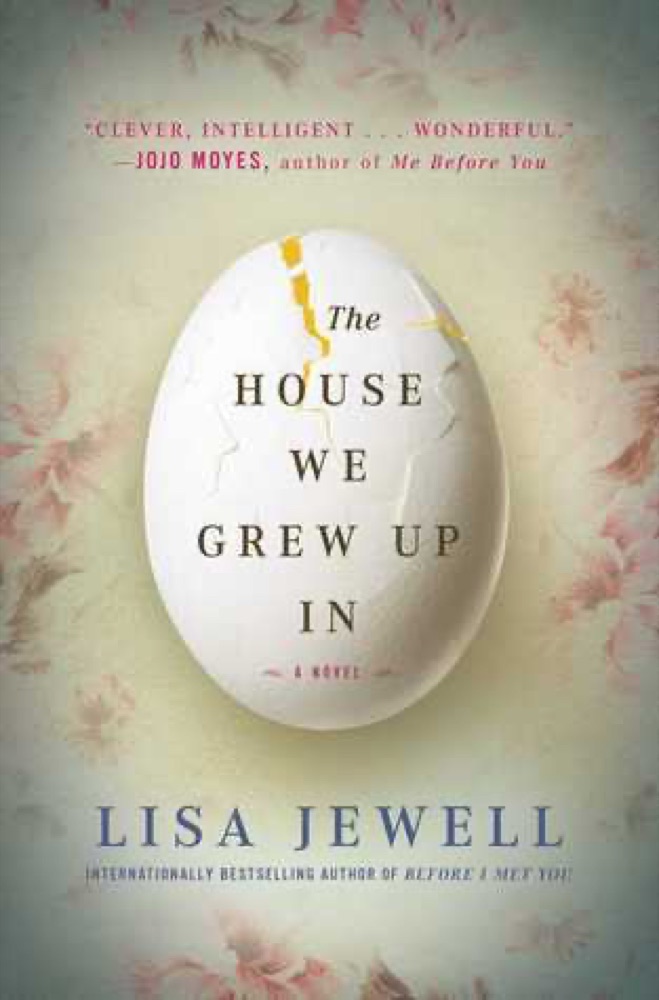 The House We Grew Up In
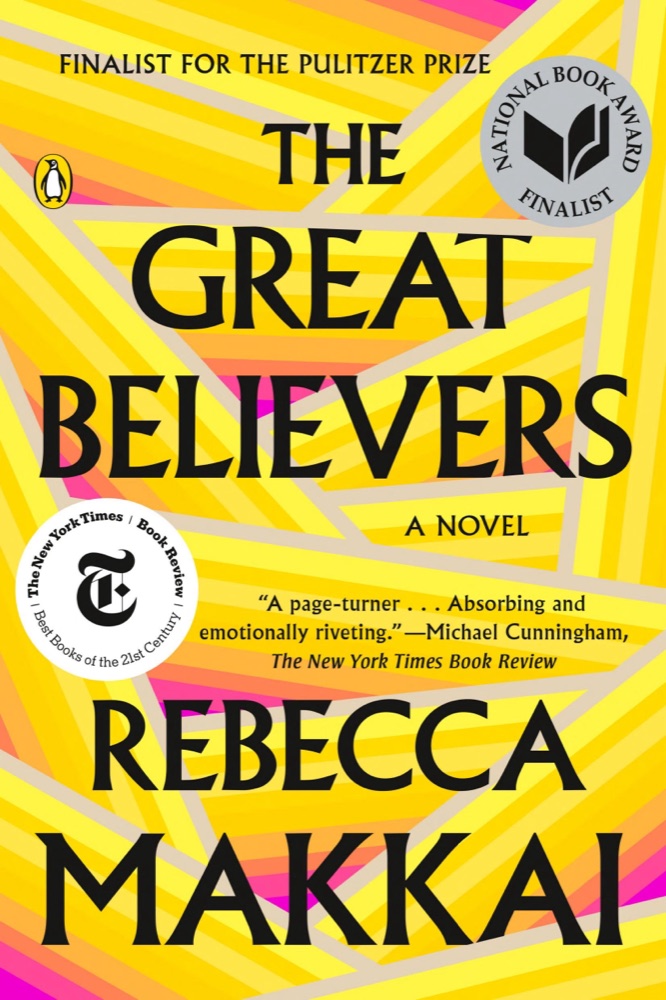 The Great Believers
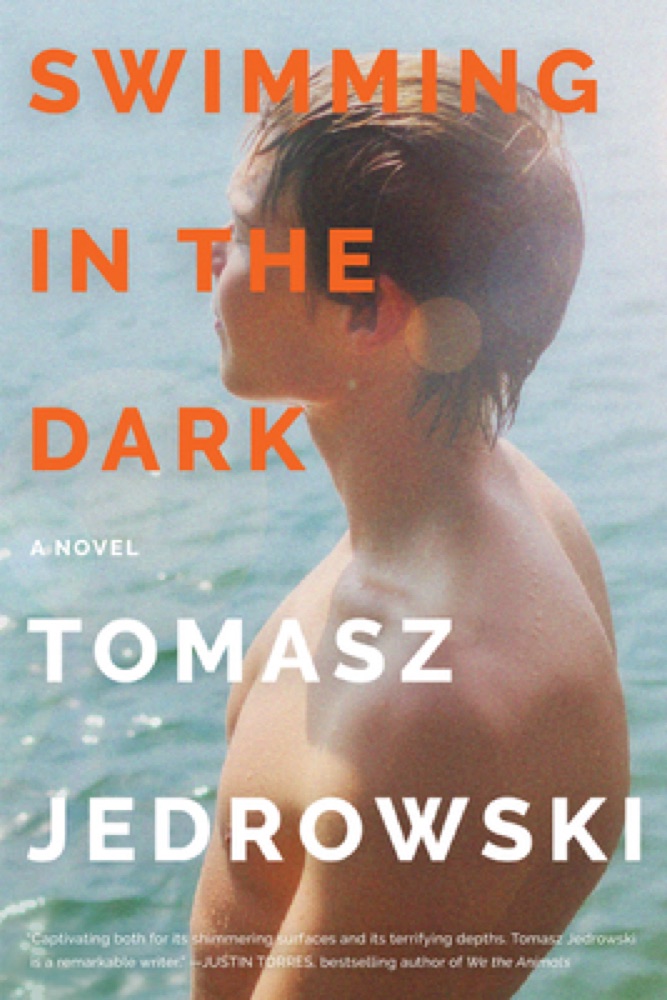 Swimming in the Dark
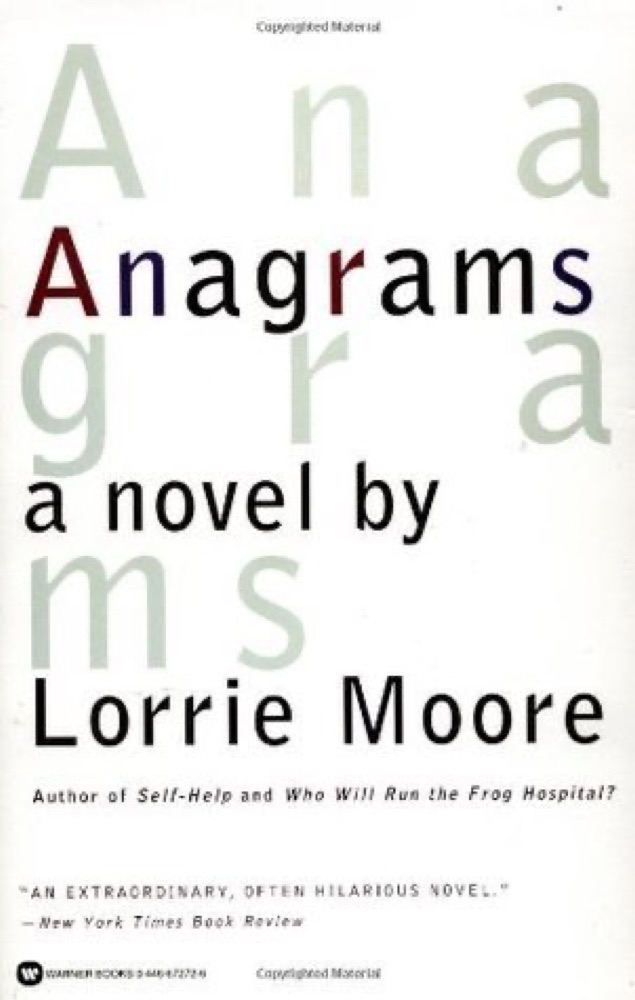 Anagrams
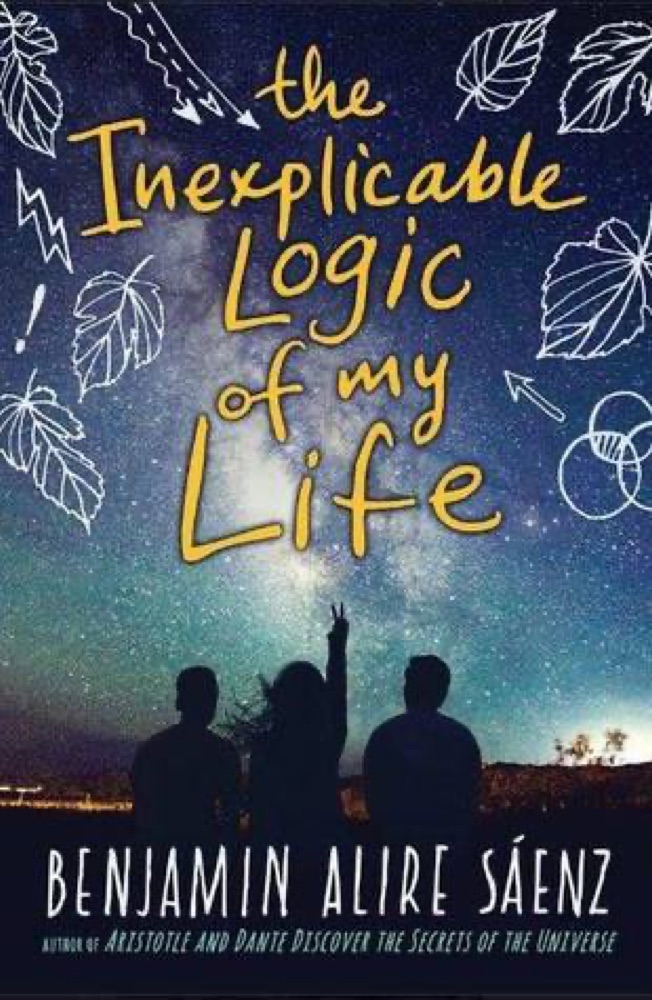 The Inexplicable Logic of My Life
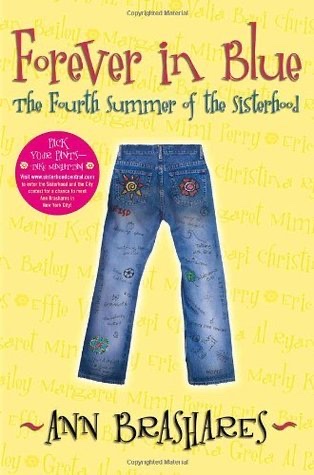 Forever in Blue: The Fourth Summer of the Sisterhood
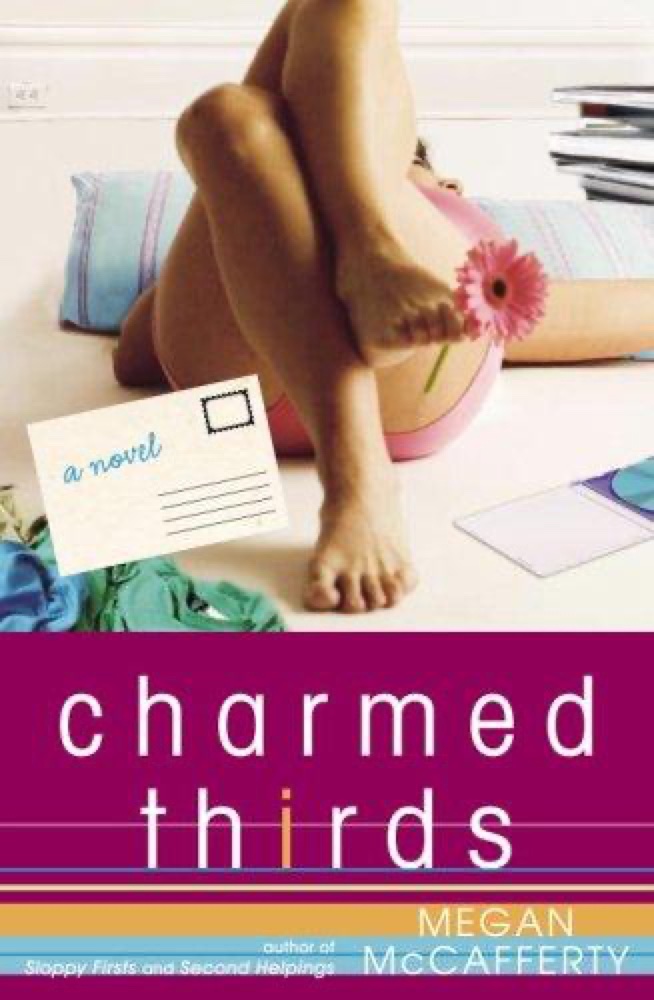 Charmed Thirds
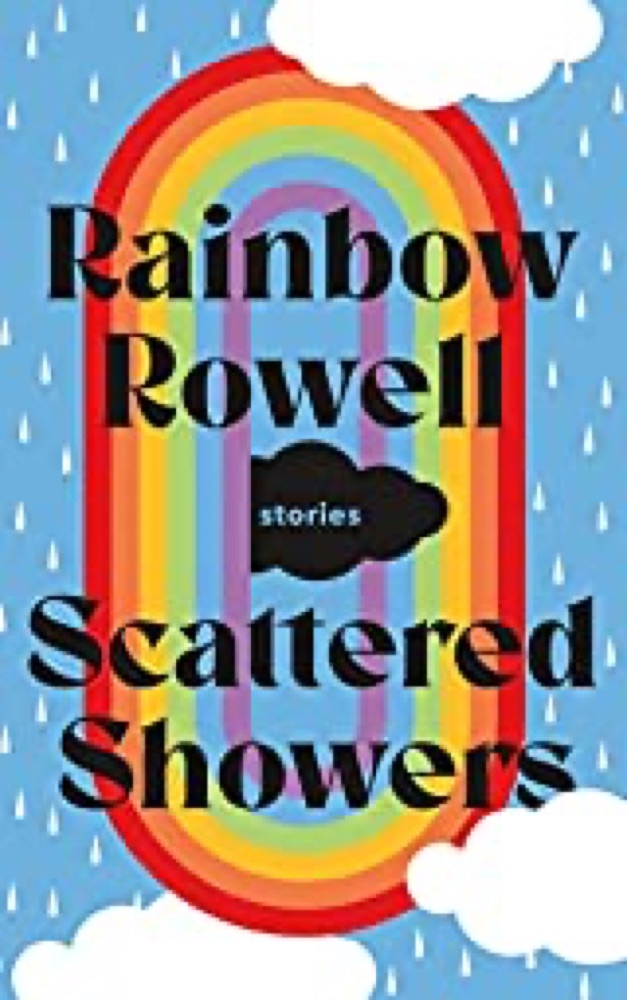 Scattered Showers: Stories
 Things We Do Not Tell The People We Love
 Brideshead Revisited: The Sacred and Profane Memories of Captain Charles Ryder
 The Last Song
 Say Goodbye for Now
 The Summer Wives
 What I Didn't Say
 Summer Days and Summer Nights: Twelve Love Stories
 Lisey's Story
 The Discomfort Zone: A Personal History
 One Day in December
 How to Stop Time
 The Love Song of Miss Queenie Hennessy
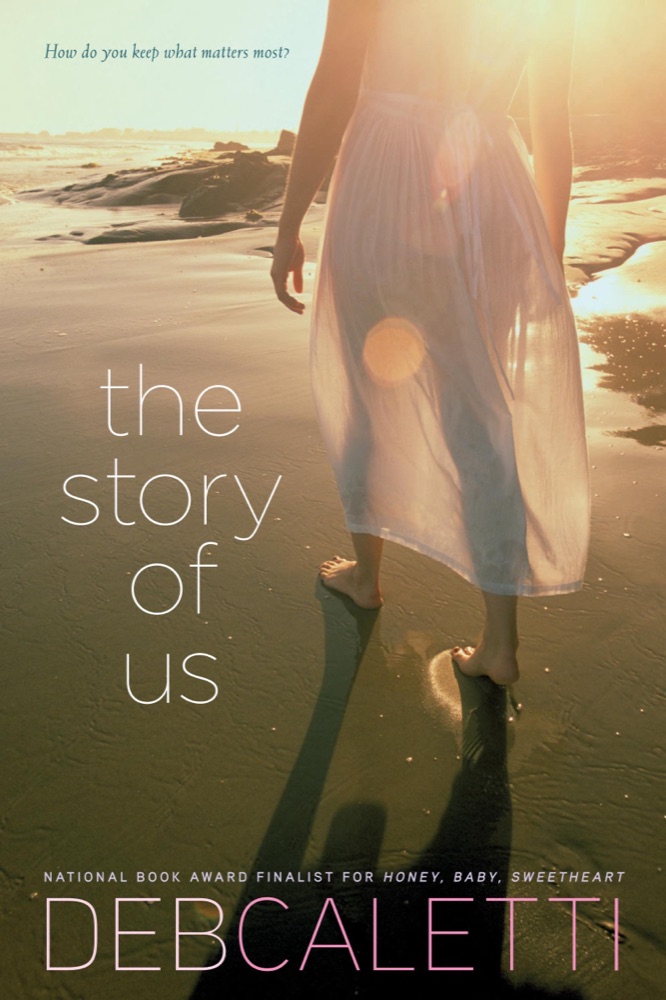 The Story of Us