
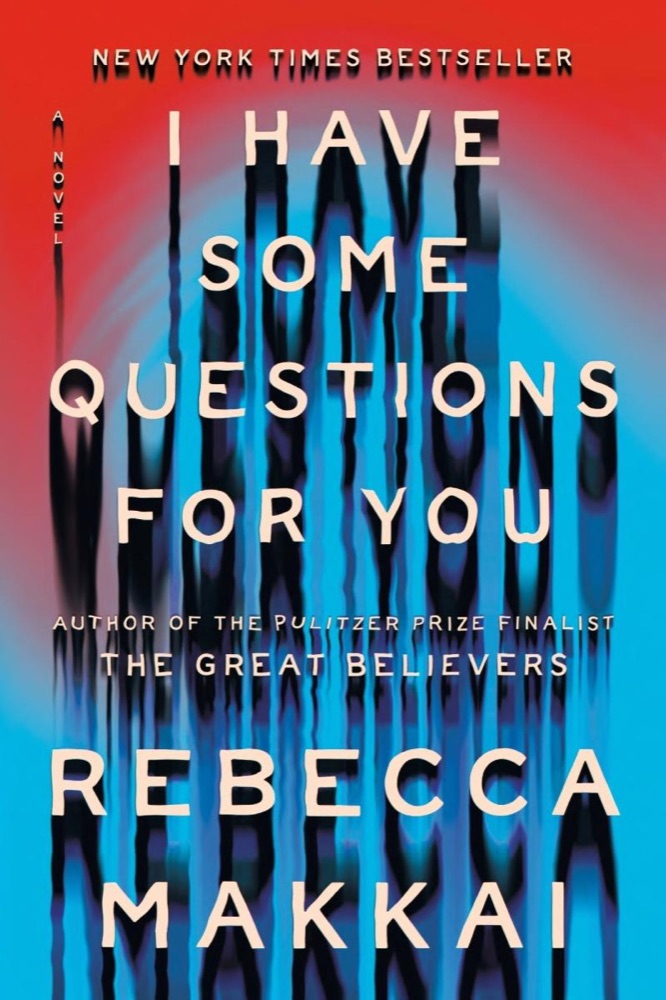
 I Have Some Questions for You
Quotes from the Book
But when someone’s gone and you’re the primary keeper of his memory—letting go would be a kind of murder, wouldn’t it? I had so much love for him, even if it was a complicated love, and where is all that love supposed to go? He was gone, so it couldn’t change, it couldn’t turn to indifference. I was stuck with all that love.
140
If we could just be on earth at the same place and same time as everyone we loved, if we could be born together and die together, it would be so simple. And it’s not. But listen: You two are on the planet at the same time. You’re in the same place now. That’s a miracle. I just want to say that.
134
And was friendship that different in the end from love? You took the possibility of sex out of it, and it was all about the moment anyway. Being here, right now, in someone’s life. Making room for someone in yours.
80
It's always a matter, isn't it, of waiting for the world to come unraveled? When things hold together, it's always only temporary.
66
If you had to choose when, in the timeline of the earth, you got to live—wouldn’t you choose the end? You haven’t missed anything, then. You die in 1920, you miss rock and roll. You die in 1600, you miss Mozart. Right? I mean, the horrors pile up, too, but no one wants to die before the end of the story.
59
You’ll never know anyone’s marriage but your own. And even then, you’ll only know half of it.
54
Stupid men and their stupid violence. Tearing apart everything good that was ever built. Why couldn't you ever just go after your life without tripping over some idiot's dick?
45
Asher said, "Does it really ever go anywhere?" "Does what?" "Love. Does it vanish?" Yale looked at his own hand, resting on the dashboard to keep himself steady whenever Asher braked suddenly. "I mean, we never want it to. But it does, doesn't it?" Asher said, "I think that's the saddest thing in the world, the failure of love. Not hatred, but the failure of love.
44
They meant well, all of them. How could she explain that this city was a graveyard? That they were walking every day through streets where there had been a holocaust, a mass murder of neglect and antipathy, that when they stepped through a pocket of cold air, didn’t they understand it was a ghost, it was a boy the world had spat out?
40
I hate that we have to live in the middle of history. We make enough mess on our own.
30
He said, "Everyone knows how short life is. Fiona and I know it especially. But no one ever talks about how long it is.
26
This disease has magnified all our mistakes. Some stupid thing you did when you were nineteen, the one time you weren't careful. And it turns out that was the most important day of your life.
26
The thing is," Teddy said, "the disease itself feels like a judgment. We've all got a little Jesse Helms on our shoulder, right? If you got it from sleeping with a thousand guys, then it's a judgment on your promiscuity. If you got it from sleeping with one guy once, that's almost worse, it's like a judgment on all of us, like the act itself is the problem and not the number of times you did it. And if you got it because you thought you couldn't, it's a judgment on your hubris. And if you got it because you knew you could and you didn't care, it's a judgment on how much you hate yourself. Isn't that why the world loves Ryan White so much? How could God have it out for some poor kid with a blood disorder? But then people are still being terrible. They're judging him for just being sick, not even for the way he got it.
26
She was struck by the selfish thought that this was not fair to her. That she’d been in the middle of a different story, one that had nothing to do with this. She was a person who was finding her daughter, making things right with her daughter, and there was no room in that story for the idiocy of extreme religion, the violence of men she’d never met. Just as she’d been in the middle of a story about divorce when the towers fell in New York City, throwing everyone’s careful plans to shit. Just as she’d once been in a story about raising her own brother, growing up with her brother in the city on their own, making it in the world, when the virus and the indifference of greedy men had steamrolled through. She thought of Nora, whose art and love were interrupted by assassination and war. Stupid men and their stupid violence, tearing apart everything good that was ever built. Why couldn’t you ever just go after your life without tripping over some idiot’s dick?
23
Cecily said, "That's the difference between optimism and naivety. No one in this room is naive. Naive people haven't been through real trials yet, so they think it could never happen to them. Optimists have been through it already, and we keep getting up each day because we believe we can keep it from happening again. Or we trick ourselves into thinking it." Richard said, "All belief is a trick.
18
There was this competitive grieving thing that could happen. People would crowd into the hospital and stand around for days, sort of posturing. That sounds terrible, but it's true. Not that they had bad intentions, just...you always want to believe you're important in someone's life. And sometimes, in the end, it turns out you aren't.
17
I think that’s the saddest thing in the world, the failure of love. Not hatred, but the failure of love.
16
...but here it hung, and it was an artifact of love. Well, of a hopeless doomed selfish ridiculous love, but what other kind had ever existed?
16
We'd been through something our parents hadn't. The war made us older than our parents. And when you're older than your parents, what are you going to do? Who's going to show you how to live?
15
[...] Everyone that spring just wandered. You'd find a friend in a cafe, and even if you'd hardly known them you'd run and kiss them, and you'd exchange news about who was dead. I don't know how you could compare it to anything else. I don't know how you could." Yale had missed a step. "Compare what?" "Well, you! Your friends! I don't know how it's like anything other than war!
14
Ageism is the only self-correcting prejudice, isn’t it?
13
It's been a long time since I had a day that just cuts your life in two. Like, this hangnail on my thumb, I had it yesterday. It's the same hangnail, and I'm a completely different person.
13
You should know we had so much joy as well! But when you build a story down, you end up with something macabre. All stories end the same way, don't they.
10
Yale said, “l used to worry about Reagan pressing the button, you know? And asteroids, all that. And then I had this realization. If you had to choose when, in the timeline of the earth, you got to live—wouldn’t you choose the end? You haven’t missed anything, then. You die in 1920 you miss rock and roll. You die in 1600, you miss Mozart. Right? I mean the horrors pile up, too, but no one wants to die before the end of the story.
10
the world is a wonder, but the portions are small” —Rebecca Hazelton, “Slash Fiction
9
I had so much love for him, even if it was a complicated love, and where is all that love supposed to go? He was gone, so it couldn’t change, it couldn’t turn to indifference. I was stuck with all that love.
8
She wanted to call Claire over, show her these photos, tell her what Julian had just said, try to explain, or to try to start to explain, what her life had been. How this show might begin to convey it all, the palimpsest that was her heart, the way things could be written over but never erased. She was simply never going to be a blank slate.
8
Nora said, “Every time I’ve gone to a gallery, the rest of my life, I’ve thought about the works that weren’t there. Shadow-paintings, you know, that no one can see but you. But there are all these happy young people around you and you realize no, they’re not bereft. They don’t see the empty spaces.
7
Did you know?
- The novel was a finalist for both the Pulitzer Prize for Fiction and the National Book Award for Fiction.
- It won the Andrew Carnegie Medal for Excellence in Fiction in 2019.
- It also won the Los Angeles Times Book Prize for Fiction and a Stonewall Book Award.
- The story unfolds across two timelines: 1980s-90s Chicago during the AIDS crisis and Paris in 2015.
- In 2024 it was ranked among The New York Times' best 100 books of the 21st century.
- Author Rebecca Makkai is the daughter of linguistics professors; her father was a refugee of the 1956 Hungarian Revolution.
About Rebecca Makkai
Rebecca Makkai (born 1978) is an American novelist and short-story writer who grew up in Lake Bluff, Illinois. She is best known for The Great Believers (2018) and I Have Some Questions for You (2023), and teaches in MFA programs while serving as artistic director of StoryStudio Chicago.
More about the author →More by Rebecca Makkai
I Have Some Questions for You
About the book
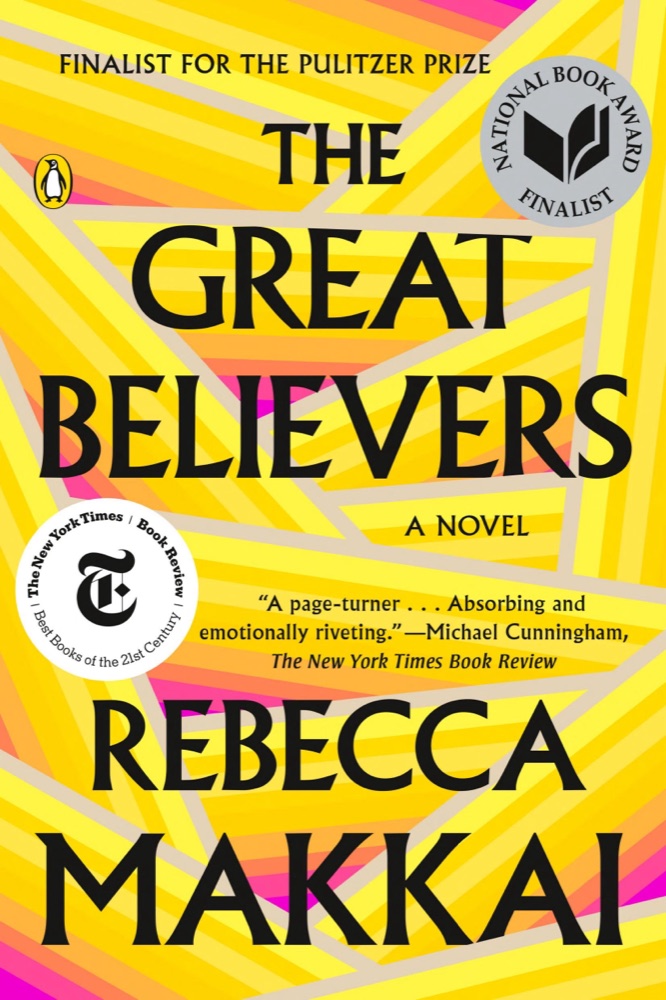
The Great Believers is a 2018 historical novel by Rebecca Makkai that braids two timelines together. In Chicago between 1985 and the early 1990s, Yale Tishman, an art-gallery development director, works to secure a collection of donated artworks while the AIDS epidemic tears through his circle of friends in the Boystown neighborhood, beginning with the death of Nico, a young man at the heart of the group. In a parallel 2015 storyline set in Paris, Nico's sister Fiona searches for her estranged adult daughter, decades later still carrying the grief and trauma of having nursed so many friends through the crisis.
The book explores loss, friendship, chosen family, and the long shadow that catastrophe casts across a generation. By alternating between the height of the epidemic and its aftermath thirty years on, Makkai examines how survivors live with absence and how communities preserve memory and meaning. Themes of art and legacy run throughout, as the gallery subplot ties personal mortality to questions of what endures after people are gone.
The Great Believers was widely acclaimed and became one of the most honored novels of its year. It was a finalist for both the Pulitzer Prize for Fiction and the National Book Award for Fiction, and it won the Andrew Carnegie Medal for Excellence in Fiction, the Los Angeles Times Book Prize for Fiction, and a Stonewall Book Award. In 2024 it appeared on The New York Times' list of the best books of the 21st century. Critics praised its emotional depth and readability, with Kirkus calling it "as compulsively readable as it is thoughtful and moving."
Key characters
- Yale TishmanArt-gallery development director in 1980s Chicago at the center of the AIDS-era storyline
- Fiona MarcusNico's younger sister and Yale's close friend, who in 2015 searches for her estranged daughter
- NicoFiona's older brother whose death from AIDS opens the novel
- Charlie KeeneYale's boyfriend, who runs a gay newspaper
- Nora LernerElderly art collector whose donated collection Yale works to acquire
- ClaireFiona's estranged adult daughter, whom she seeks in Paris
Book details
- First published
- 2018
- Length
- 421 pages
- Reading time
- 8 hours
- Author
- Rebecca Makkai
- Genre
- Fiction
- Goodreads rating
- 4.29 (179k ratings)
Critical reception
- Finalist for the 2019 Pulitzer Prize for Fiction and the 2018 National Book Award for Fiction.
- Winner of the Andrew Carnegie Medal for Excellence in Fiction, the Los Angeles Times Book Prize, and a Stonewall Book Award.
- Kirkus Reviews called it "as compulsively readable as it is thoughtful and moving."
- Ranked among The New York Times' best books of the 21st century in 2024.
Keep reading
 The Apocalypse of Elena Mendoza
 The Book of Love
 This Is Where the World Ends
 The Last Devil to Die
 Less Is Lost
 A Small Indiscretion
 The Emperor of Gladness
 The Impossible Lives of Greta Wells
 These Precious Days: Essays
 Just Above My Head
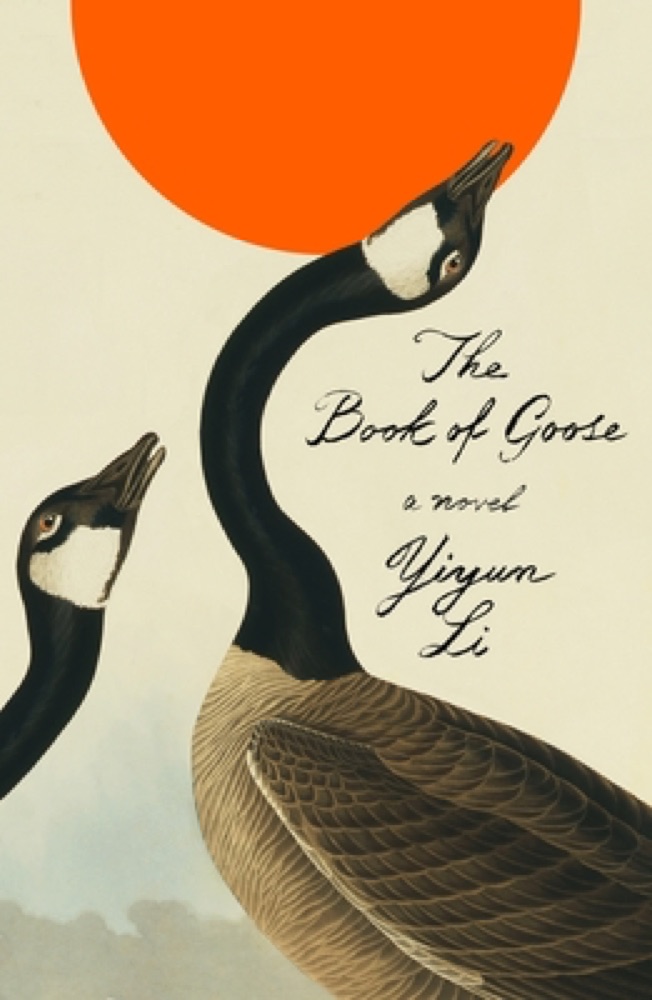 The Book of Goose
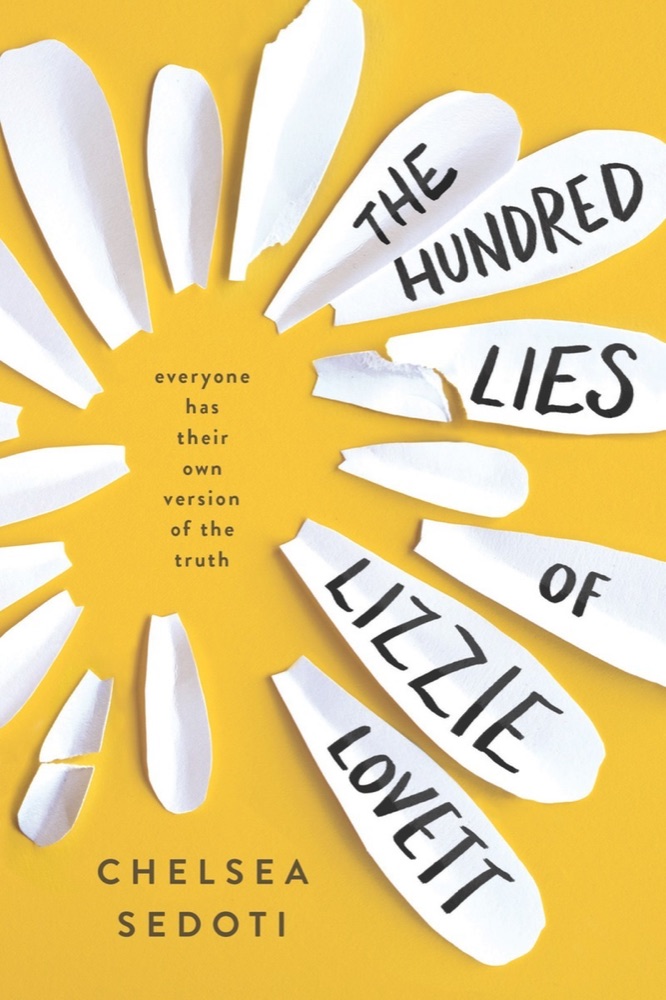 The Hundred Lies of Lizzie Lovett
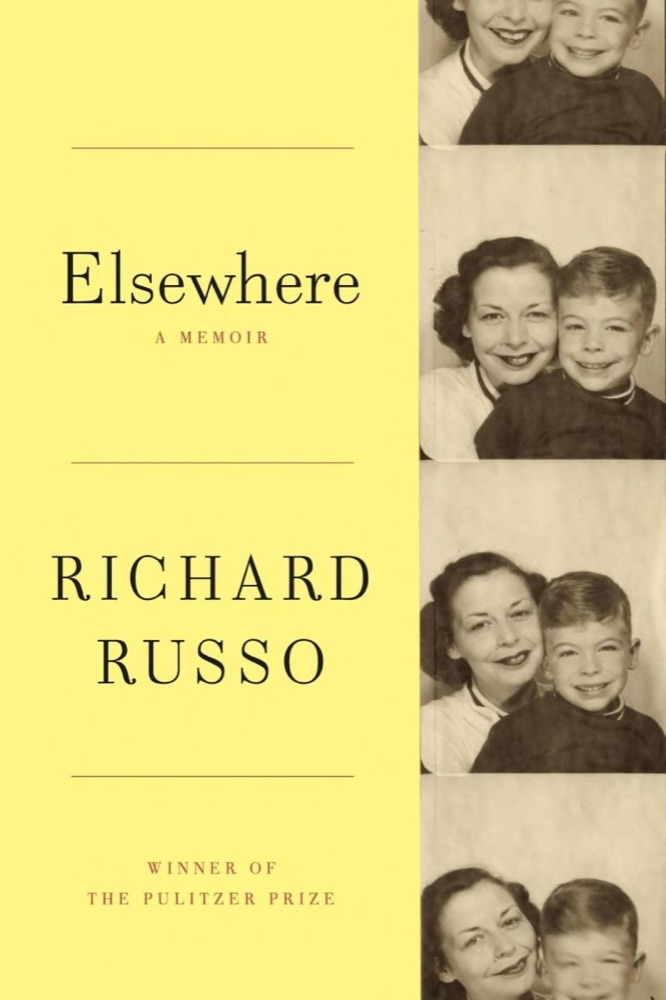 Elsewhere
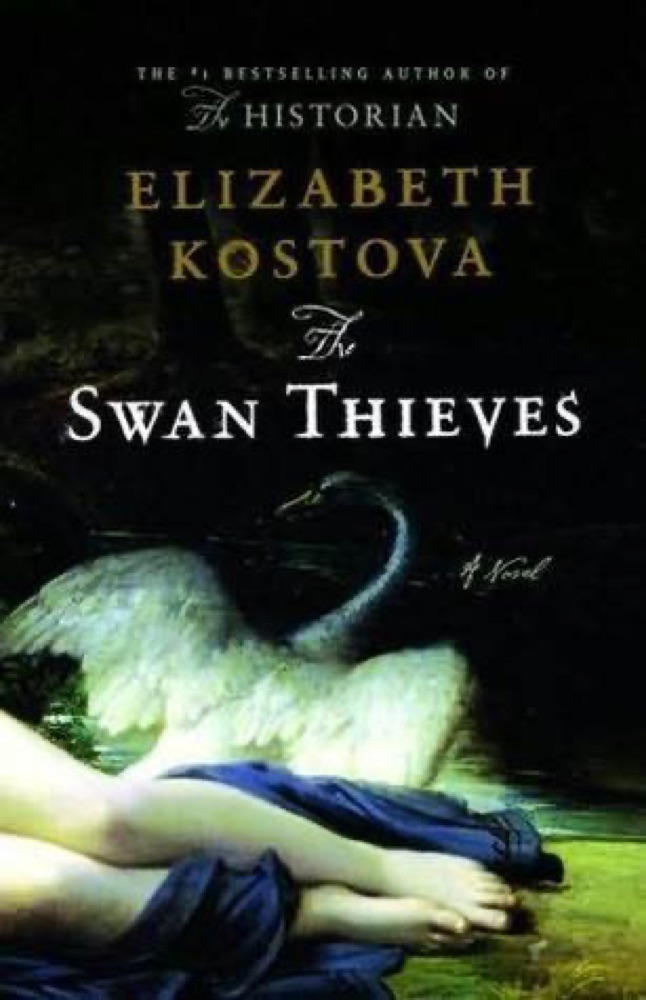 The Swan Thieves
 What Is the What
 The Five Stages of Andrew Brawley
 The Gap of Time
 Chances Are...
 The Paris Secret
 What I Loved
 The Smallest Part
 Dream Count
 Panenka
 Saint X
 Biography of X
 To Paradise
 These Silent Woods
 Anthropology of an American Girl
 Belong to Me
 Like a Love Story
 The Secret History
 The Only Story
 Say Goodbye for Now
 Super Sad True Love Story
 Our Tragic Universe
 Where Things Come Back
 Under the Whispering Door
 Angels in America
 Varina
 How High We Go in the Dark
 Sign Here
 Fixing Delilah
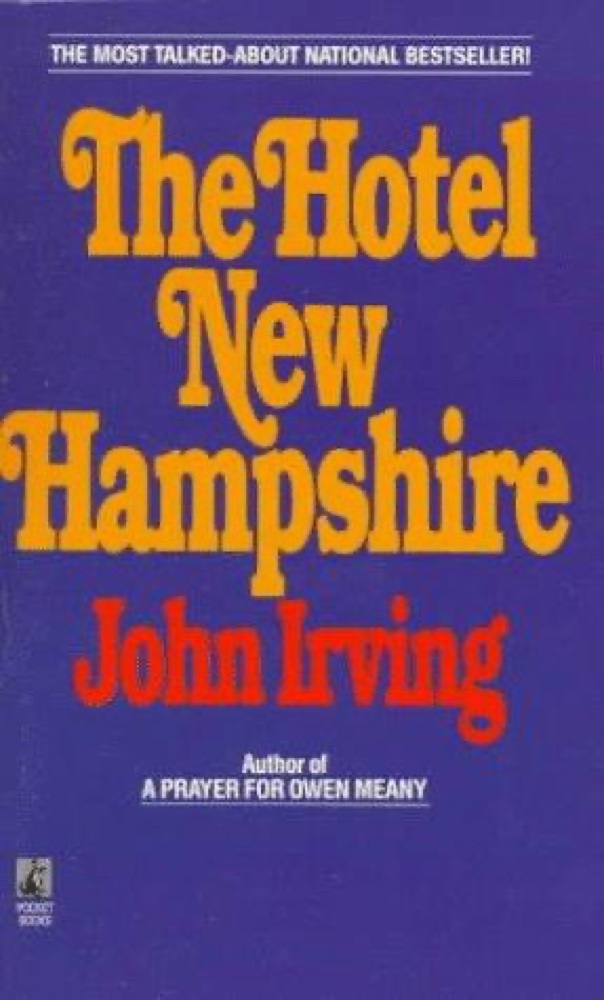 The Hotel New Hampshire
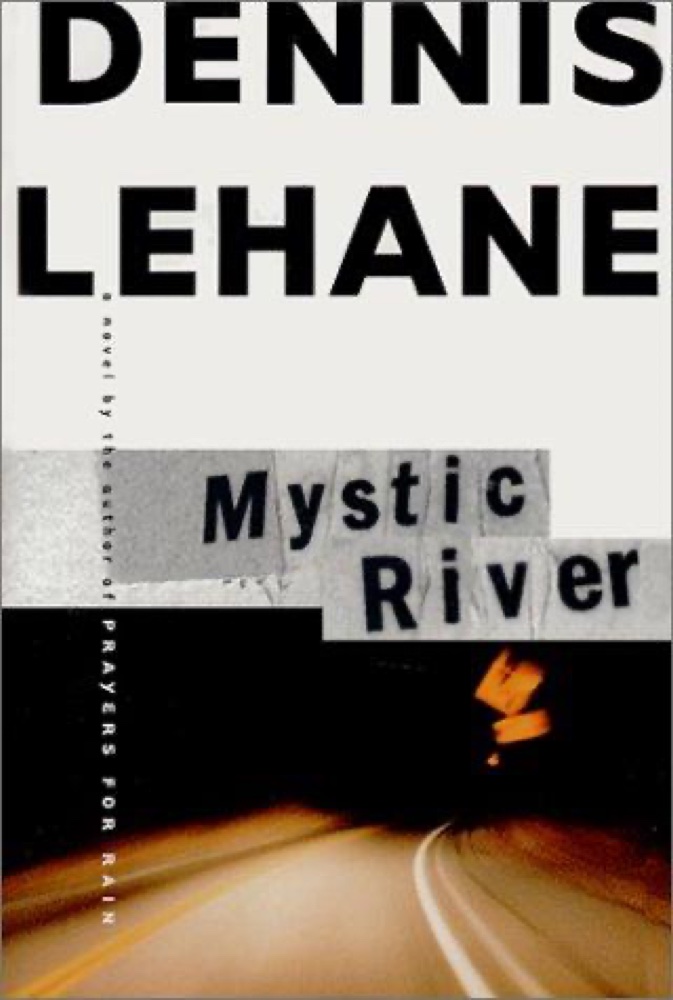 Mystic River
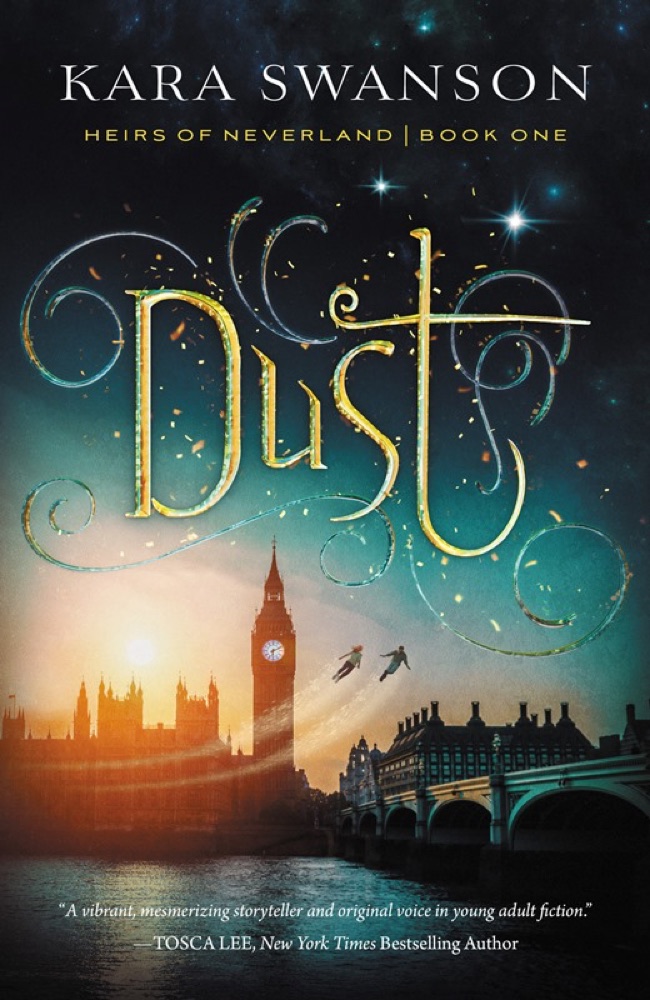 Dust
Dust
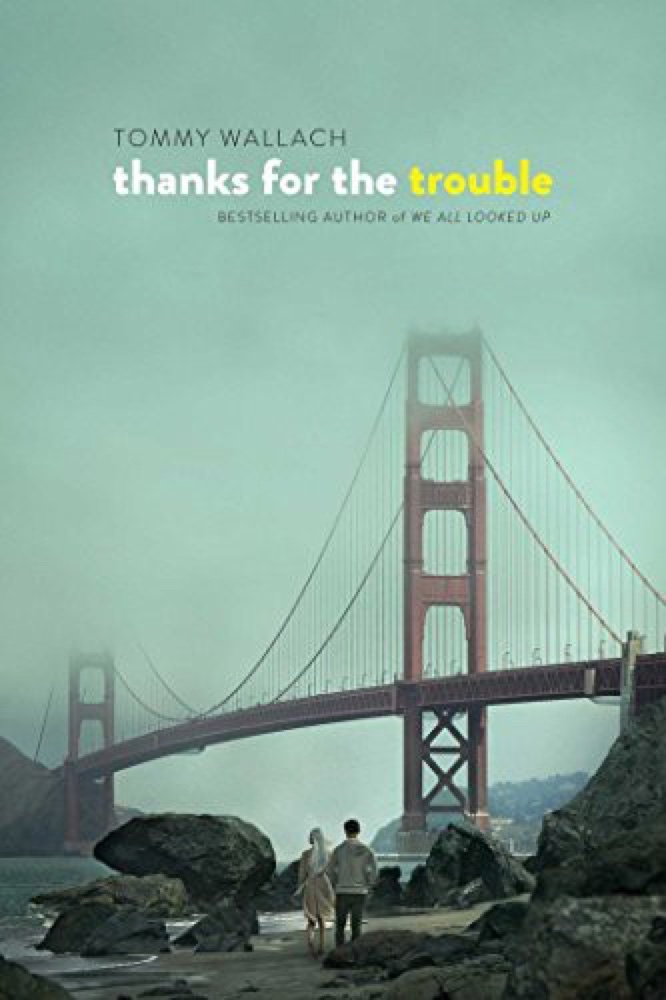 Thanks for the Trouble
 Summer Days and Summer Nights: Twelve Love Stories
 The Chalk Man
 The Atlas Complex
 Find Me
 They Call Her Dirty Sally
 Special Topics in Calamity Physics
 Revolutionary Road
 Tell No One
 Tomorrow, and Tomorrow, and Tomorrow
 Light Years
 Arch of Triumph
 The Rescue
 Liberation Day
 Millennium Approaches