
 Pride and Prejudice
Quotes from the Book
The more I know of the world, the more I am convinced that I shall never see a man whom I can really love. I require so much!
8.9k
If I could but know his heart, everything would become easy.
1.2k
I wish, as well as everybody else, to be perfectly happy; but, like everybody else, it must be in my own way.
1.1k
Know your own happiness. You want nothing but patience- or give it a more fascinating name, call it hope.
991
It is not time or opportunity that is to determine intimacy;—it is disposition alone. Seven years would be insufficient to make some people acquainted with each other, and seven days are more than enough for others.
832
It is not everyone,' said Elinor, 'who has your passion for dead leaves.
668
I come here with no expectations, only to profess, now that I am at liberty to do so, that my heart is and always will be...yours.
606
If a book is well written, I always find it too short.
589
I will be calm. I will be mistress of myself.
564
Elinor agreed to it all, for she did not think he deserved the compliment of rational opposition.
517
To wish was to hope, and to hope was to expect
482
I never wish to offend, but I am so foolishly shy, that I often seem negligent, when I am only kept back by my natural awkwardness. [...] Shyness is only the effect of a sense of inferiority in some way or other. If I could persuade myself that my manners were perfectly easy and graceful, I should not be shy.
482
She was stronger alone…
335
Do not let the behavior of others destroy your inner peace.
327
What do you know of my heart? What do you know of anything but your own suffering. For weeks, Marianne, I've had this pressing on me without being at liberty to speak of it to a single creature. It was forced on me by the very person whose prior claims ruined all my hope. I have endured her exultations again and again whilst knowing myself to be divided from Edward forever. Believe me, Marianne, had I not been bound to silence I could have provided proof enough of a broken heart, even for you.
259
Always resignation and acceptance. Always prudence and honour and duty. Elinor, where is your heart?
219
Eleanor went to her room "where she was free to think and be wretched.
195
I could not be happy with a man whose taste did not in every point coincide with my own. He must enter in all my feelings; the same books, the same music must charm us both.
176
I have not wanted syllables where actions have spoken so plainly.
158
There is something so amiable in the prejudices of a young mind, that one is sorry to see them give way to the reception of more general opinions.
155
It is not what we think or feel that makes us who we are. It is what we do. Or fail to do...
152
Life could do nothing for her, beyond giving time for a better preparation for death.
144
Money can only give happiness where there is nothing else to give it.
135
Sometimes one is guided by what they say of themselves, and very frequently by what other people say of them, without giving oneself time to deliberate and judge." -Elinor Dashwood
125
She was stronger alone; and her own good sense so well supported her, that her firmness was as unshaken, her appearance of cheerfulness as invariable, as, with regrets so poignant and so fresh, it was possible for them to be.
120
Elinor could sit still no longer. She almost ran out of the room, and as soon as the door was closed, burst into tears of joy, which at first she thought would never cease.
117
..that sanguine expectation of happiness which is happiness itself
109
to hope was to expect
105
Did you know?
- The novel was first published anonymously, attributed only to "A Lady."
- It was the first of Jane Austen's novels to appear in print, in 1811.
- Austen published it on a commission basis and bore the financial risk herself.
- An early version is believed to have existed as an epistolary work titled "Elinor and Marianne."
- Emma Thompson won an Academy Award for Best Adapted Screenplay for the 1995 film version.
About Jane Austen
Jane Austen (1775-1817) was an English novelist whose works of social realism and irony, including Pride and Prejudice and Emma, made her one of the most widely read writers in English literature. Sense and Sensibility was the first of her novels to be published.
More about the author →More by Jane Austen
All books by Jane Austen →
About the book
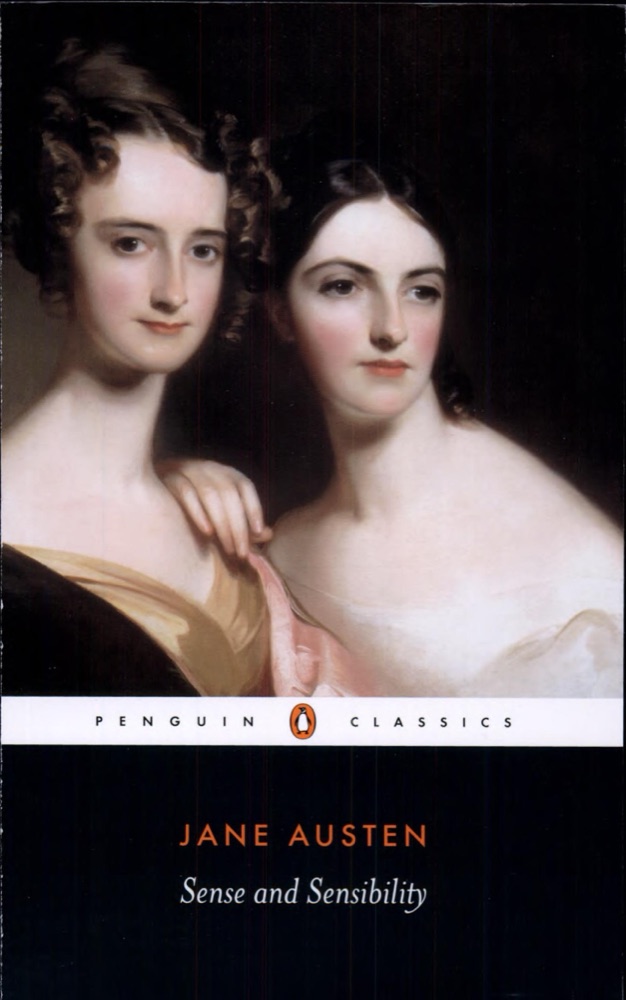
Sense and Sensibility is Jane Austen's first published novel, following the Dashwood sisters after their father's death leaves them with a sharply reduced income and forces them to leave their family estate in Sussex for a modest cottage in Devon. Elinor, the elder, embodies restraint and good judgment ("sense"), while Marianne gives herself wholly to feeling and romantic ardour ("sensibility"). The plot traces each sister's experience of love and disappointment as Elinor quietly endures her attachment to the reserved Edward Ferrars and Marianne is swept up by the charming but unreliable John Willoughby.
Through the contrasting temperaments of its heroines, the novel weighs reason against emotion and the costs and limits of each, ultimately suggesting that neither extreme alone serves a woman well. Austen also examines the precarious position of women under a system of inheritance that favoured male heirs, the pressures of money and social propriety on marriage, and the gap between sincere feeling and public conduct.
Published anonymously in 1811 as the work of "A Lady," the book established Austen's career and has remained continuously in print. It is regarded as a foundational work of the English novel and has been widely adapted, most famously in Ang Lee's 1995 film with a screenplay by Emma Thompson.
Key characters
- Elinor DashwoodThe sensible, self-controlled elder sister
- Marianne DashwoodThe passionate, emotionally expressive younger sister
- Edward FerrarsReserved gentleman attached to Elinor, bound by a secret engagement
- Colonel BrandonSteady, honourable older suitor devoted to Marianne
- John WilloughbyCharming but unreliable young man who courts Marianne
- Mrs. DashwoodThe widowed mother who relocates the family to Devon
- Lucy SteeleCalculating young woman secretly engaged to Edward
Book details
- First published
- 1811
- Series
- omit
- Author
- Jane Austen
- Genre
- Classics
- Goodreads rating
- 4.09 (1.3M ratings)
- First line
- “The family of Dashwood had long been settled in Sussex.”
Critical reception
- Praised in early reviews for its morality and skilful drawing of character.
- Established Jane Austen's literary career and has remained continuously in print.
- Widely studied as a foundational work of the English novel and of Austen's treatment of women's social and economic vulnerability.
Movie & TV adaptations
- IMDb
- IMDb
Keep reading
 Emma
Pride and Prejudice
Emma
Pride and Prejudice
 The Tenant of Wildfell Hall
 Mansfield Park
 Villette
 The Other Bennet Sister
 Anna Karenina
 Agnes Grey
 Jane Eyre
 North and South
 An Ideal Husband
 Far from the Madding Crowd
 Great Expectations
 A Lady for a Duke
 Clarissa, or, the History of a Young Lady
 The Portrait of a Lady
 This Side of Paradise
 Wives and Daughters
 The Mill on the Floss
 Simply Magic
 Emily Climbs
 The Life of Charlotte Brontë
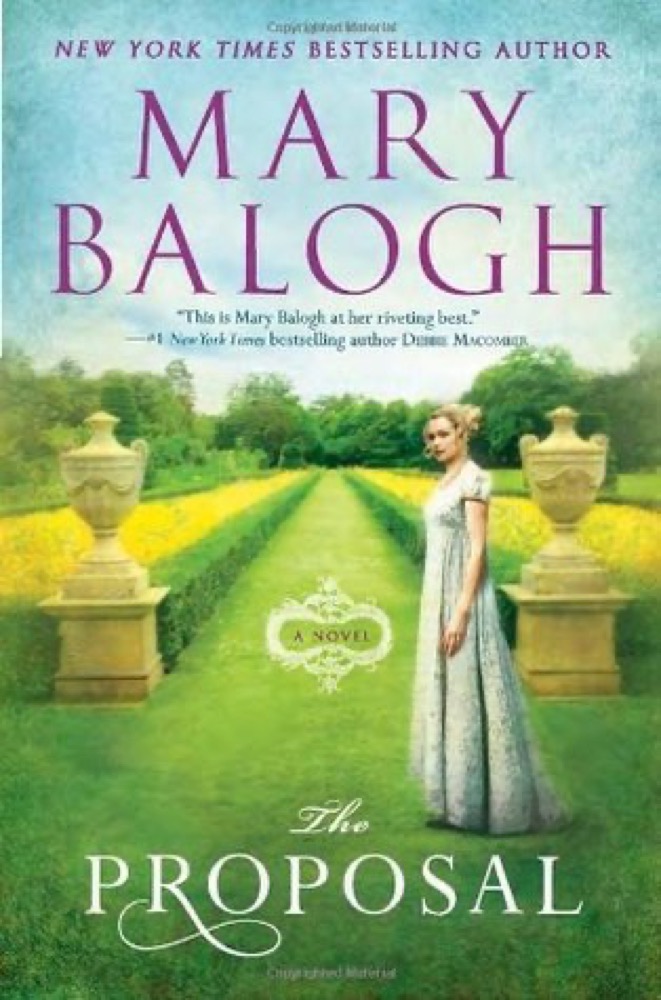 The Proposal
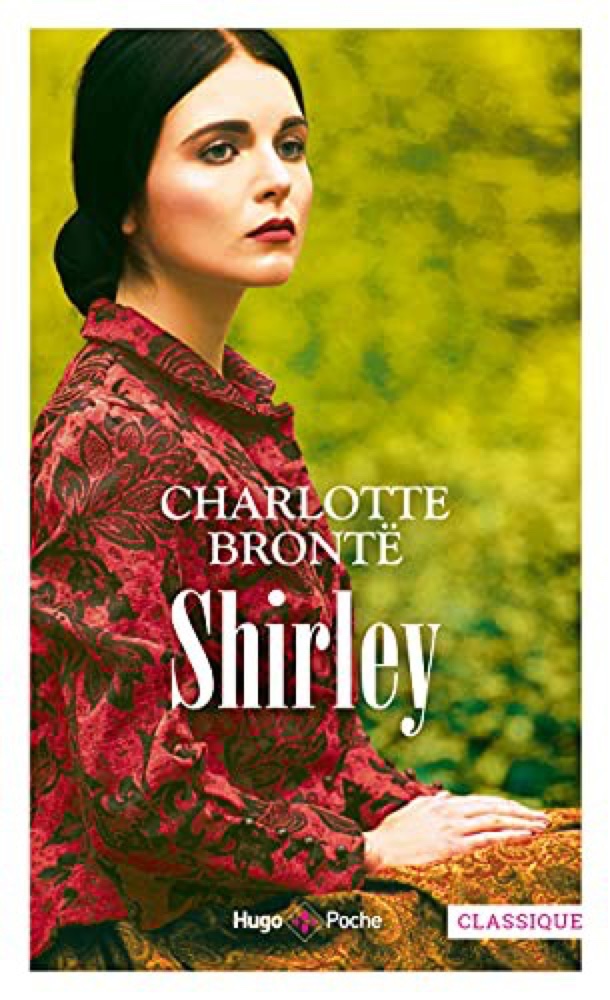 Shirley
 A Room with a View
 Adam Bede
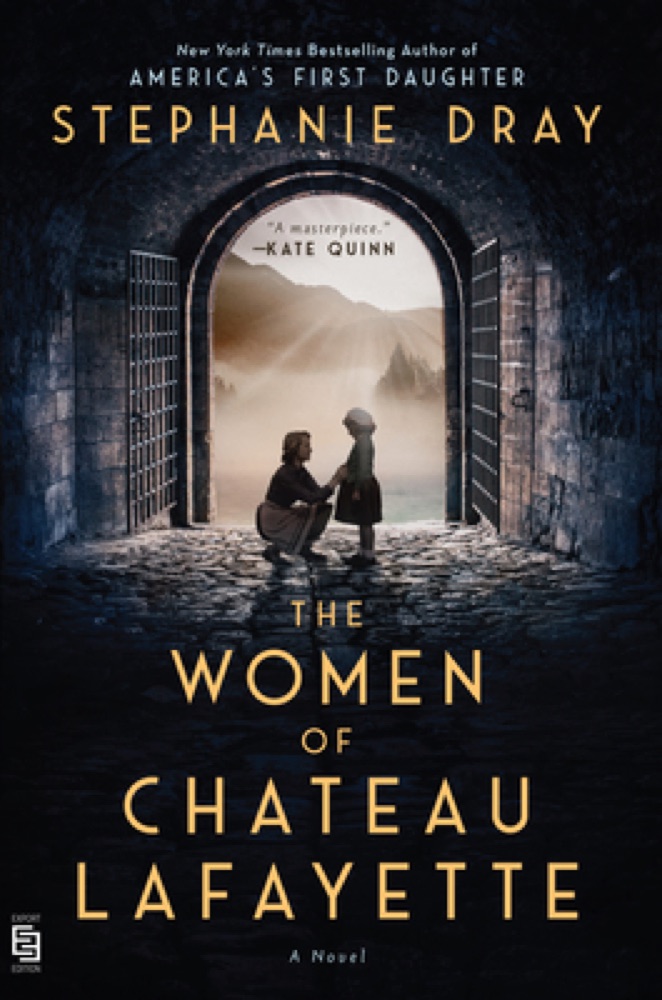 The Women of Chateau Lafayette
 The Death of the Heart
 Eleanor Oliphant Is Completely Fine
 Howards End
![What Was She Thinking? [Notes on a Scandal]](/i/book/g/08/what-was-she-thinking-notes-on-a-scandal.jpg) What Was She Thinking? [Notes on a Scandal]
What Was She Thinking? [Notes on a Scandal]
 A Well-Tempered Heart
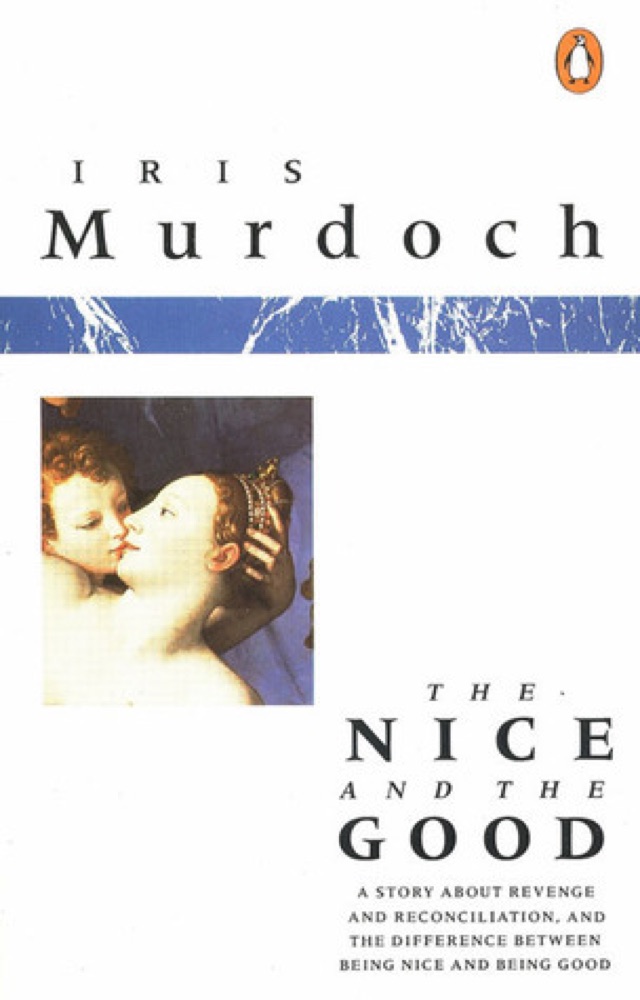 The Nice and the Good
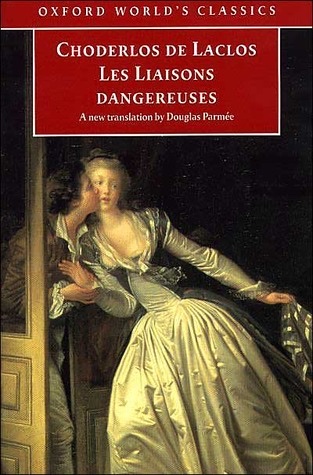 Les Liaisons dangereuses
 Trust: Betrayed
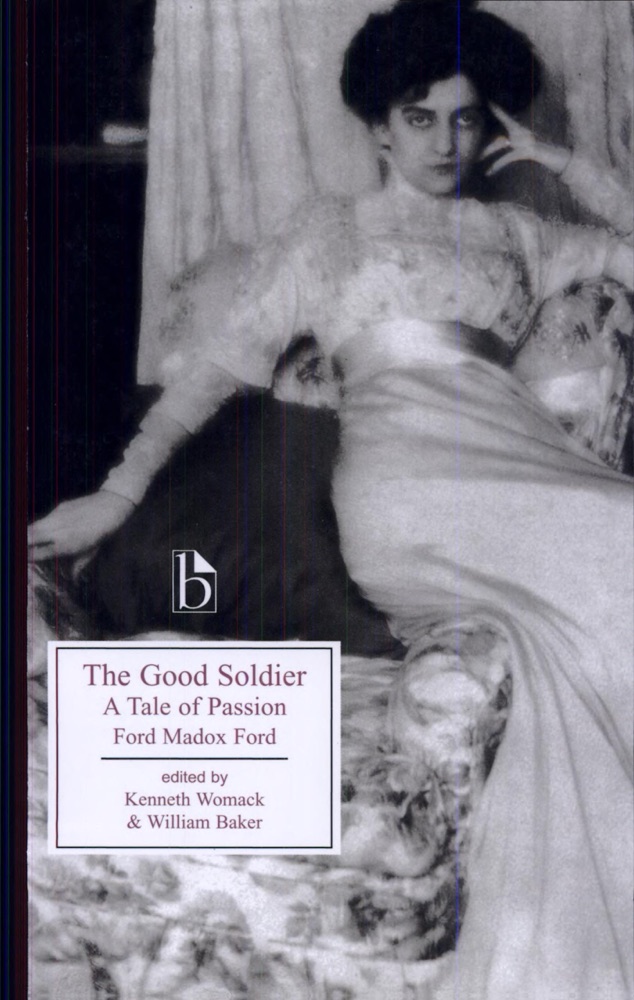 The Good Soldier
 A Study in Scarlet Women
 Safe Haven
 The Importance of Being Earnest
 Confessions of a Jane Austen Addict
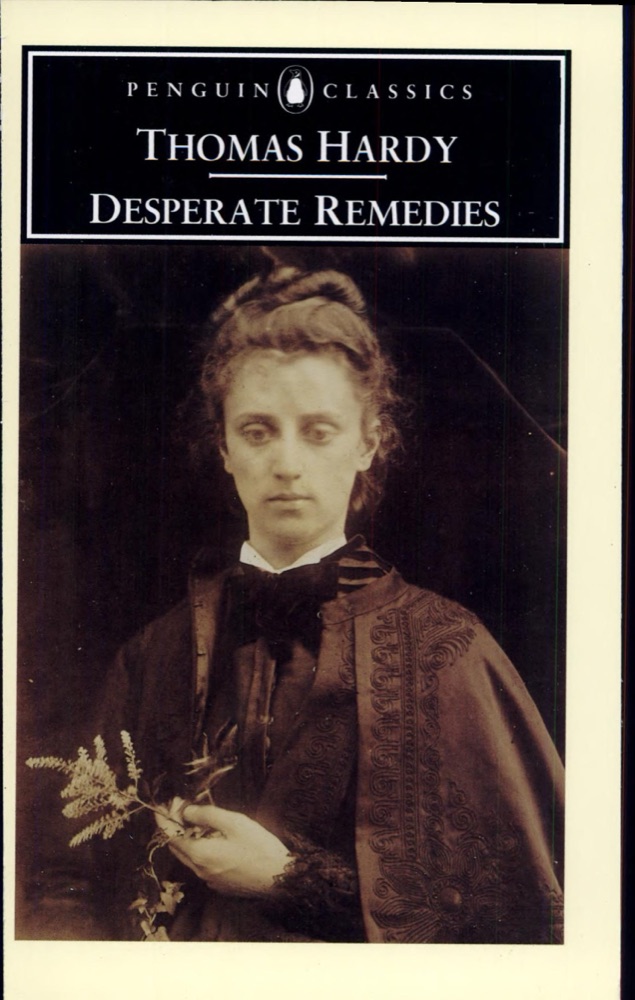 Desperate Remedies
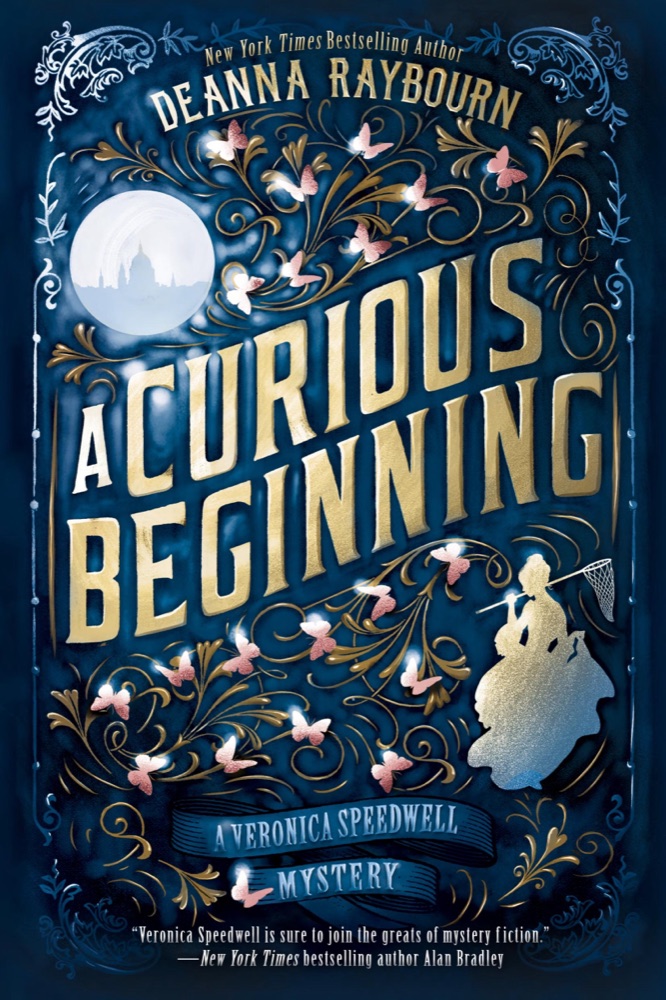 A Curious Beginning
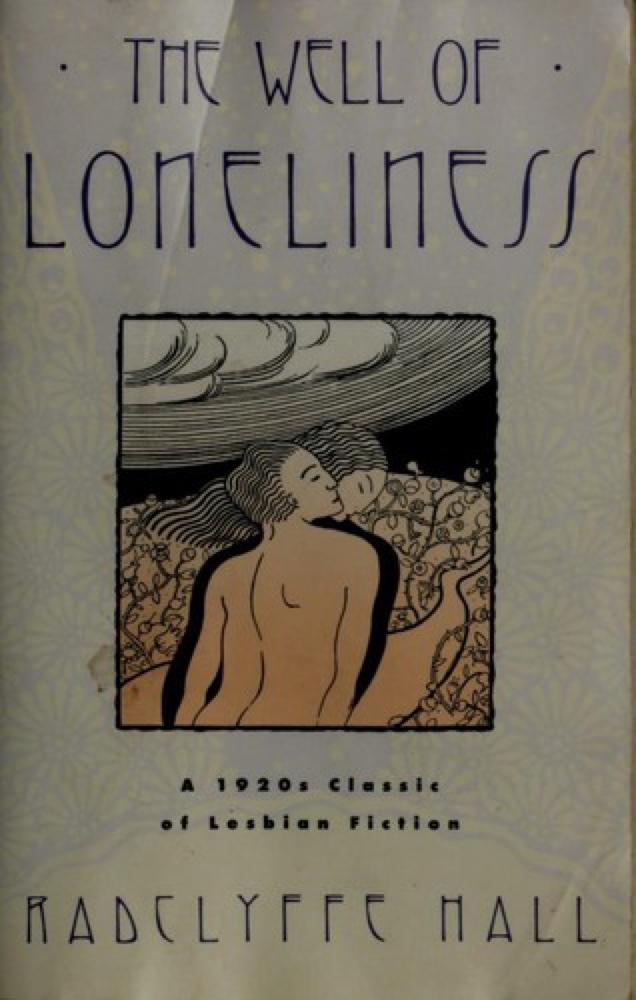 The Well of Loneliness
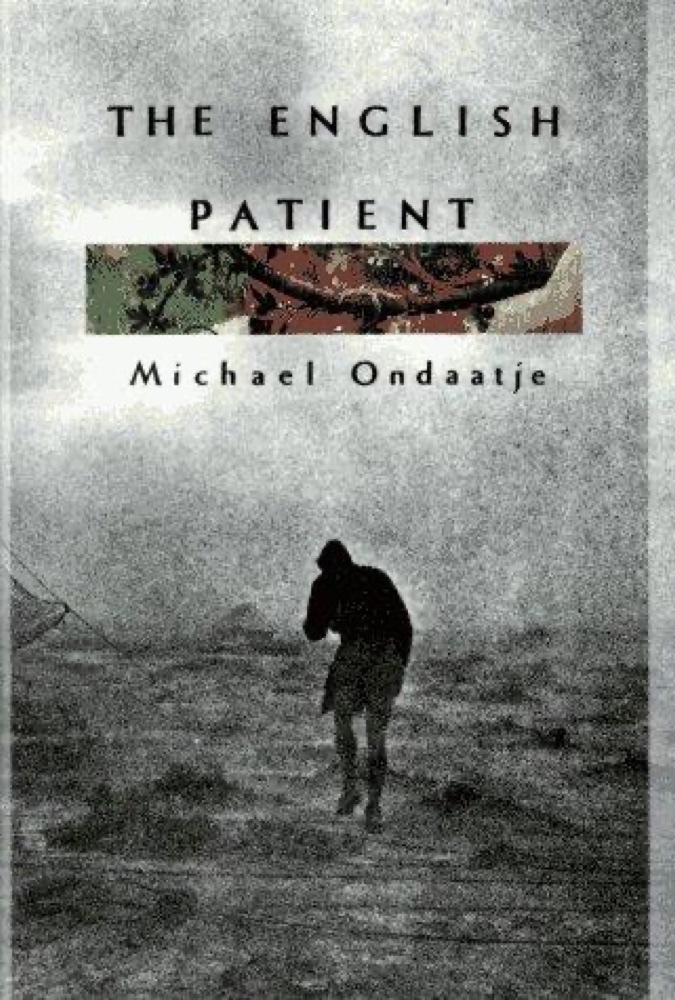 The English Patient
 The Valley of Amazement
 The Diary of a Young Girl
 The Painted Veil
 Mr. Fox
 Can You Forgive Her?
 Pygmalion
 The House of Mirth
 The Adolescent
 The Jewel in the Crown
 David Copperfield
 Rules of Civility
 The Immoralist
 Senlin Ascends
 Rebecca
 A Woman of No Importance
 Rose in Bloom