
 Pride and Prejudice
Quotes from the Book
Life seems but a quick succession of busy nothings.
Selfishness must always be forgiven you know, because there is no hope of a cure.
We have all a better guide in ourselves, if we would attend to it, than any other person can be.
A large income is the best recipe for happiness I ever heard of.
I was quiet, but I was not blind.
A fondness for reading, properly directed, must be an education in itself.
Her own thoughts and reflections were habitually her best companions.
There will be little rubs and disappointments everywhere, and we are all apt to expect too much; but then, if one scheme of happiness fails, human nature turns to another; if the first calculation is wrong, we make a second better: we find comfort somewhere.
Oh! Do not attack me with your watch. A watch is always too fast or too slow. I cannot be dictated to by a watch.
Let us have the luxury of silence.
But indeed I would rather have nothing but tea.
Fanny! You are killing me!" "No man dies of love but on the stage, Mr. Crawford.
Let other pens dwell on guilt and misery. I quit such odious subjects as soon as I can, impatient to restore everybody not greatly in fault themselves to tolerable comfort, and to have done with all the rest.
But there certainly are not so many men of large fortune in the world as there are pretty women to deserve them.
If any one faculty of our nature may be called more wonderful than the rest, I do think it is memory. There seems something more speakingly incomprehensible in the powers, the failures, the inequalities of memory, than in any other of our intelligences. The memory is sometimes so retentive, so serviceable, so obedient; at others, so bewildered and so weak; and at others again, so tyrannic, so beyond control! We are, to be sure, a miracle every way; but our powers of recollecting and of forgetting do seem peculiarly past finding out.
I was so anxious to do what is right that I forgot to do what is right.
[N]obody minds having what is too good for them.
I have no talent for certainty.
Everybody likes to go their own way–to choose their own time and manner of devotion.
You have qualities which I had not before supposed to exist in such a degree in any human creature. You have some touches of the angel in you.
If this man had not twelve thousand a year, he would be a very stupid fellow.
…but then I am unlike other people I dare say.
Oh! write, write. Finish it at once. Let there be an end of this suspense. Fix, commit, condemn yourself.
I understand Crawford paid you a visit?" "Yes." "And was he attentive?" "Yes, very." "And has your heart changed towards him?" "Yes. Several times. I have - I find that I - I find that-" "Shh. Surely you and I are beyond speaking when words are clearly not enough.... I missed you." "And I you.
I am very strong. Nothing ever fatigues me, but doing what I do not like.
But Shakespeare one gets acquainted with without knowing how. It is a part of an Englishman's constitution. His thoughts and beauties are so spread abroad that one touches them everywhere; one is intimate with him by instinct. No man of any brain can open at a good part of one of his plays without falling into the flow of his meaning immediately.
Sitting with her on Sunday evening — a wet Sunday evening — the very time of all others when if a friend is at hand the heart must be opened, and every thing told…
She was feeling, thinking, trembling about everything; agitated, happy, miserable, infinitely obliged, absolutely angry.
Good-humoured, unaffected girls, will not do for a man who has been used to sensible women. They are two distinct orders of being.
Did you know?
- Mansfield Park was first published on more than one date in May 1814 by Thomas Egerton in three volumes.
- It was Jane Austen's third published novel, following Sense and Sensibility and Pride and Prejudice.
- The first edition sold out within about six months, earning Austen a profit of at least several hundred pounds.
- Sir Thomas Bertram's wealth in the novel is drawn from a plantation in Antigua, an oblique reference to slavery.
- The title page of the first edition credited the book to 'the author of Pride and Prejudice' rather than naming Austen.
- The novel's plot turns partly on an amateur theatrical production the young characters stage in Sir Thomas's absence.
About Jane Austen
Jane Austen (1775-1817) was an English novelist known for her sharp social observation and irony, whose six major novels, including Pride and Prejudice and Emma, have become enduring classics of English literature.
More about the author →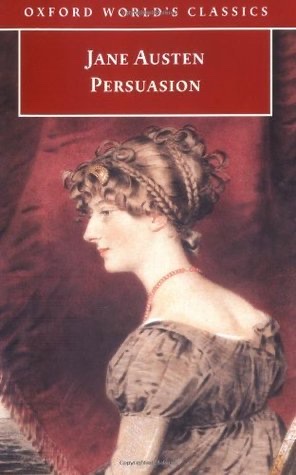
About the book
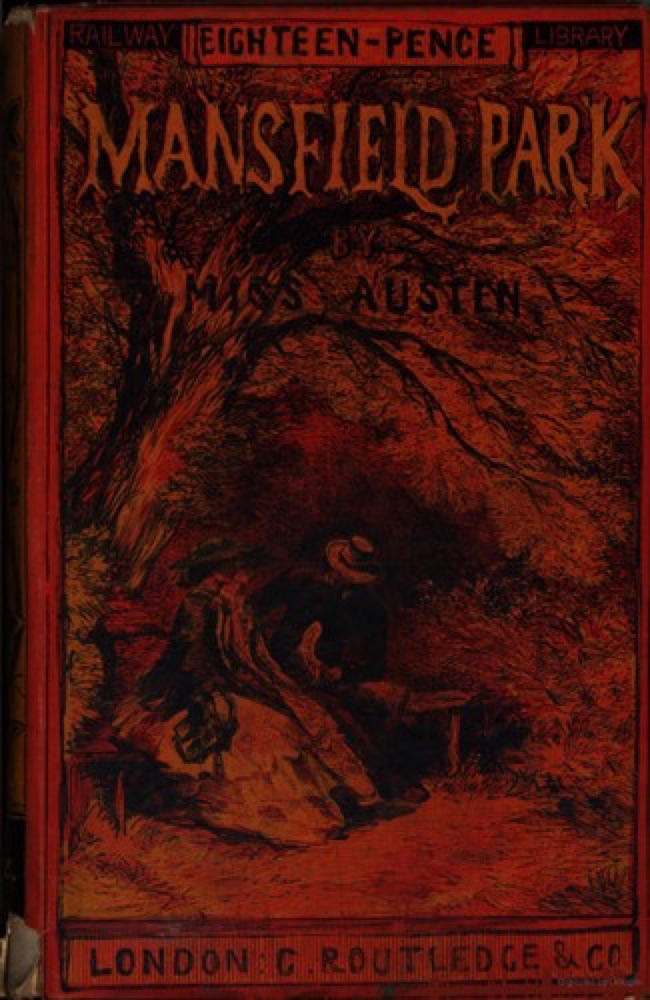
Mansfield Park, published in 1814, is Jane Austen's third published novel. It follows Fanny Price, a poor girl sent at the age of ten from her overcrowded family in Portsmouth to live with her wealthy aunt and uncle, Sir Thomas and Lady Bertram, at their country estate of Mansfield Park. Treated as a poor relation and slighted by nearly everyone but her cousin Edmund, Fanny grows into a quiet young woman of firm moral principle. When the worldly, charming Crawford siblings, Henry and Mary, arrive from London, their fashionable ways introduce temptation and disorder into the household, culminating in a scandal that forces the family to confront its own failings.
The novel is preoccupied with propriety and the difference between outward conformity to social rules and genuine, inward virtue. An amateur theatrical production the young people stage in Sir Thomas's absence becomes a symbol of that gap, and Fanny's steadfast refusal to marry Henry Crawford despite intense family pressure dramatizes Austen's conviction that conscience must take precedence over obedience. The book also touches obliquely on slavery, since Sir Thomas's wealth derives from a plantation in Antigua, a background presence that later readers and critics have found increasingly significant.
Long considered one of Austen's more sober and morally serious works, Mansfield Park has divided readers, some finding its heroine too passive and others admiring its quiet complexity and depth. It has remained continuously in print since its first publication and has been adapted repeatedly for film and television. Its treatment of moral seriousness, social hierarchy, and the hidden economics of empire has made it a frequent subject of modern critical and scholarly attention.
Key characters
- Fanny PriceThe poor relation and moral center of the novel, raised at Mansfield Park
- Edmund BertramThe Bertrams' younger son, destined for the clergy and Fanny's closest ally
- Sir Thomas BertramThe stern master of Mansfield Park, whose fortune comes partly from Antigua
- Maria BertramThe elder Bertram daughter whose imprudent marriage leads to scandal
- Henry CrawfordA charming, morally careless visitor who courts Fanny
- Mary CrawfordHenry's witty, worldly sister, drawn to Edmund but out of step with his values
- Mrs. NorrisFanny's officious, unkind aunt who torments her at Mansfield Park
Book details
- First published
- 1814
- Author
- Jane Austen
- Genre
- Classics
- Goodreads rating
- 3.86 (387k ratings) →
- First line
- “About thirty years ago Miss Maria Ward, of Huntingdon, with only seven thousand pounds, had the good luck to captivate Sir Thomas Bertram, of Mansfield Park, in the county of Northampton, and to be thereby raised to the rank of a baronet's lady, with all the comforts and consequences of an handsome house and large income.”
Movie & TV adaptations
- IMDb
- IMDb
- IMDb
If you liked this, read…
- 1Pride and PrejudiceAusten's earlier novel of courtship, class, and moral judgment in the English gentry
- 2EmmaAnother Austen novel centering on a young woman's moral growth within a small community
- 3Sense and SensibilityAusten's study of sisters navigating money, propriety, and love
- 4Jane EyreAnother story of a poor, principled young woman who finds her place in a wealthy household
Keep reading
 David Copperfield
Pride and Prejudice
David Copperfield
Pride and Prejudice
 Emma
Emma
 Agnes Grey
 Villette
 The Tenant of Wildfell Hall
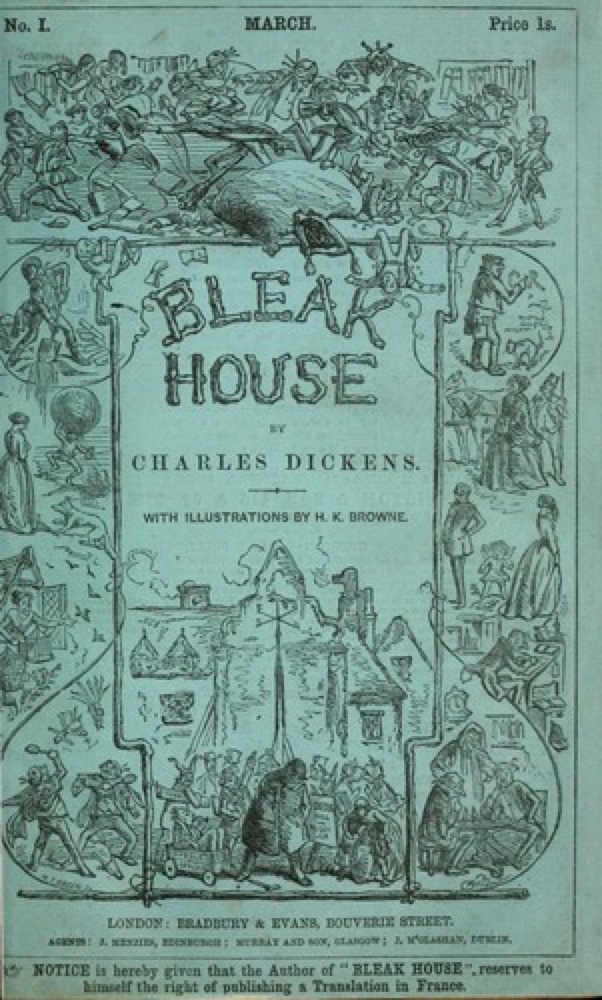 Bleak House
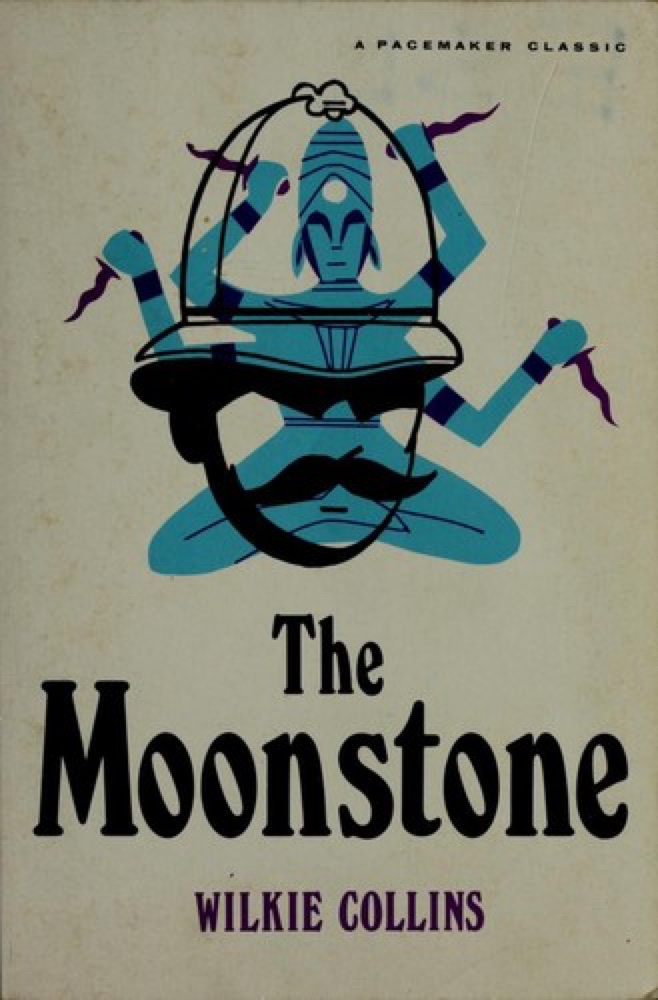 The Moonstone
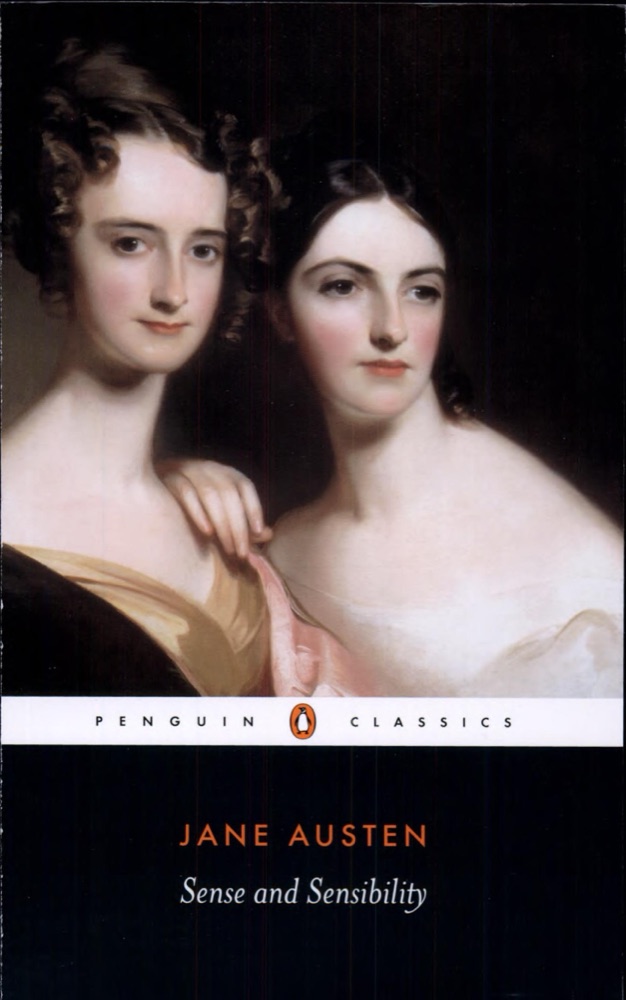 Sense and Sensibility
 The Sea, the Sea
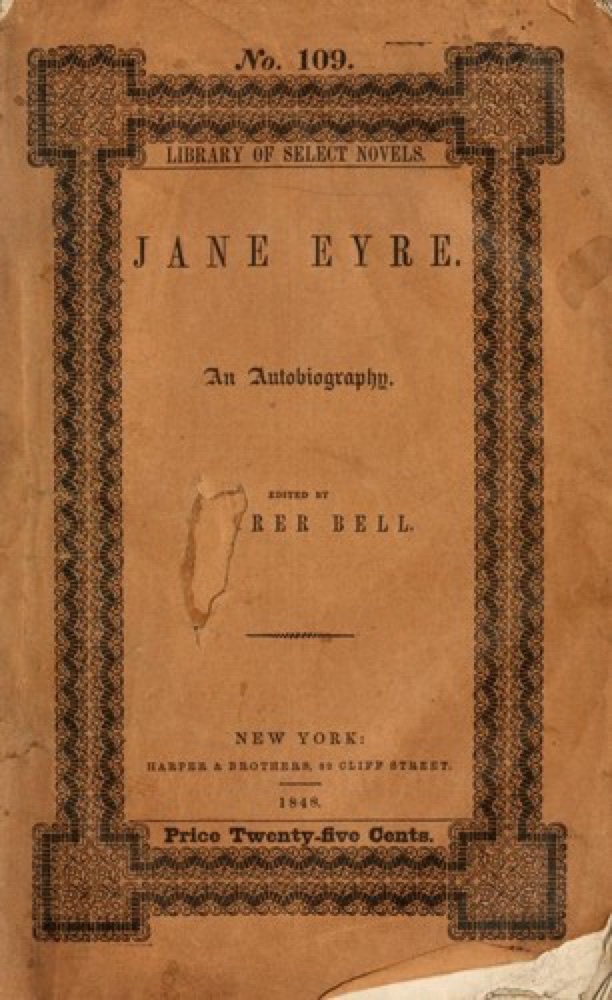 Jane Eyre
 Cuckold
 Eleanor Oliphant Is Completely Fine
 Rebecca
 The Golden Notebook
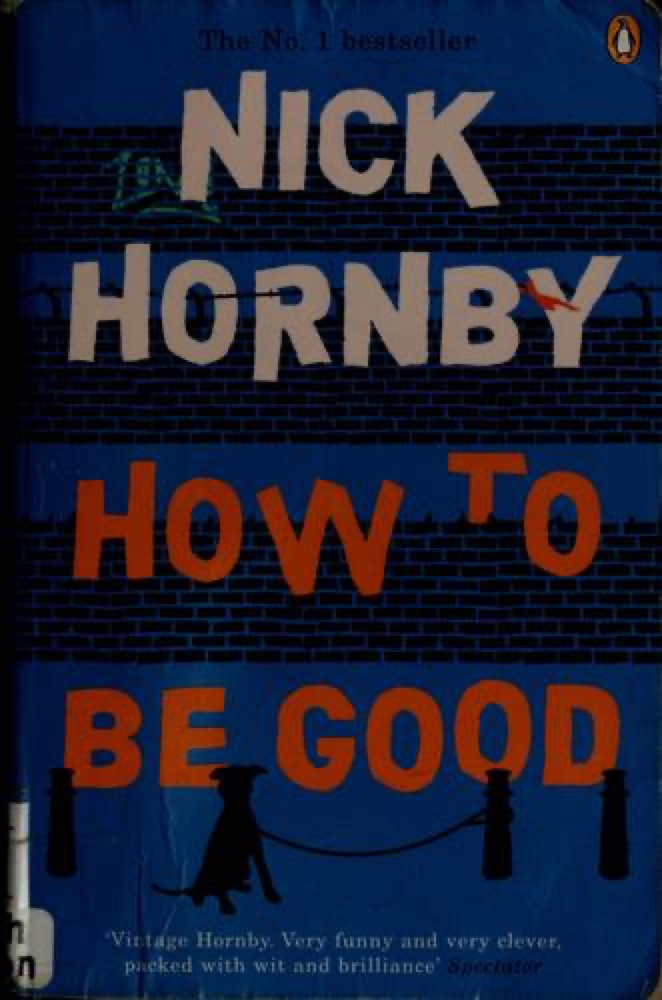 How to Be Good
 Dracula
 I Capture the Castle
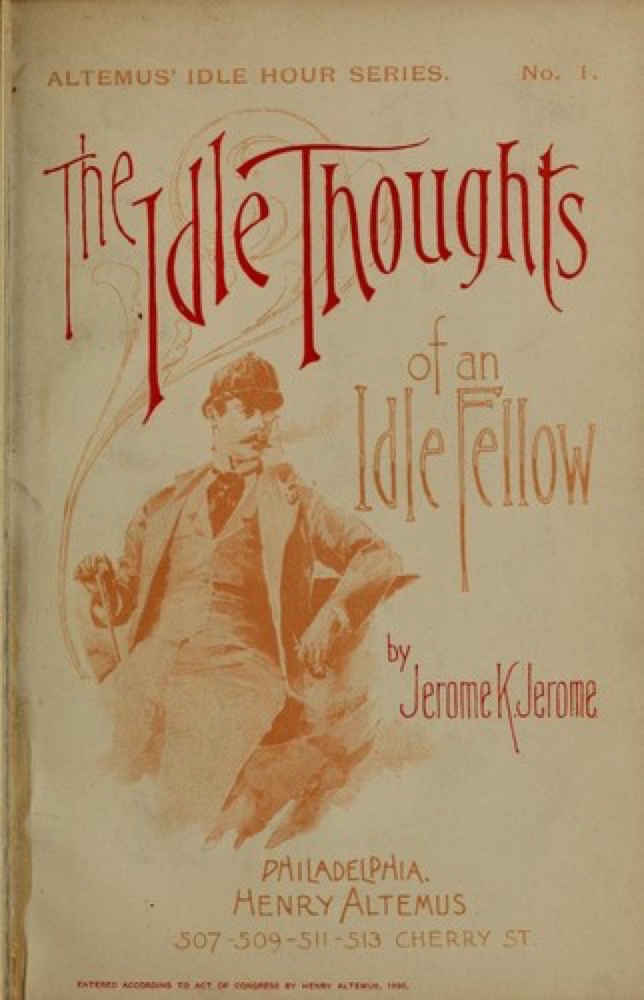 Idle Thoughts of an Idle Fellow
 An Ideal Husband
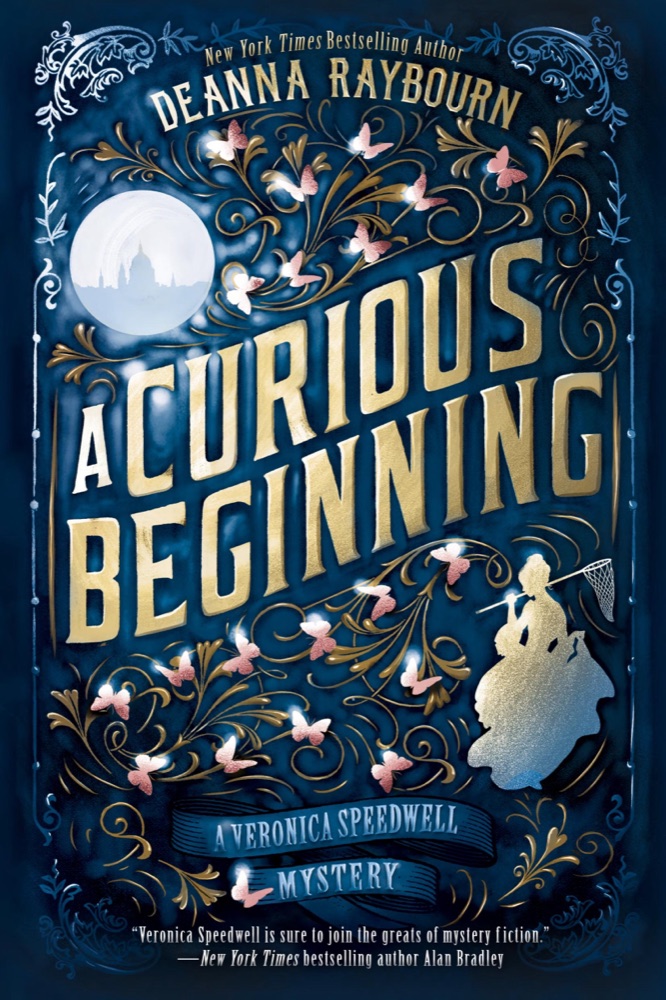 A Curious Beginning
 The Immoralist
 Emily Climbs
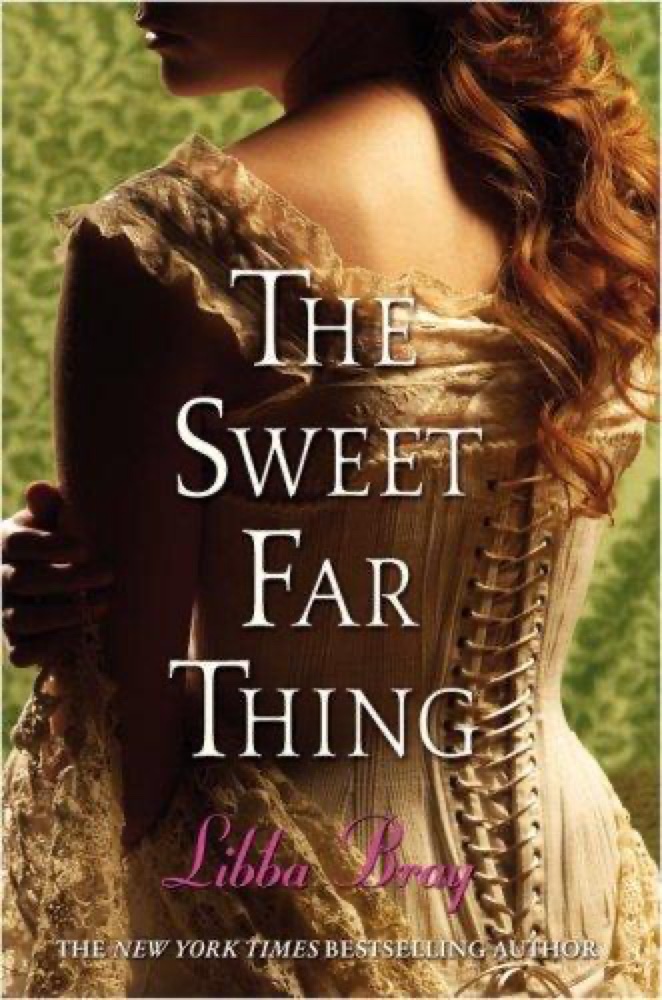 The Sweet Far Thing
 The Importance of Being Earnest
 This Side of Paradise
 Autobiography
 Without Dogma
 Daddy-Long-Legs
 Rules of Civility
 The Sign of Four
 Antigone
 The Complete Essays
 Enchanted
 The Illustrated Man
 Middlemarch
 My Cousin Rachel
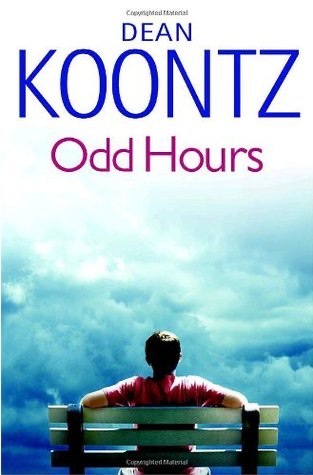 Odd Hours
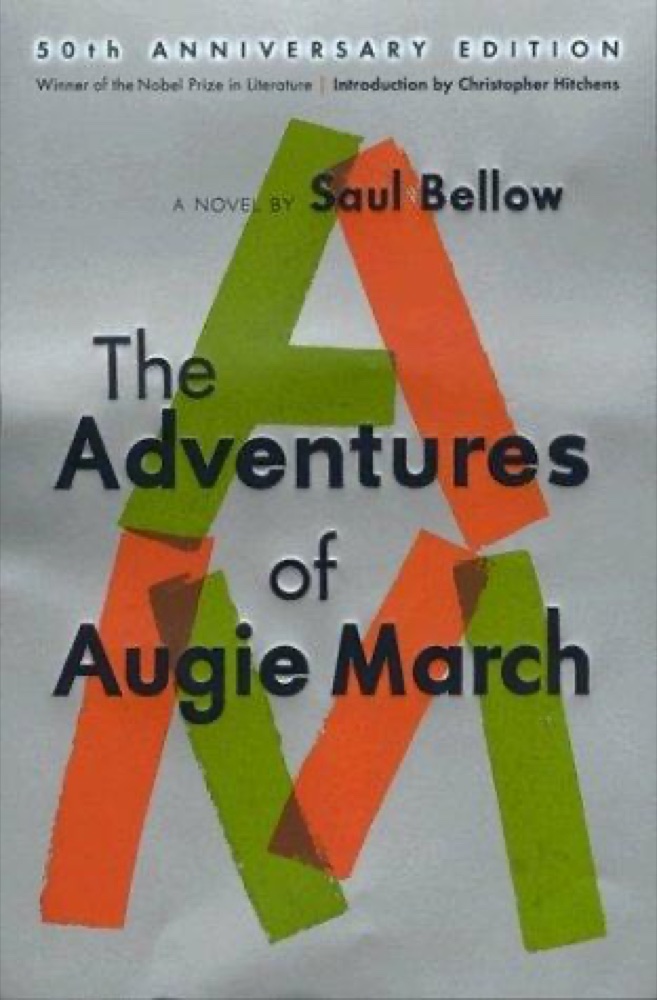 The Adventures of Augie March
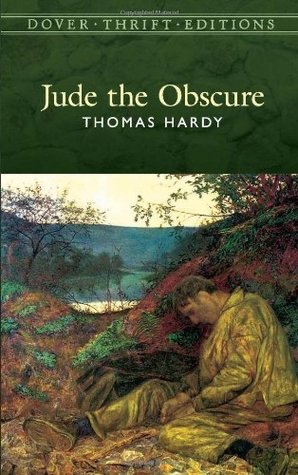 Jude the Obscure
 Fiesta
 Adam Bede
 Odd Thomas
 A Room with a View
 Clarissa, or, the History of a Young Lady
 Gaudy Night
 Hamlet
 Silent in the Grave
 The Adolescent
 Crocodile on the Sandbank
 The Weight of Words
 Speedboat
 The Mandarins
 Fifth Business
 My Booky Wook
 Brave New World
 The Jewel in the Crown
 Stranger in a Strange Land
 Northanger Abbey